Edit Pace — frame-to-frame color delta (bright = fast cuts)
Color Temperature — warm (gold) vs cool (teal) per frame
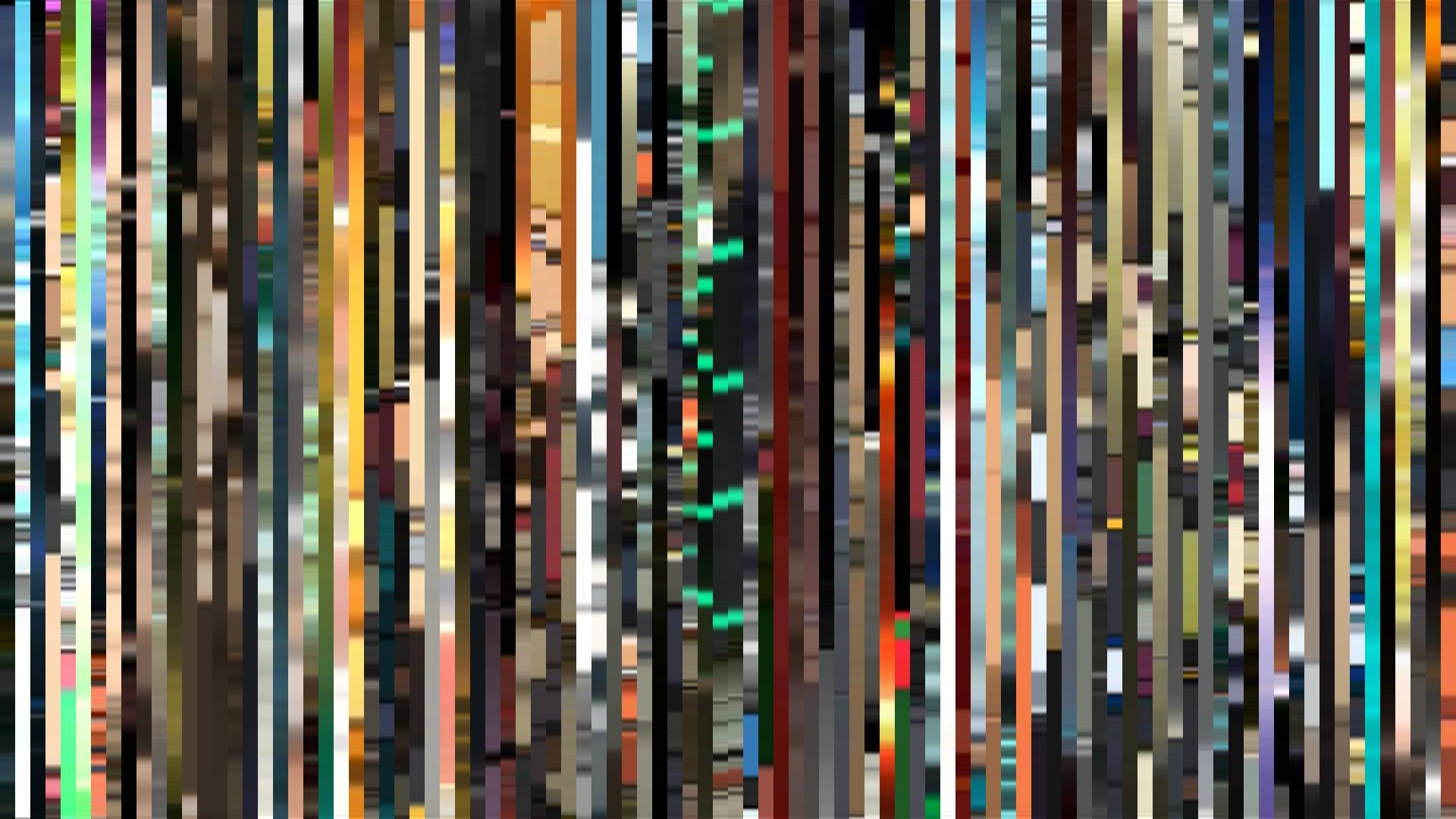
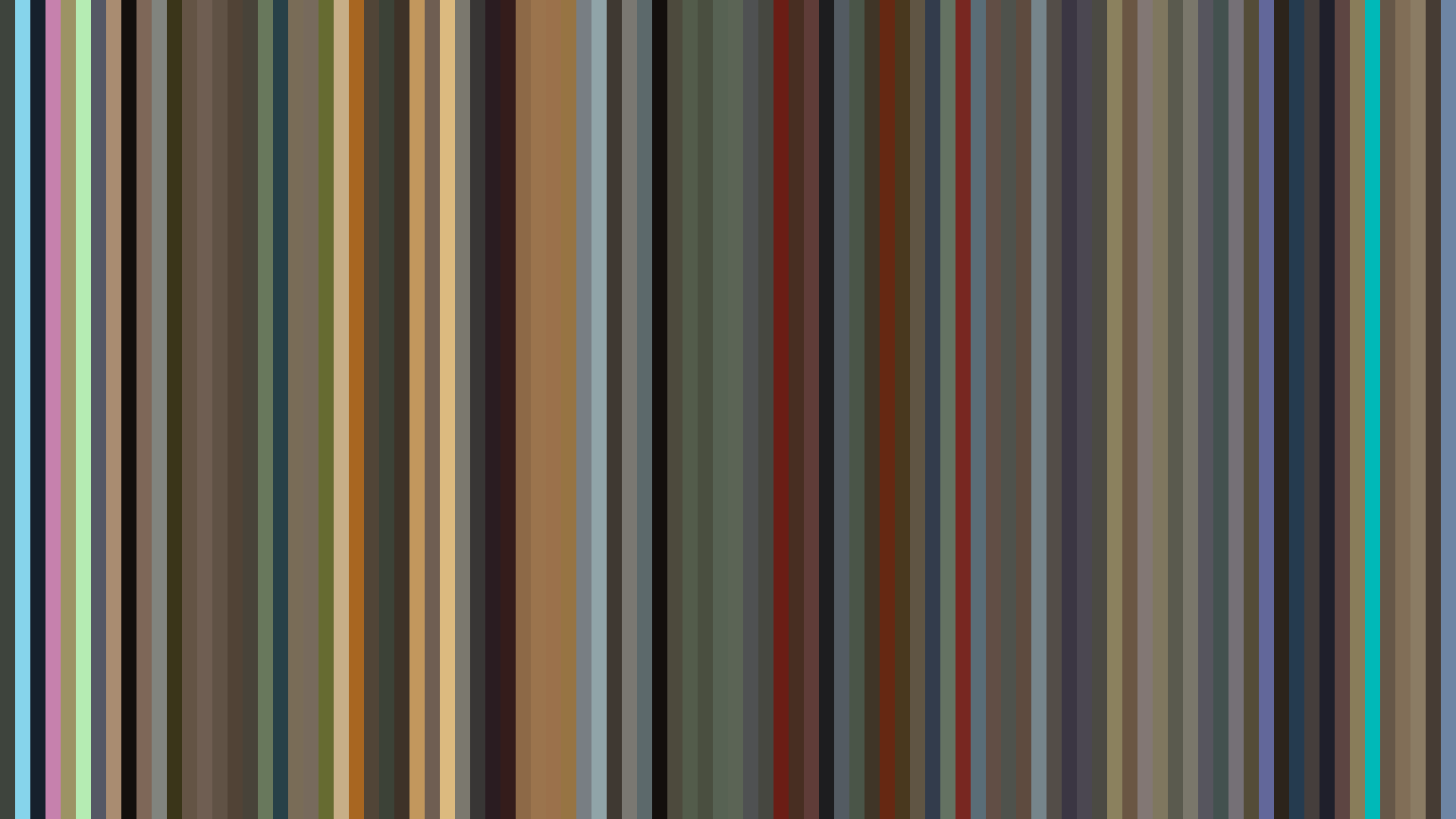
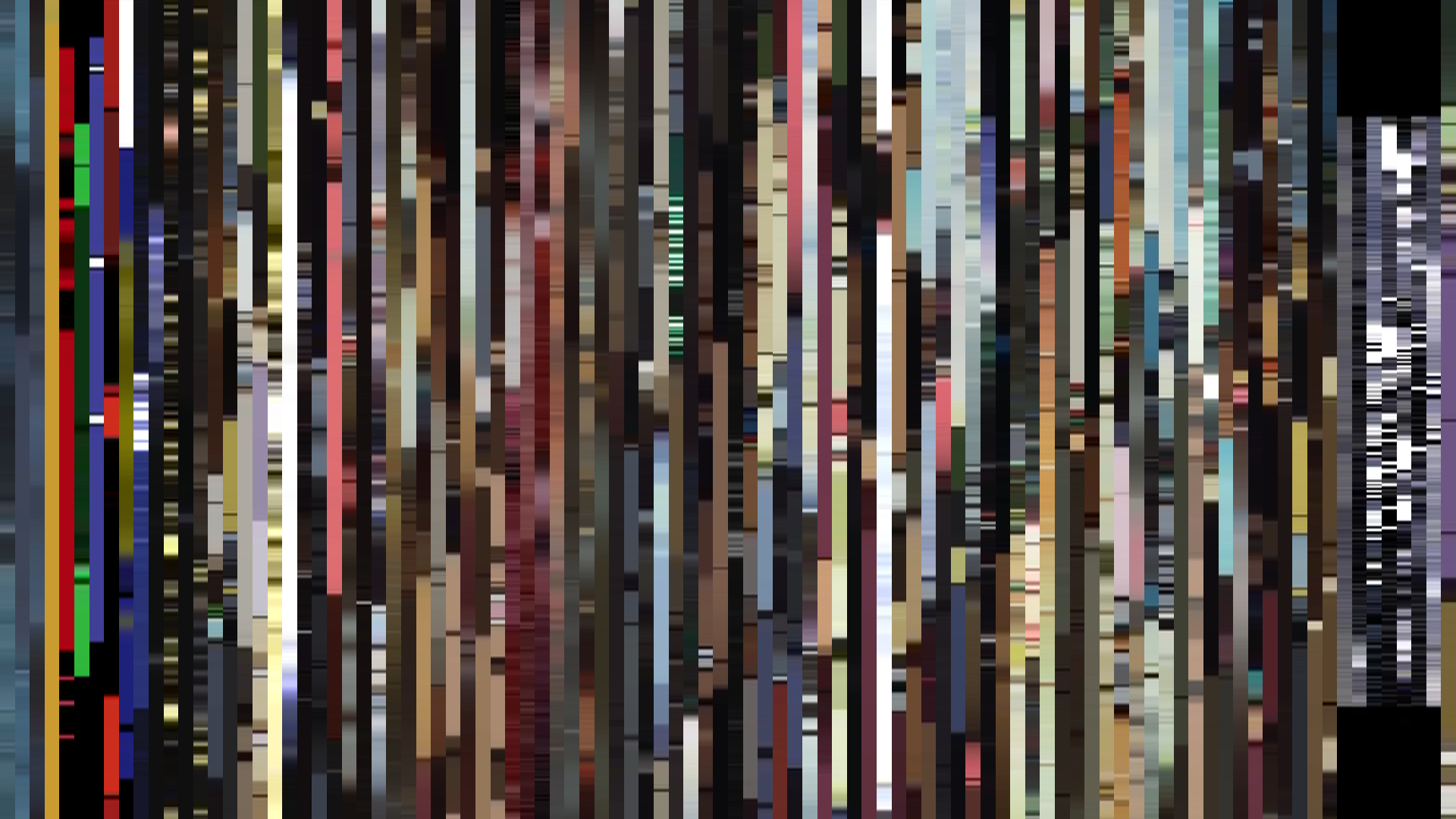
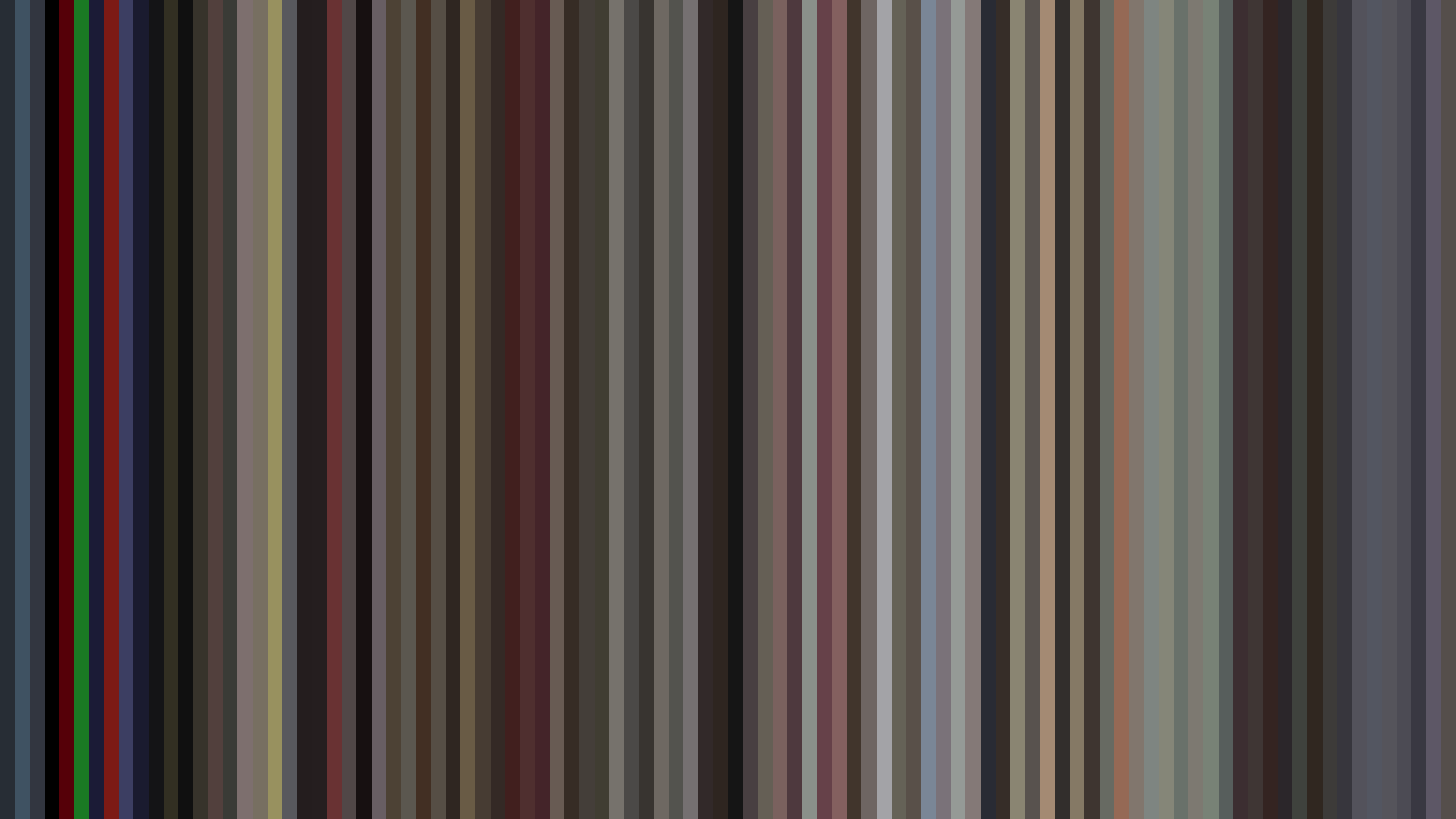
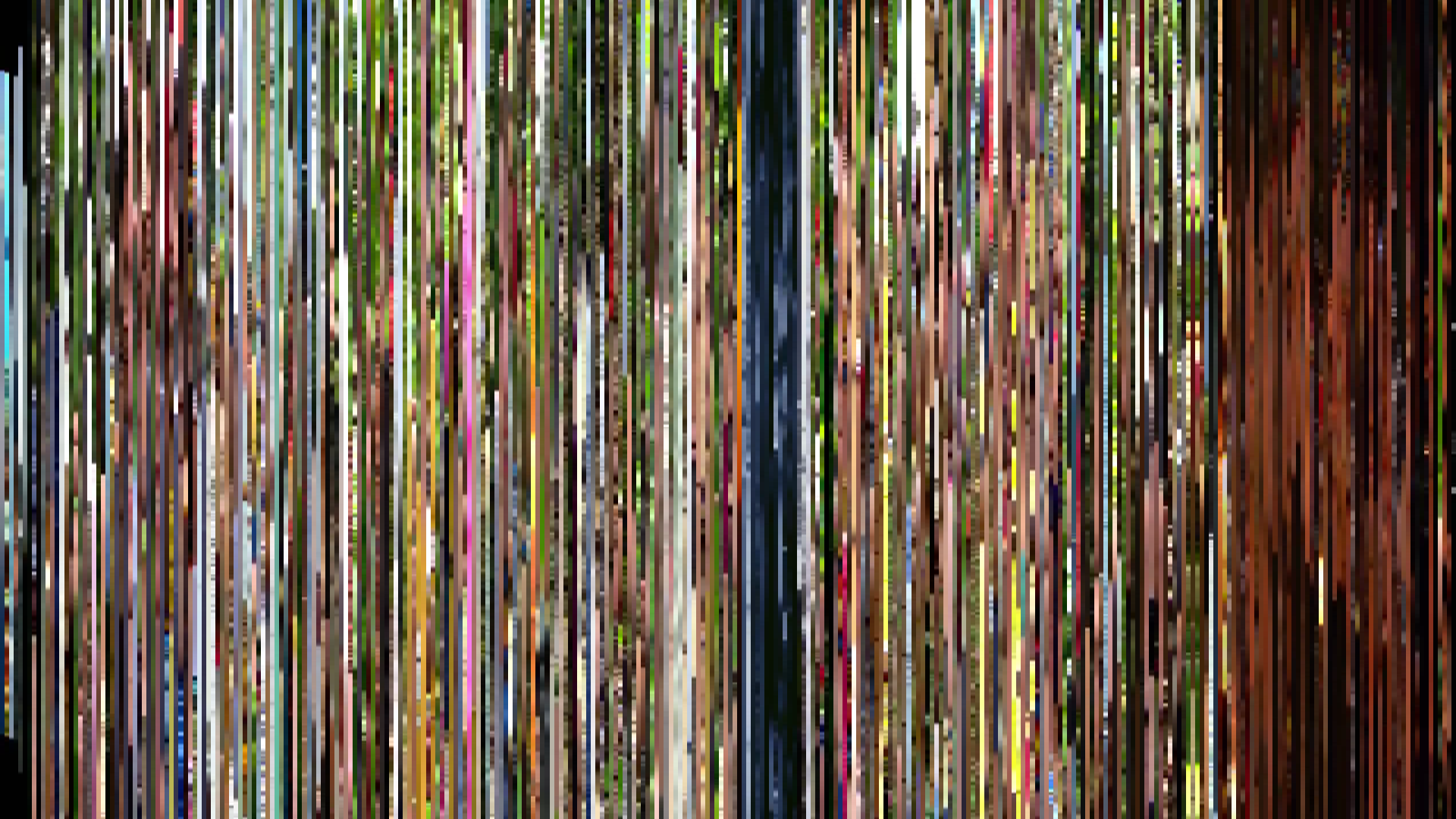
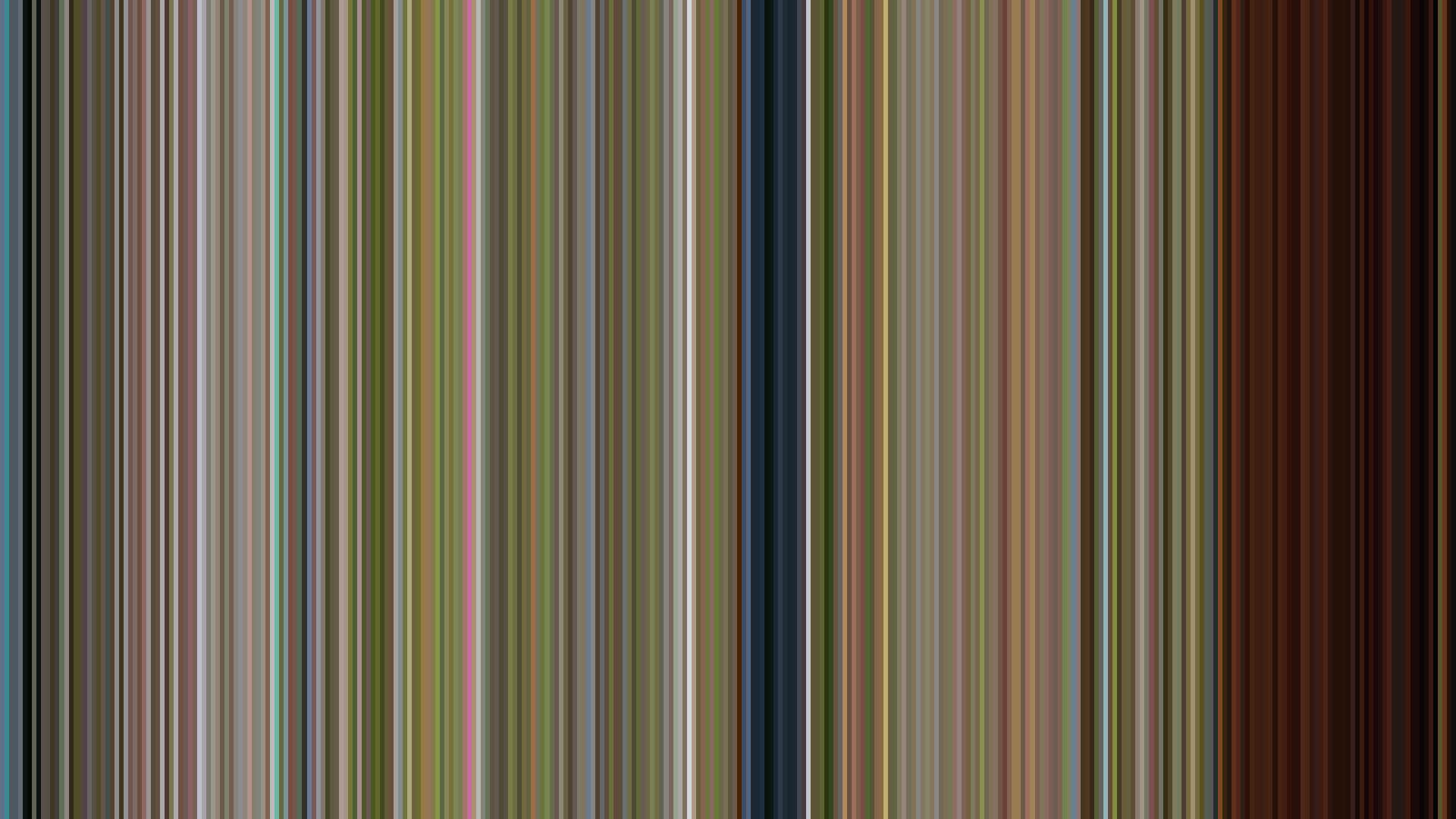
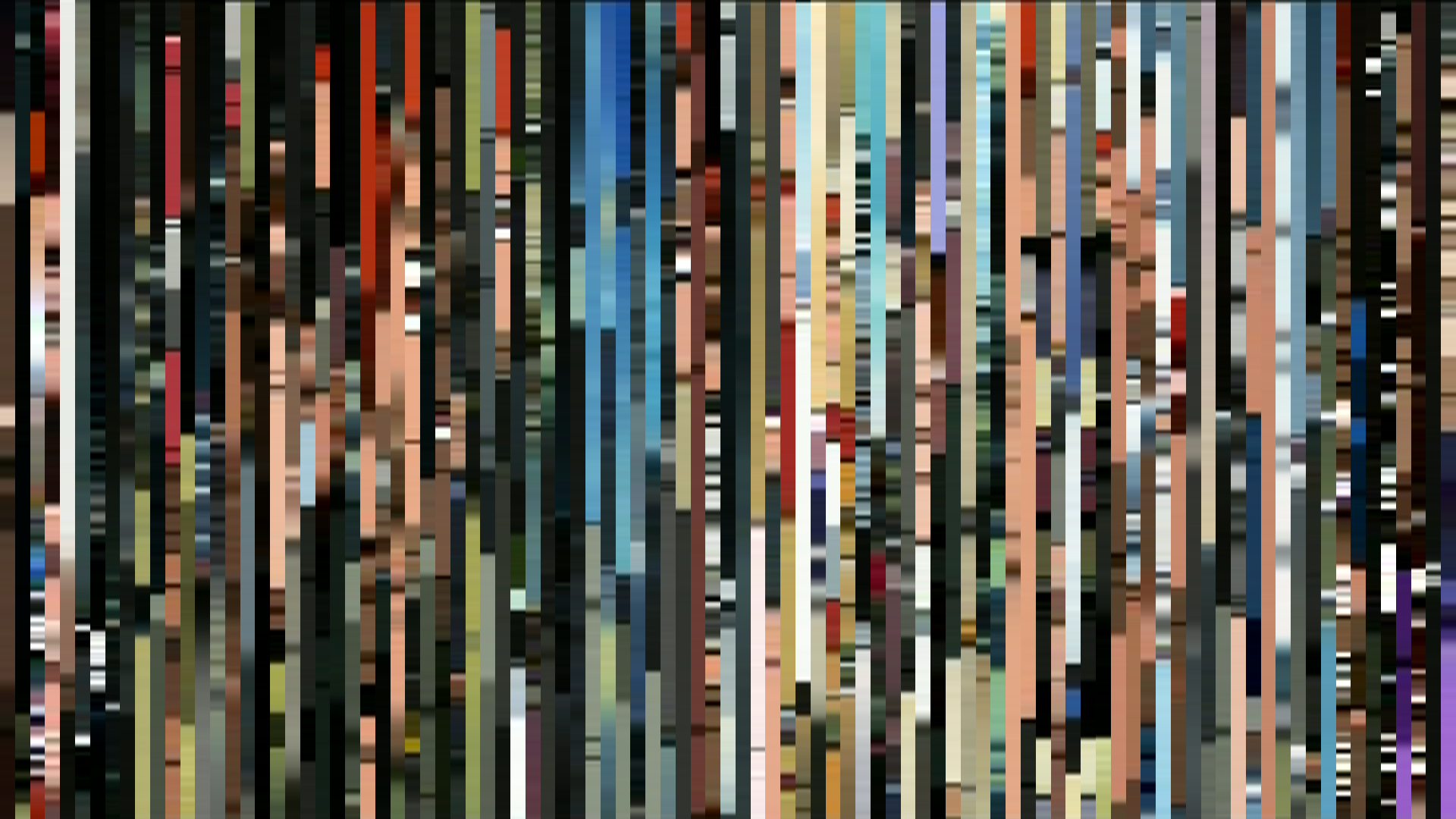
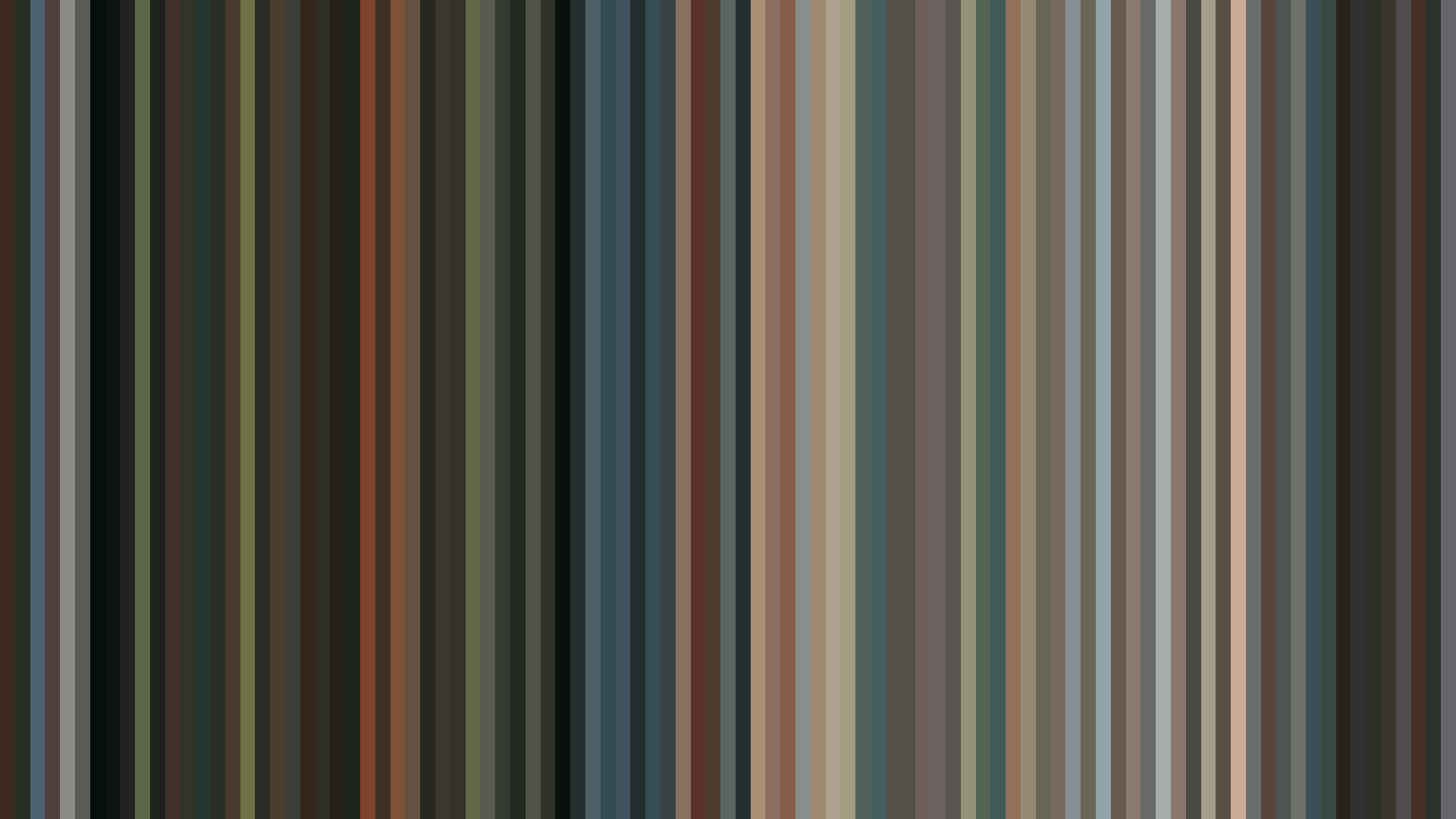
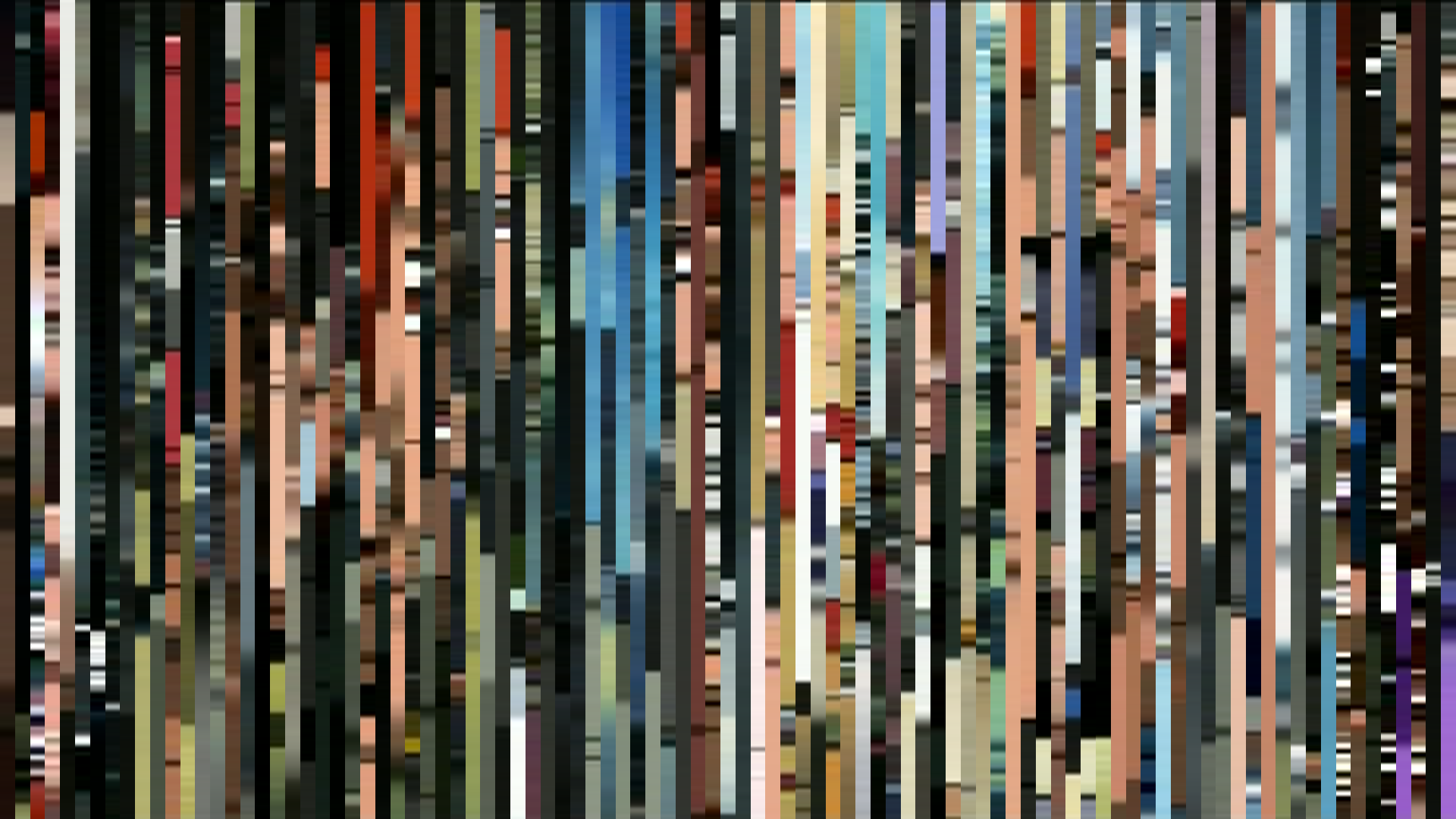
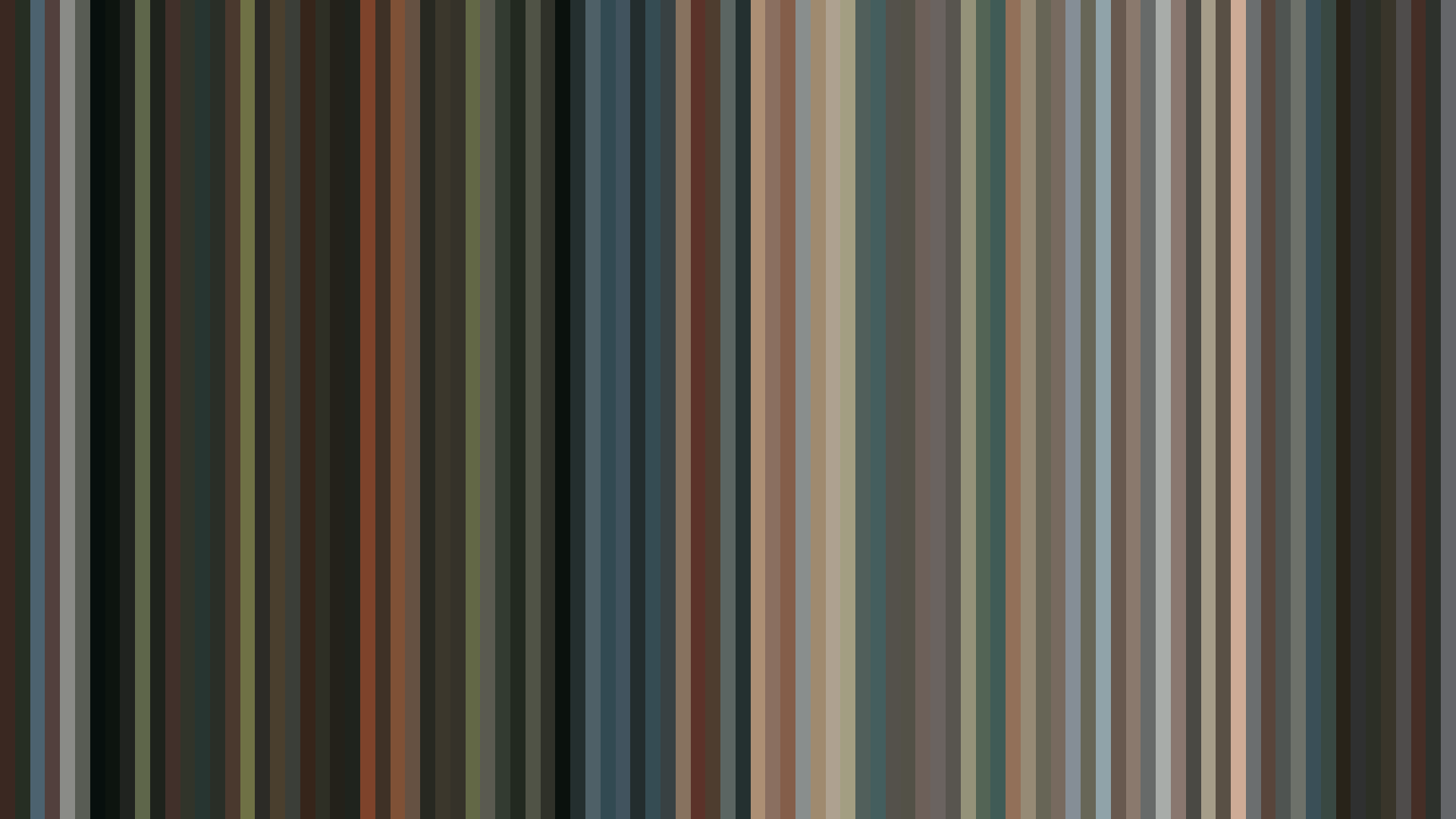
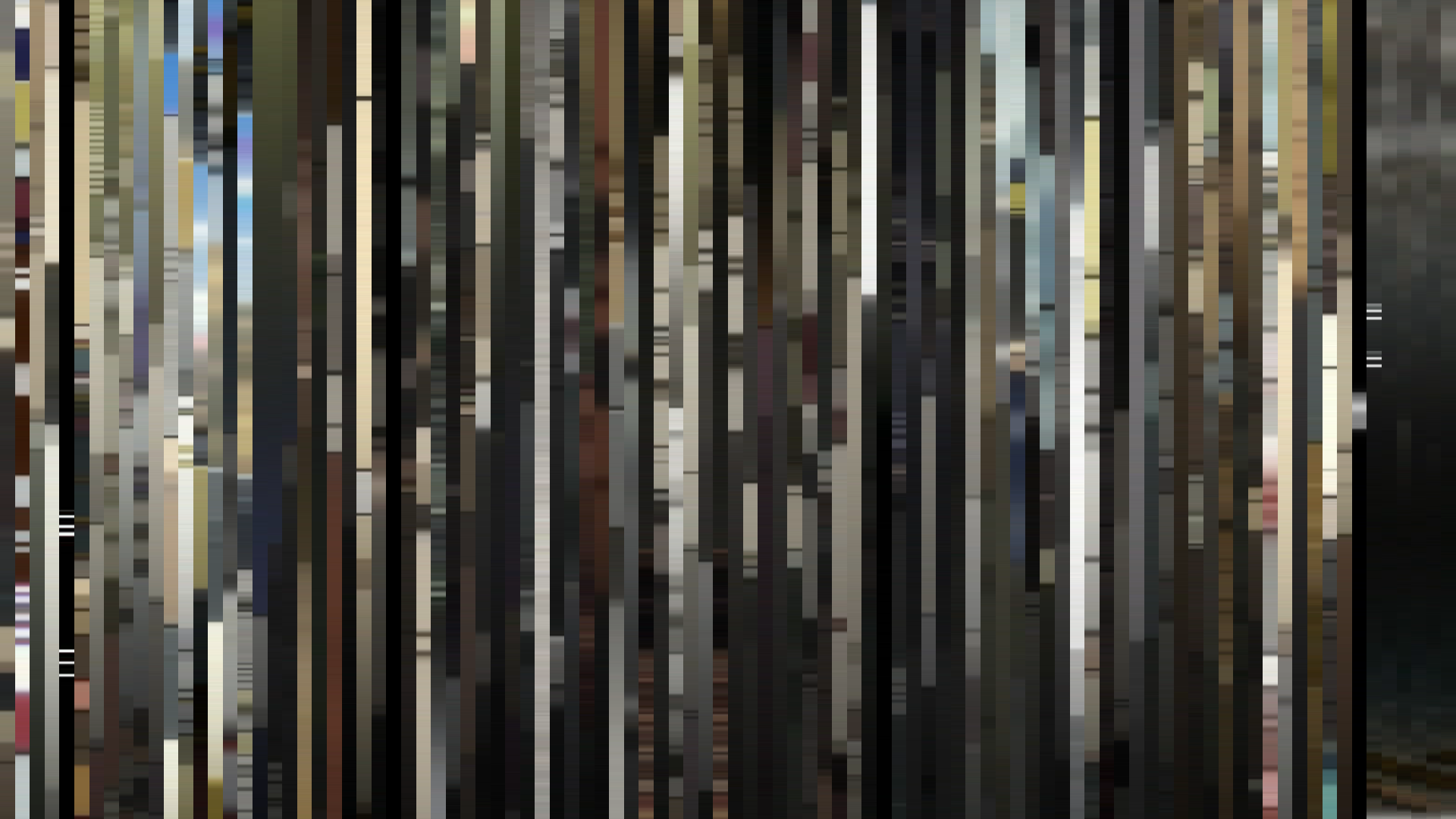
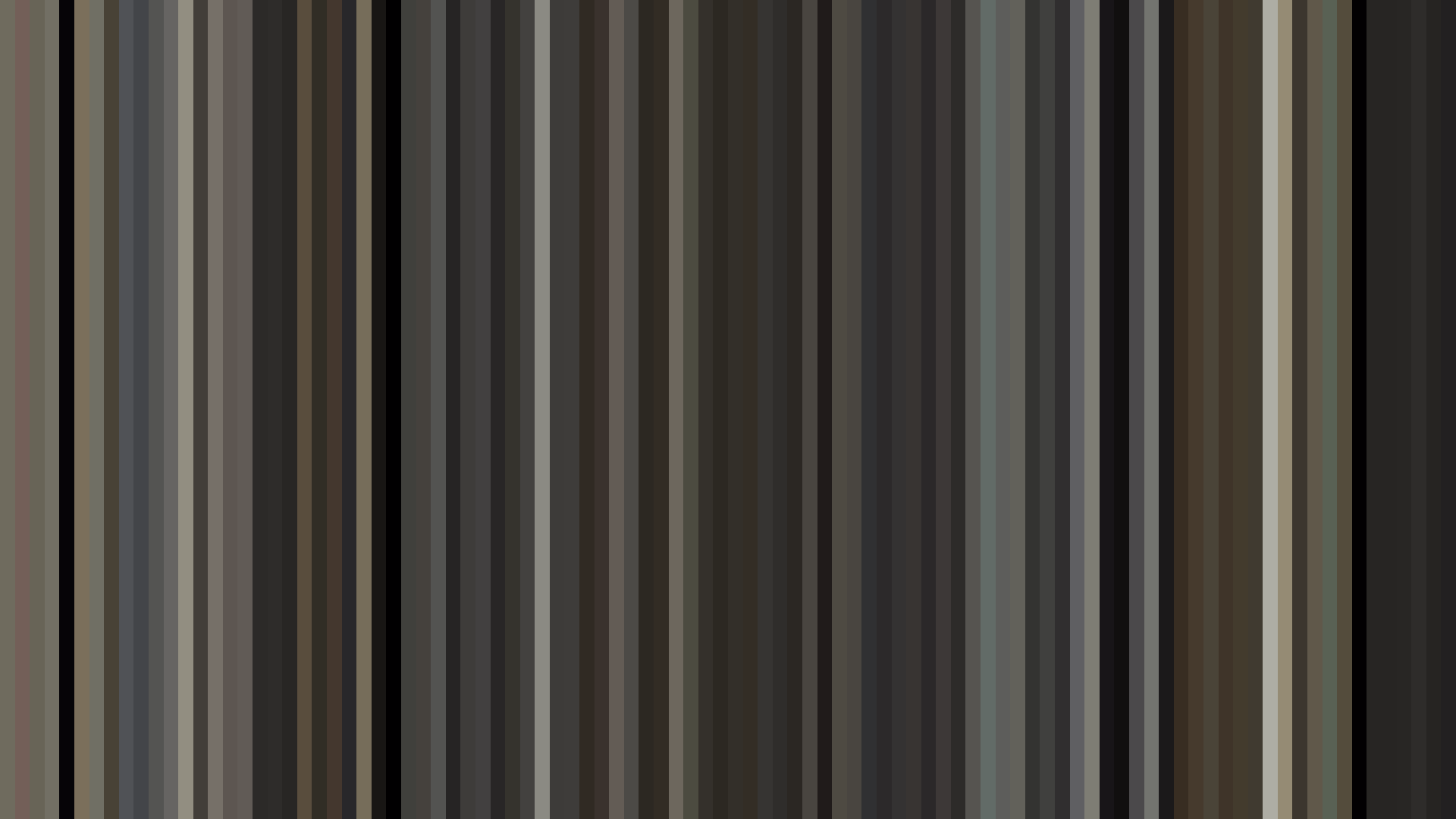
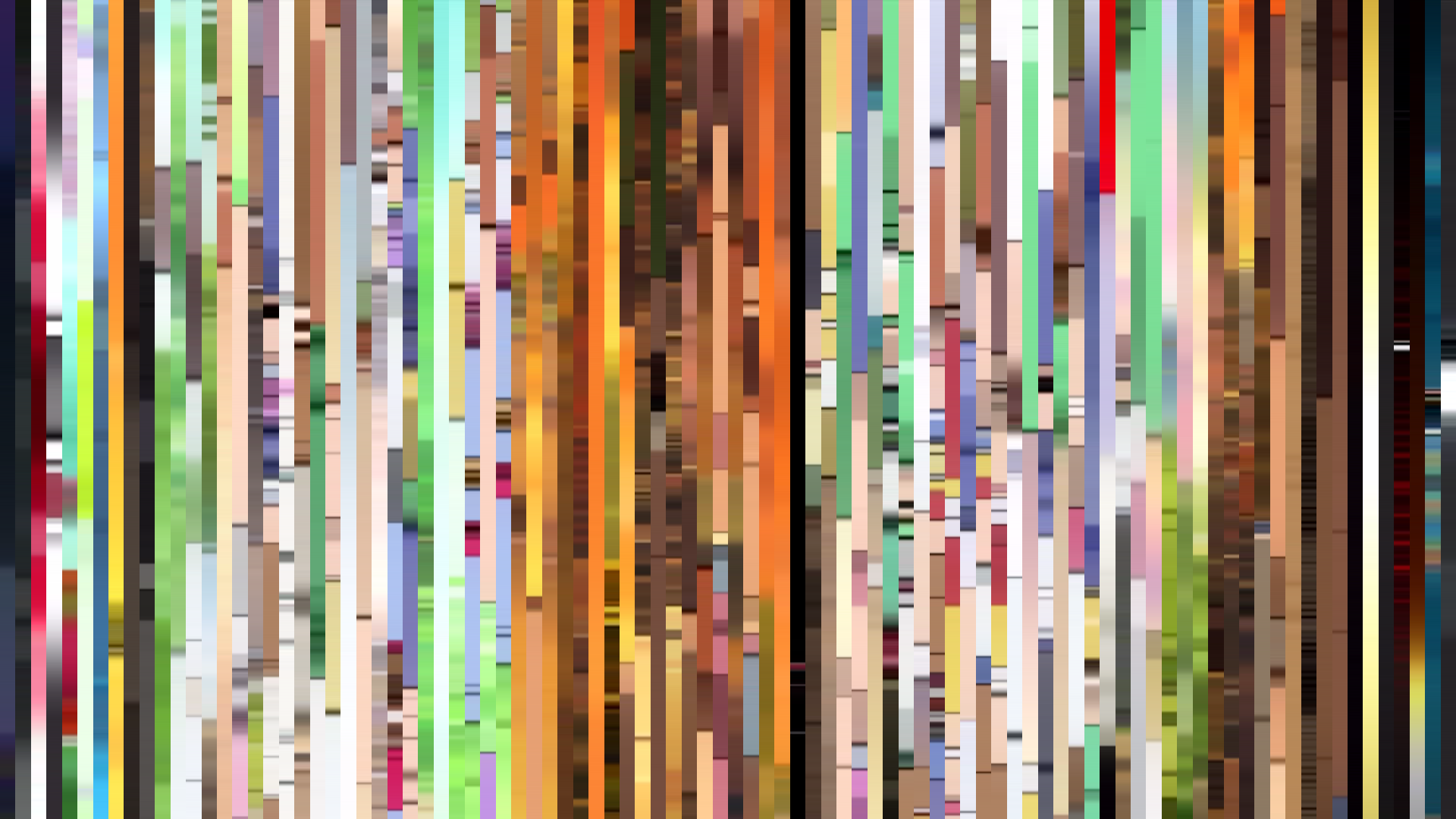
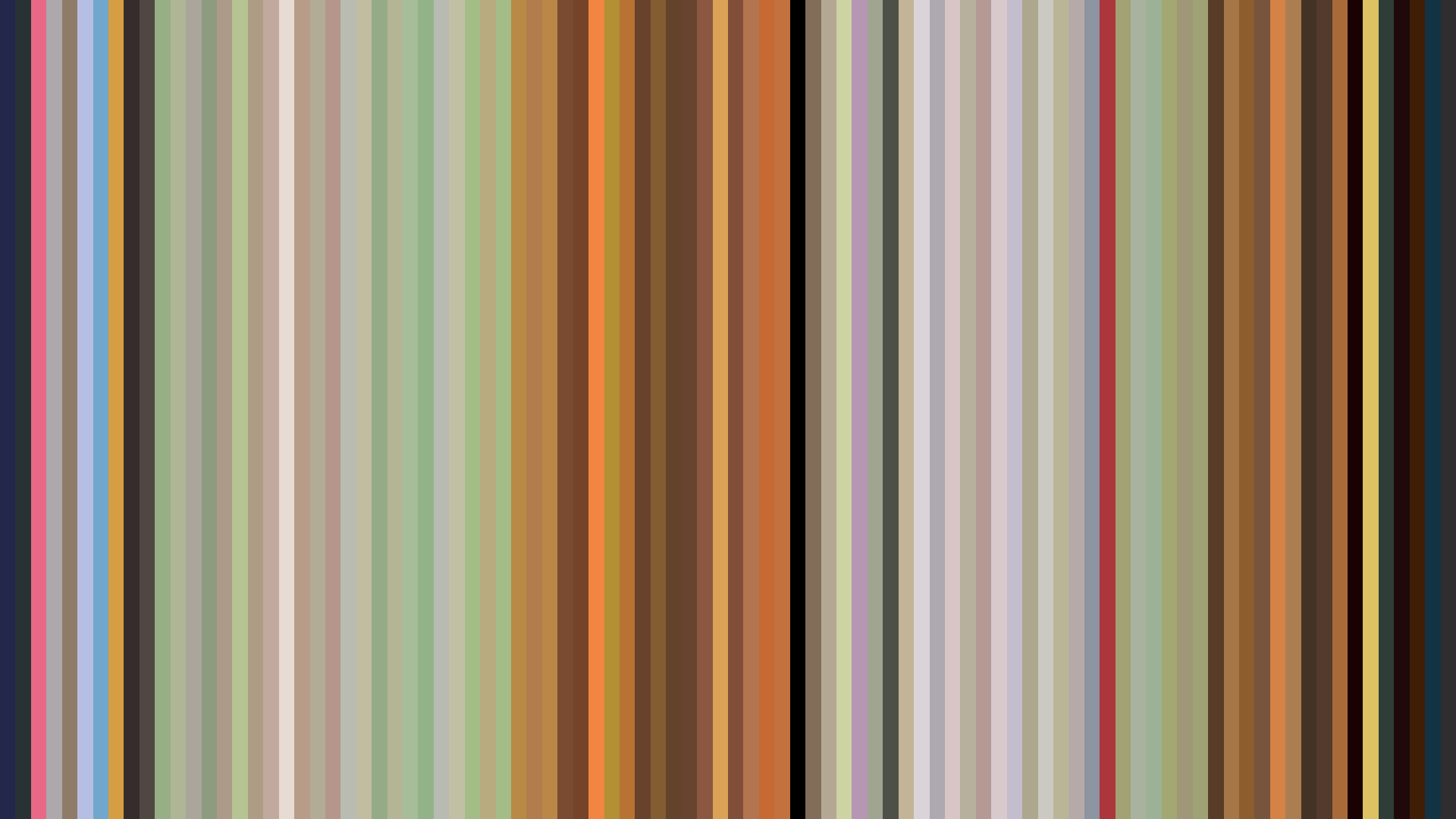
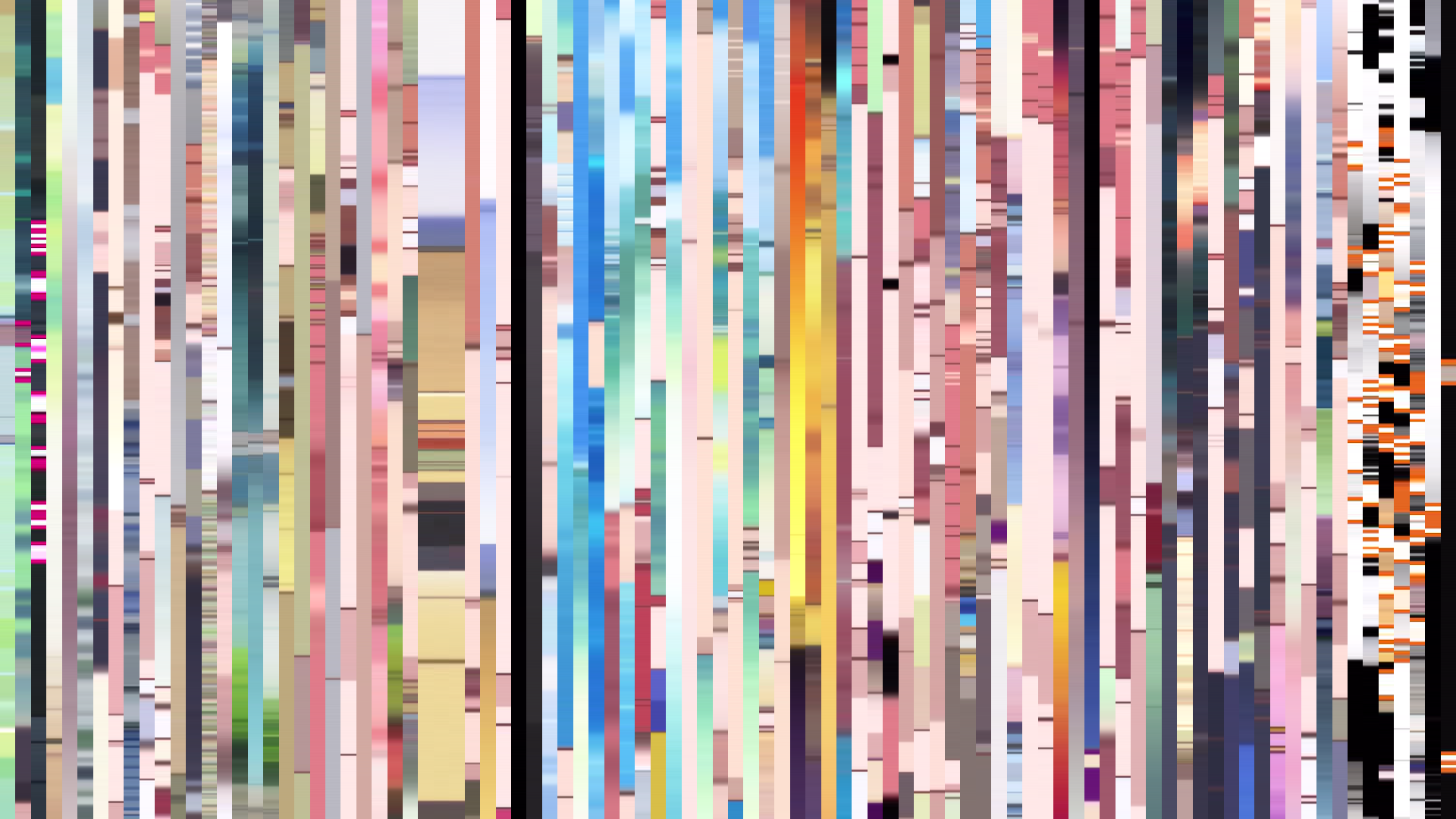
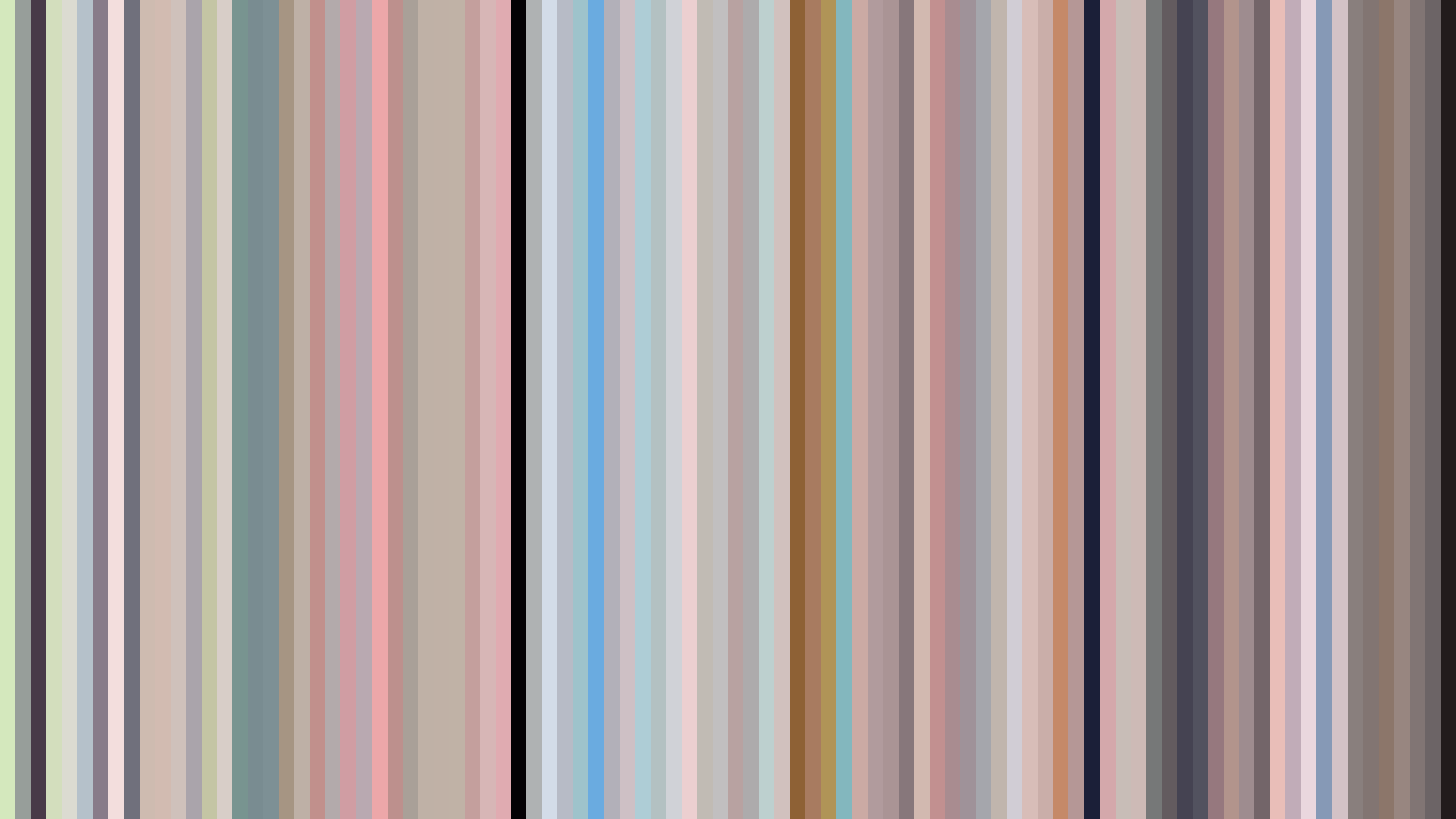
Frame Density Comparison — every 2nd vs every 4th frame
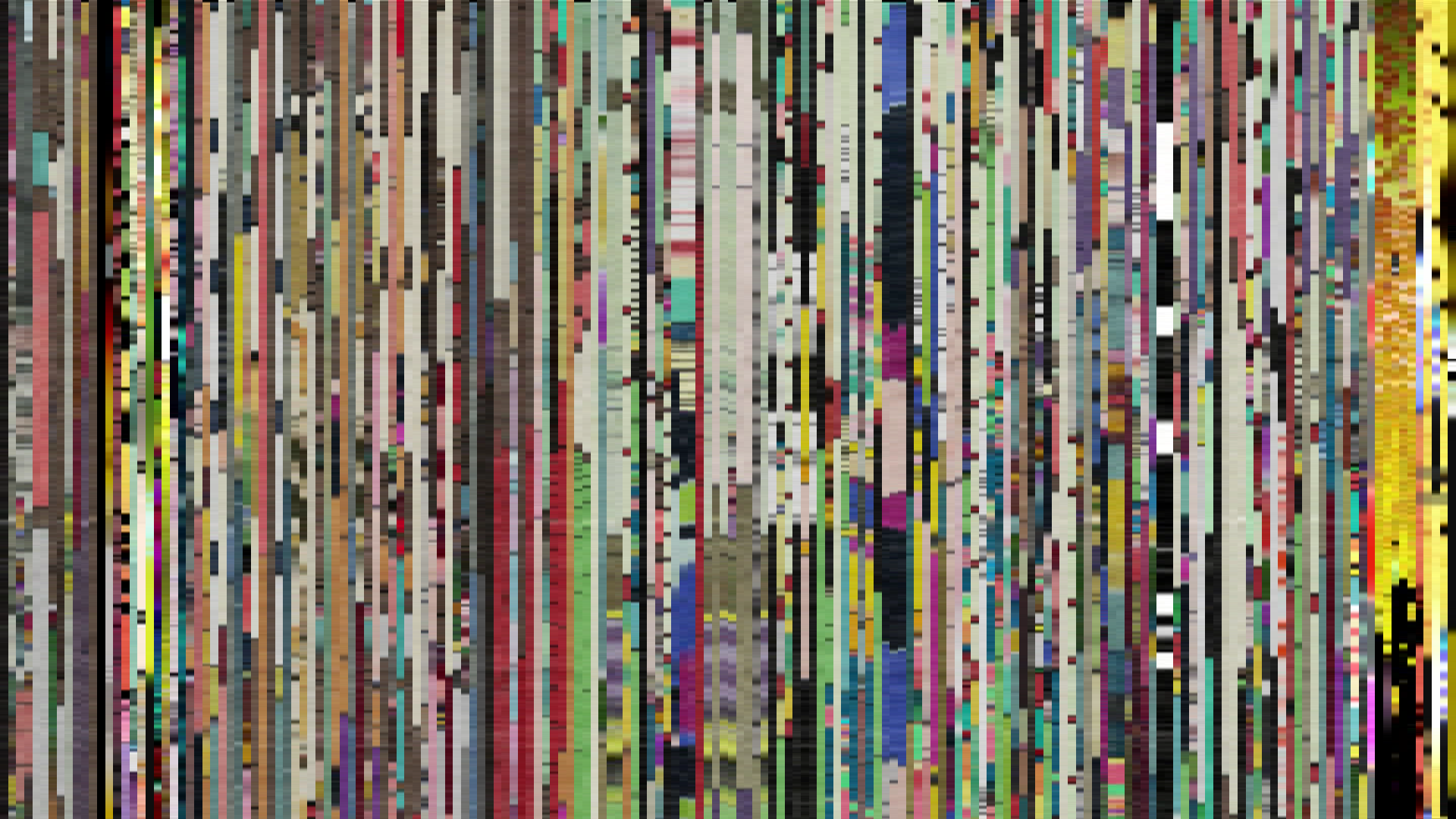
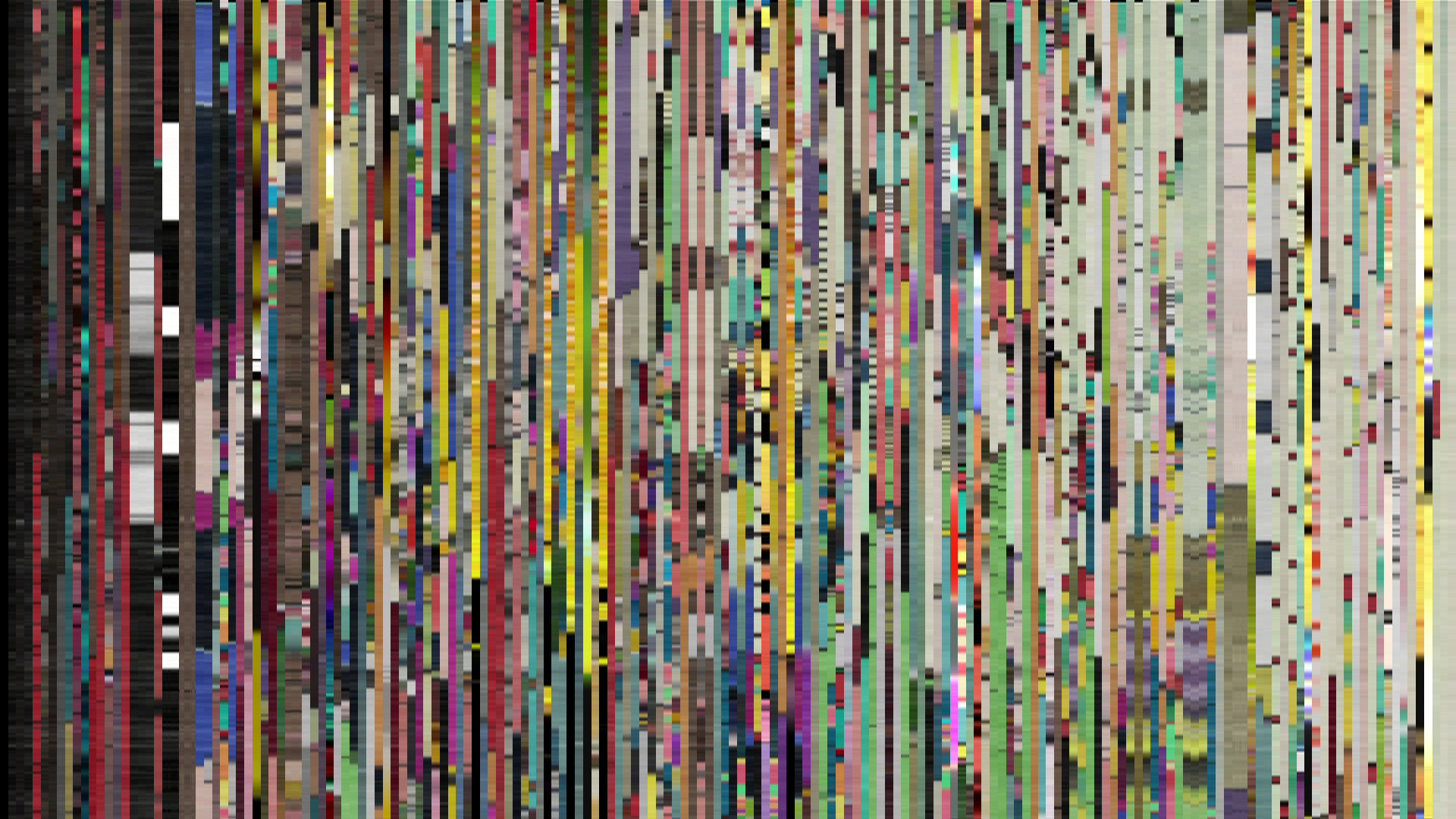
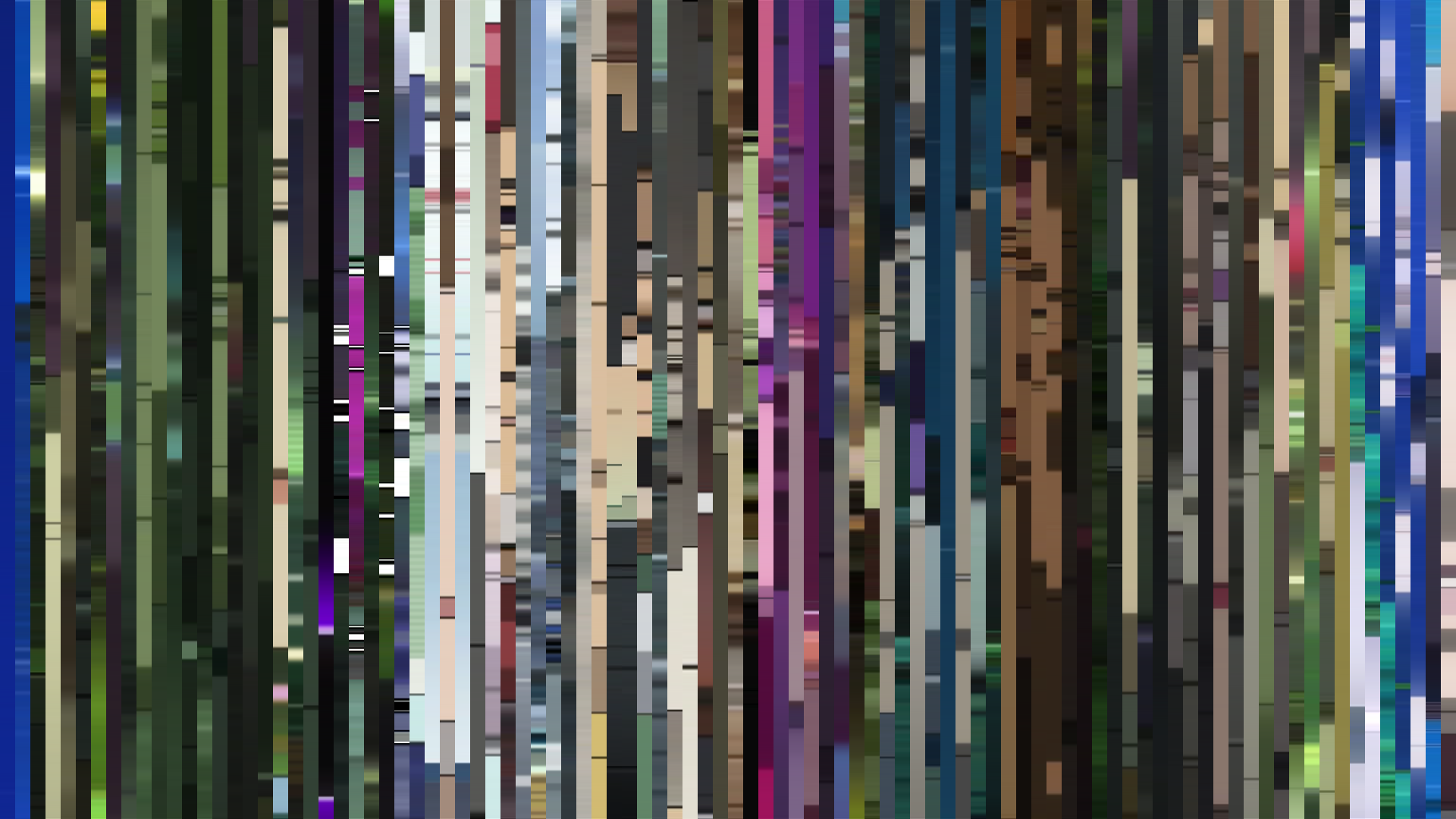
Slice · 15s
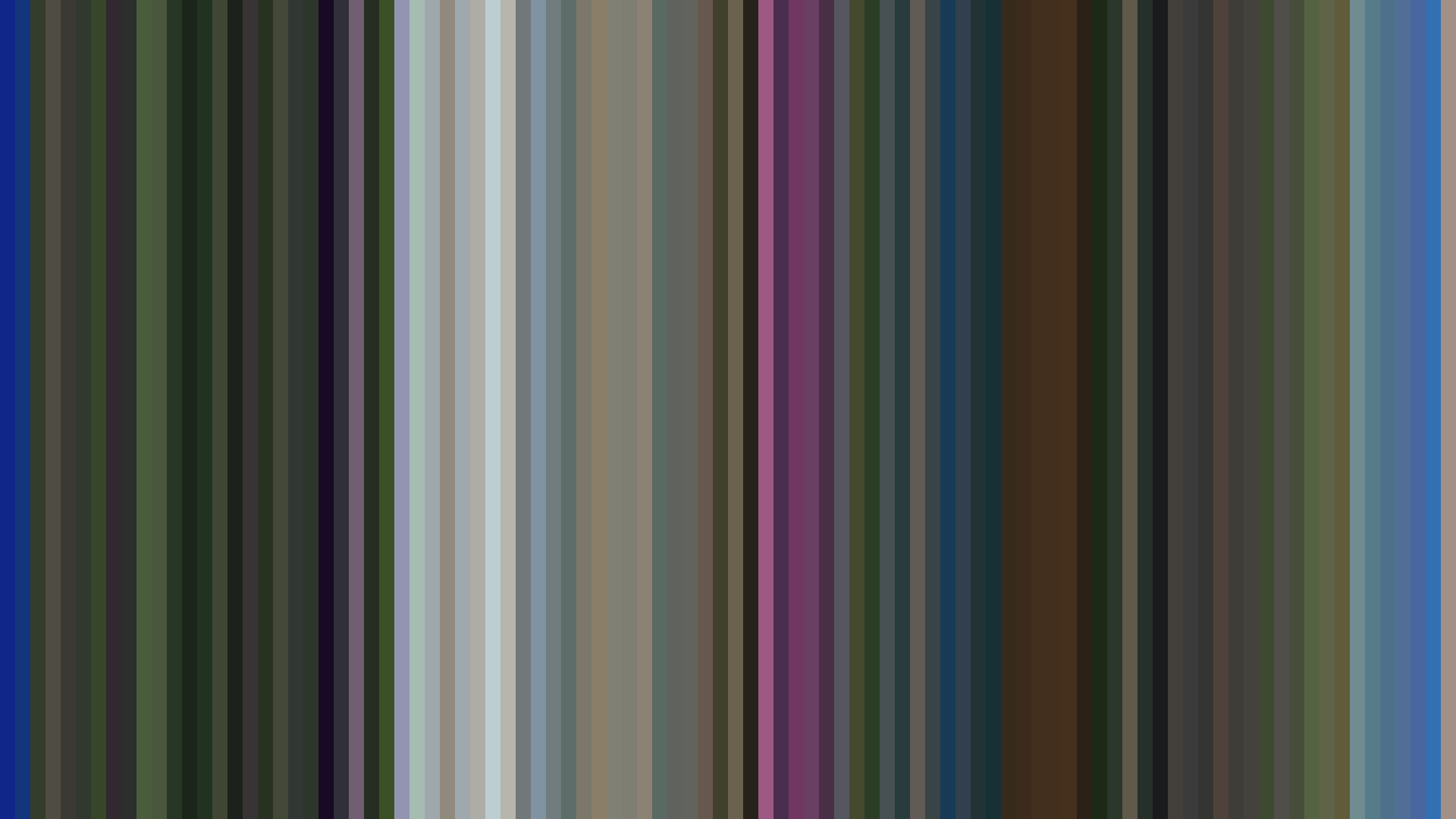
Avg · 15s
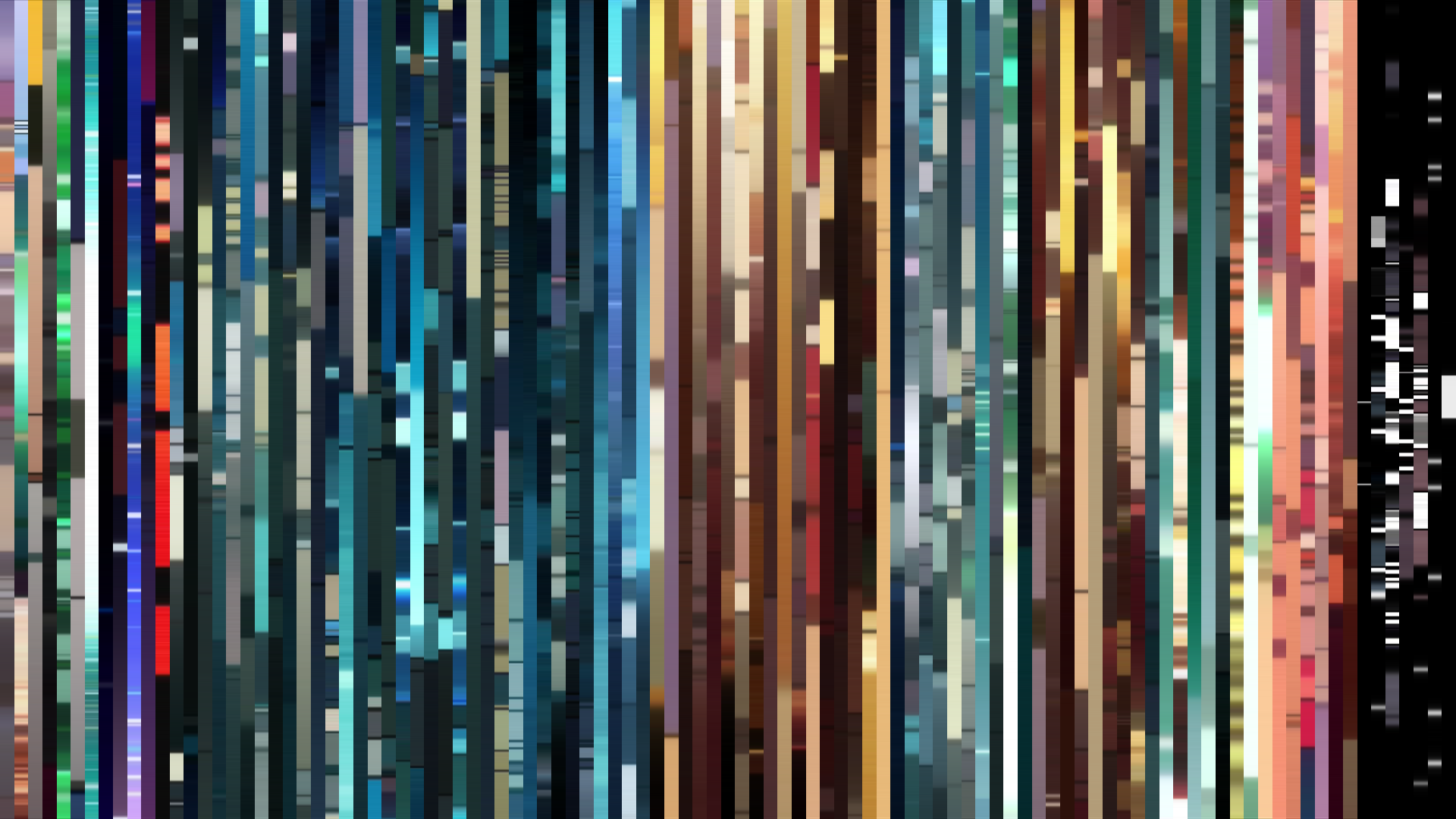
Slice · 30s
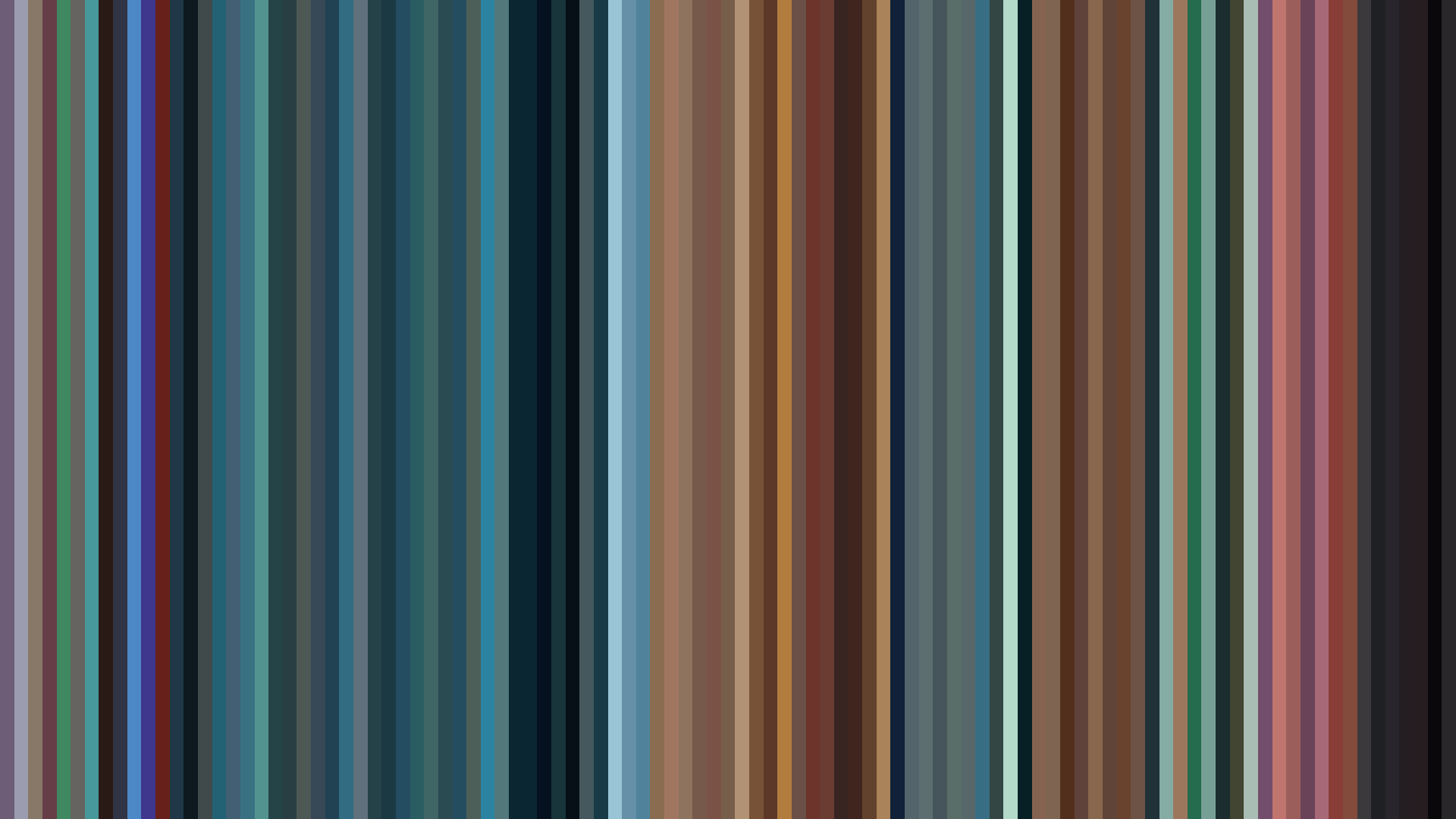
Avg · 30s
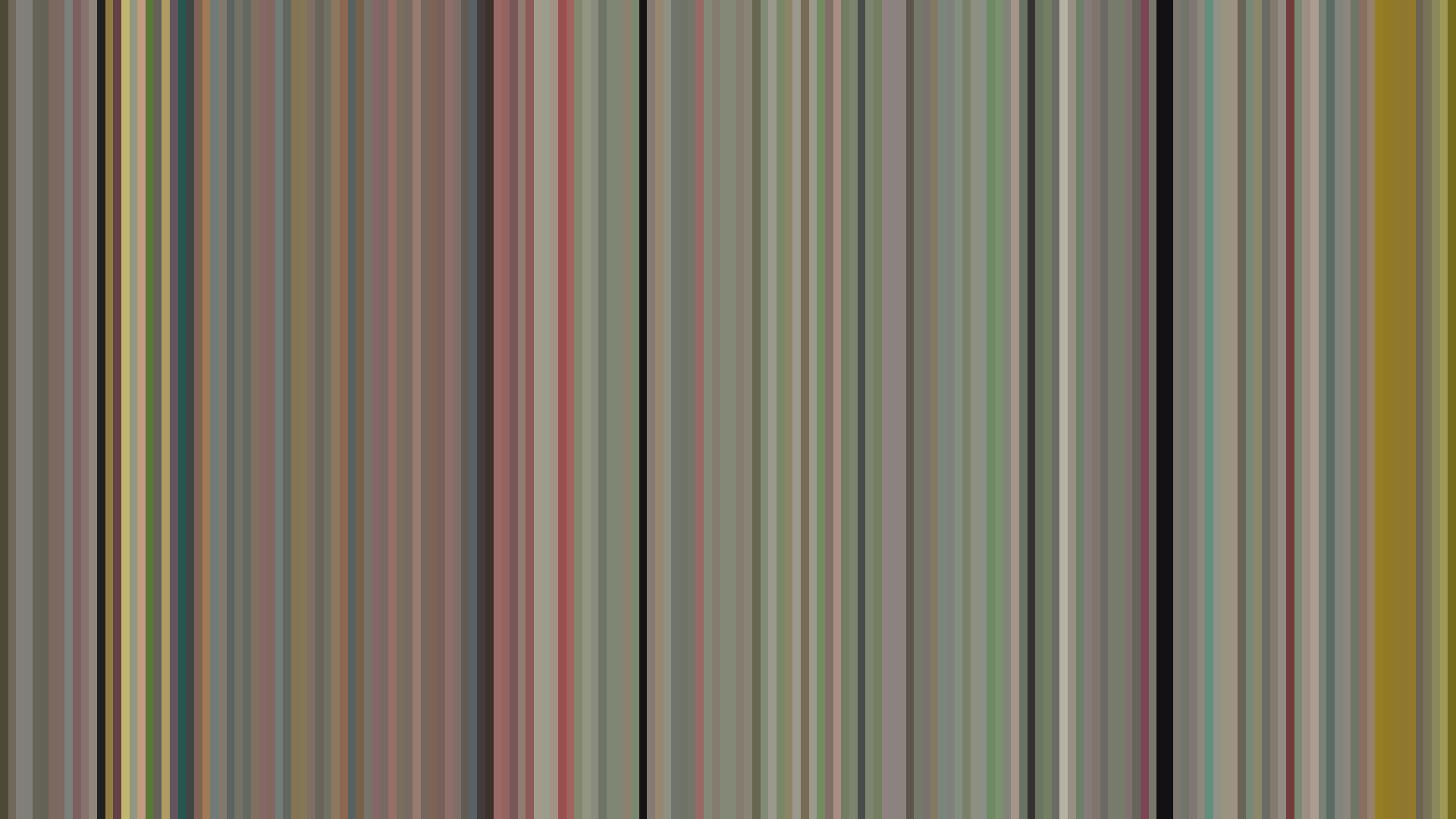
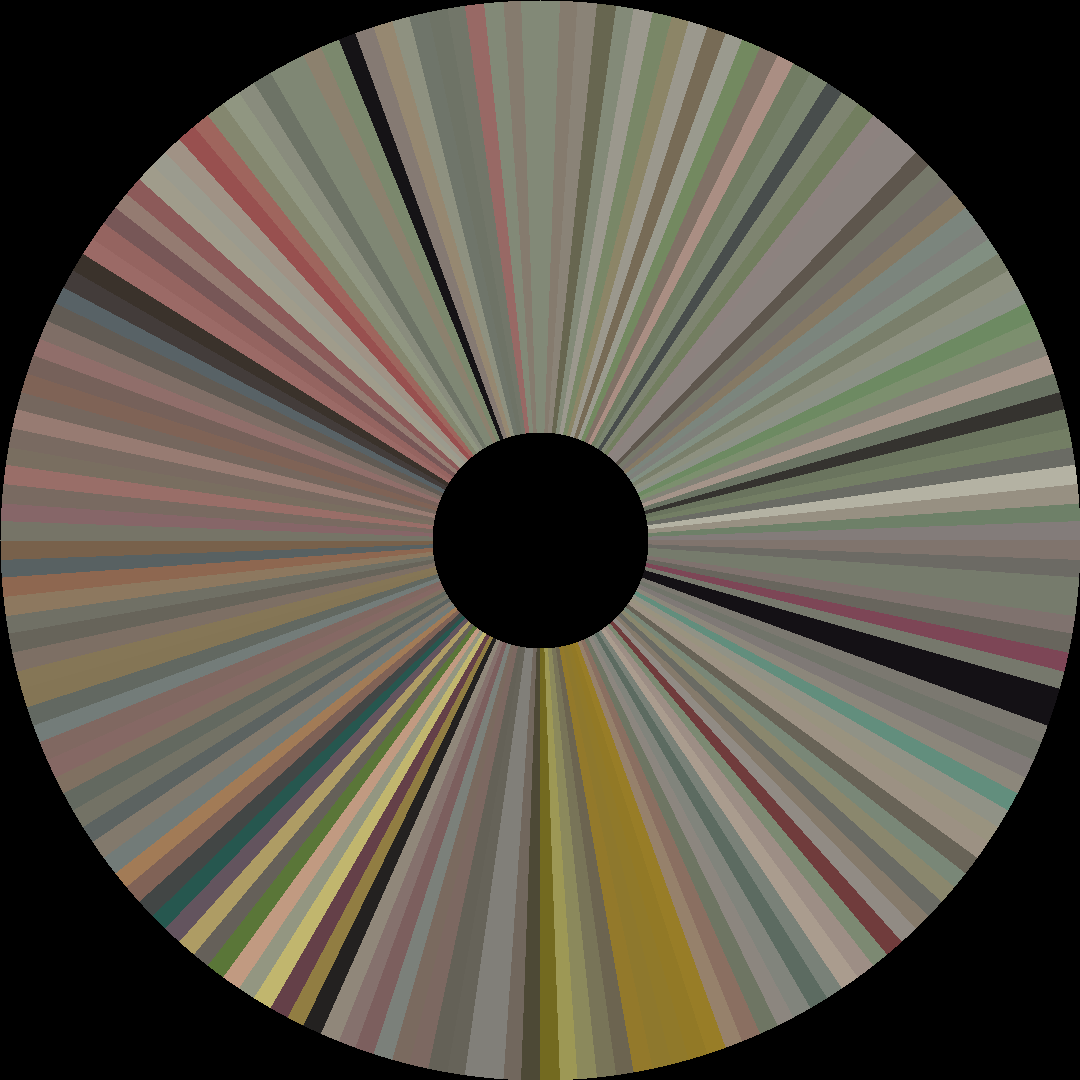
Mononoke’s palette is a masterclass in restraint: six muted earth tones, each one pulled from an antique woodblock print, with Red-Orange dominance that reads less like blood and more like aged vermillion on rice paper. Director Kenji Nakamura and his team at Toei Animation rejected the high-contrast chiaroscuro typical of horror in favor of a steady climb in brightness — from opening 0.555 to closing 0.622 — that contradicts every genre expectation. The show does not darken as the Medicine Seller confronts vengeful spirits; it grows marginally, perversely lighter. This is not a world of shadows deepening but of fears made manifest in full, unforgiving daylight. The low saturation (0.224) drains the frame of emotional heat, turning the distinctive ukiyo-e style into a visual dispassion: the horrors are observed, not felt. The bright opening arc is a lie, but unlike Utena’s deception, here the lie persists. The show never descends. It remains in
Brightness Arc (episode progression)
Hue Distribution
Act Breakdown
Opening
0.555
Middle
0.608
Closing
0.622
Avg Brightness
0.470
Avg Saturation
0.224
Warmth
0.559
Color Palette
#625F5B
#A6A499
#22201F
#98685C
#9C9268
#CBCAB2
#552D2D
#5A4E32
3-Act Color Story
Opening
Middle
Closing
Color Twins
Perceptually nearest palettes — measured in OKLab space, not RGB






Mononoke’s palette is a masterclass in restraint: six muted earth tones, each one pulled from an antique woodblock print, with Red-Orange dominance that reads less like blood and more like aged vermillion on rice paper. Director Kenji Nakamura and his team at Toei Animation rejected the high-contrast chiaroscuro typical of horror in favor of a steady climb in brightness — from opening 0.555 to closing 0.622 — that contradicts every genre expectation. The show does not darken as the Medicine Seller confronts vengeful spirits; it grows marginally, perversely lighter. This is not a world of shadows deepening but of fears made manifest in full, unforgiving daylight. The low saturation (0.224) drains the frame of emotional heat, turning the distinctive ukiyo-e style into a visual dispassion: the horrors are observed, not felt. The bright opening arc is a lie, but unlike Utena’s deception, here the lie persists. The show never descends. It remains in