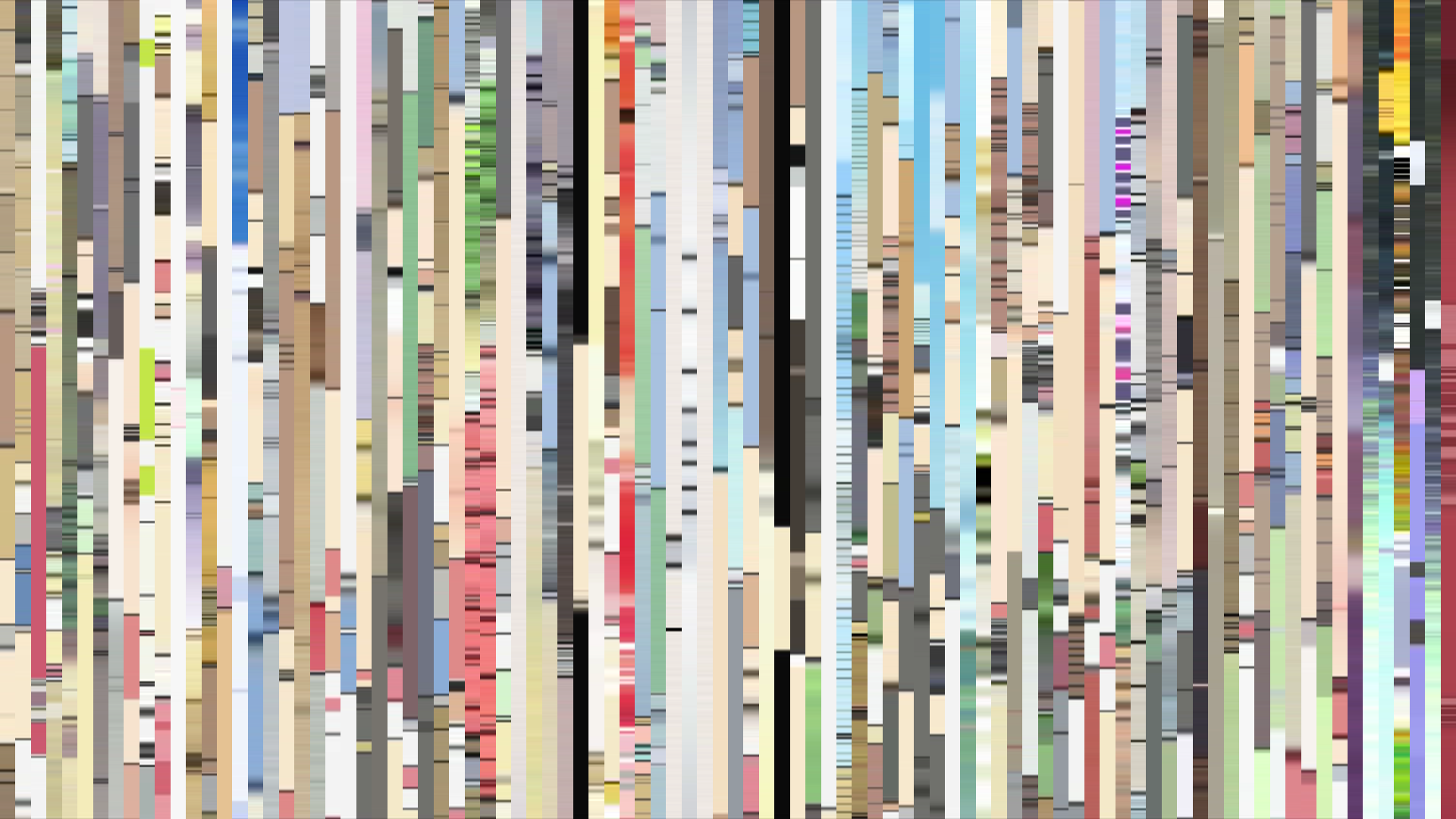
Edit Pace — frame-to-frame color delta (bright = fast cuts)
Color Temperature — warm (gold) vs cool (teal) per frame
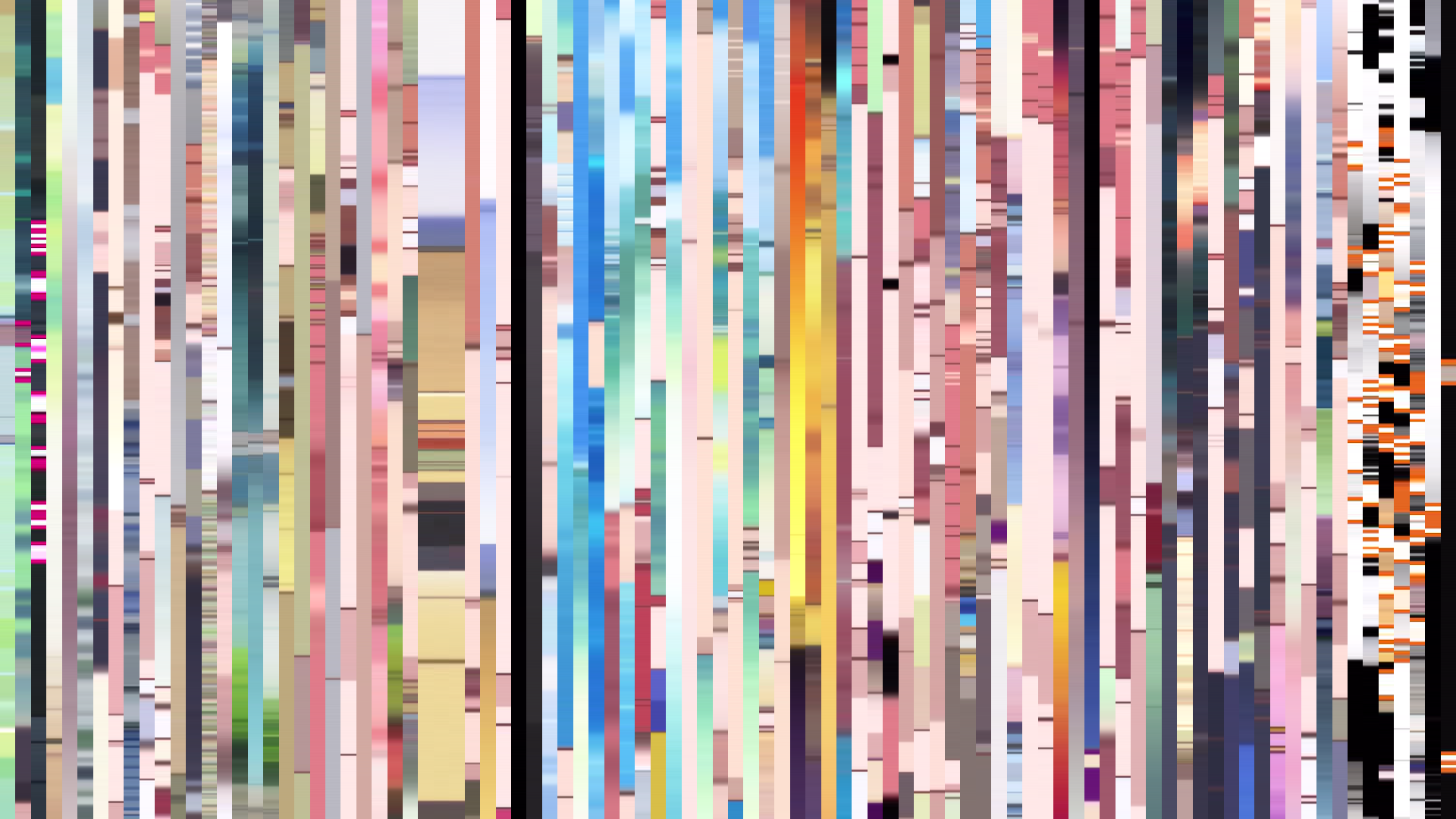
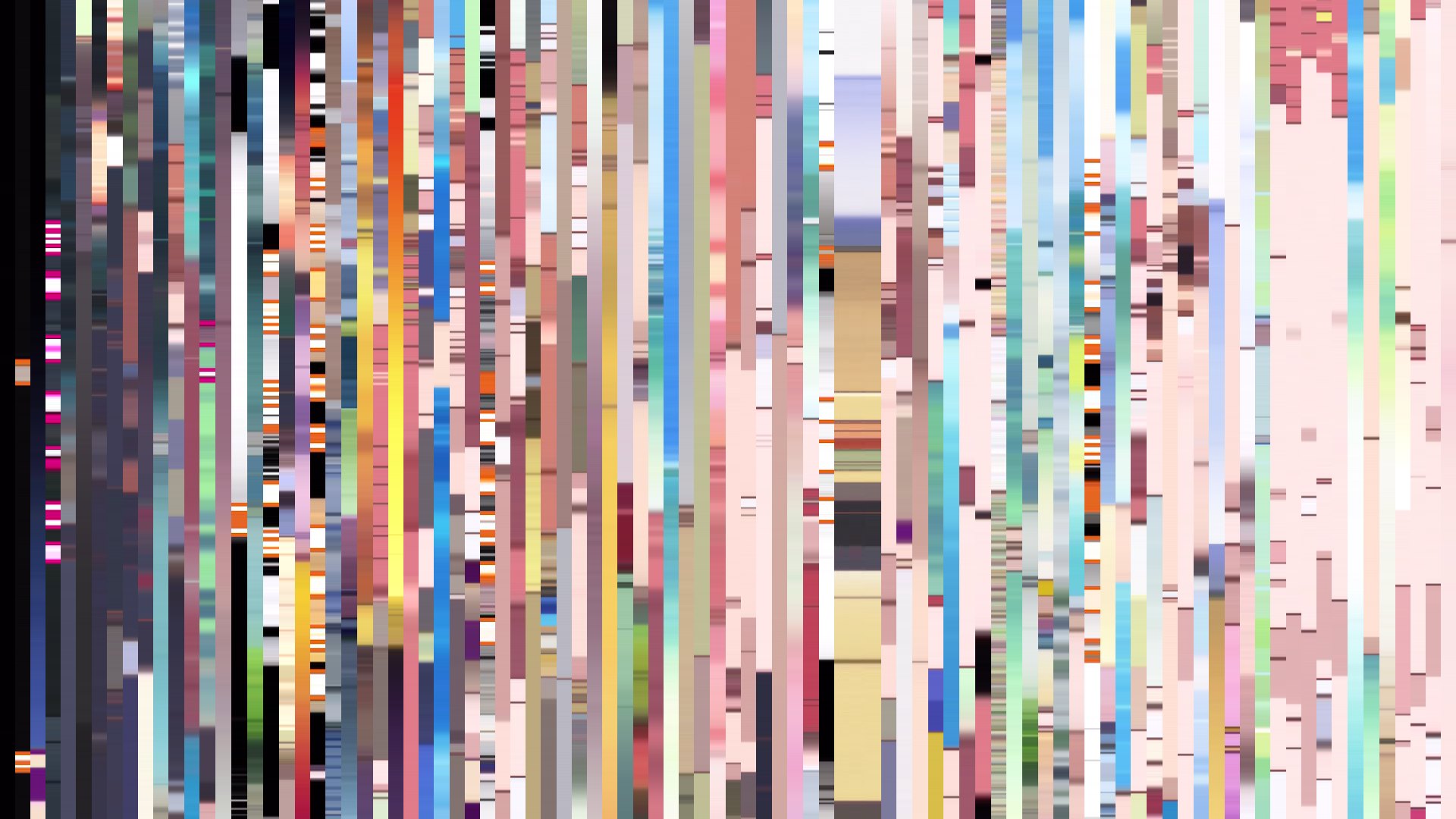
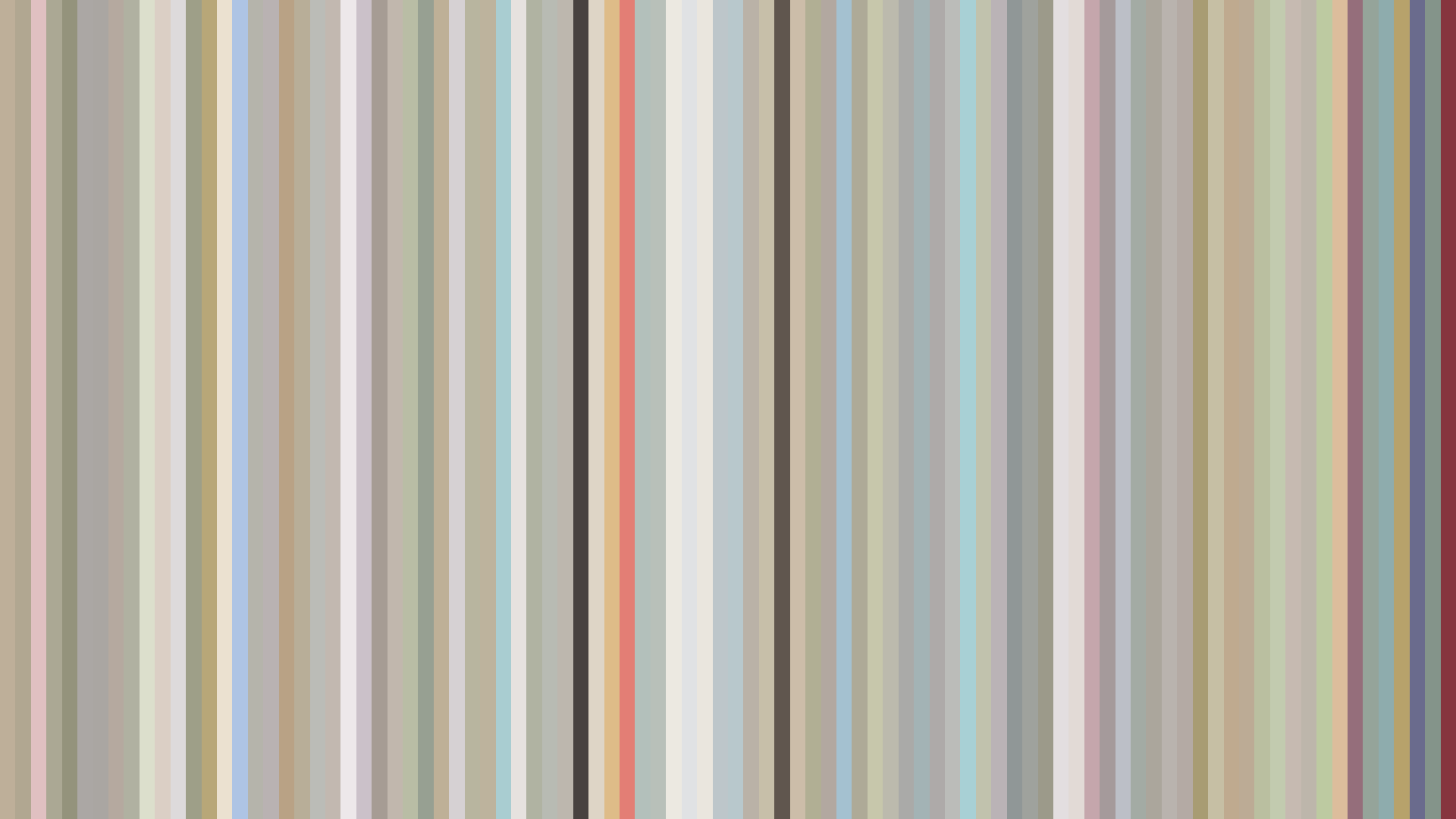
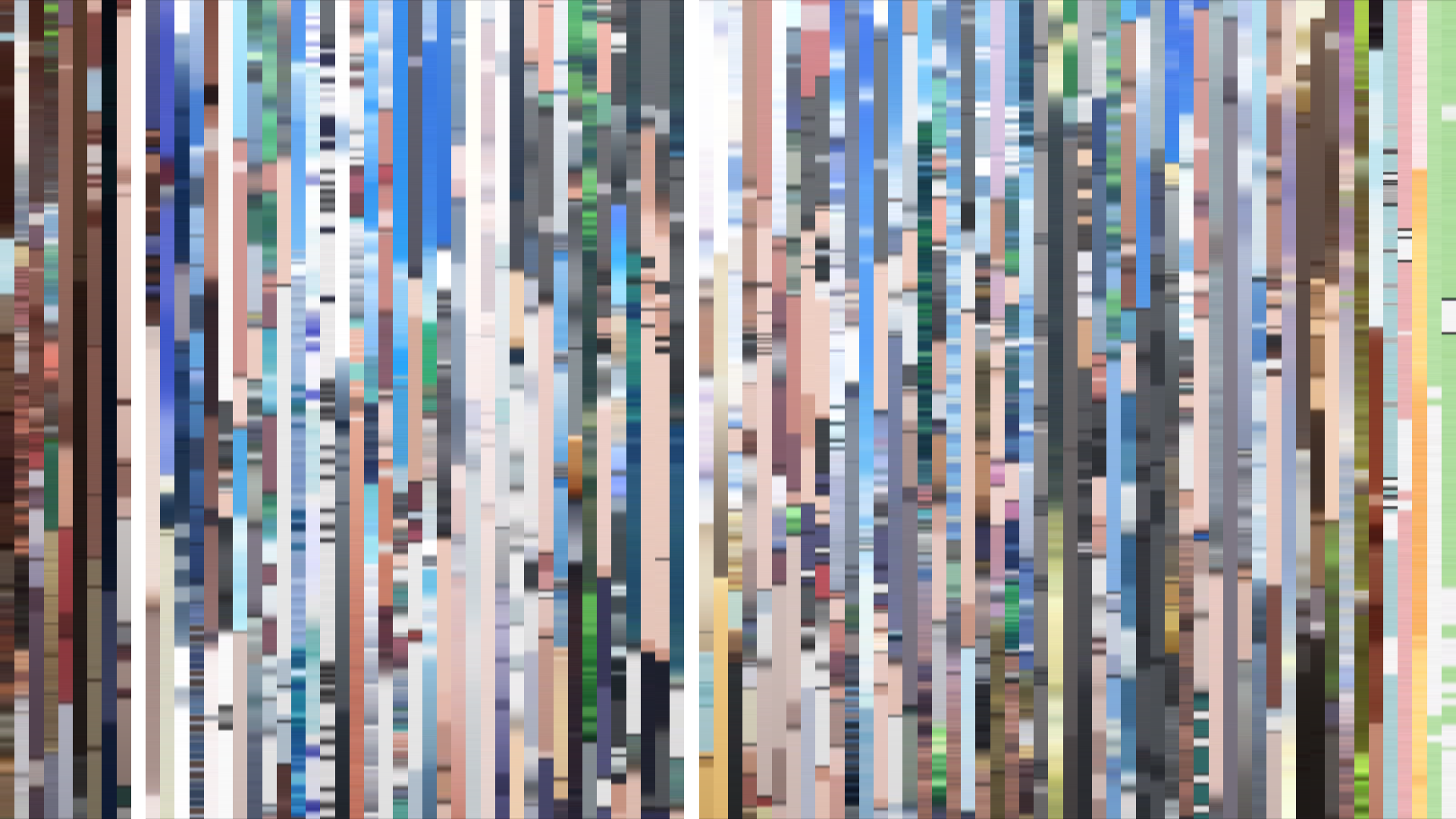
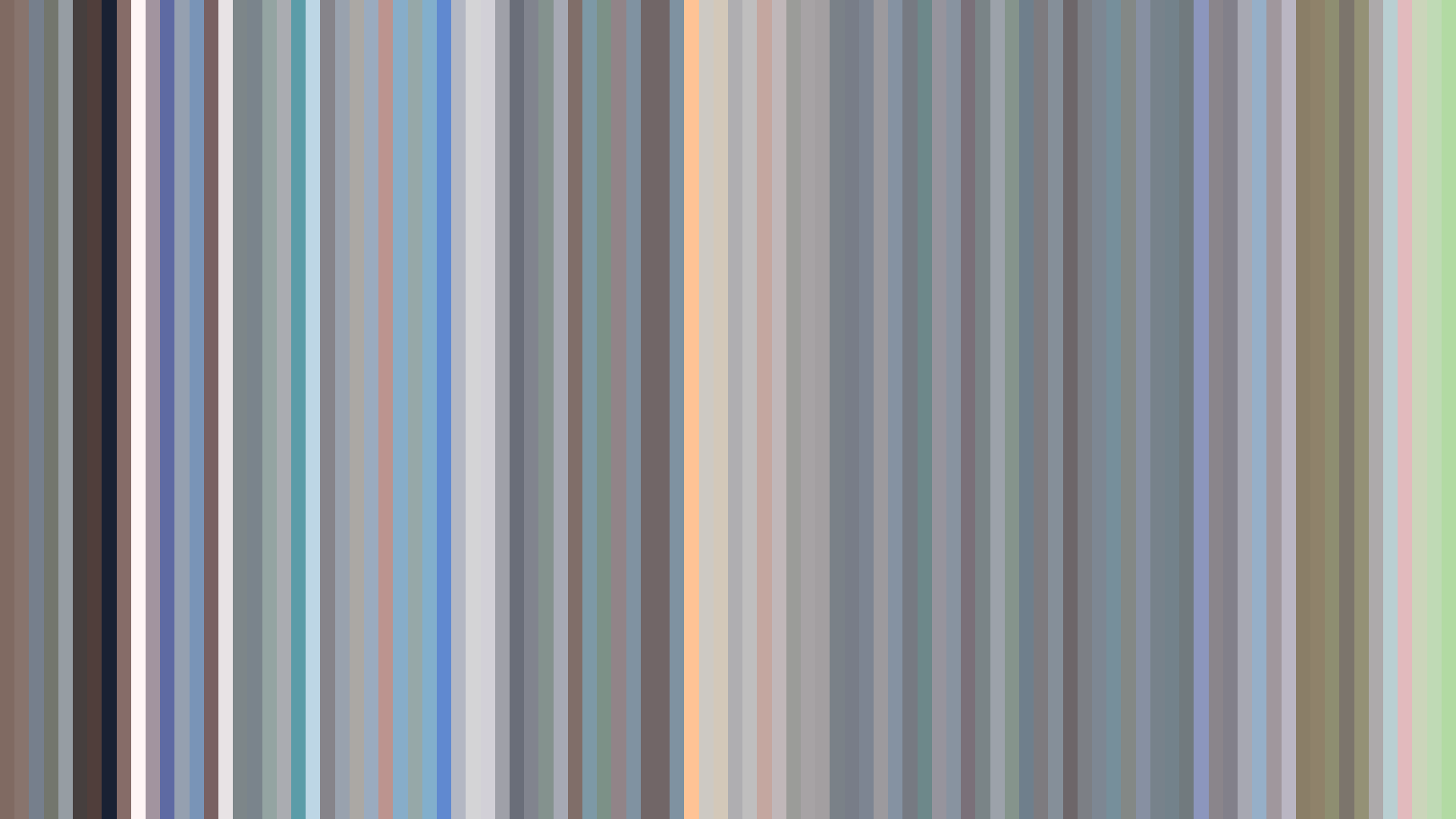
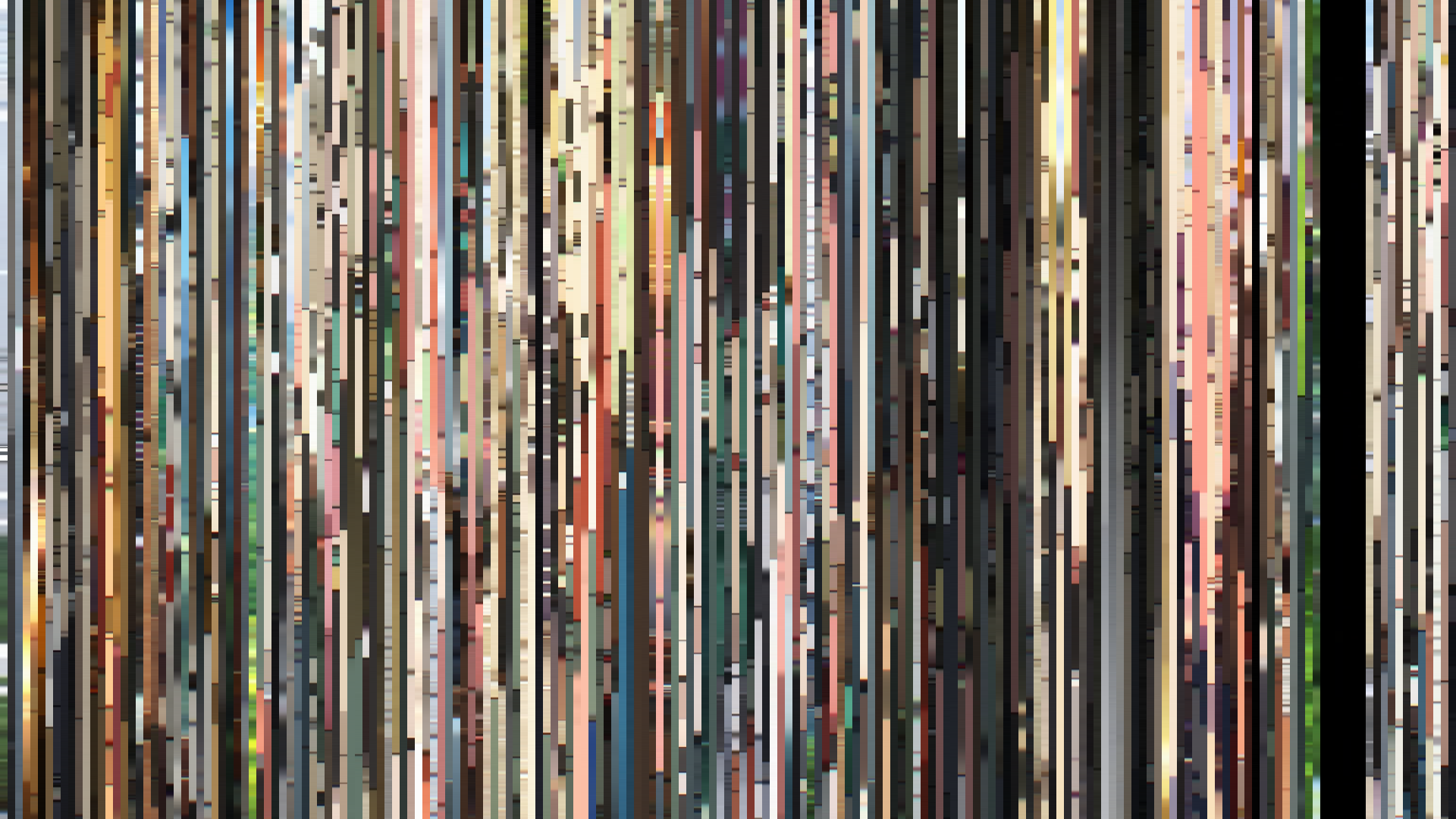
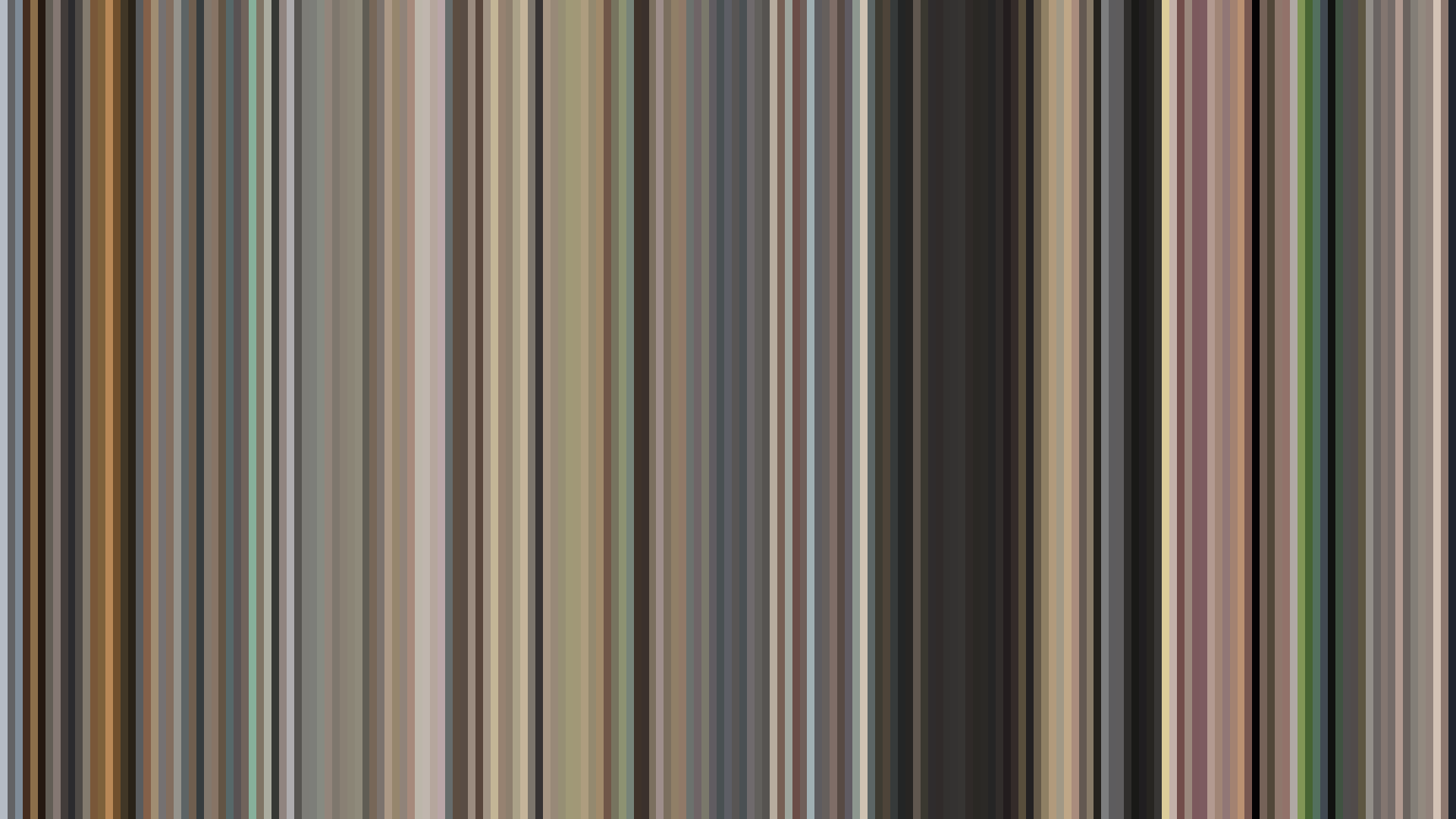
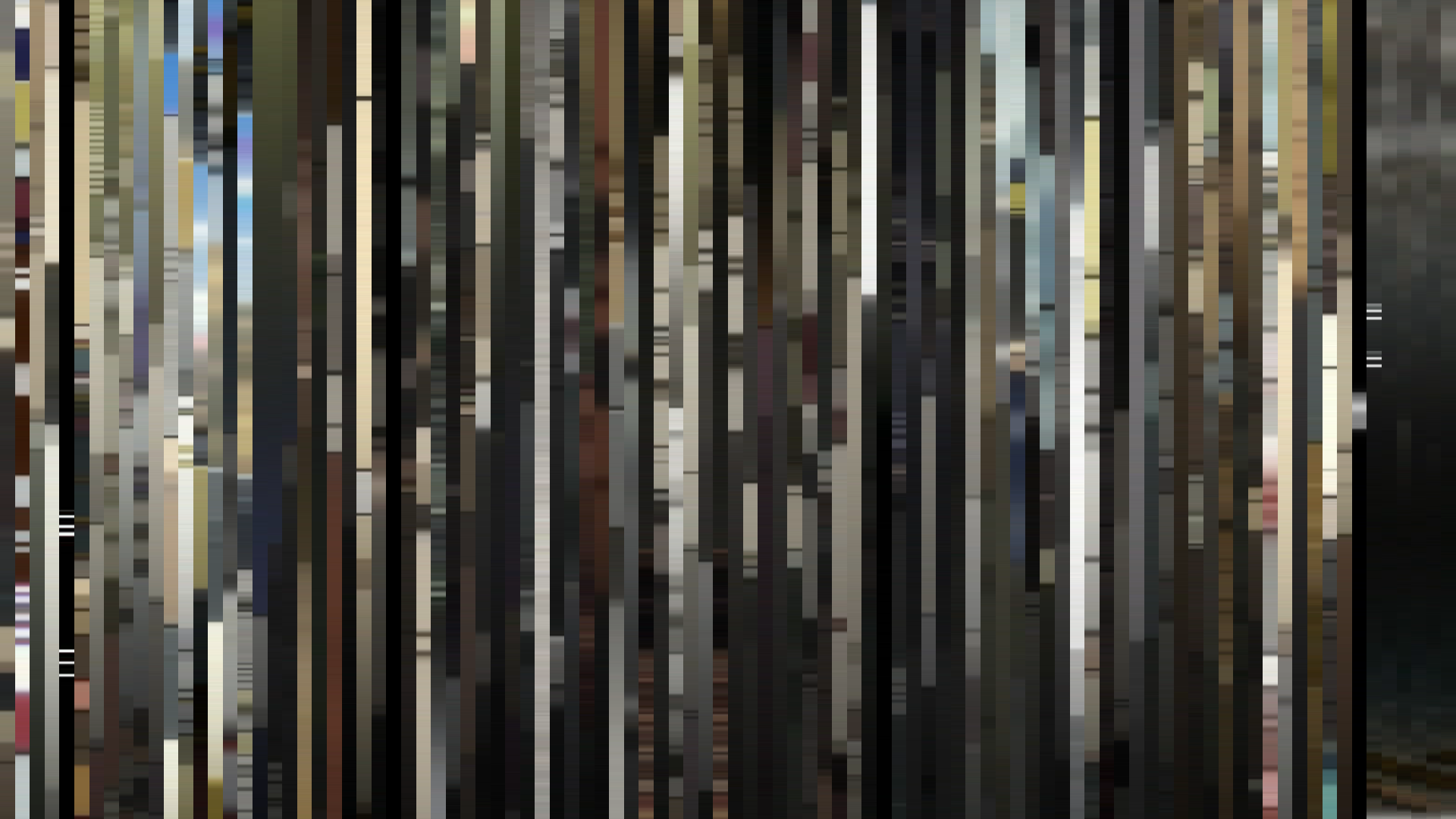
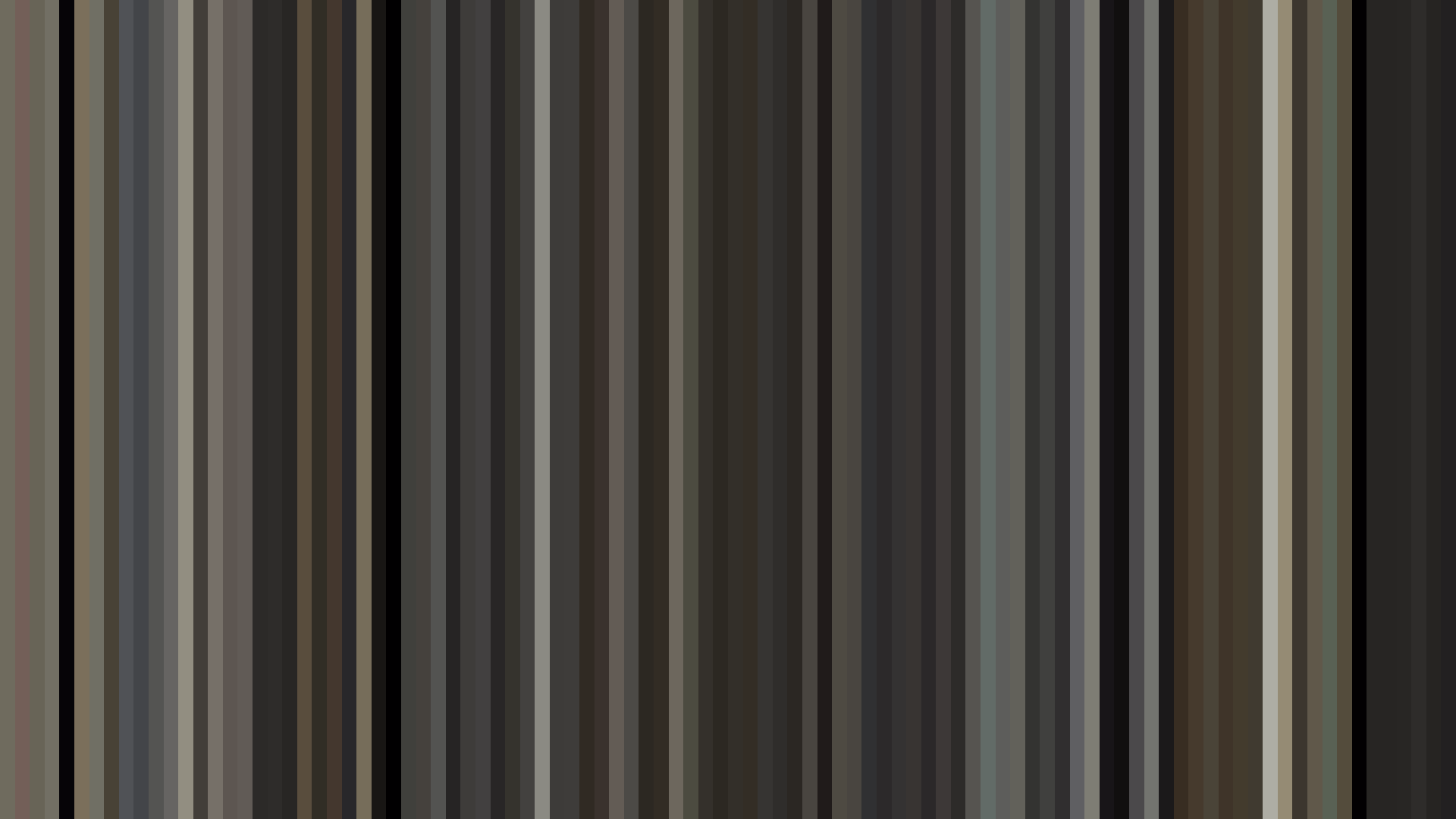
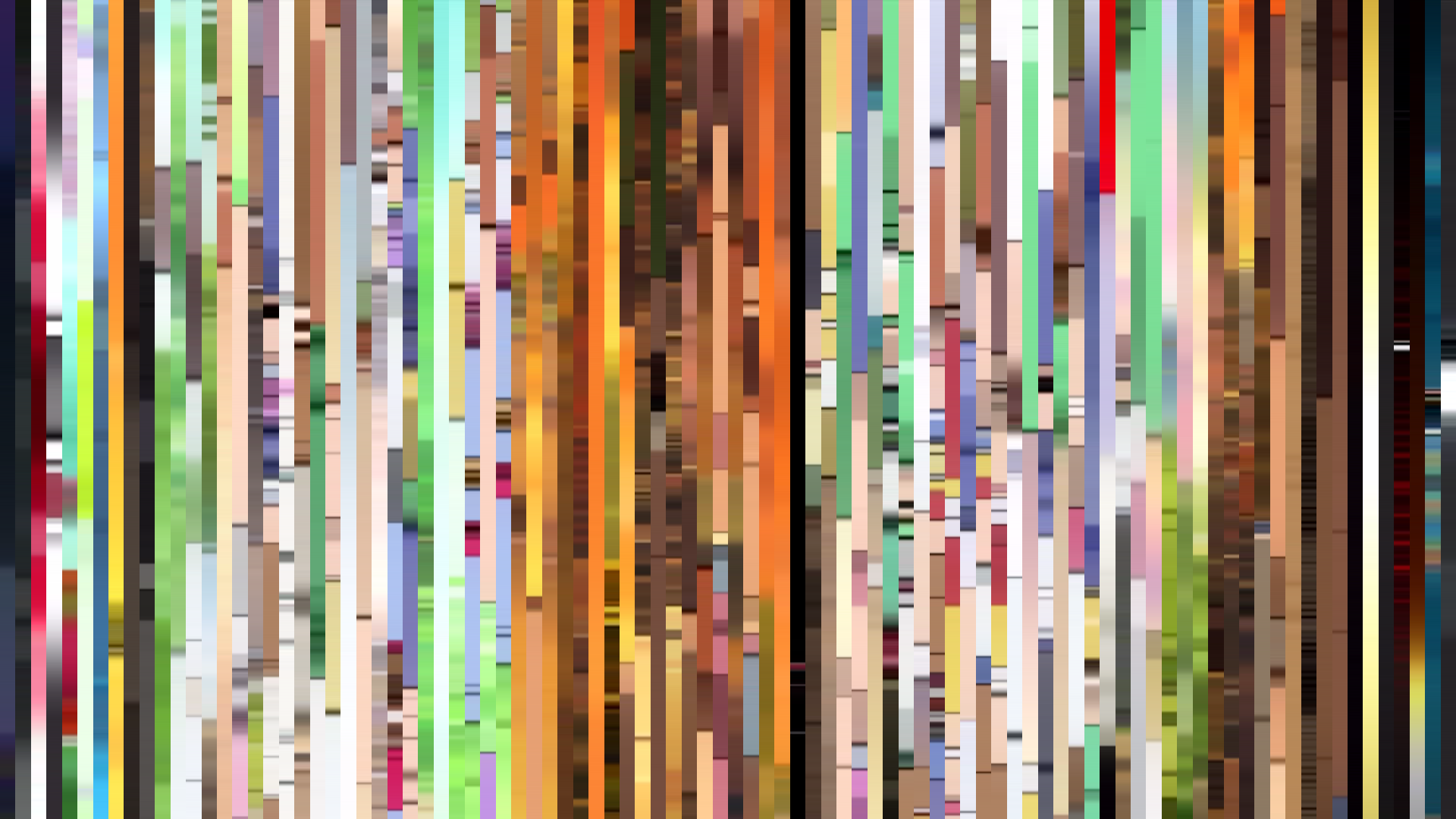
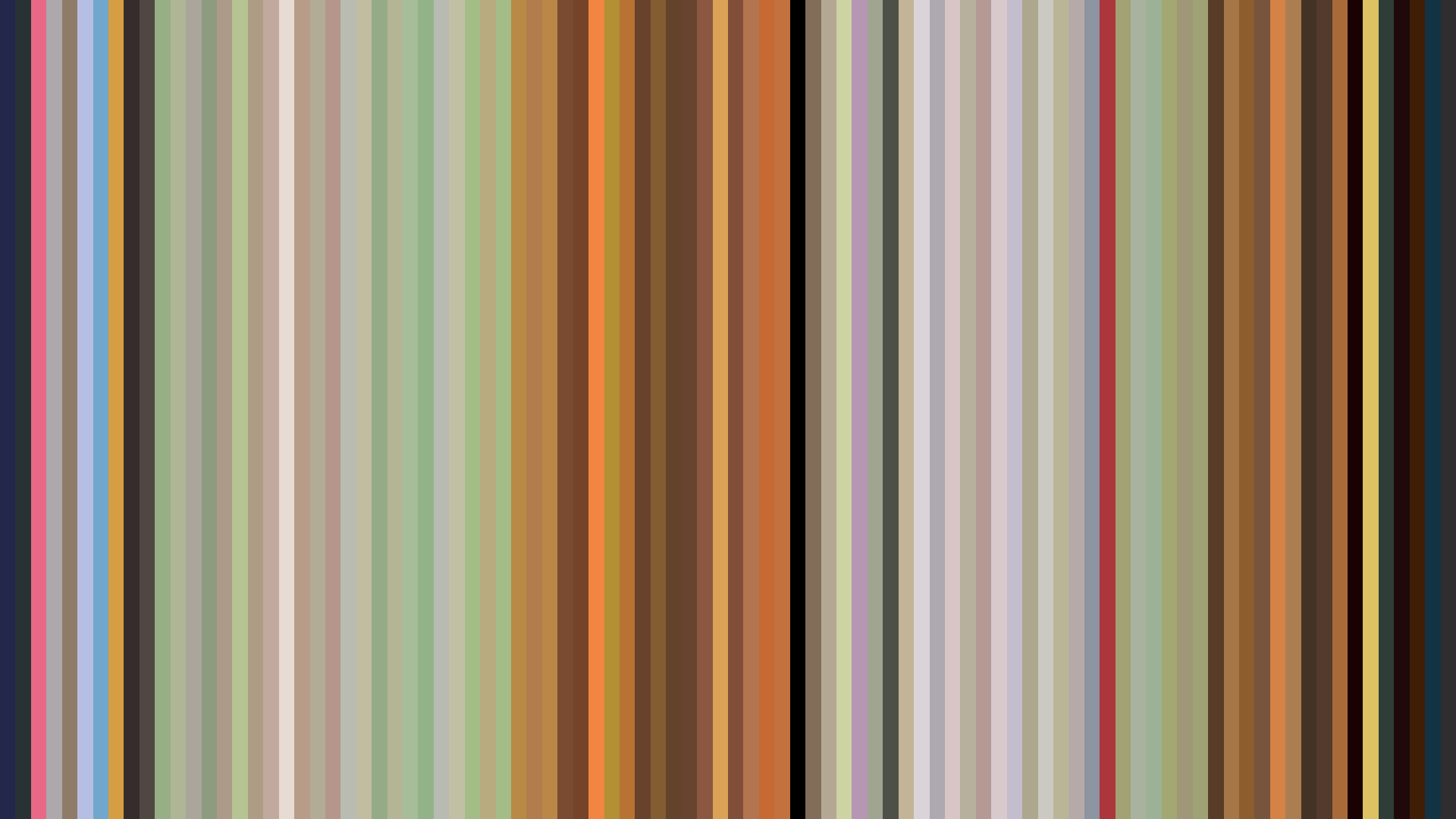
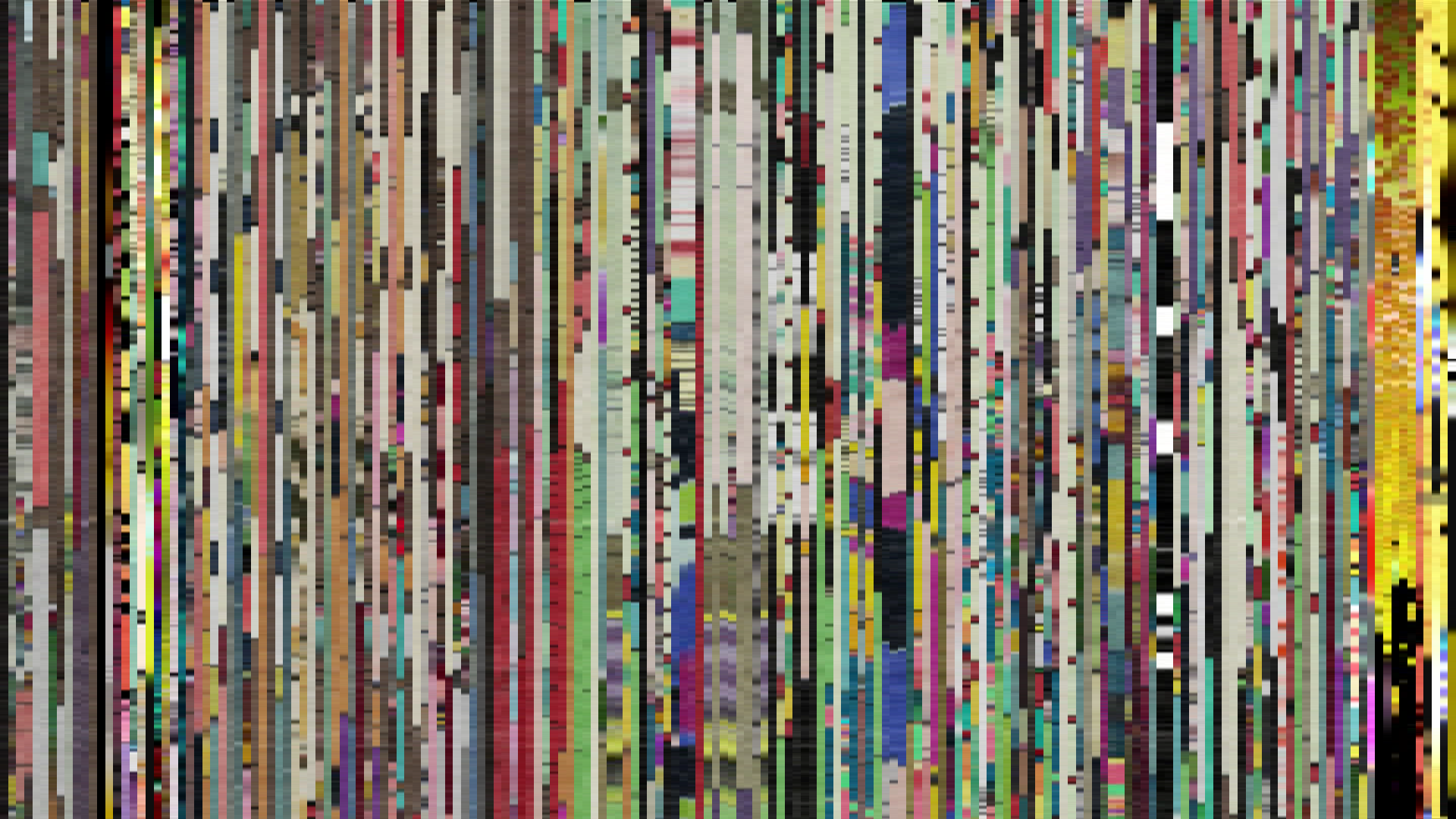
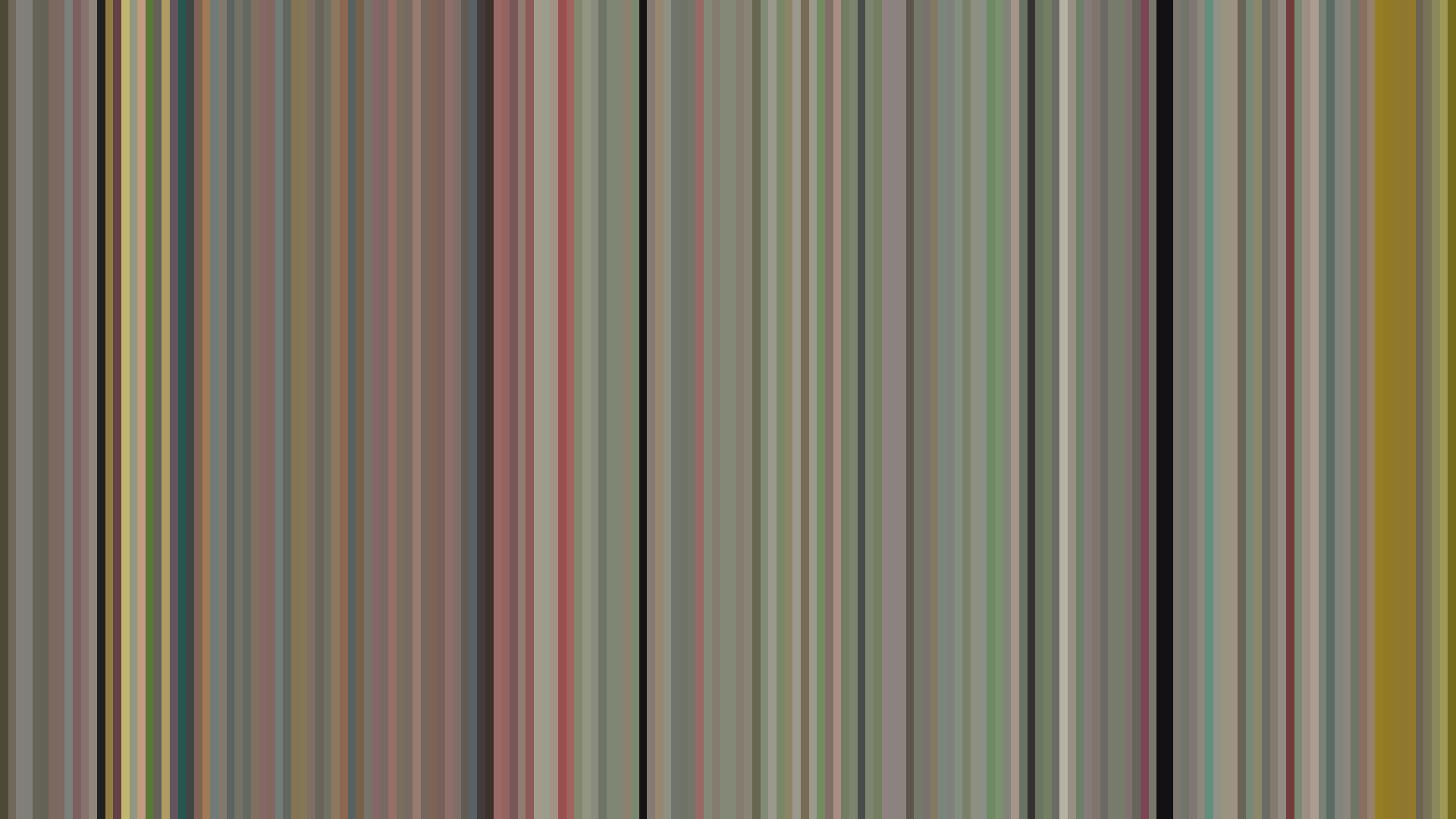
Frame Density Comparison — every 2nd vs every 4th frame
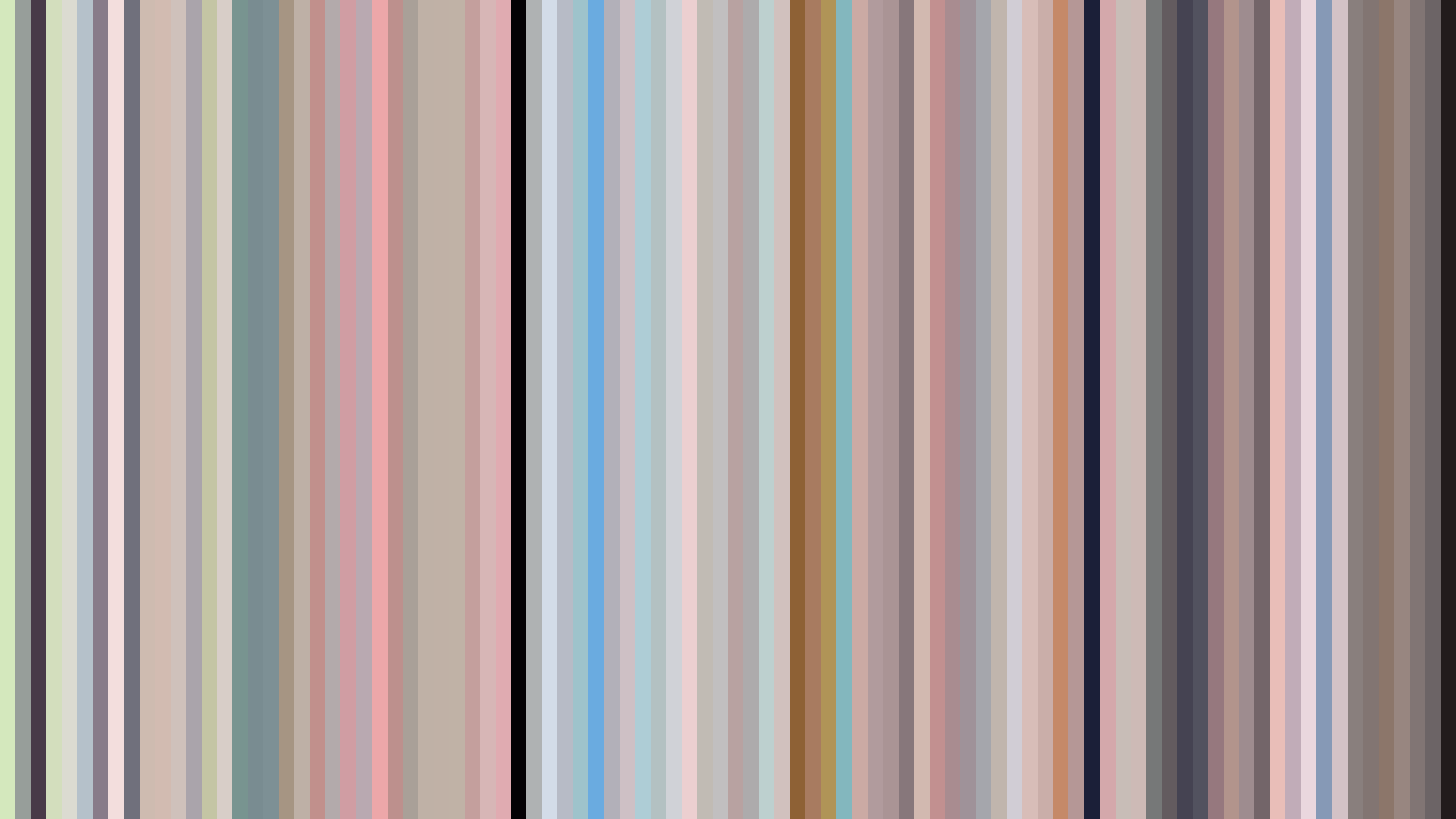
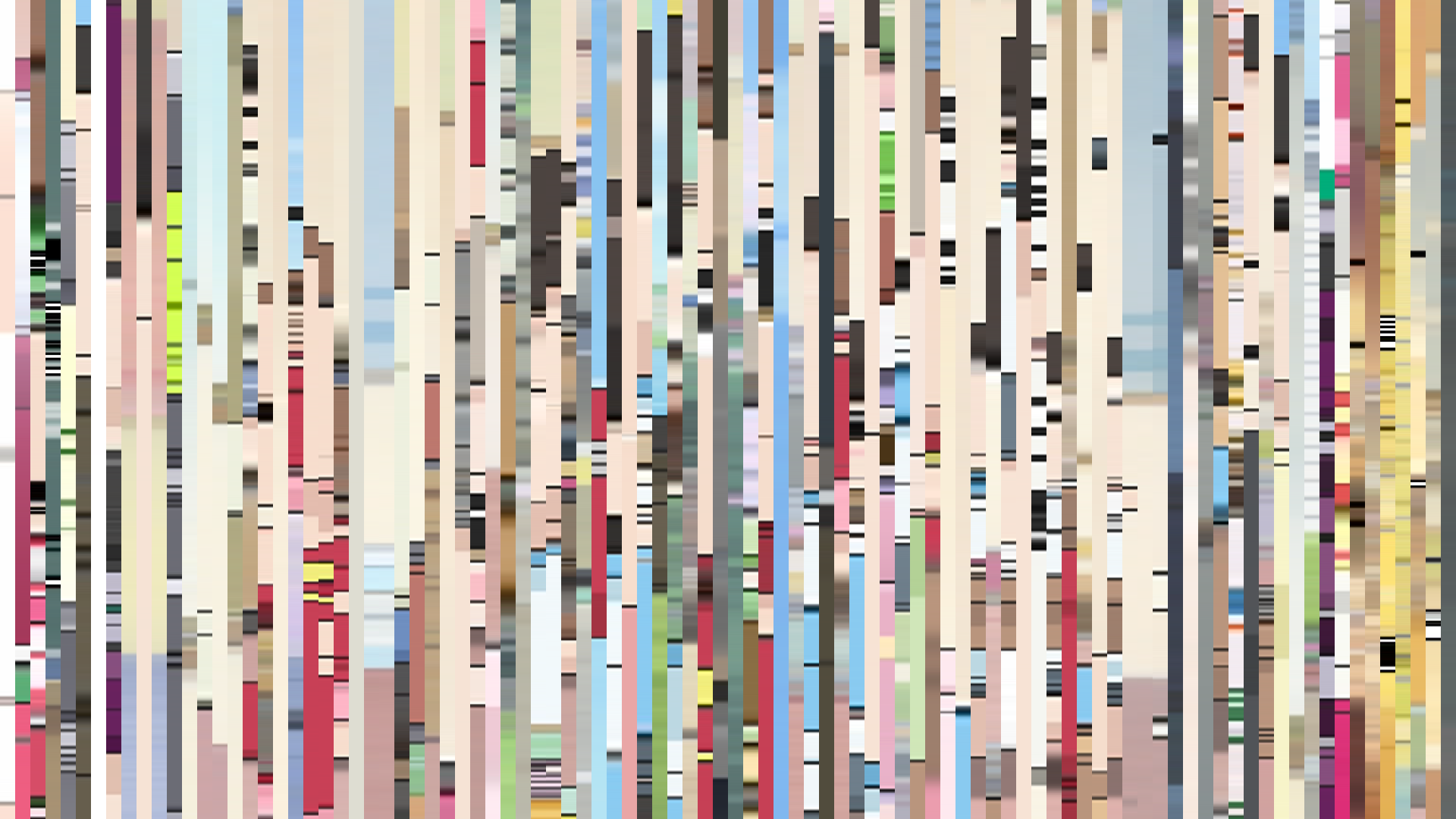
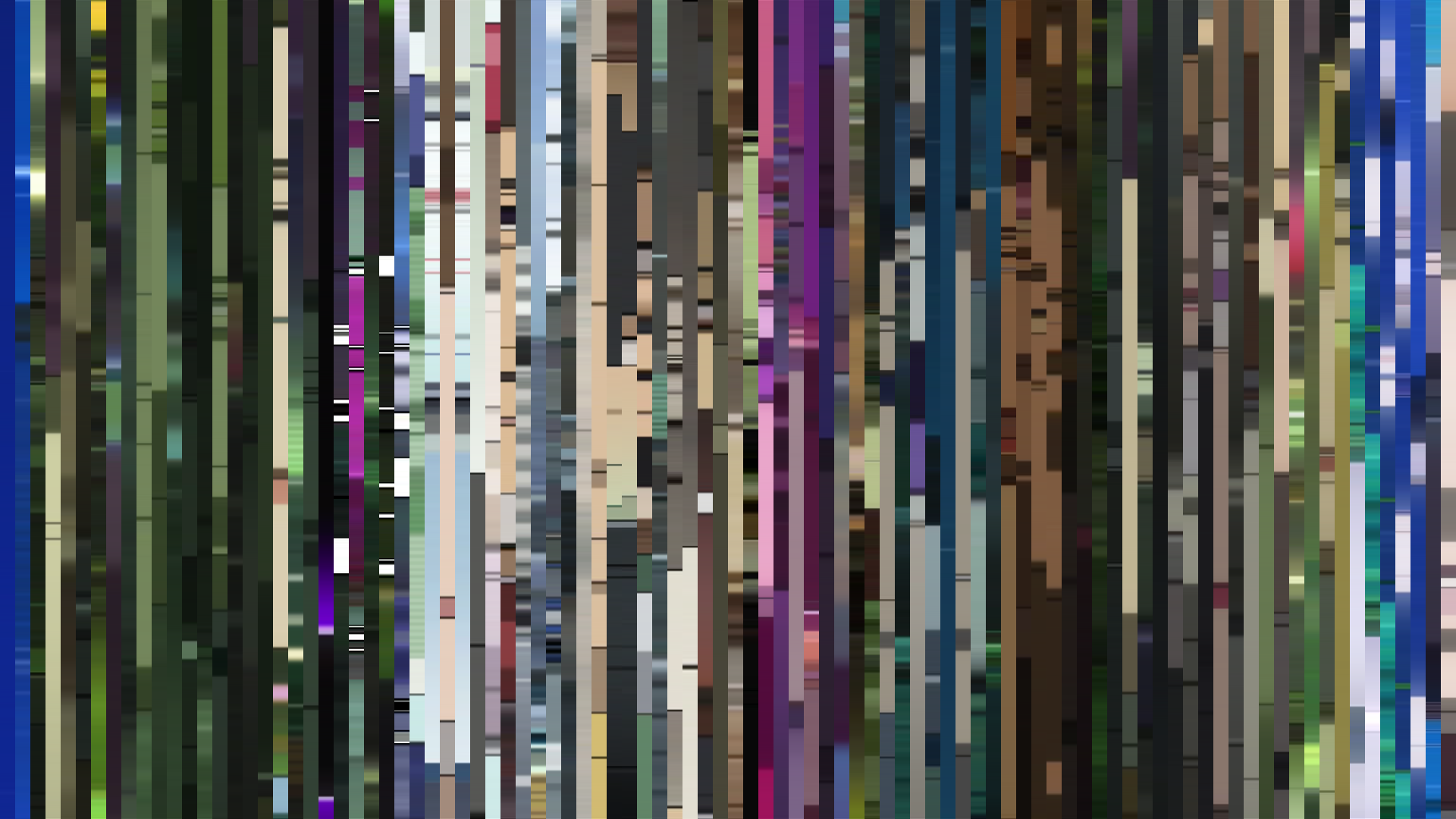
Slice · 15s
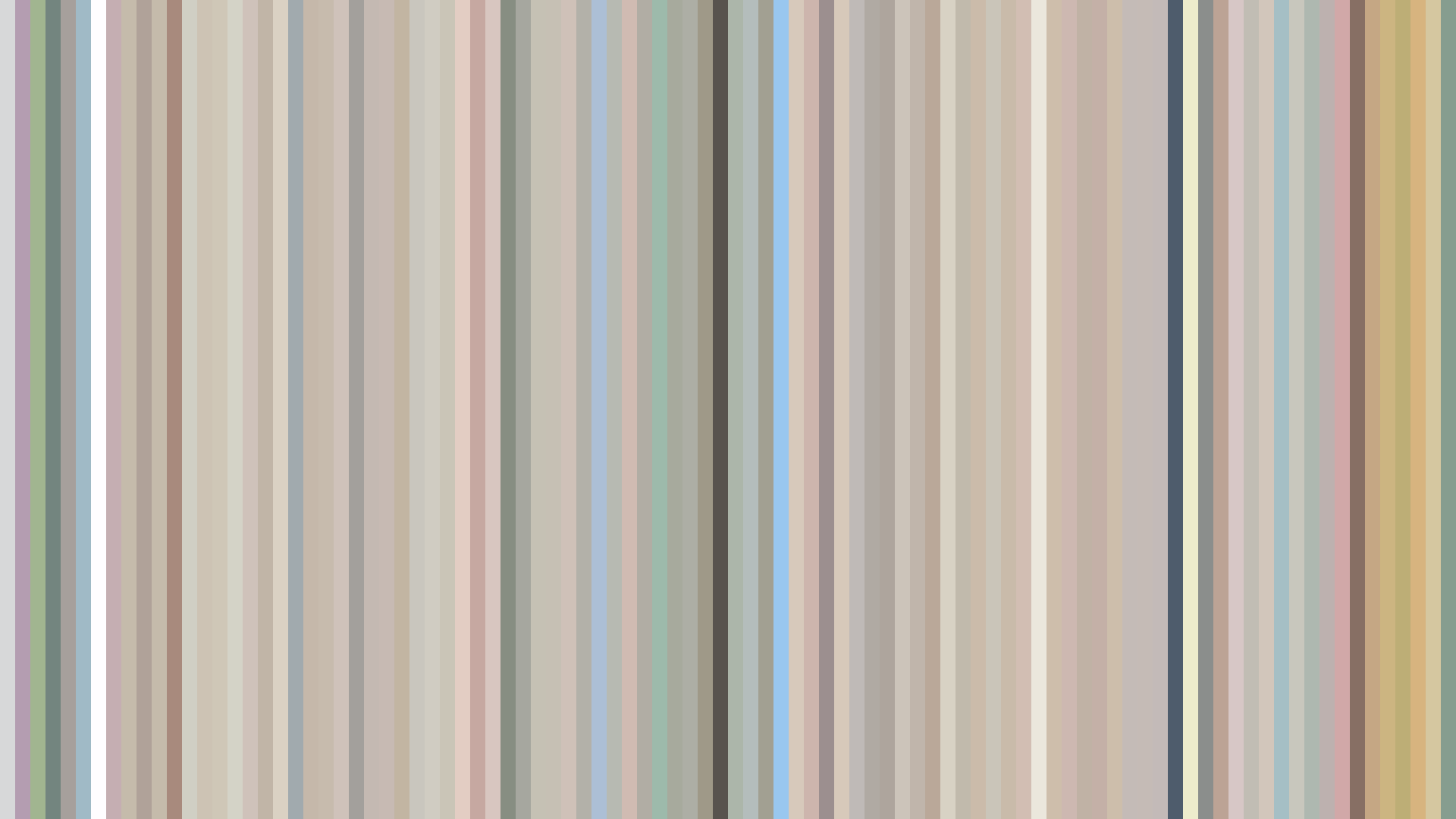
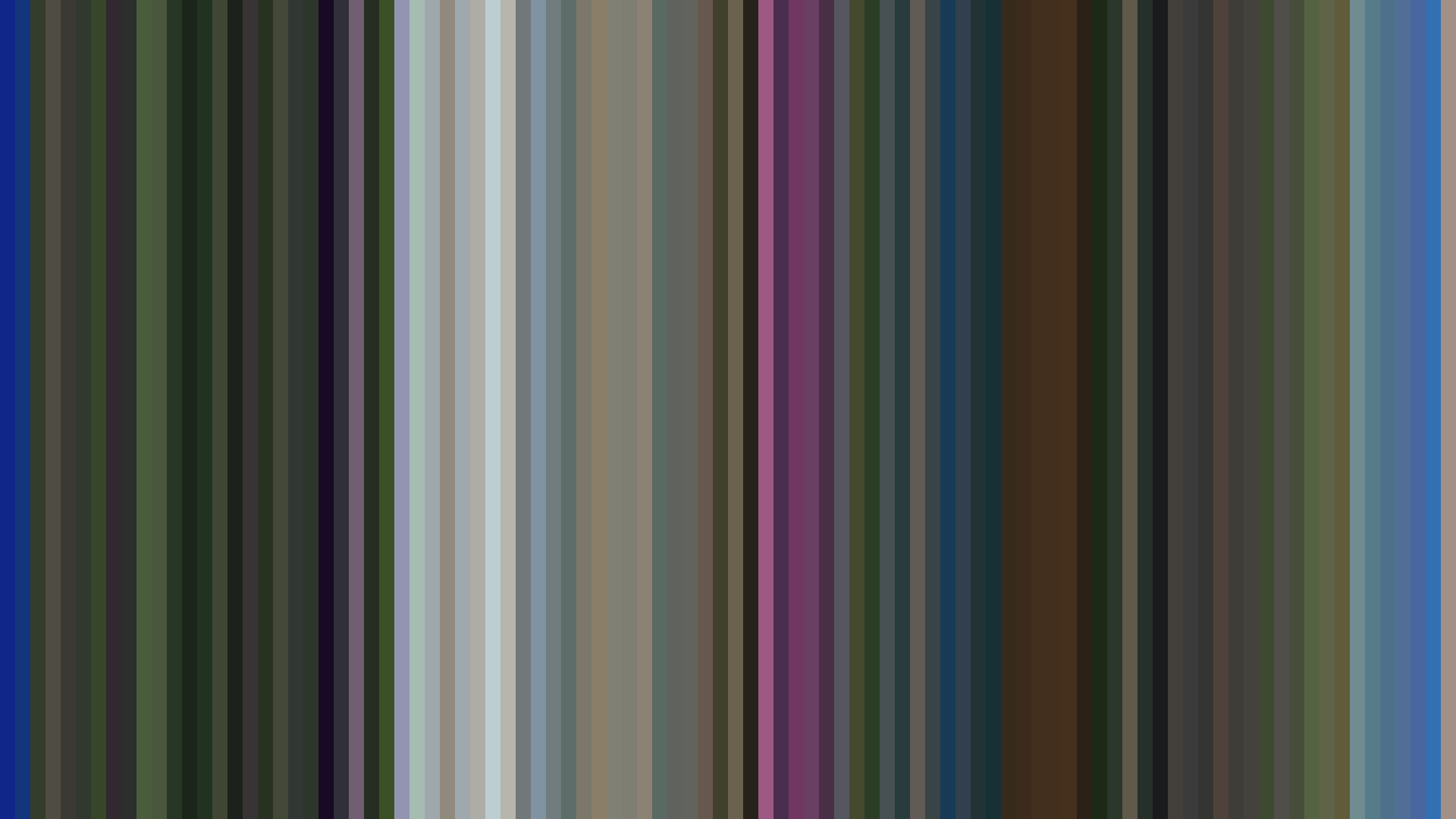
Avg · 15s
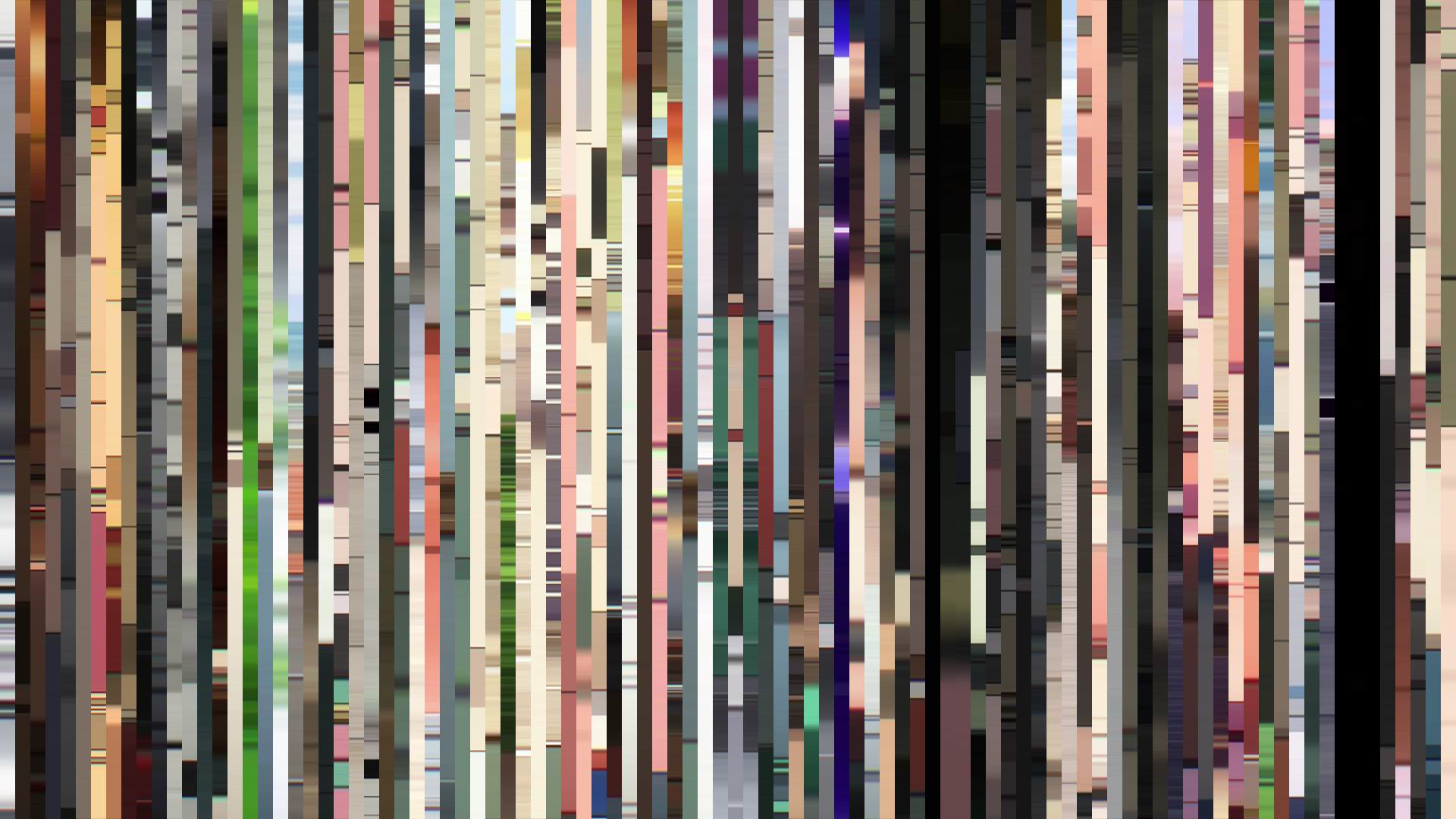
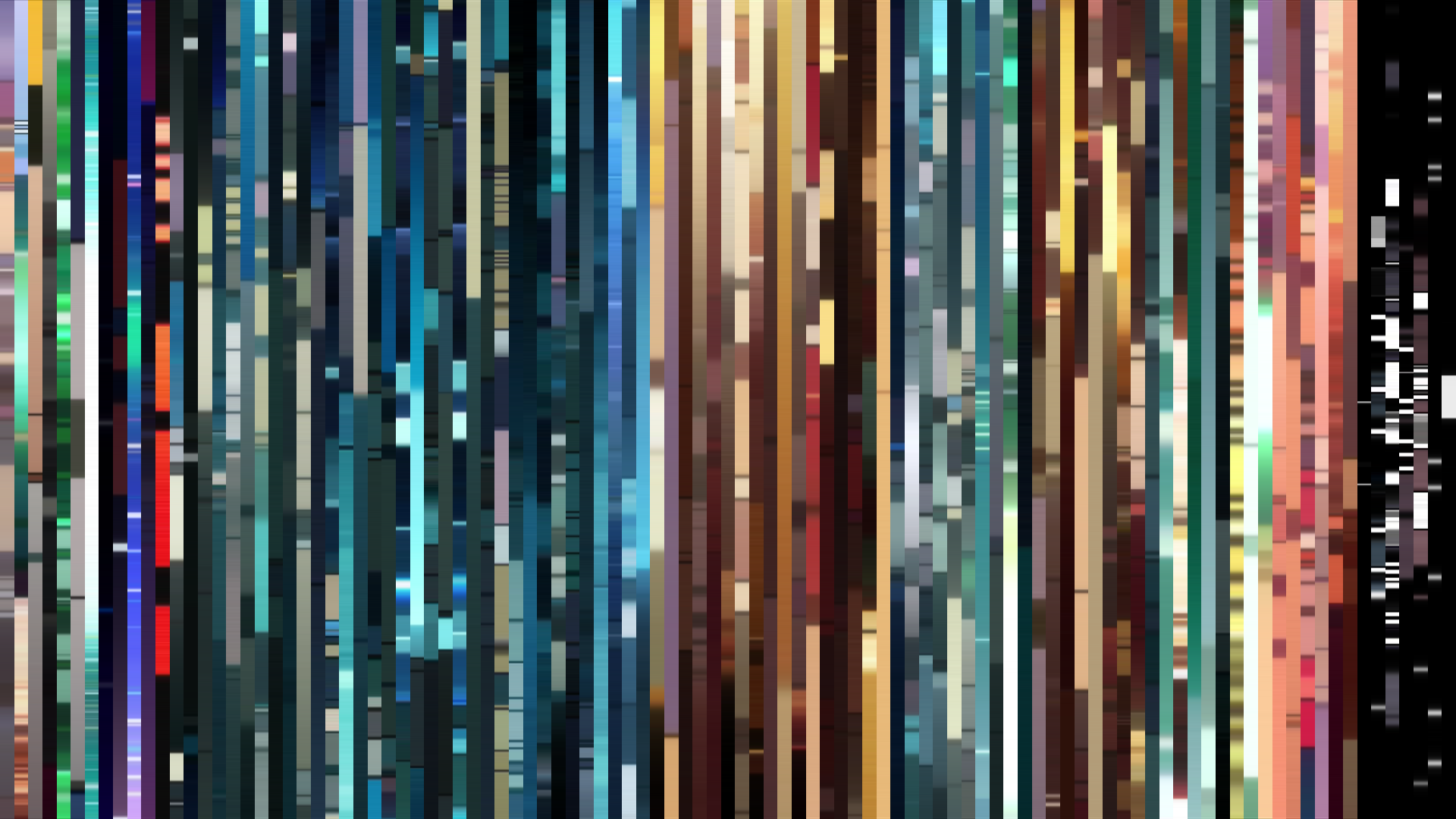
Slice · 30s
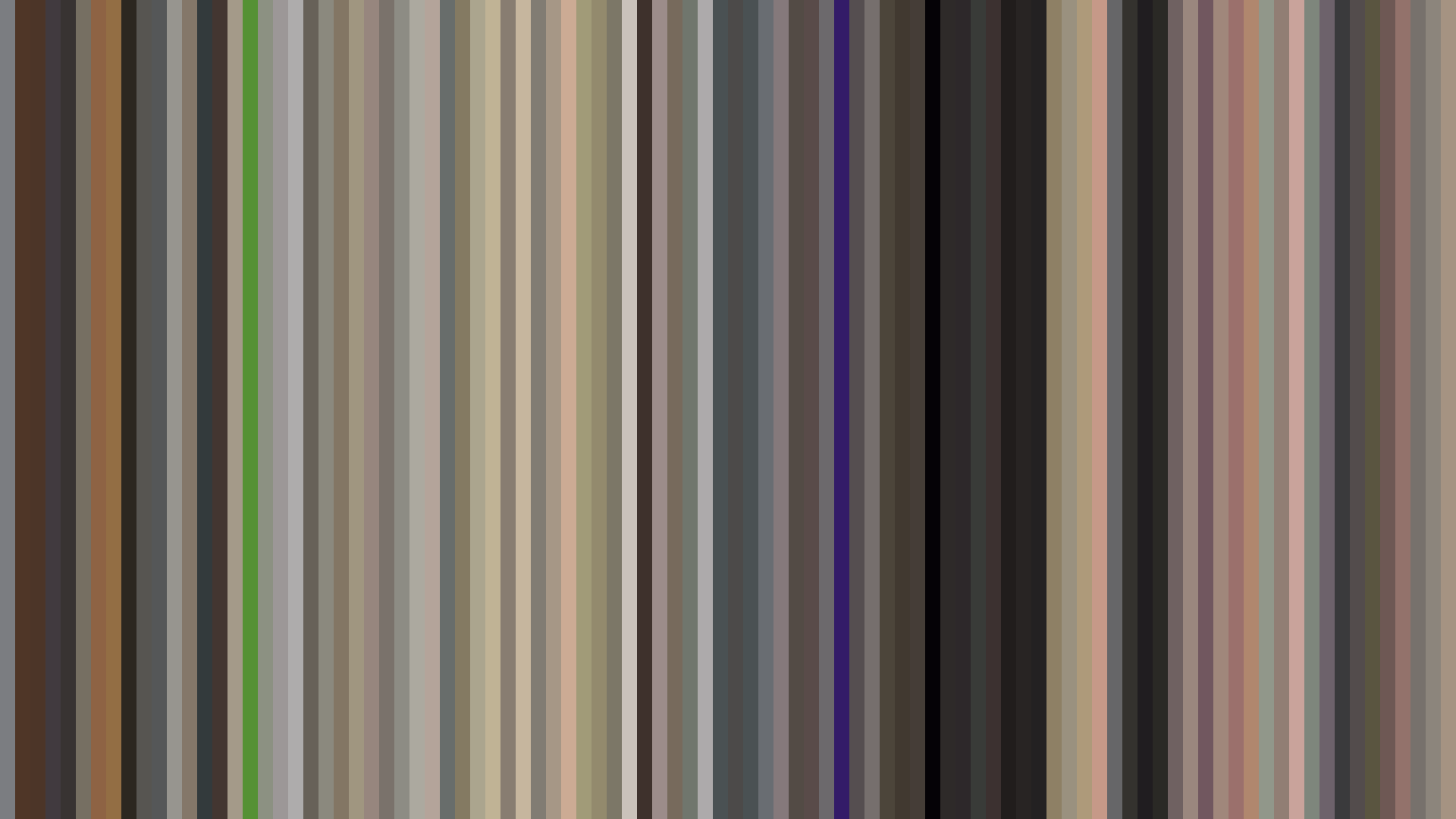
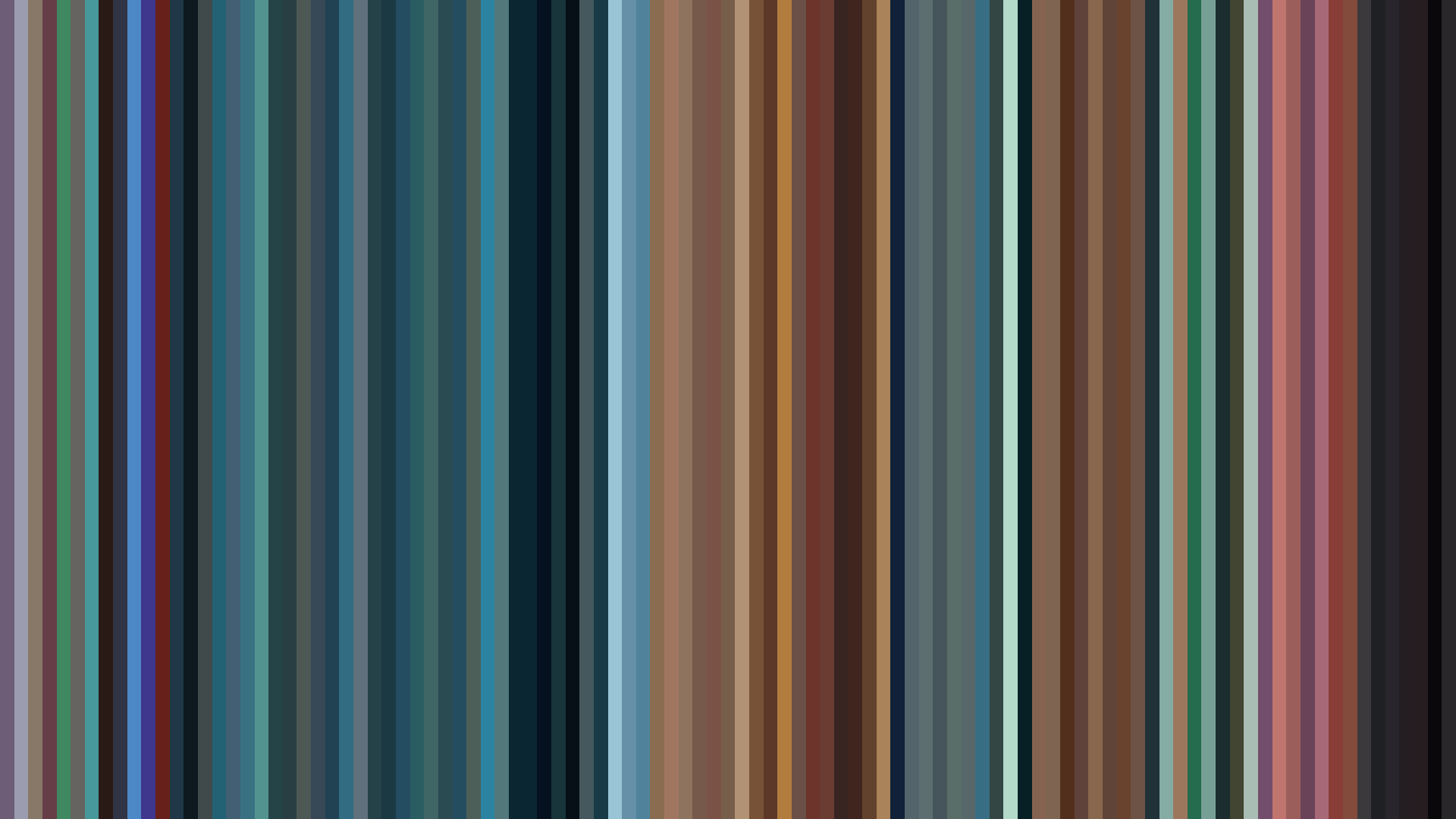
Avg · 30s
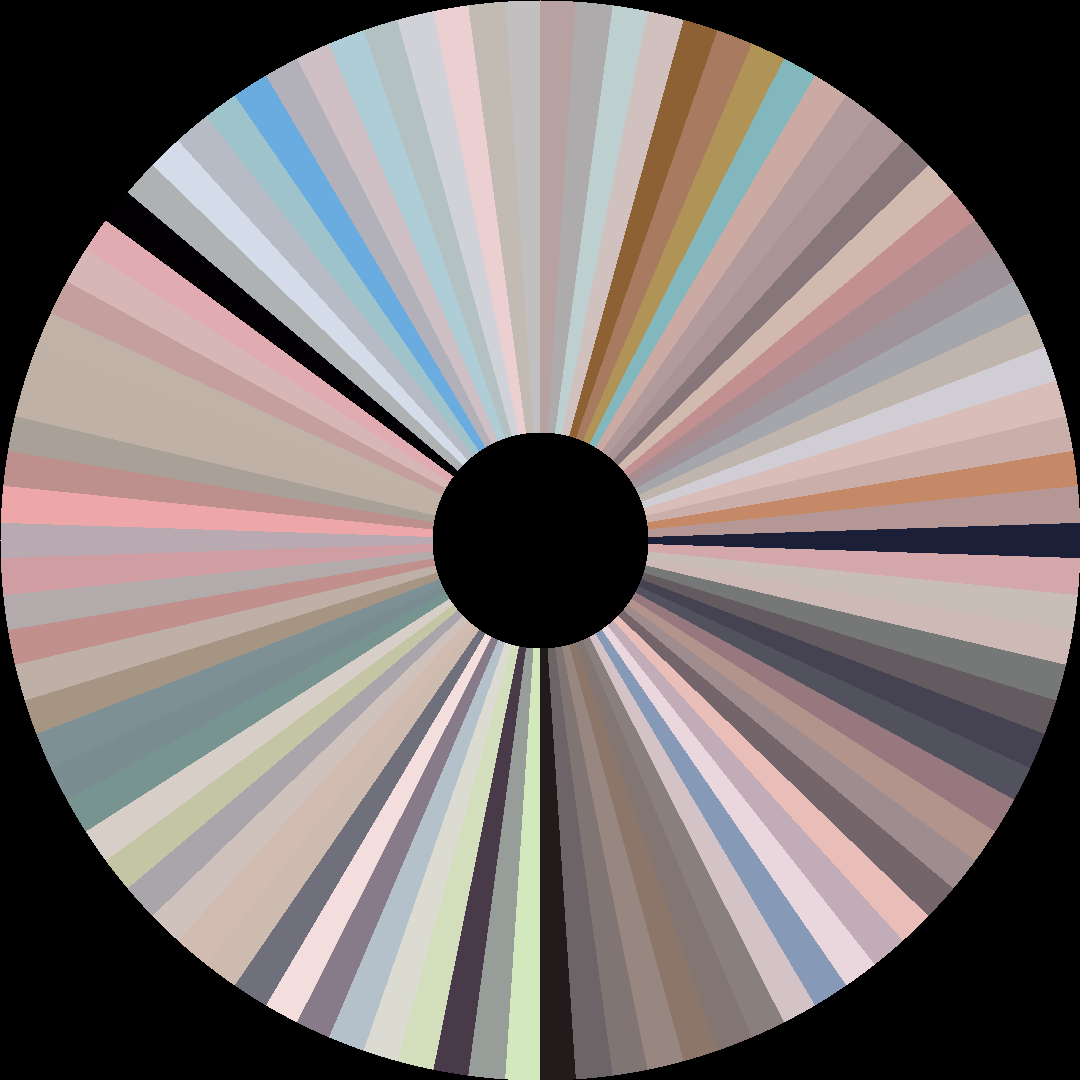
The barcode of *Lovely Complex* reads like a romance that walks backward into shadow. Its Red-Purple dominance—a gaudy 32%—is unusual for a high school comedy, suggesting not just blushing cheeks but bruised ones. The pastel palette (#EEE4E2, #D6A8A2) and low saturation (0.196) signal a softened, almost powdery surface, but the dark ending arc undercuts that warmth entirely. Director Noriyuki Abe and Toei Animation refuse the conventional romantic-comedy brightness spike; instead, the final act drops from an average brightness of 0.759 to
Brightness Arc (episode progression)
Hue Distribution
Act Breakdown
Opening
0.748
Middle
0.759
Closing
0.656
Avg Brightness
0.653
Avg Saturation
0.196
Warmth
0.527
Color Palette
#EEE4E2
#D6A8A2
#A69C9C
#98636A
#17151A
#605963
#E0D3A8
#A6D3E1
3-Act Color Story
Opening
Middle
Closing
Color Twins
Perceptually nearest palettes — measured in OKLab space, not RGB






The barcode of *Lovely Complex* reads like a romance that walks backward into shadow. Its Red-Purple dominance—a gaudy 32%—is unusual for a high school comedy, suggesting not just blushing cheeks but bruised ones. The pastel palette (#EEE4E2, #D6A8A2) and low saturation (0.196) signal a softened, almost powdery surface, but the dark ending arc undercuts that warmth entirely. Director Noriyuki Abe and Toei Animation refuse the conventional romantic-comedy brightness spike; instead, the final act drops from an average brightness of 0.759 to