Edit Pace — frame-to-frame color delta (bright = fast cuts)
Color Temperature — warm (gold) vs cool (teal) per frame
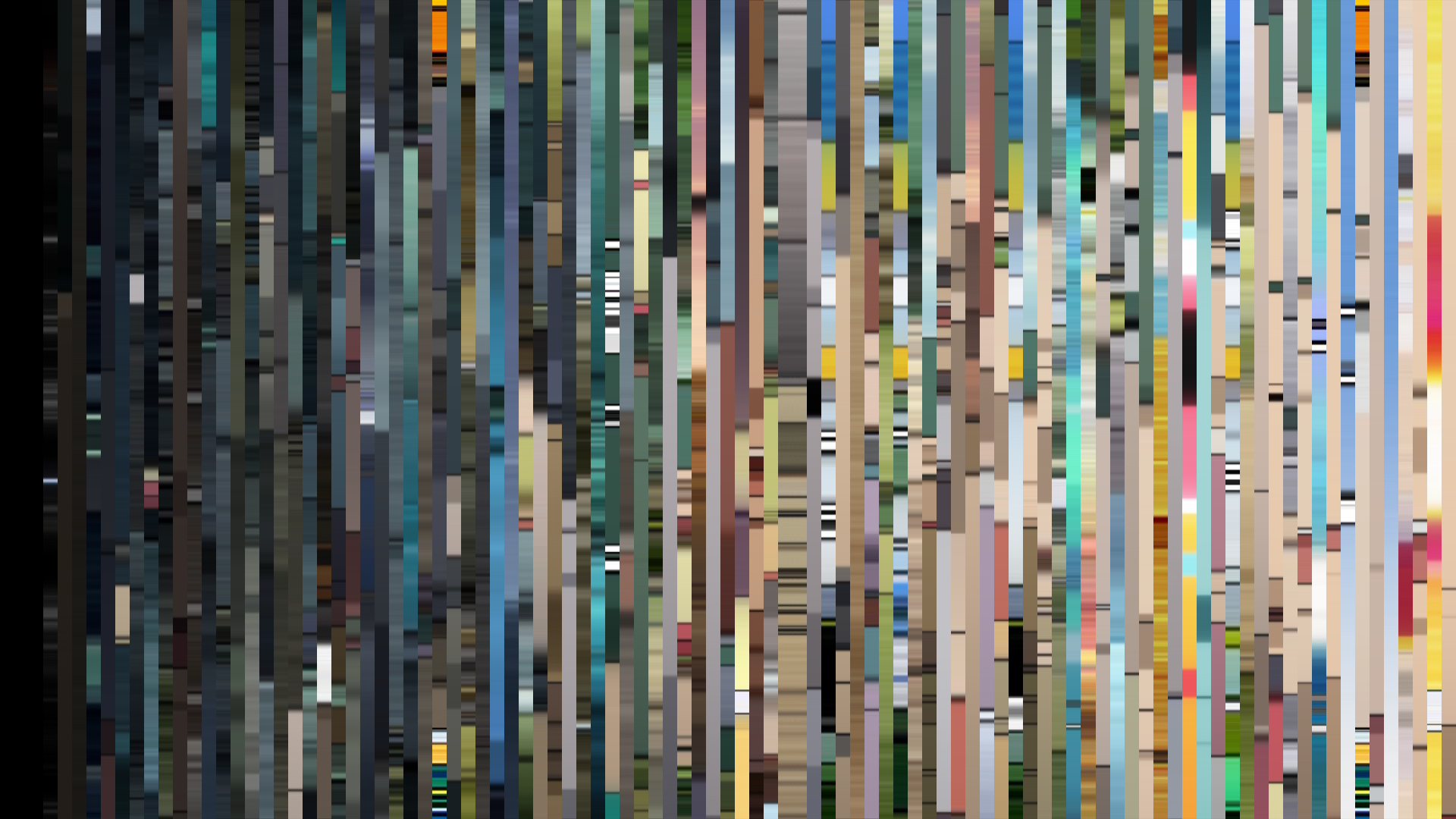
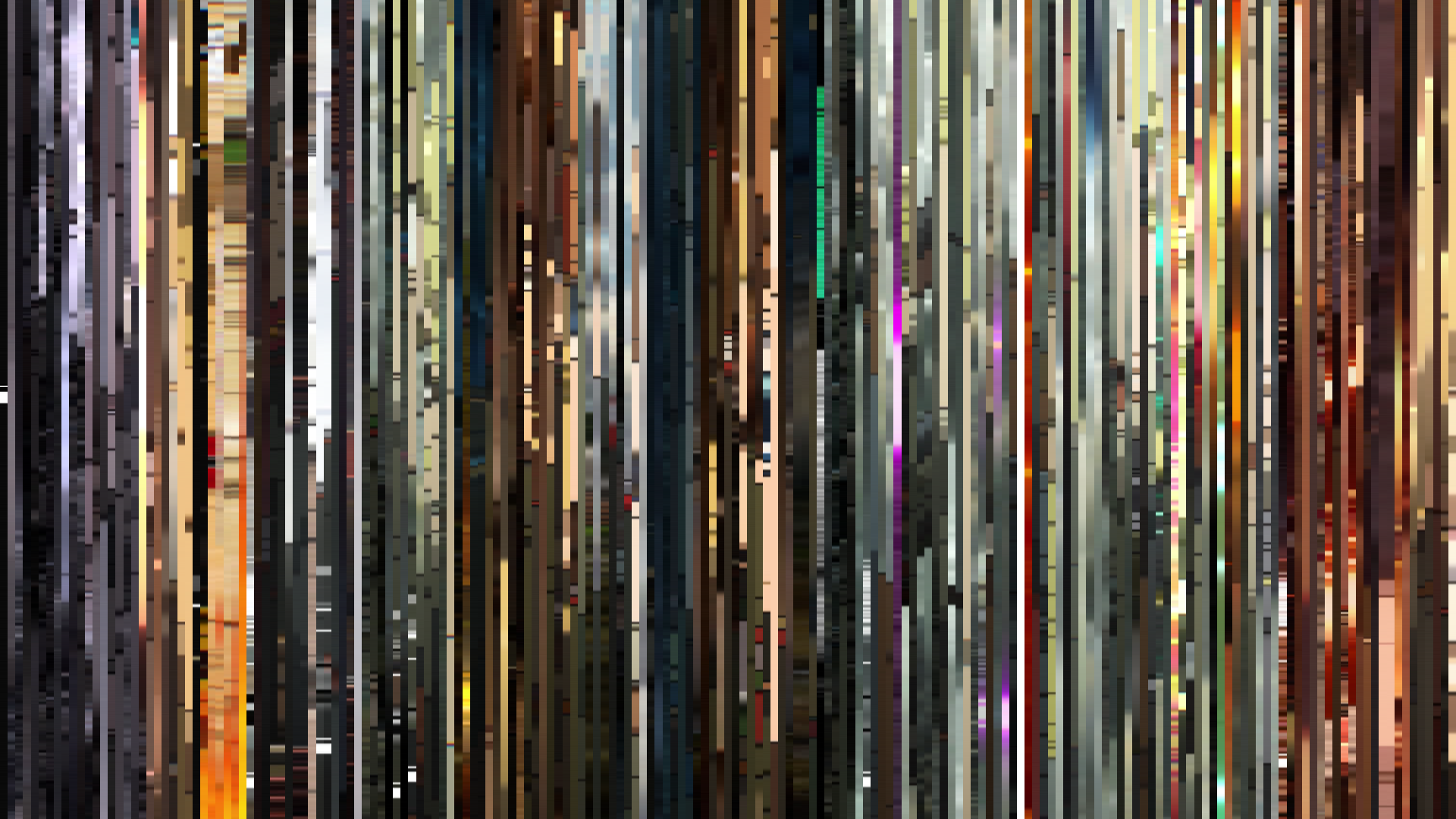
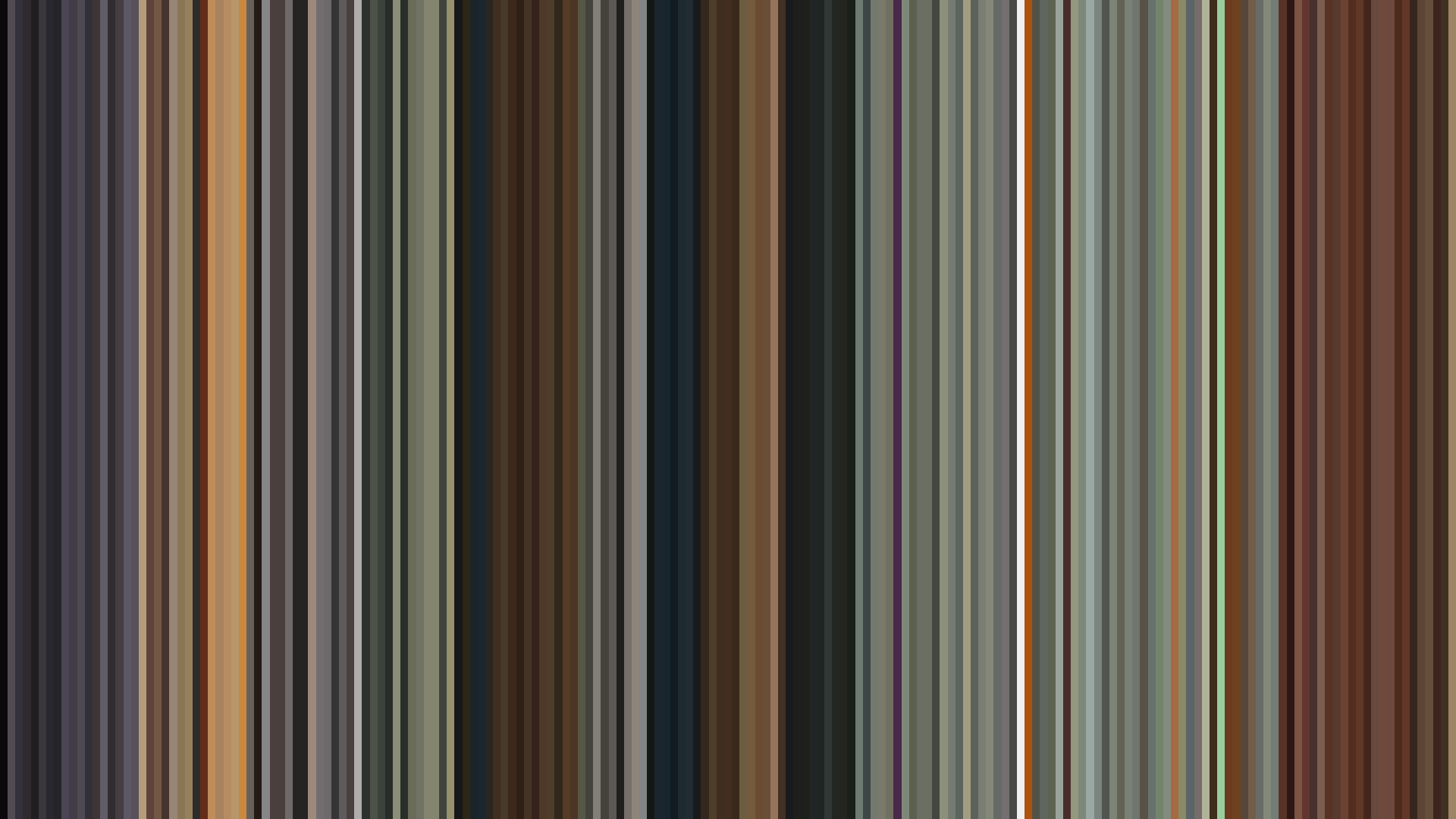
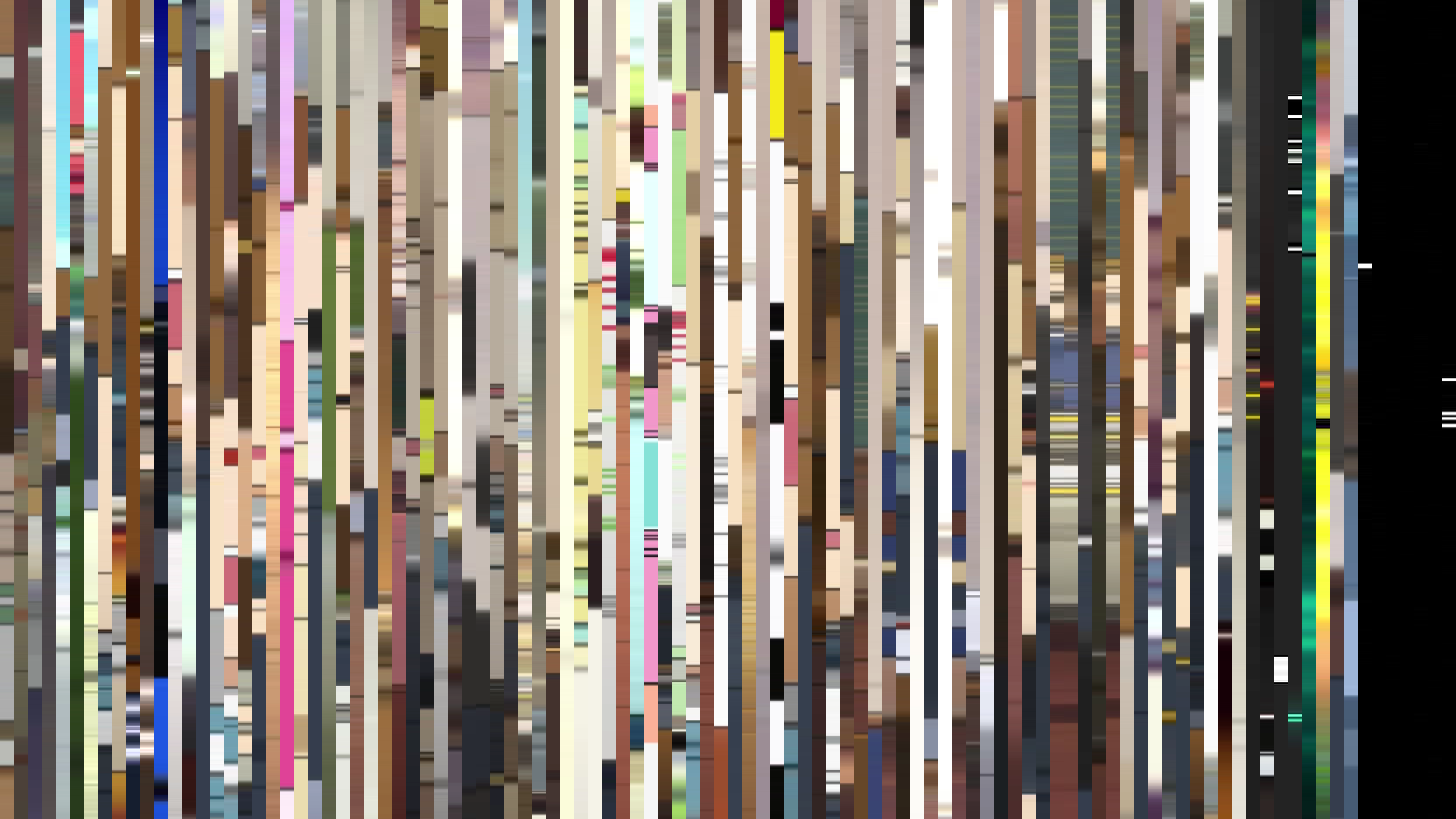
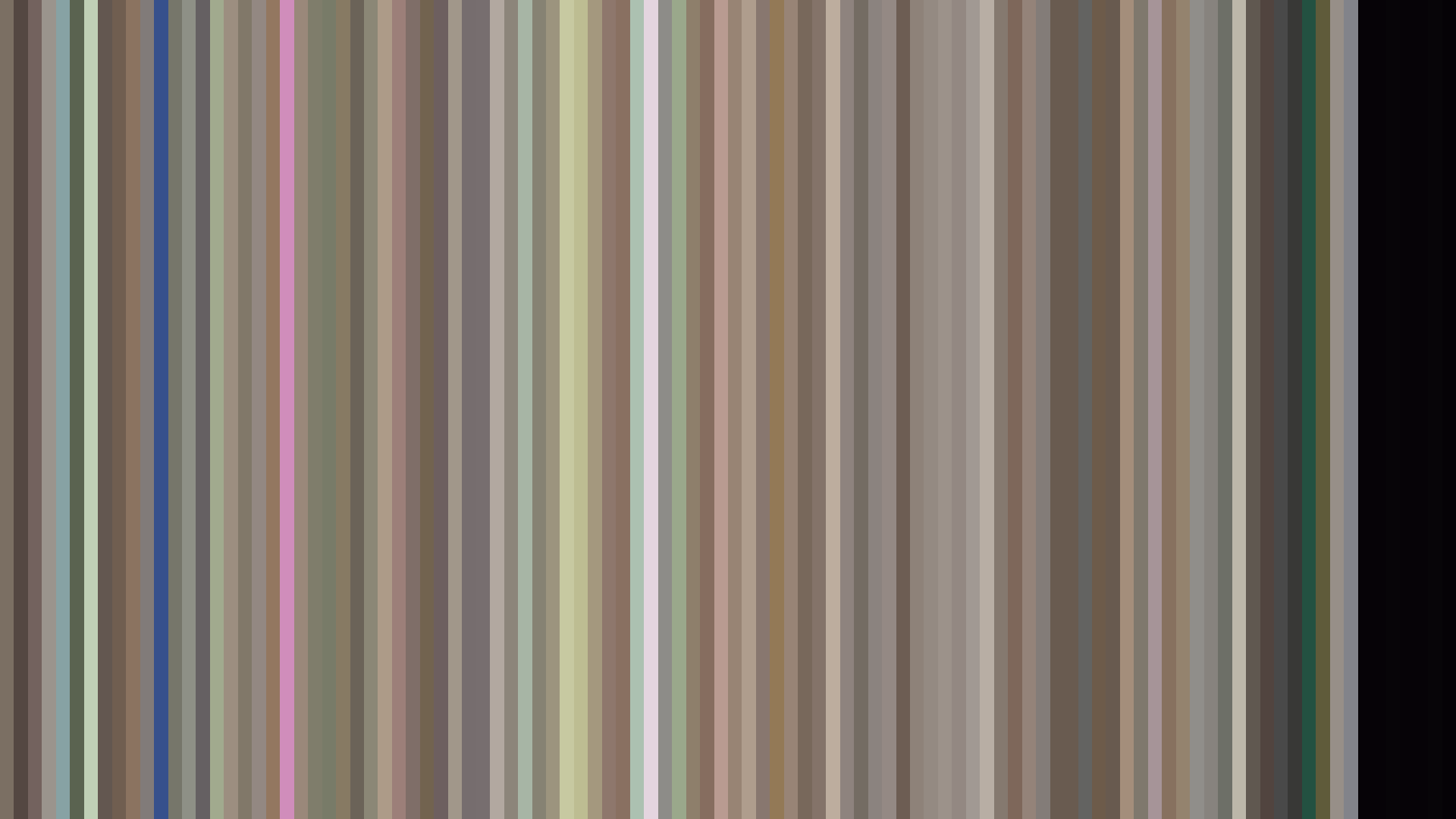
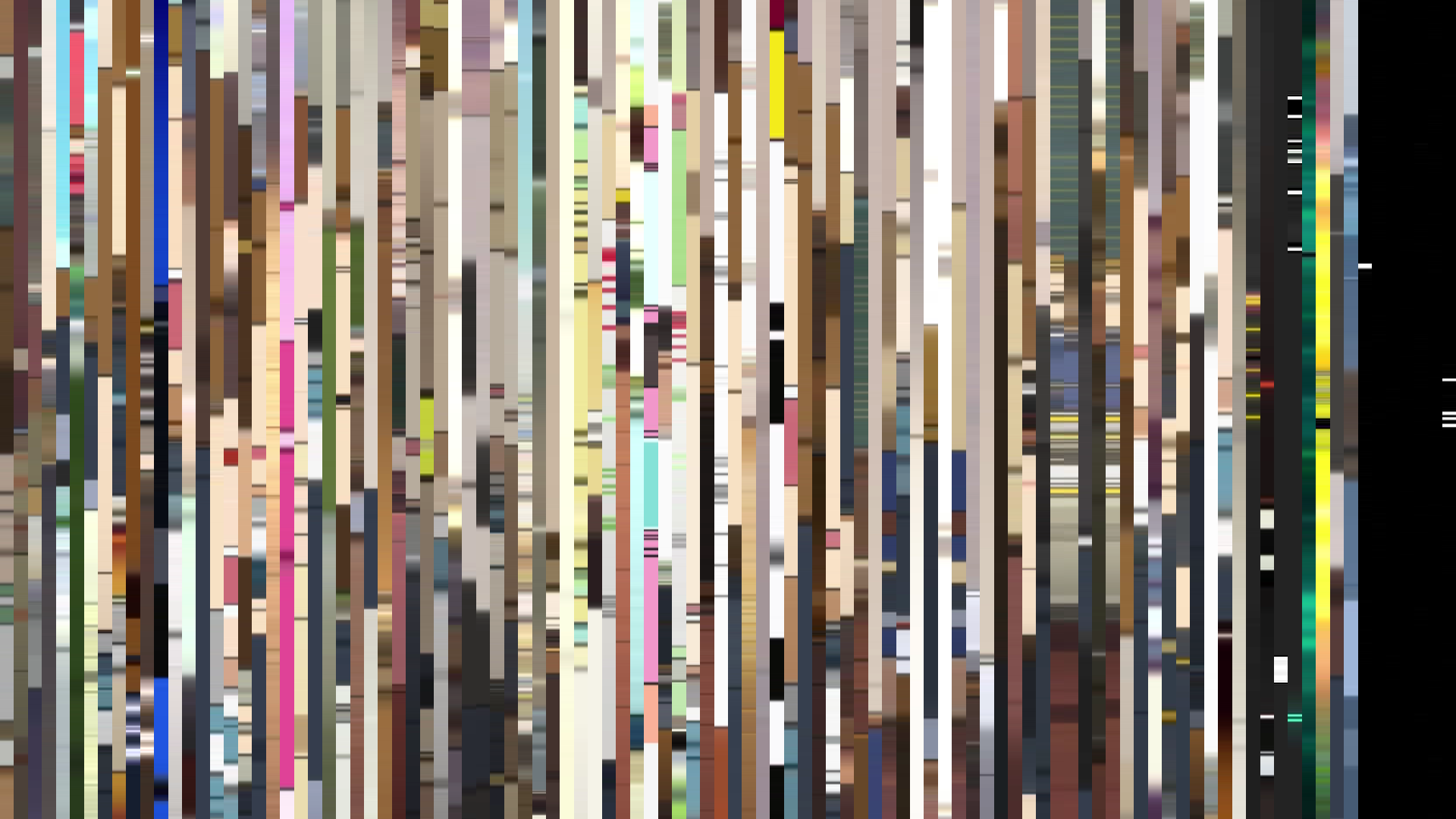
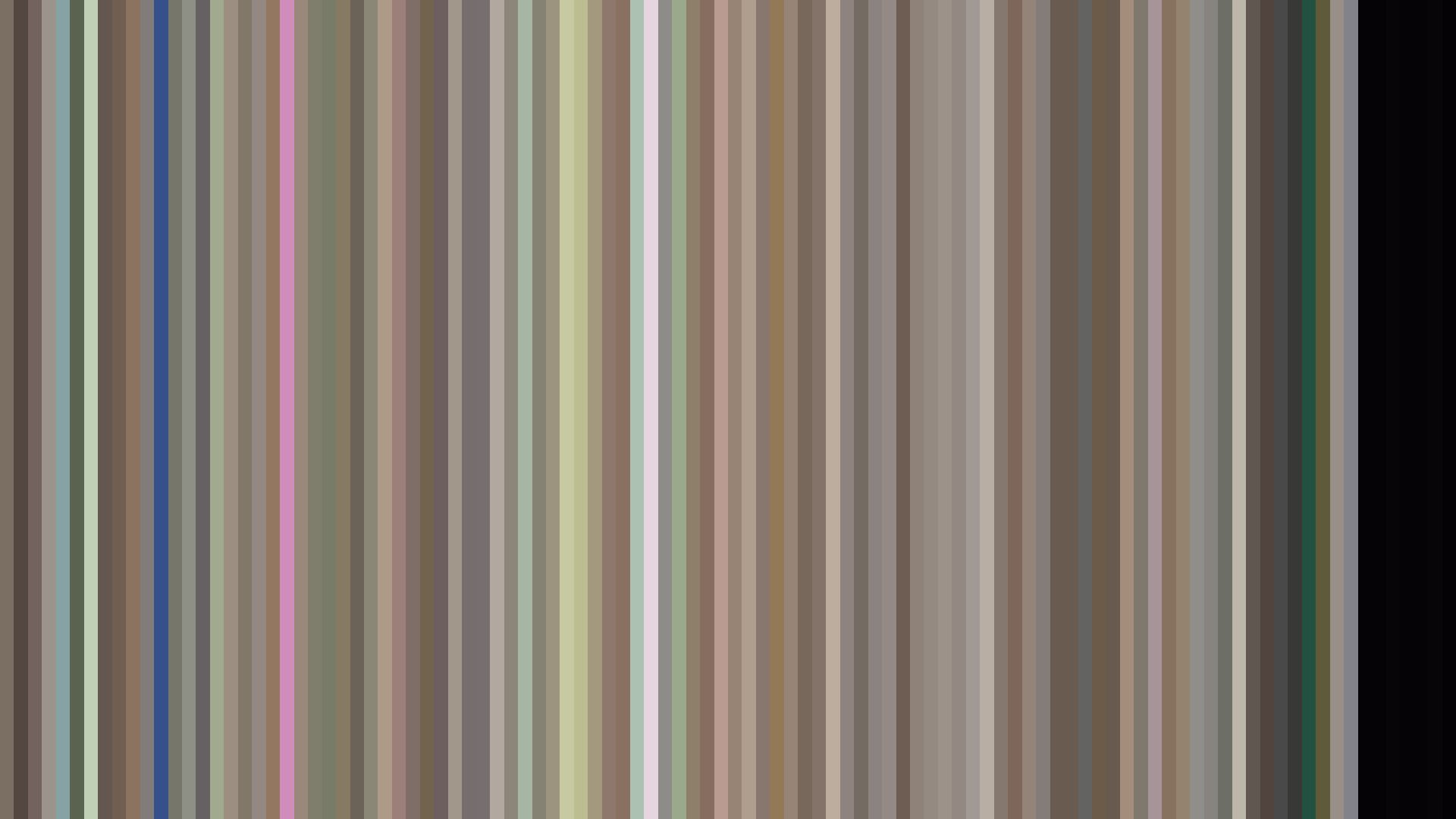
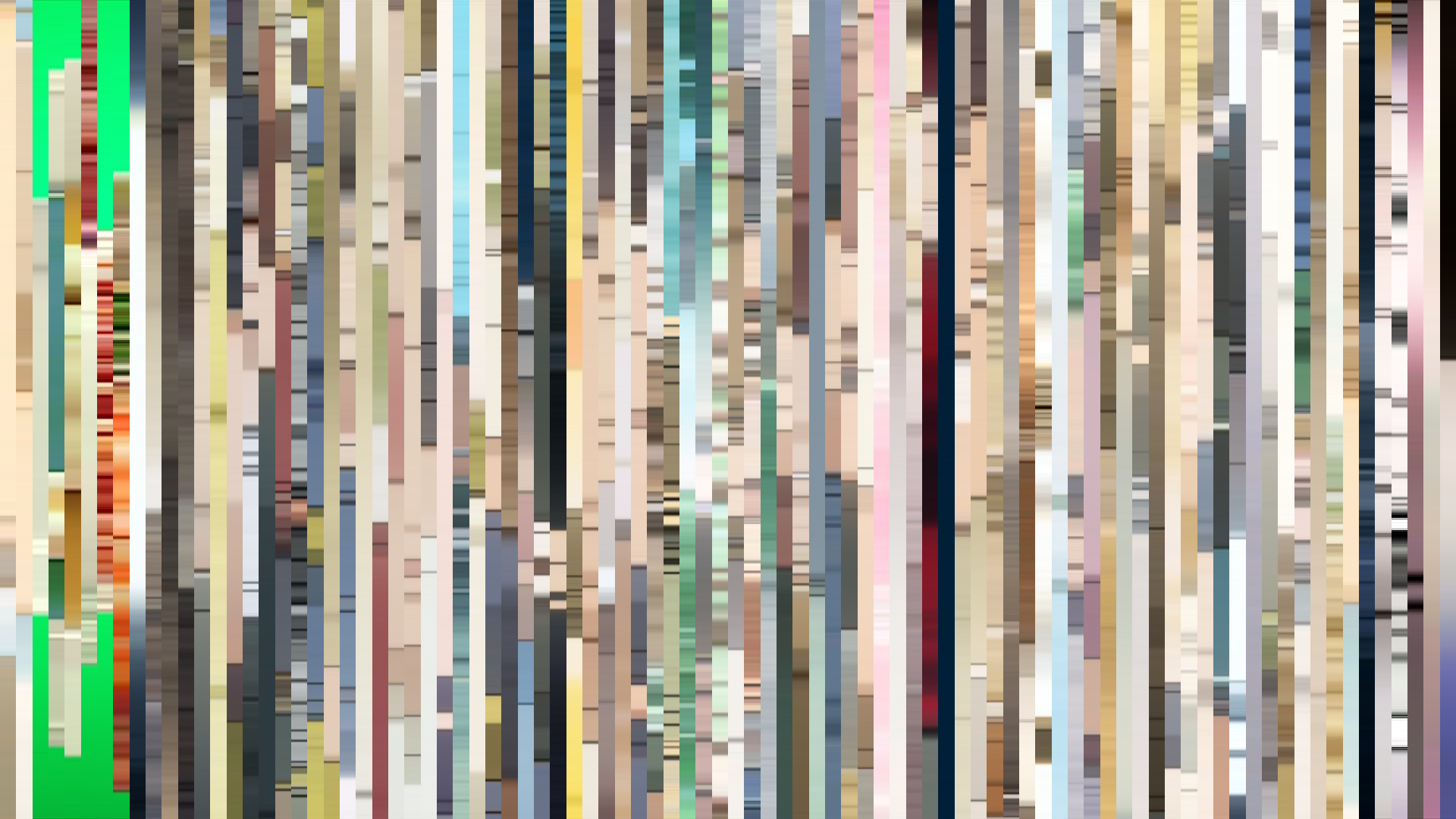
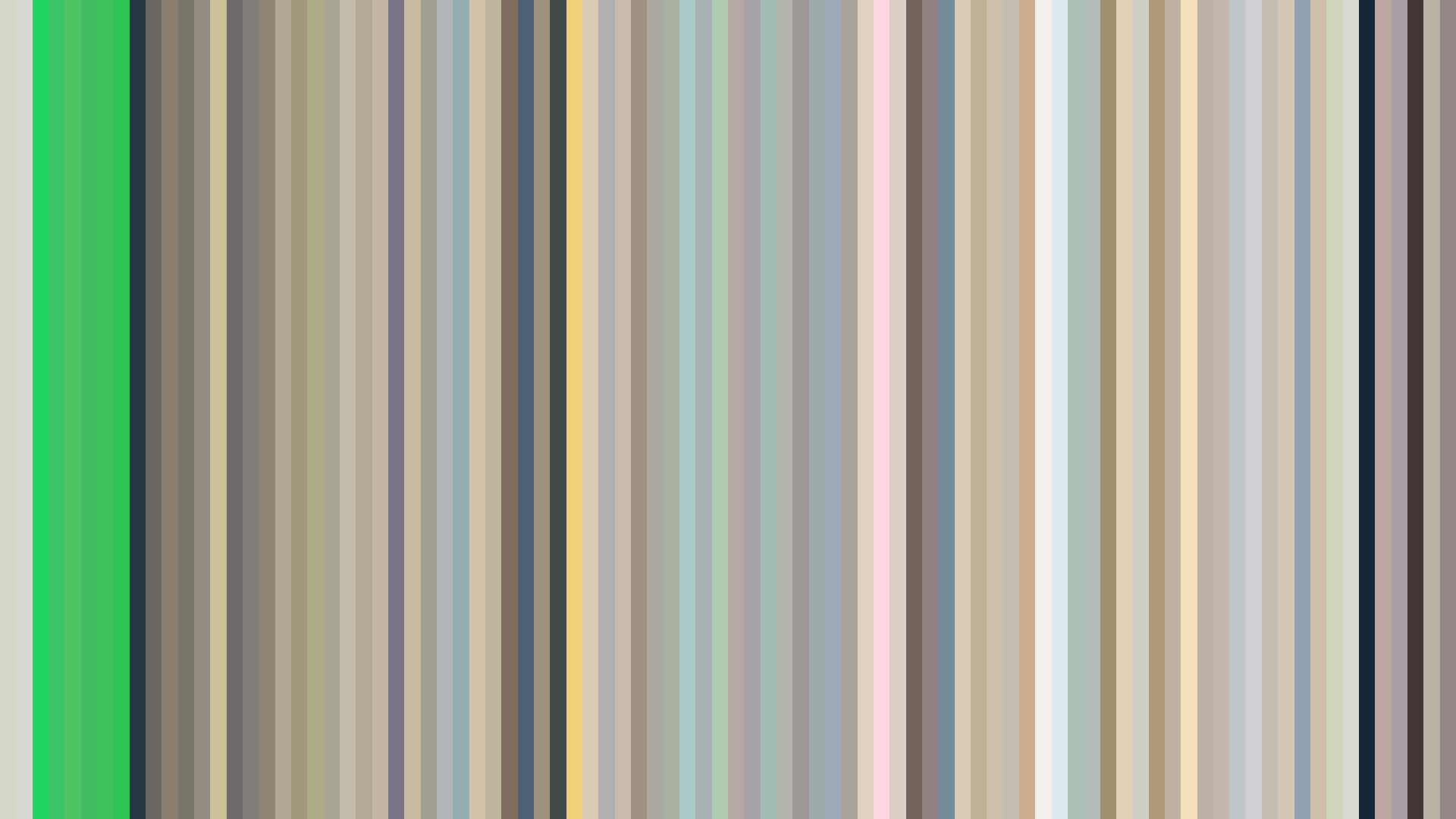
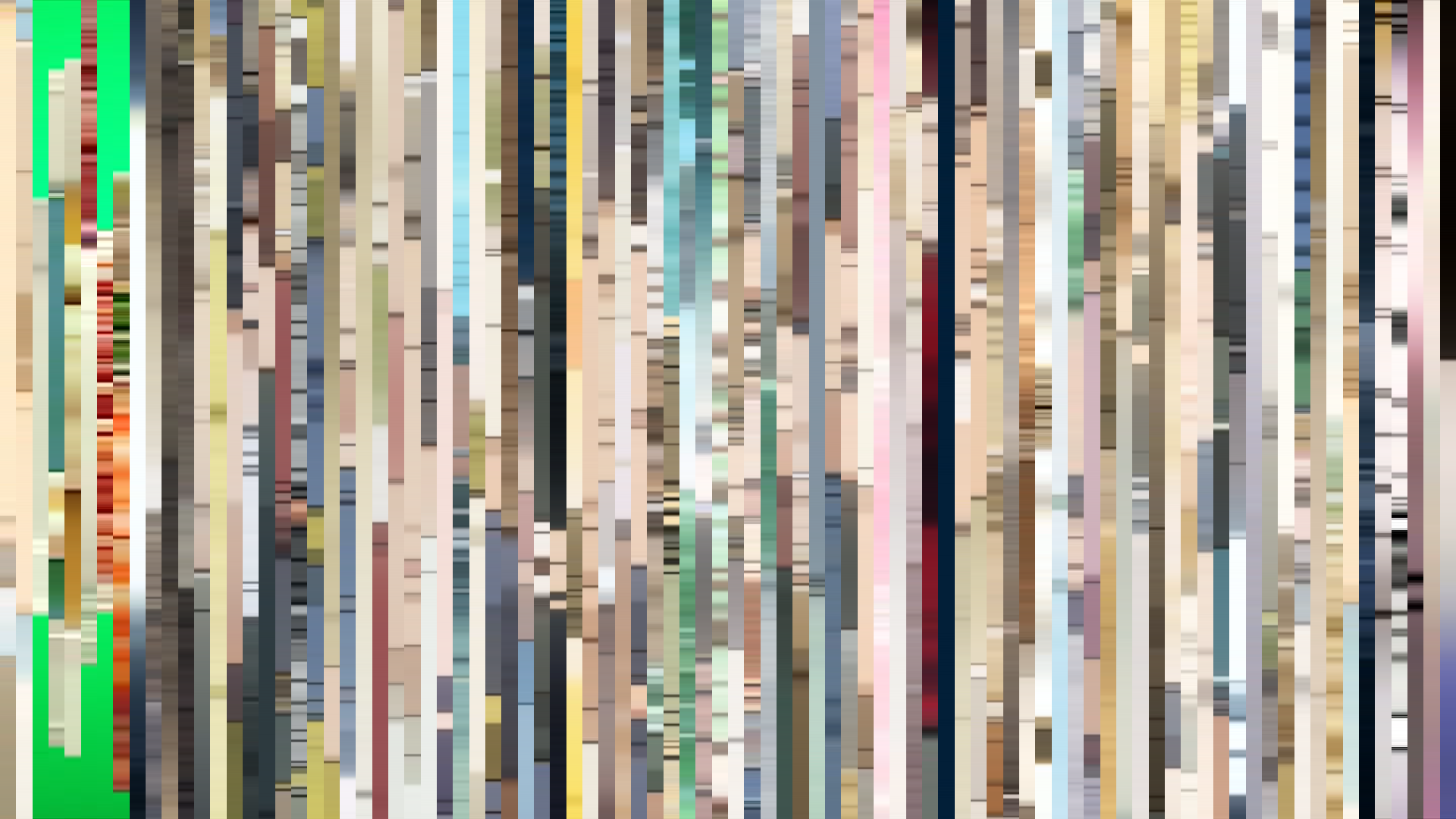
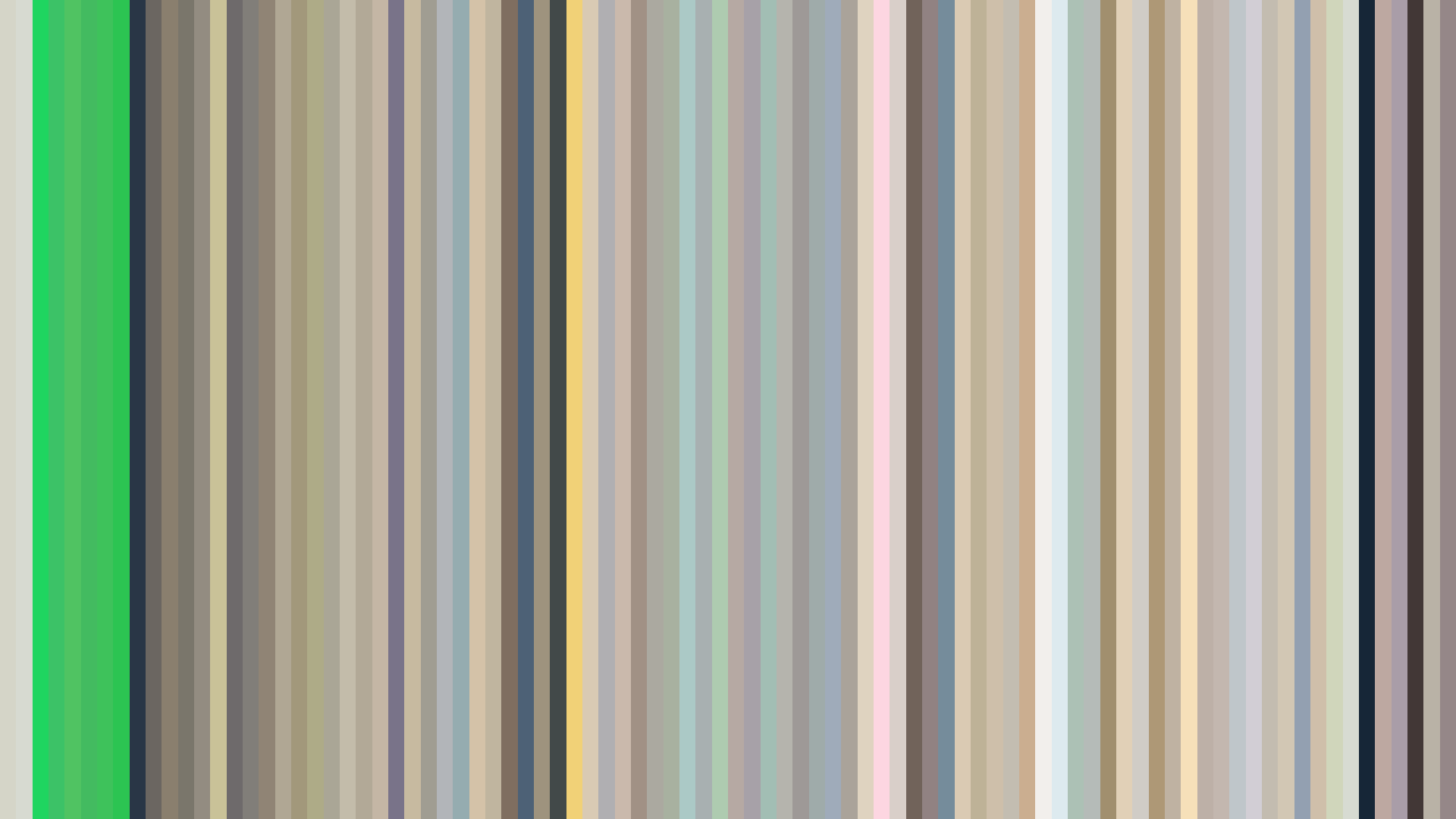
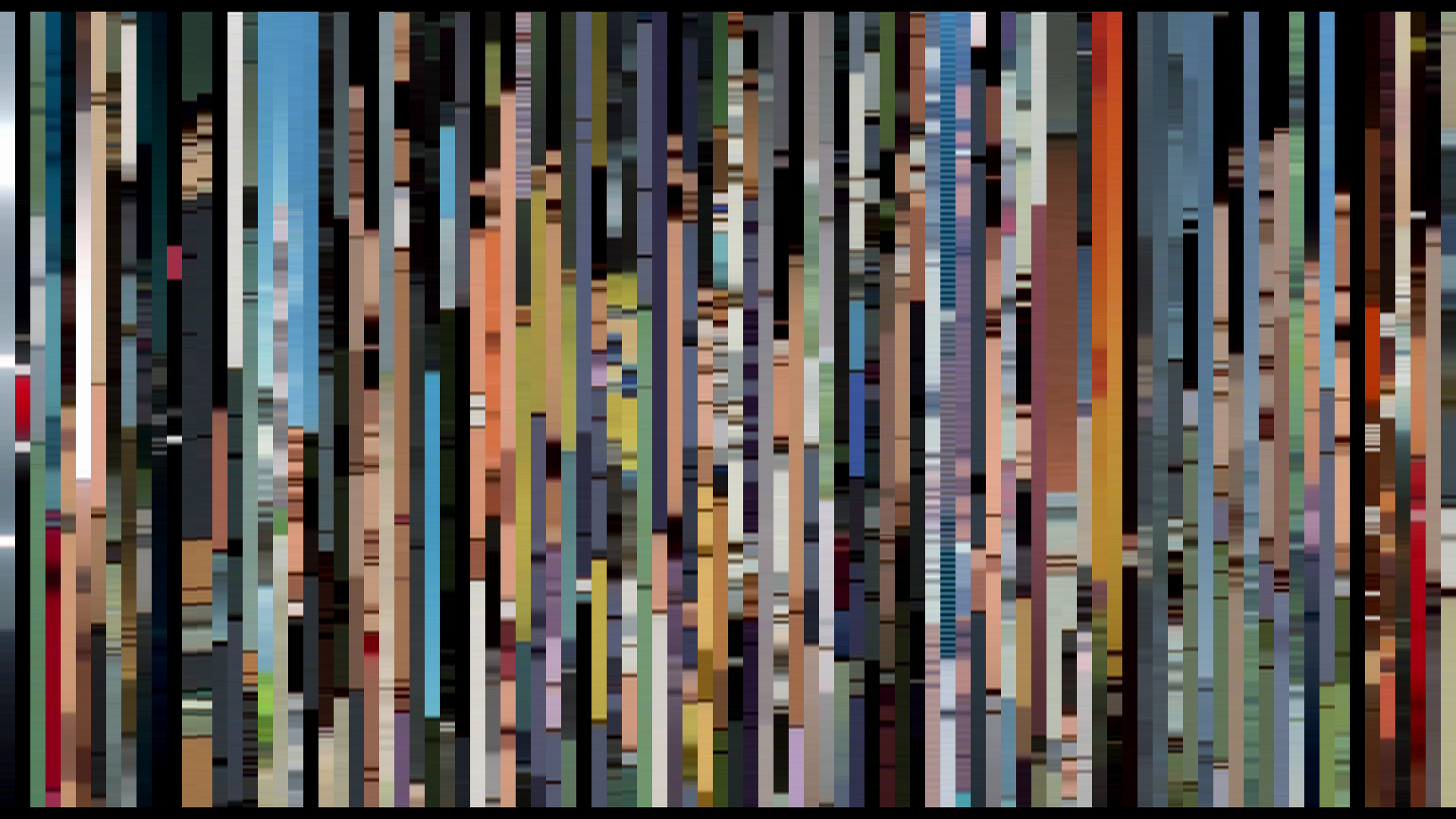
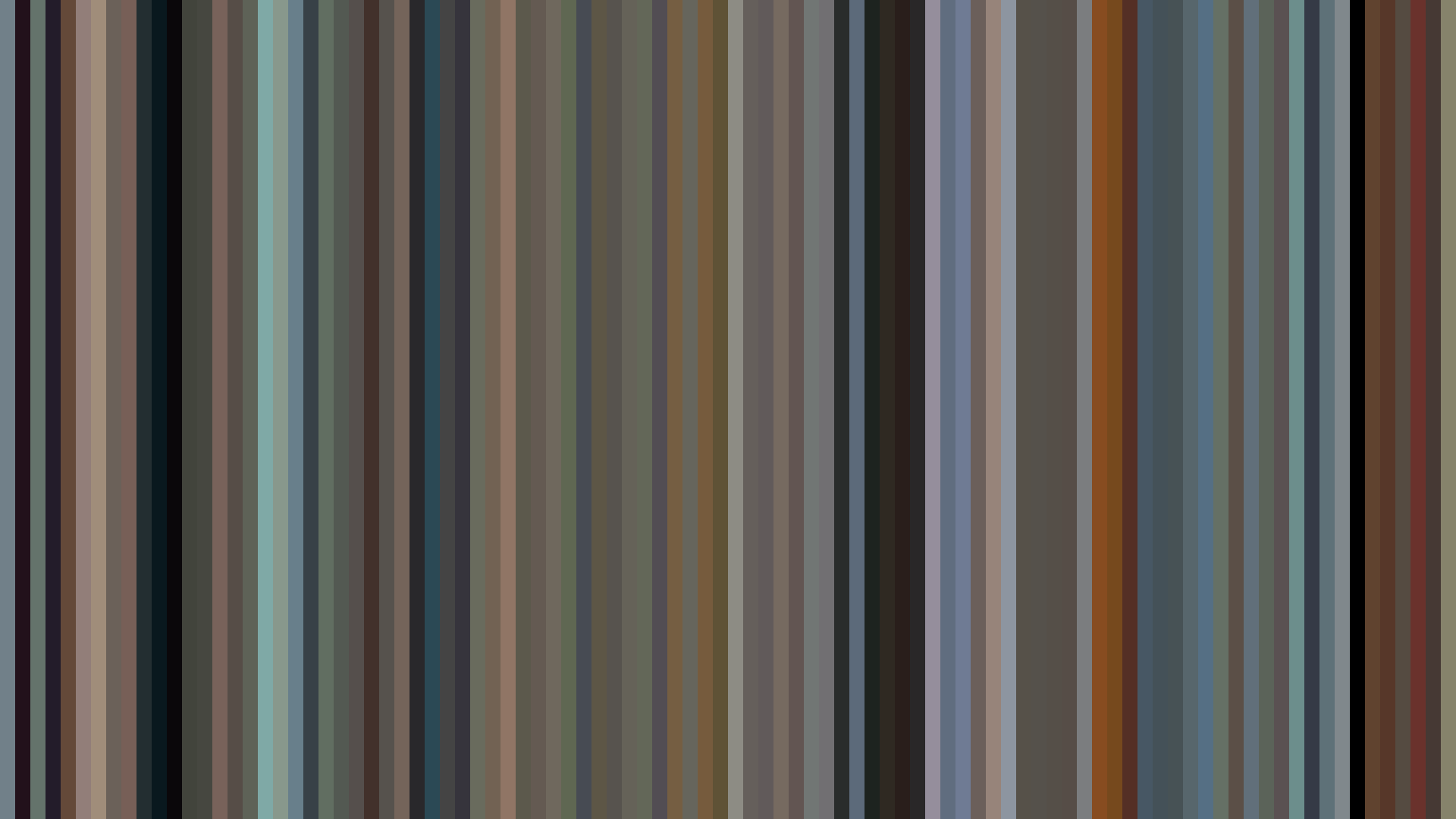
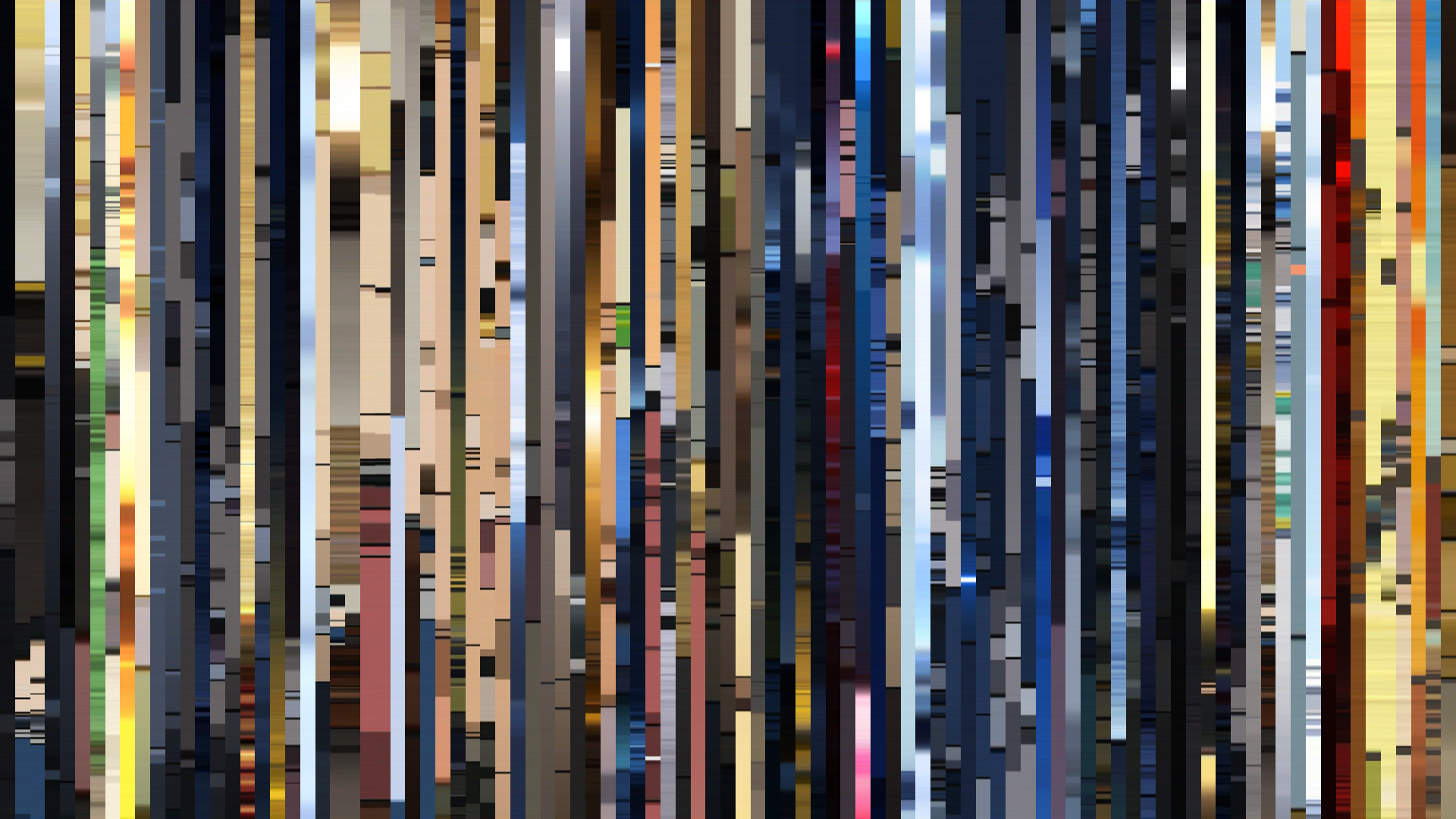
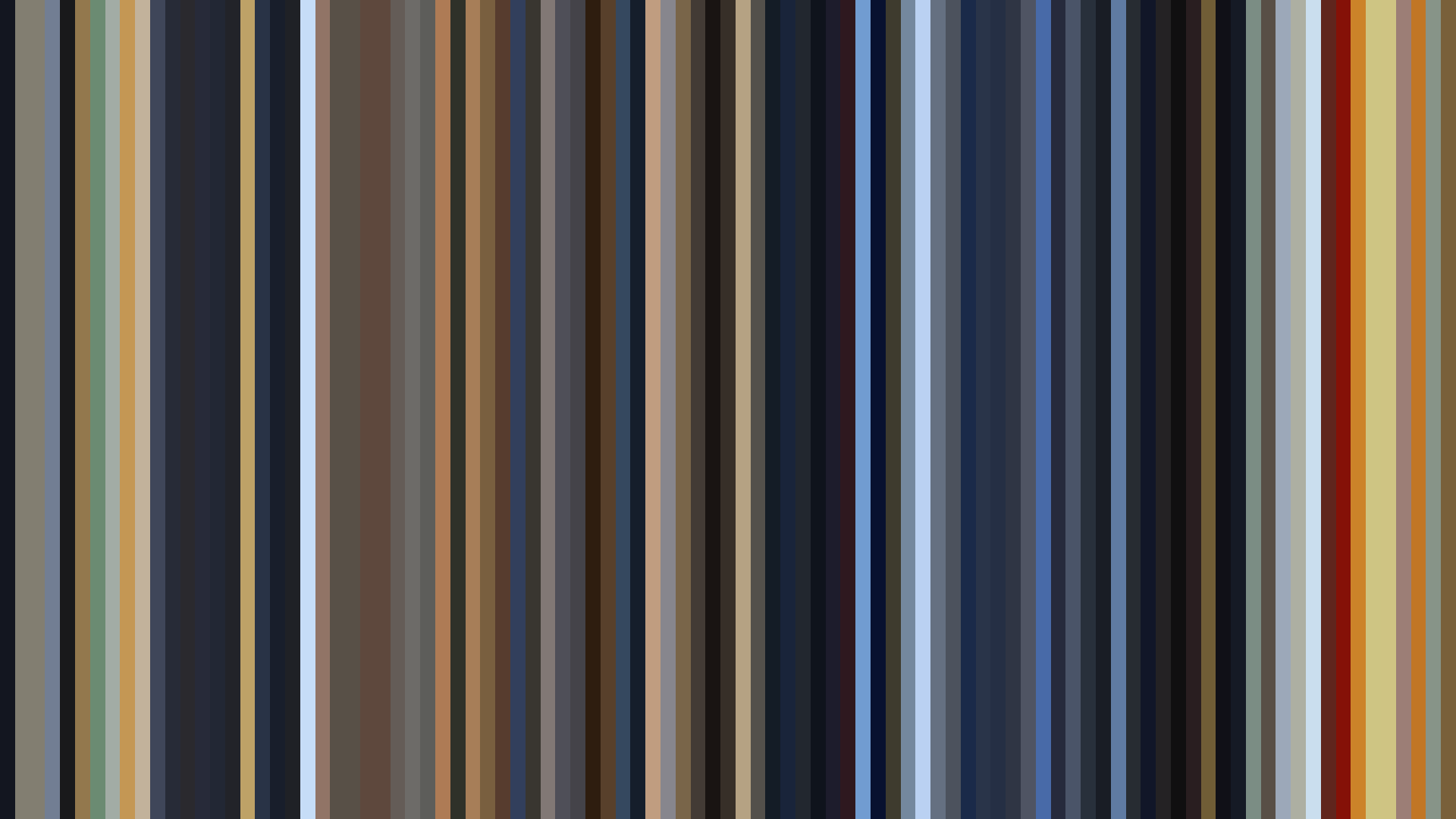
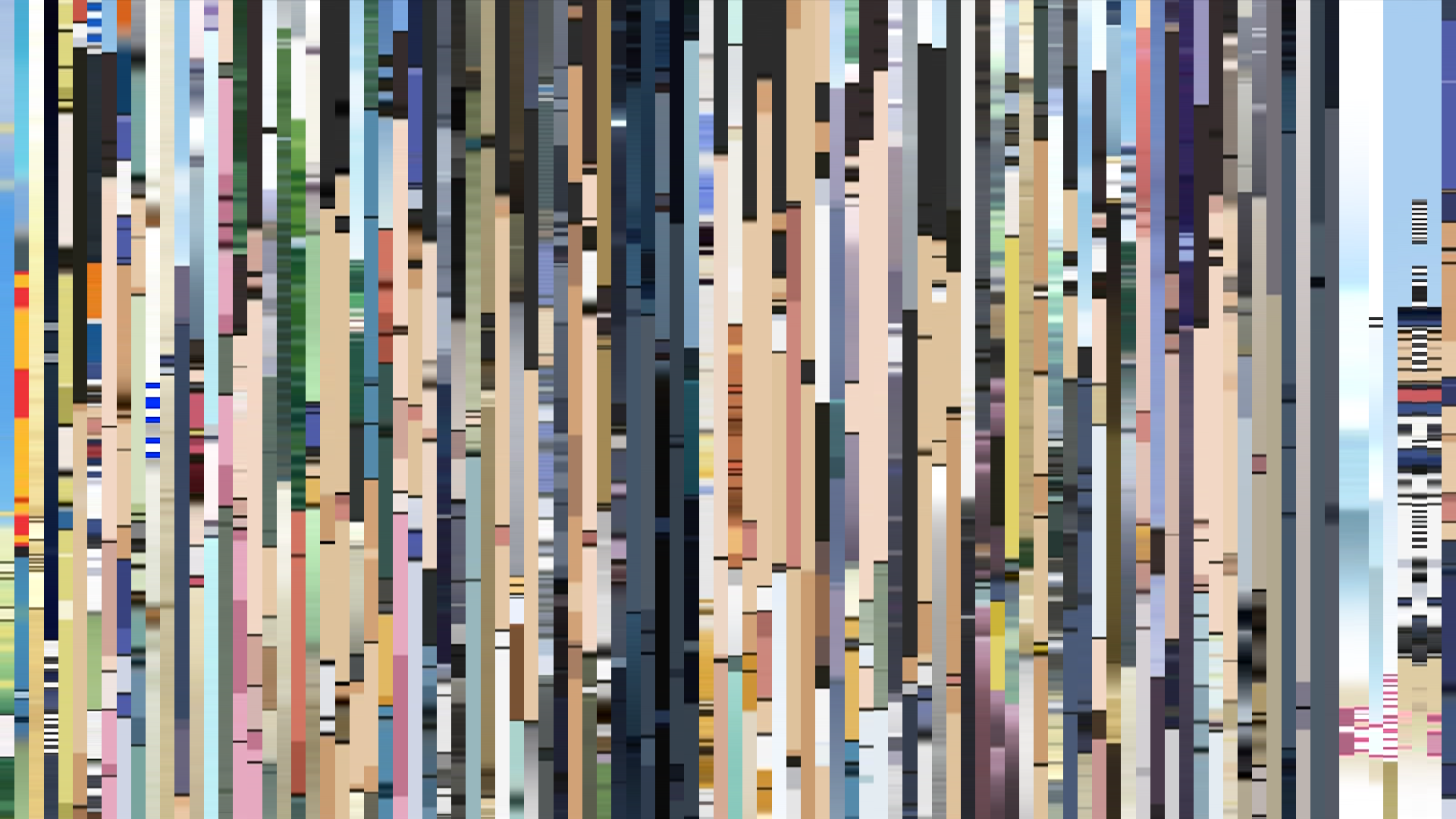
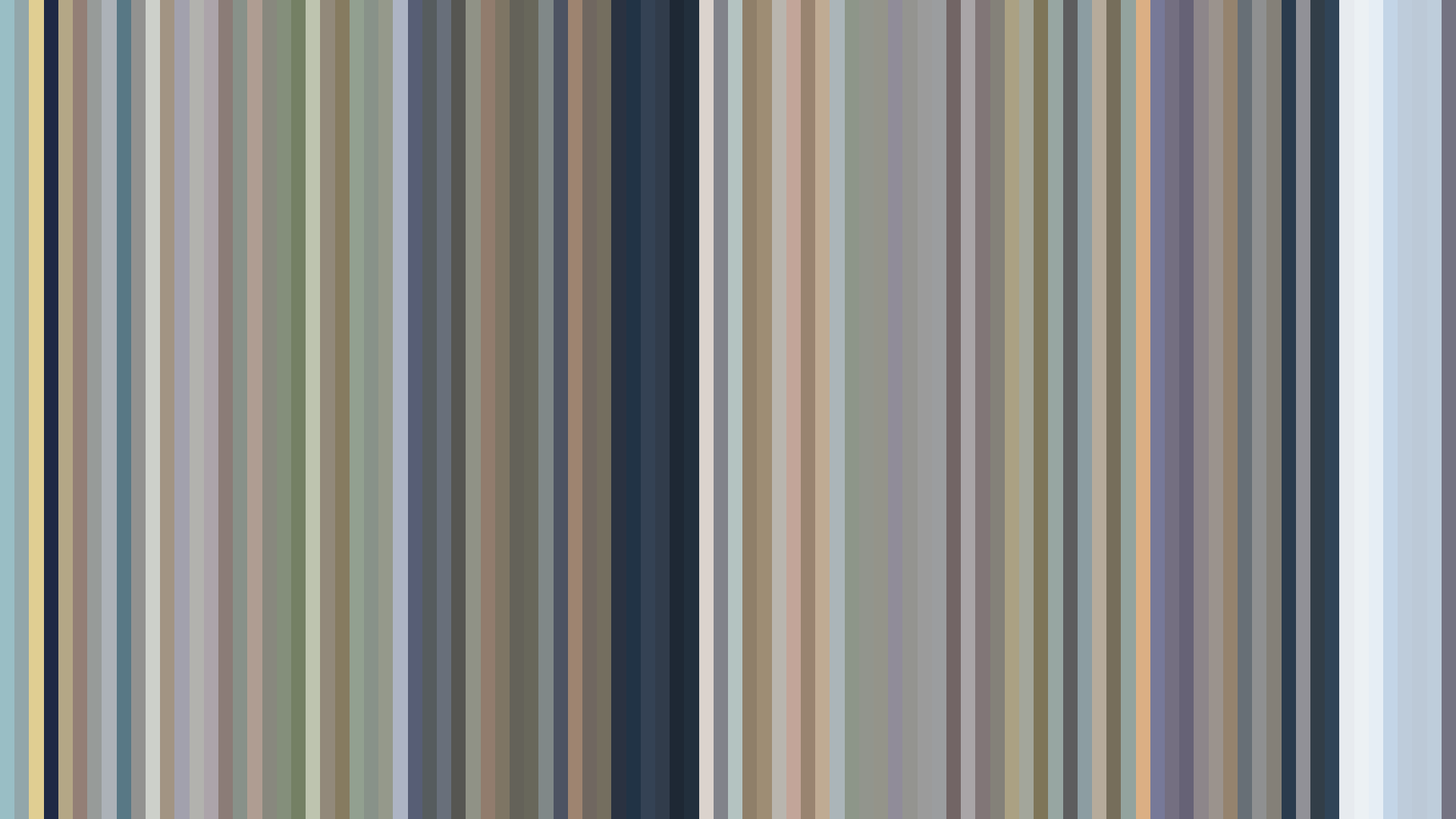
Frame Density Comparison — every 2nd vs every 4th frame
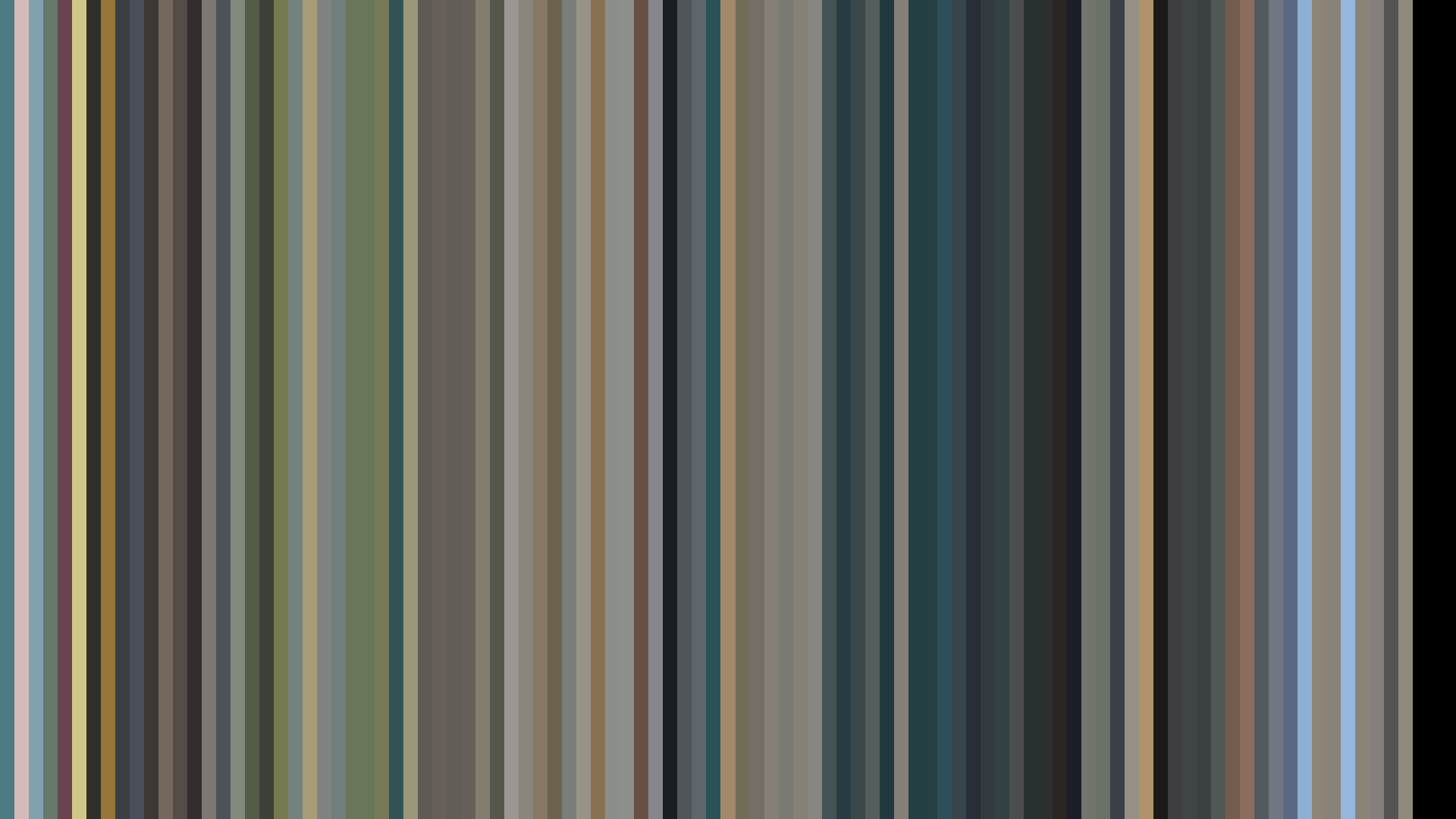
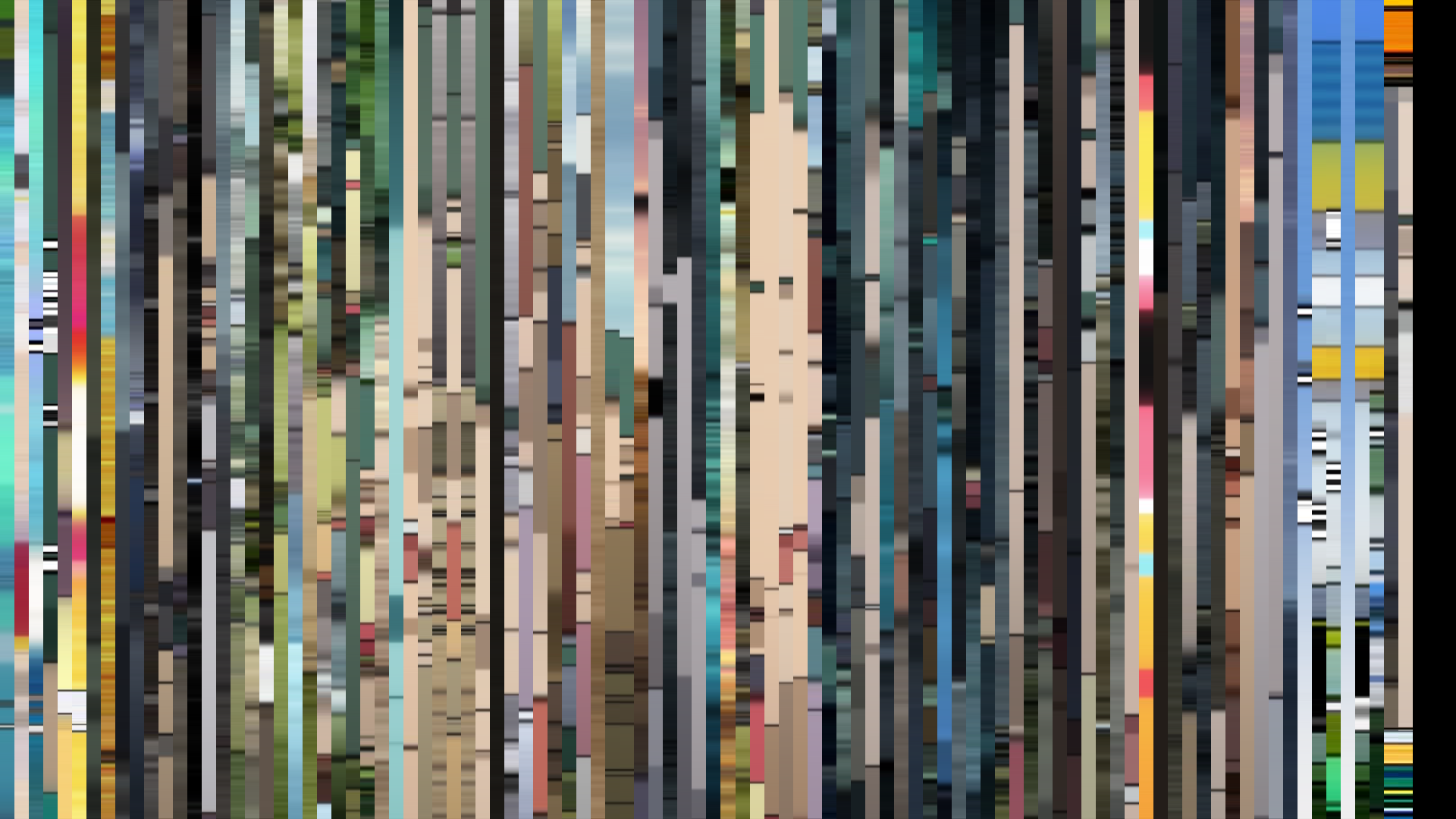
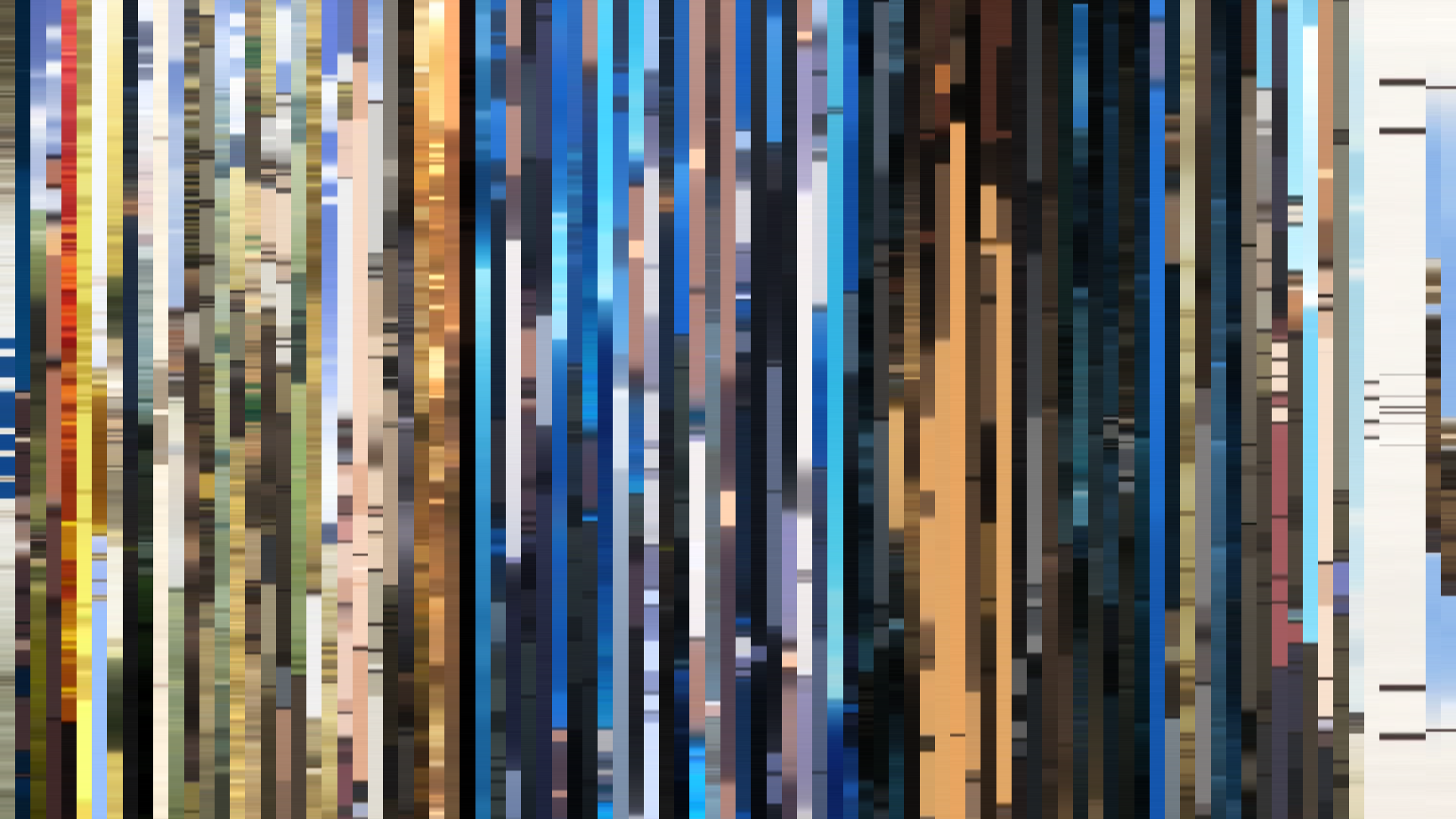
Slice · 15s
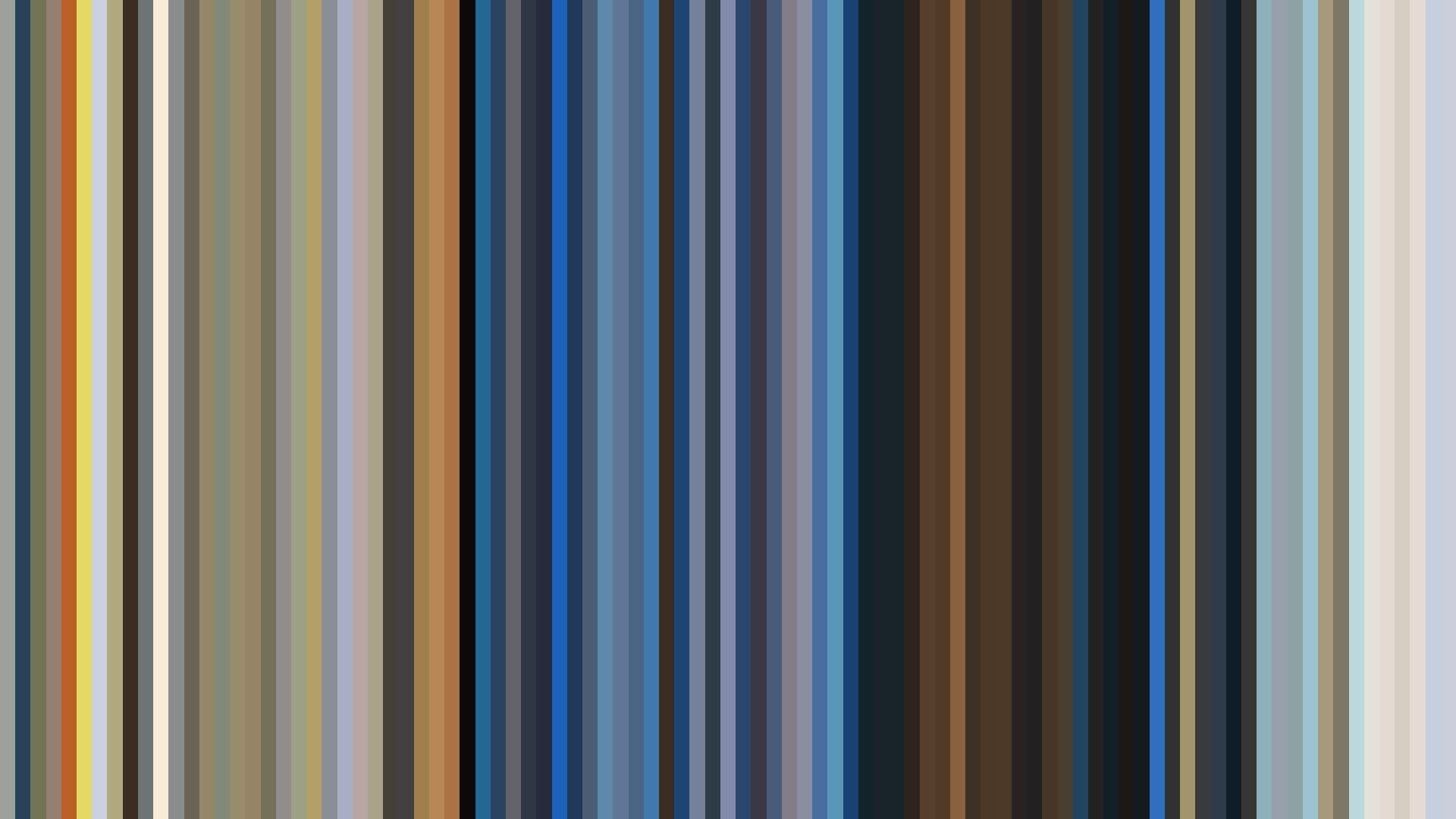
Avg · 15s
Slice · 30s
Avg · 30s
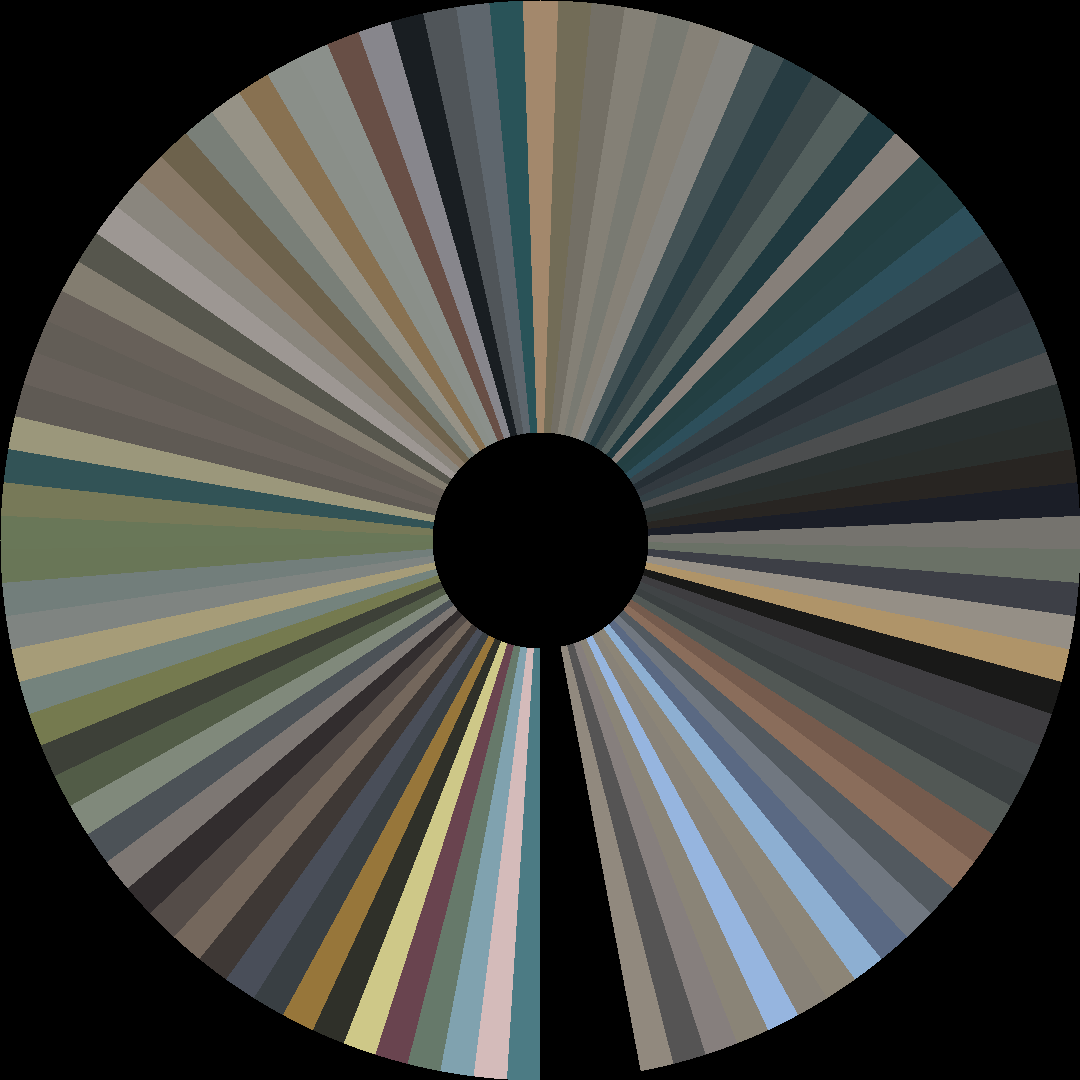
Erin's falling brightness arc is a quiet tragedy etched in light. Over fifty episodes, the frame-by-frame data reveals a gradual dimming from an opening gambit of 0.617 average brightness to a closing 0.488 — a descent that feels less like a sudden eclipse and more like the slow retreat of the sun across a pastoral year. The palette, dominated by Red-Orange yet heavily muted by an average saturation of just 0.198, reads as the color of sun-baked earth and fading folklore. Production I.G and Trans Arts crafted a world where warmth is ever-present but always receding, each act darker than the last. The top hues balance Red-Orange (28%) against Green (24%) and Red (22%), suggesting neither pure conflict nor pure life, but a tense equilibrium that steadily loses ground. This isn't a show that cheats its way to catharsis; it earns its melancholia by letting the light leak out frame by frame. The barcode records not a story of bright fantasy, but of something more
Brightness Arc (episode progression)
Hue Distribution
Act Breakdown
Opening
0.617
Middle
0.567
Closing
0.488
Avg Brightness
0.429
Avg Saturation
0.198
Warmth
0.535
Color Palette
#1D2021
#5C5F5B
#A19E9A
#E0CBB1
#9E906E
#906F60
#335257
#554F35
3-Act Color Story
Opening
Middle
Closing
Color Twins
Perceptually nearest palettes — measured in OKLab space, not RGB






Erin's falling brightness arc is a quiet tragedy etched in light. Over fifty episodes, the frame-by-frame data reveals a gradual dimming from an opening gambit of 0.617 average brightness to a closing 0.488 — a descent that feels less like a sudden eclipse and more like the slow retreat of the sun across a pastoral year. The palette, dominated by Red-Orange yet heavily muted by an average saturation of just 0.198, reads as the color of sun-baked earth and fading folklore. Production I.G and Trans Arts crafted a world where warmth is ever-present but always receding, each act darker than the last. The top hues balance Red-Orange (28%) against Green (24%) and Red (22%), suggesting neither pure conflict nor pure life, but a tense equilibrium that steadily loses ground. This isn't a show that cheats its way to catharsis; it earns its melancholia by letting the light leak out frame by frame. The barcode records not a story of bright fantasy, but of something more