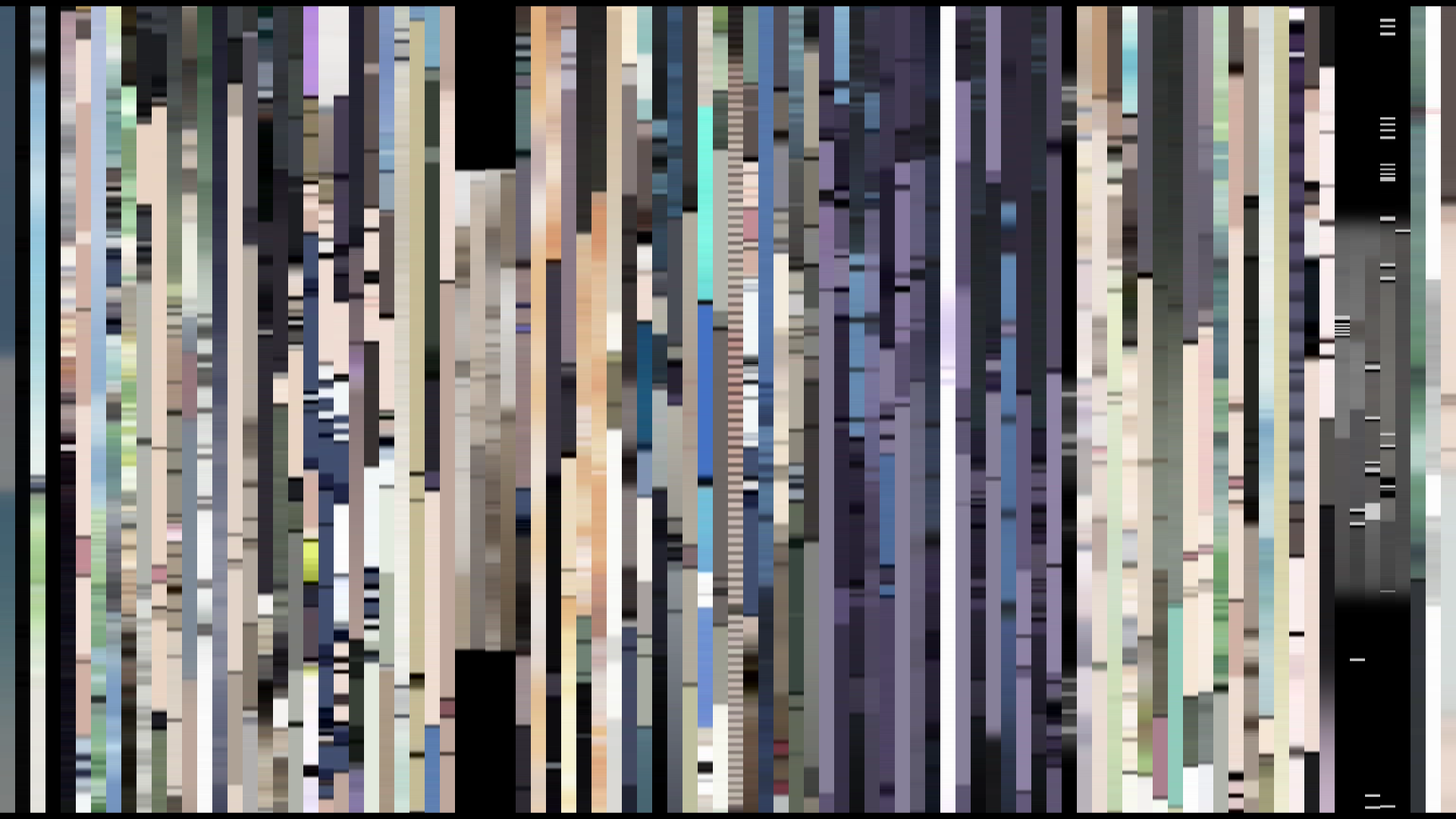
Edit Pace — frame-to-frame color delta (bright = fast cuts)
Color Temperature — warm (gold) vs cool (teal) per frame
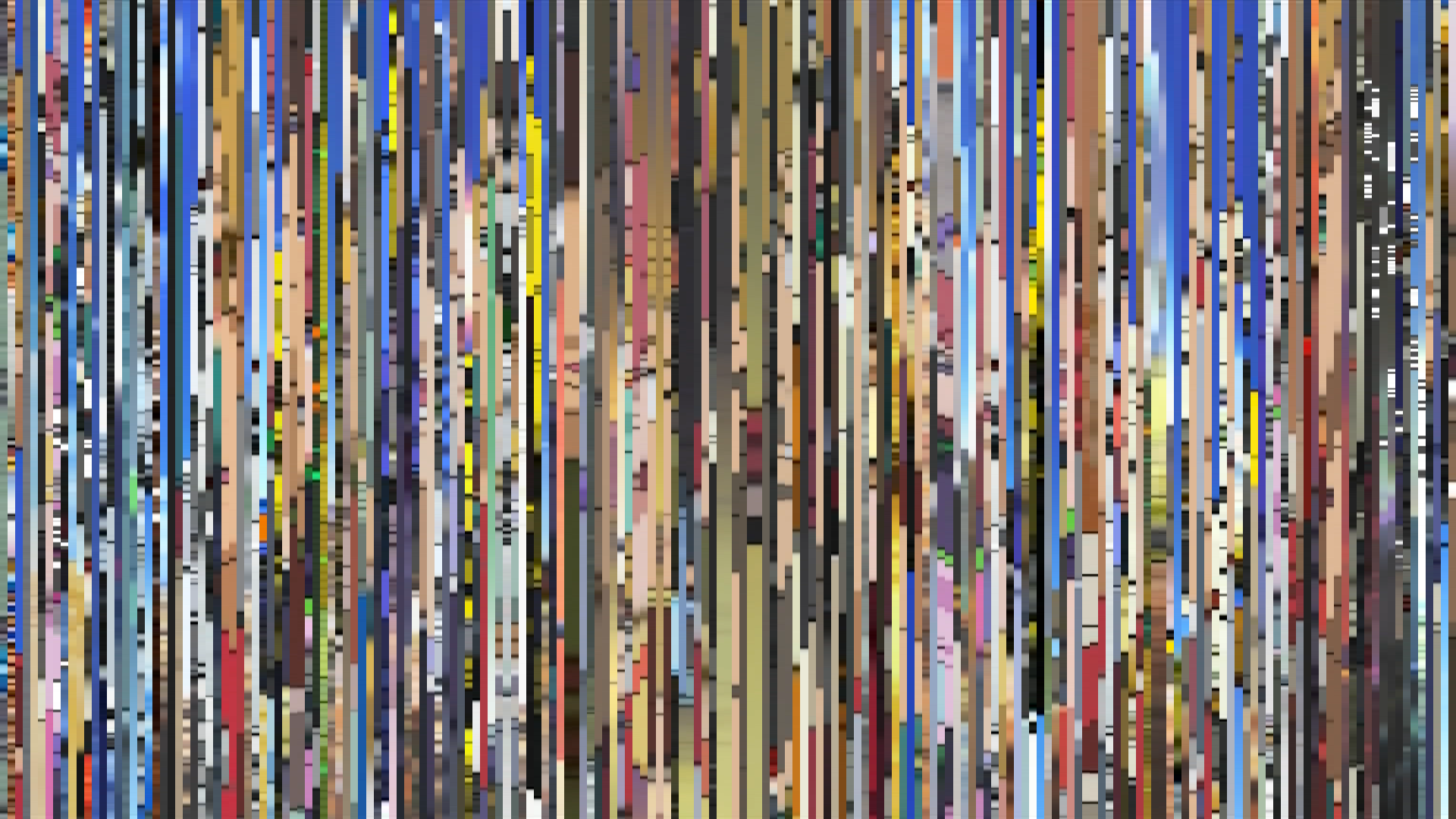
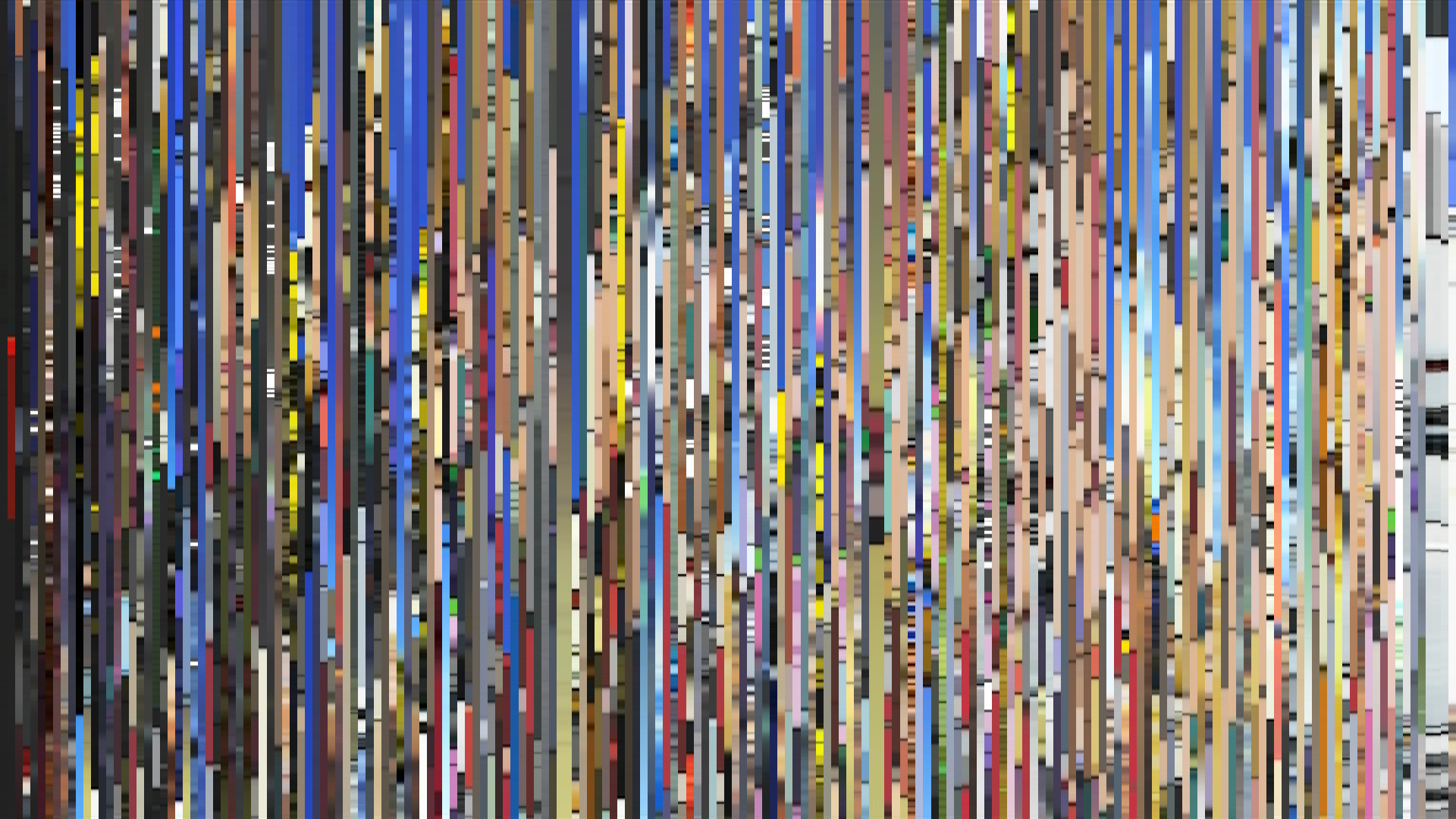
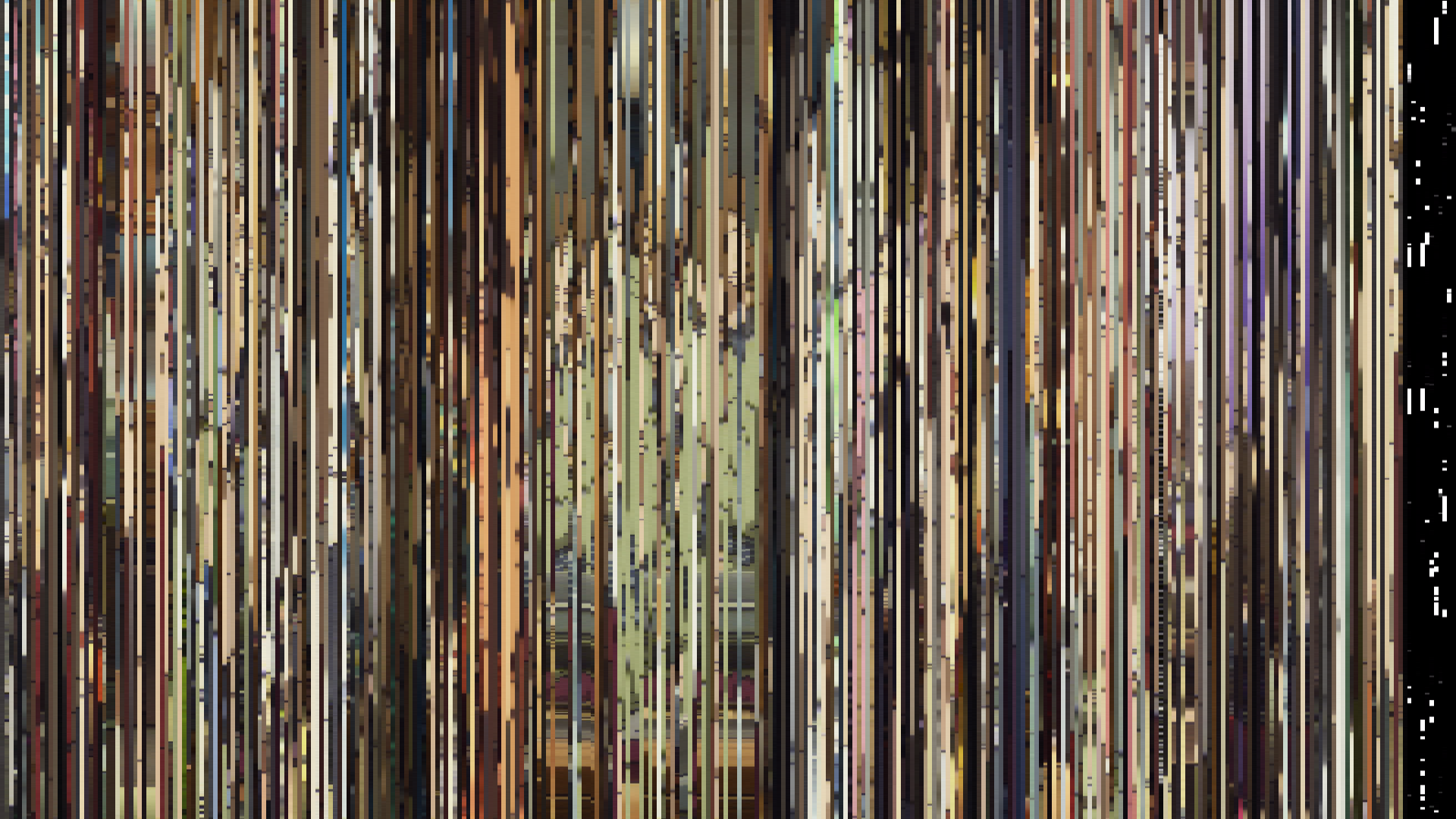
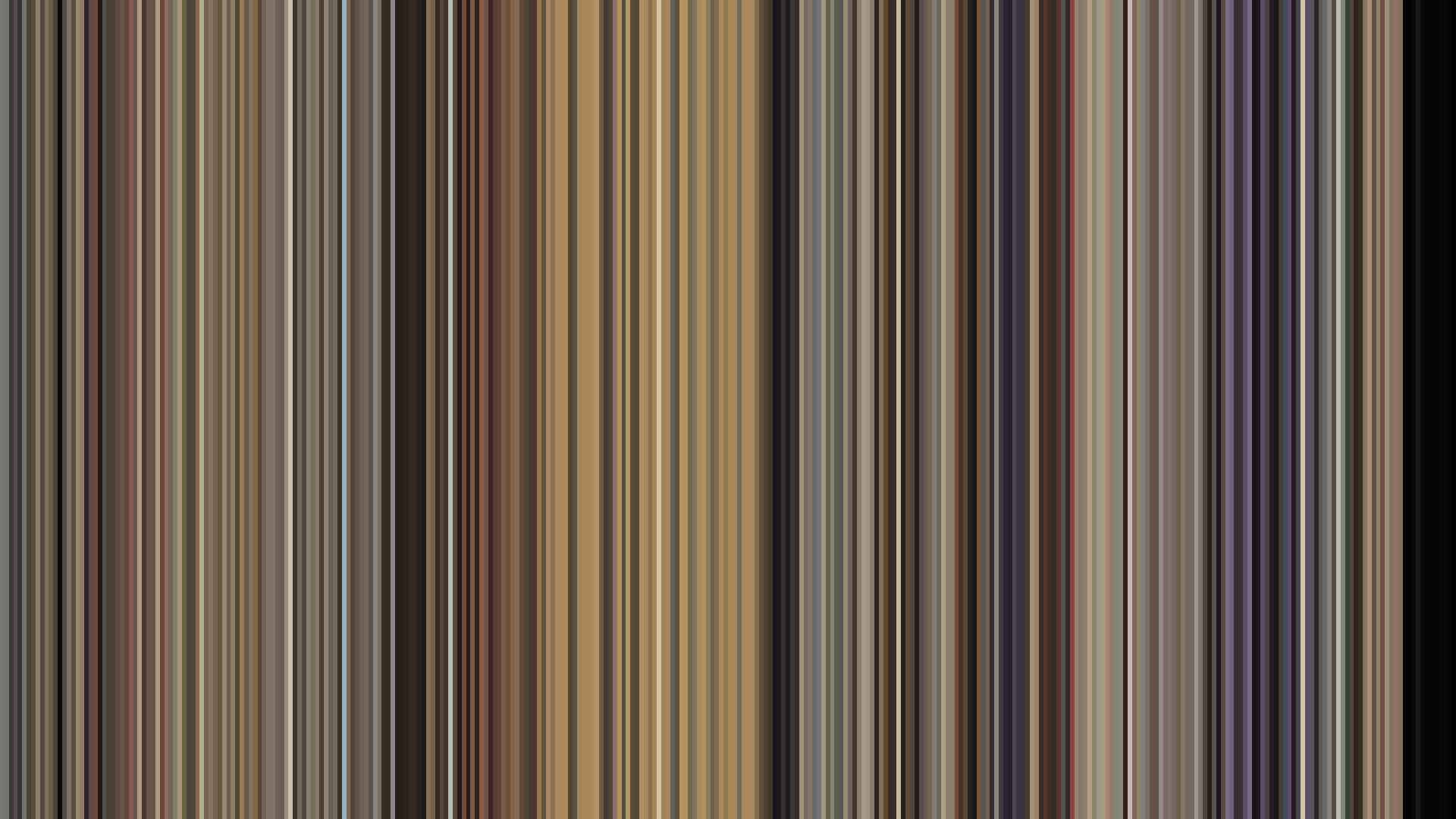
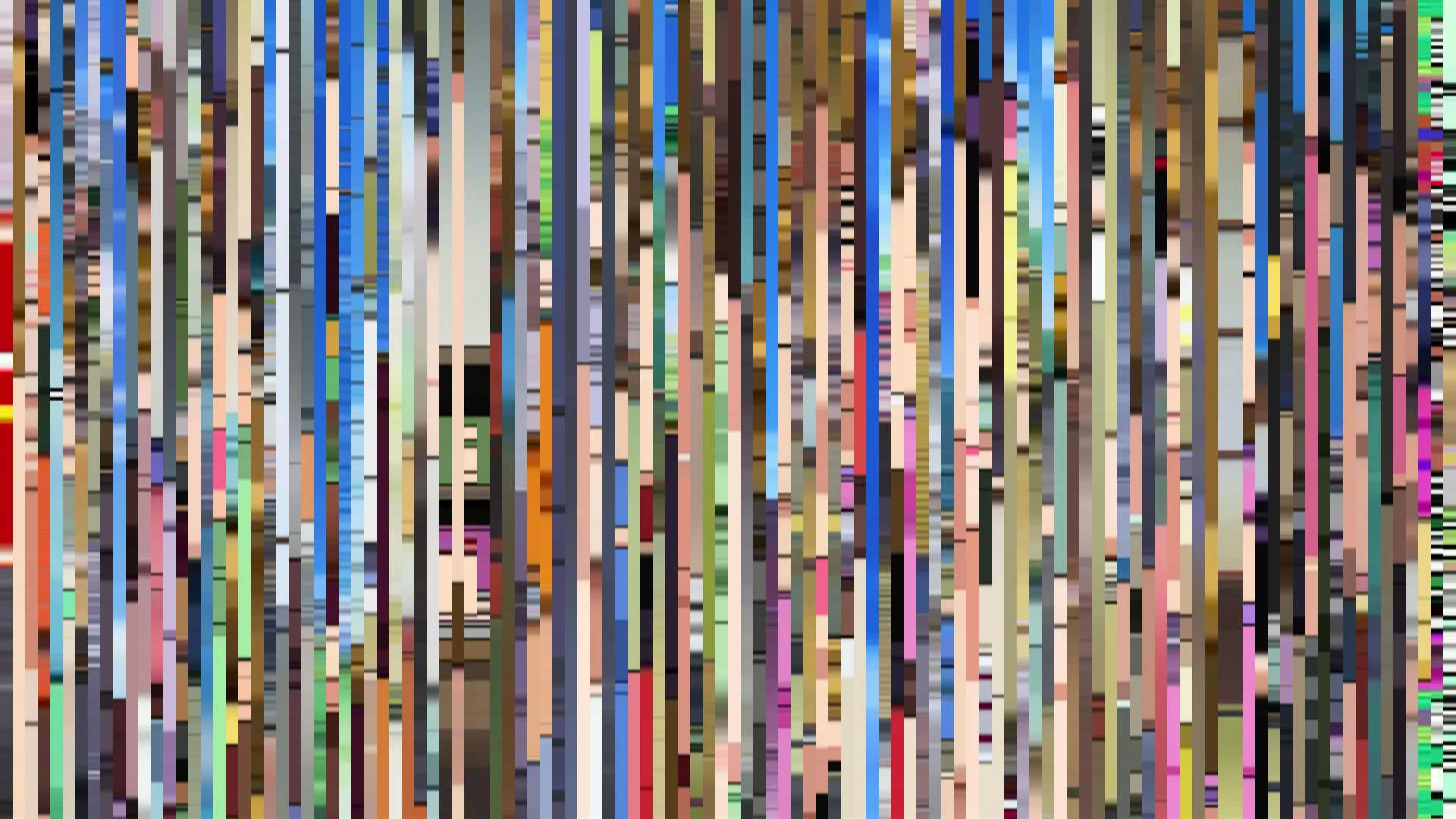
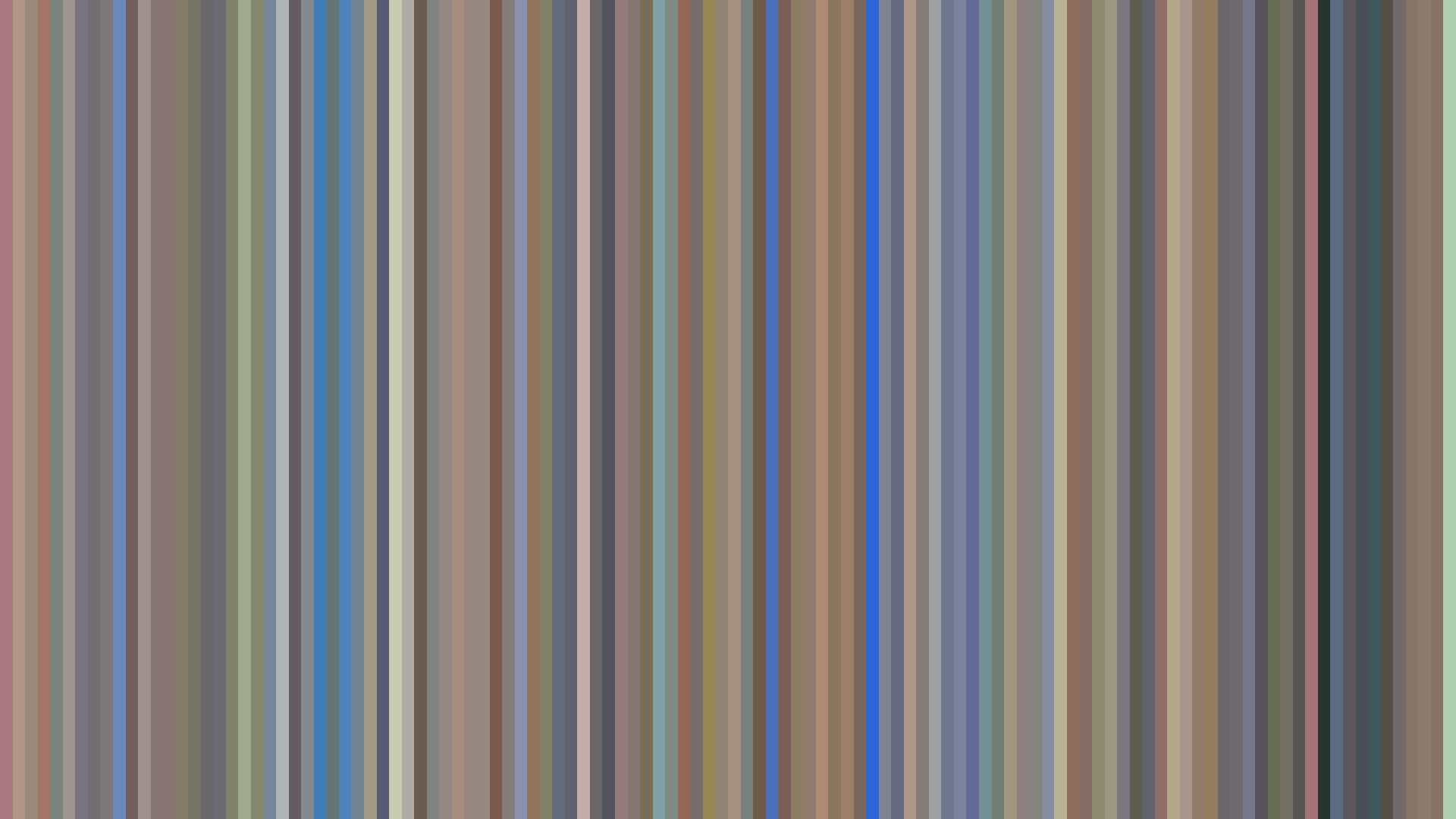
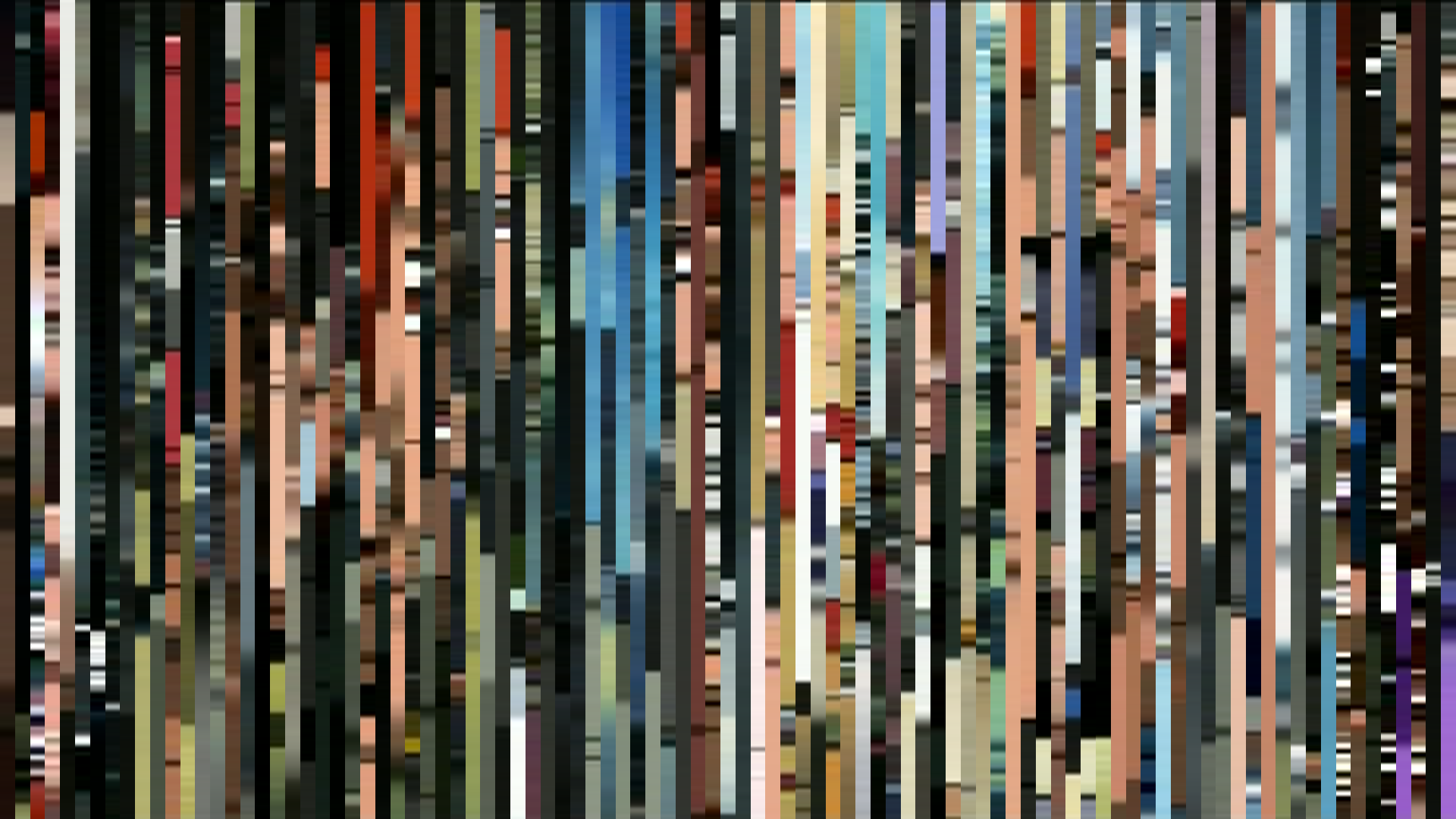
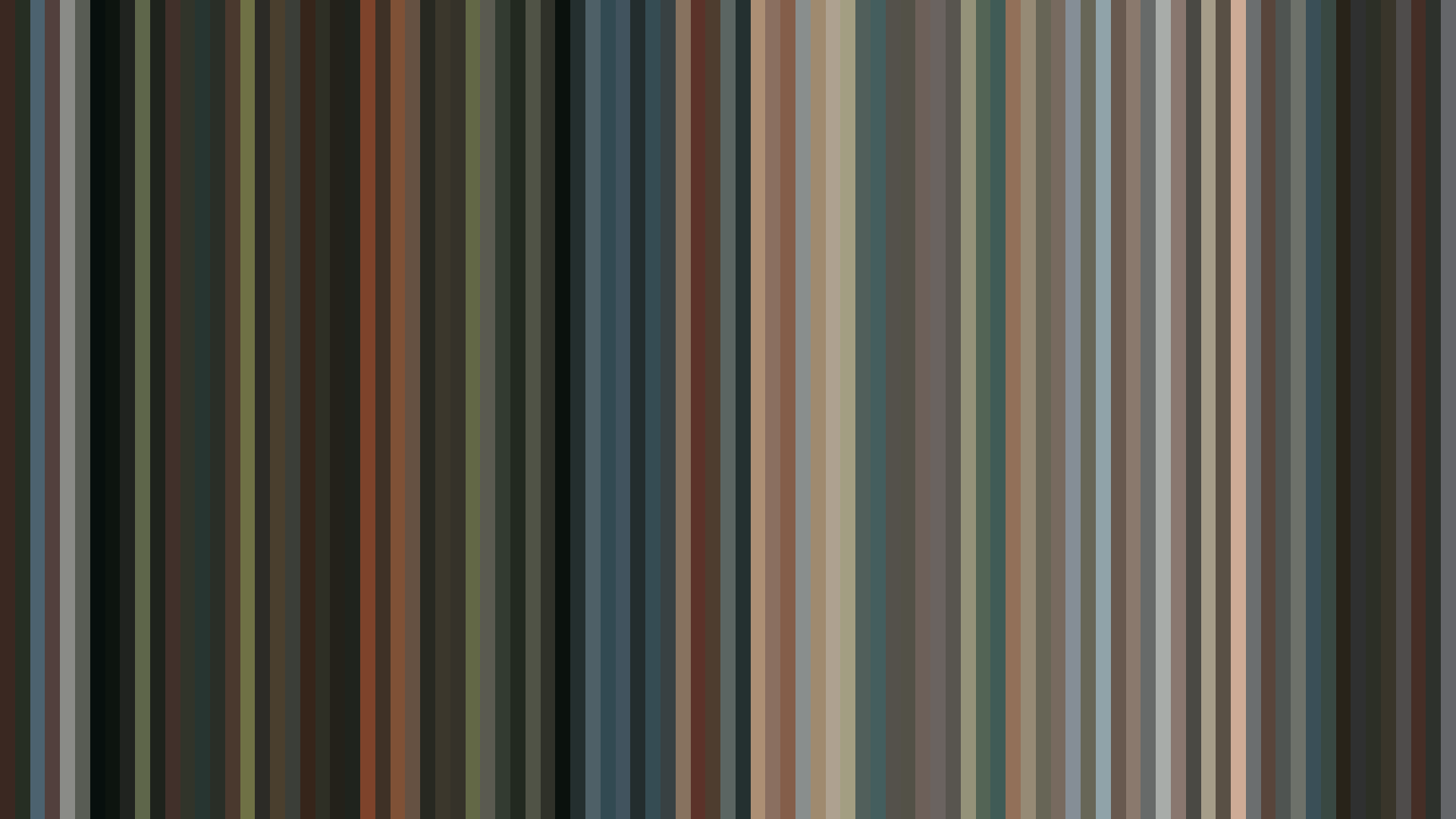
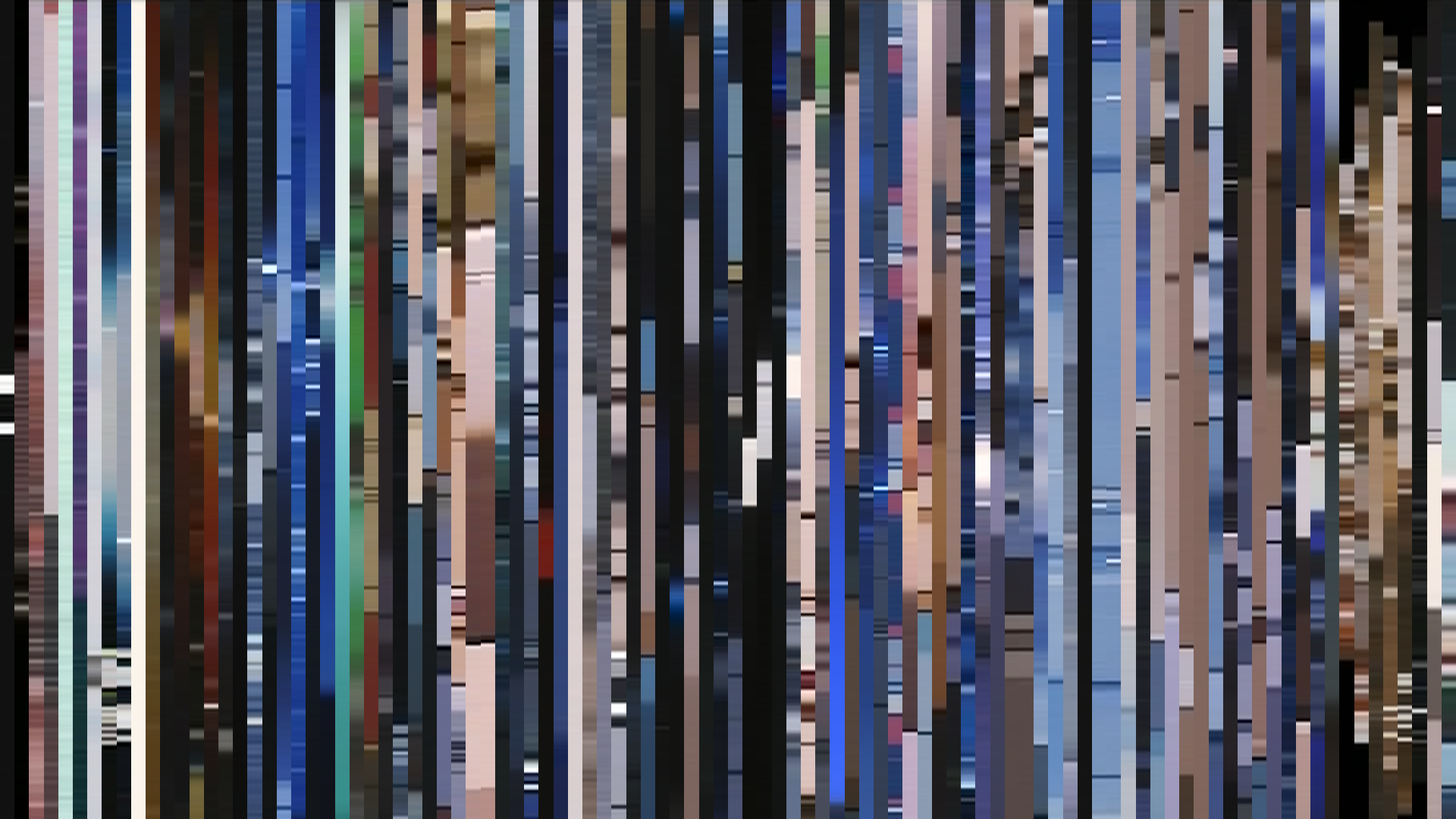
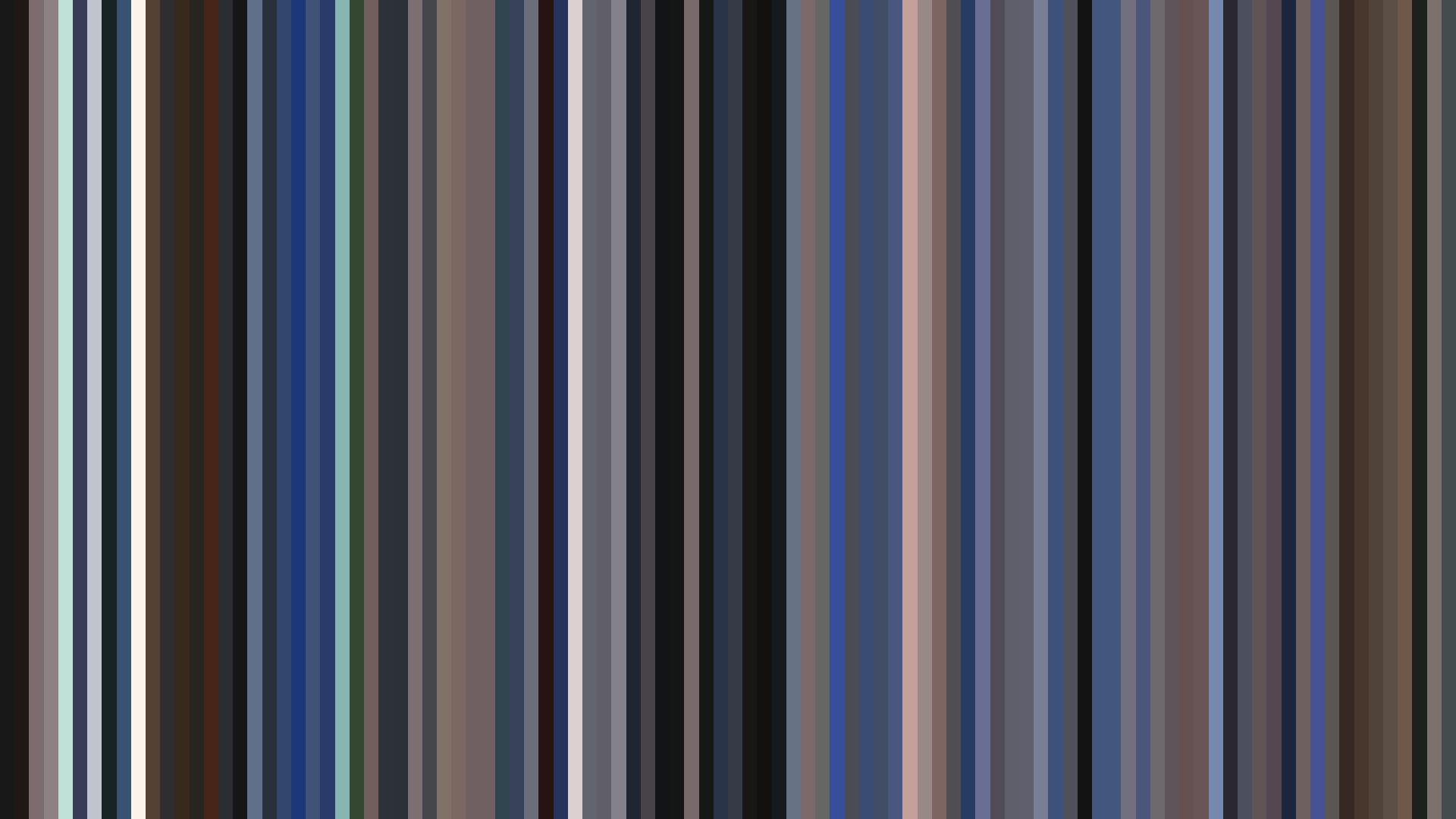
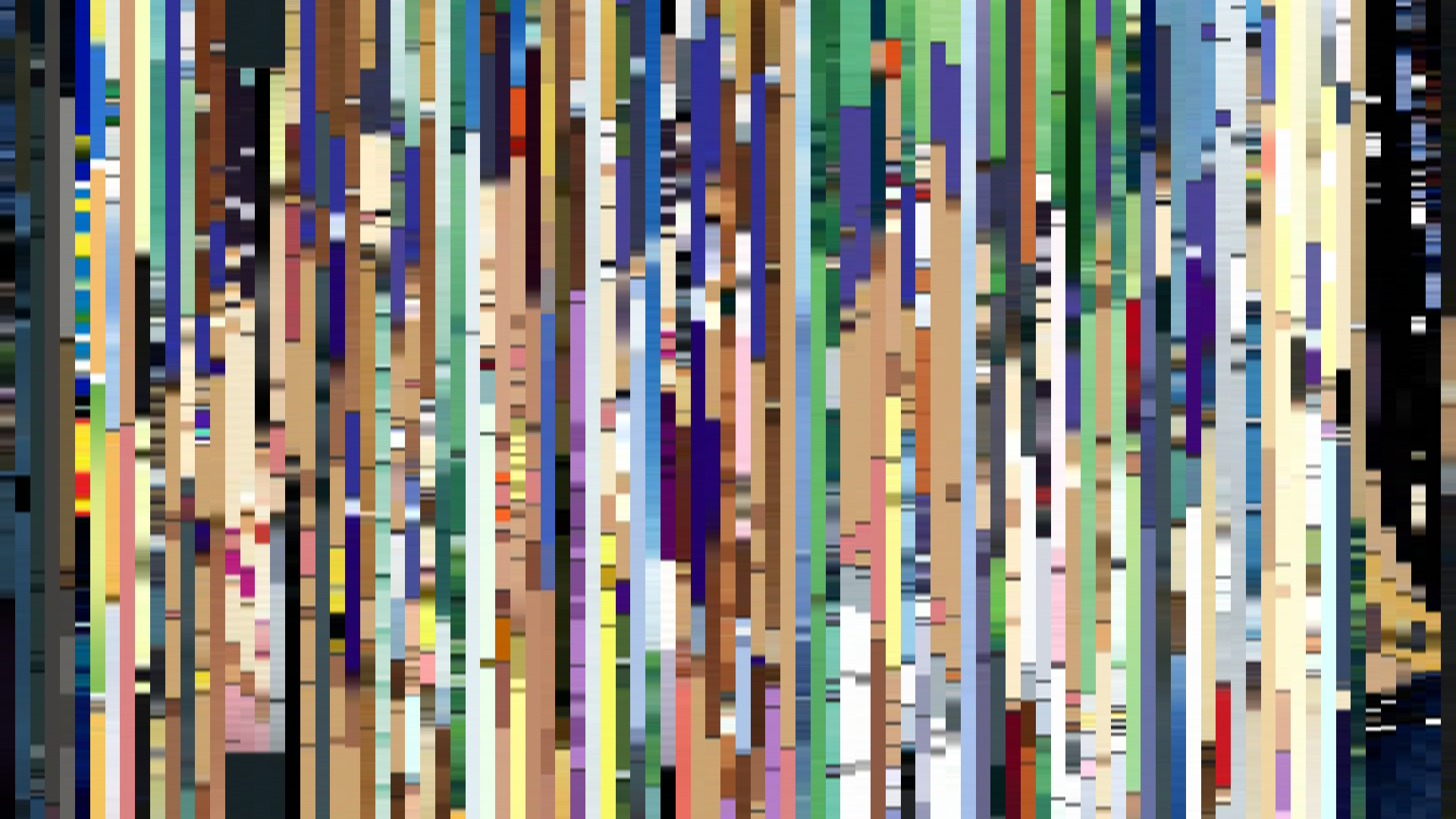
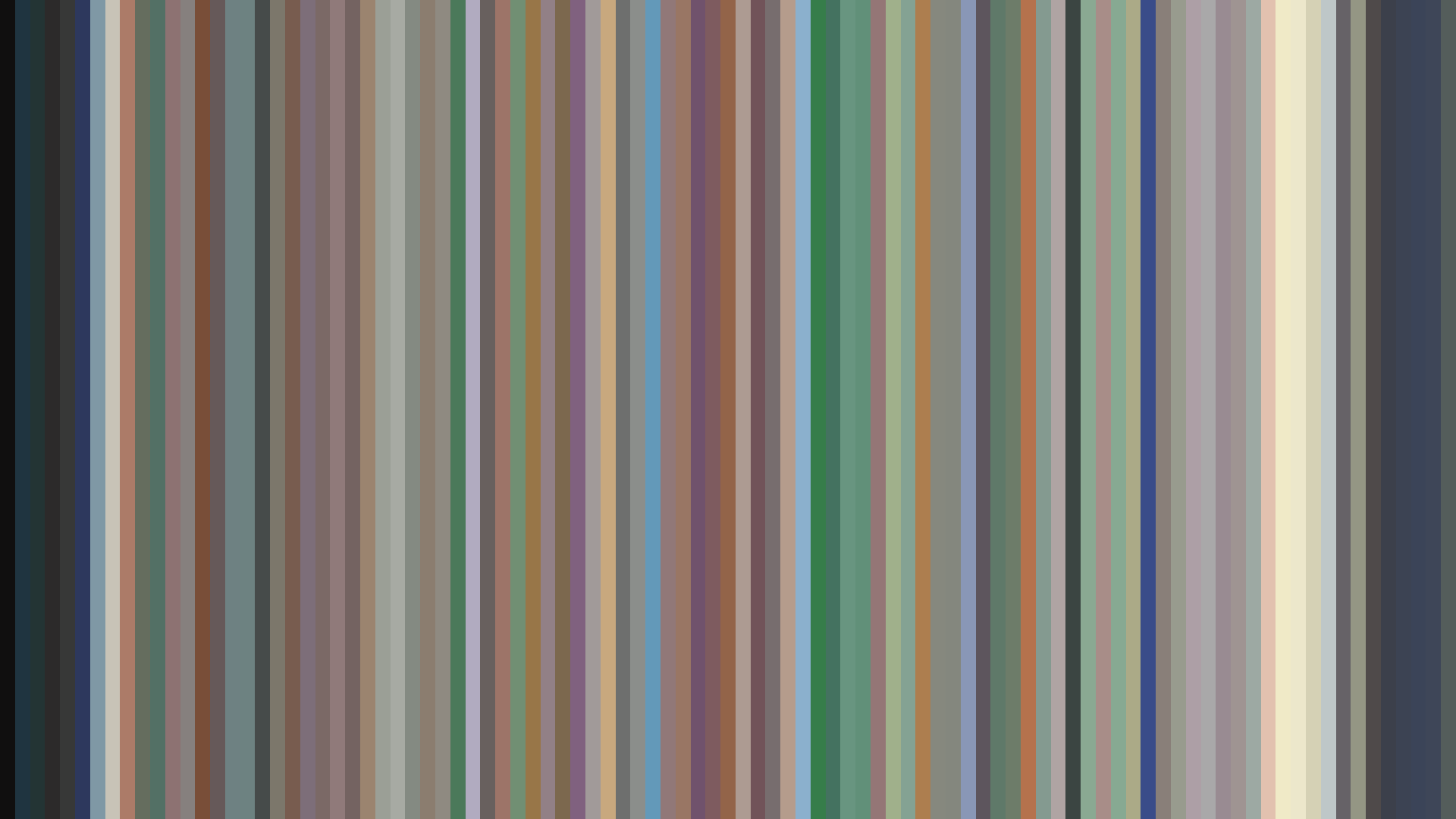
Frame Density Comparison — every 2nd vs every 4th frame
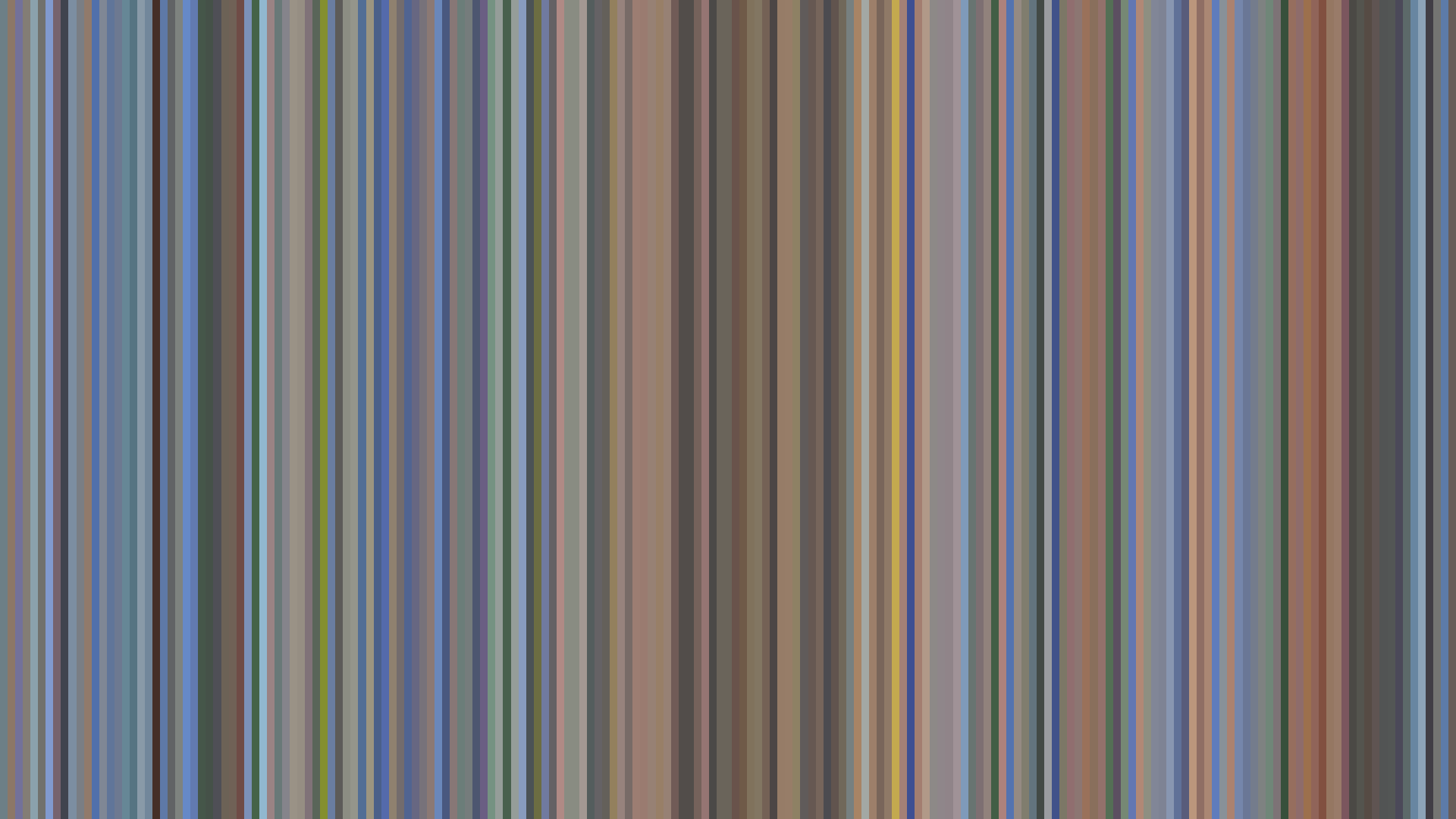
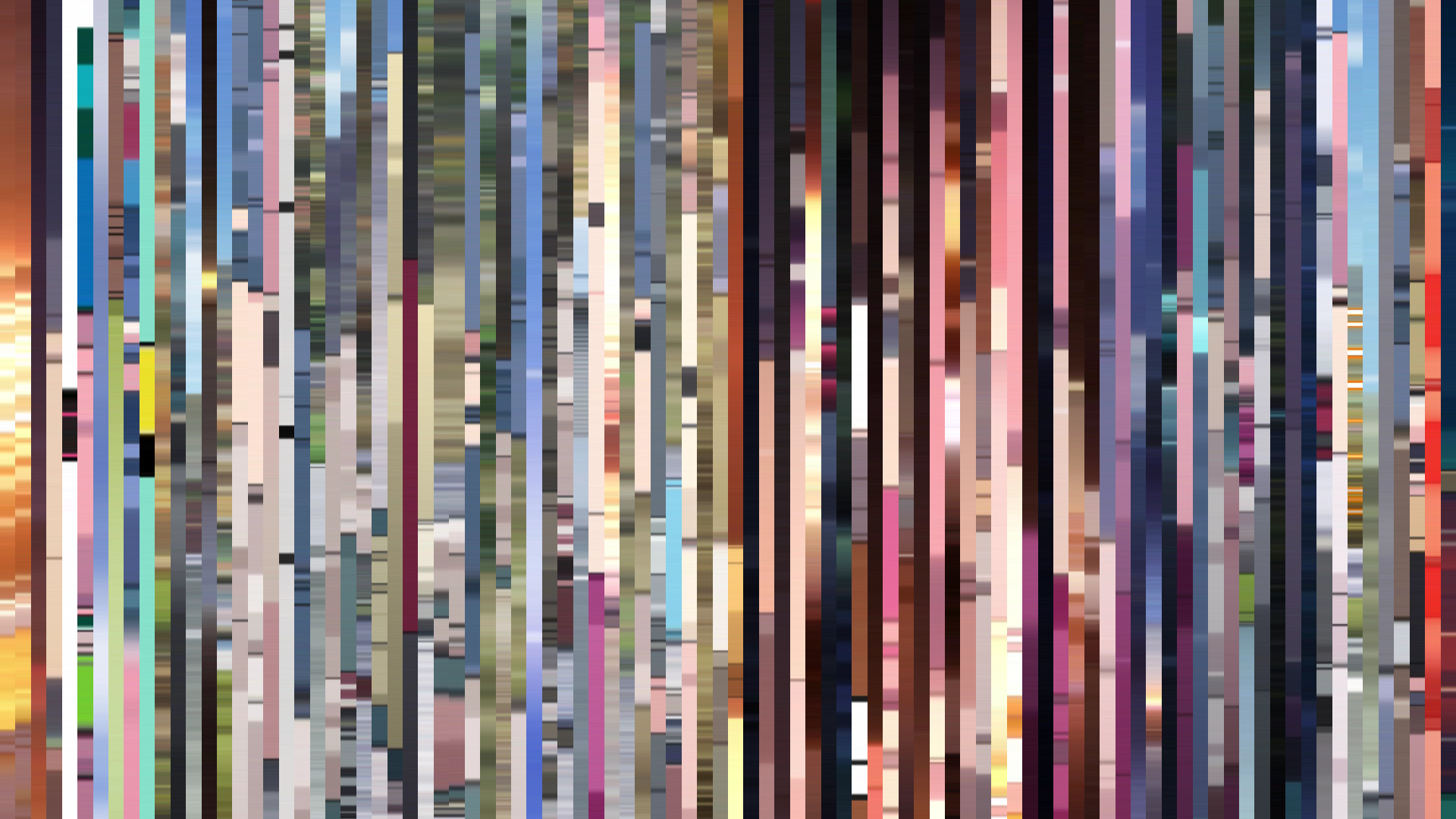
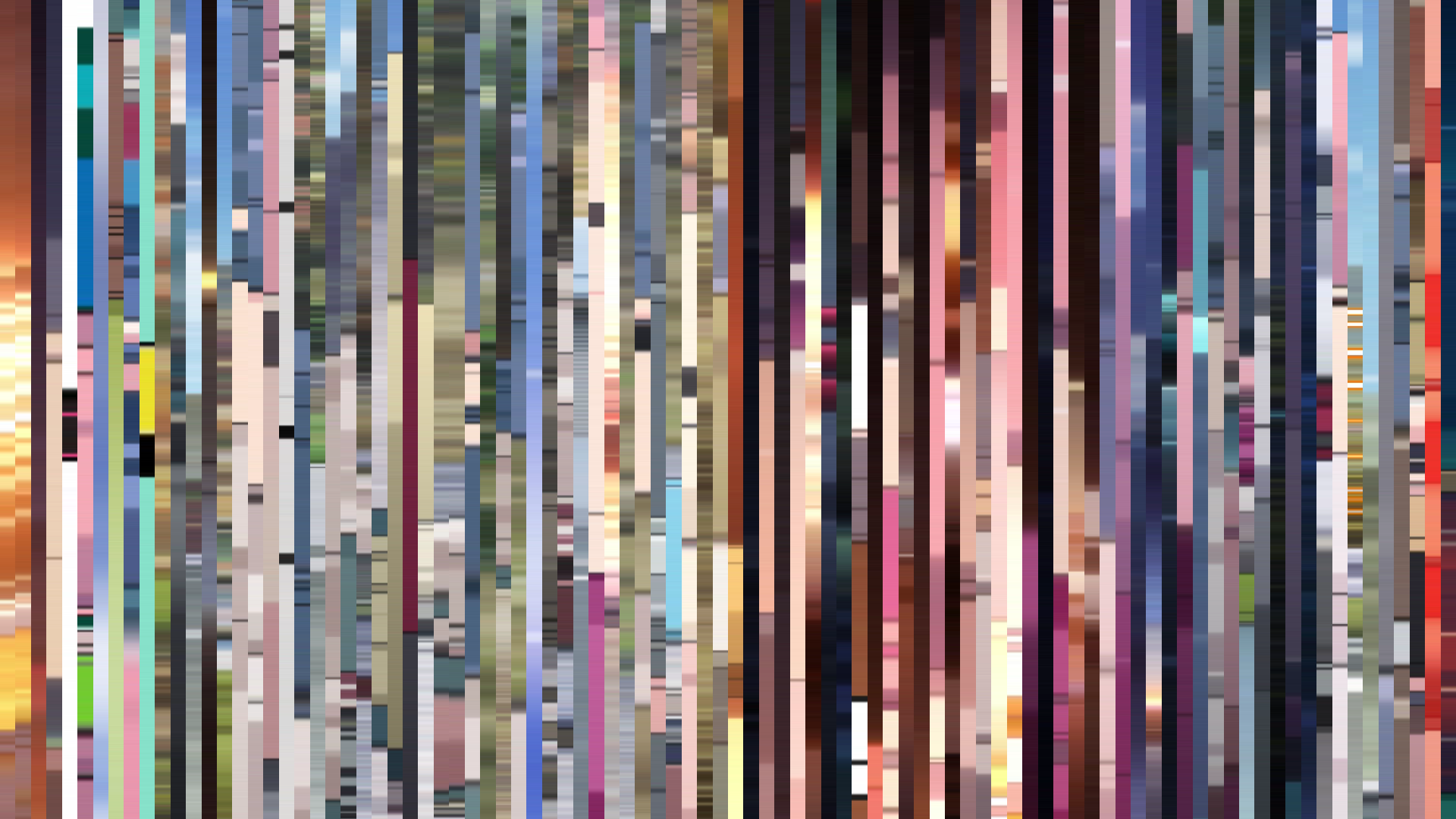
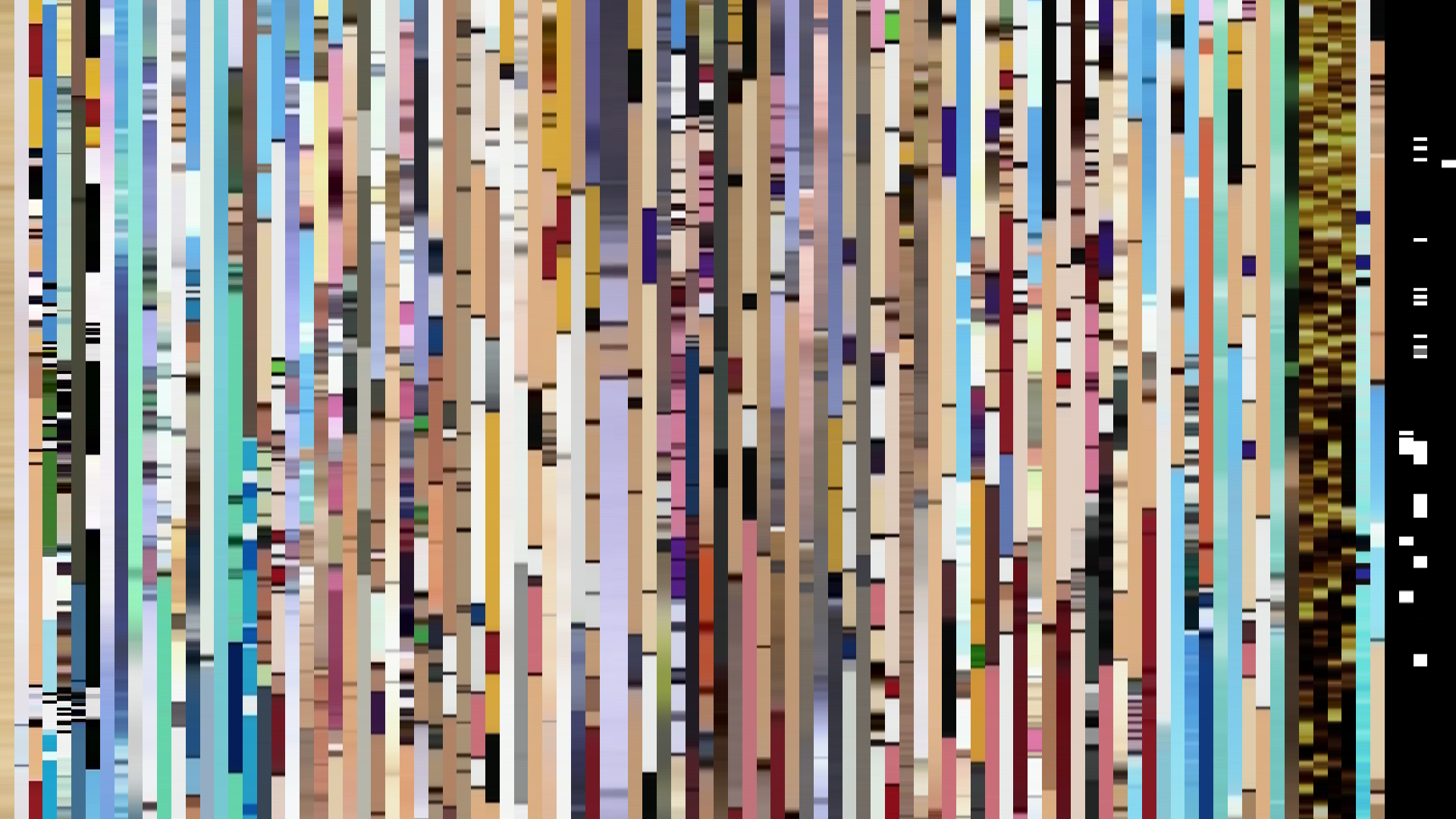
Slice · 15s
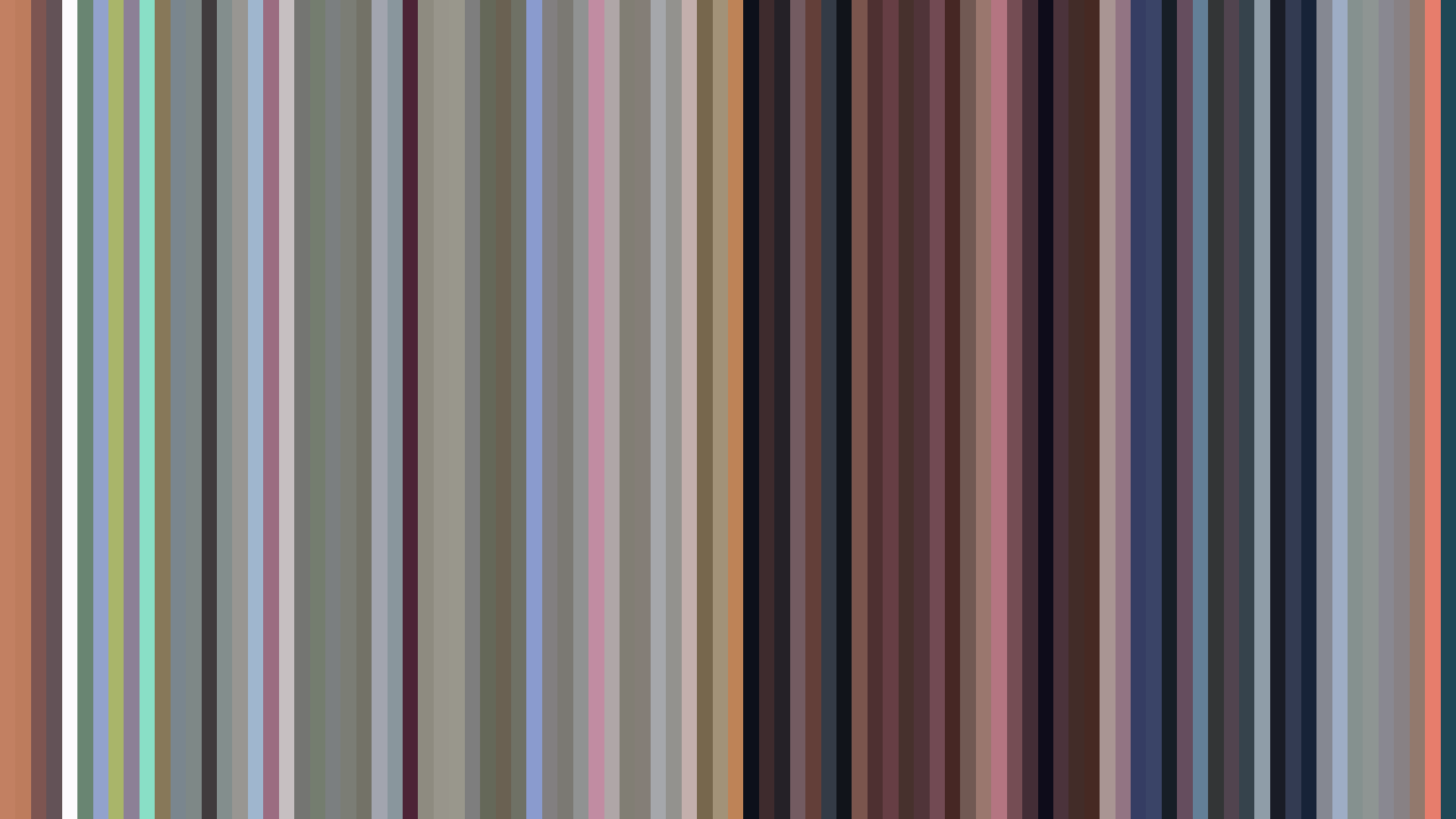
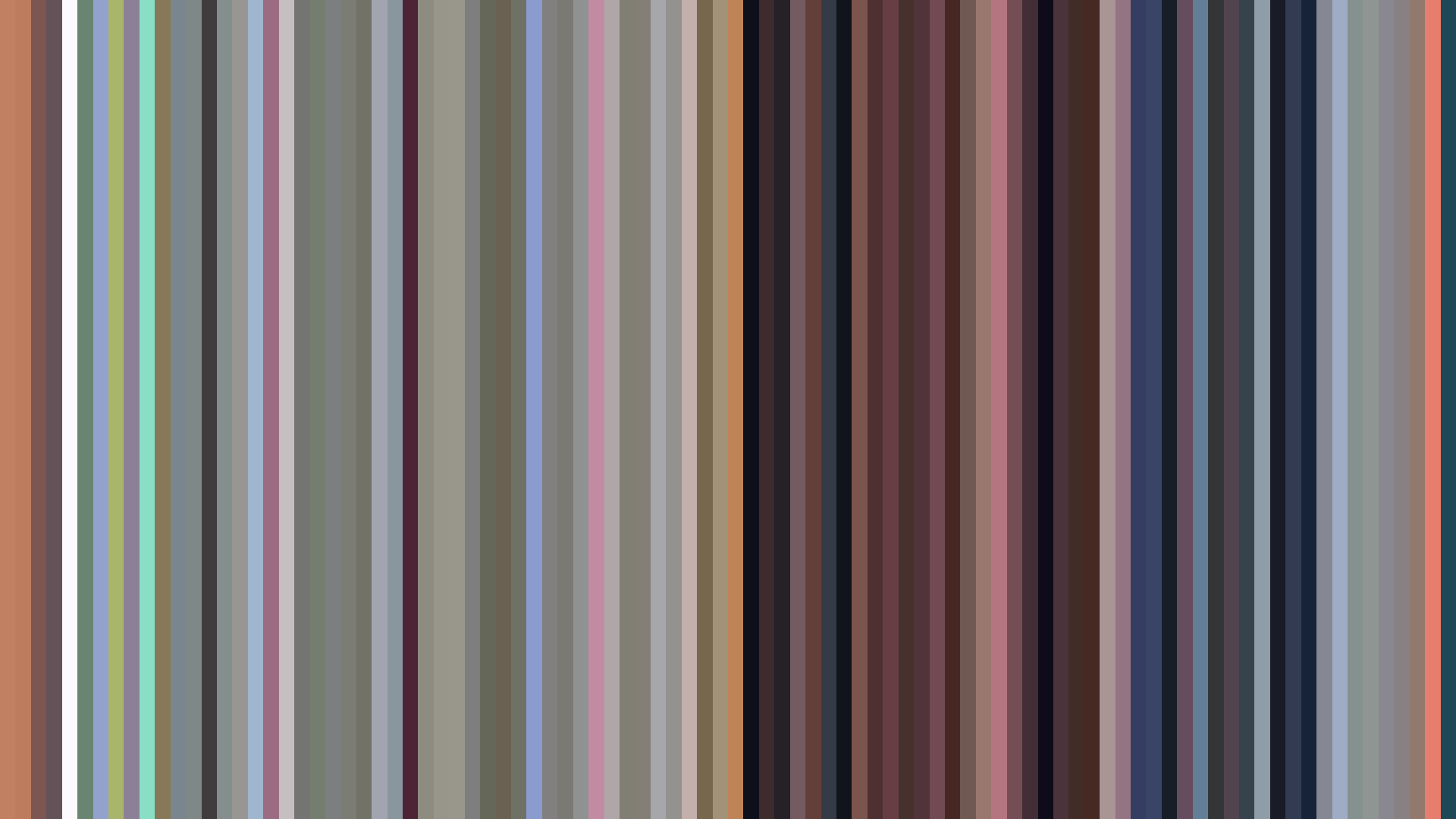
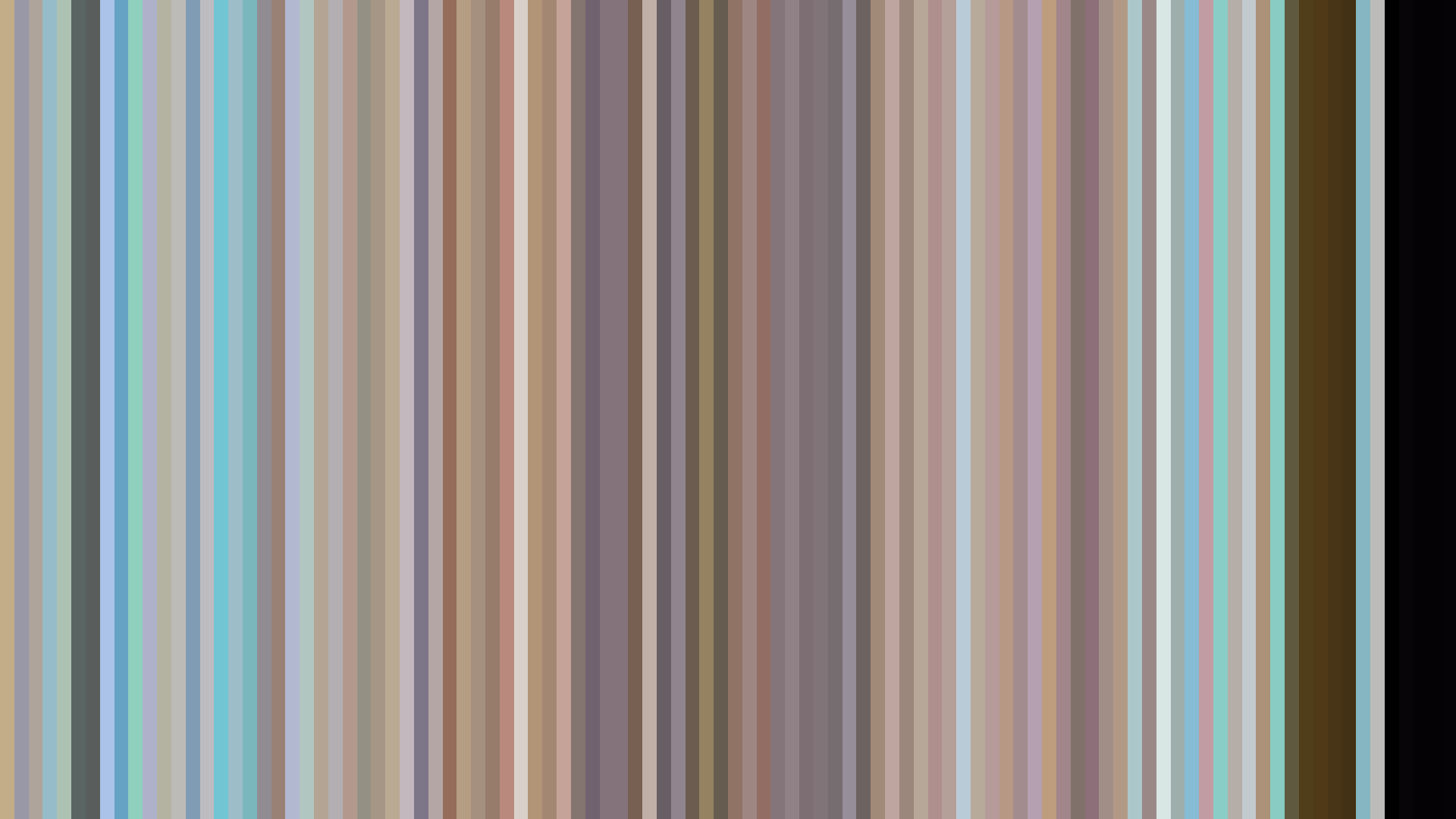
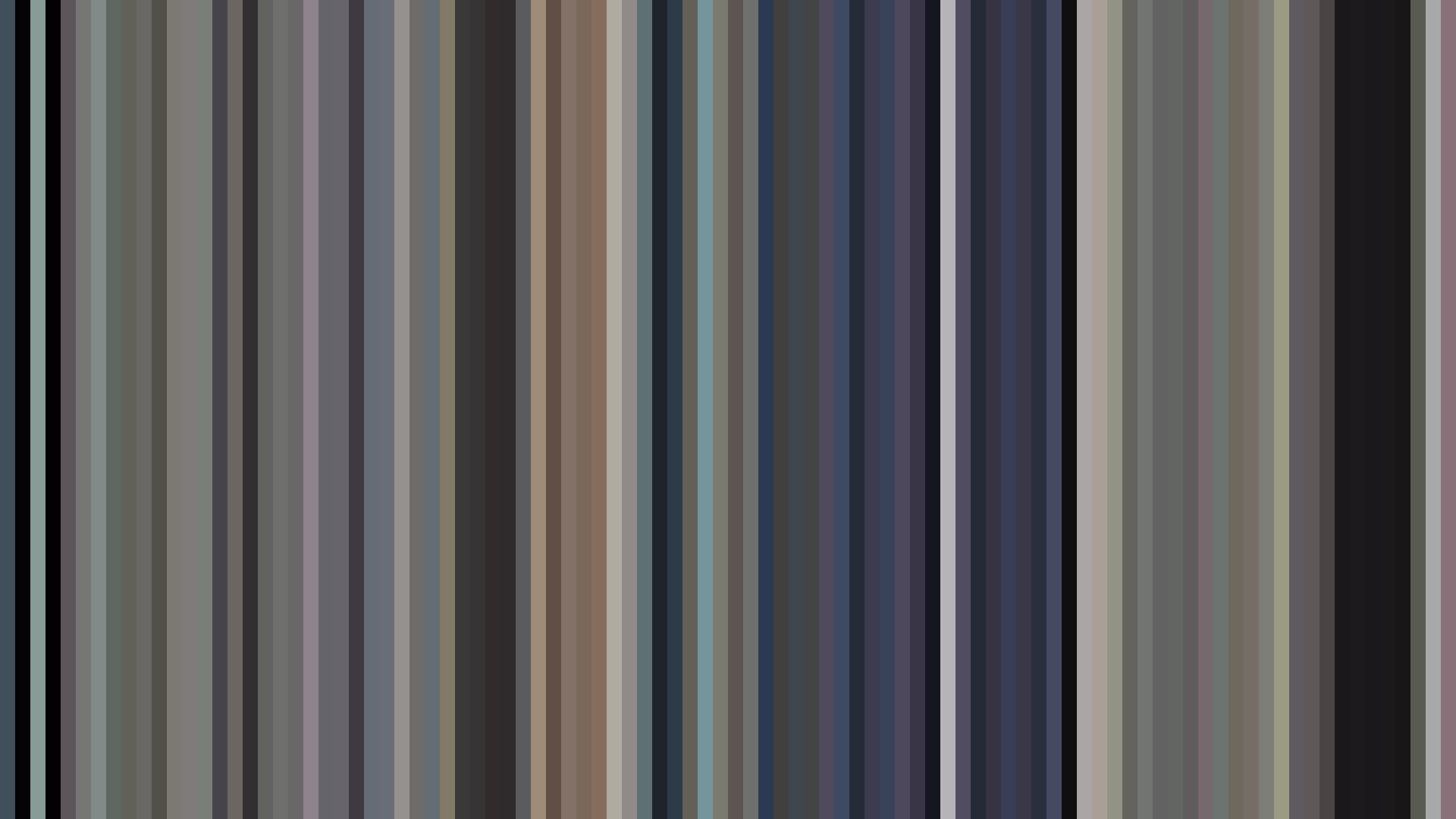
Avg · 15s
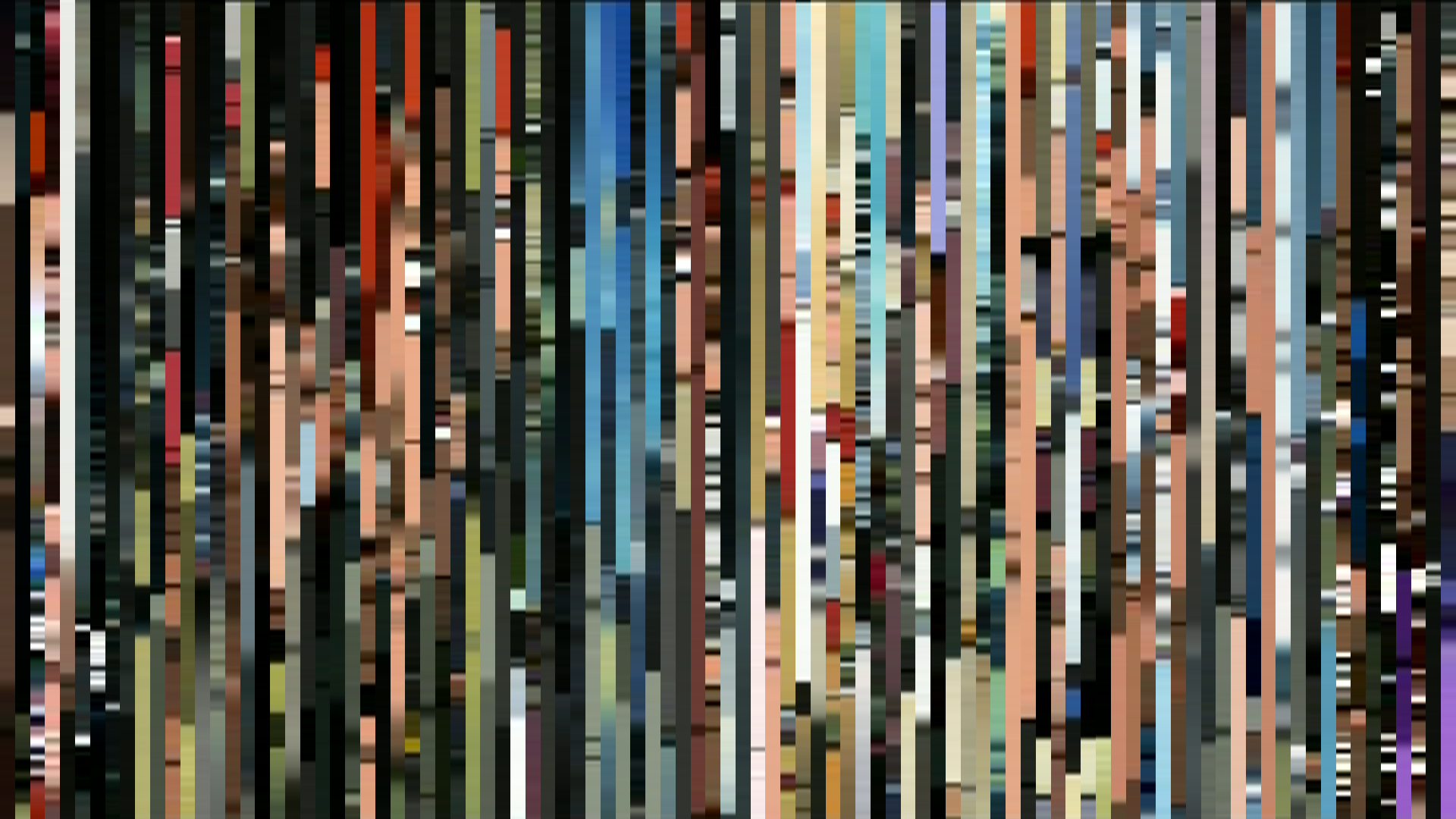
Slice · 30s
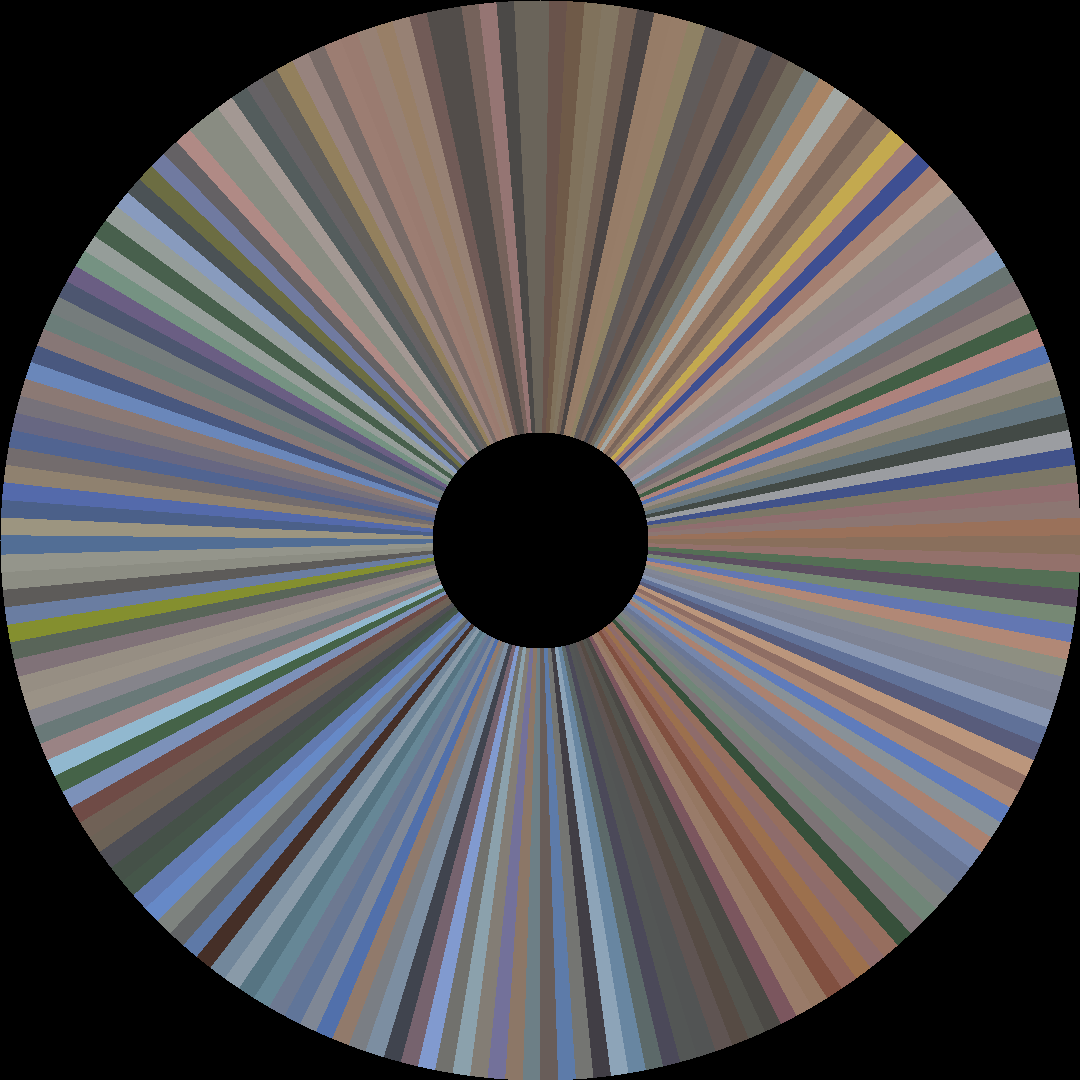
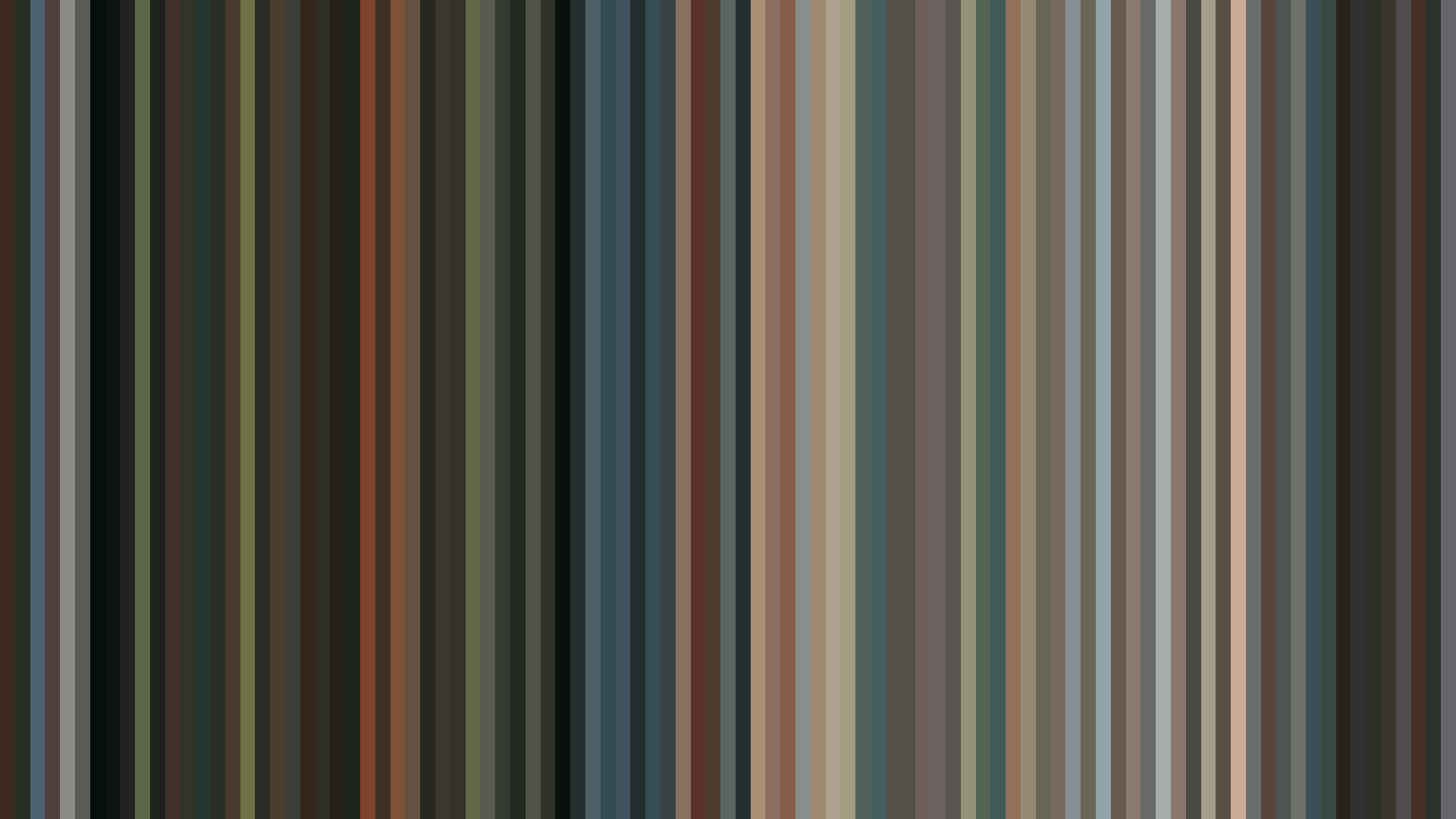
Avg · 30s
For a show about giant mechanical beasts tearing each other apart, *Zoids: New Century* registers as oddly temperate. The flat brightness arc — opening, middle, and closing acts hovering within a 0.01 threshold of each other — is a refusal of the emotional crescendo that defines sports-mecha conventions. Director Shinichi Watanabe (no stranger to subversion, having helmed *Excel Saga*) and the team at Xebec built a visual world of muted crimson and rust: the palette’s Red dominance (33%) is undercut by a 20% Blue-Green counterweight and an overall saturation of just 0.242, turning every battle arena into a sc
Brightness Arc (episode progression)
Hue Distribution
Act Breakdown
Opening
0.531
Middle
0.543
Closing
0.541
Avg Brightness
0.477
Avg Saturation
0.242
Warmth
0.528
Color Palette
#615C5A
#A09E9B
#2E2C2C
#966B5C
#A29069
#CEAF98
#59699D
#D7D7D5
3-Act Color Story
Opening
Middle
Closing
Color Twins
Perceptually nearest palettes — measured in OKLab space, not RGB






For a show about giant mechanical beasts tearing each other apart, *Zoids: New Century* registers as oddly temperate. The flat brightness arc — opening, middle, and closing acts hovering within a 0.01 threshold of each other — is a refusal of the emotional crescendo that defines sports-mecha conventions. Director Shinichi Watanabe (no stranger to subversion, having helmed *Excel Saga*) and the team at Xebec built a visual world of muted crimson and rust: the palette’s Red dominance (33%) is undercut by a 20% Blue-Green counterweight and an overall saturation of just 0.242, turning every battle arena into a sc