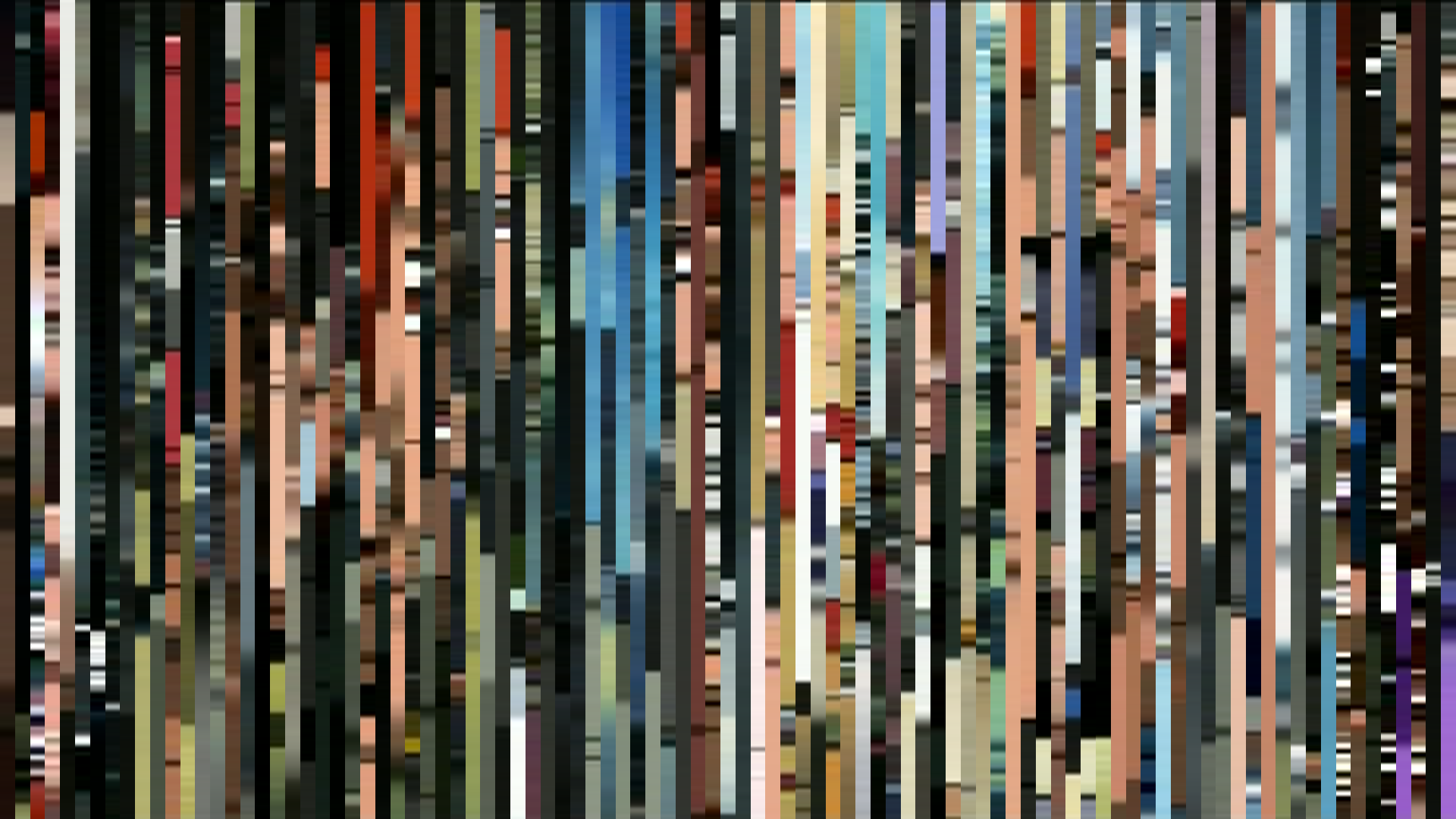
Edit Pace — frame-to-frame color delta (bright = fast cuts)
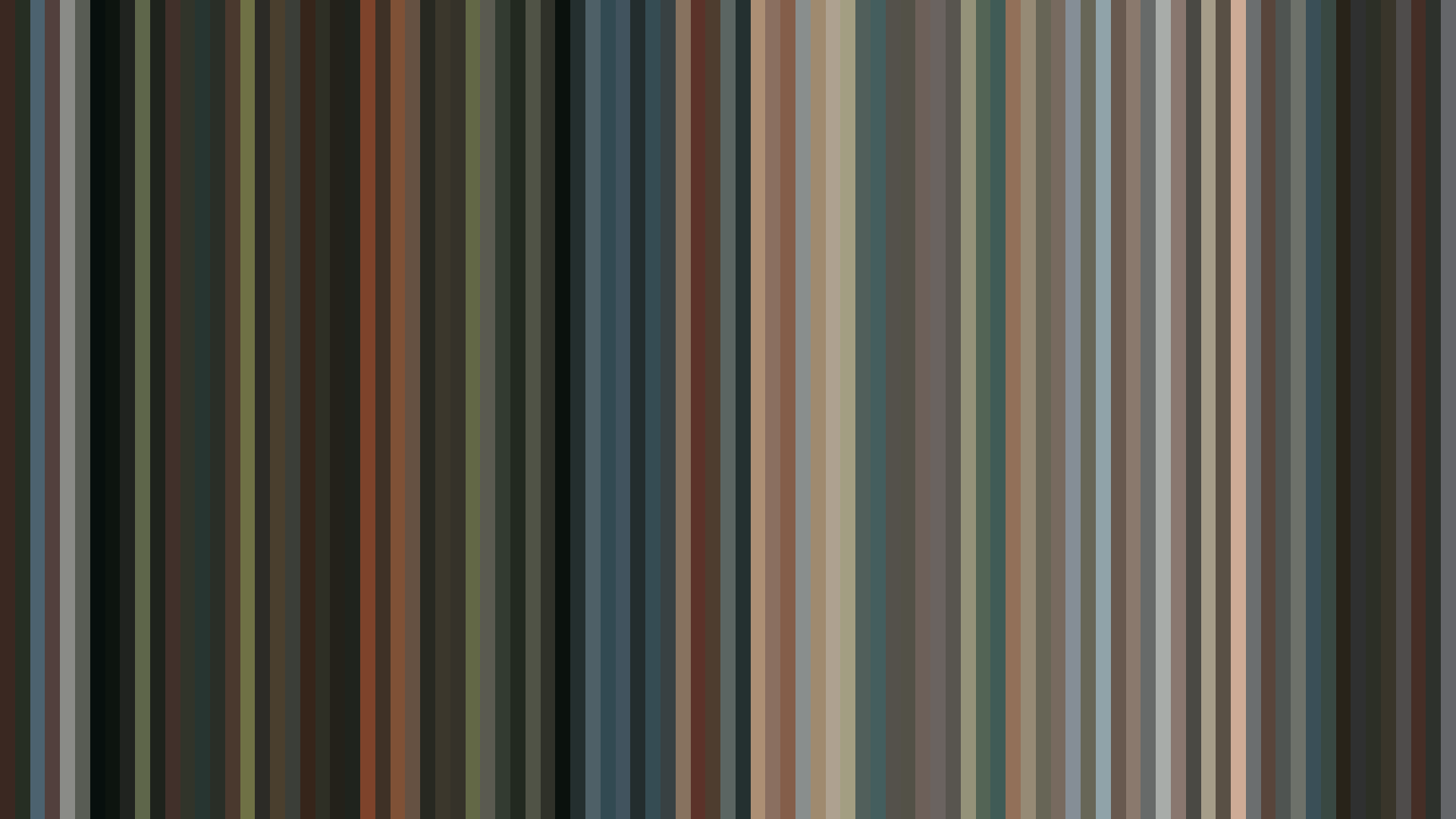
Color Temperature — warm (gold) vs cool (teal) per frame
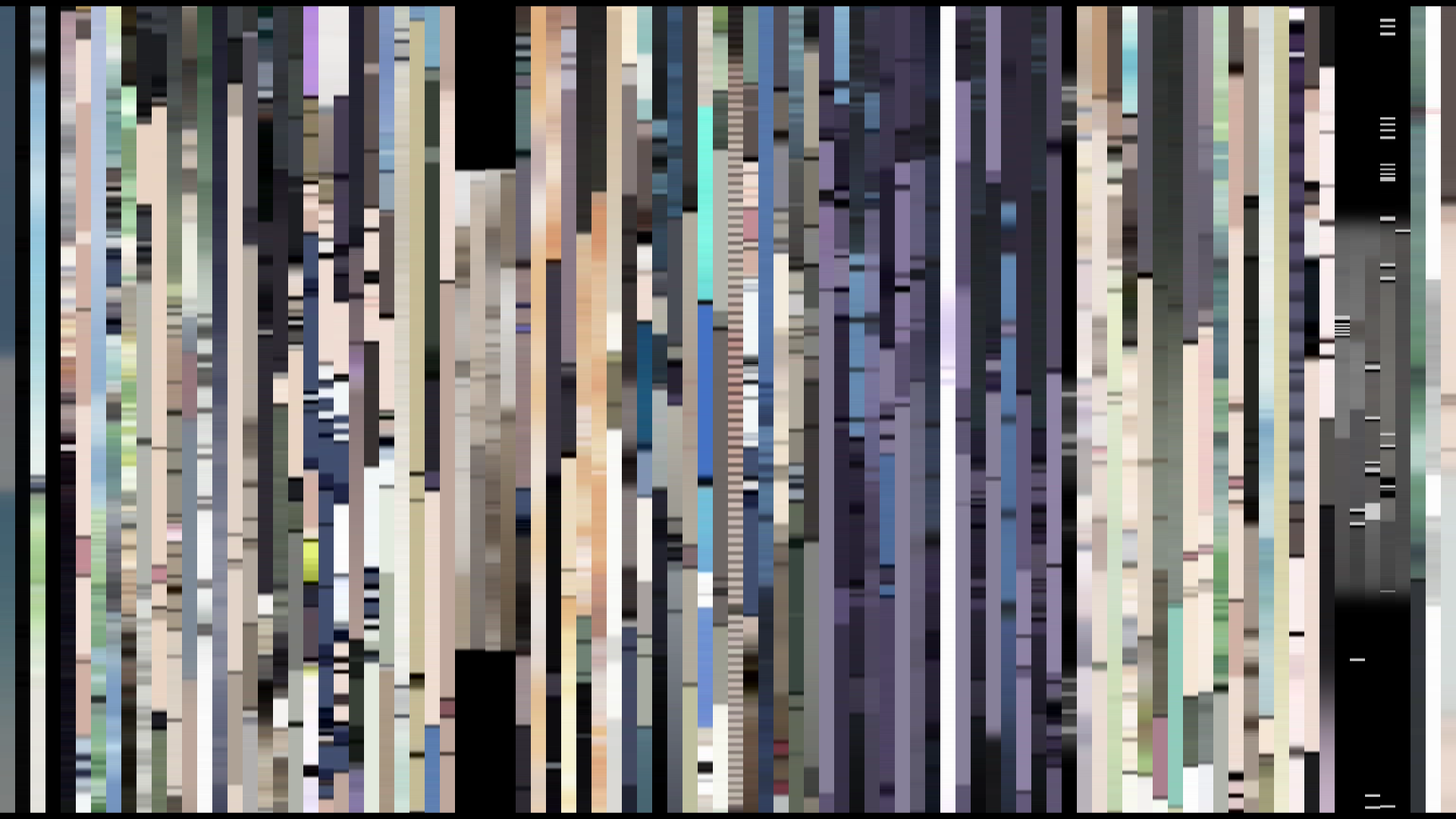
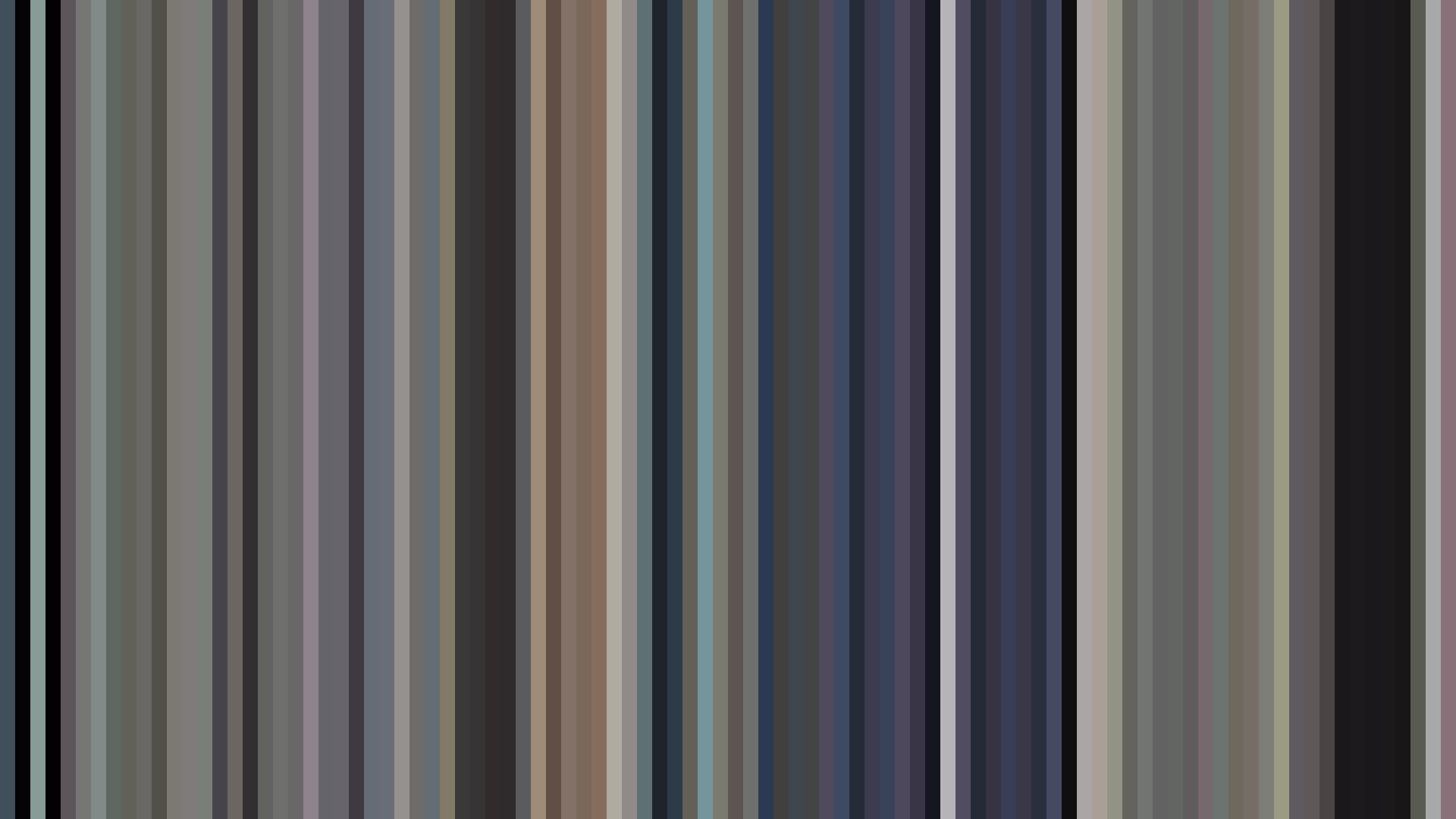
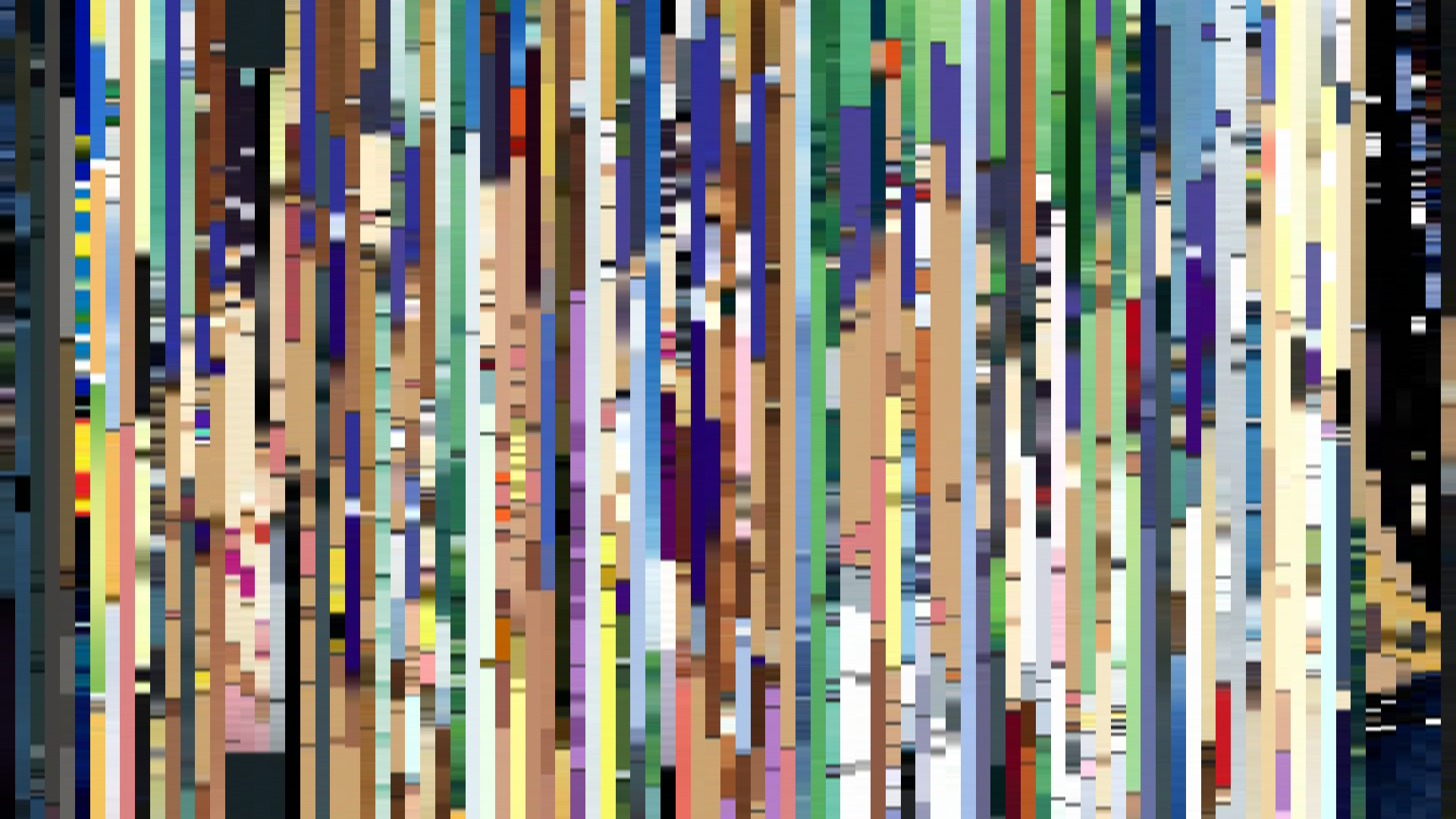
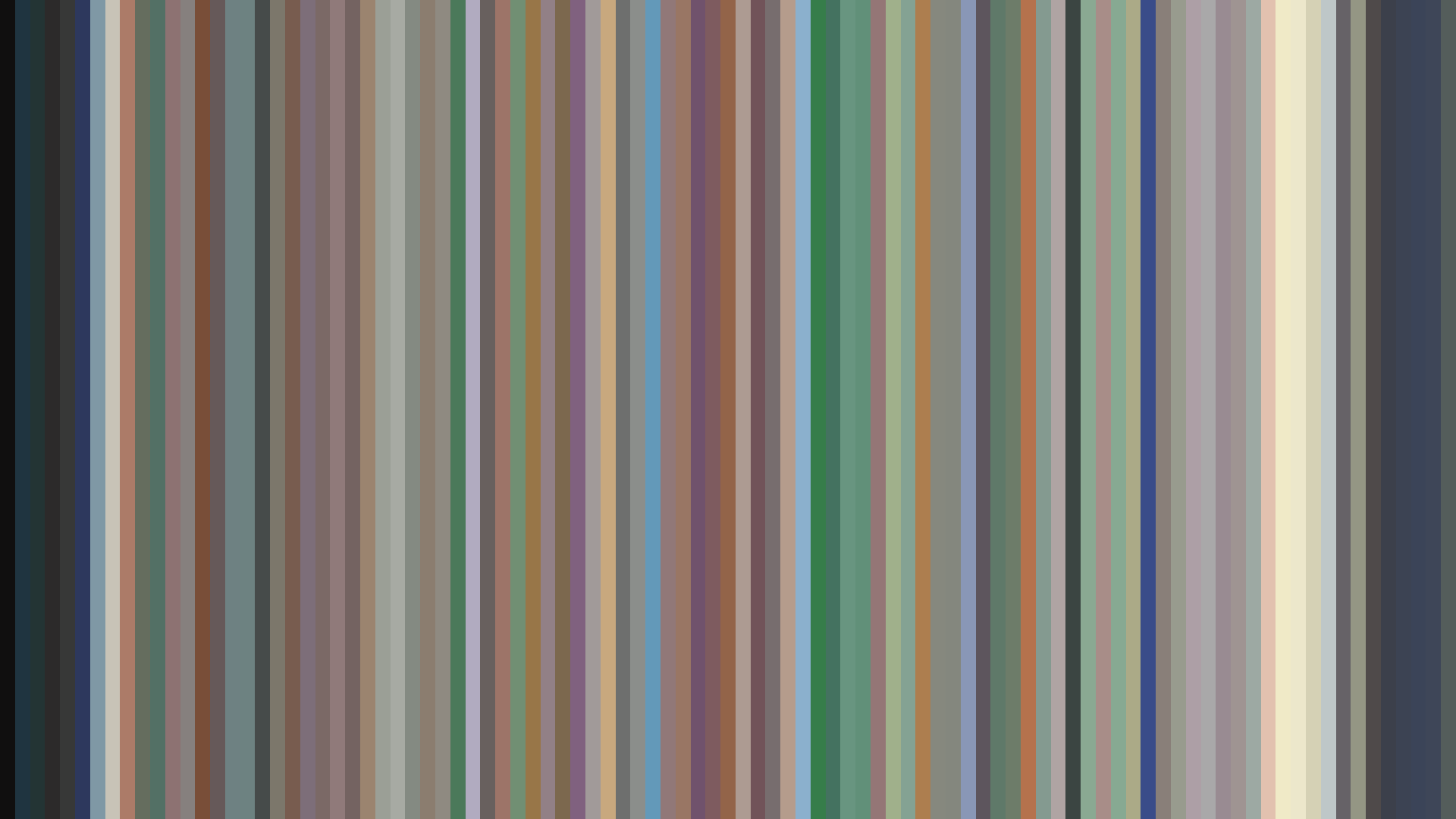
Frame Density Comparison — every 2nd vs every 4th frame
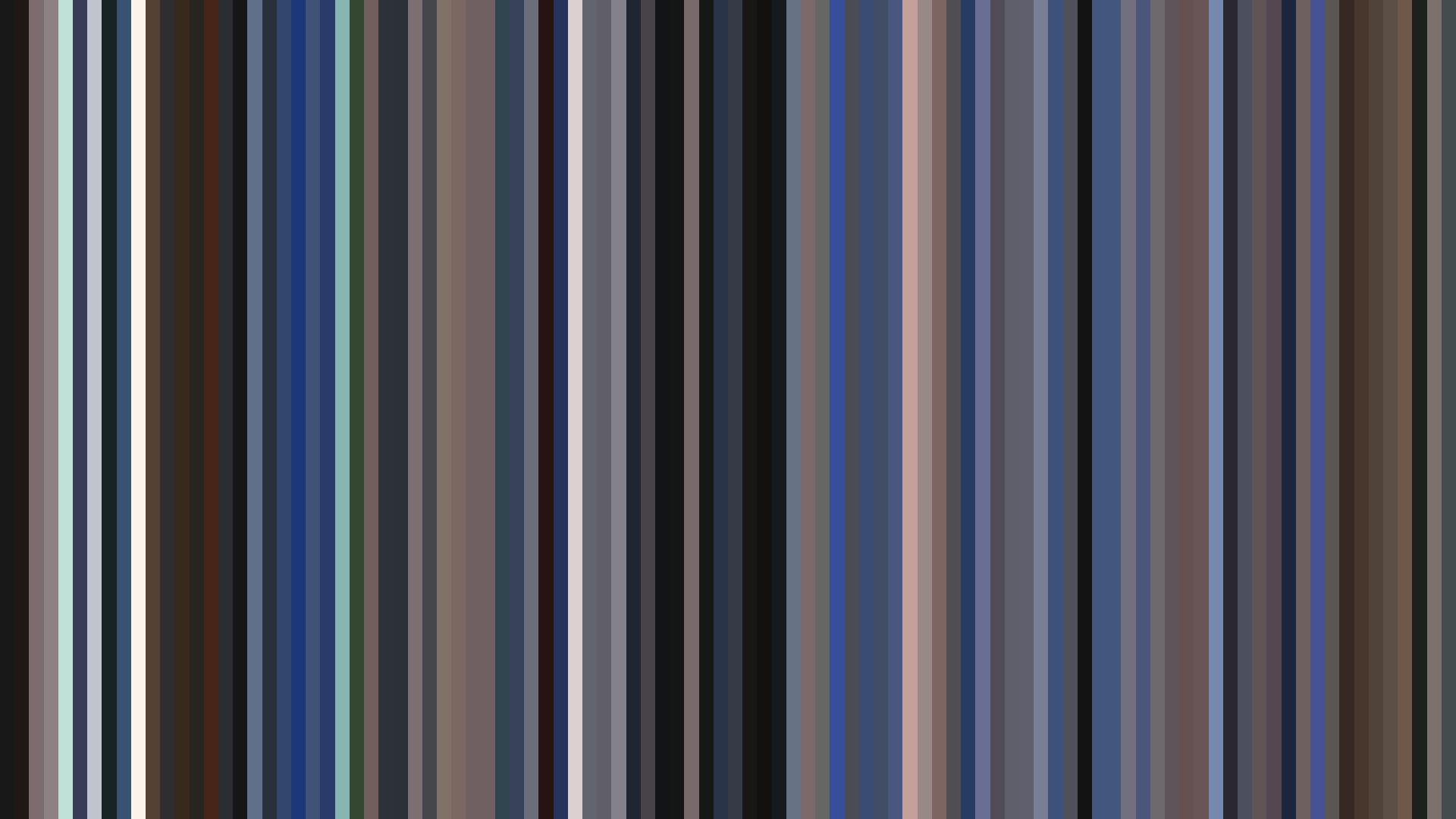
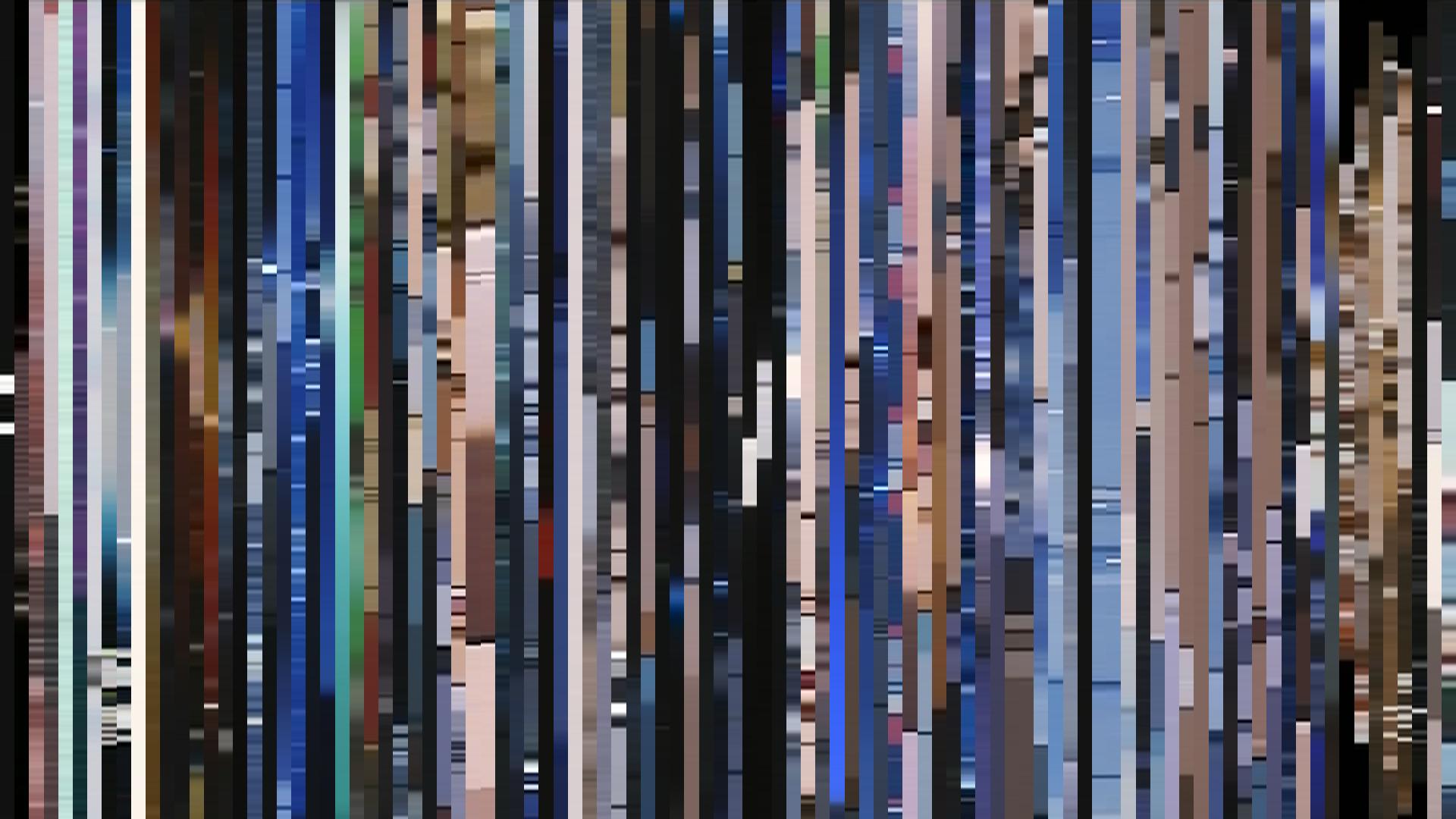
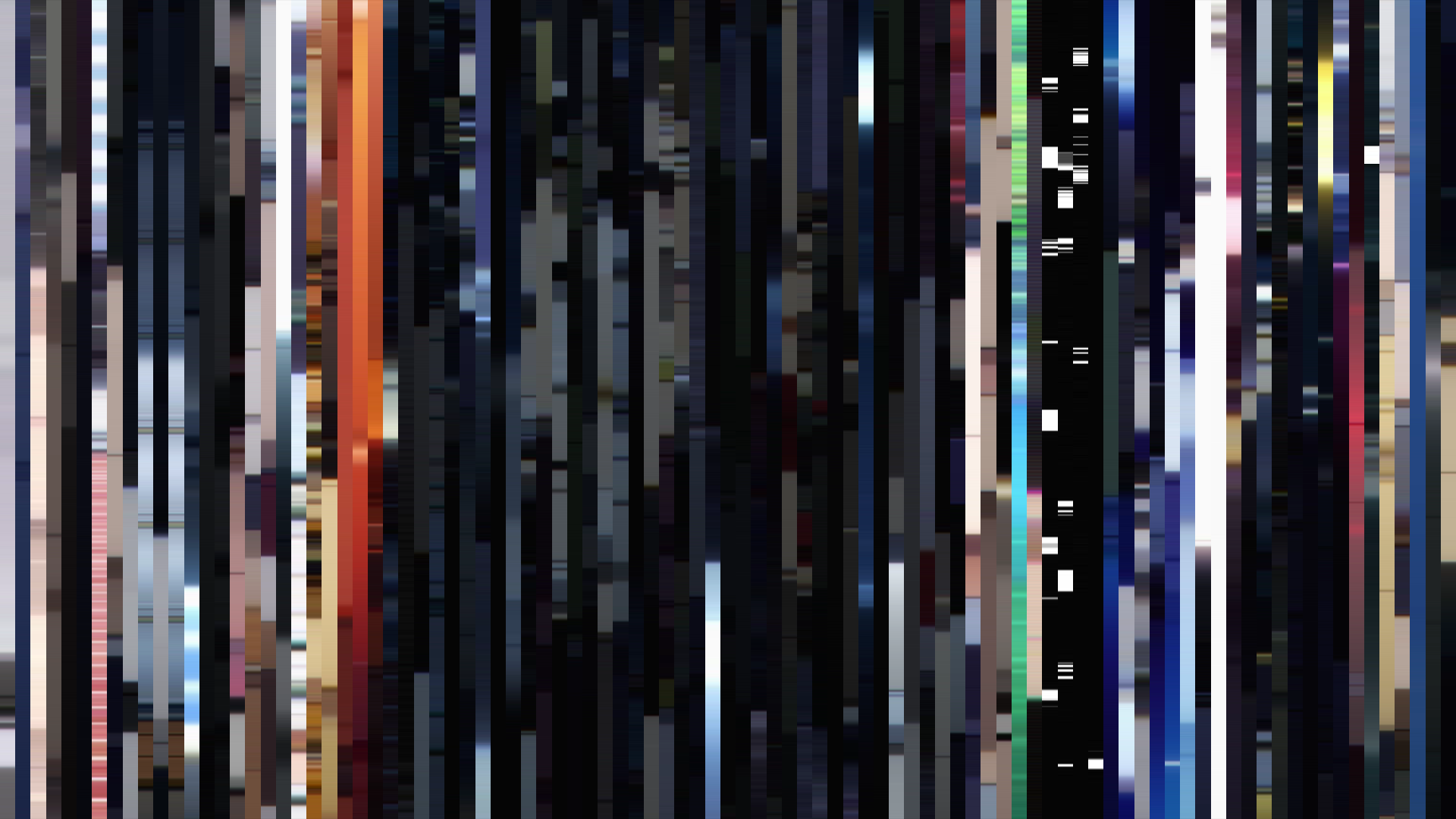
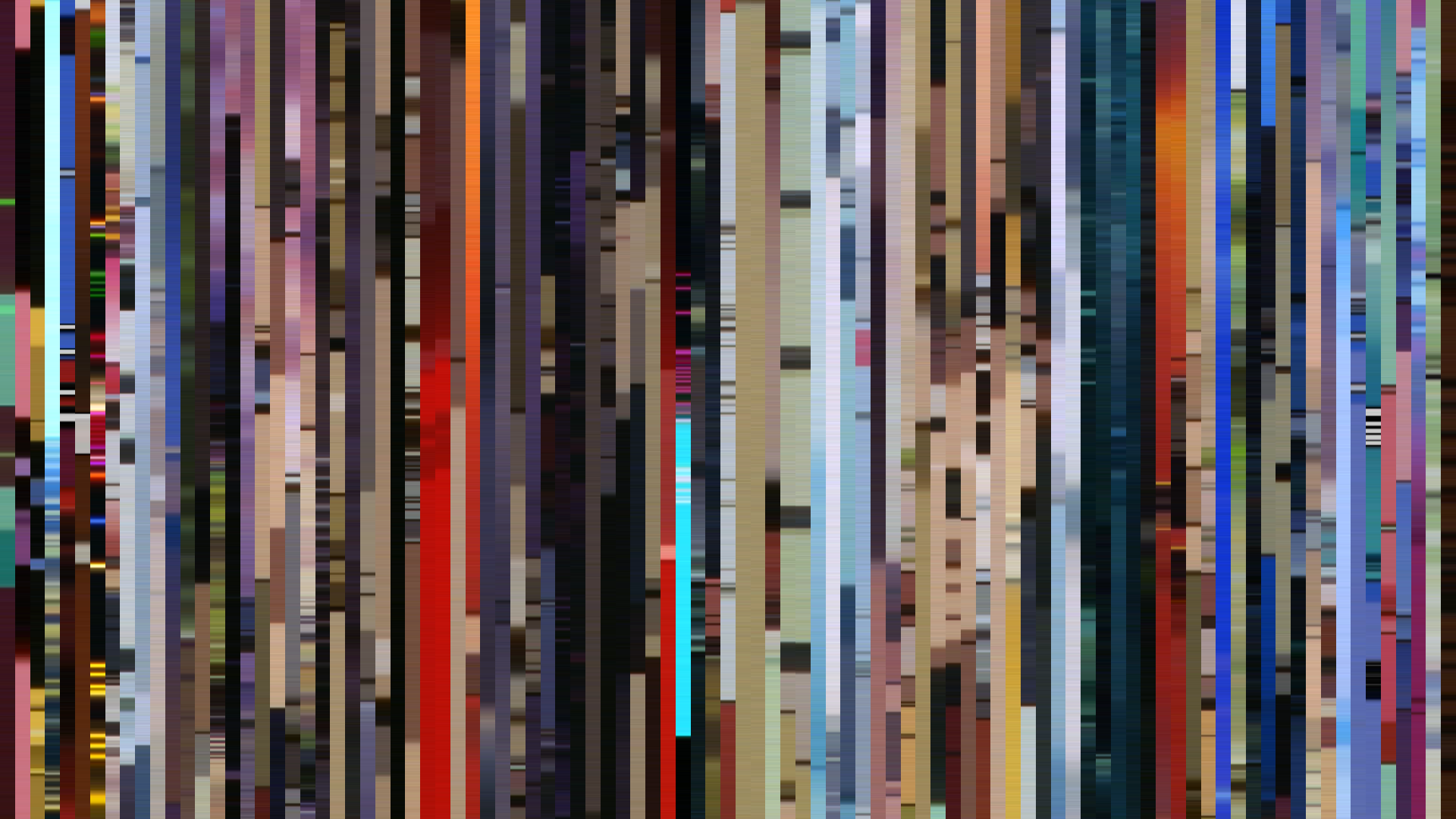
Slice · 15s
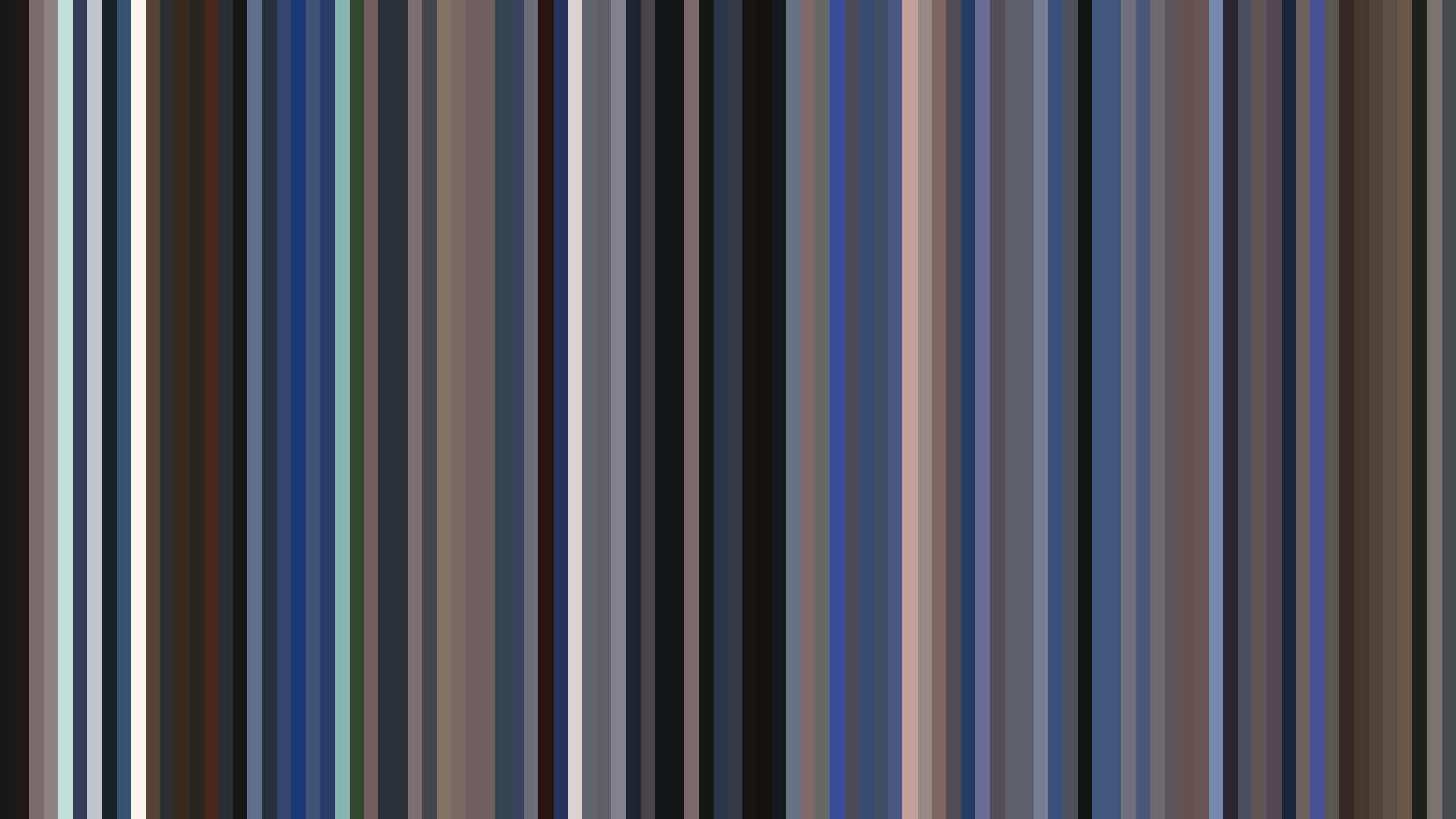
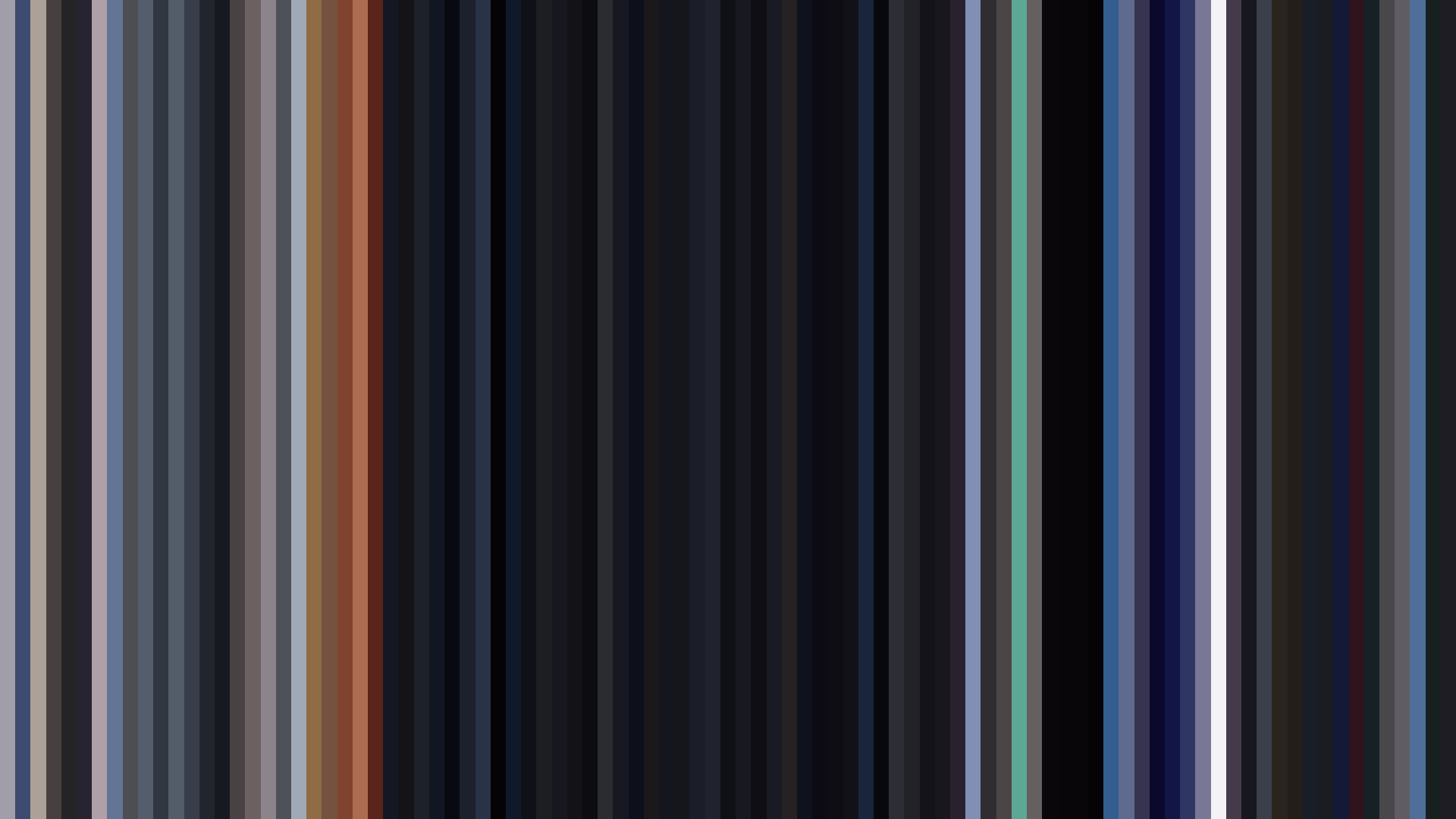
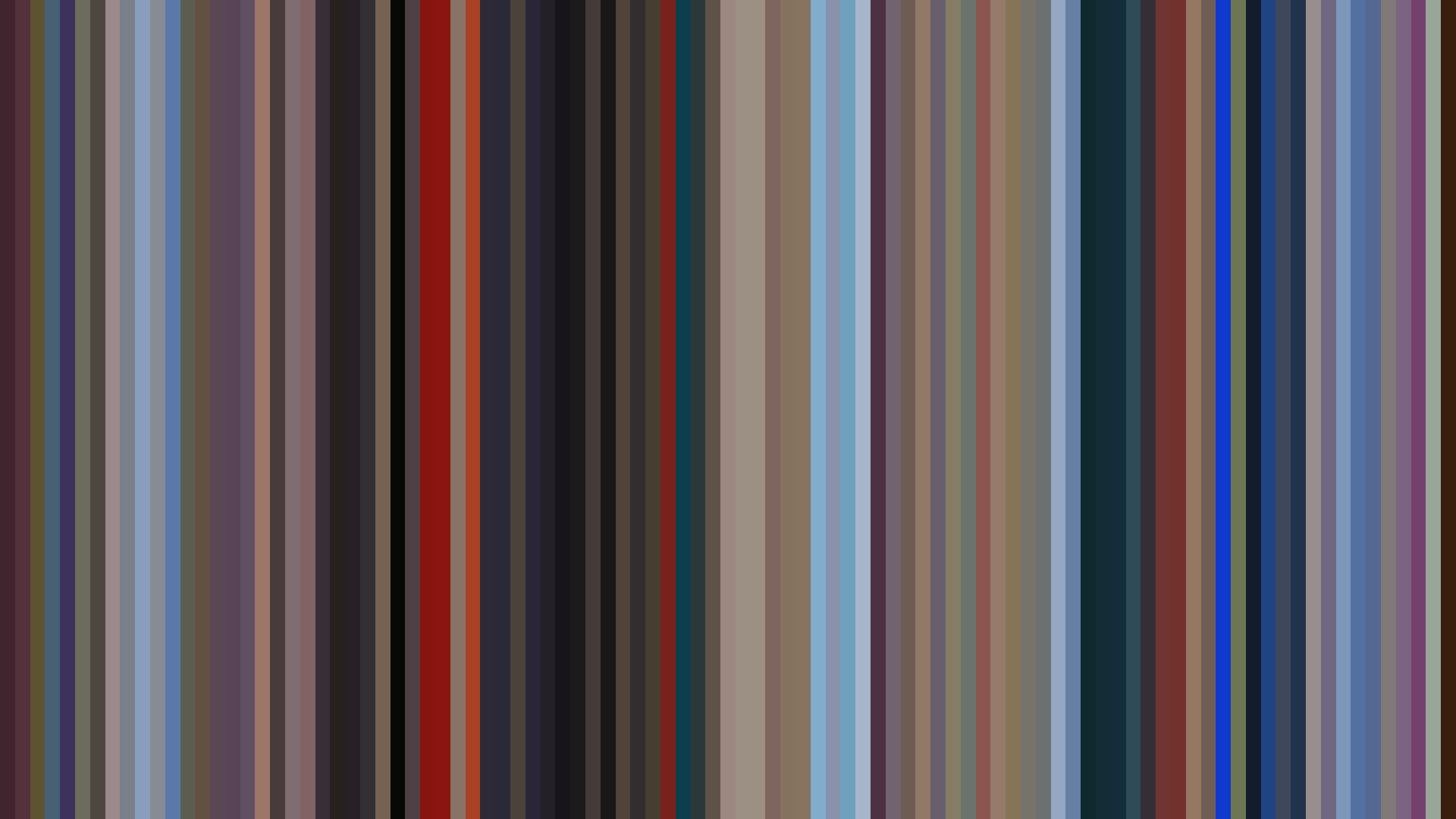
Avg · 15s
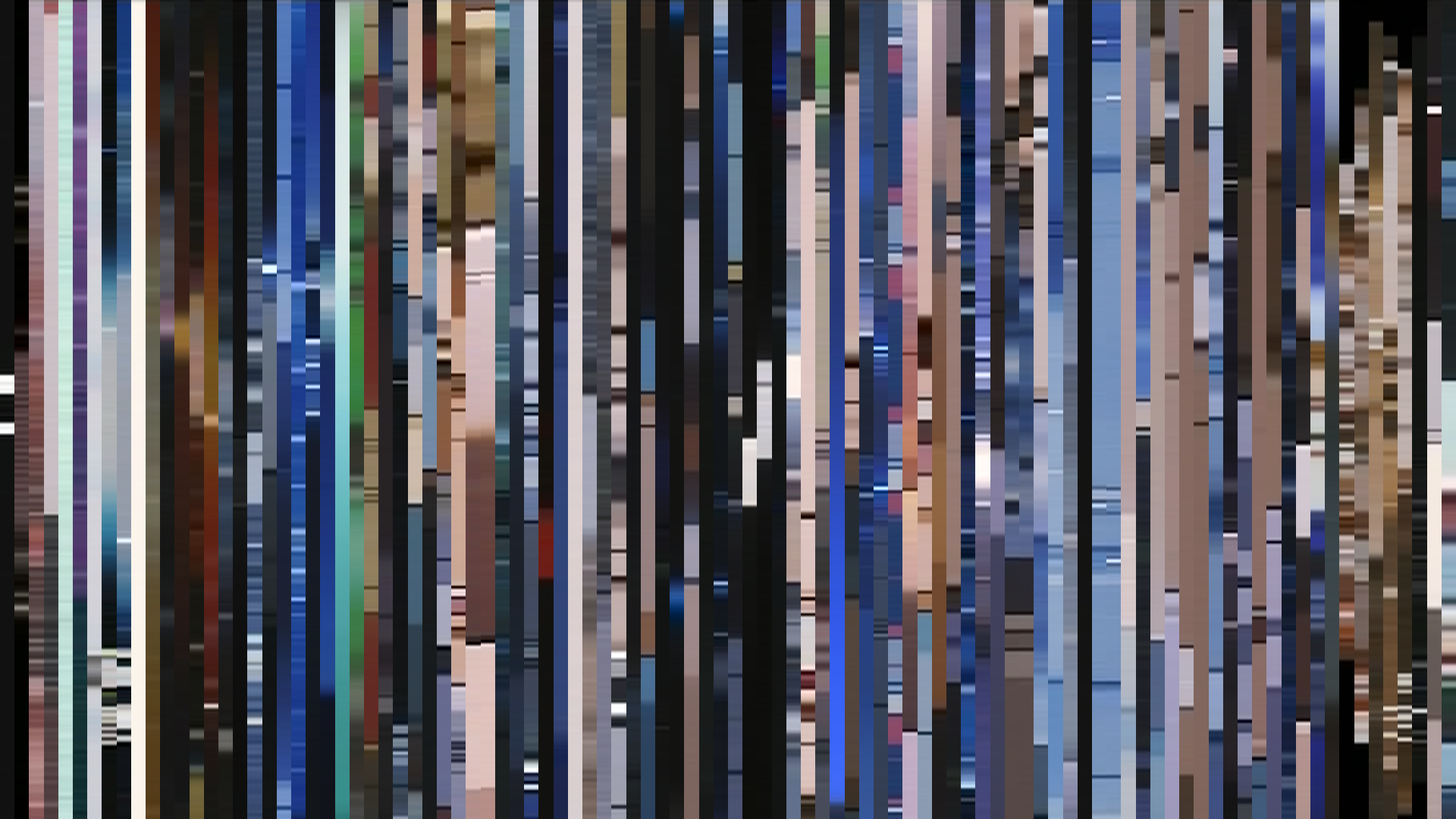
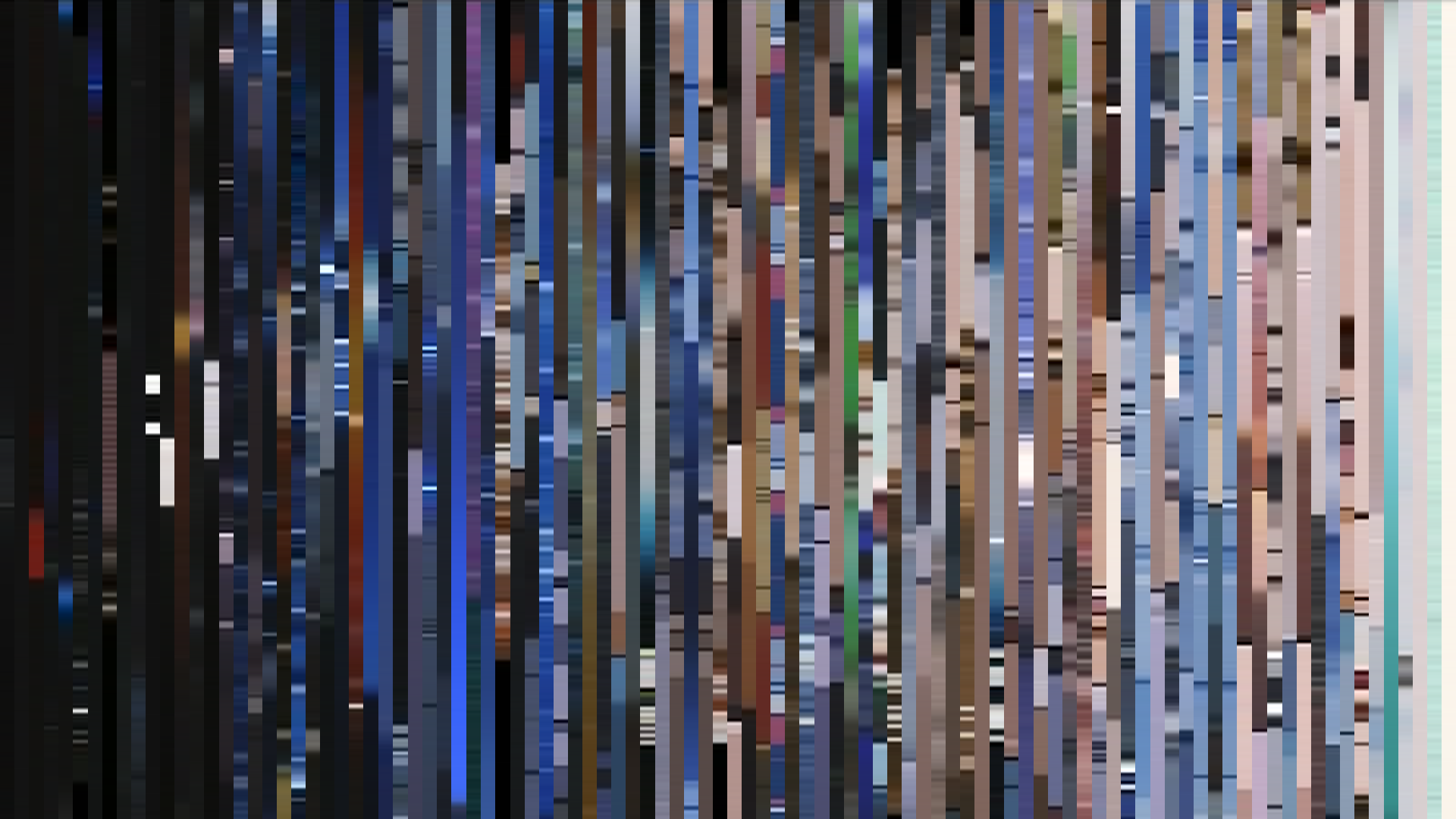
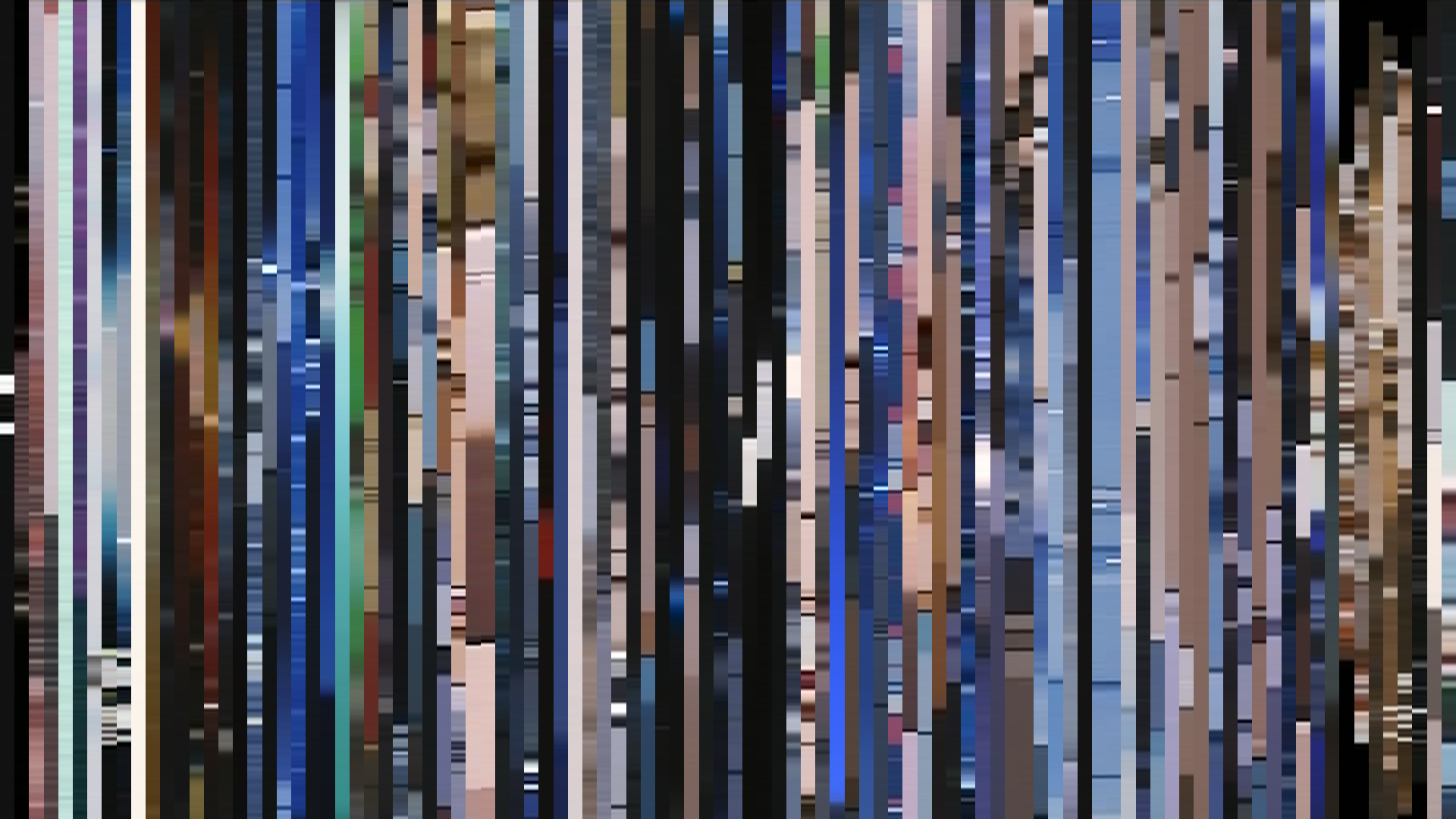
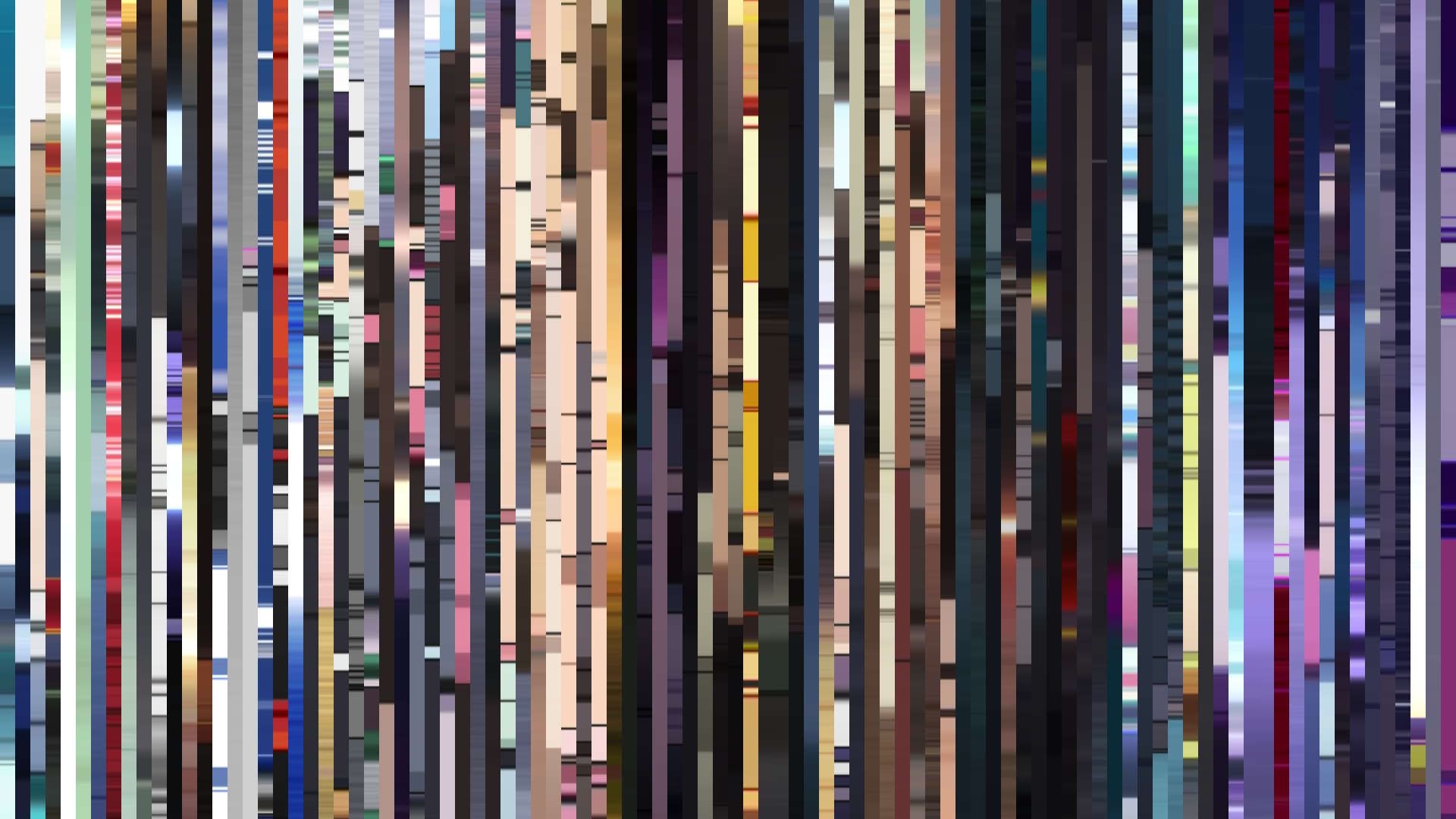
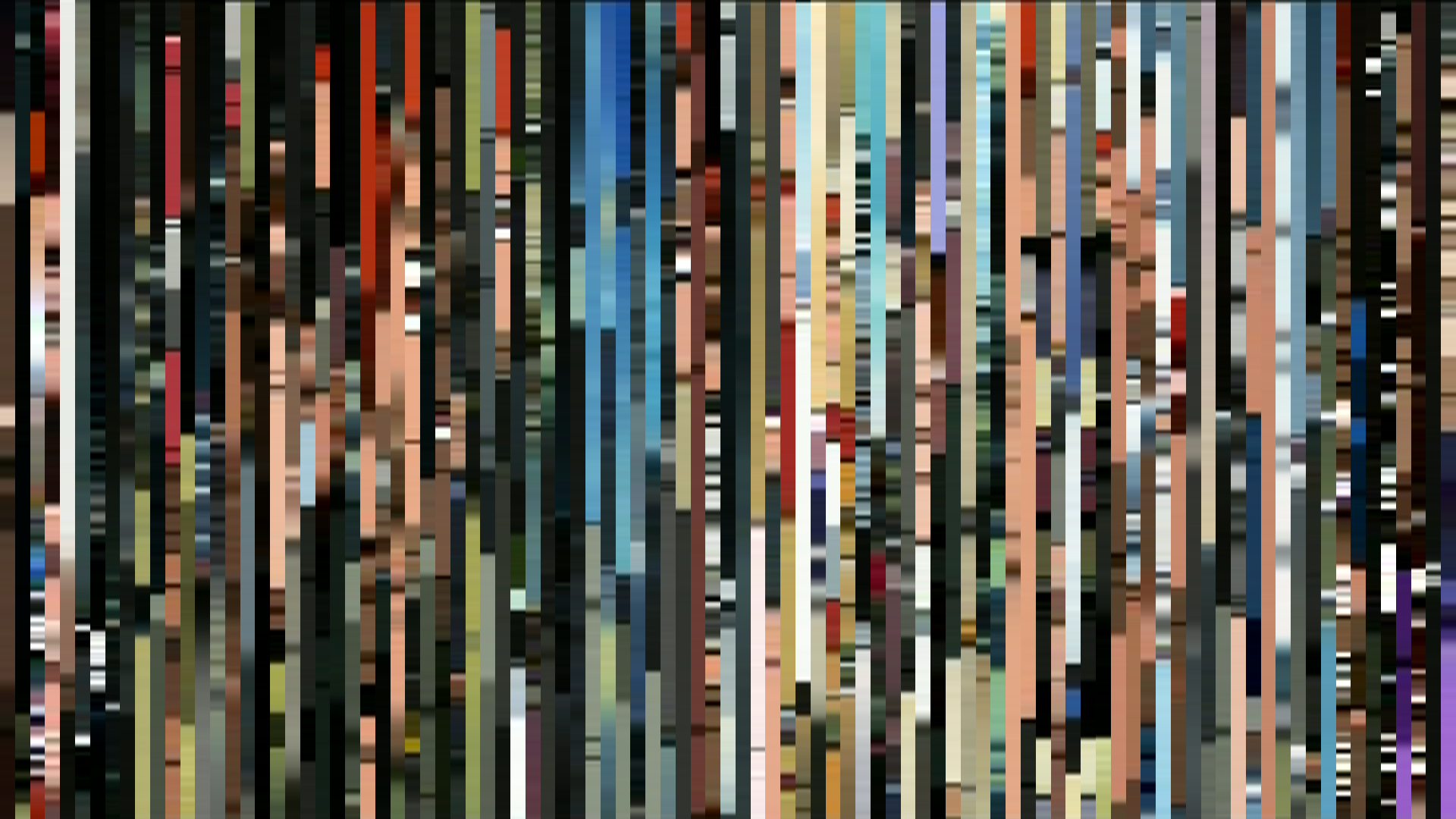
Slice · 30s
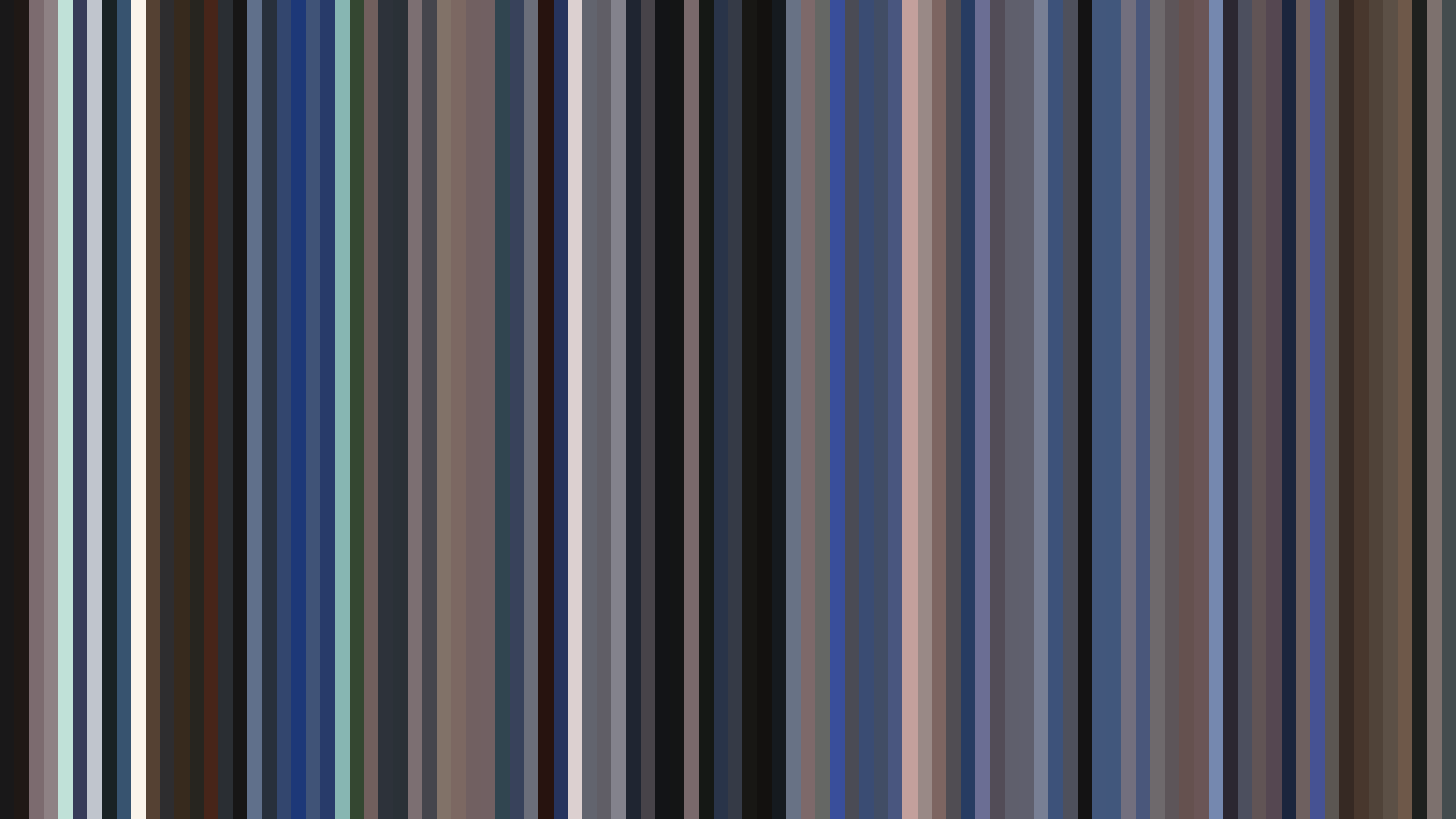
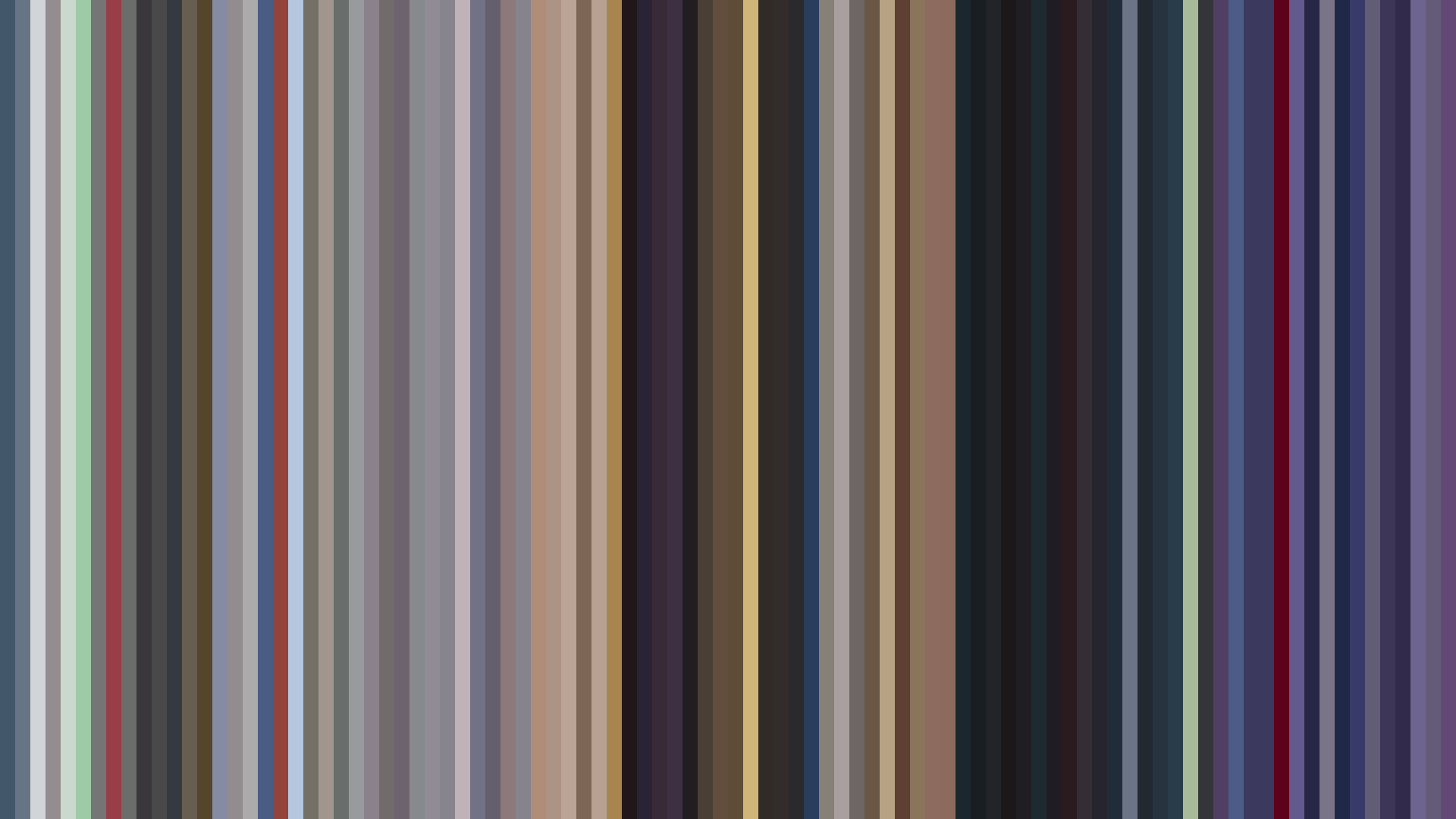
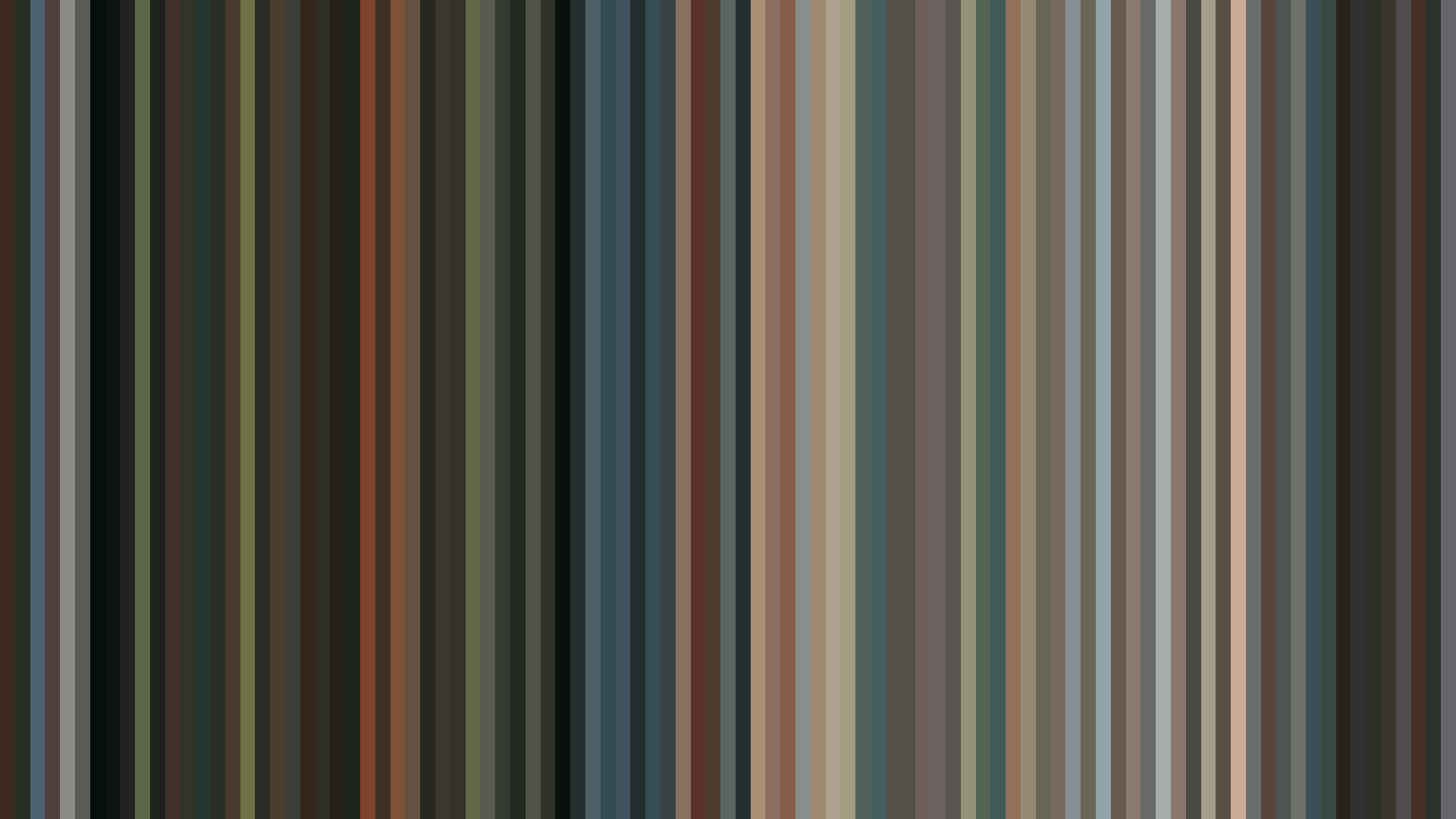
Avg · 30s
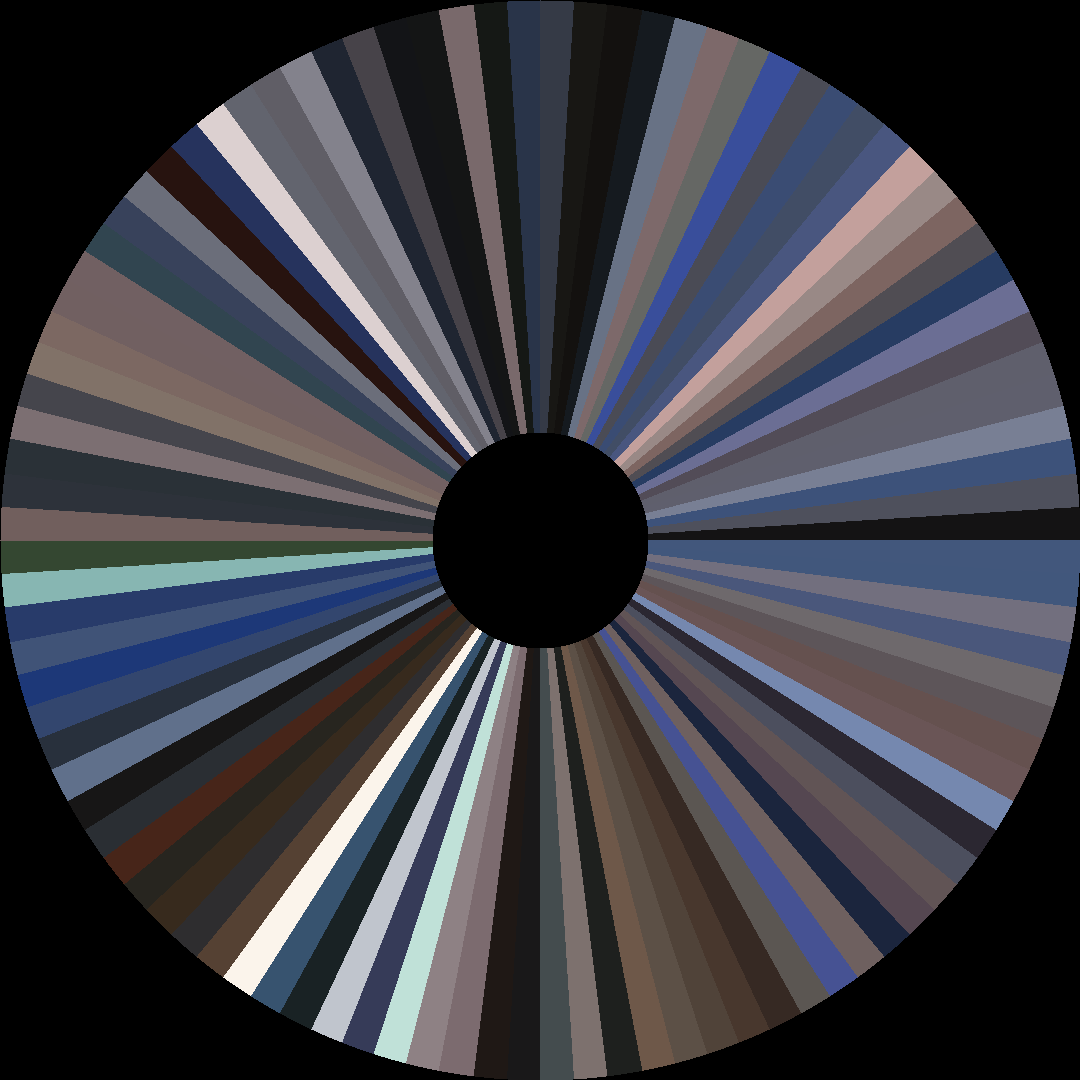
Banner of the Stars II’s palette is a deliberate denial of warmth. The Blue-Green dominance — 44% of all pixels — and anemic saturation of 0.251 create a visual equivalent of vacuum: airless, vast, chillingly orderly. Director Atsushi Wakabayashi and the Sunrise team built a space-opera where the color itself enforces the Abh Empire’s functionalist aesthetic — every corridor, every console, every officer’s uniform bled of the earthbound reds that signal emotion. The bright-ending arc (0.322 opening to 0.346 closing, with a dark 0.288 midpoint) is the data signature of a war story that refuses to apologize for its campaign’s costs. That final flare is
Brightness Arc (episode progression)
Hue Distribution
Act Breakdown
Opening
0.322
Middle
0.288
Closing
0.346
Avg Brightness
0.353
Avg Saturation
0.251
Warmth
0.475
Color Palette
#1C1C1E
#5A565E
#A49BA2
#273455
#8A6D63
#D7D3D3
#5F6D94
#364761
3-Act Color Story
Opening
Middle
Closing
Color Twins
Perceptually nearest palettes — measured in OKLab space, not RGB






Banner of the Stars II’s palette is a deliberate denial of warmth. The Blue-Green dominance — 44% of all pixels — and anemic saturation of 0.251 create a visual equivalent of vacuum: airless, vast, chillingly orderly. Director Atsushi Wakabayashi and the Sunrise team built a space-opera where the color itself enforces the Abh Empire’s functionalist aesthetic — every corridor, every console, every officer’s uniform bled of the earthbound reds that signal emotion. The bright-ending arc (0.322 opening to 0.346 closing, with a dark 0.288 midpoint) is the data signature of a war story that refuses to apologize for its campaign’s costs. That final flare is