Edit Pace — frame-to-frame color delta (bright = fast cuts)
Color Temperature — warm (gold) vs cool (teal) per frame
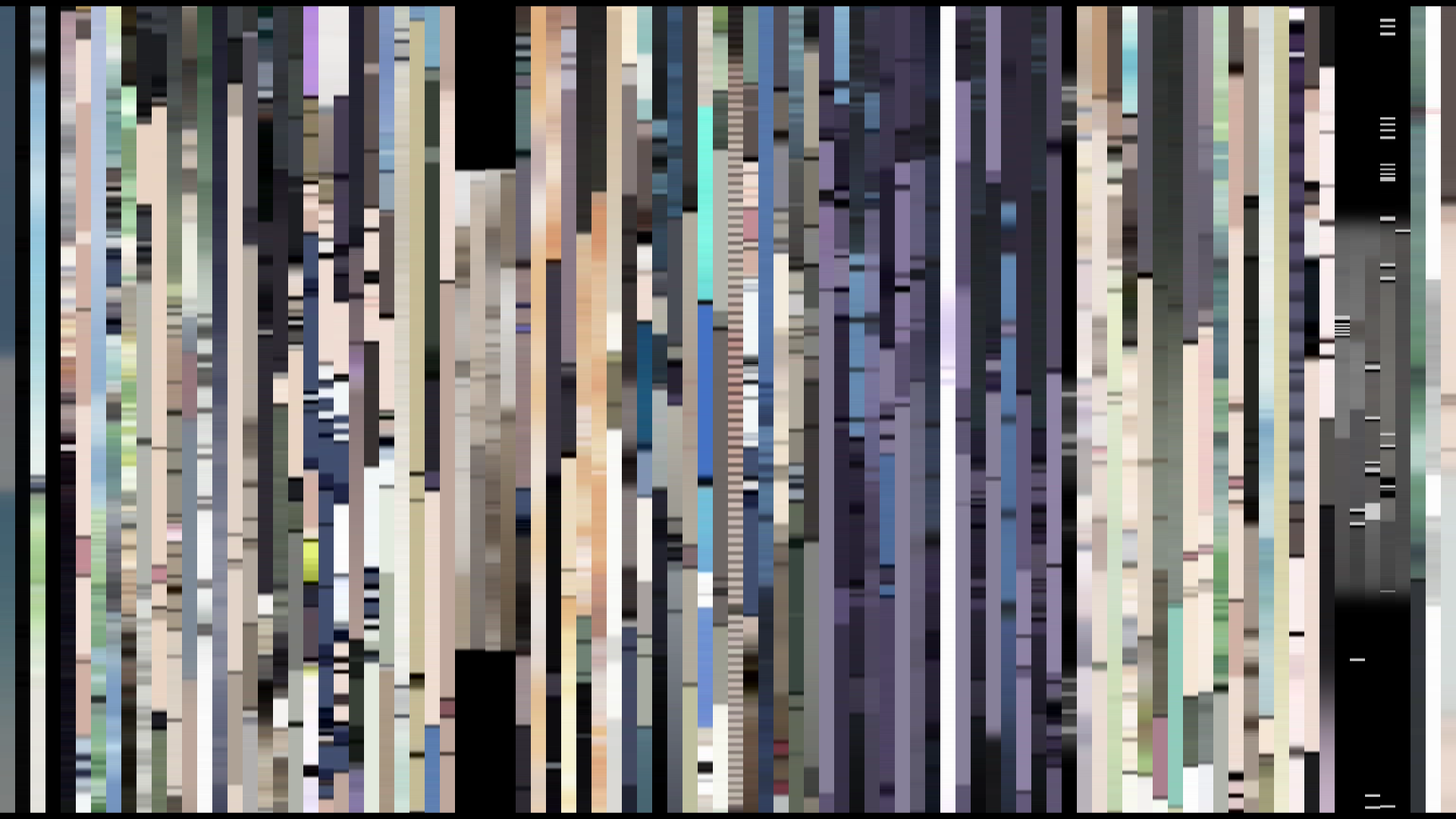
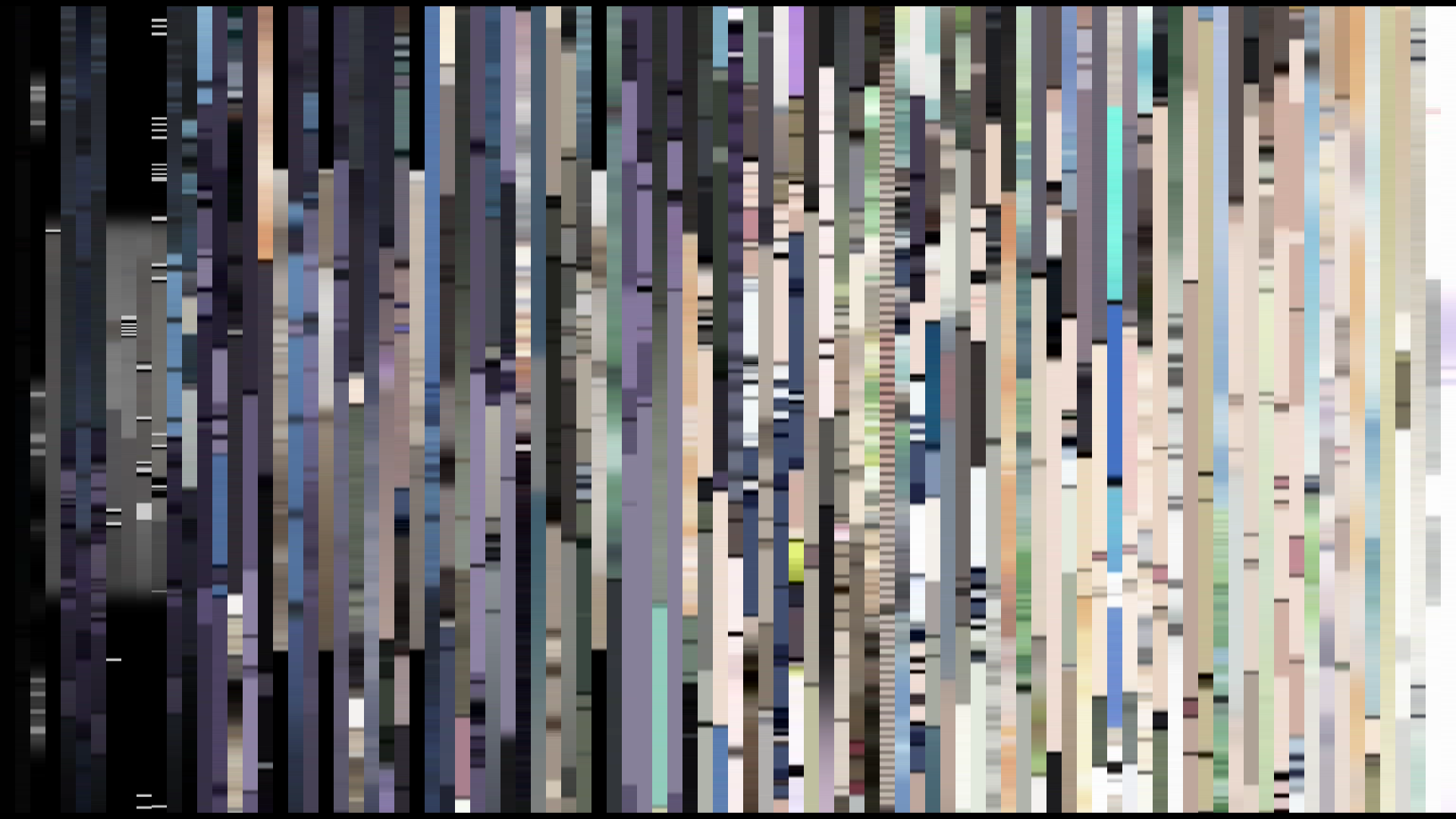
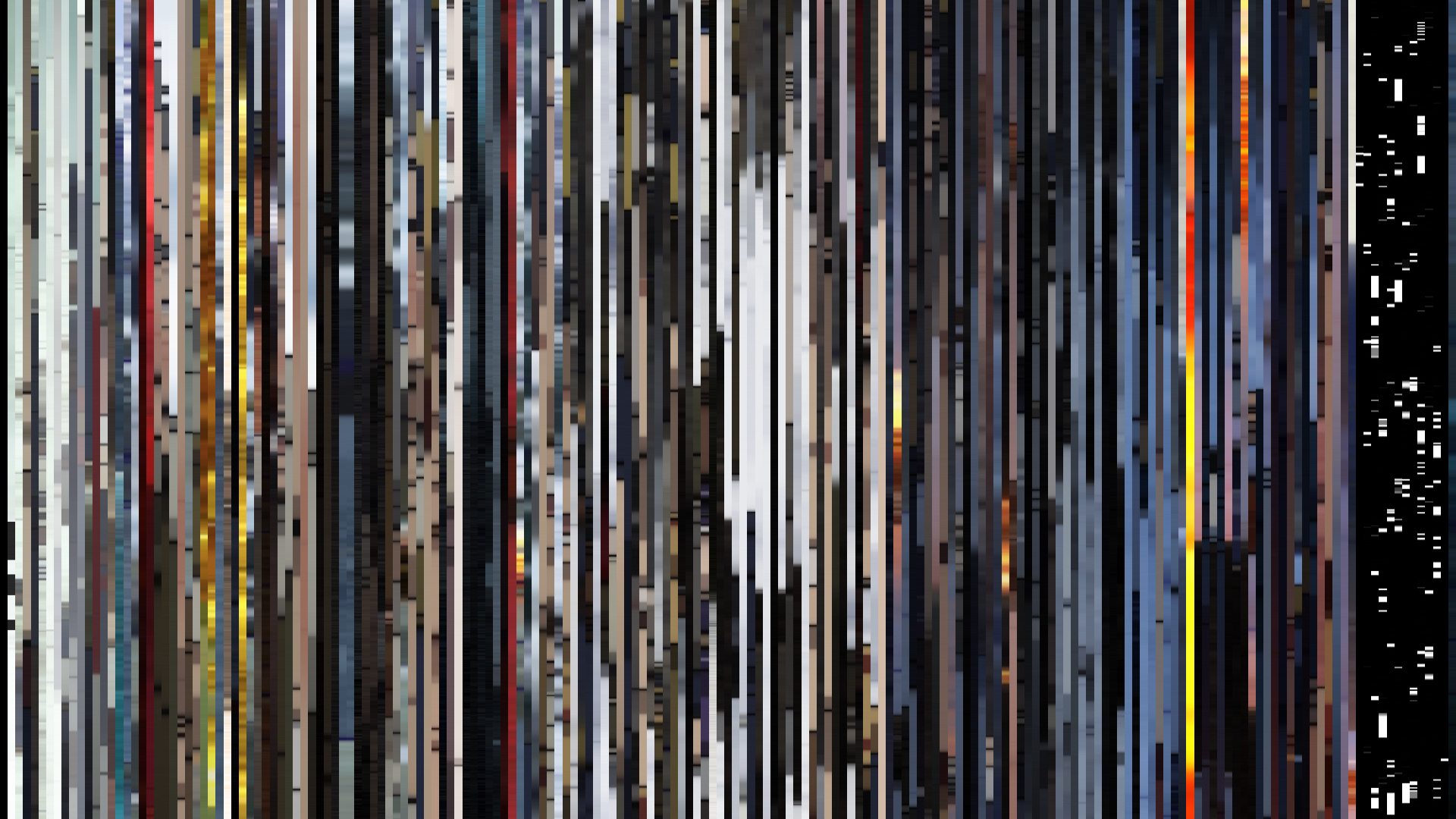
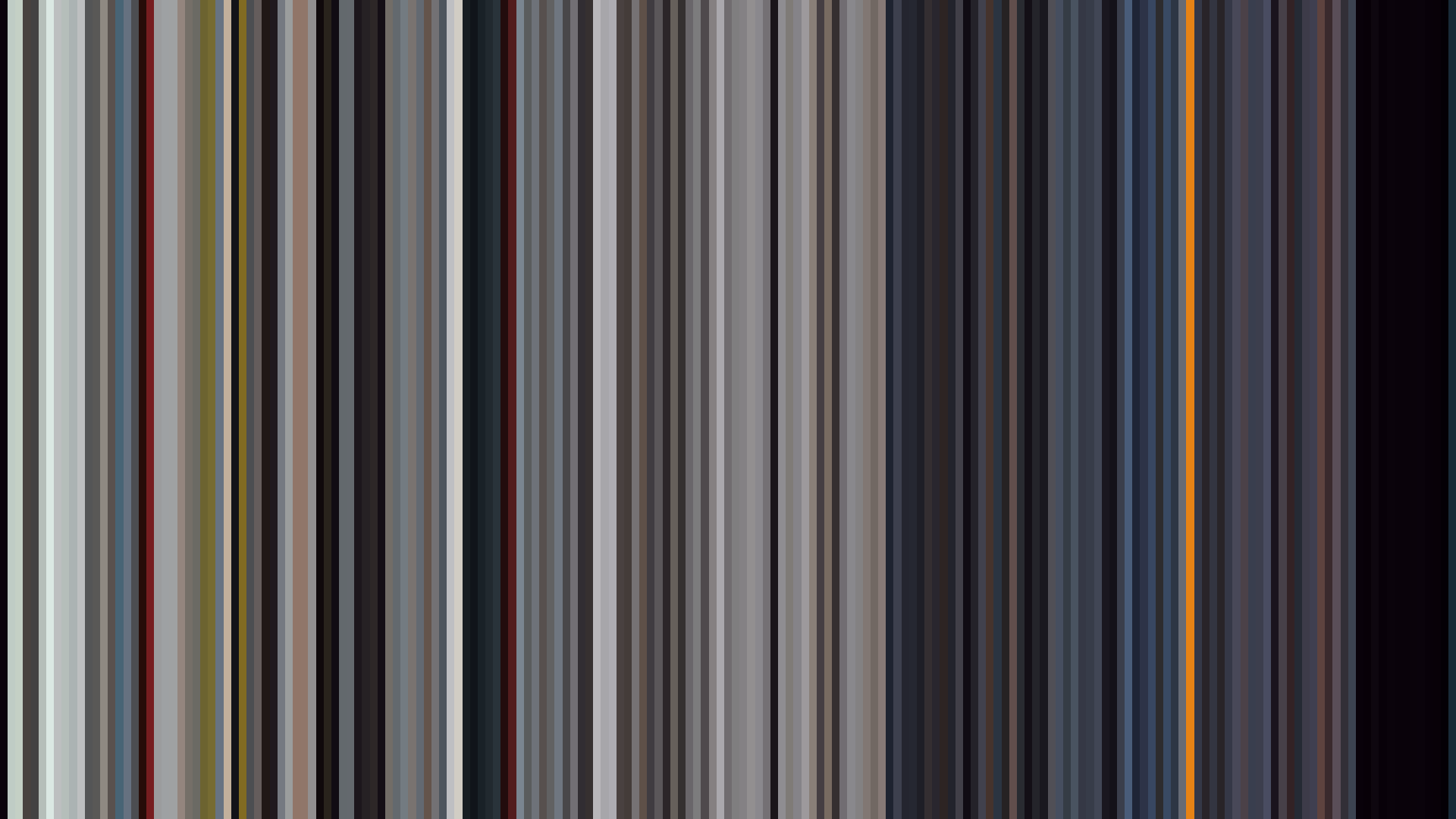
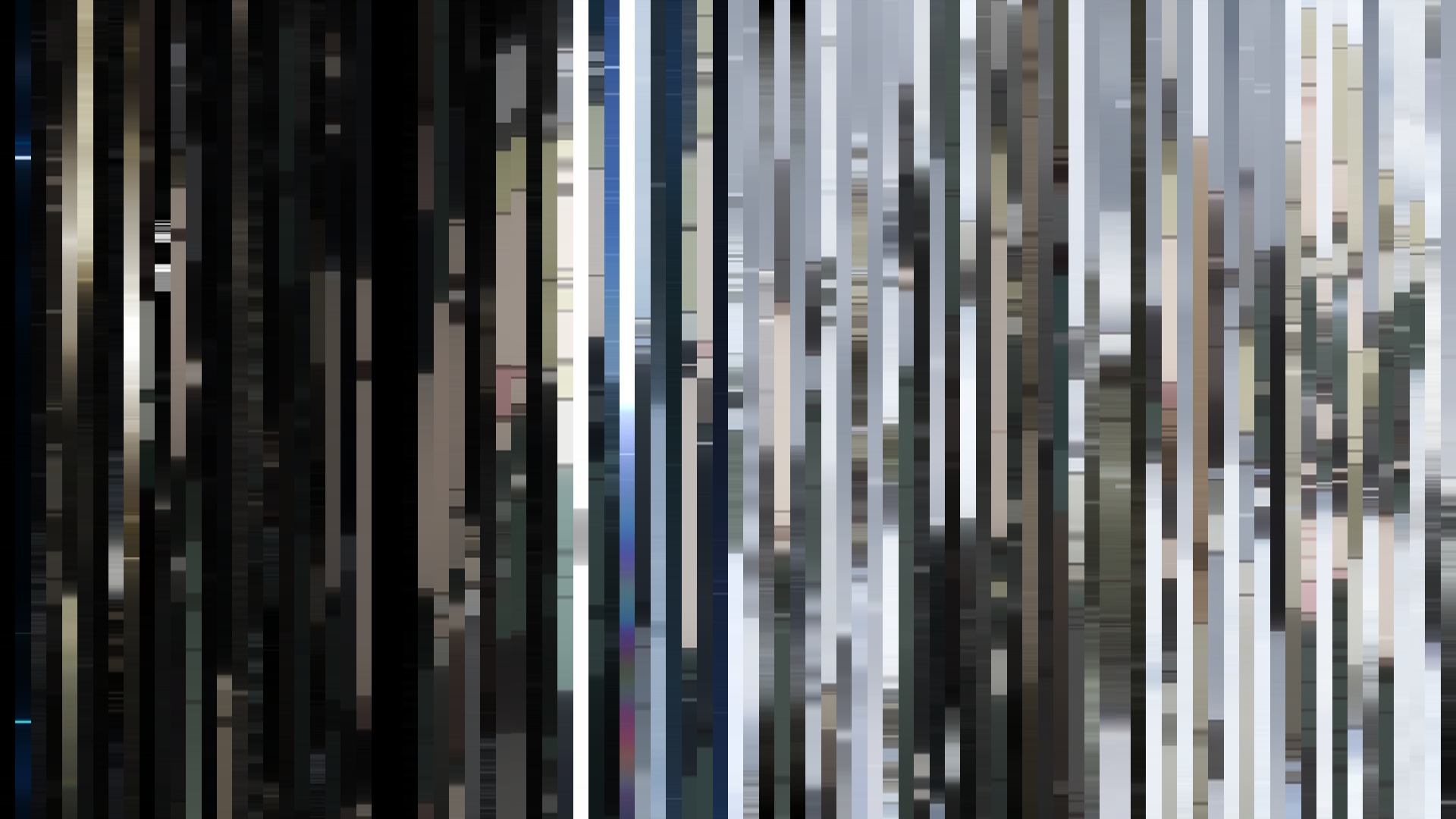
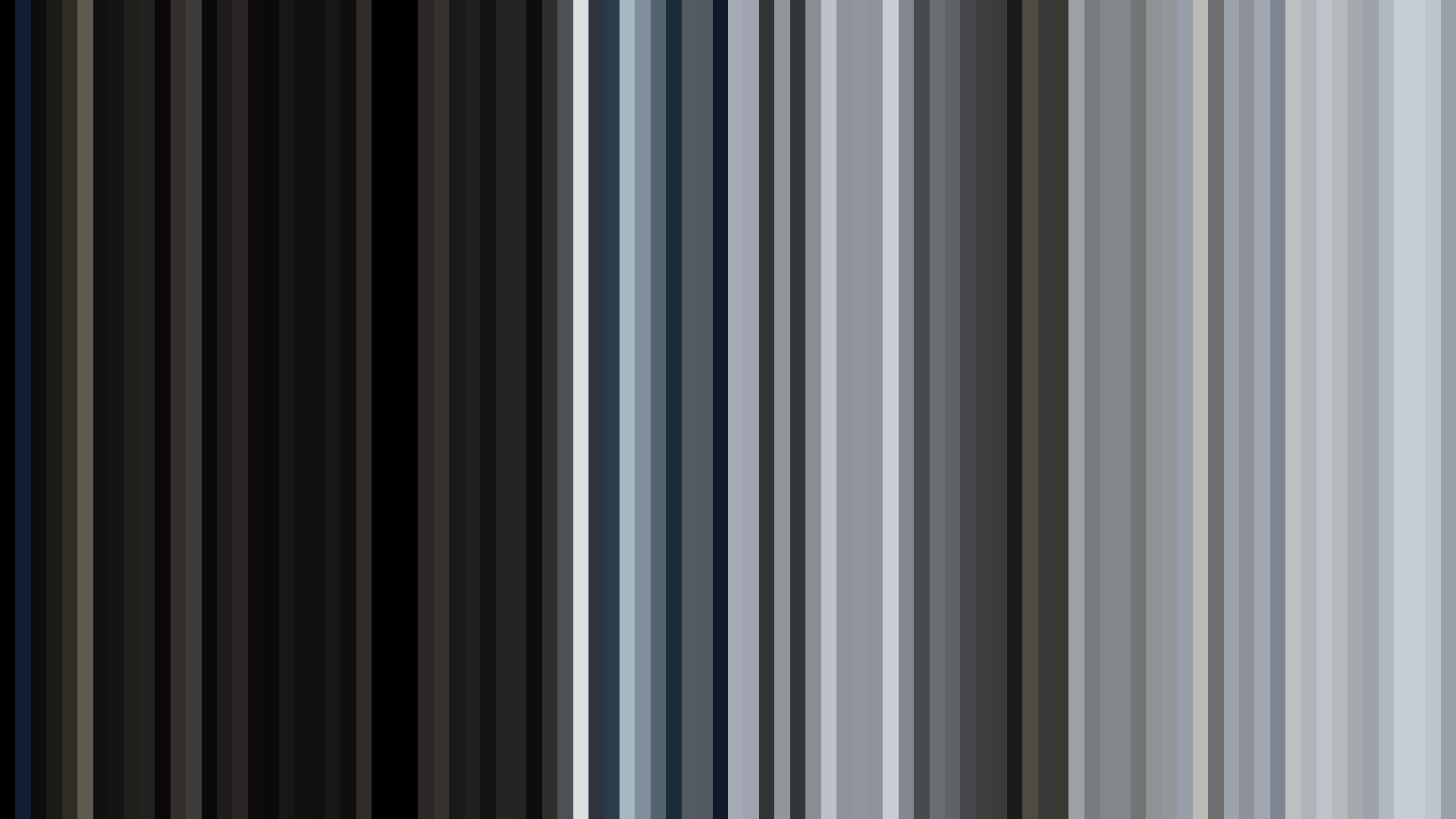
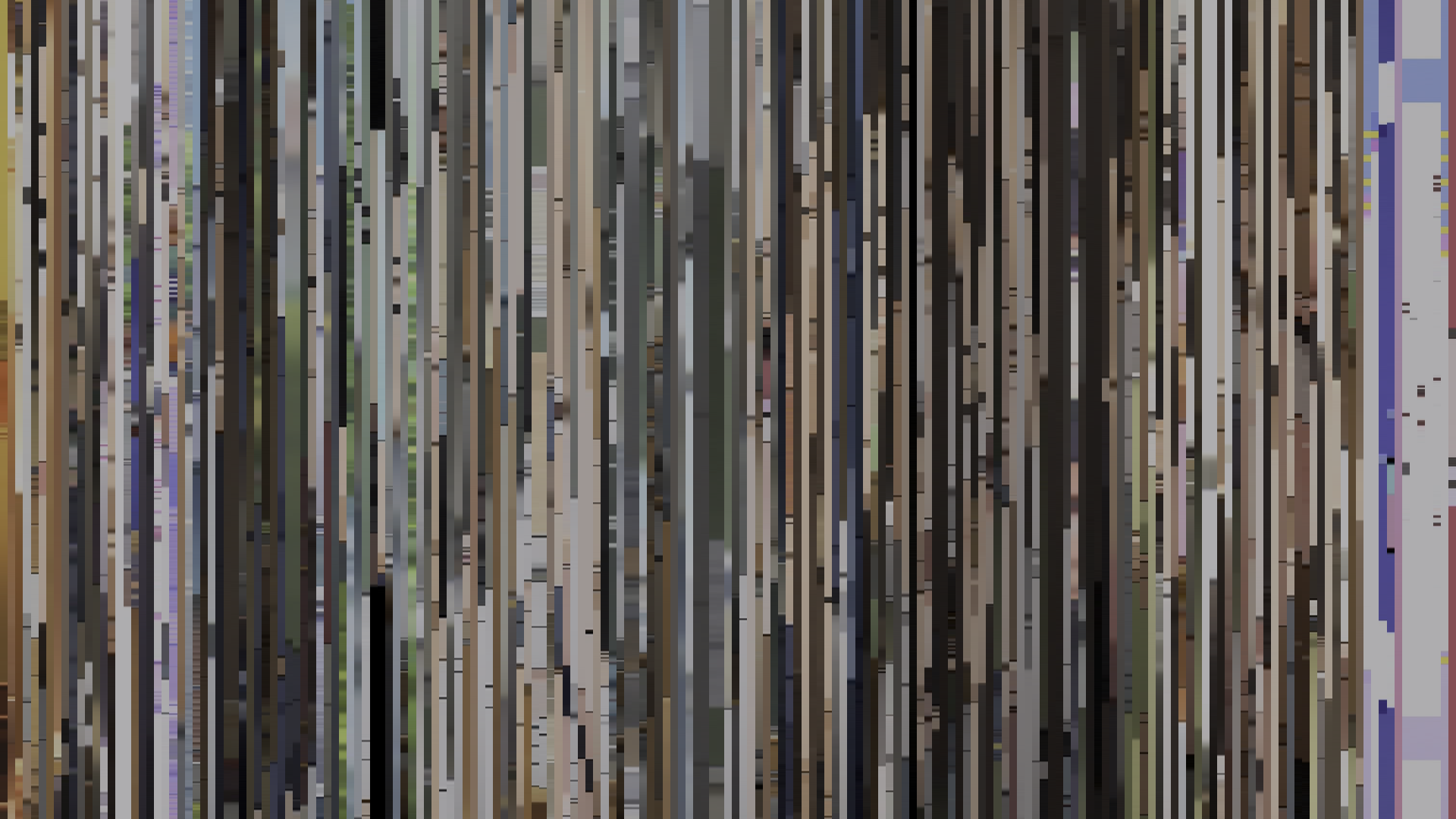
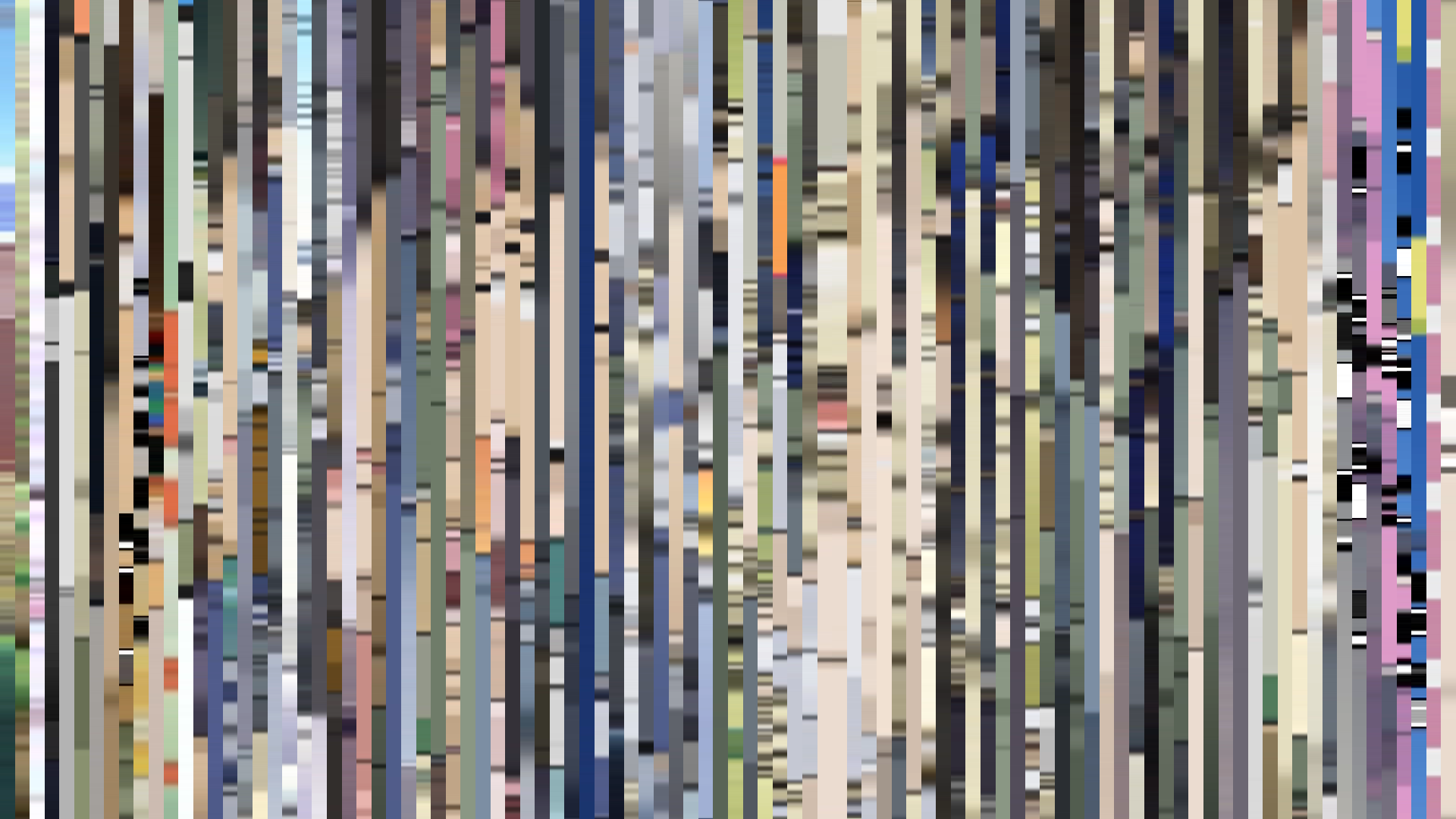
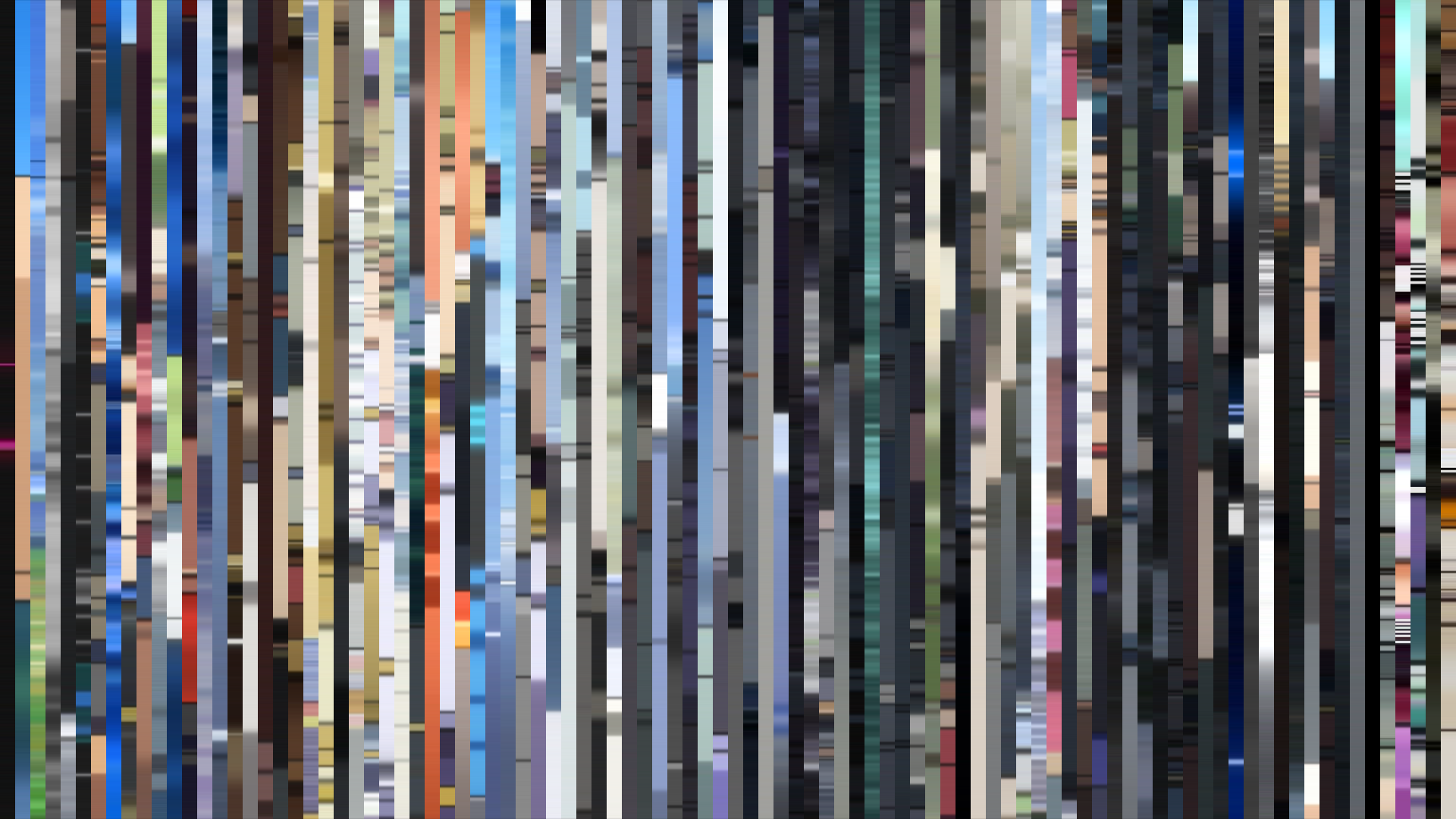
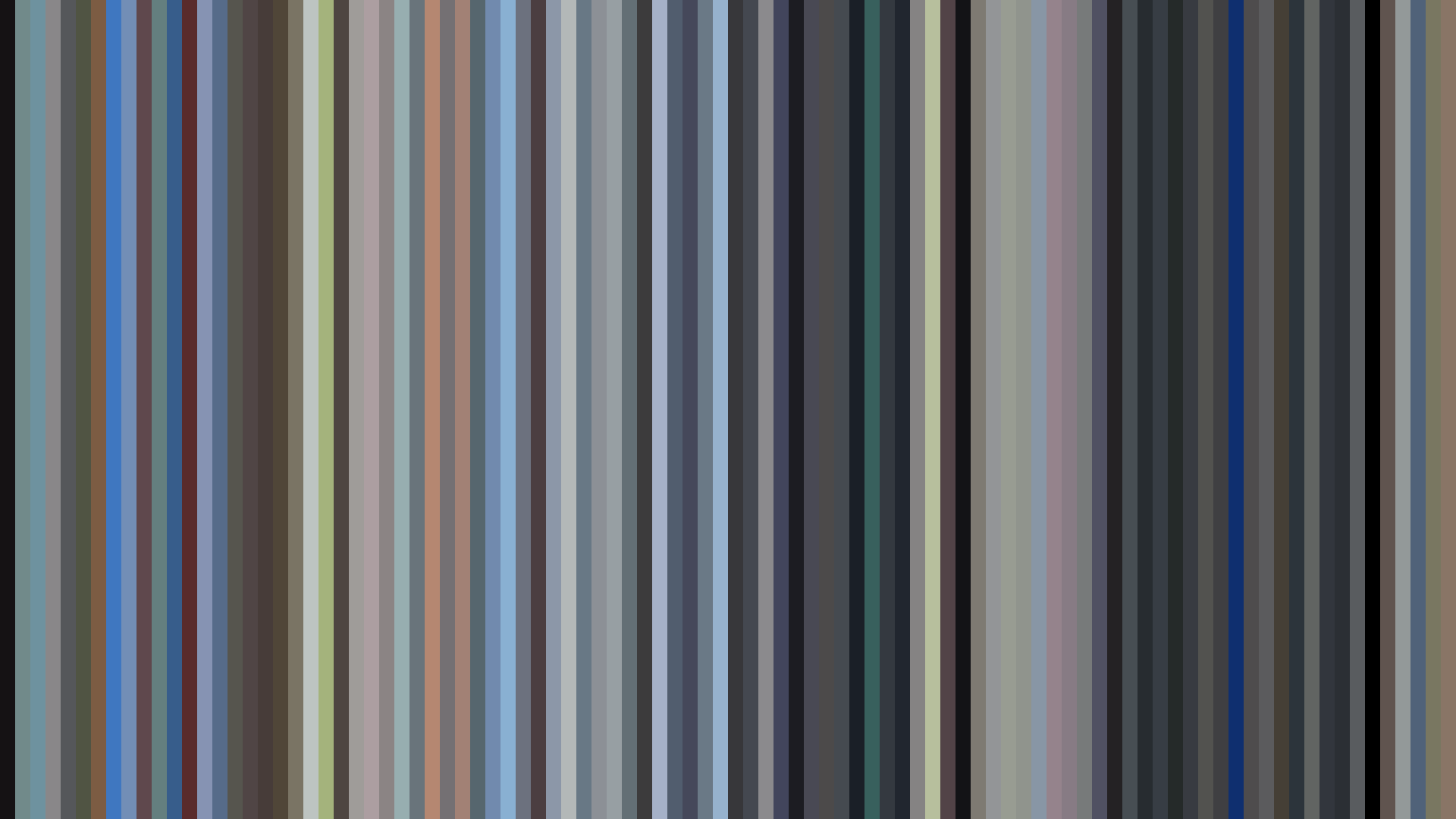
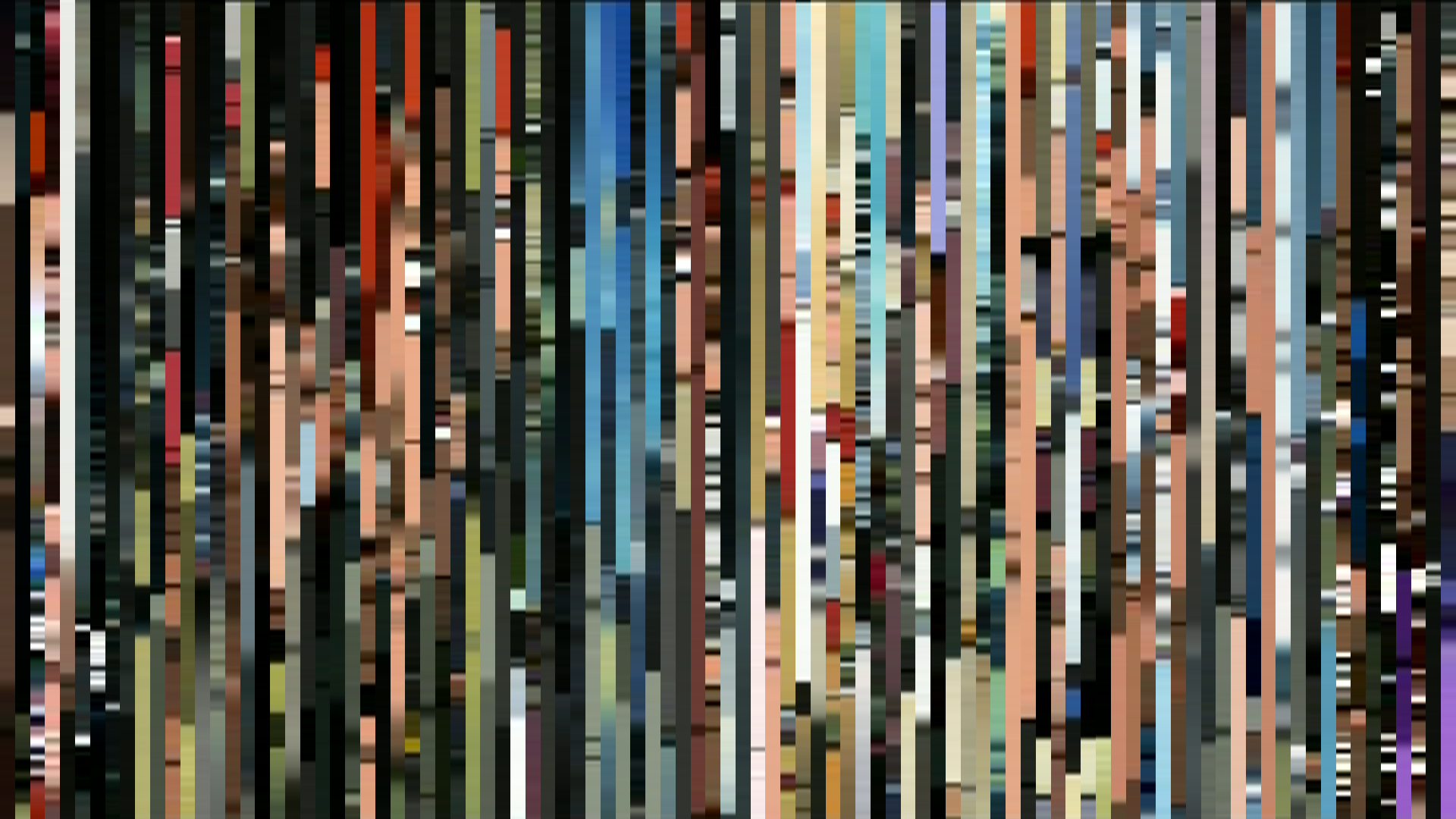
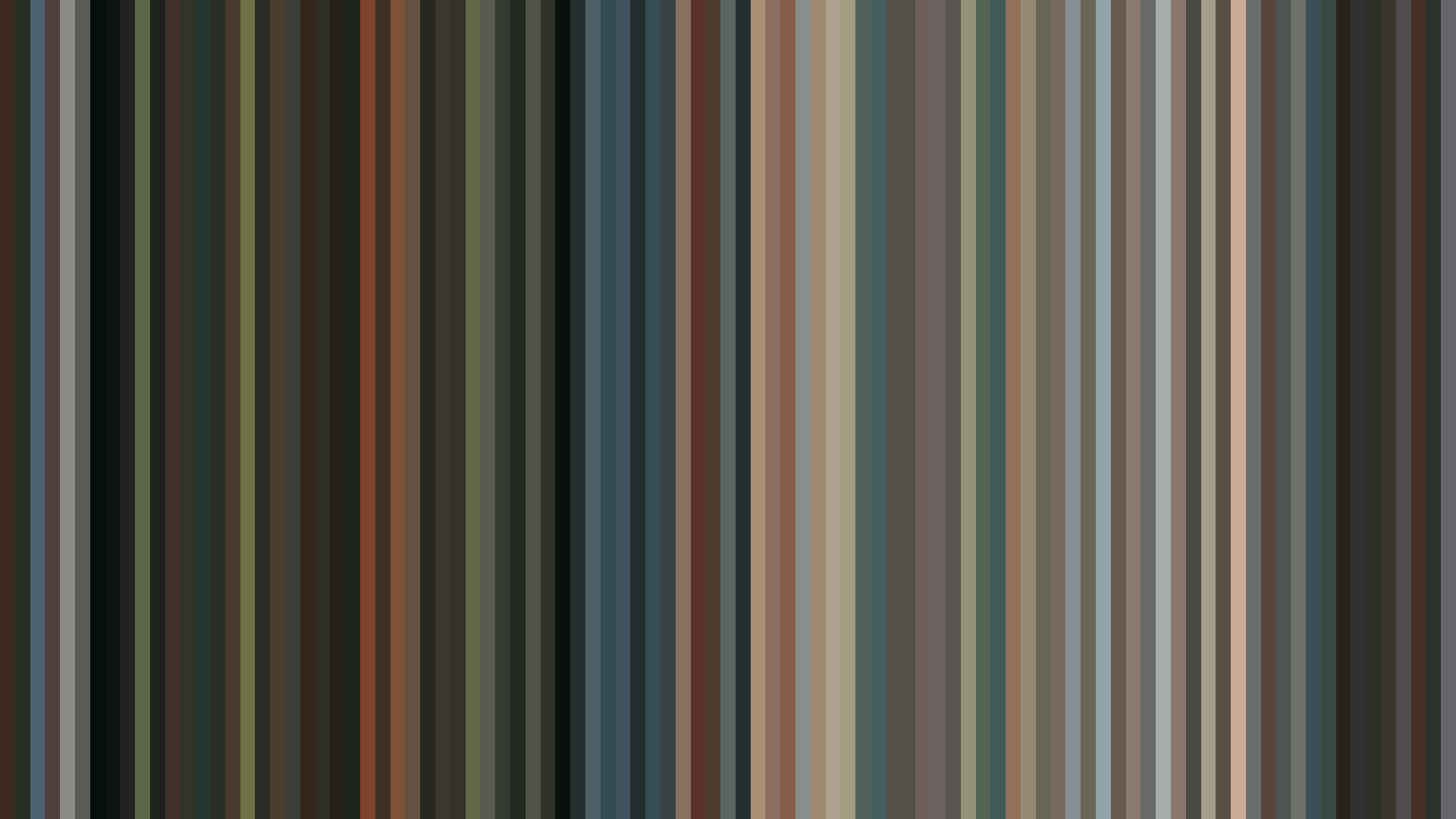
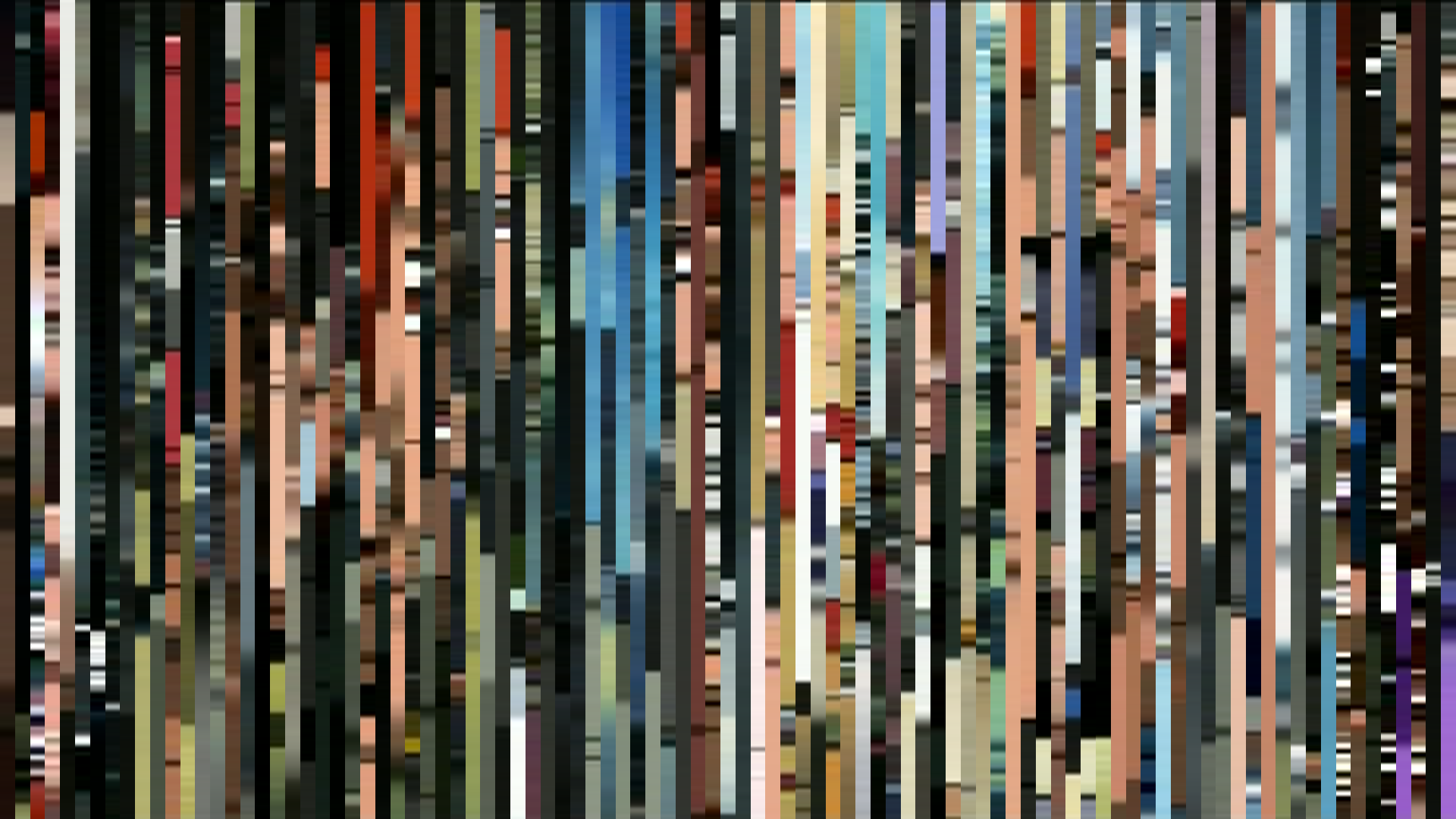
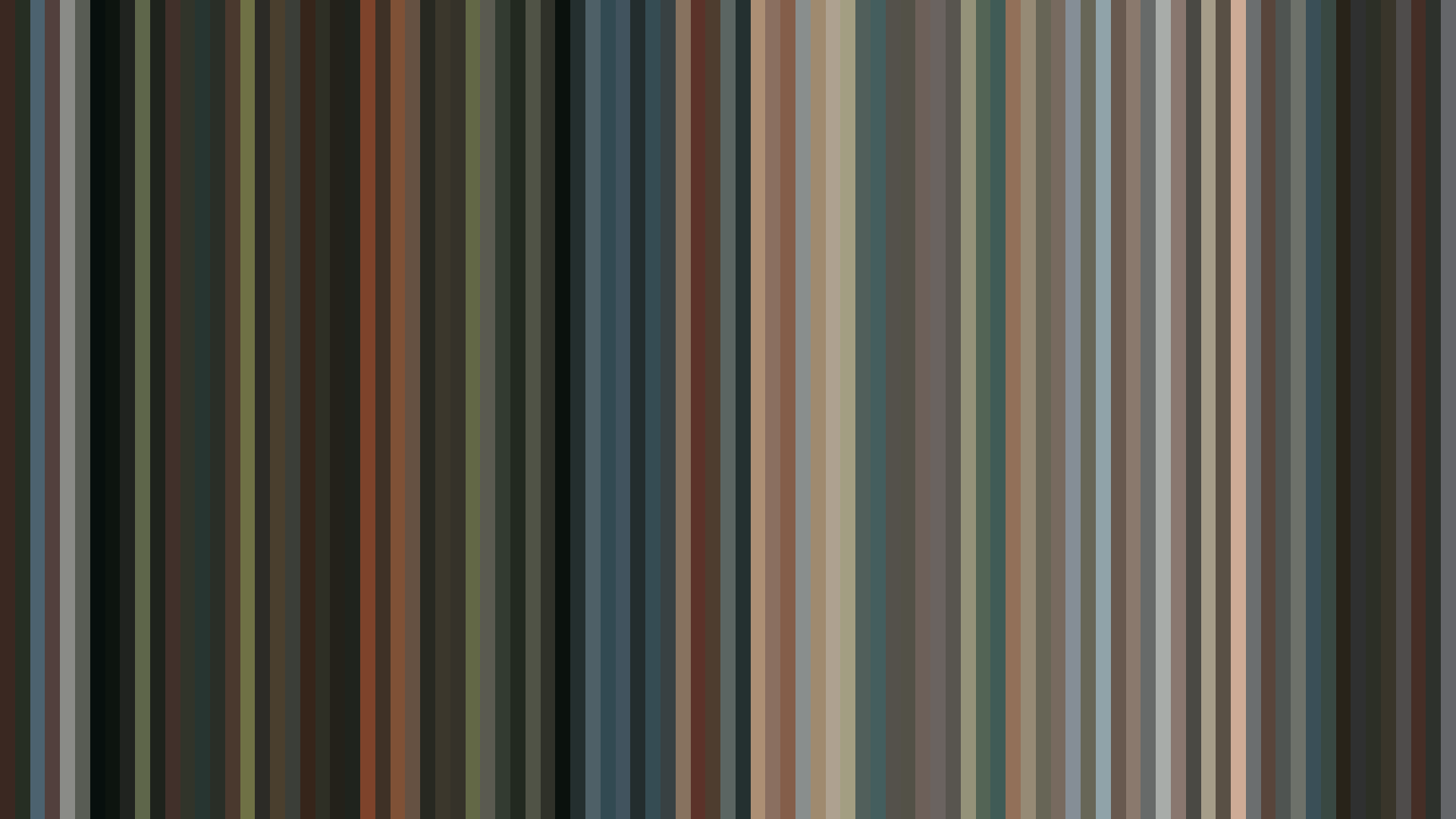
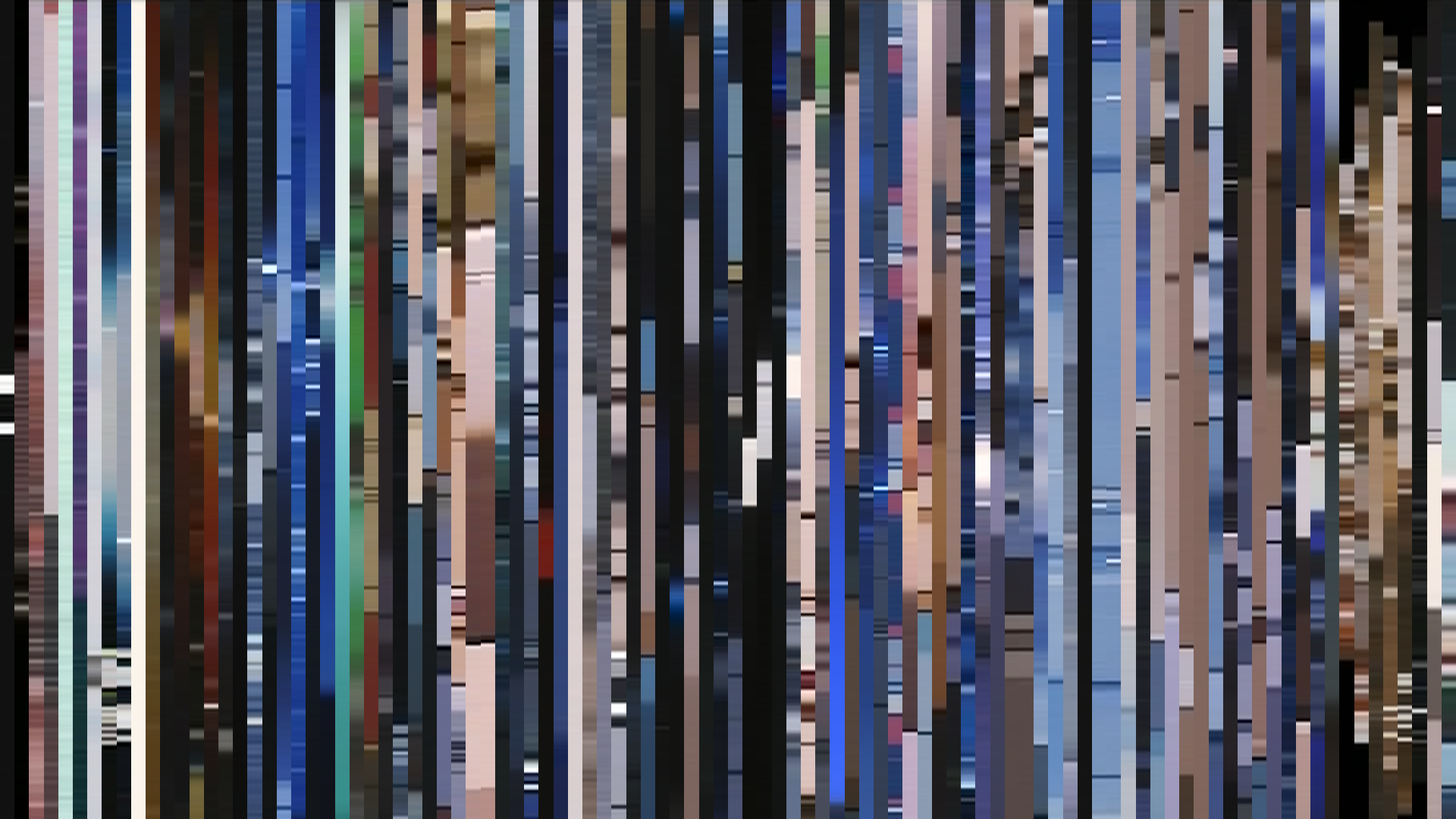
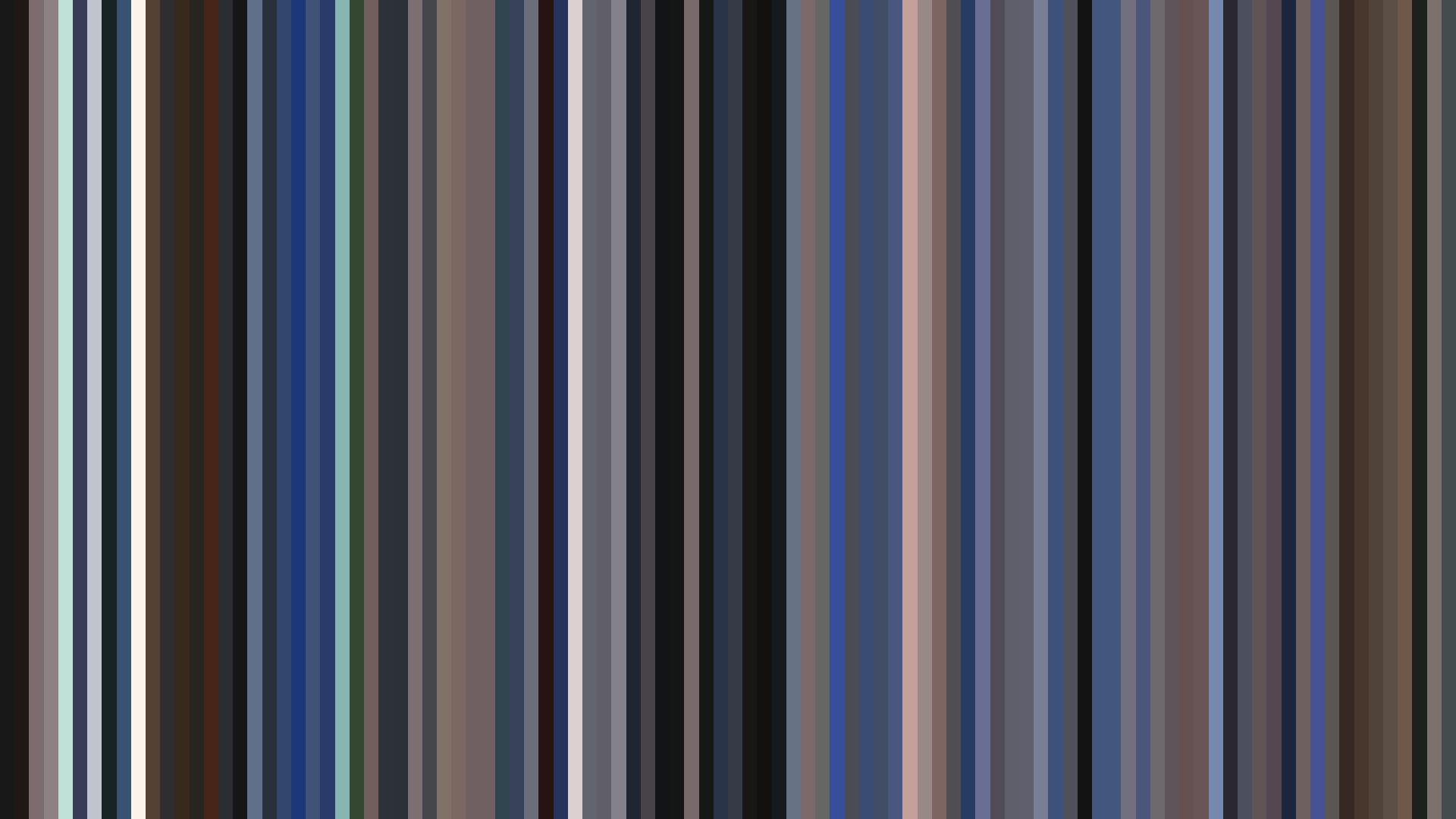
Frame Density Comparison — every 2nd vs every 4th frame
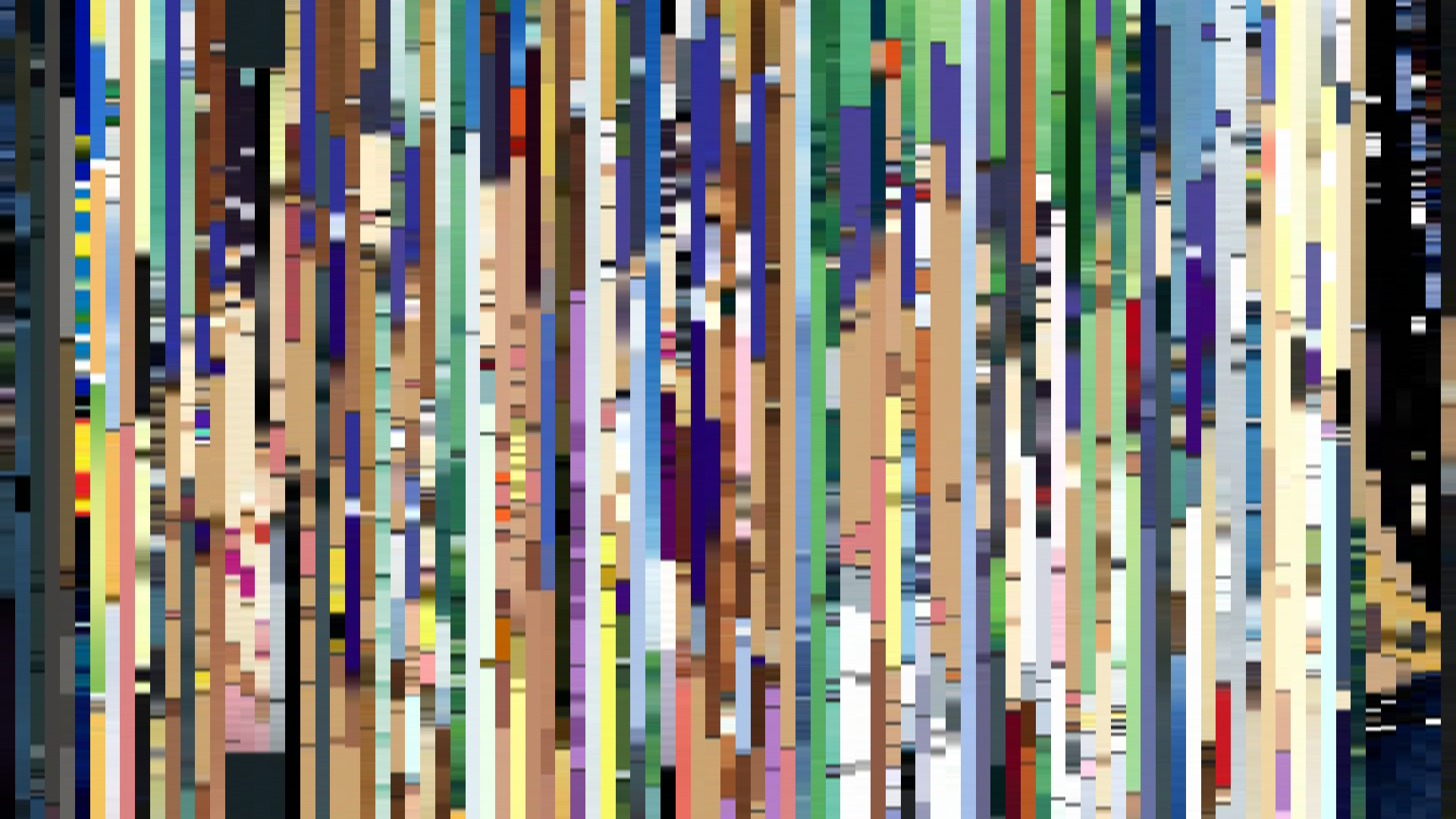
Slice · 15s
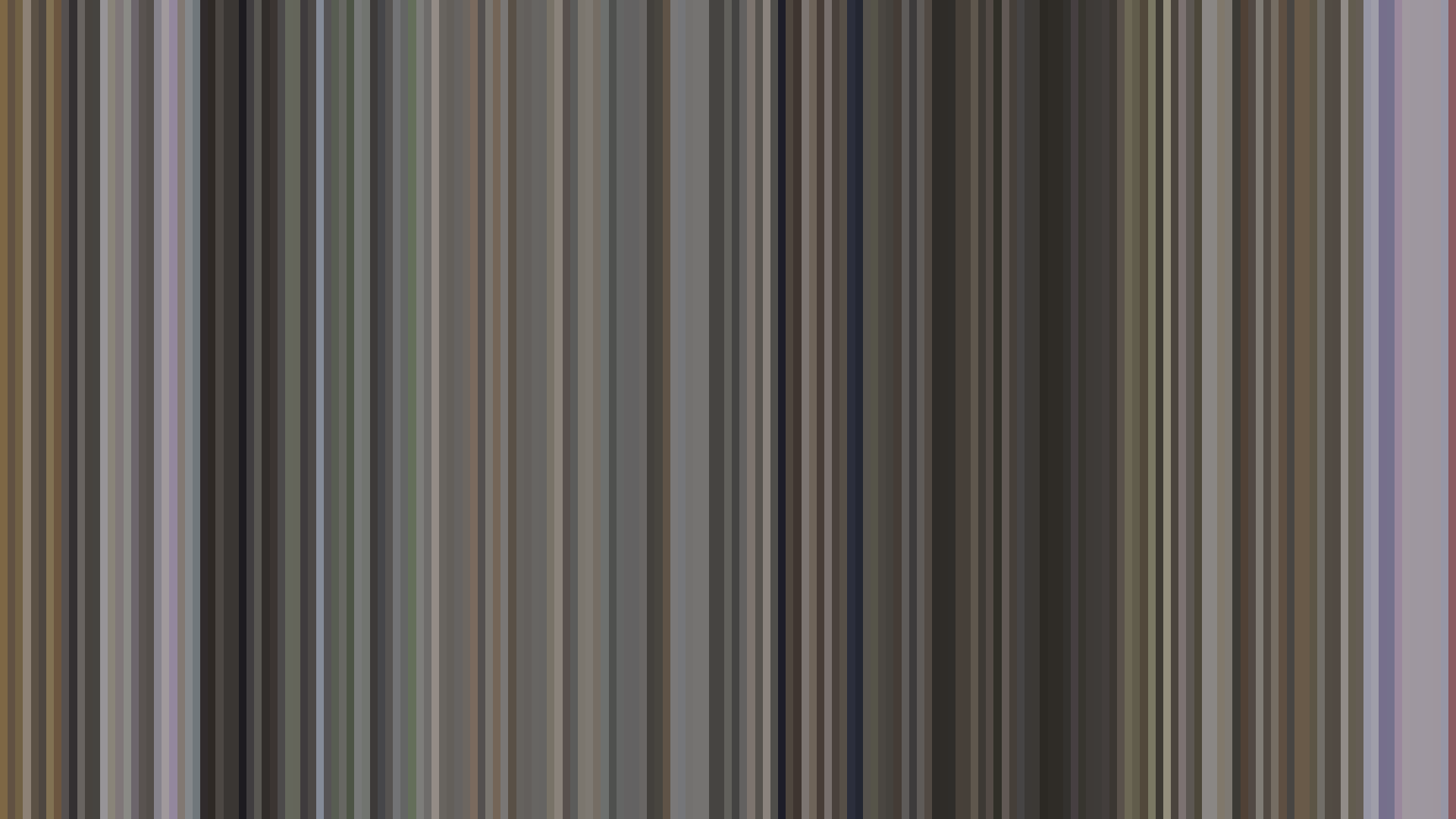
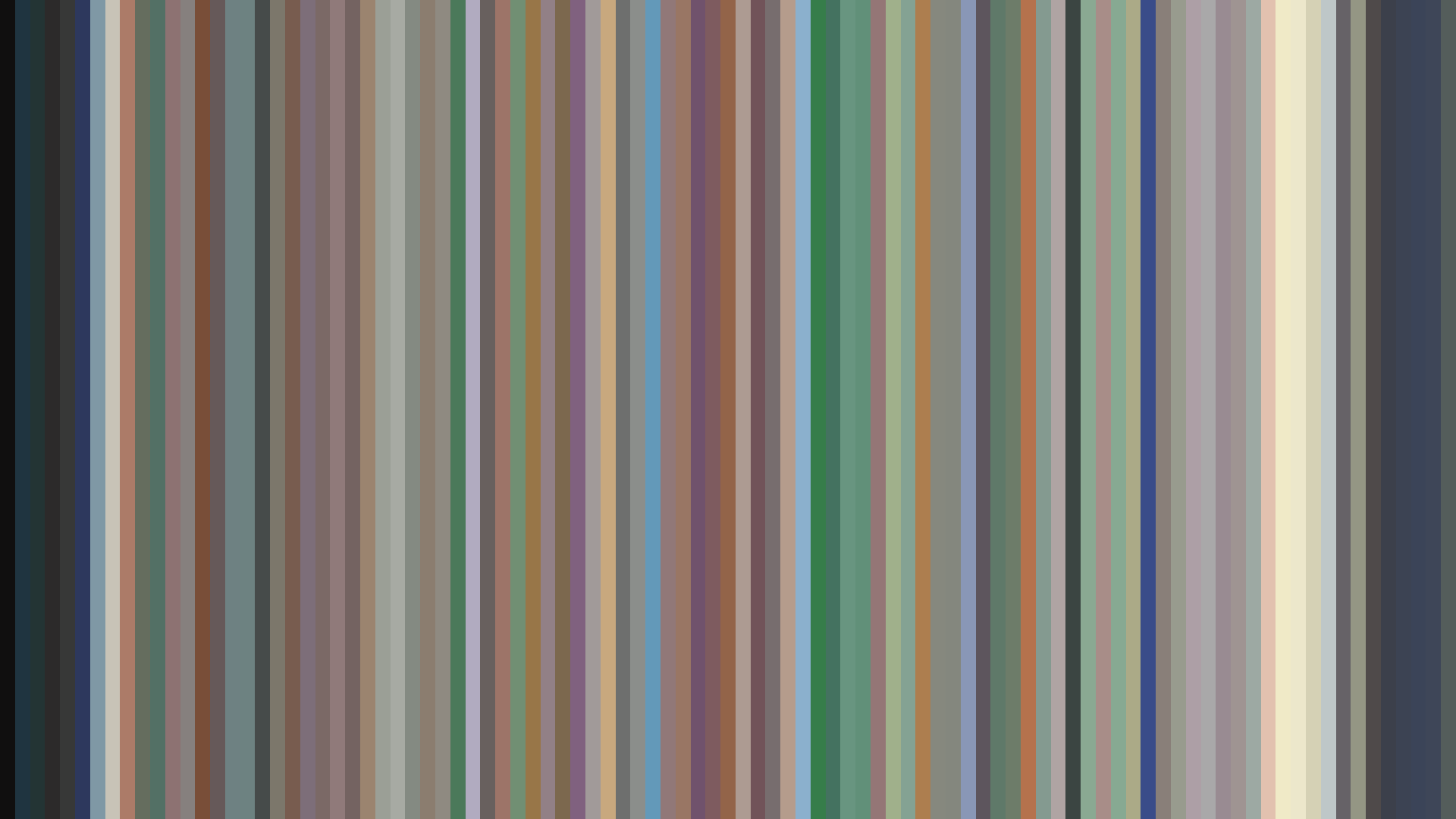
Avg · 15s
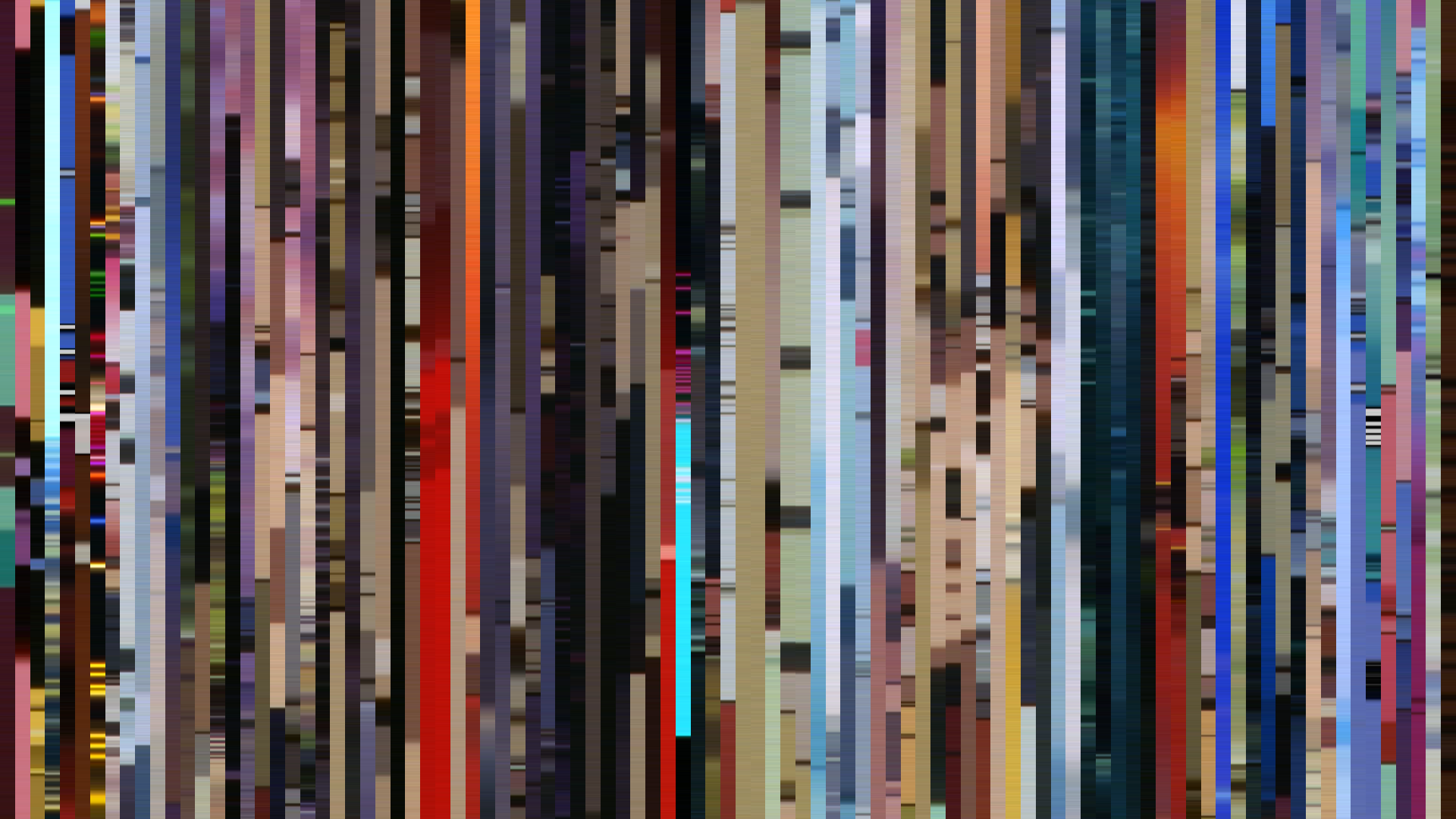
Slice · 30s
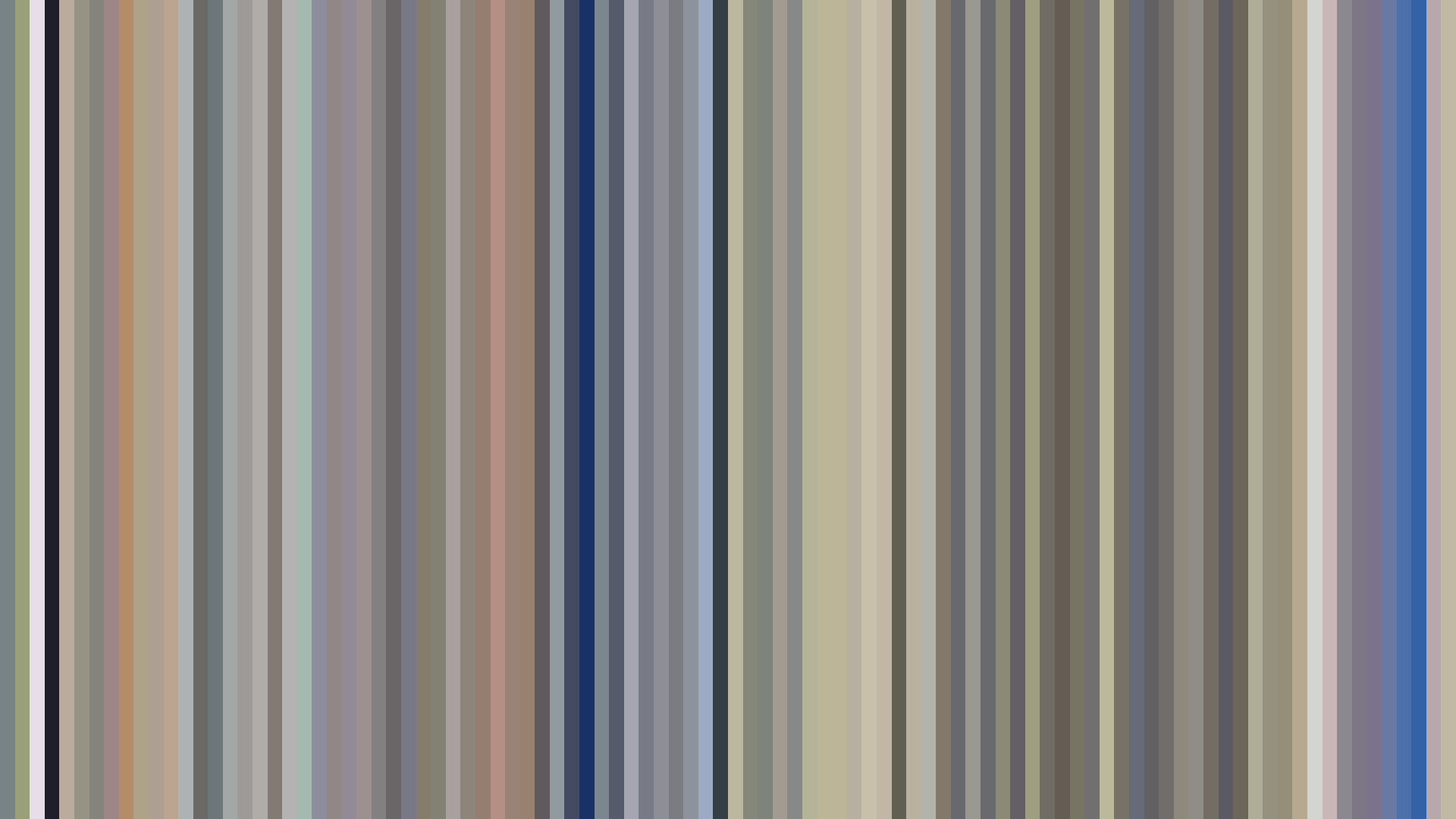
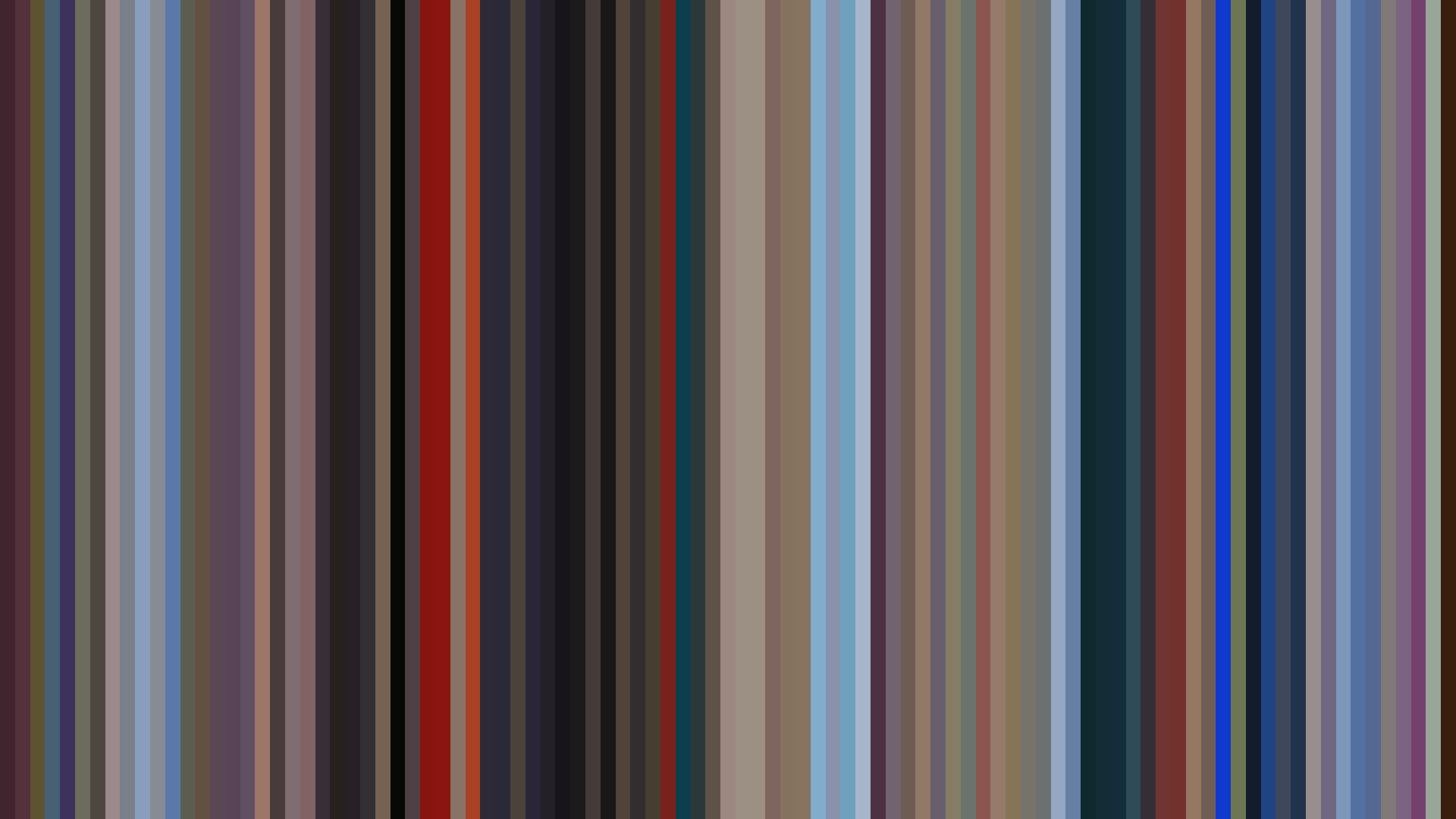
Avg · 30s
The barcode for *Fruits Basket* (2001) is a quiet admission of loss. With a dark opening arc—brightness dropping from 0.528 to a mid-series low of 0.465 before a hesitant recovery—Studio Deen and director Akitaro Daichi refuse the warm, sunlit promise typical of early-2000s romance. The palette, dominated by Red (26%) but muted into ash and beige, tells a story of a household where the curse isn’t just the Zodiac transformation but the emotional chill of its secrecy. The average saturation of 0.129 is conspicuously low for a show about magical animals; the colors are trapped, like the Sohma family itself. What looks like a typical shōjo romance in its surface hues is actually a study in desaturated trauma. The closing act’s slight brightness uptick (0.496) doesn’t signal triumph—it’s the fragile light of a door left slightly ajar. This is neither a fairy tale nor a tragedy, but the barcode of a world where the warmest color is resignation.
Brightness Arc (episode progression)
Hue Distribution
Act Breakdown
Opening
0.528
Middle
0.465
Closing
0.496
Avg Brightness
0.479
Avg Saturation
0.129
Warmth
0.506
Color Palette
#19191D
#5D5B61
#A29F9C
#E6E0D9
#CCB6A2
#D5CBB0
#647191
#343548
3-Act Color Story
Opening
Middle
Closing
Color Twins
Perceptually nearest palettes — measured in OKLab space, not RGB
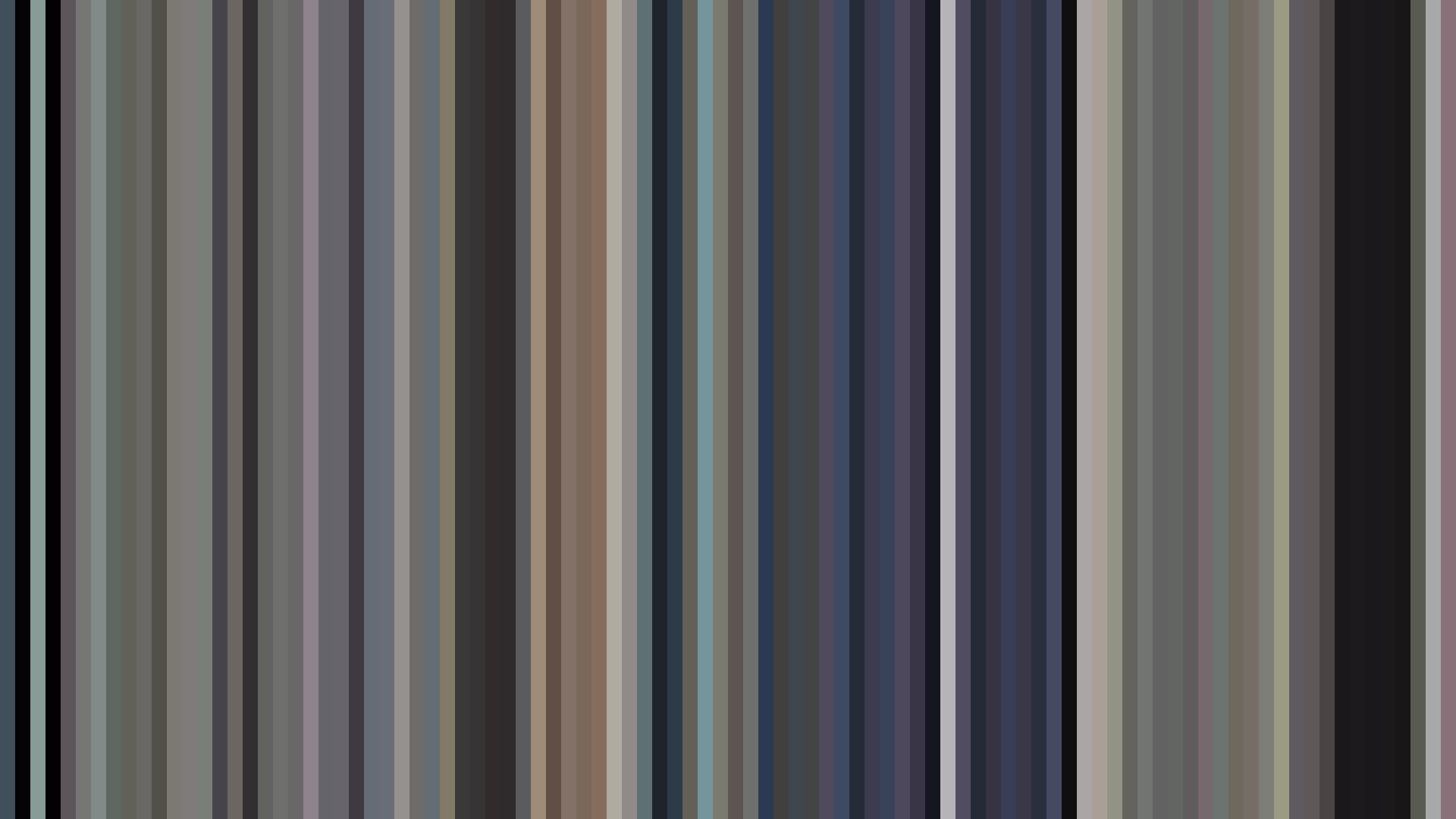
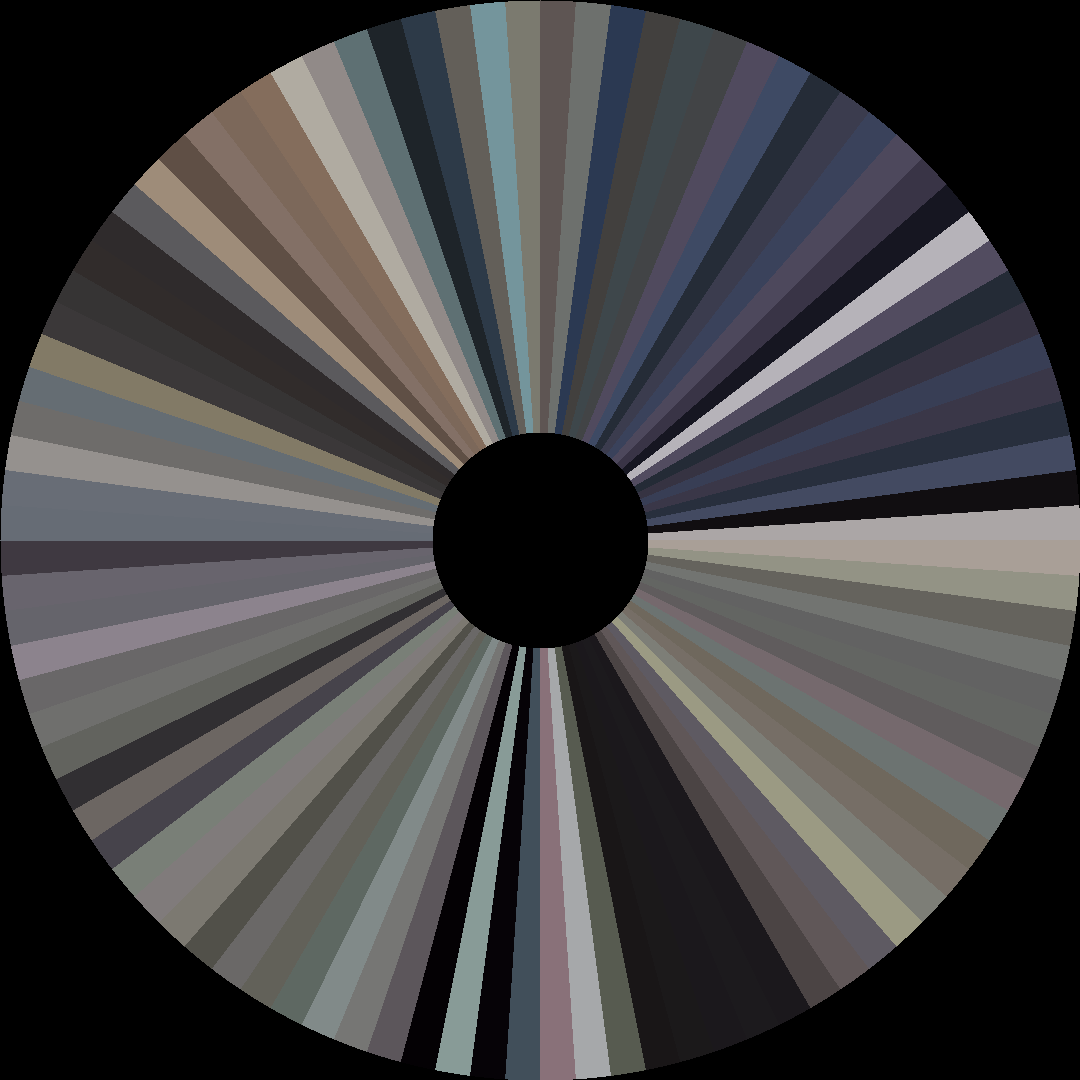






The barcode for *Fruits Basket* (2001) is a quiet admission of loss. With a dark opening arc—brightness dropping from 0.528 to a mid-series low of 0.465 before a hesitant recovery—Studio Deen and director Akitaro Daichi refuse the warm, sunlit promise typical of early-2000s romance. The palette, dominated by Red (26%) but muted into ash and beige, tells a story of a household where the curse isn’t just the Zodiac transformation but the emotional chill of its secrecy. The average saturation of 0.129 is conspicuously low for a show about magical animals; the colors are trapped, like the Sohma family itself. What looks like a typical shōjo romance in its surface hues is actually a study in desaturated trauma. The closing act’s slight brightness uptick (0.496) doesn’t signal triumph—it’s the fragile light of a door left slightly ajar. This is neither a fairy tale nor a tragedy, but the barcode of a world where the warmest color is resignation.