Edit Pace — frame-to-frame color delta (bright = fast cuts)
Color Temperature — warm (gold) vs cool (teal) per frame
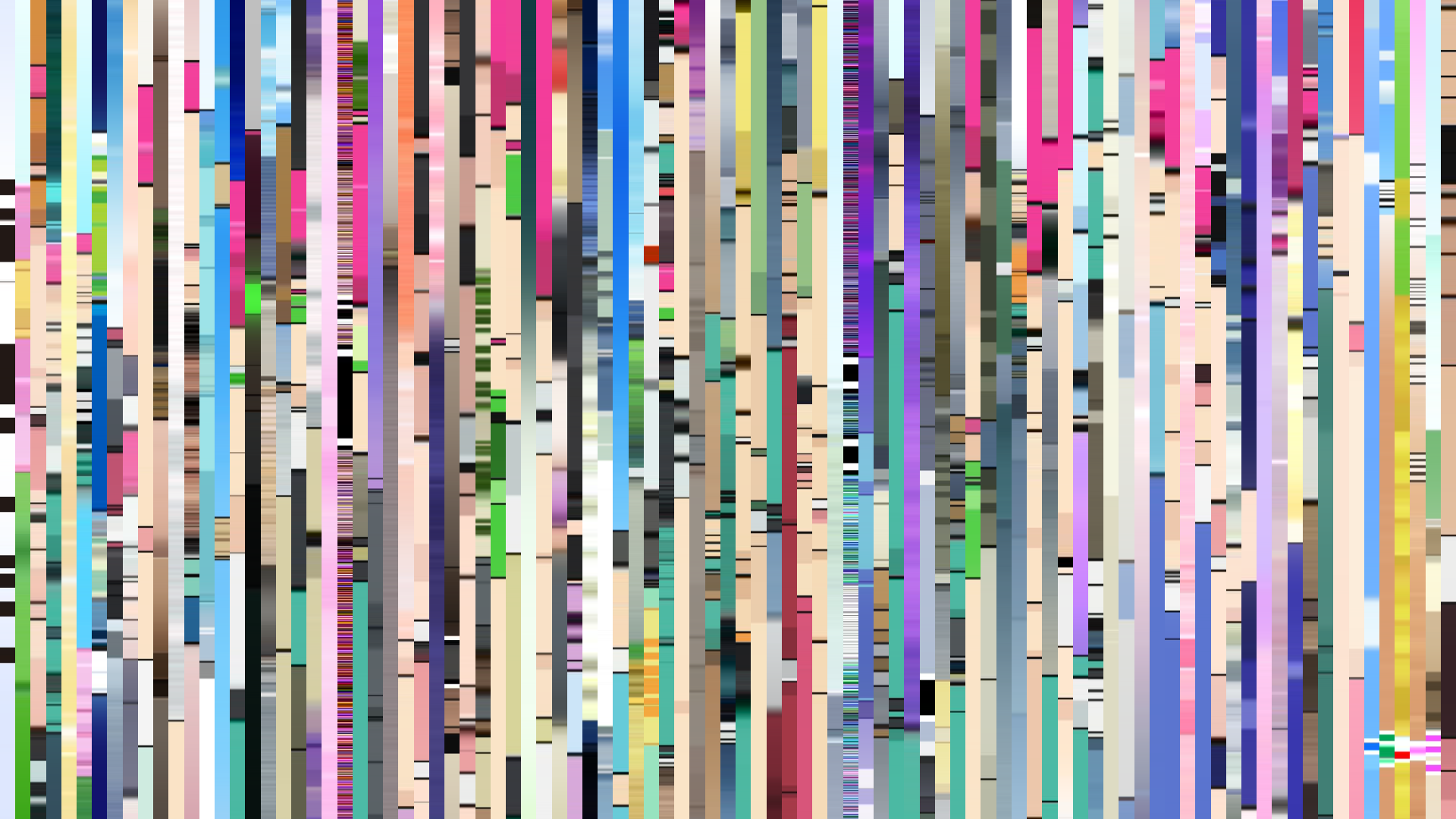
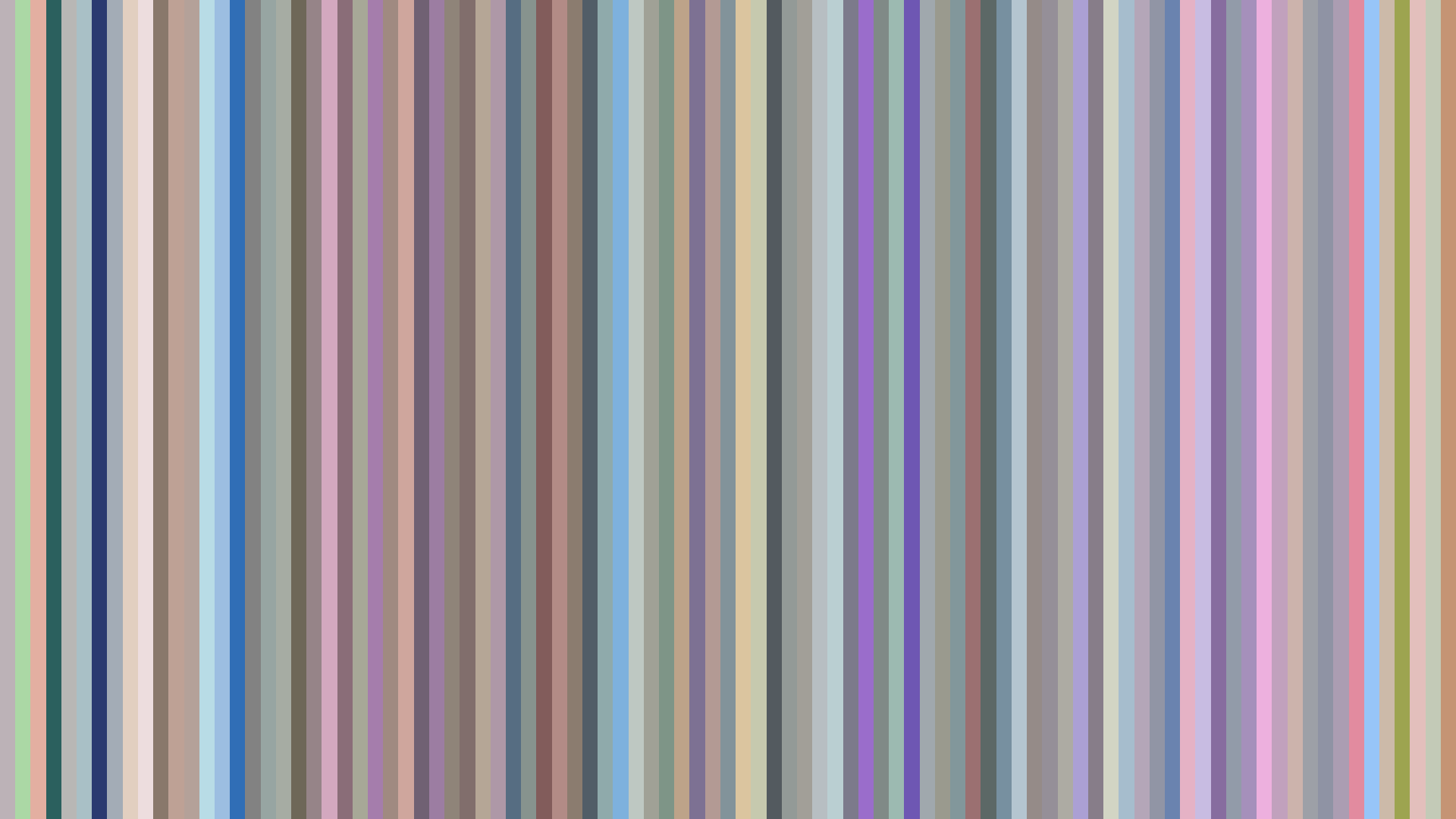
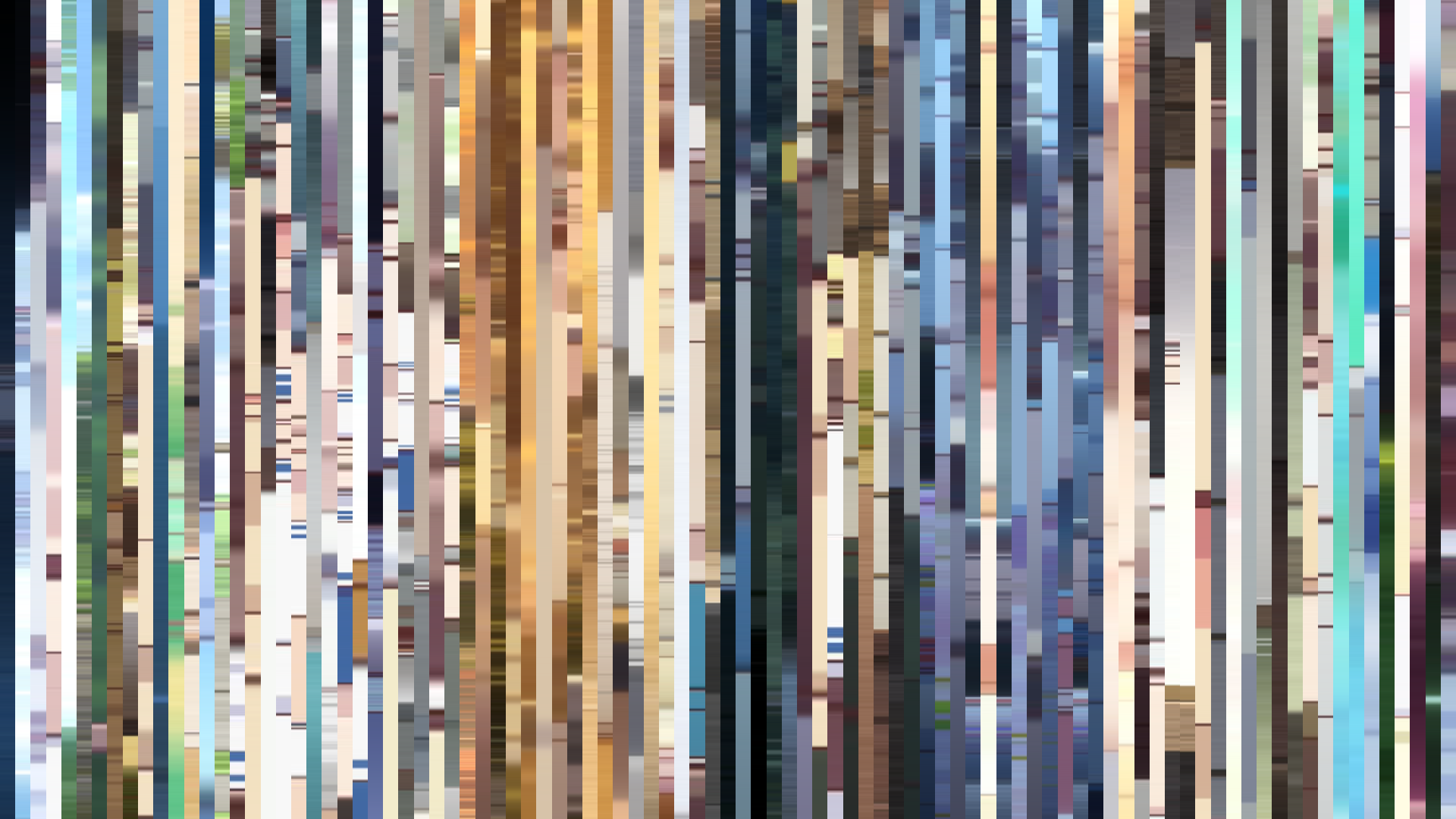
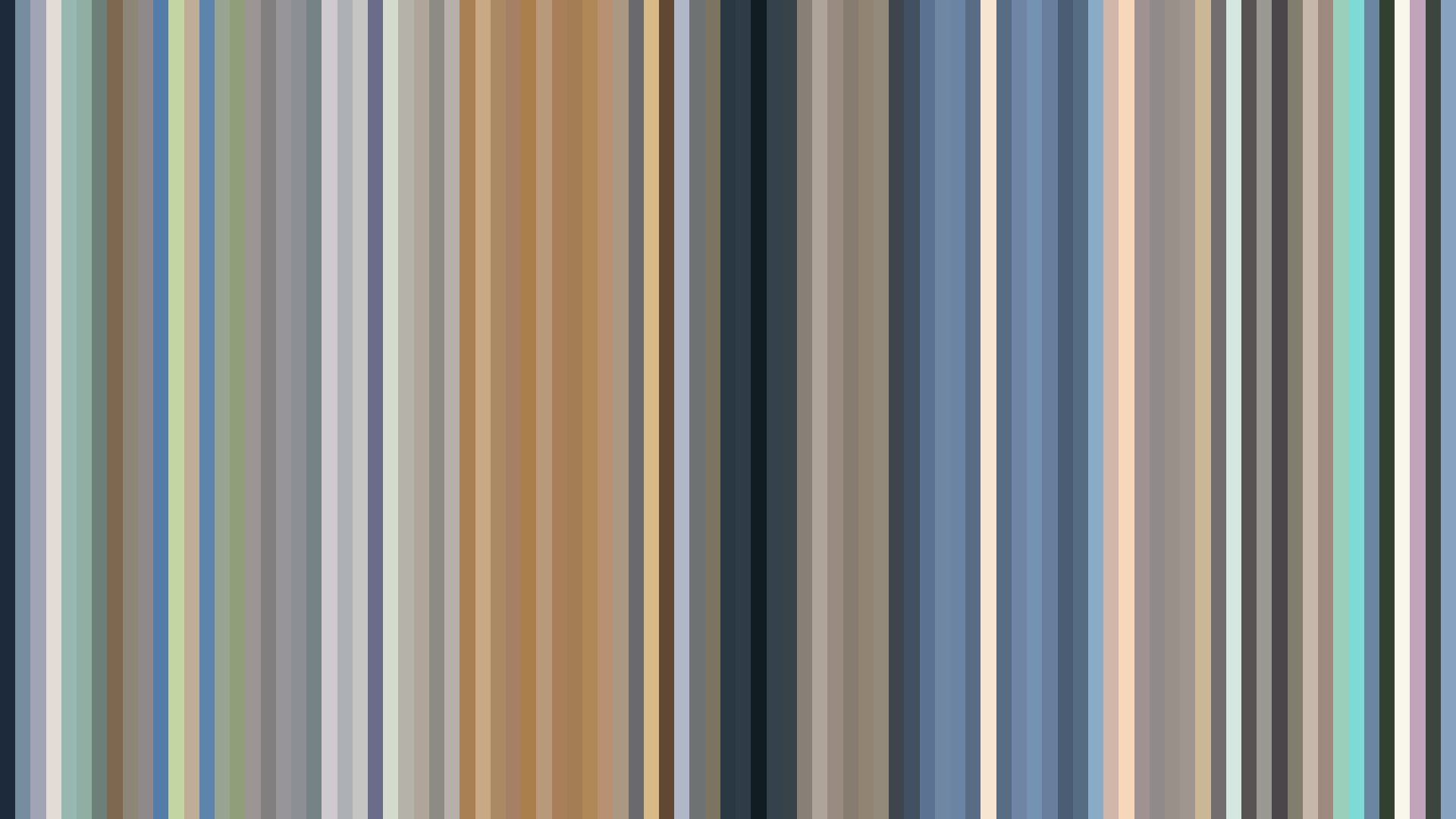
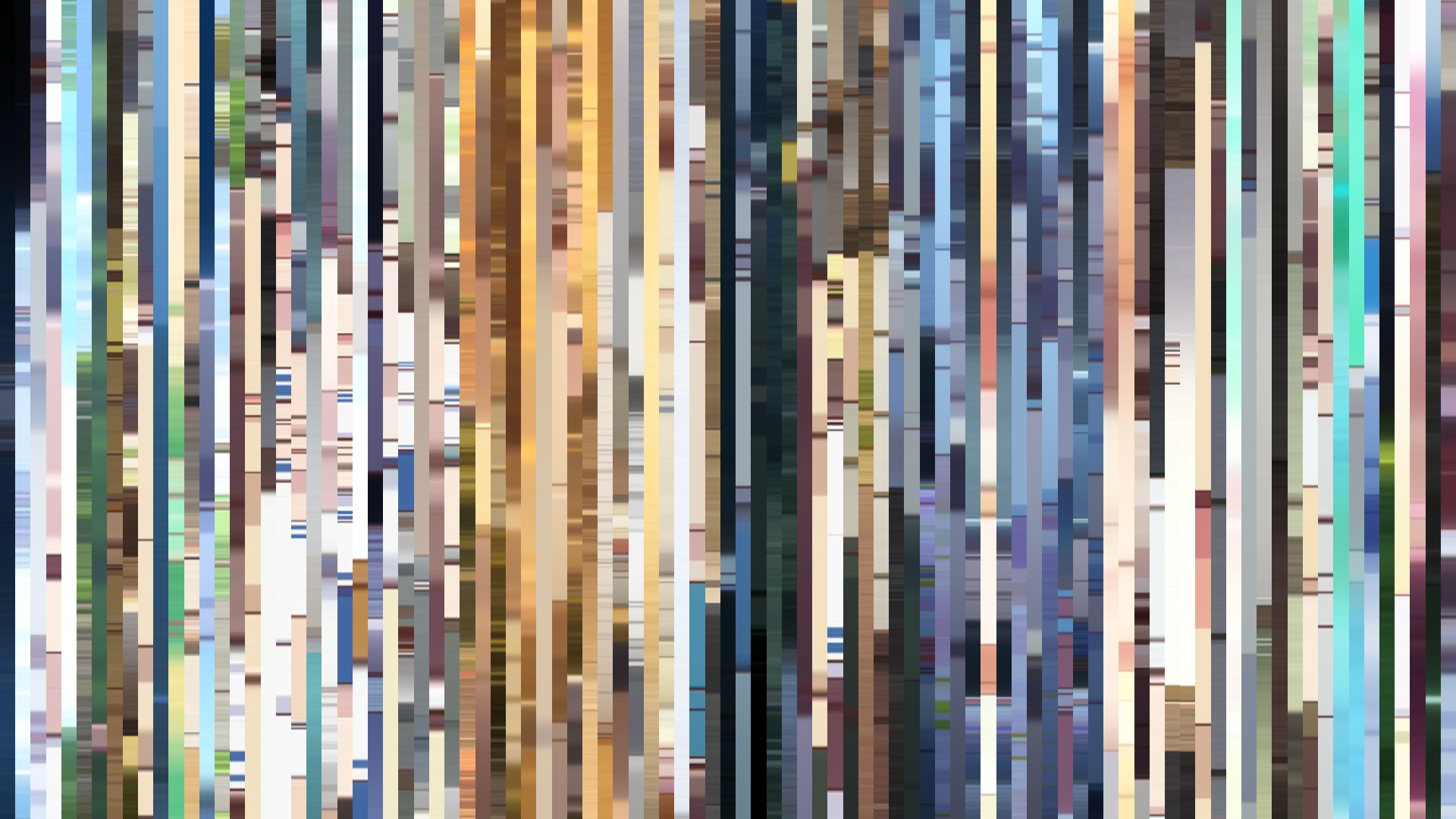
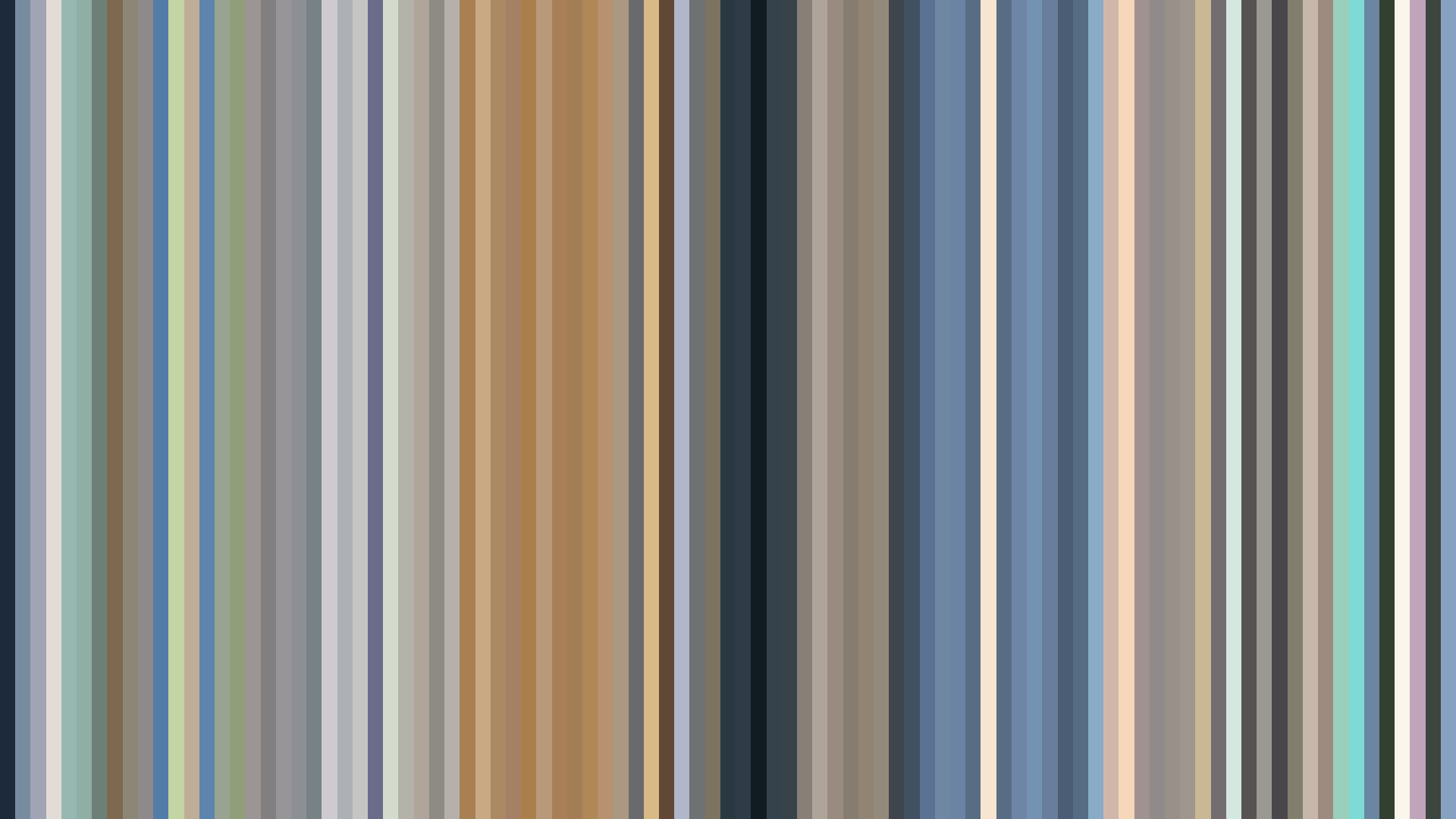
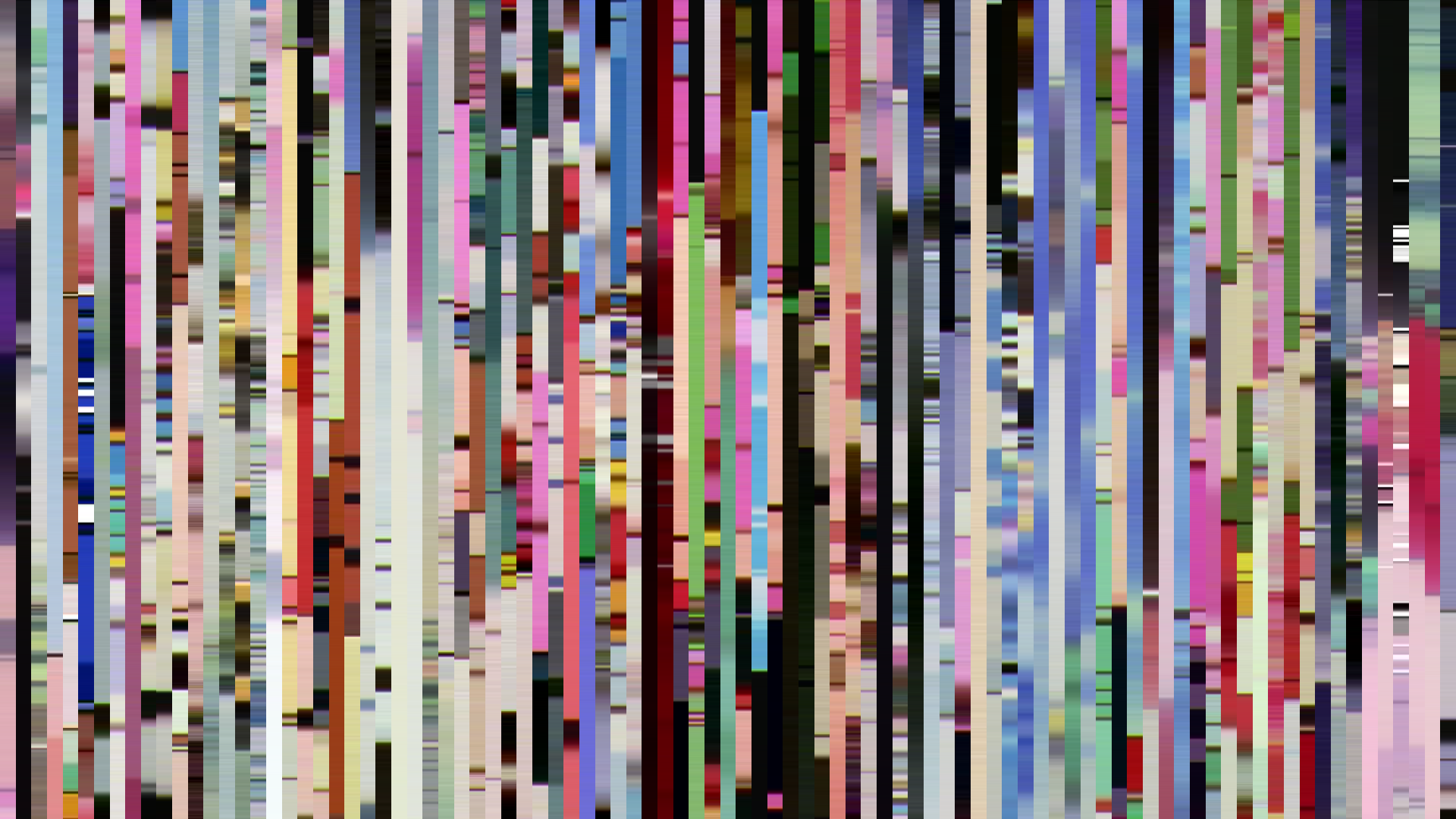
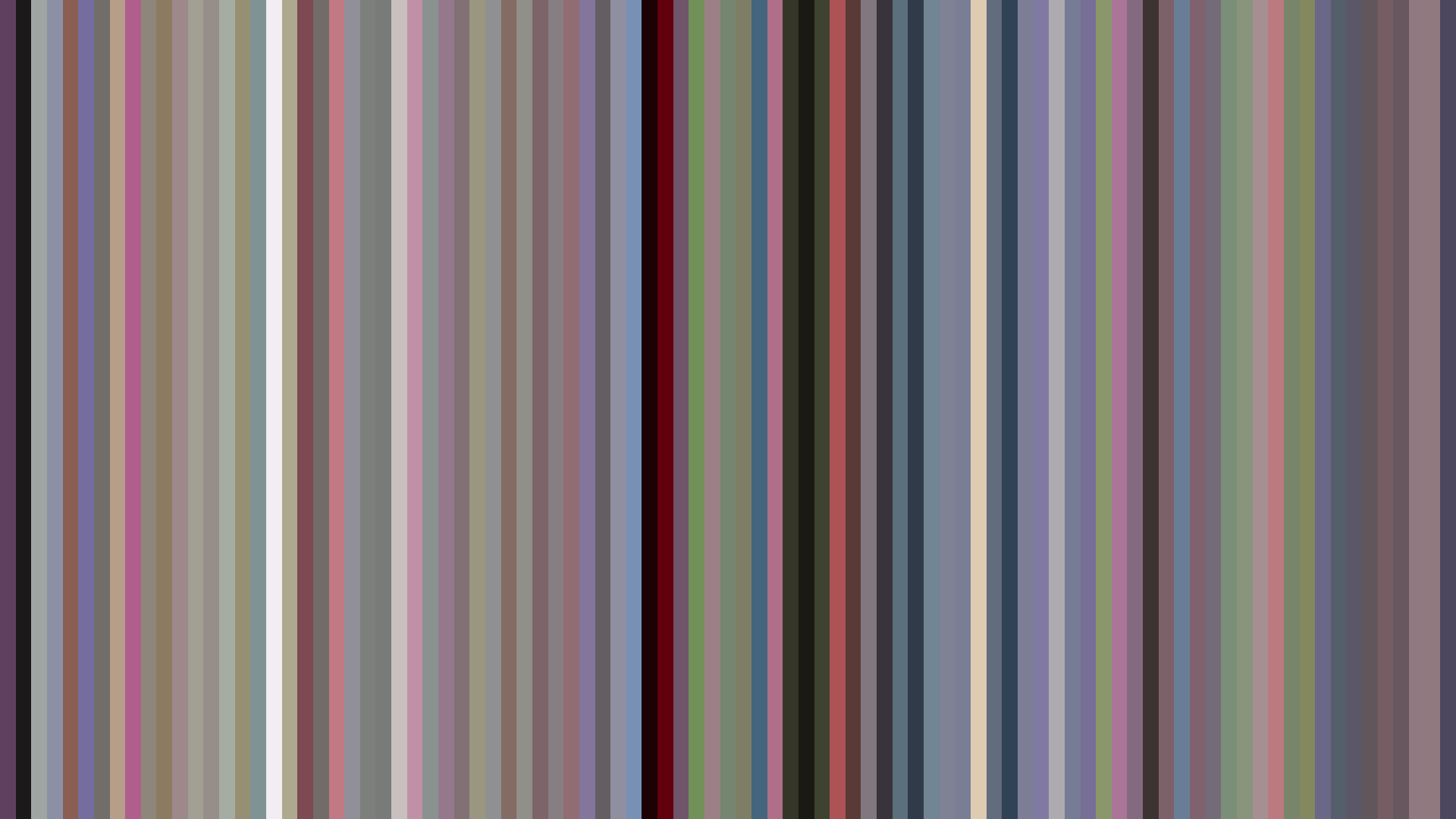
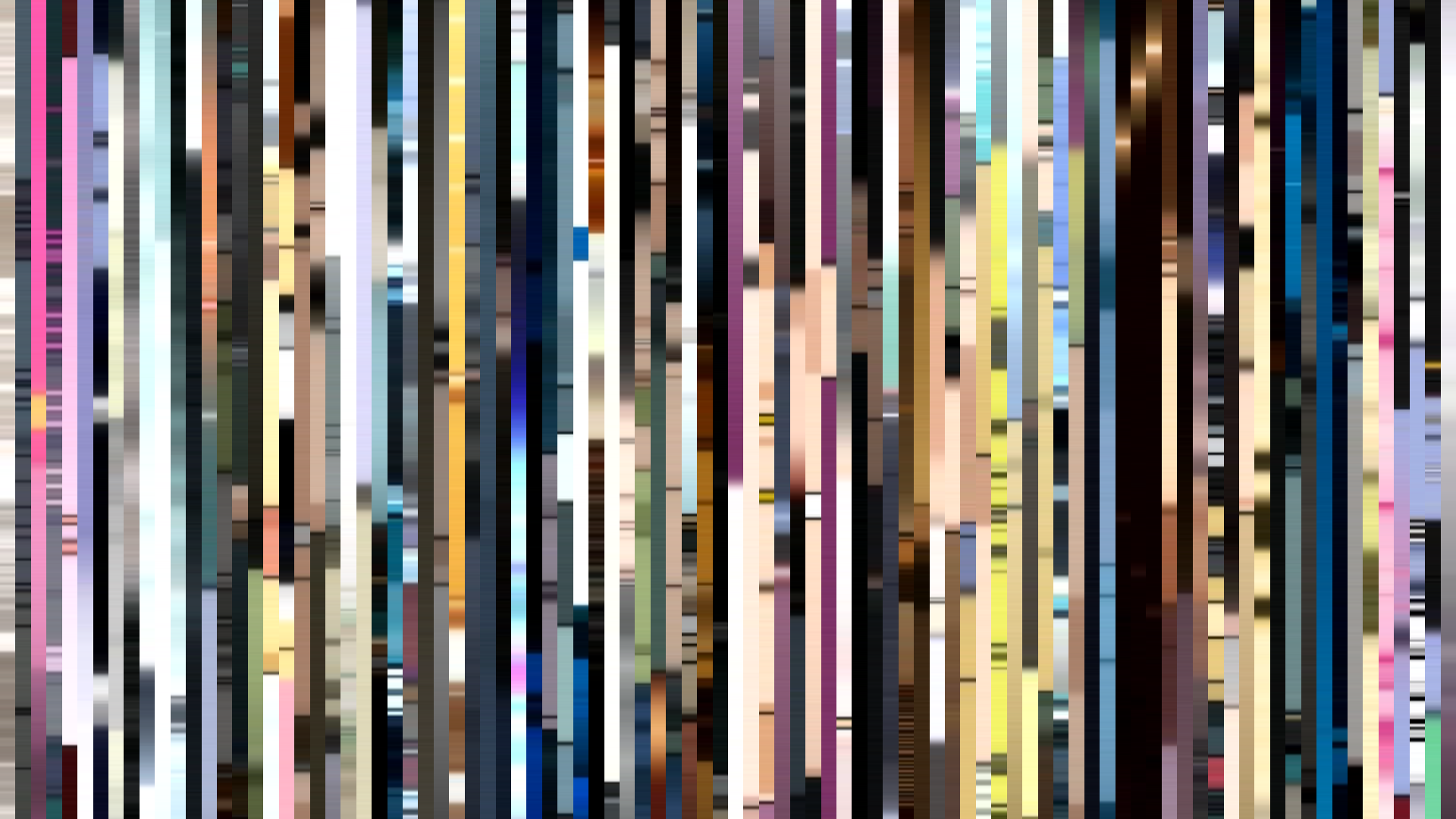
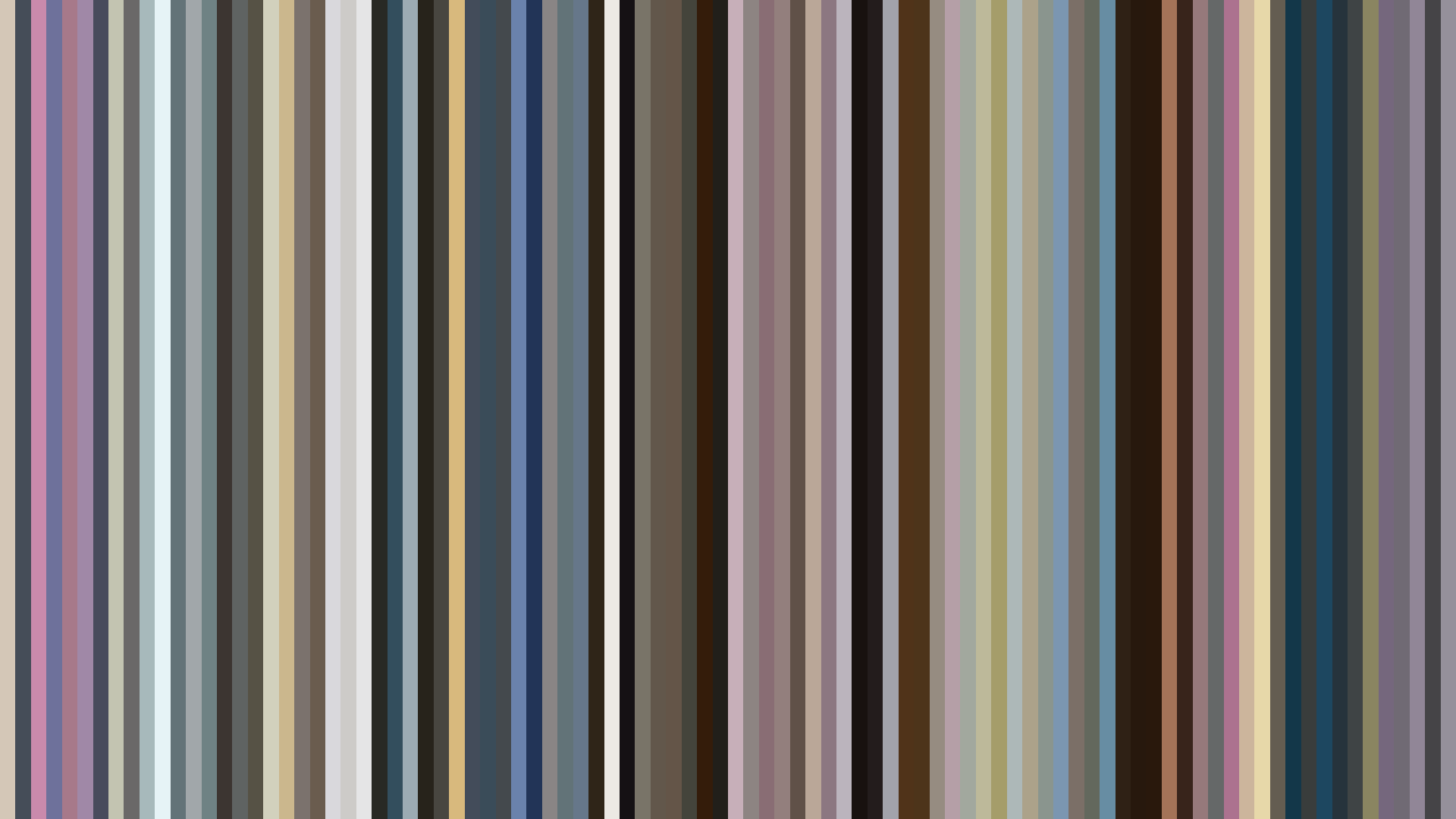
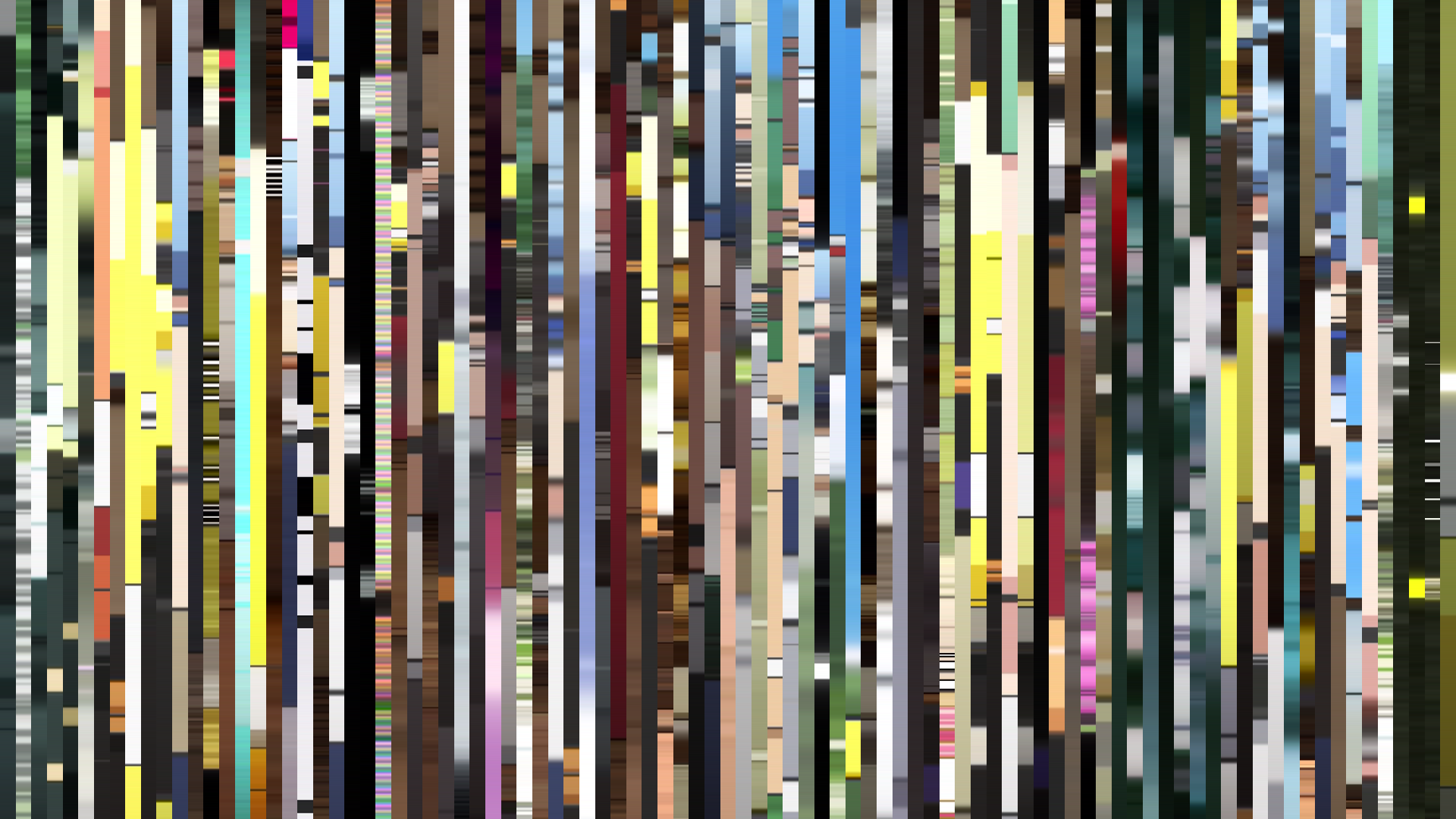
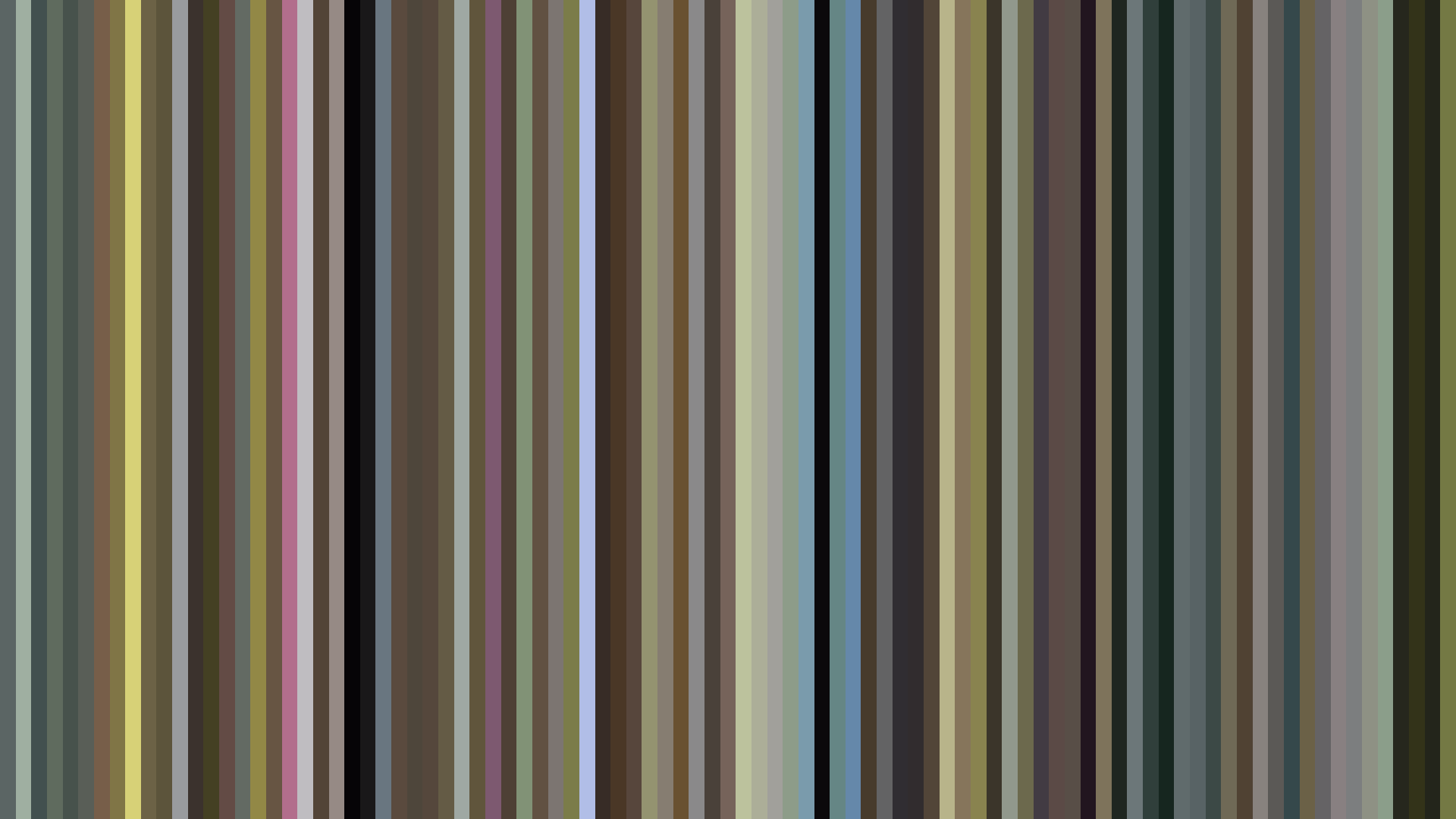
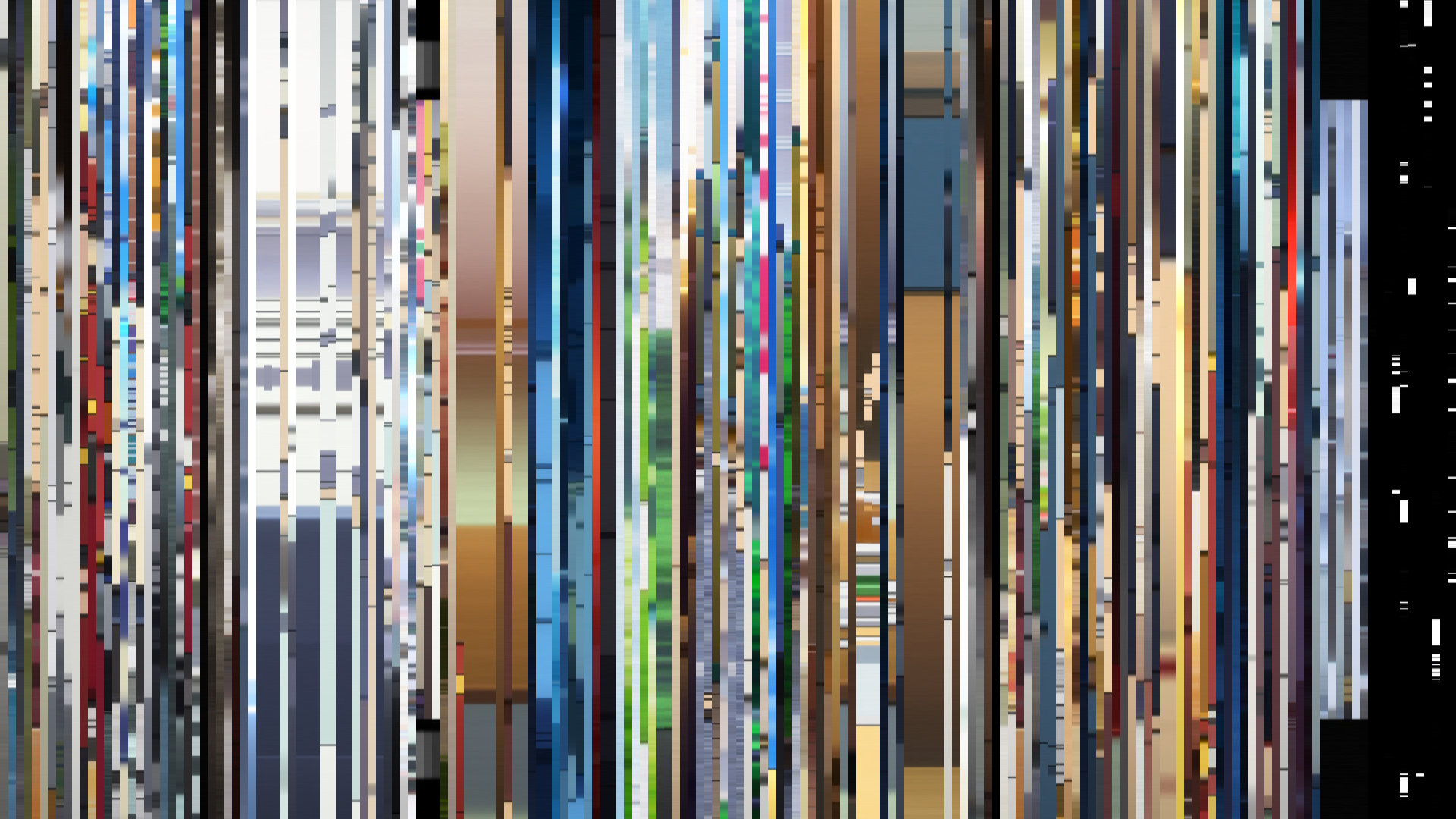
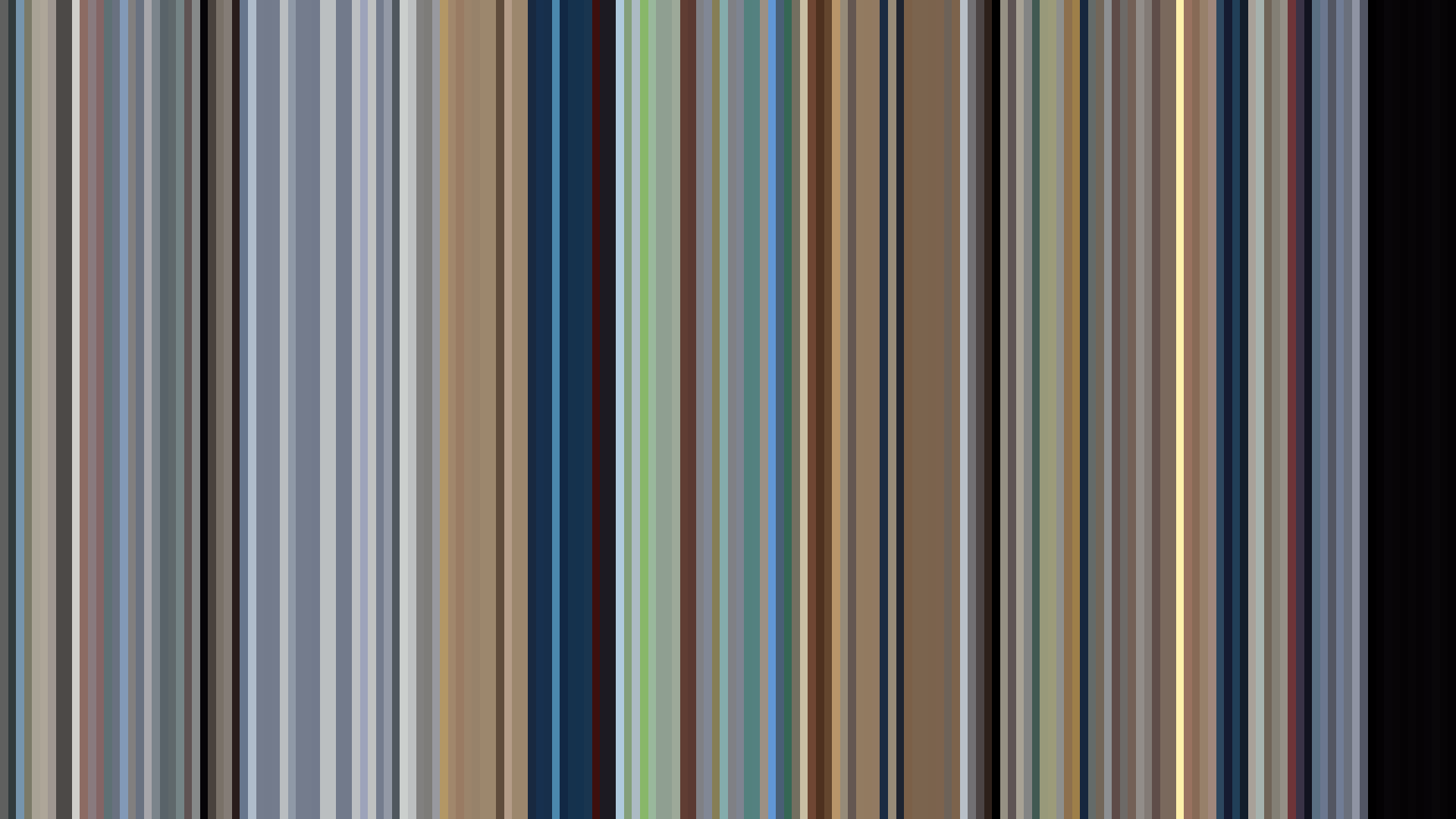
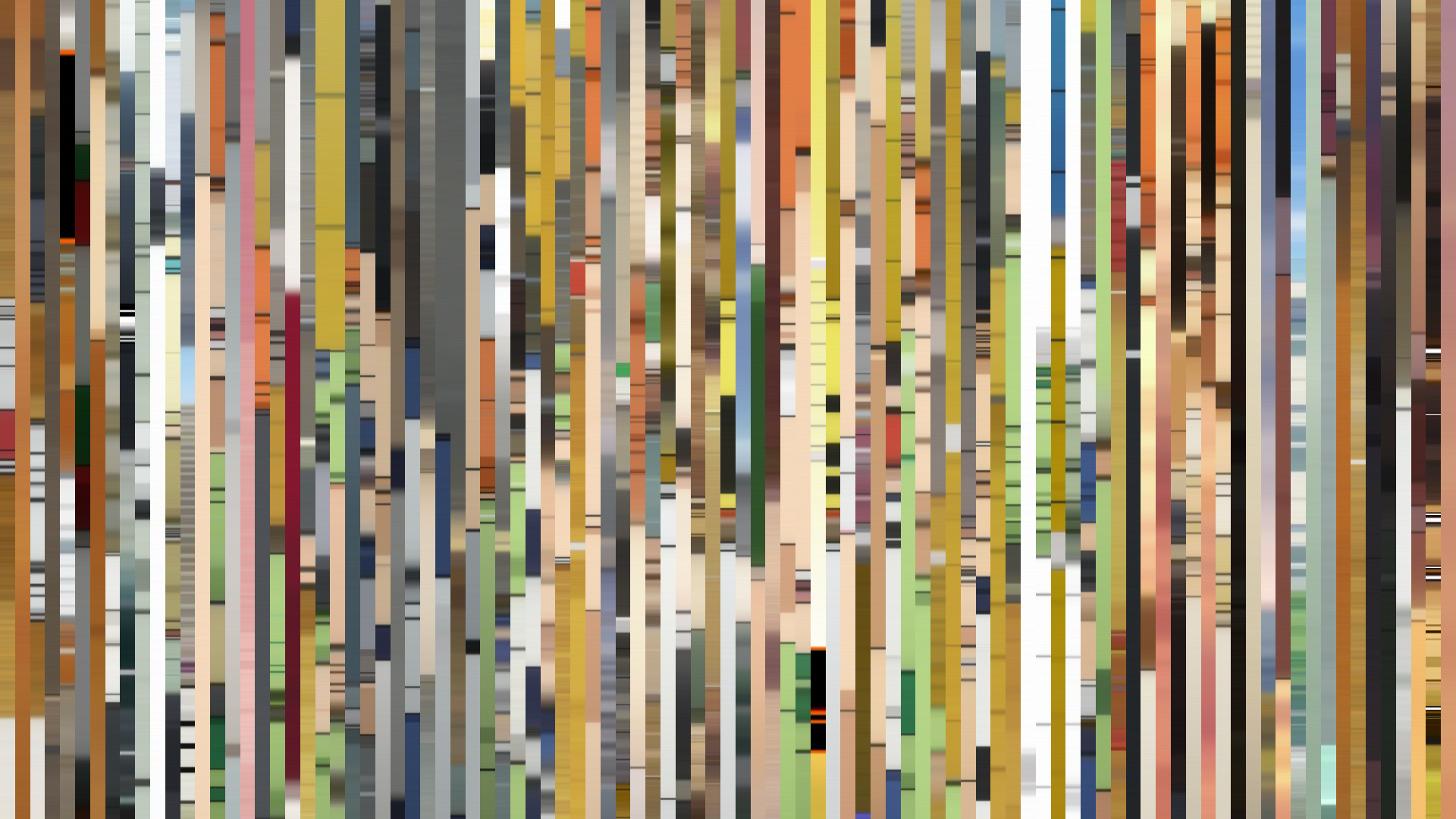
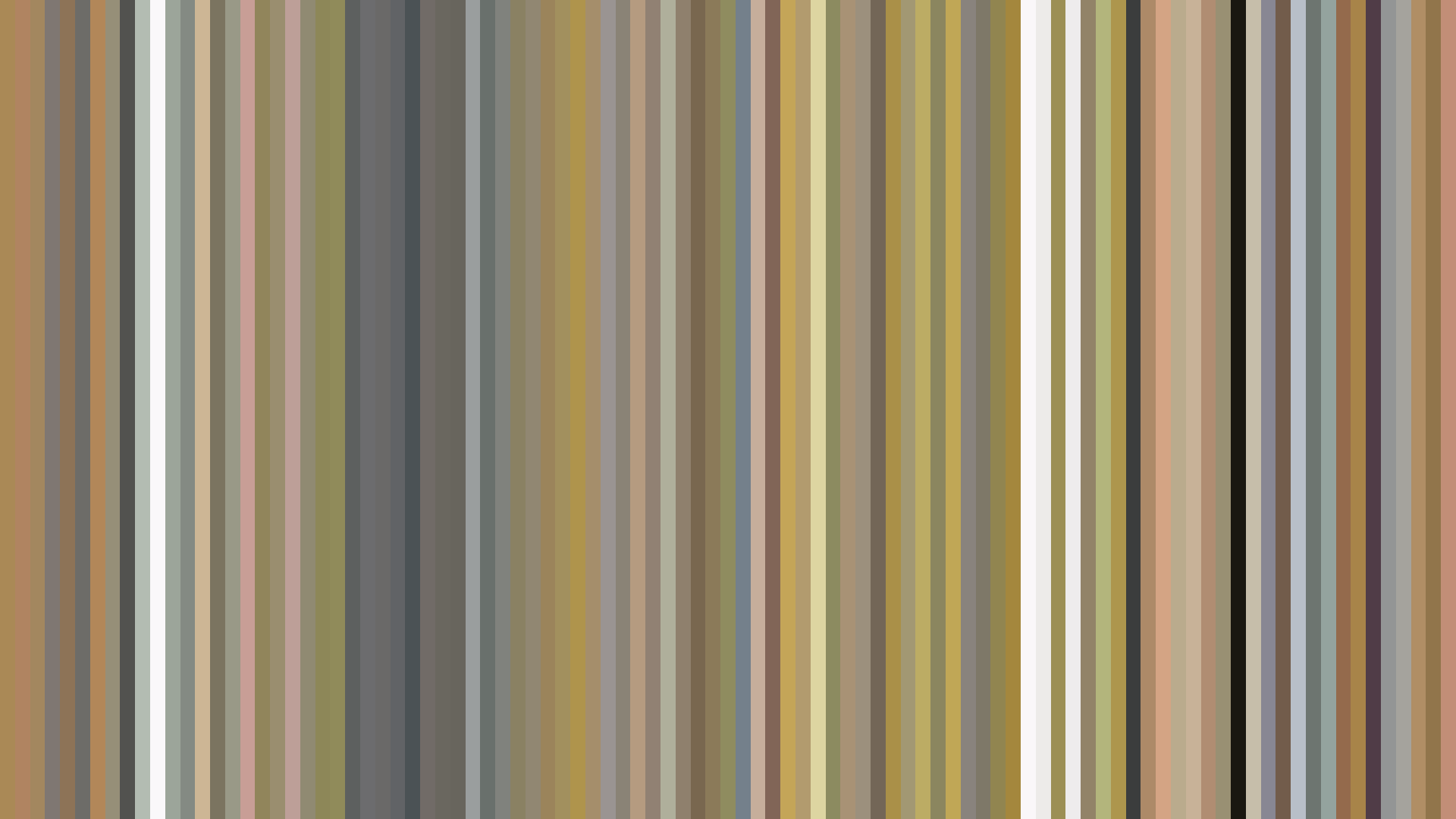
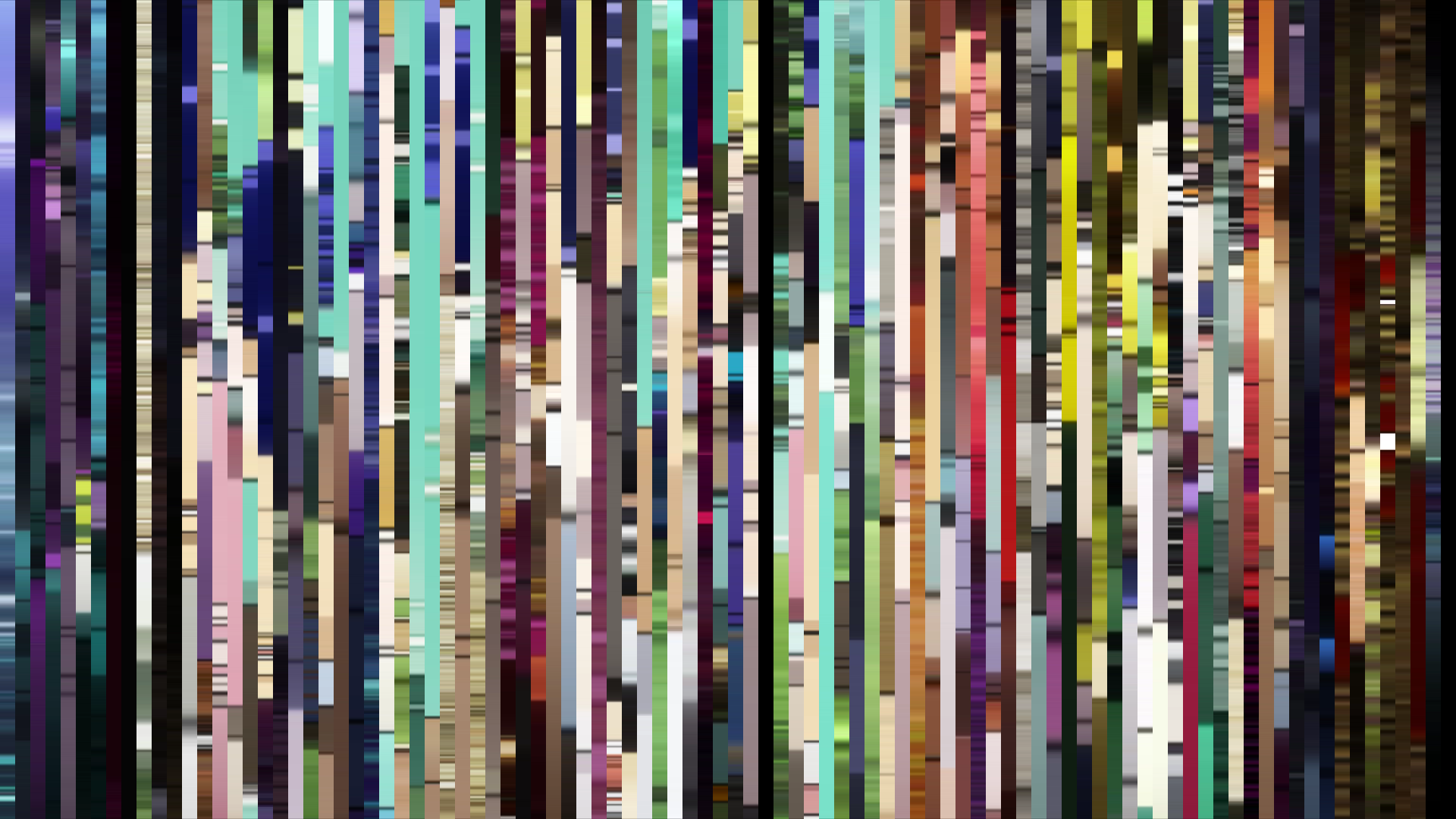
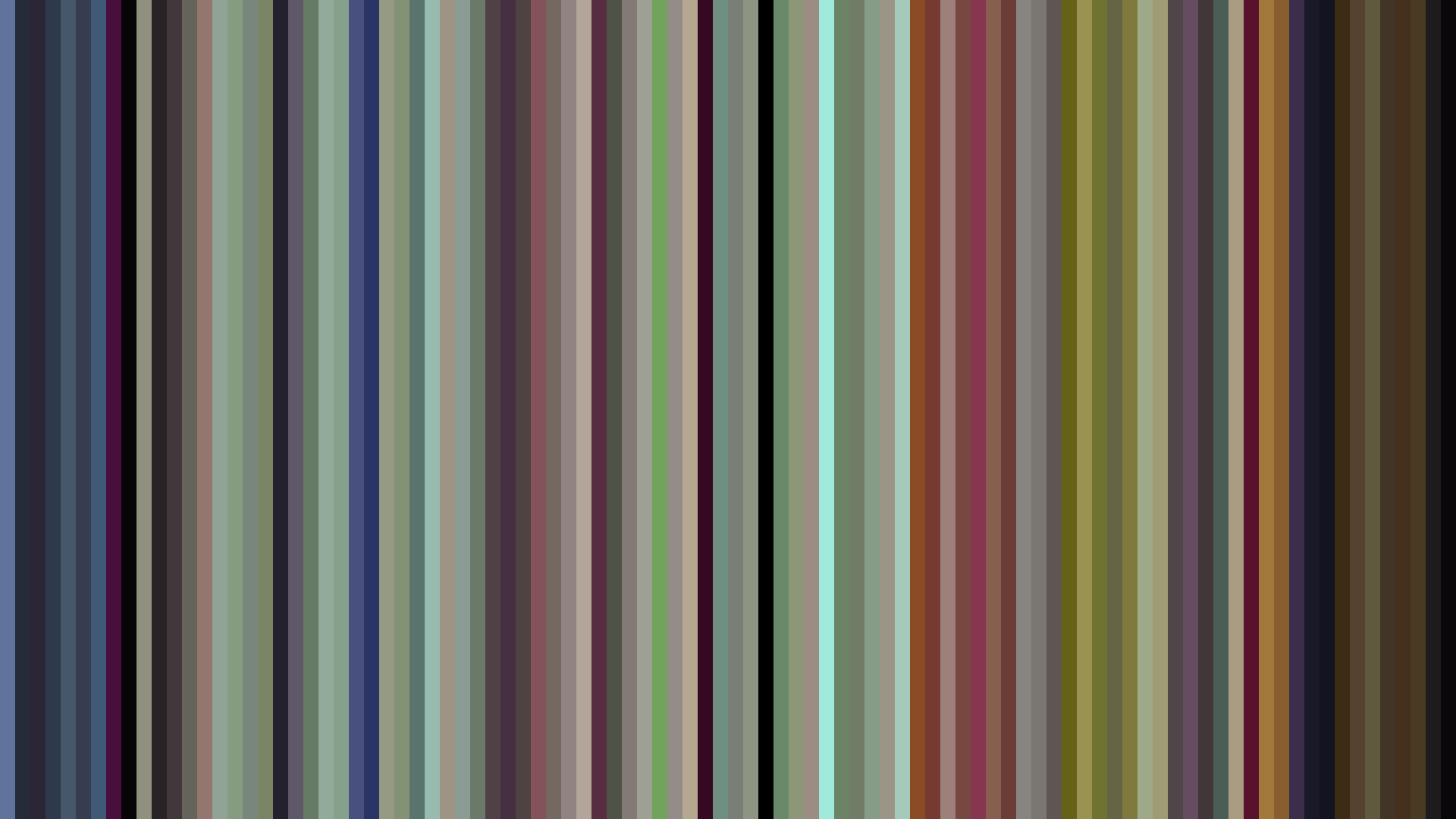
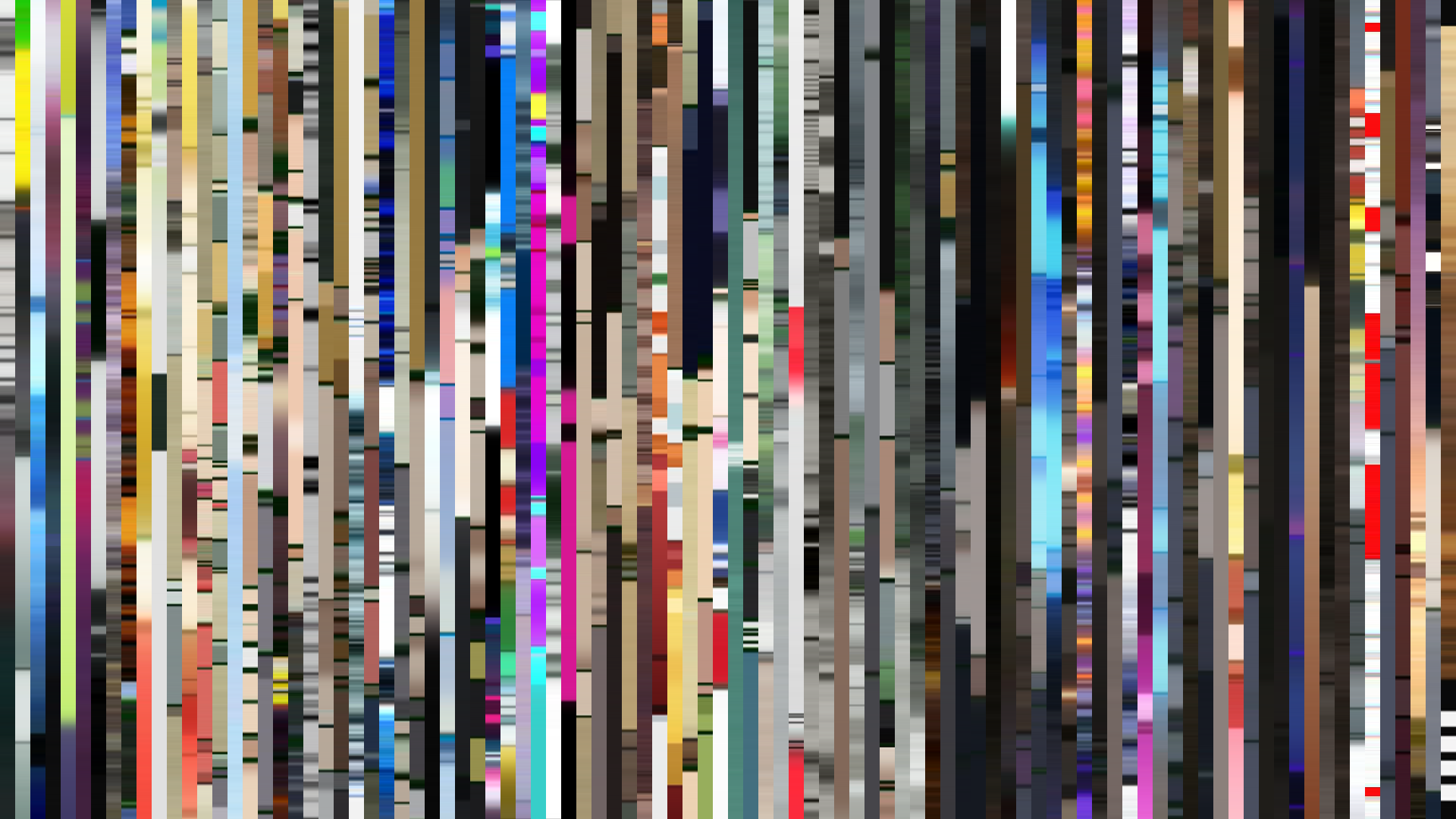
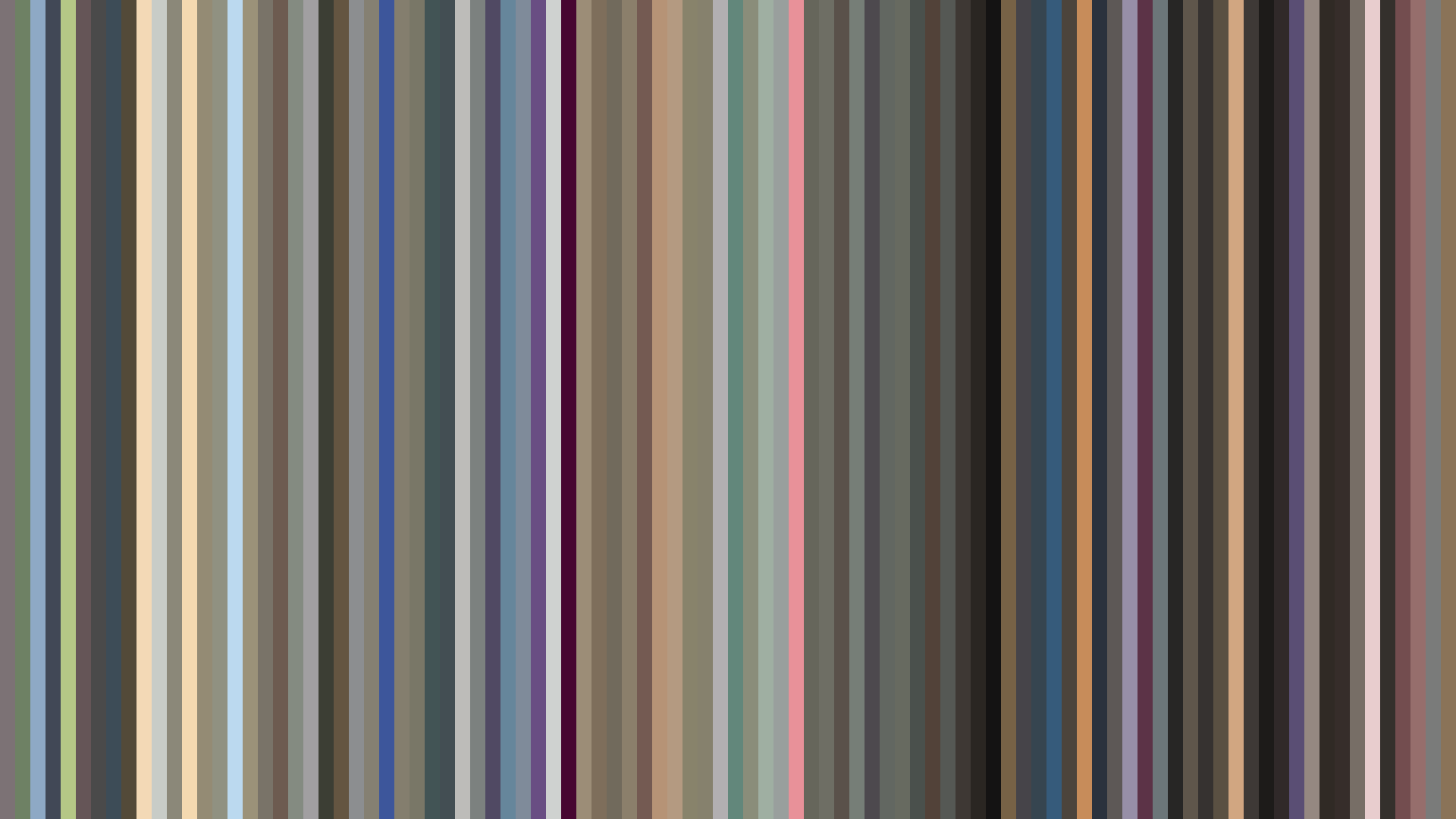
Frame Density Comparison — every 2nd vs every 4th frame
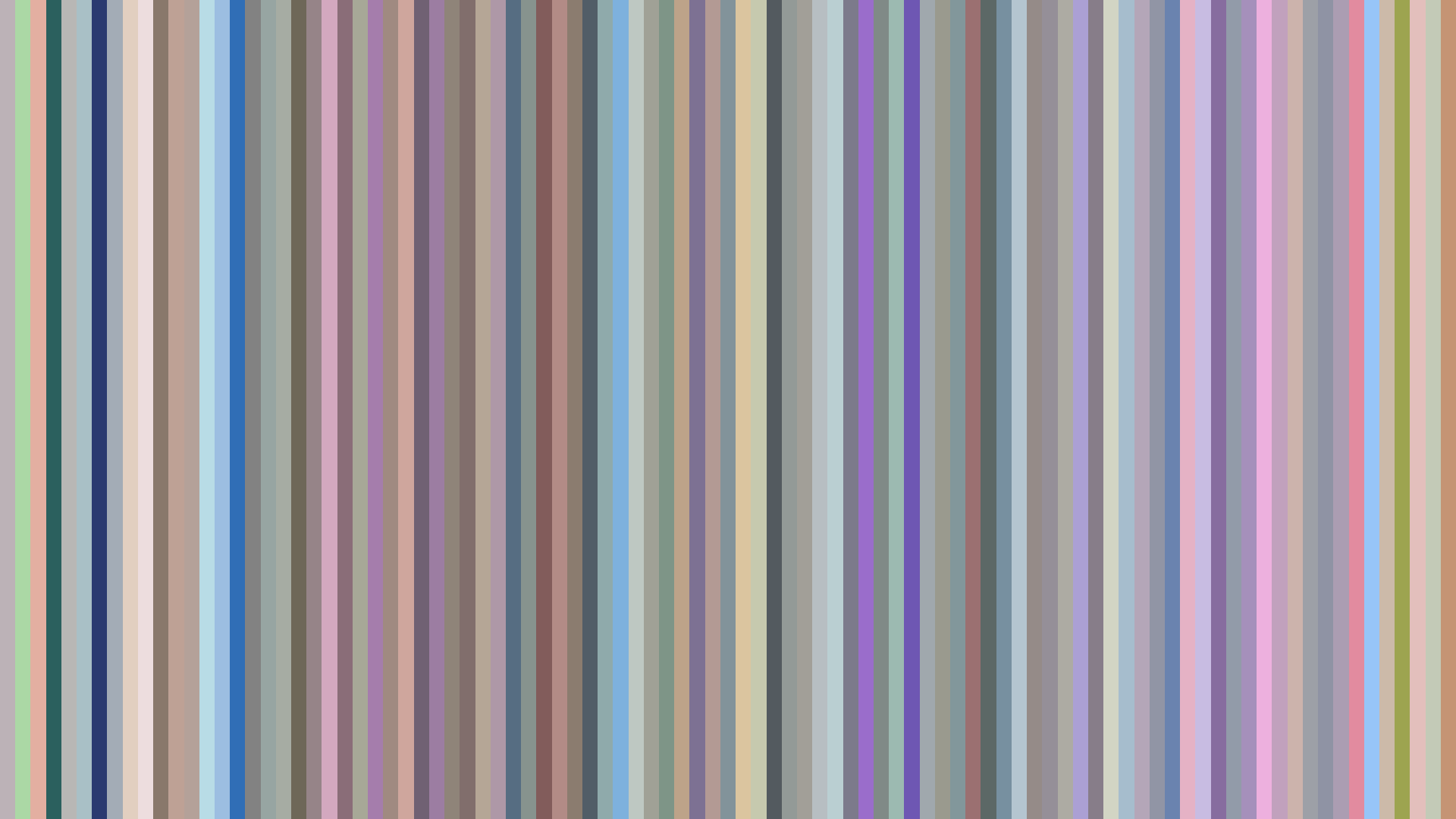
Slice · 15s
Avg · 15s
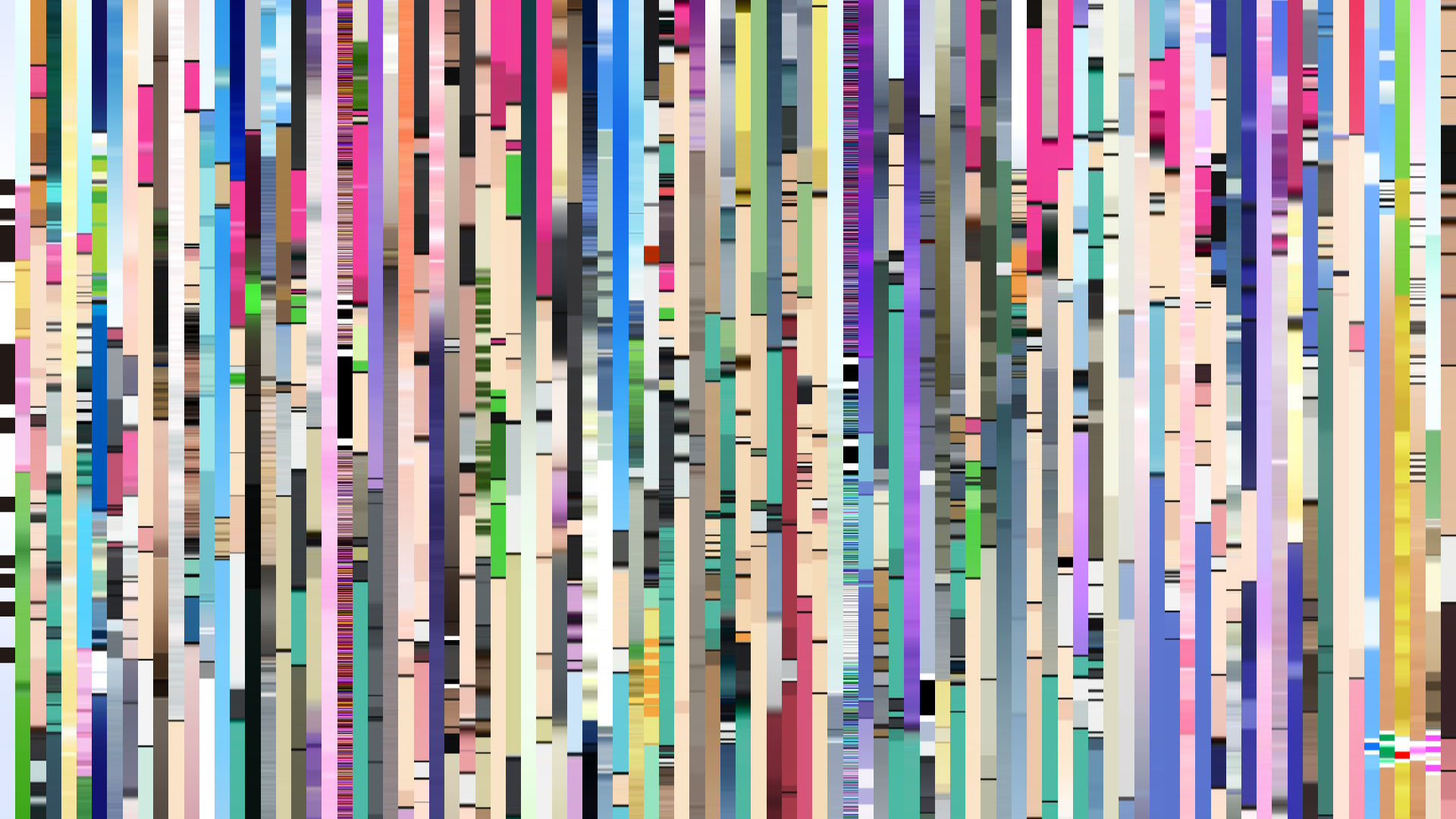
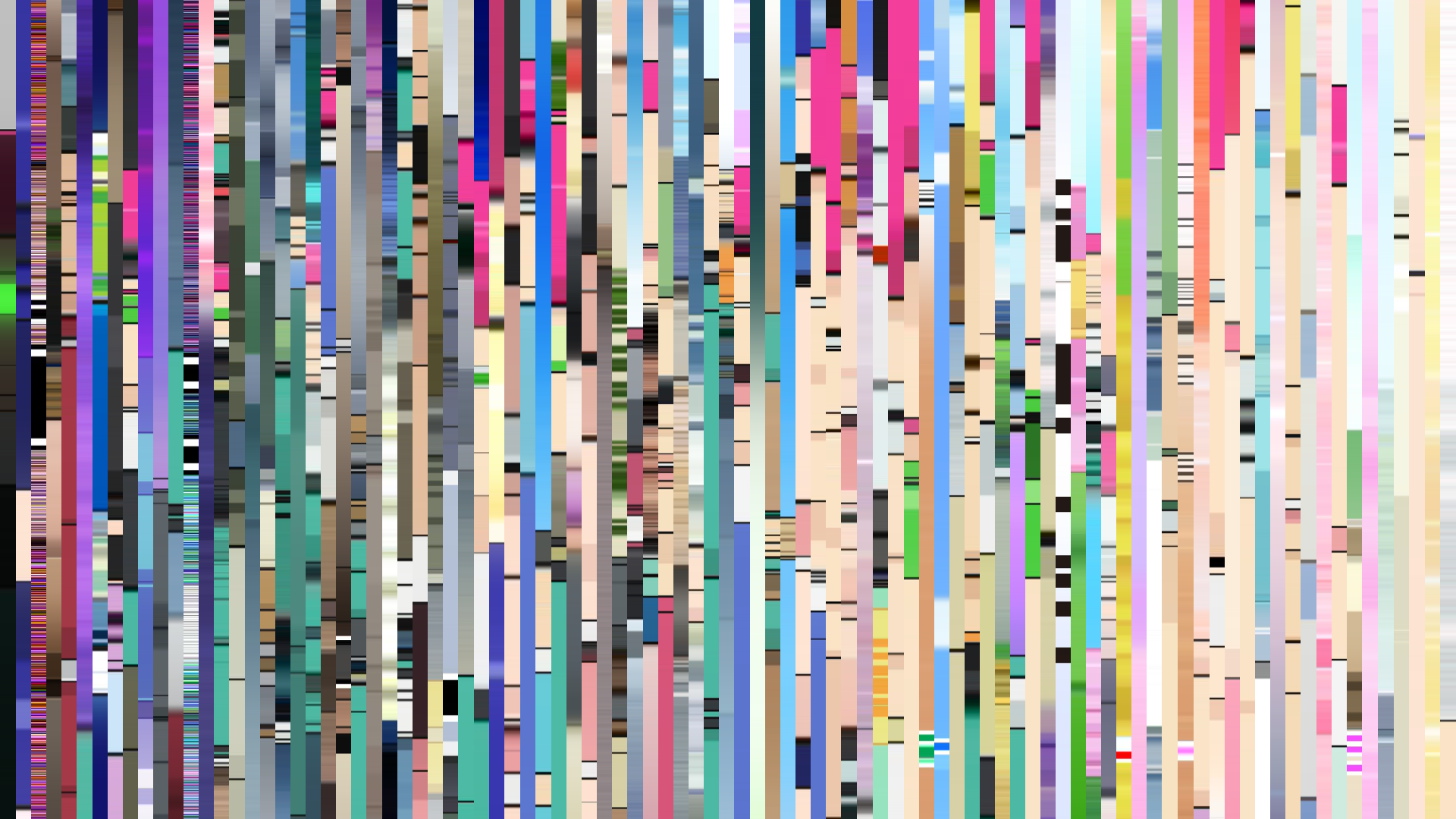
Slice · 30s
Avg · 30s
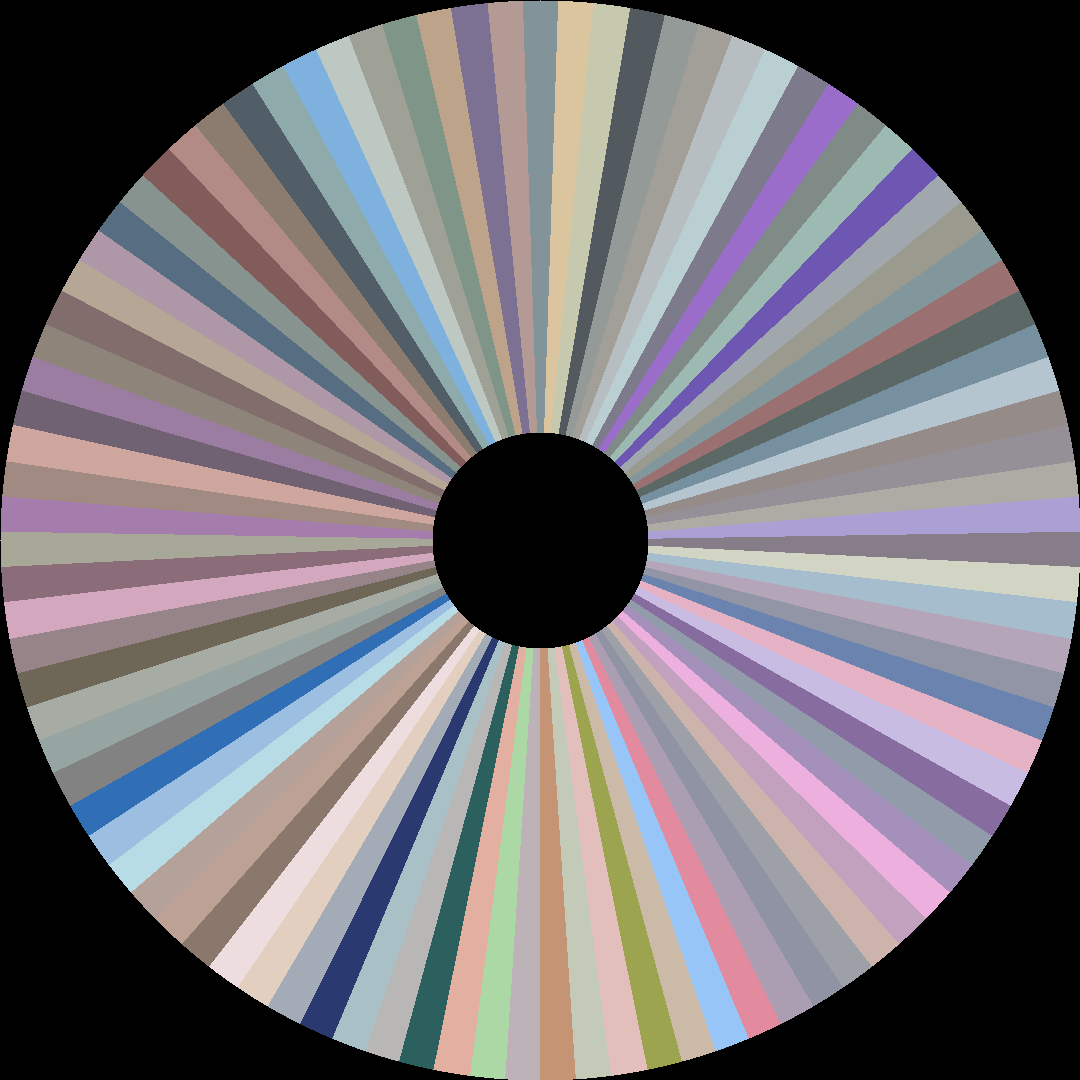
The palette for *Saiki K.* is aggressively beige — a deliberate flattening of color that mirrors its protagonist’s refusal to engage. J.C.Staff and director Hiroaki Sakurai understand that the funniest visual for an all-powerful psychic is the most boring one: warm off-whites, dusty greys, a single pop of Saiki’s pink hair registering as the Red dominance at a paltry 20%. The saturation hovers near grey (0.222), turning every classroom and family dinner into a painterly shrug. What makes this work is the *bright ending* arc: the show opens flatter (0.564), dips slightly in the middle (0.537), then flares in the final act (0.634). But this isn’t catharsis — it’s a punchline. Saiki’s world gets brighter not because he grows, but because the gags escalate into the absurdly vivid. The palette’s beige base stays constant, so the final brightness feels like a desaturated world being poked by neon. This is comedy built on visual refusal: the show refuses to be colorful, so color becomes the joke.
Brightness Arc (episode progression)
Hue Distribution
Act Breakdown
Opening
0.564
Middle
0.537
Closing
0.634
Avg Brightness
0.634
Avg Saturation
0.222
Warmth
0.503
Color Palette
#EDE4DD
#A0A09E
#E4D2AF
#5F605E
#232424
#D8AA9F
#5DA09B
#5F6695
3-Act Color Story
Opening
Middle
Closing
Color Twins
Perceptually nearest palettes — measured in OKLab space, not RGB






The palette for *Saiki K.* is aggressively beige — a deliberate flattening of color that mirrors its protagonist’s refusal to engage. J.C.Staff and director Hiroaki Sakurai understand that the funniest visual for an all-powerful psychic is the most boring one: warm off-whites, dusty greys, a single pop of Saiki’s pink hair registering as the Red dominance at a paltry 20%. The saturation hovers near grey (0.222), turning every classroom and family dinner into a painterly shrug. What makes this work is the *bright ending* arc: the show opens flatter (0.564), dips slightly in the middle (0.537), then flares in the final act (0.634). But this isn’t catharsis — it’s a punchline. Saiki’s world gets brighter not because he grows, but because the gags escalate into the absurdly vivid. The palette’s beige base stays constant, so the final brightness feels like a desaturated world being poked by neon. This is comedy built on visual refusal: the show refuses to be colorful, so color becomes the joke.