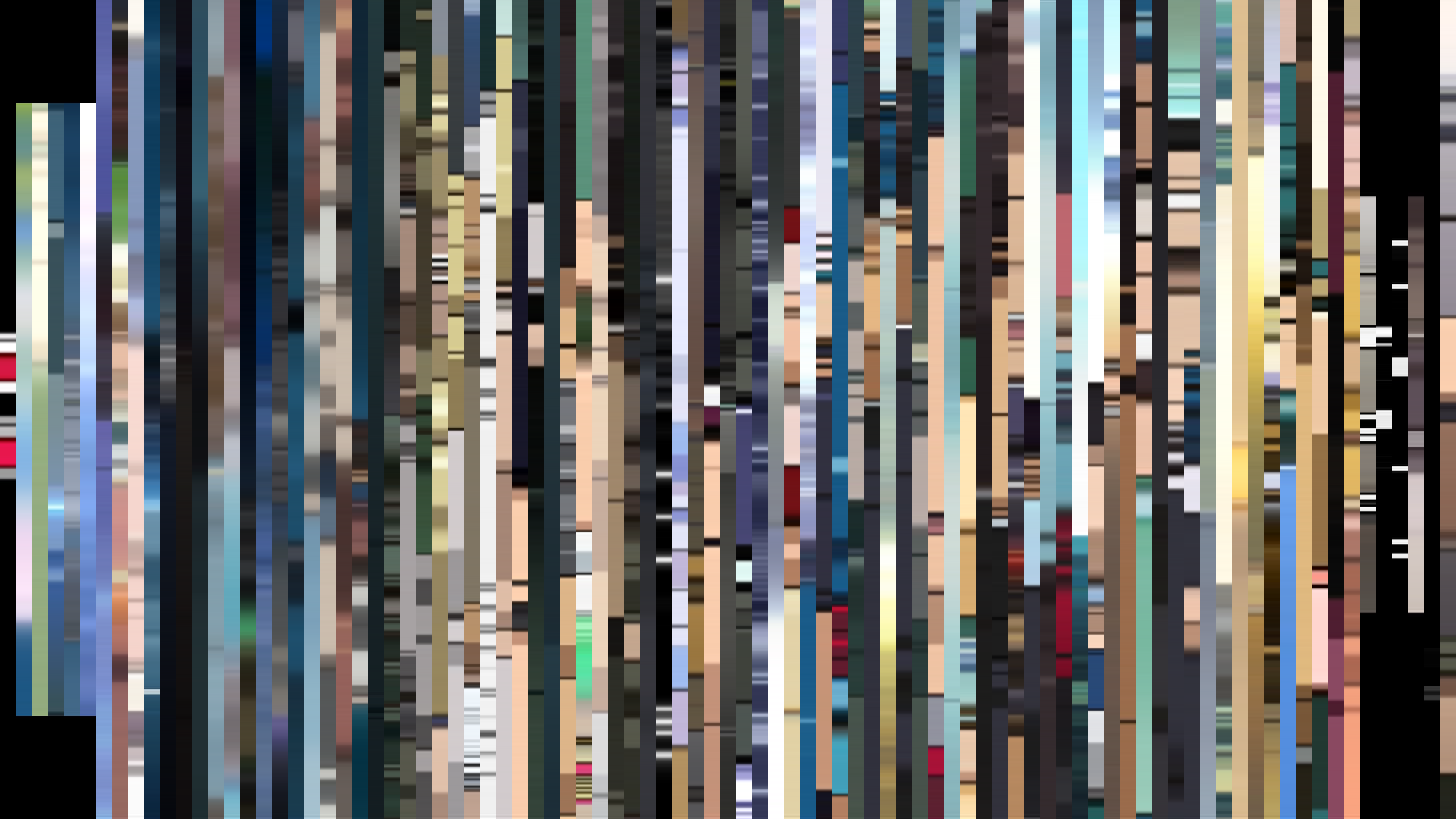
Edit Pace — frame-to-frame color delta (bright = fast cuts)
Color Temperature — warm (gold) vs cool (teal) per frame
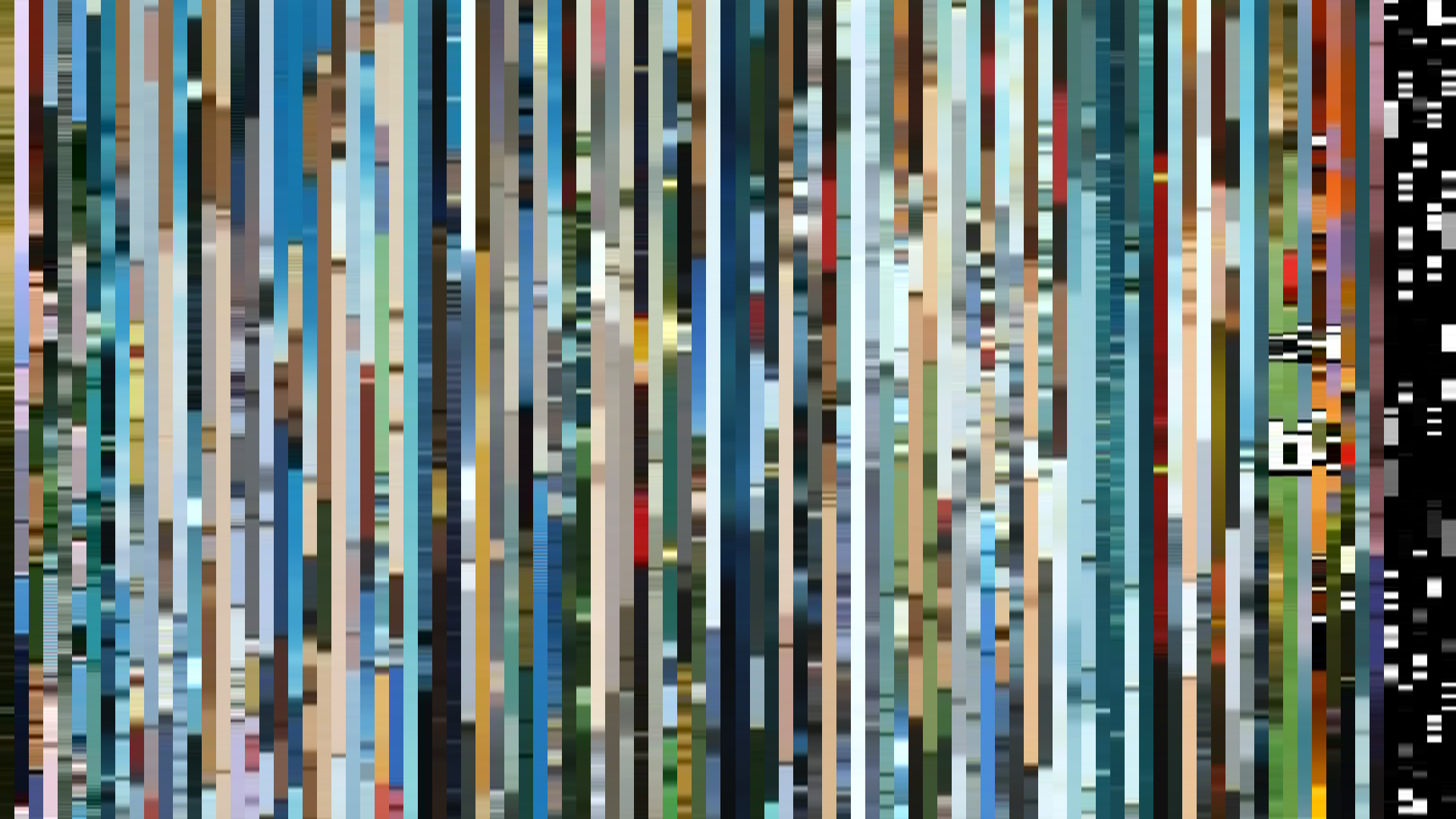
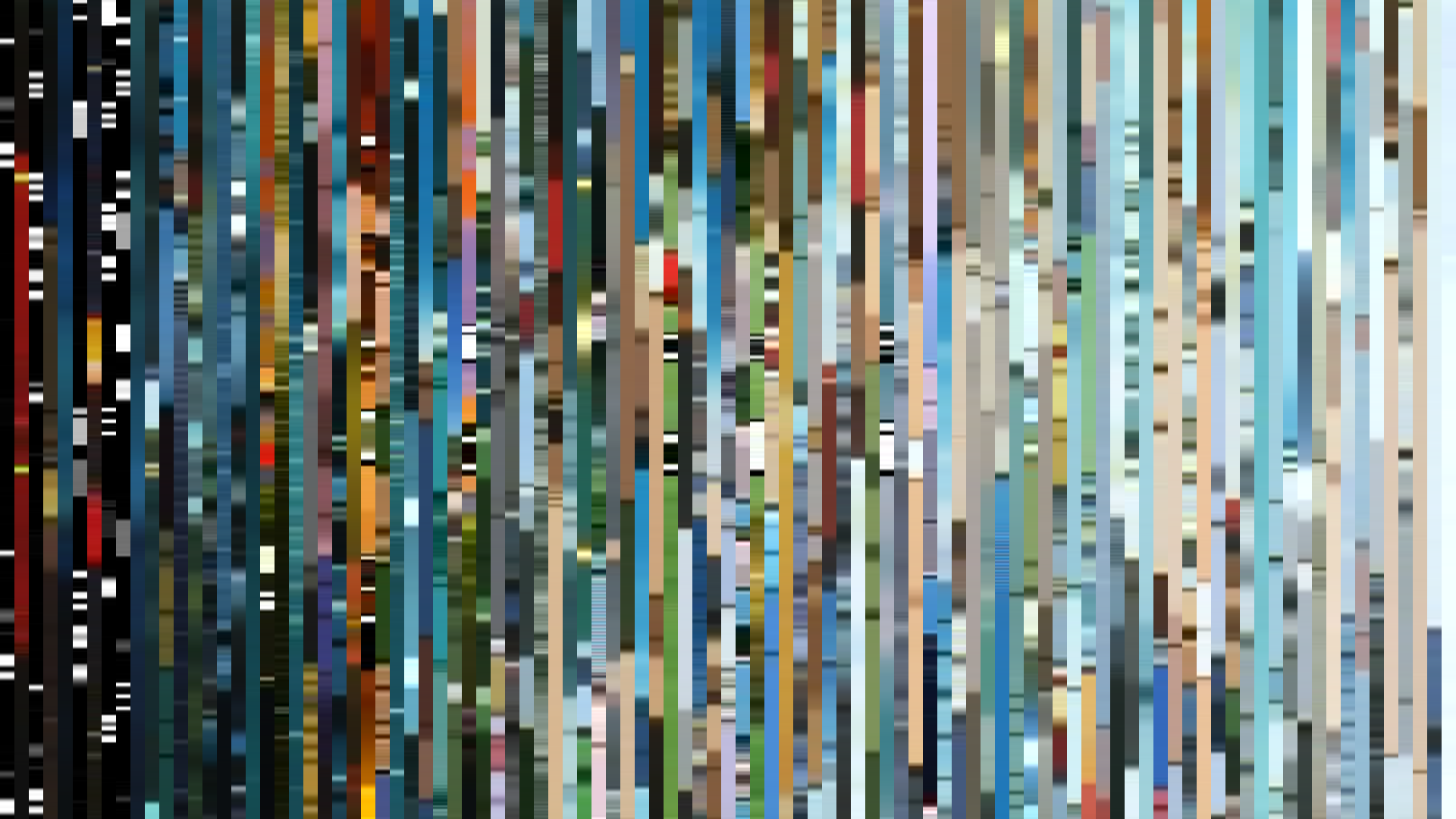
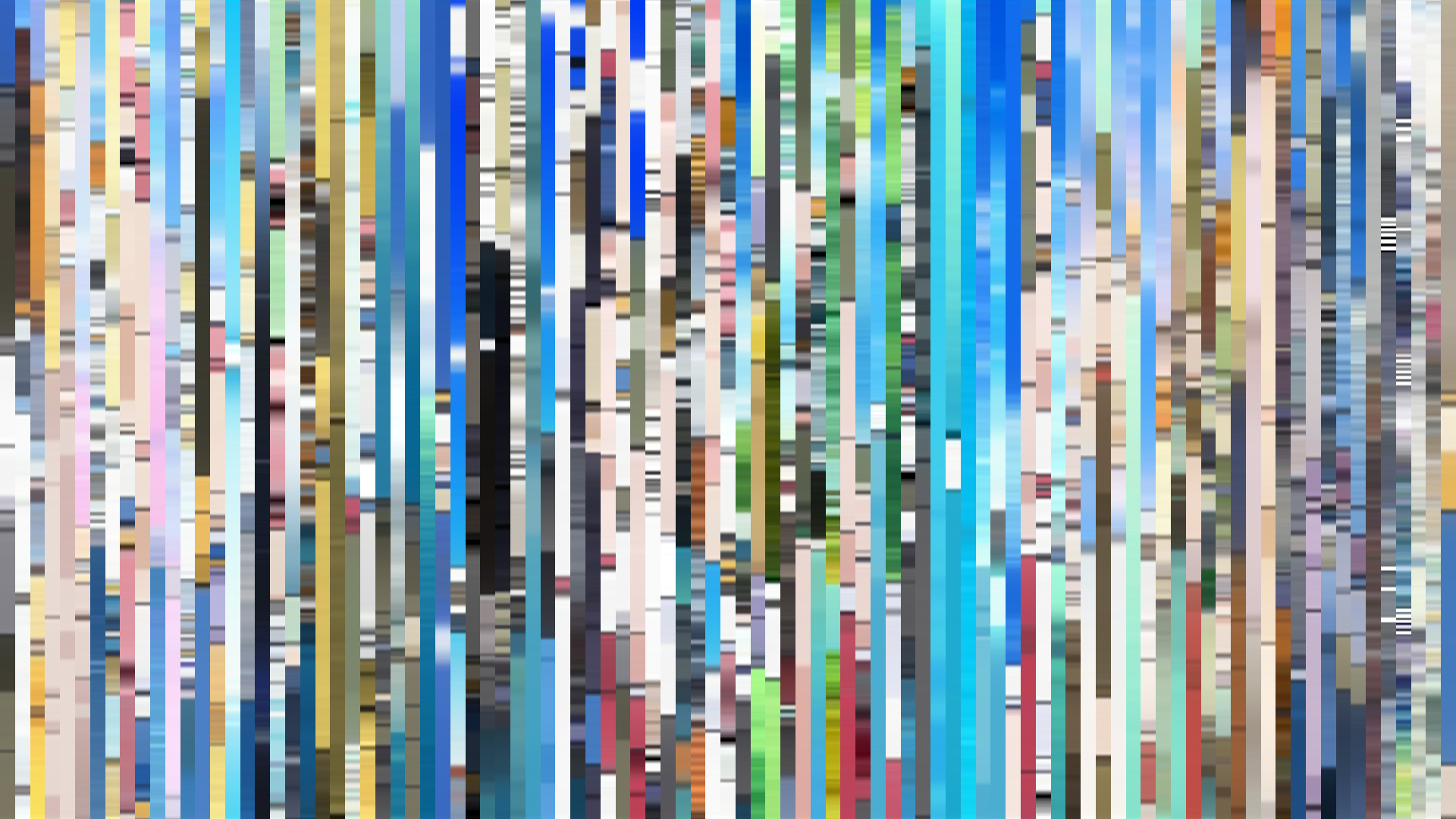
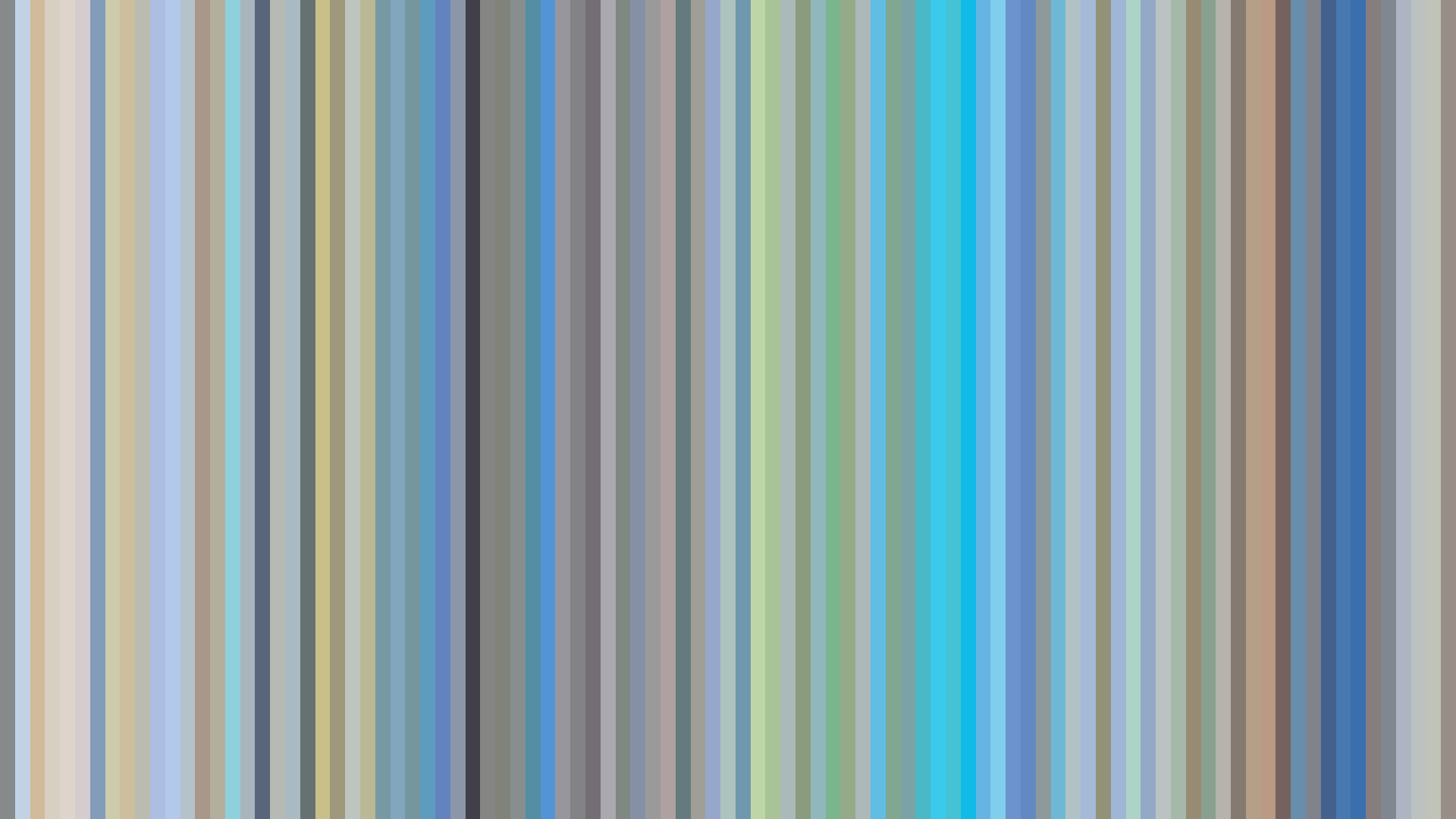
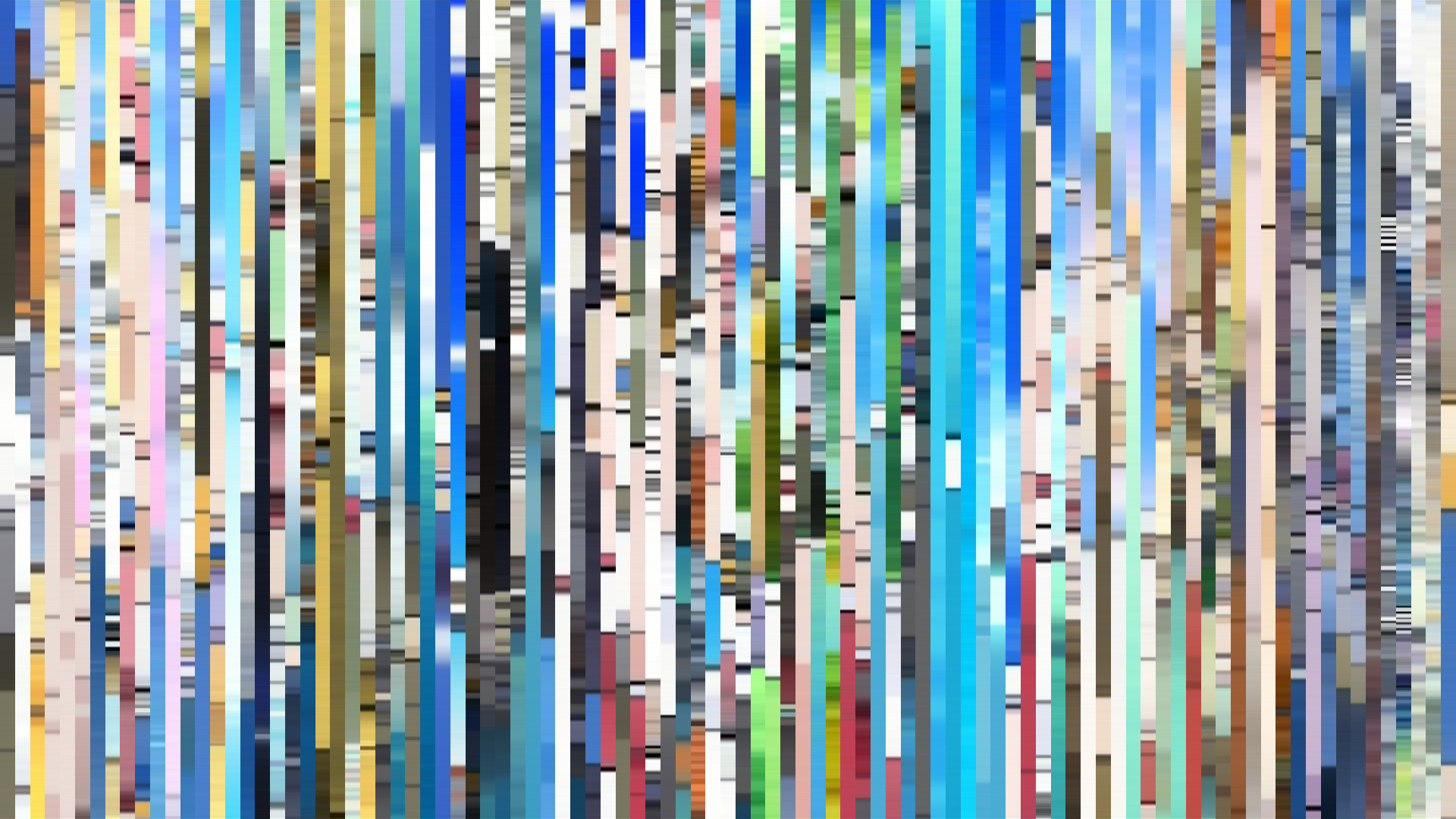
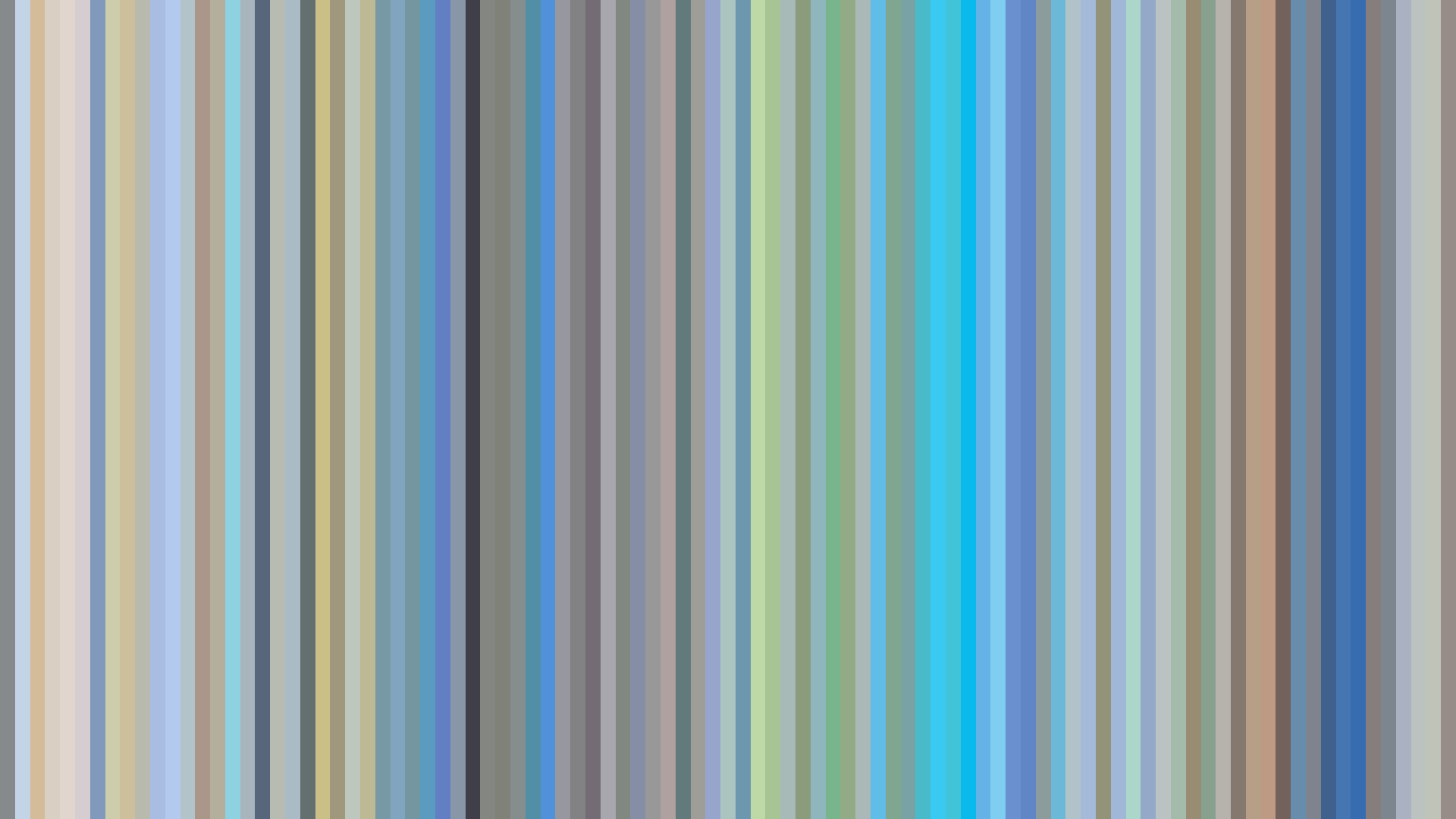
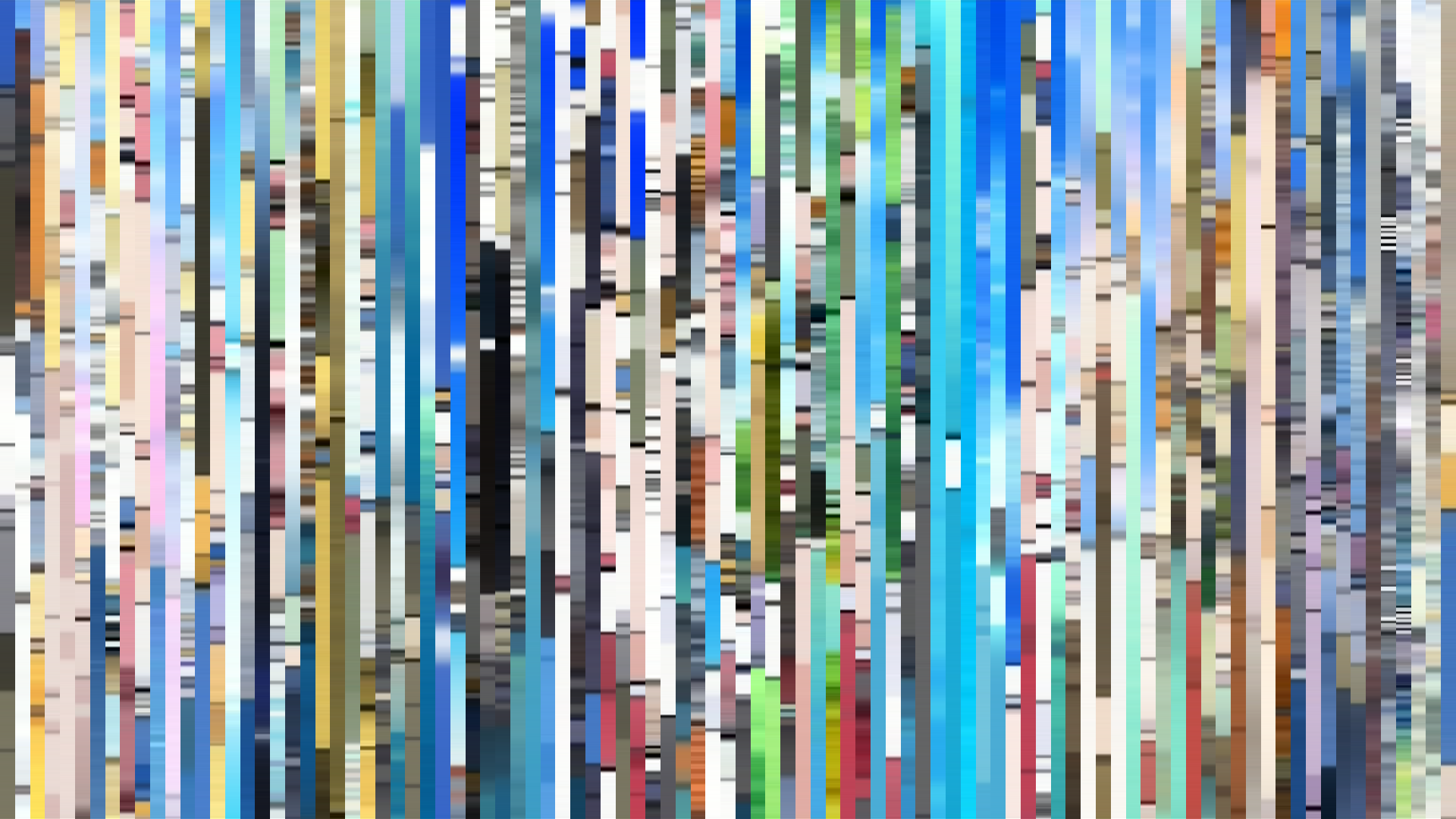
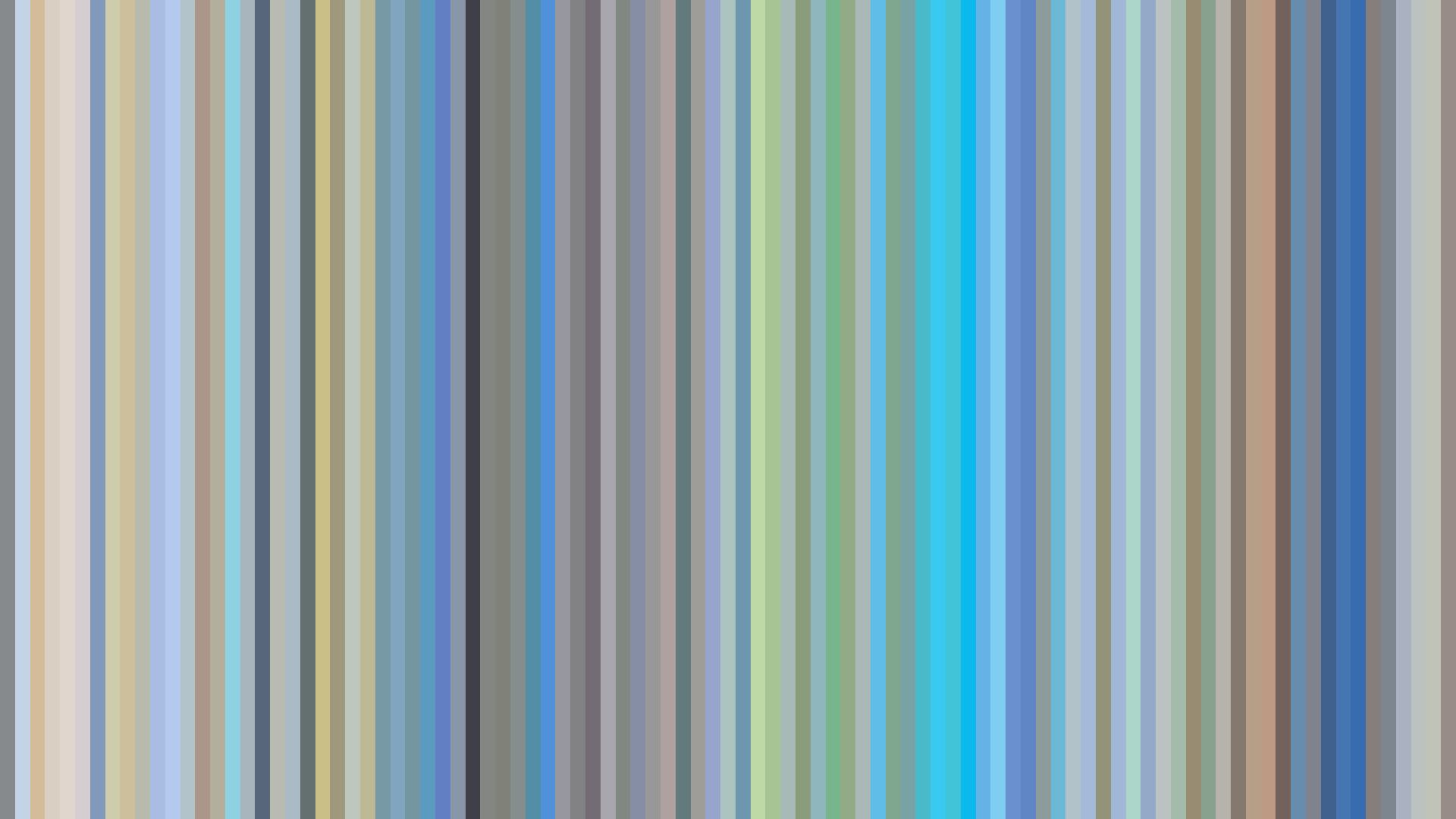
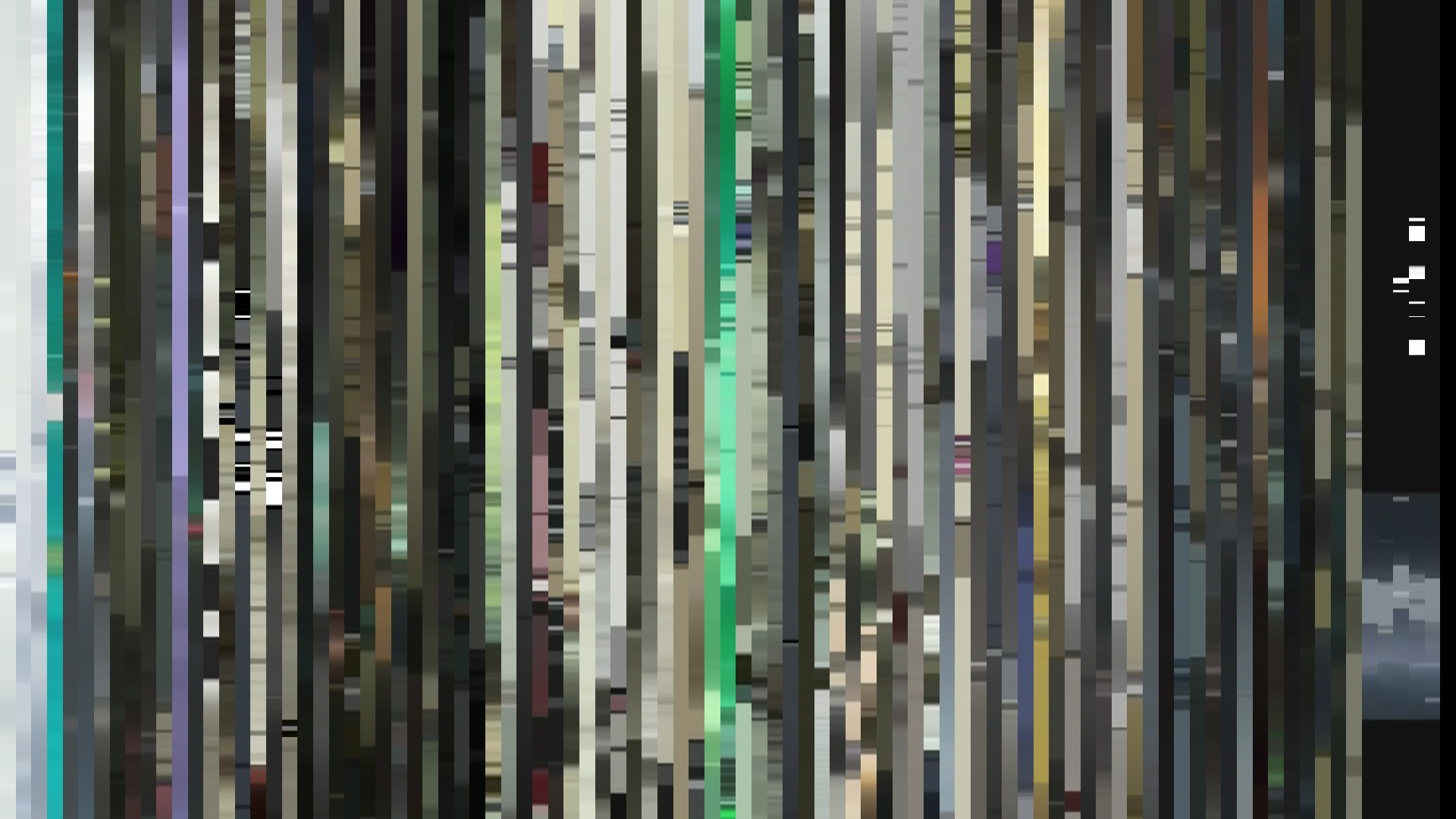
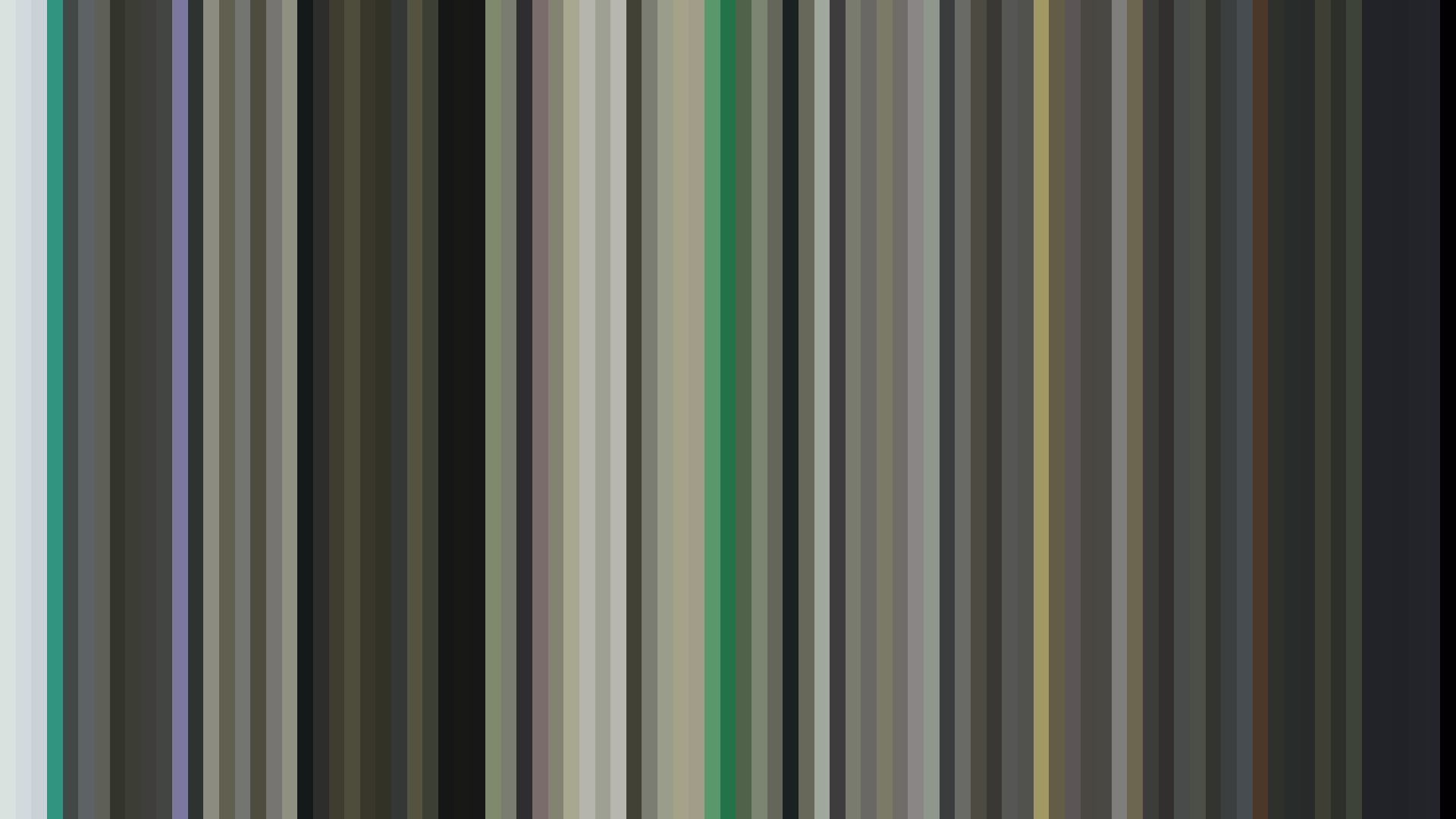
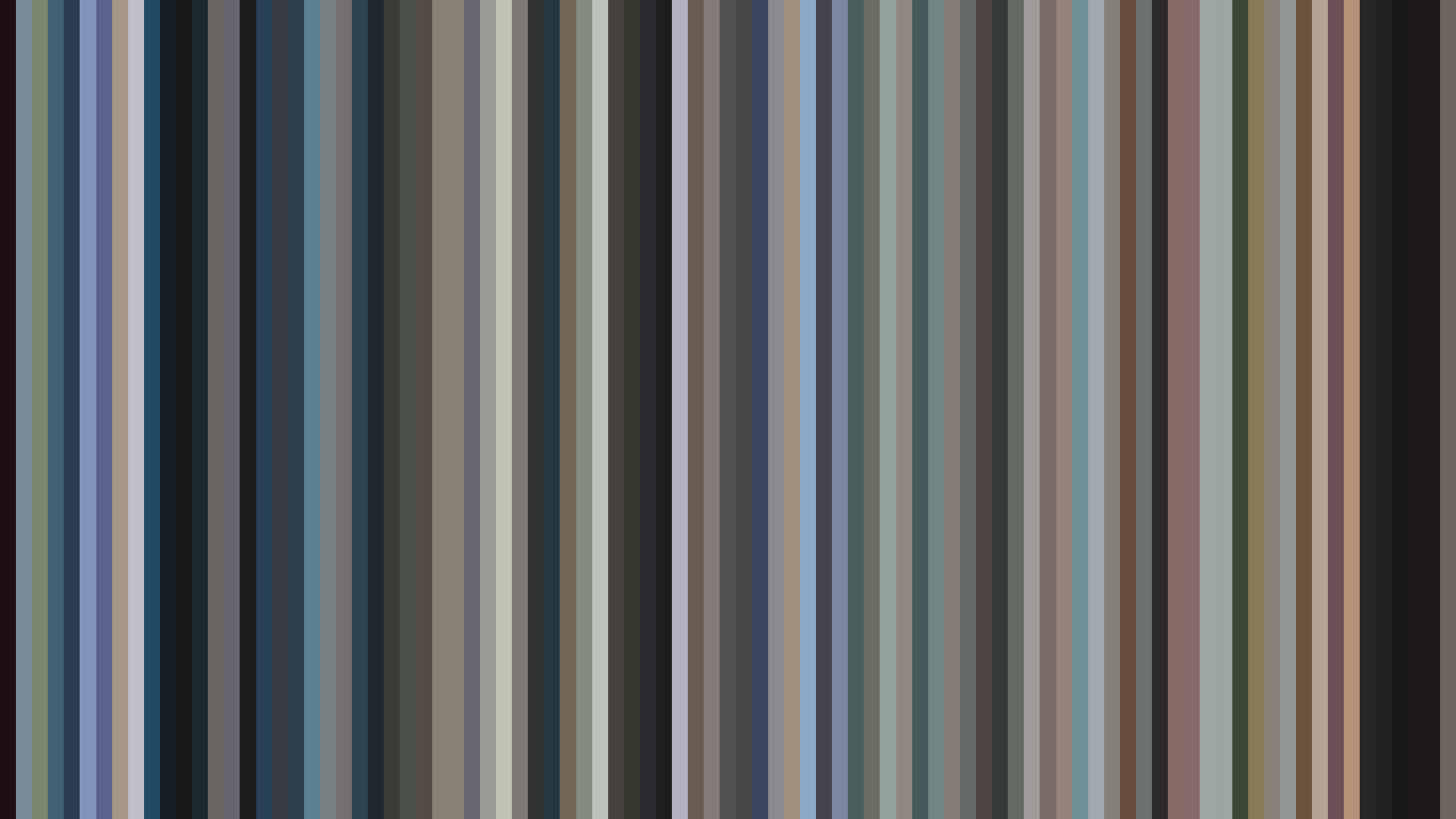
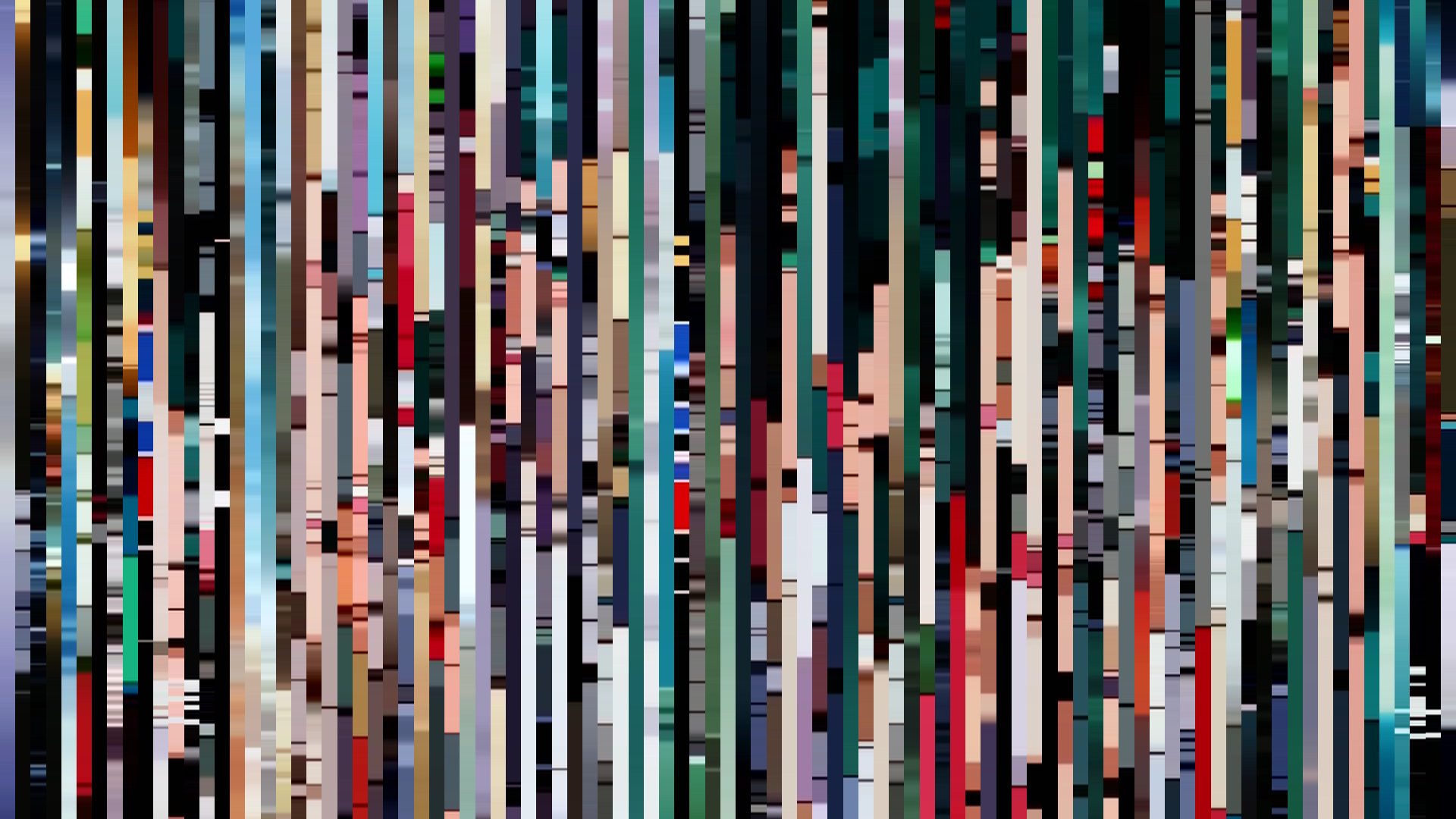
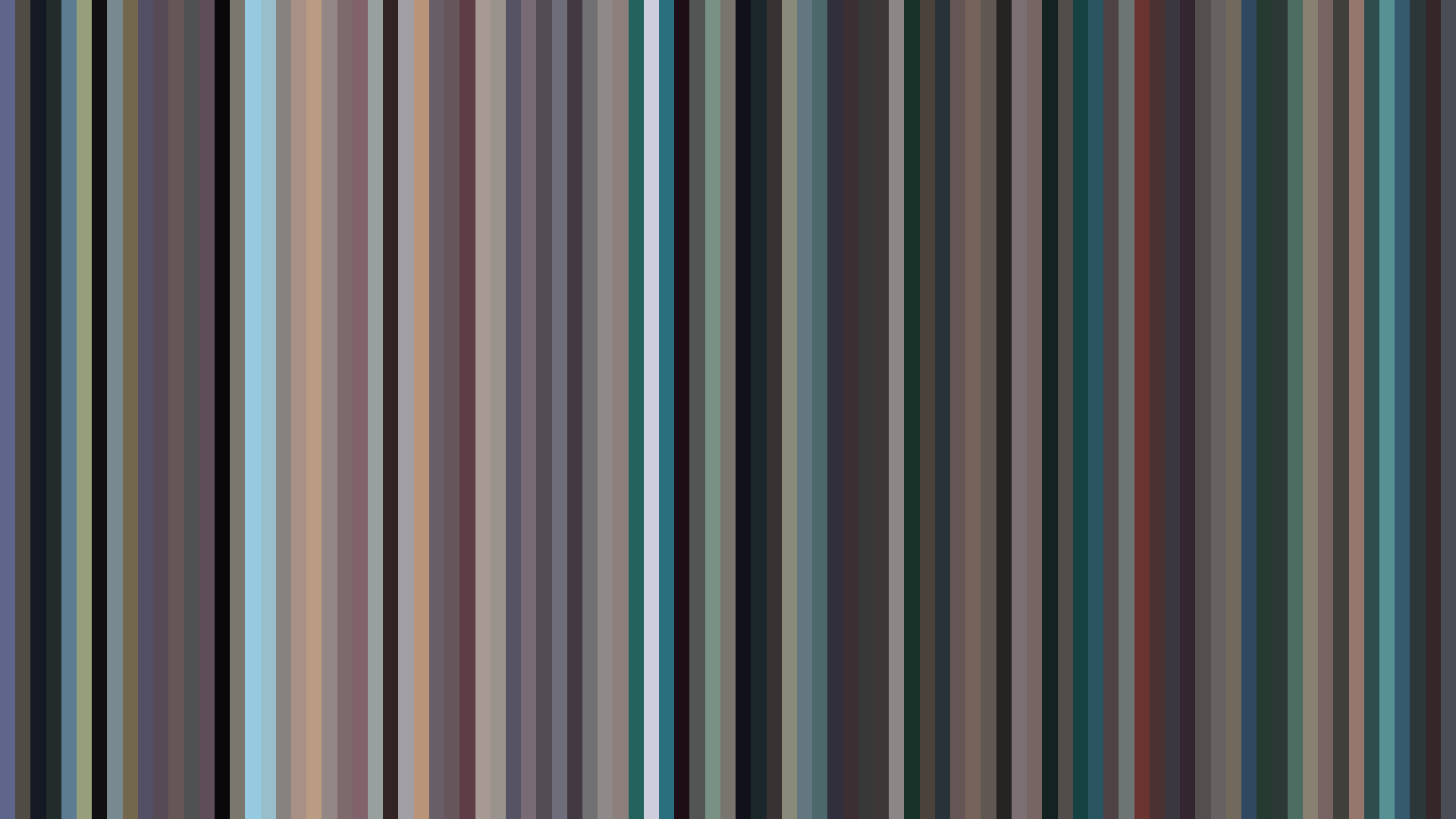
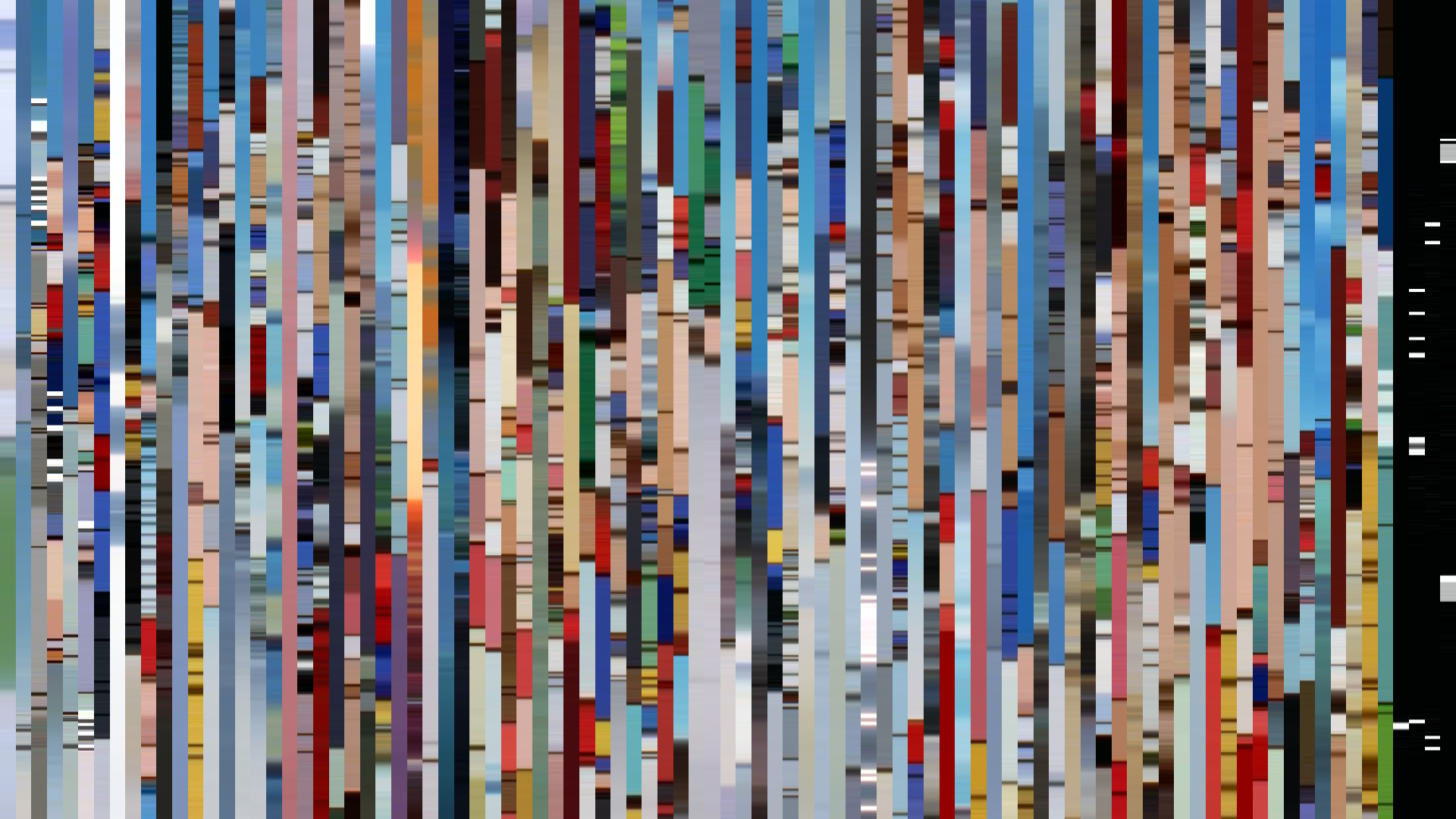
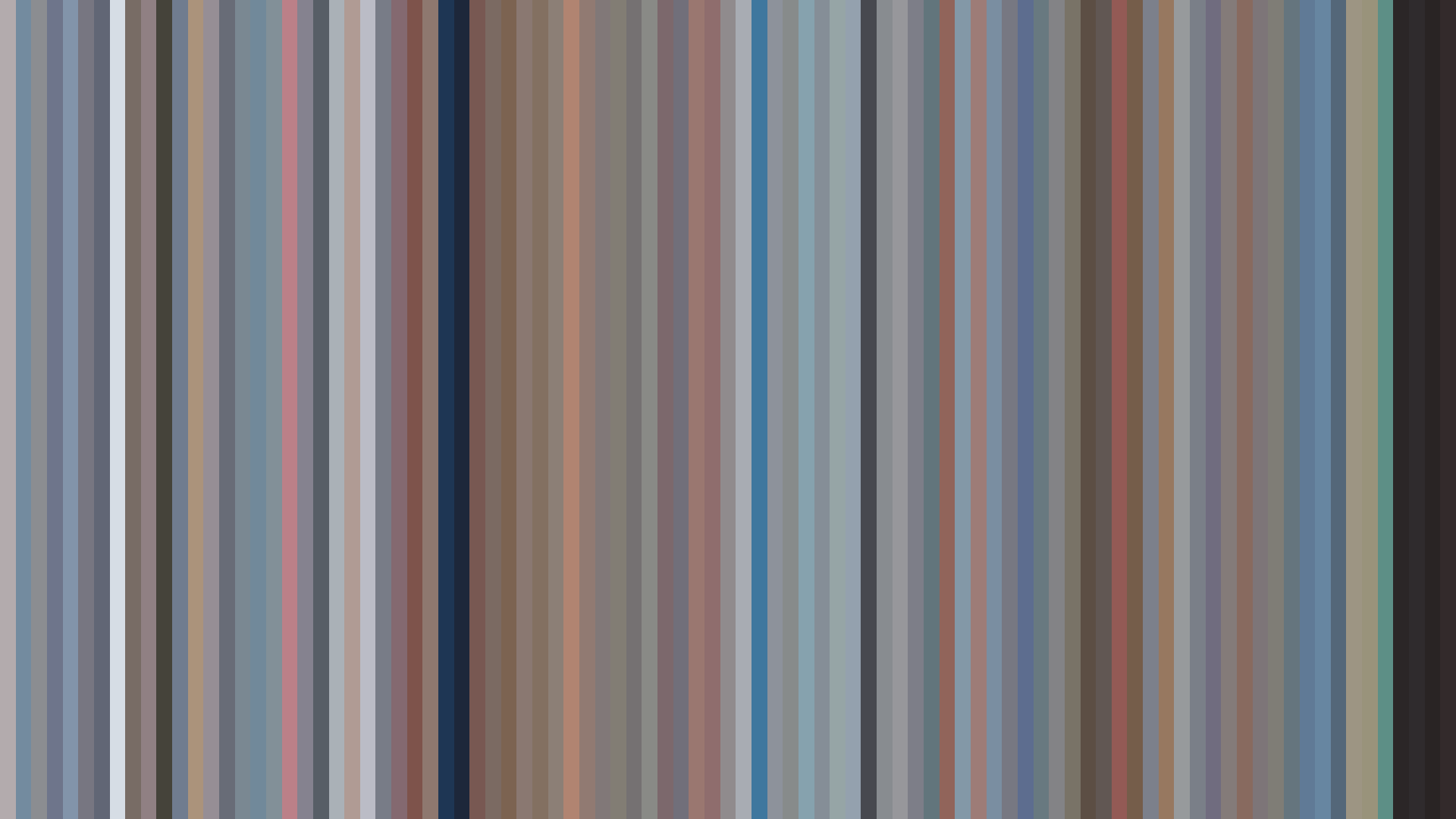
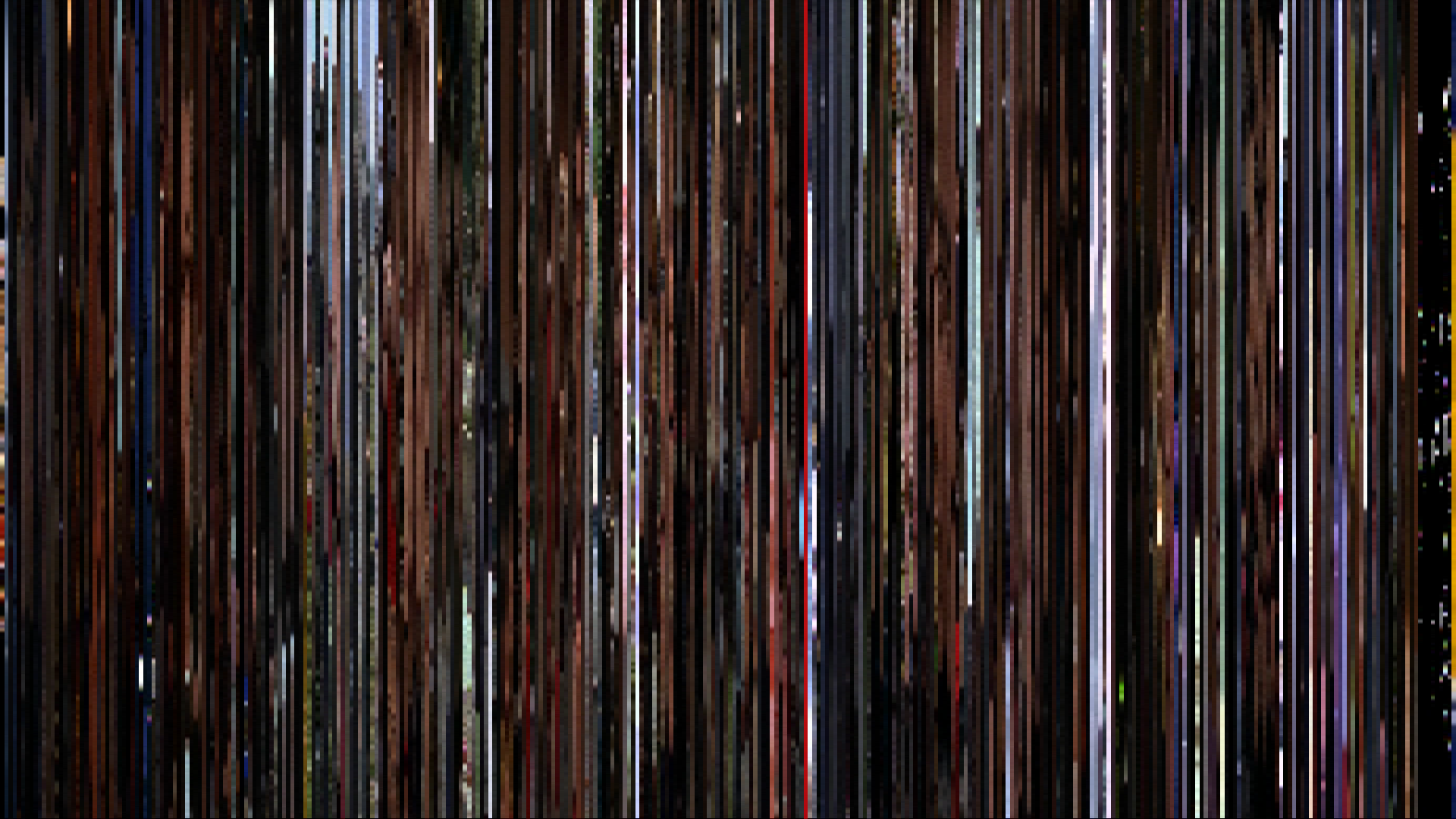
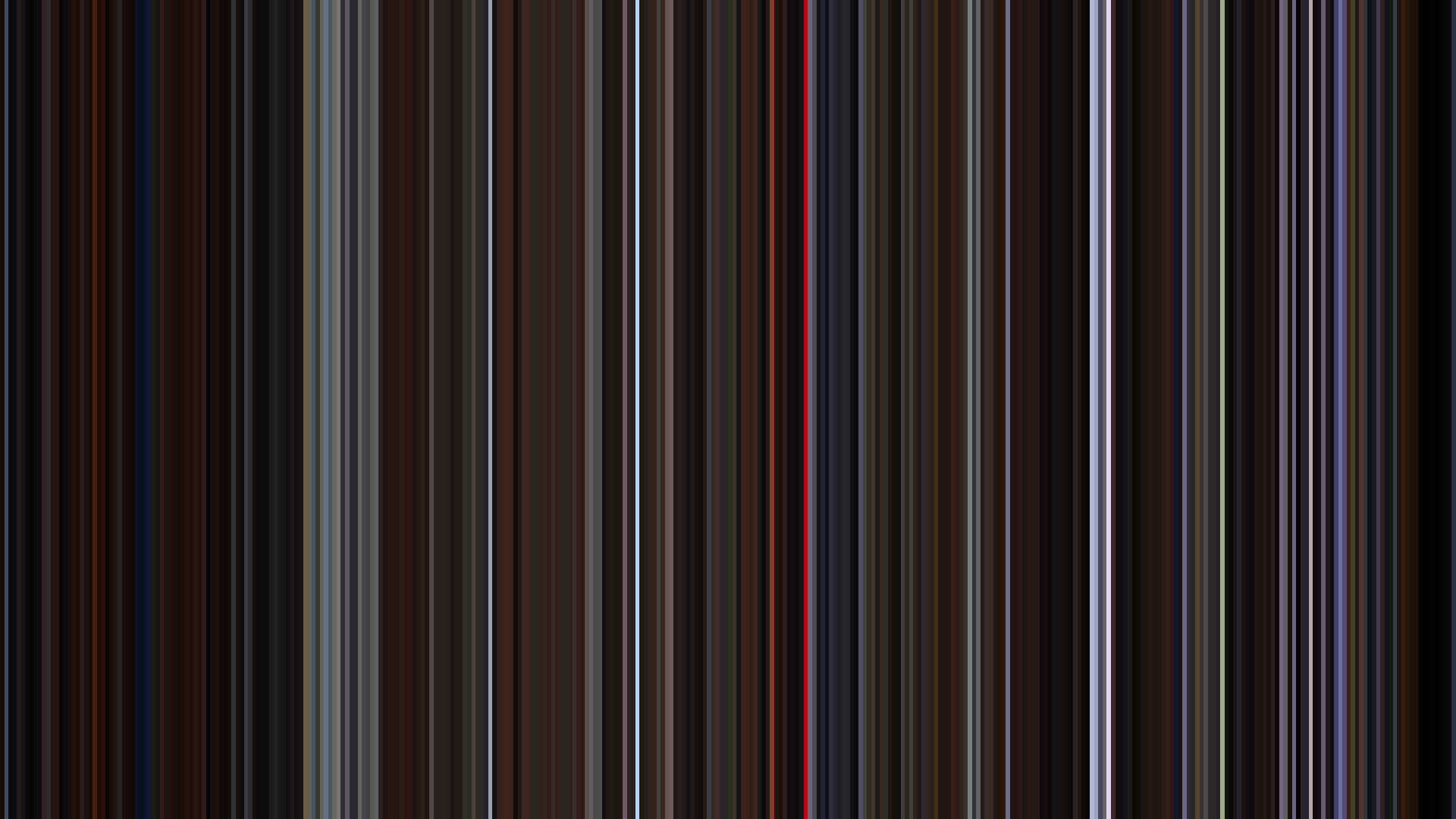
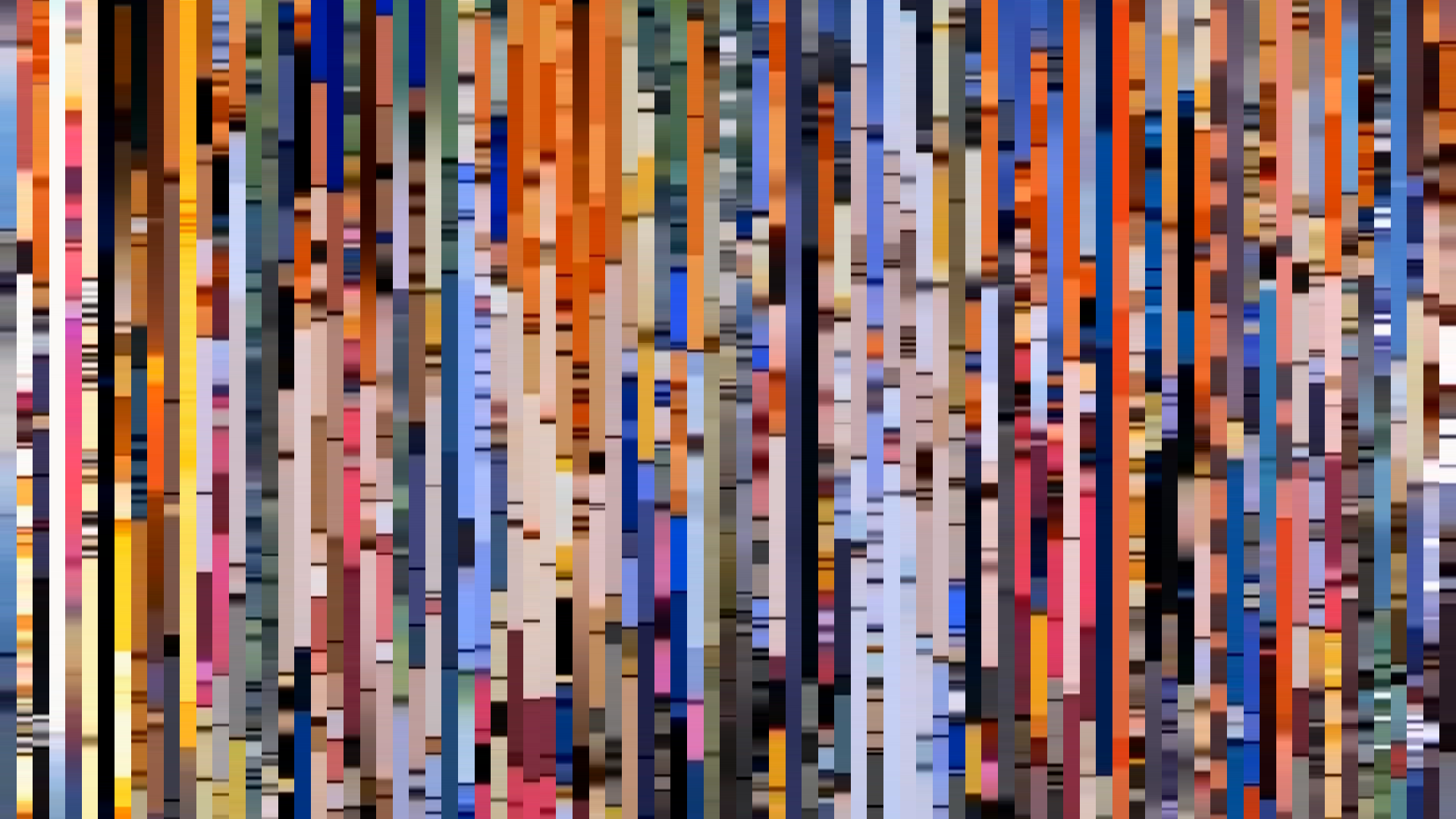
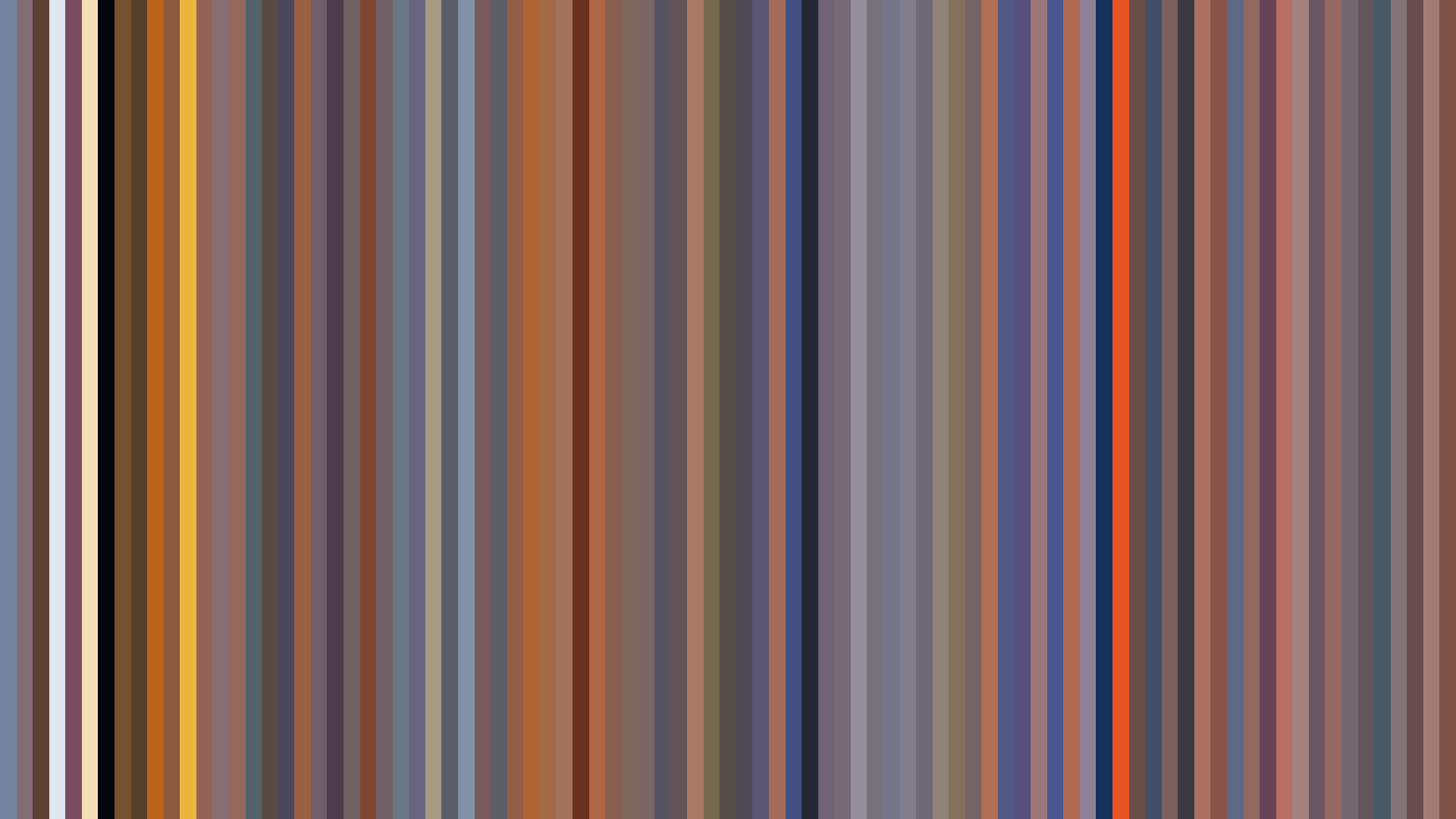
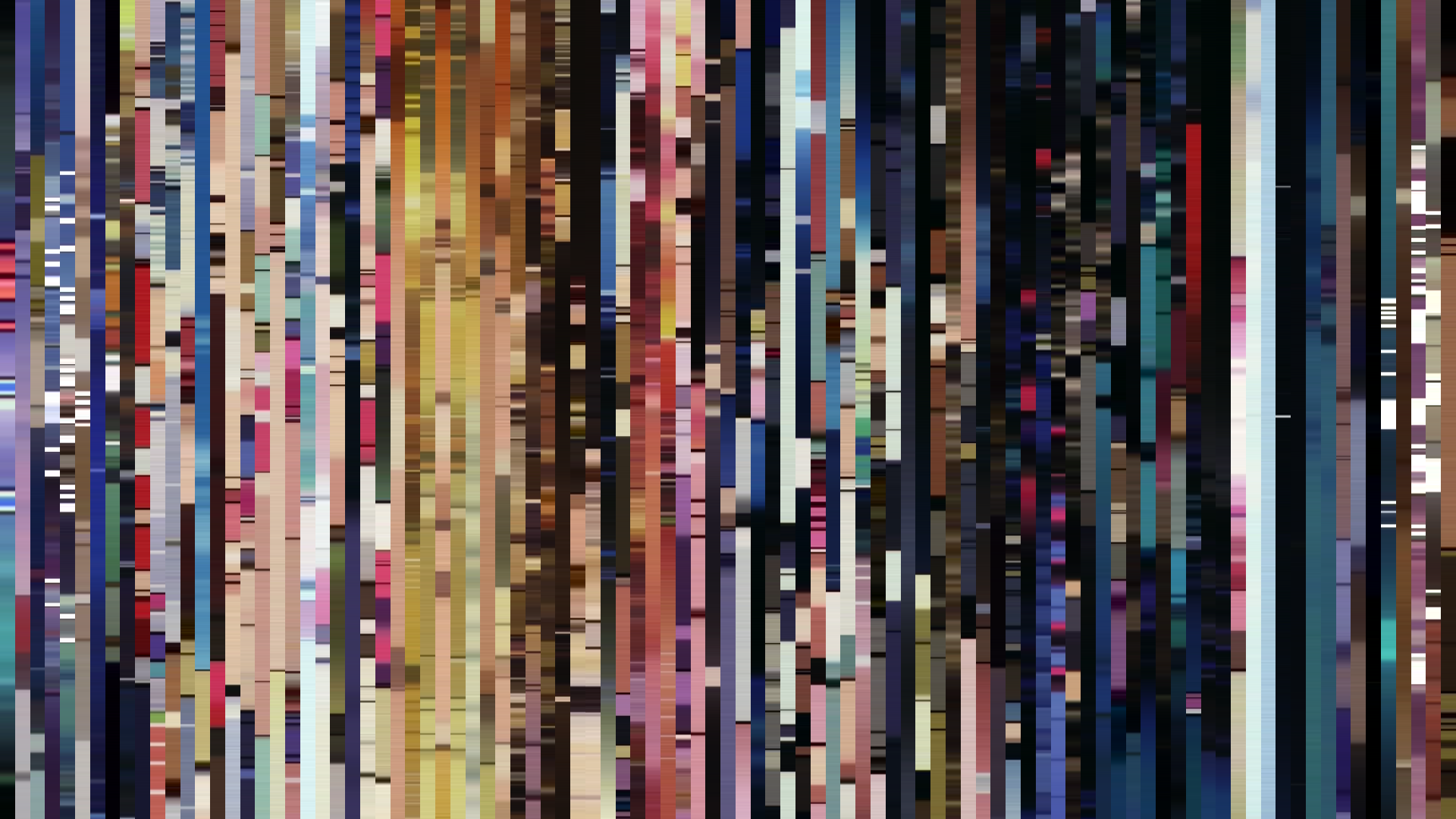
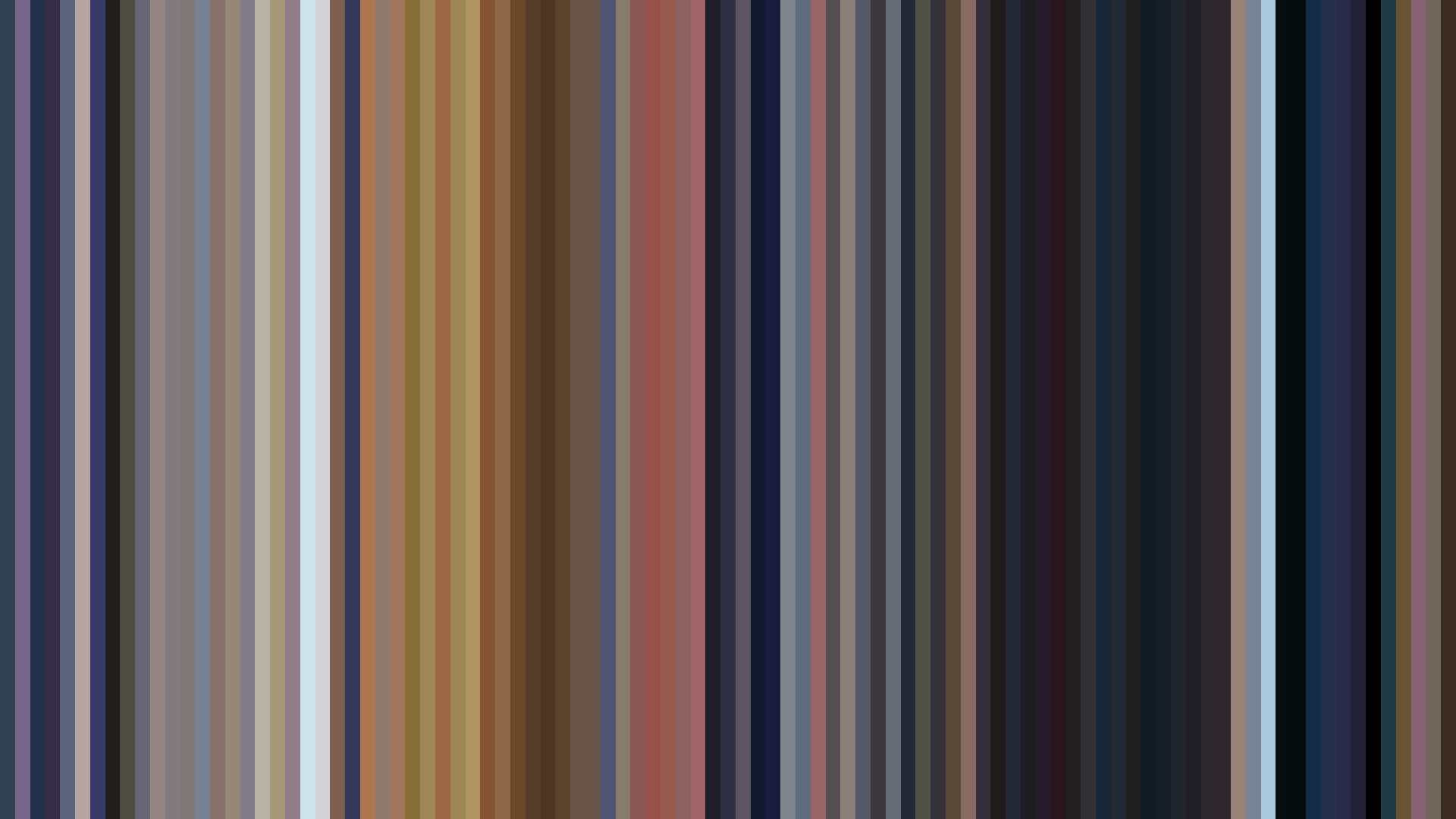
Frame Density Comparison — every 2nd vs every 4th frame
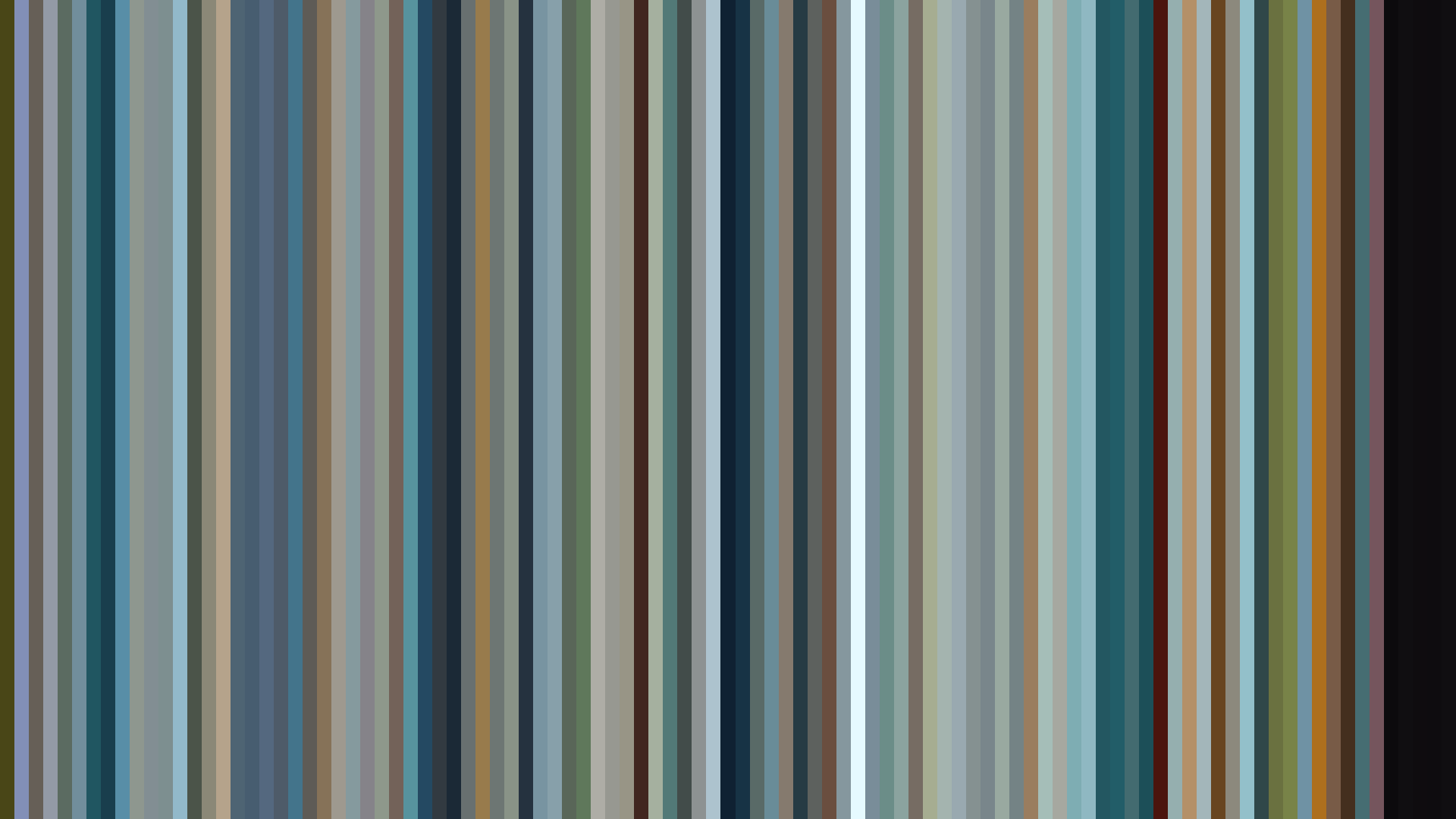
Slice · 15s
Avg · 15s
Slice · 30s
Avg · 30s
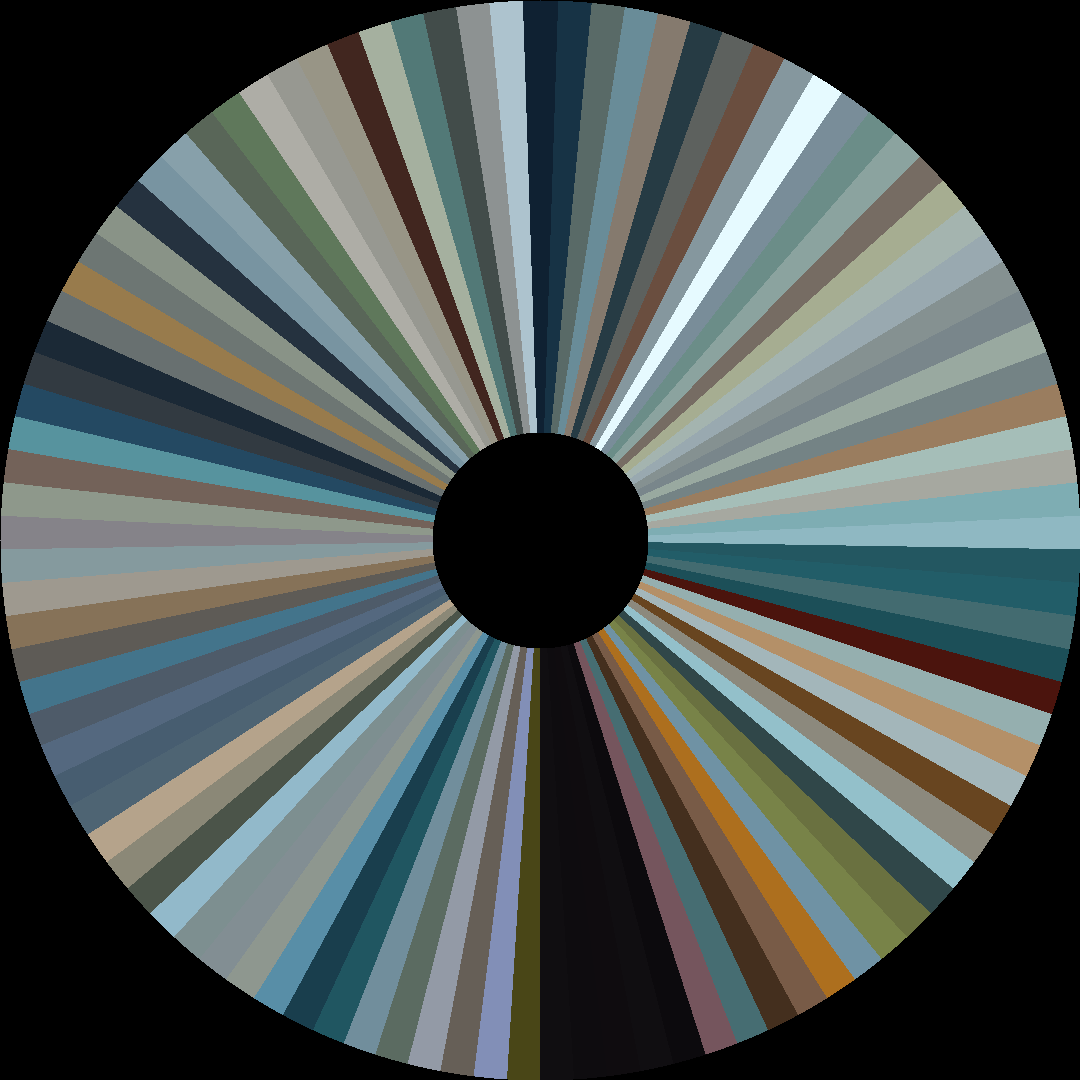
Green's dominance in B'T X is a calculated anomaly for mid-90s action sci-fi, which typically bled warm reds and oranges into its battle sequences. TMS Entertainment’s palette here is chilled and industrial—muted teals, gray-greens, and a faint, almost clinical cyan that never quite reaches daylight clarity. The brightness arc traces a gradual descent into dusk: opening at 0.474, middle at 0.461, closing at 0.400. There is no sudden plunge; the darkening is methodical, reflecting a narrative where the line between organic and mechanical is eroded millimeter by millimeter. This is not the bright-ending catharsis of a typical adventure, nor the sharp dark midpoint of a tragic turn. It’s a slow corrosion
Brightness Arc (episode progression)
Hue Distribution
Act Breakdown
Opening
0.474
Middle
0.461
Closing
0.400
Avg Brightness
0.482
Avg Saturation
0.285
Warmth
0.468
Color Palette
#181D1A
#9DA39E
#5D6460
#D9E6E7
#29535D
#68939E
#A8D0DB
#DBCAAE
3-Act Color Story
Opening
Middle
Closing
Color Twins
Perceptually nearest palettes — measured in OKLab space, not RGB






Green's dominance in B'T X is a calculated anomaly for mid-90s action sci-fi, which typically bled warm reds and oranges into its battle sequences. TMS Entertainment’s palette here is chilled and industrial—muted teals, gray-greens, and a faint, almost clinical cyan that never quite reaches daylight clarity. The brightness arc traces a gradual descent into dusk: opening at 0.474, middle at 0.461, closing at 0.400. There is no sudden plunge; the darkening is methodical, reflecting a narrative where the line between organic and mechanical is eroded millimeter by millimeter. This is not the bright-ending catharsis of a typical adventure, nor the sharp dark midpoint of a tragic turn. It’s a slow corrosion