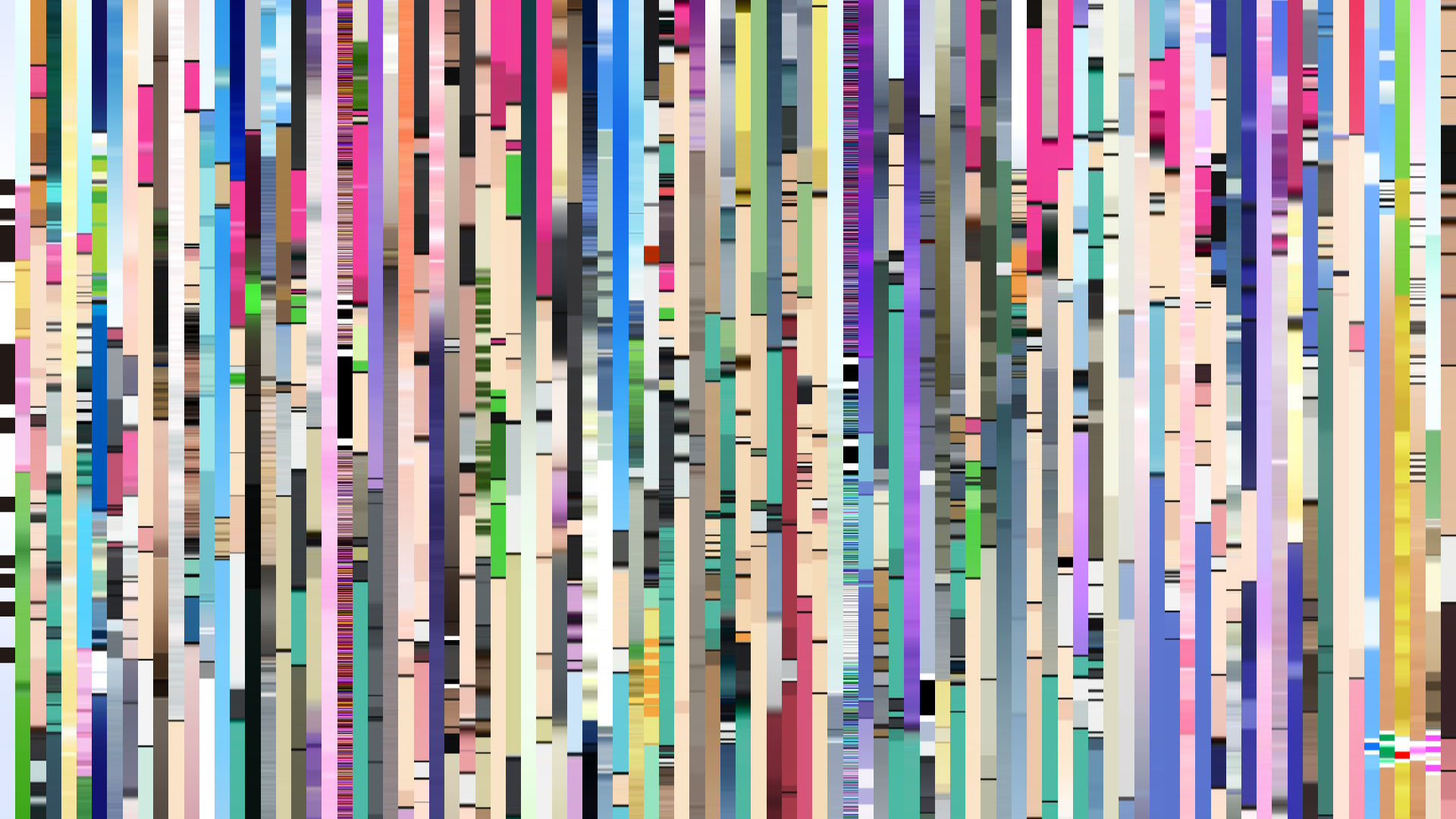
Edit Pace — frame-to-frame color delta (bright = fast cuts)
Color Temperature — warm (gold) vs cool (teal) per frame
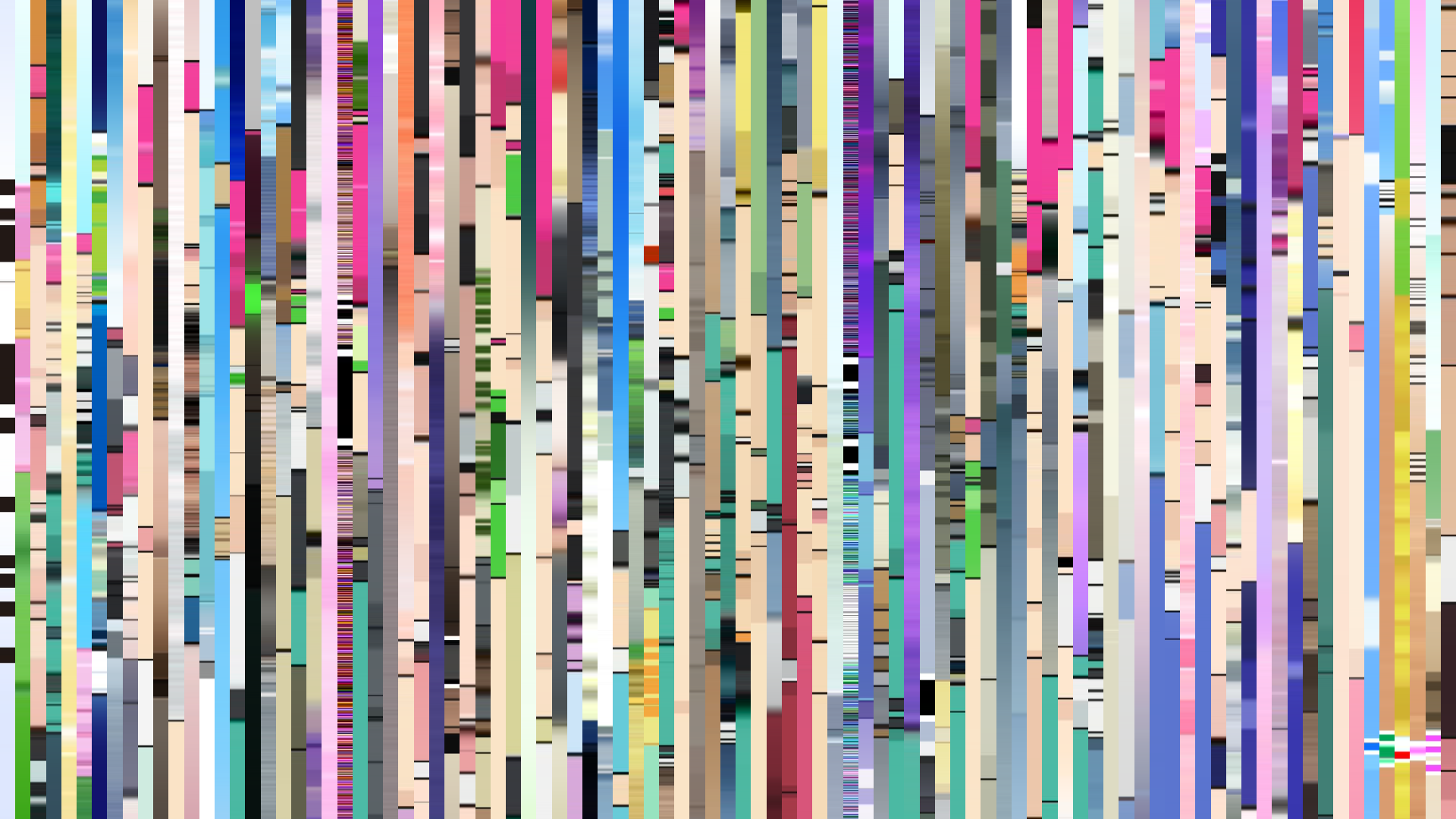
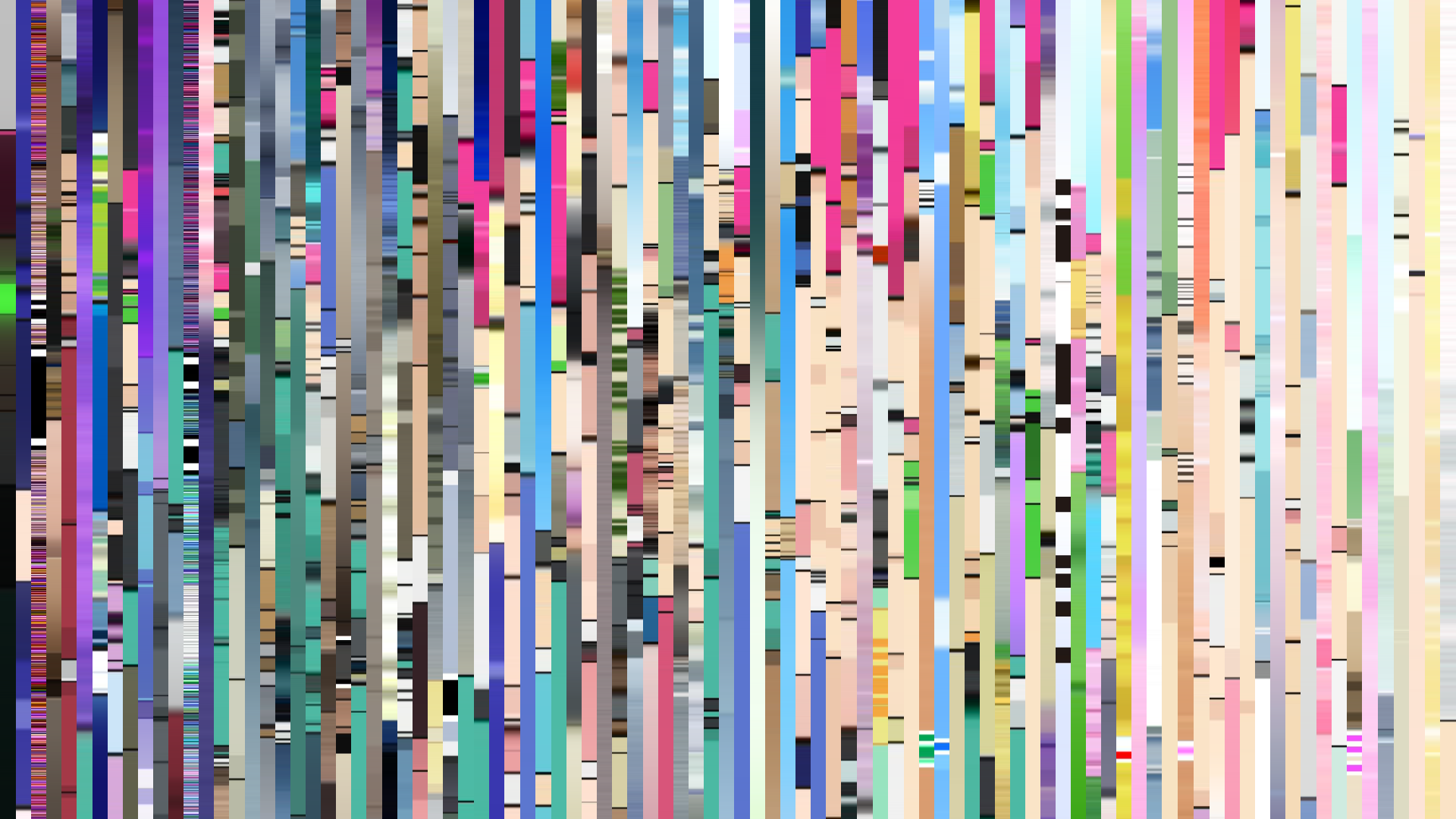
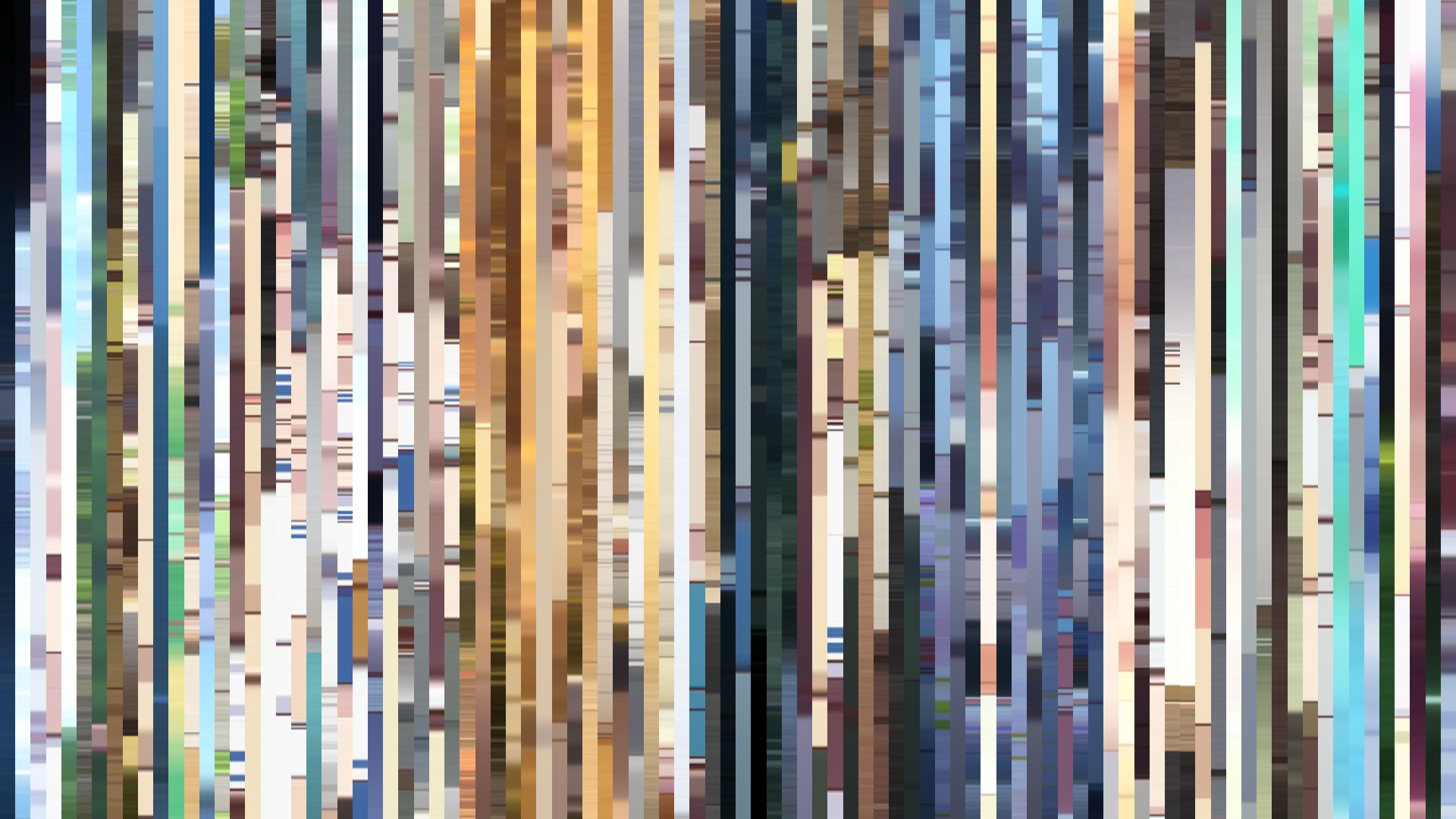
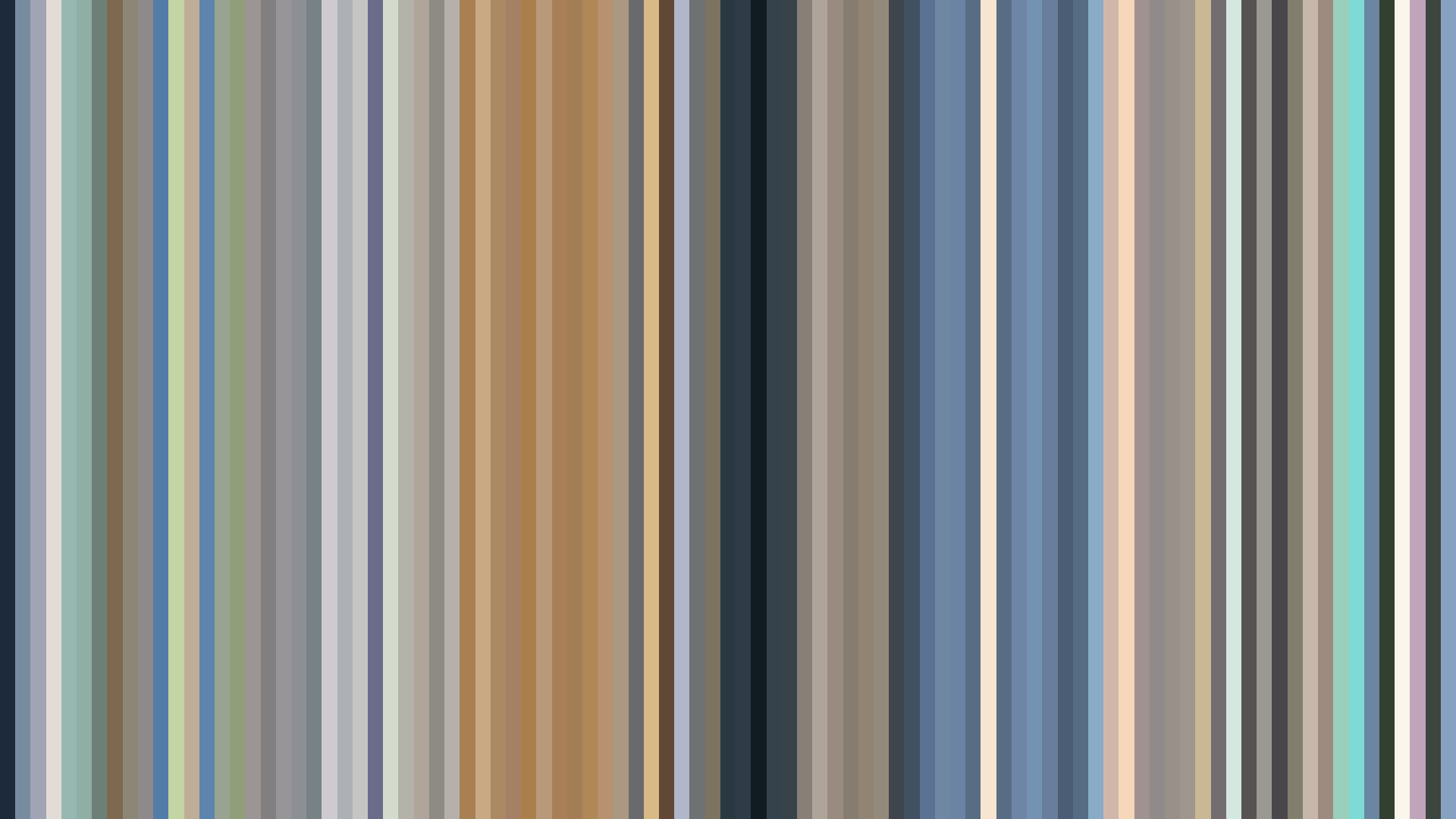
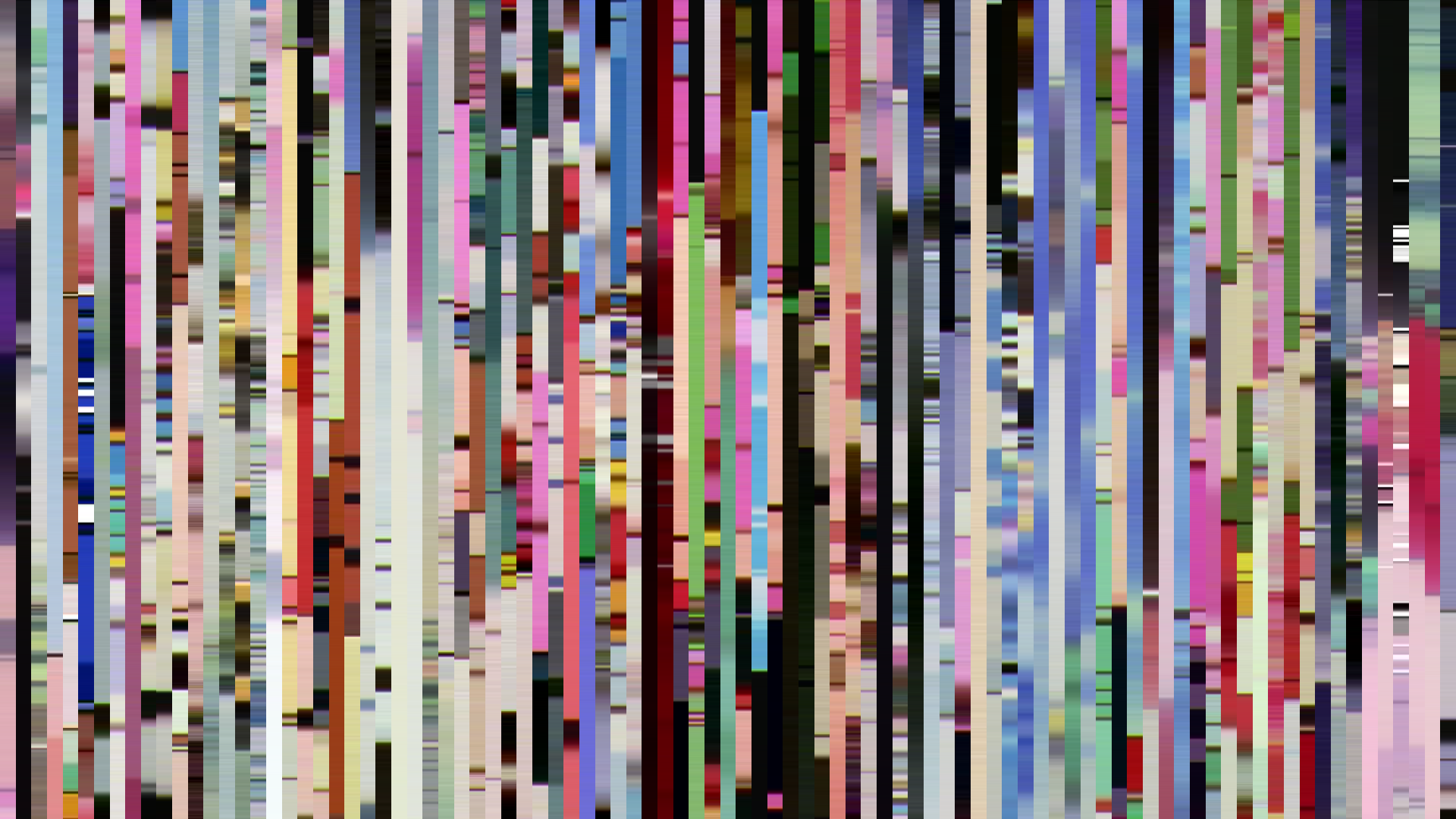
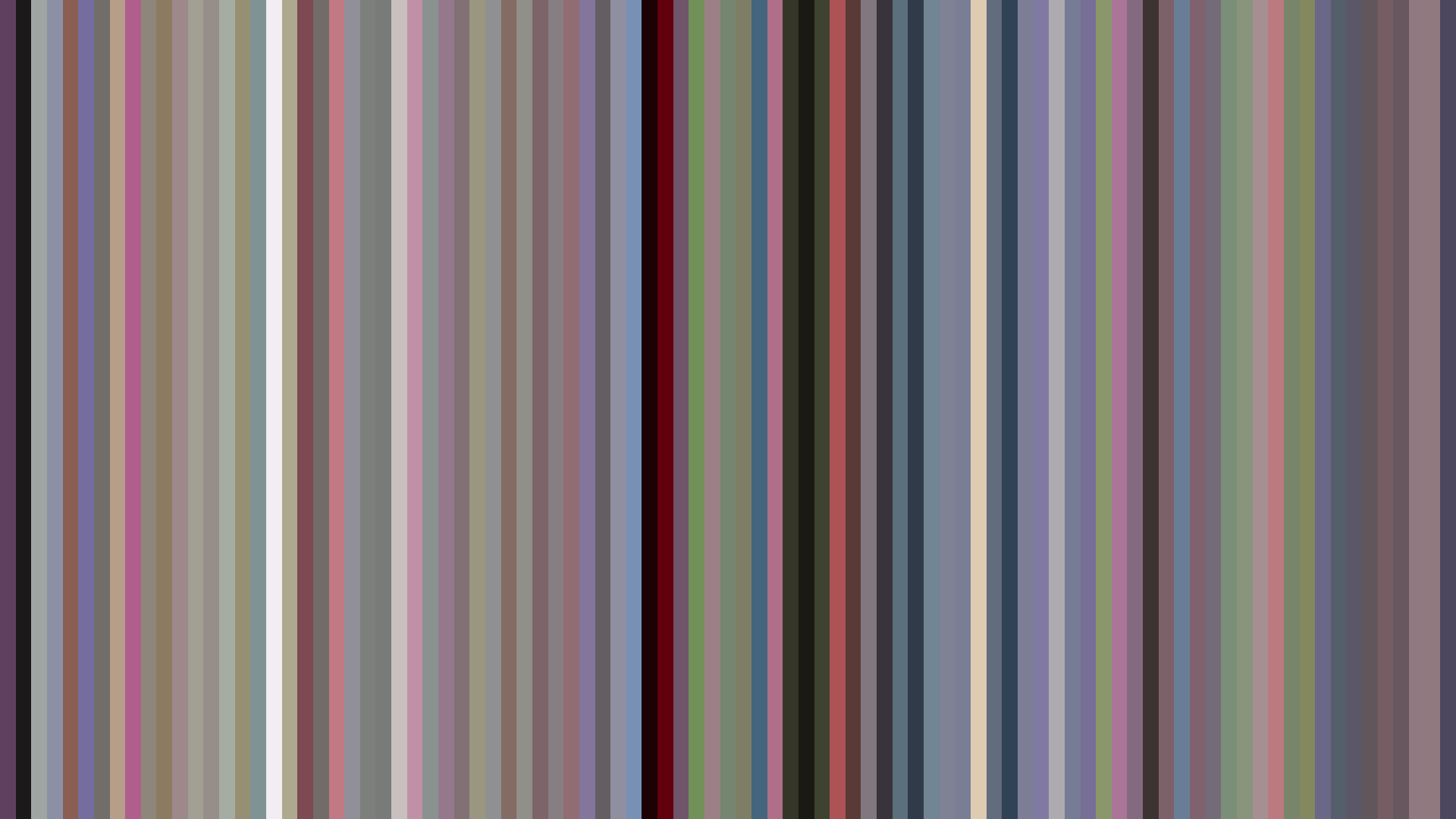
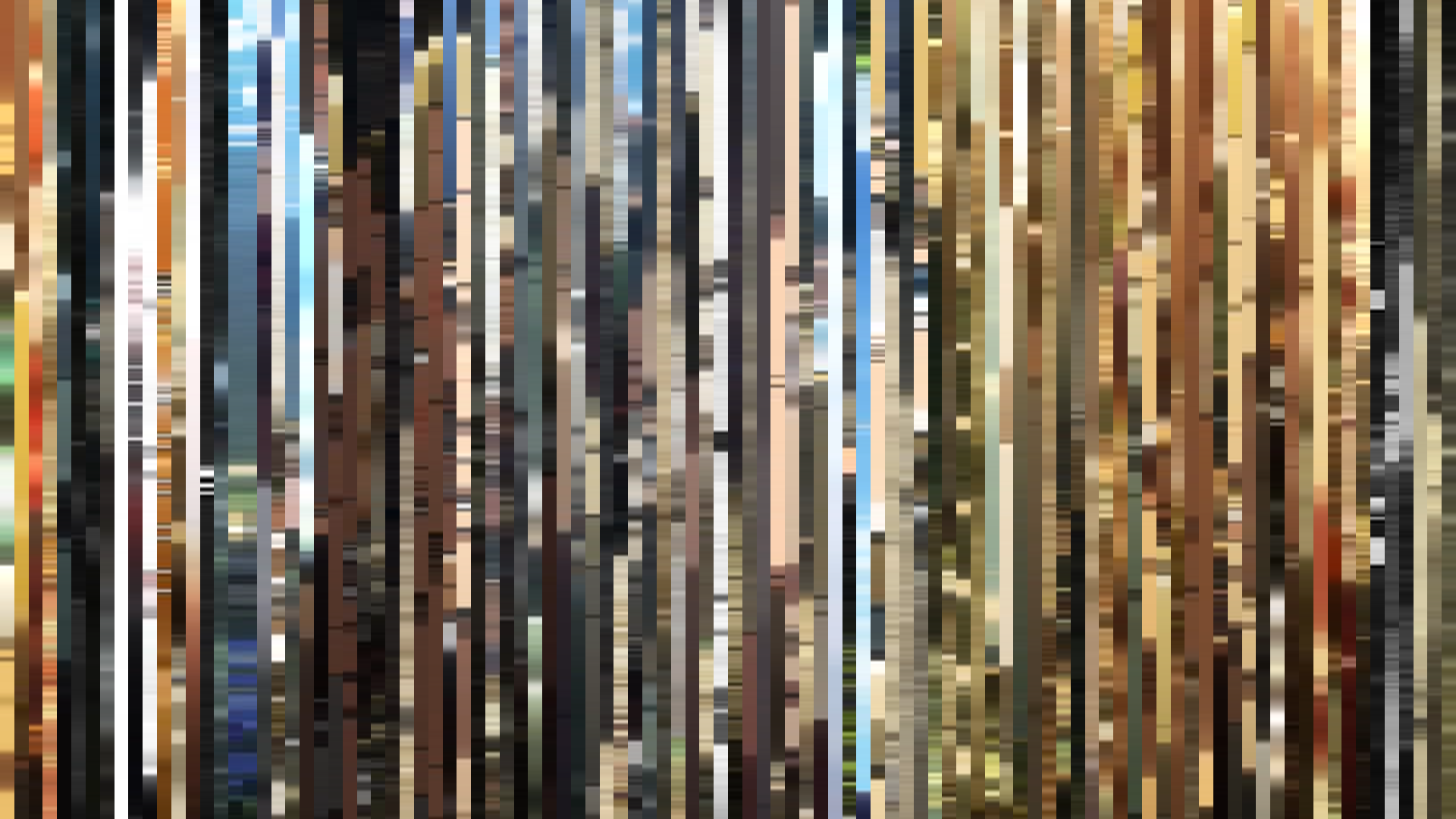
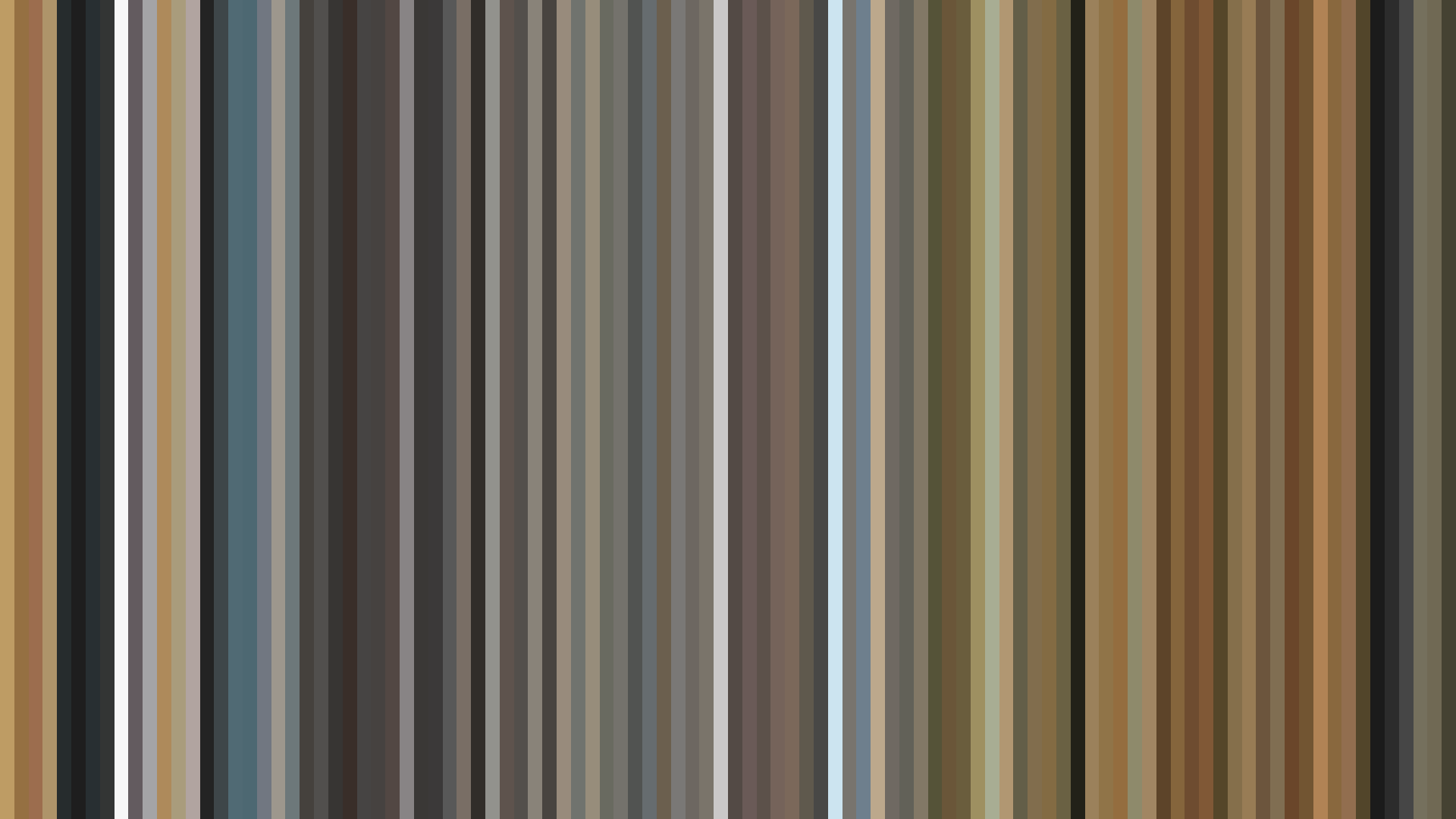
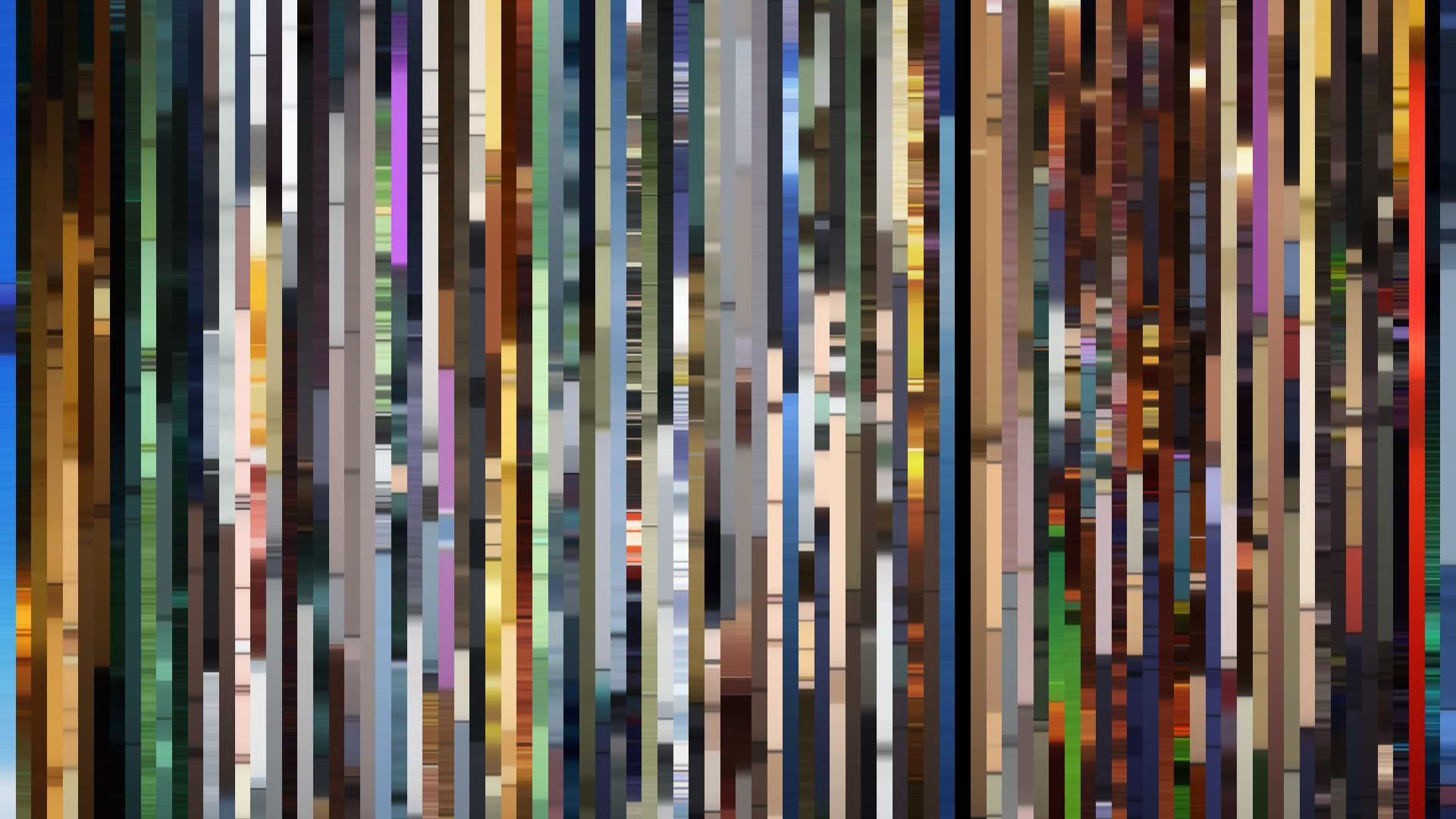
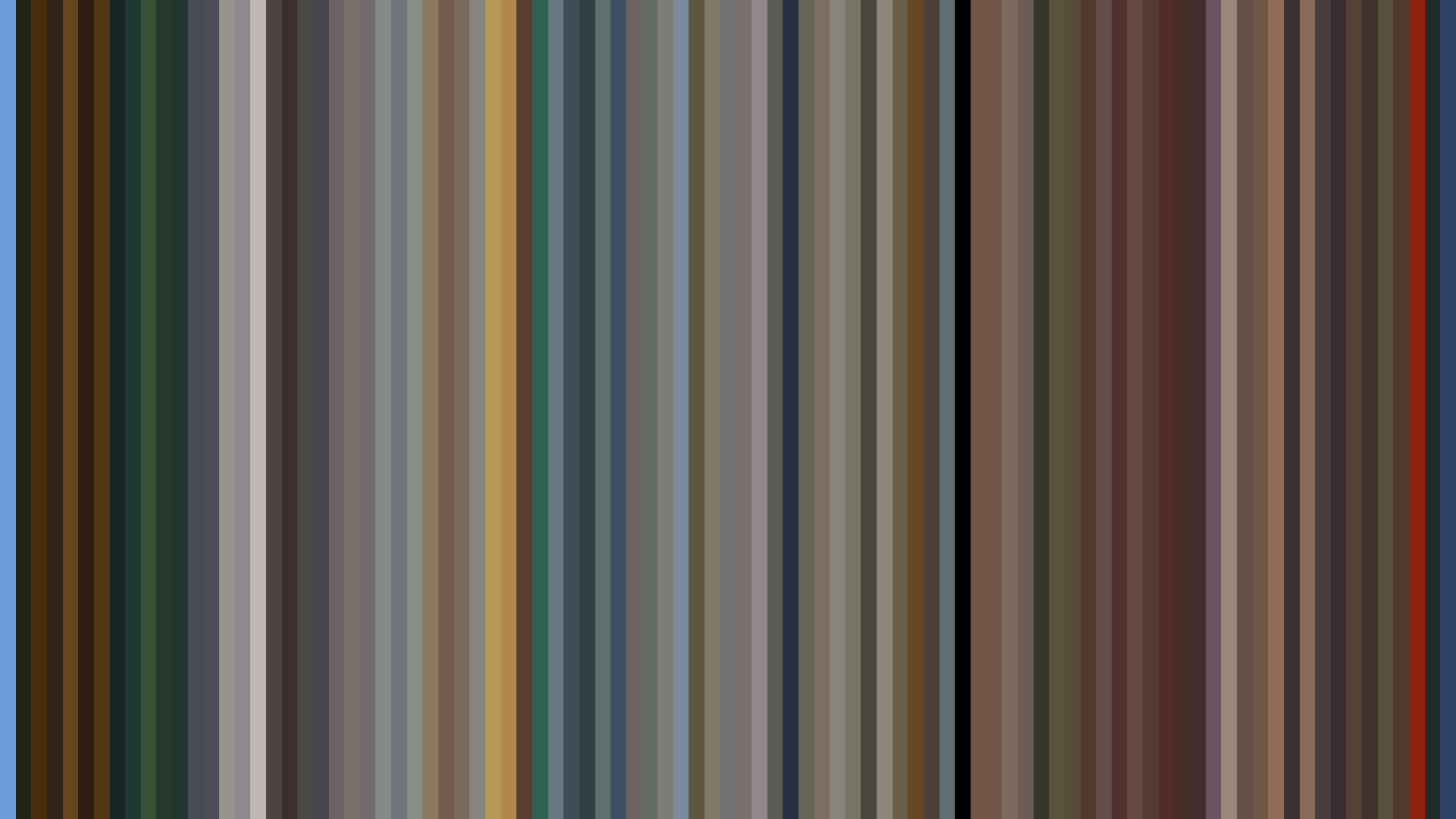
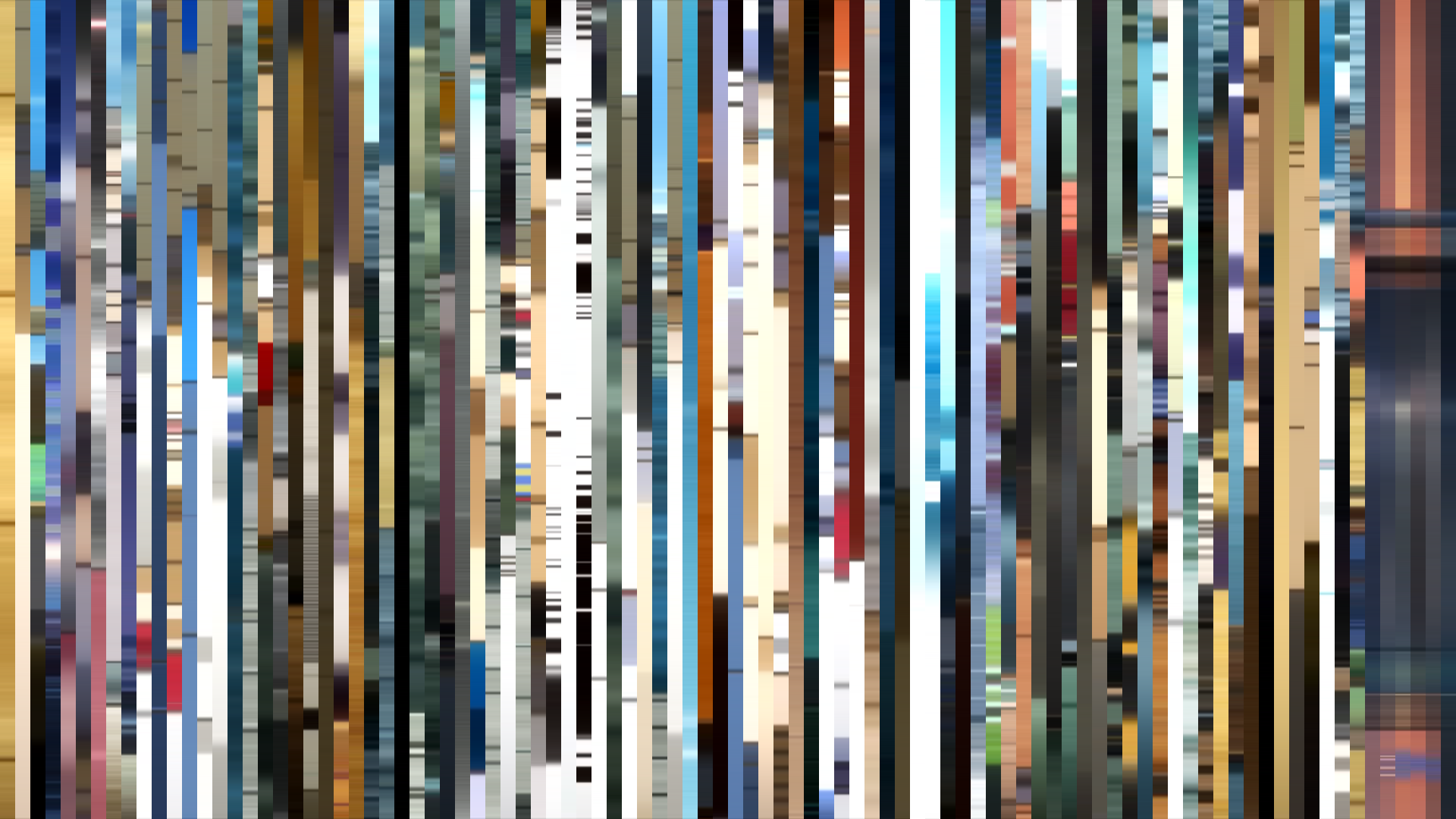
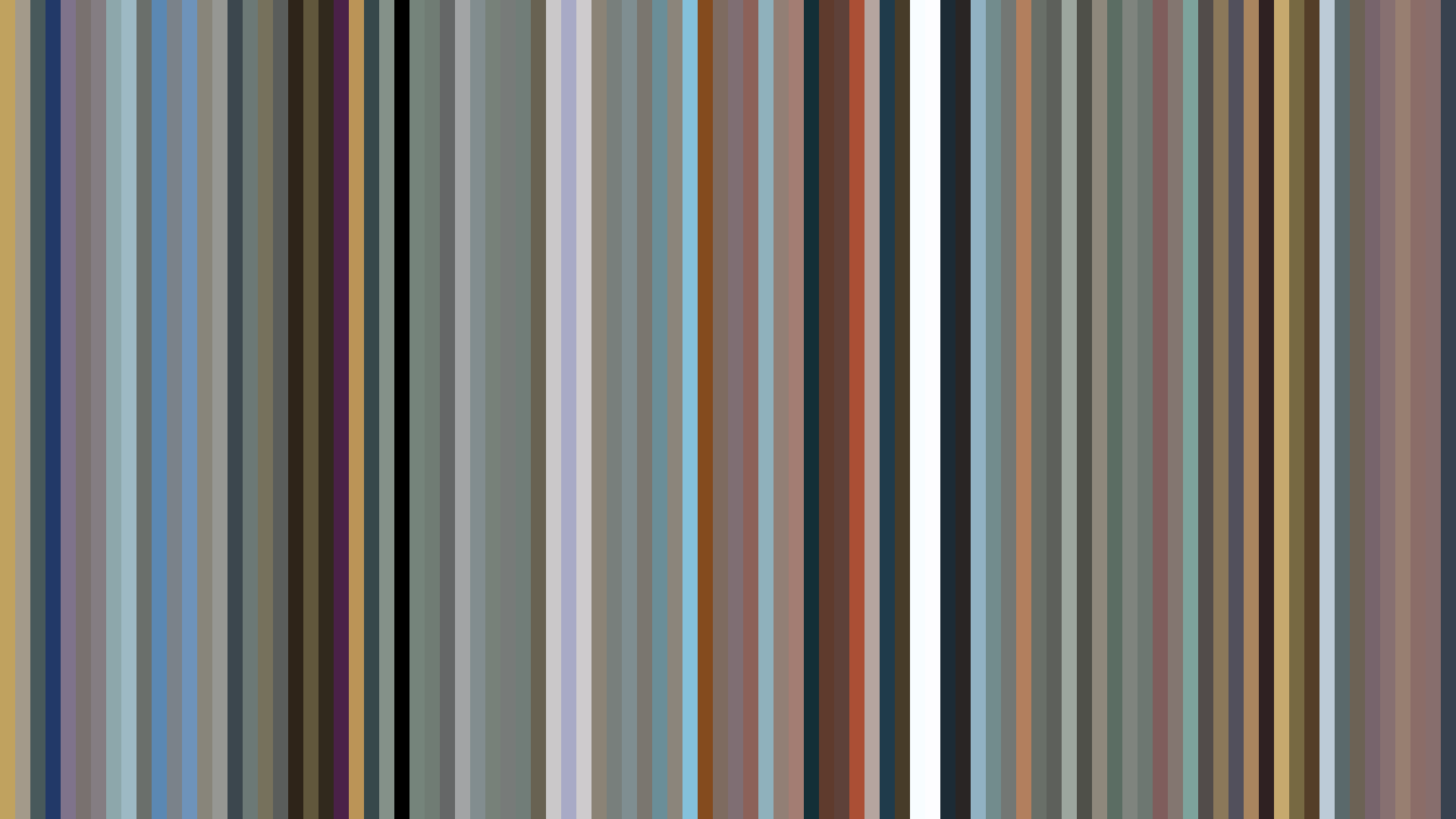
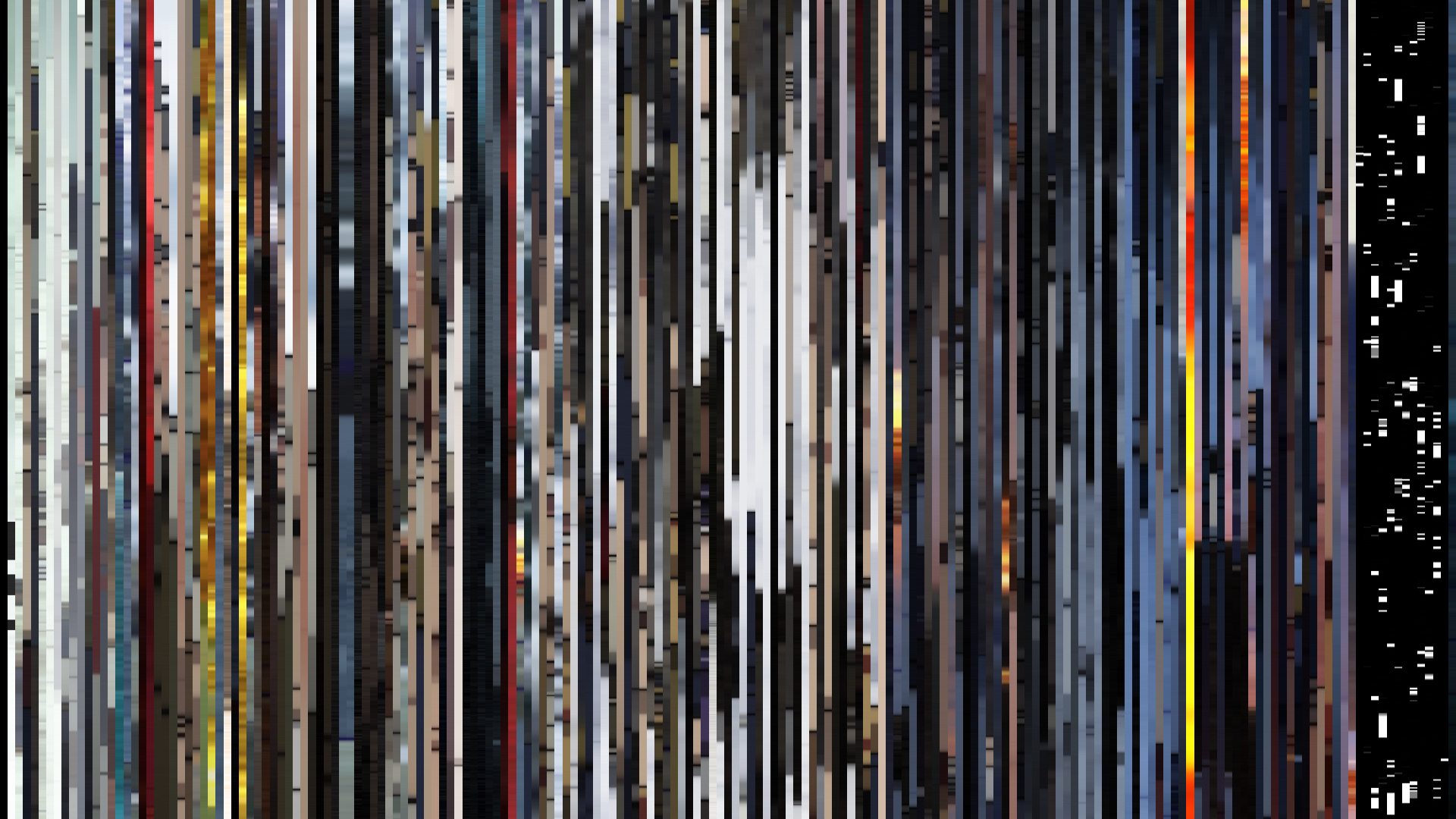
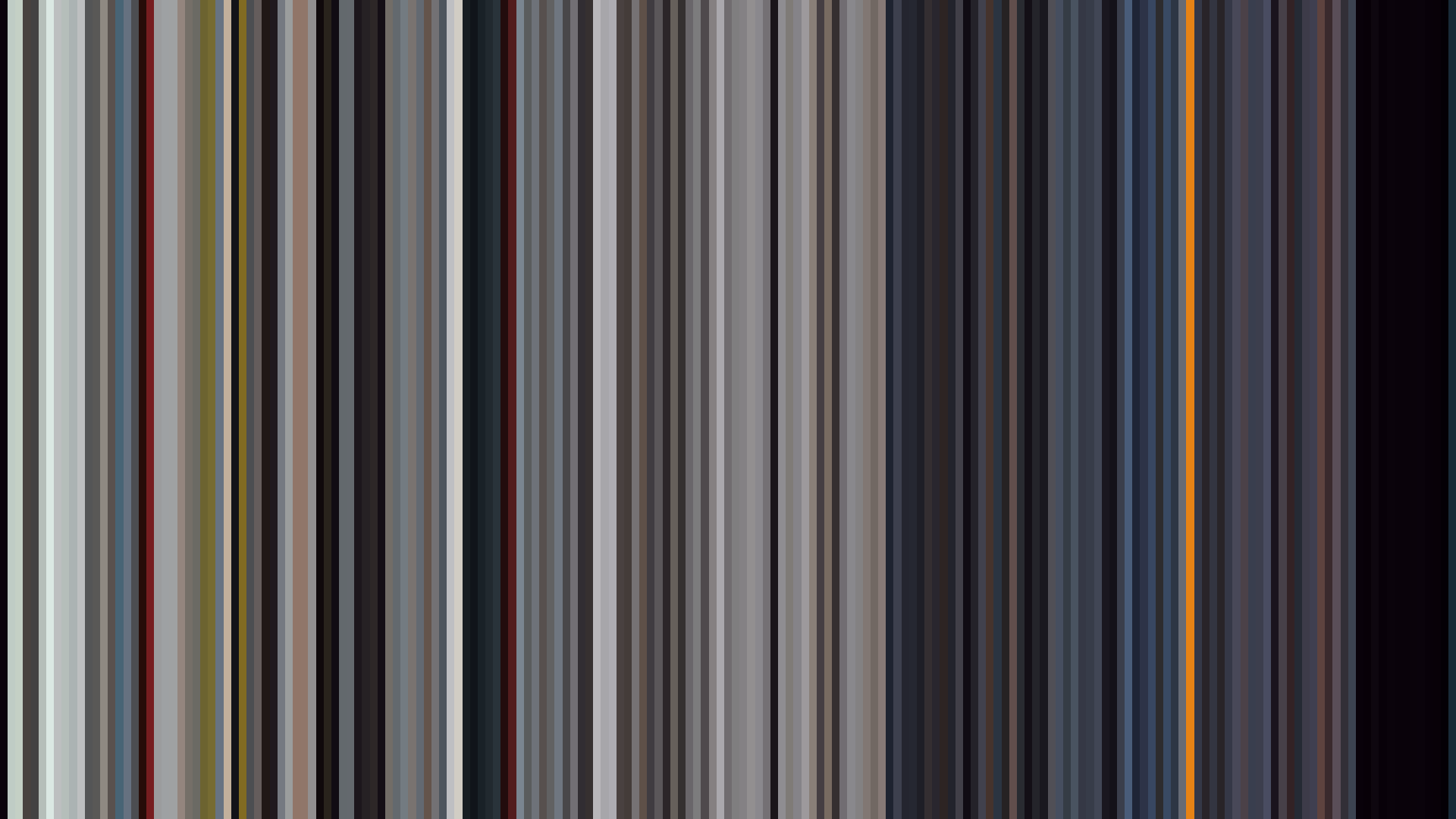
Frame Density Comparison — every 2nd vs every 4th frame
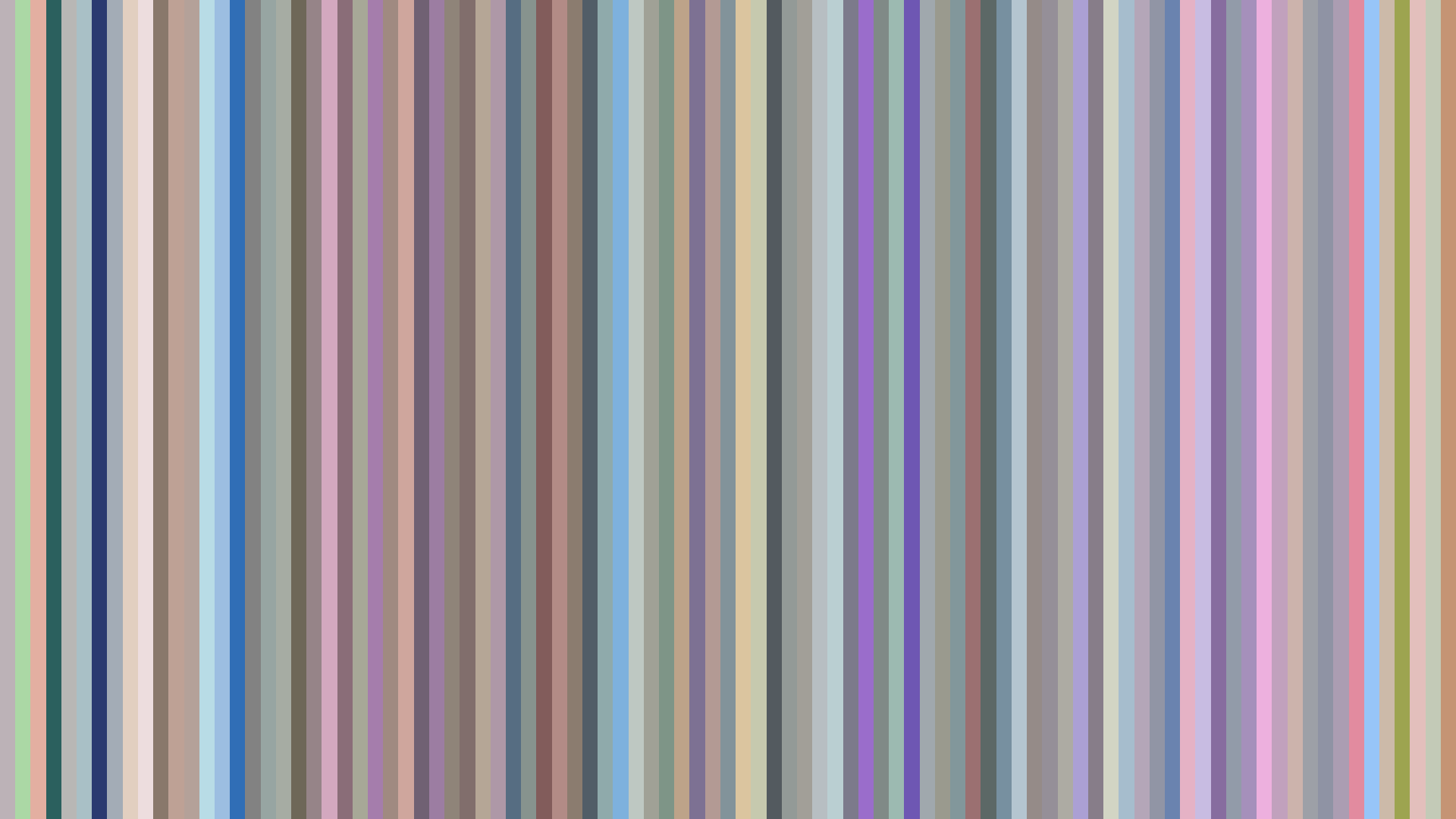
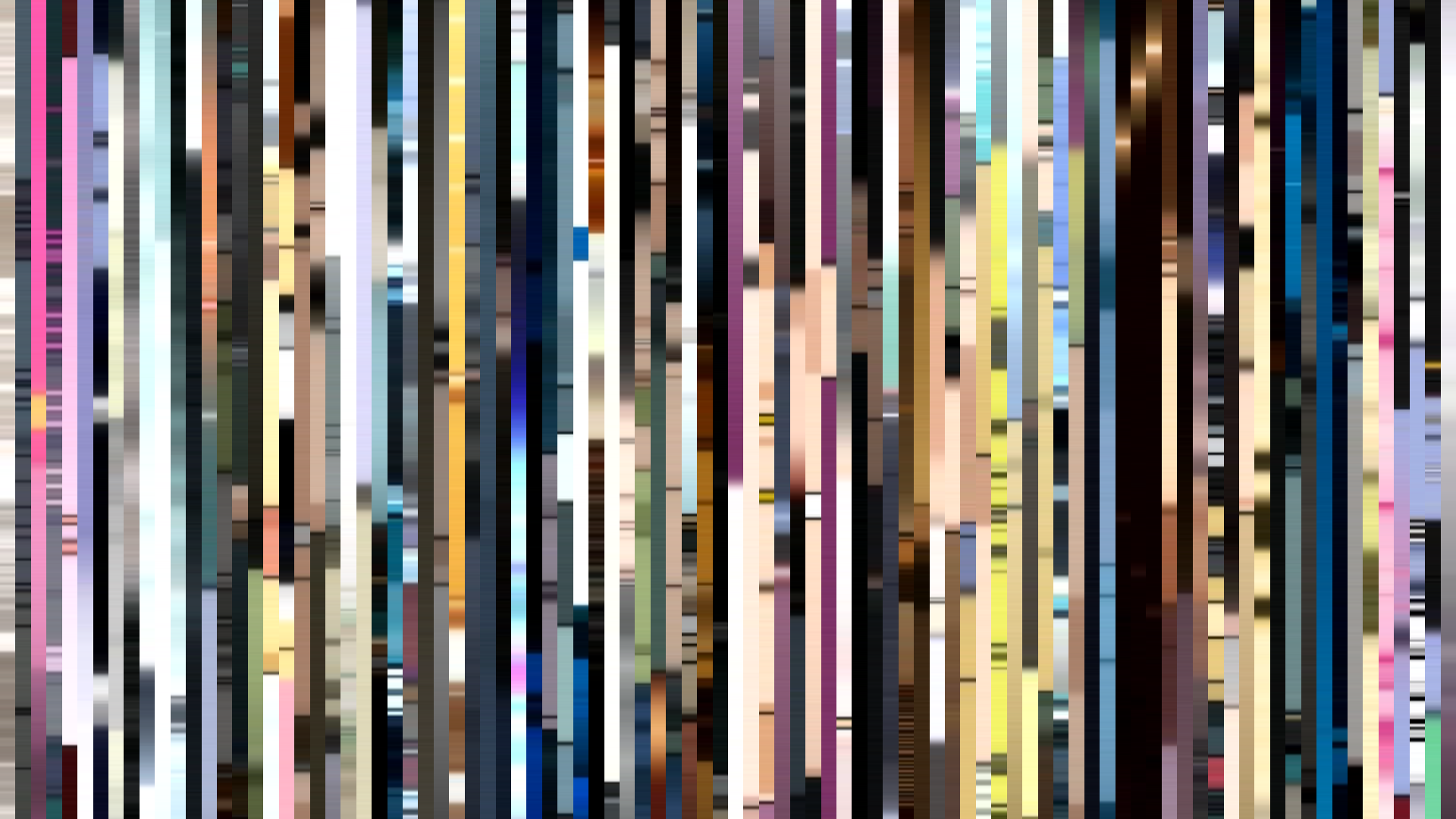
Slice · 15s
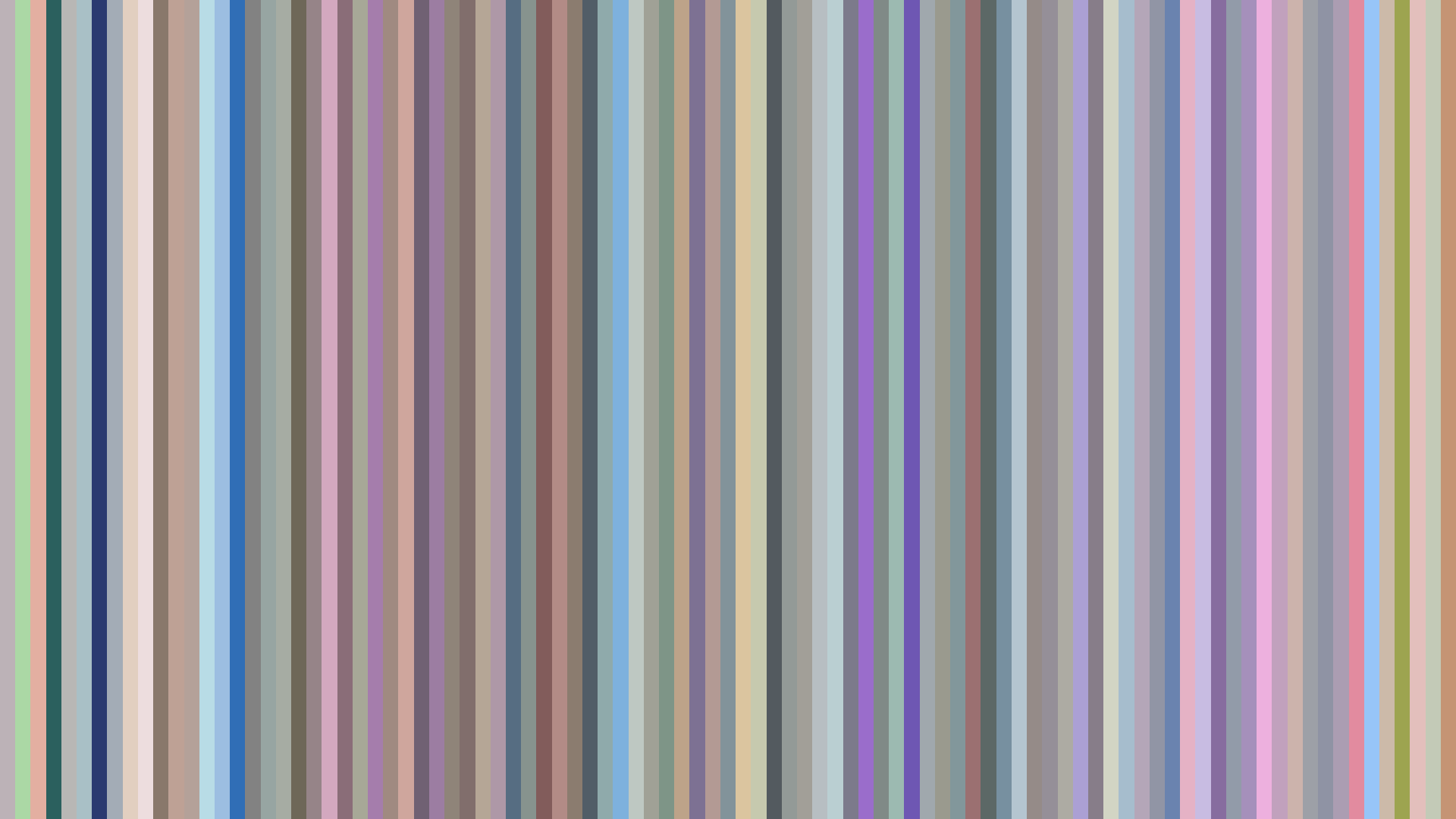
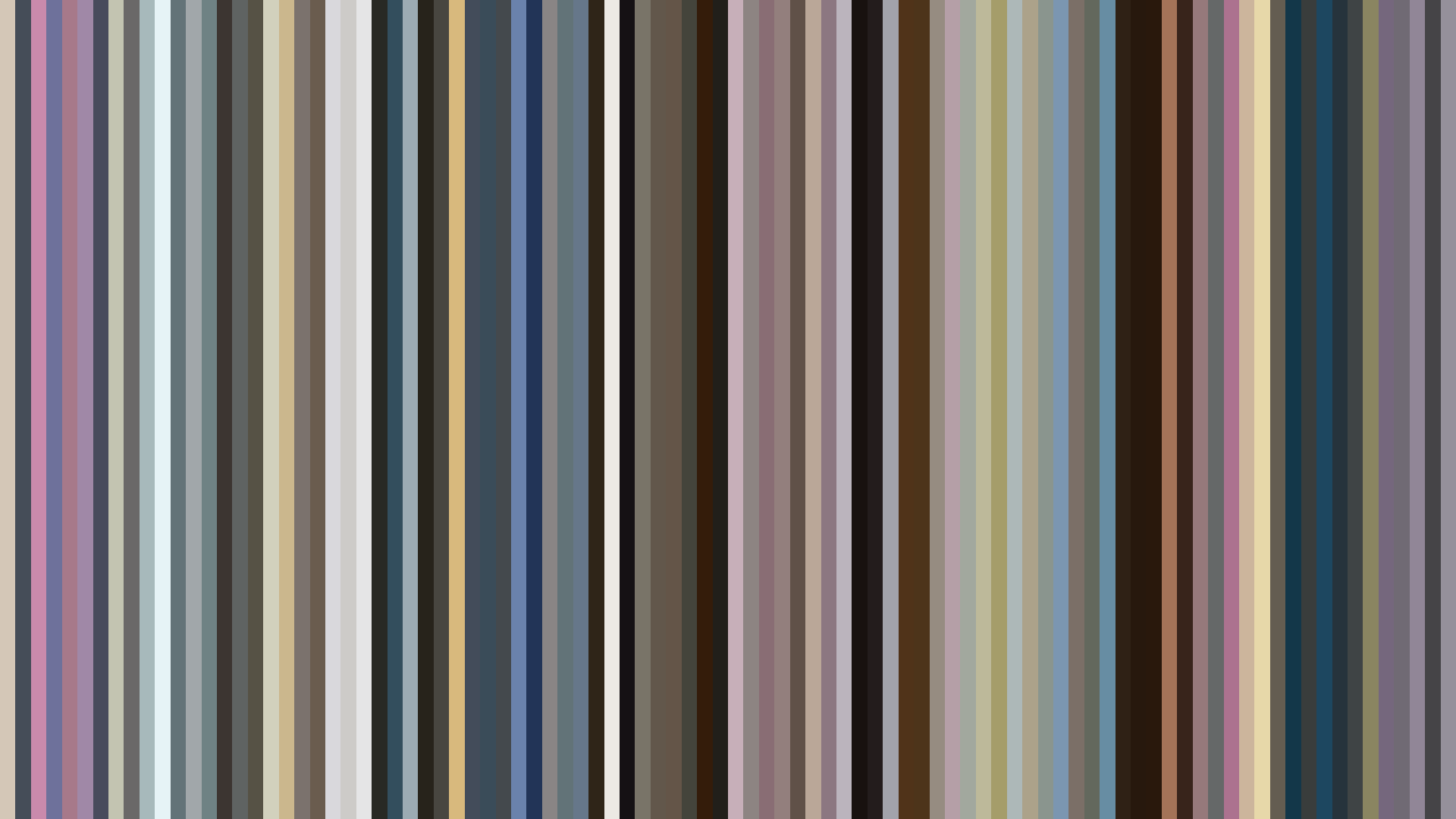
Avg · 15s
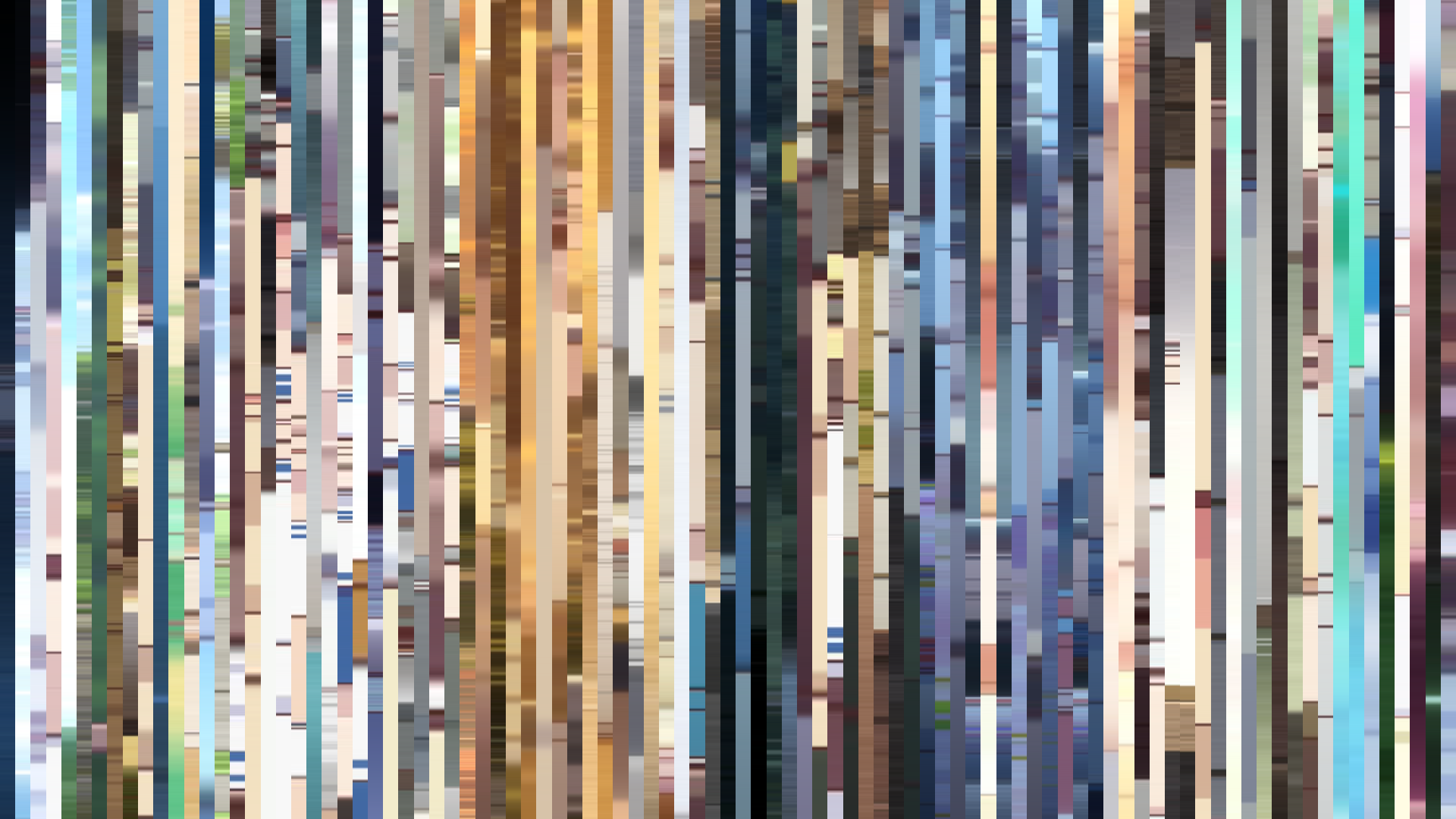
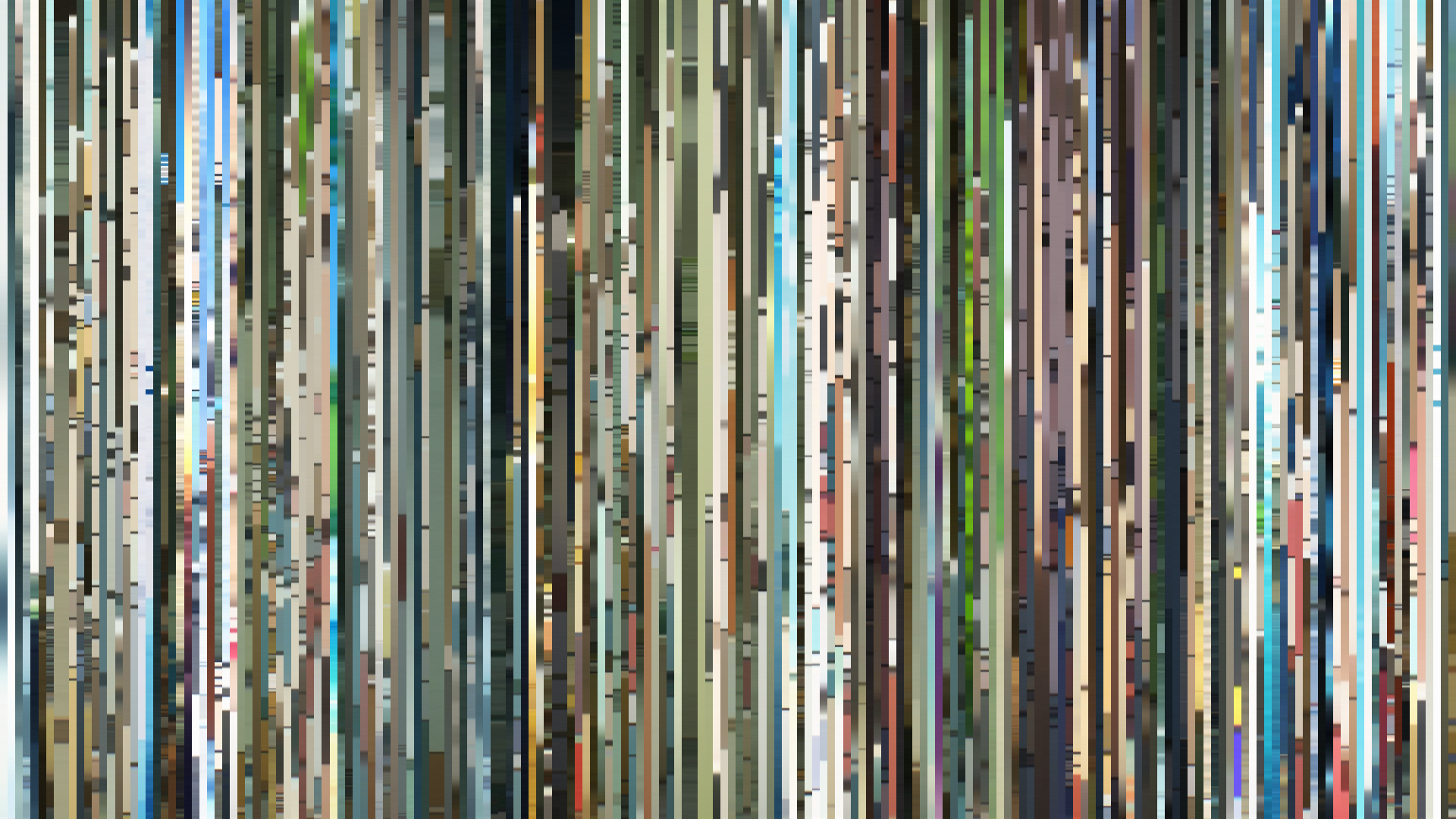
Slice · 30s
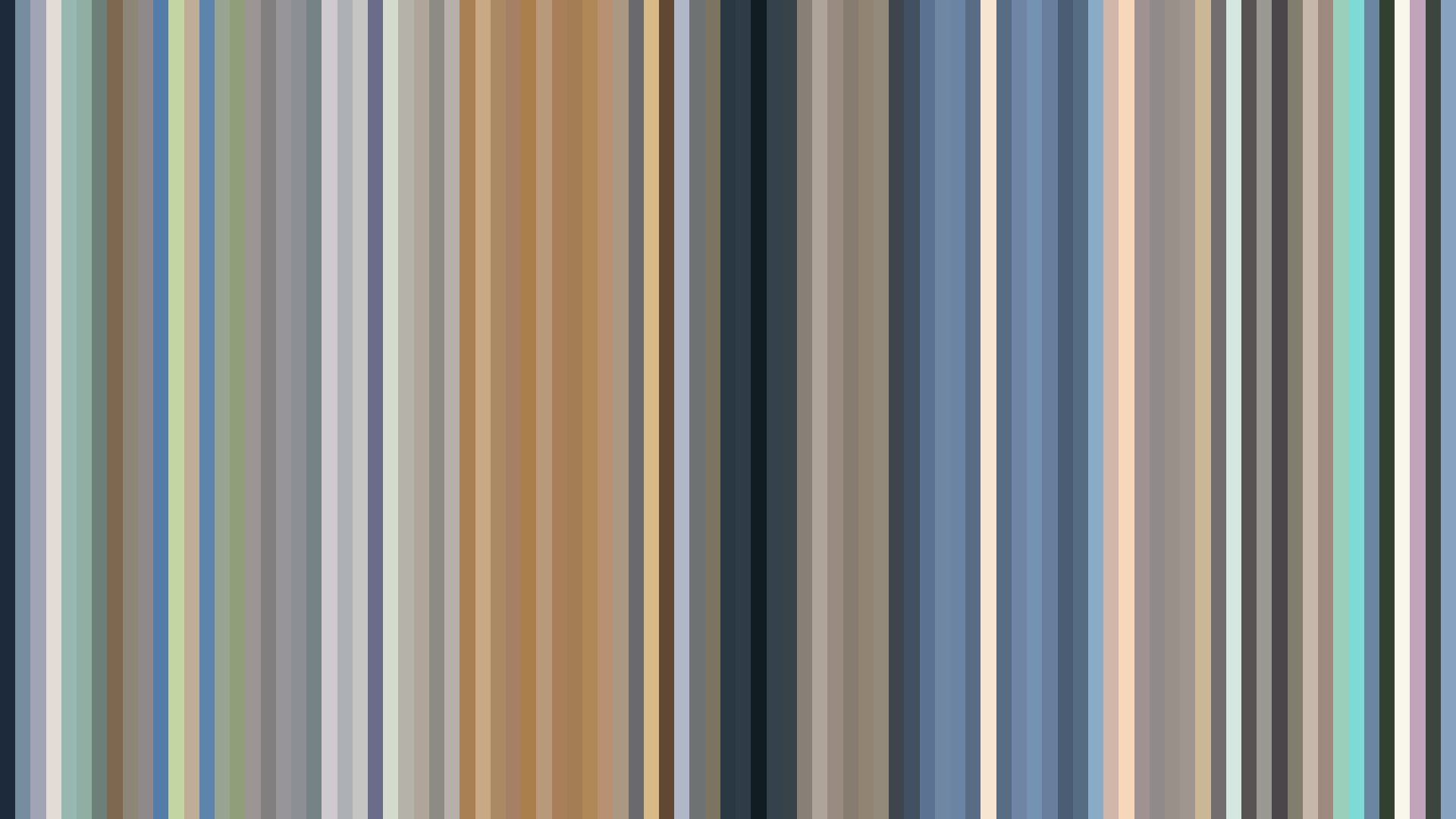
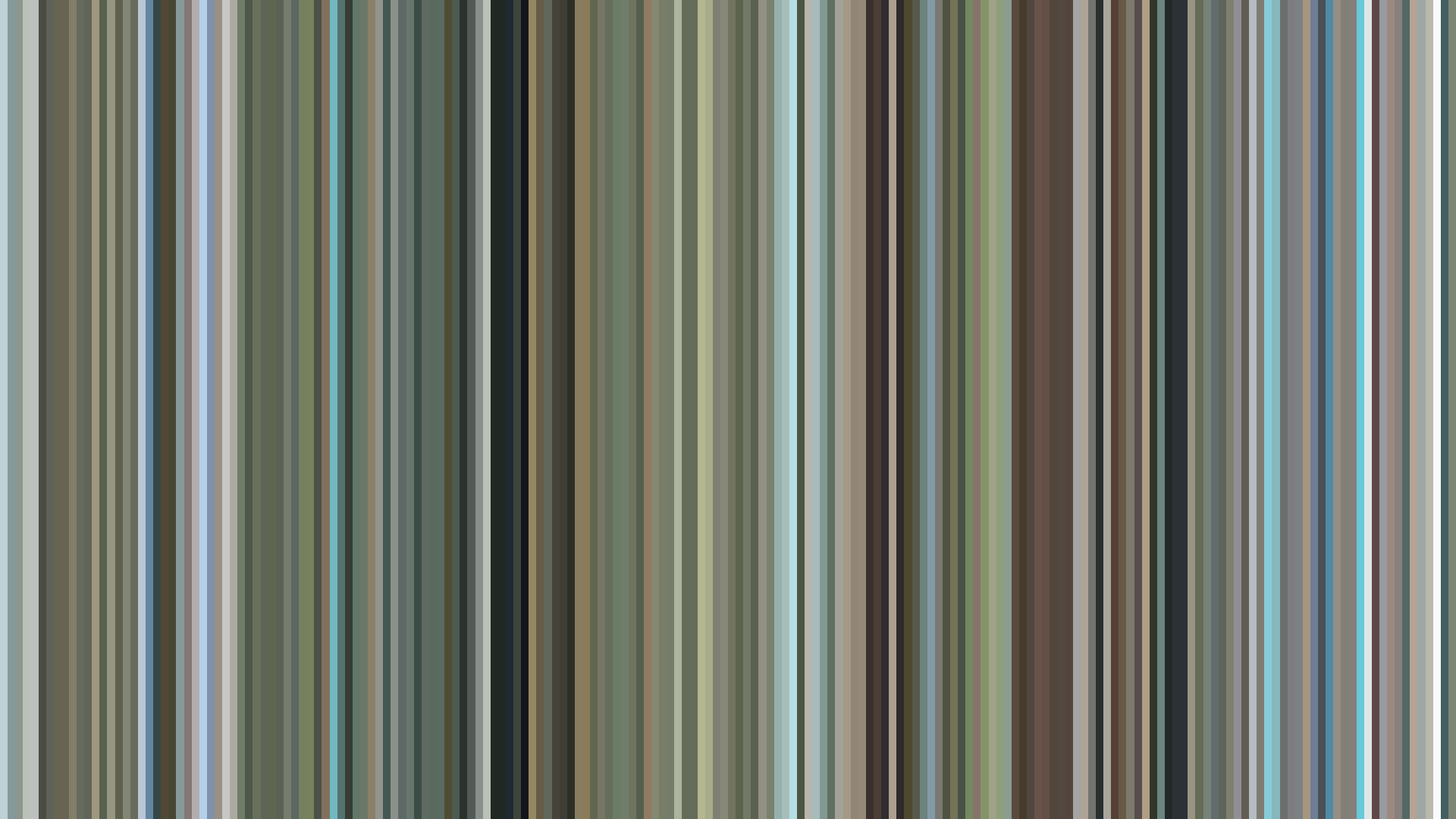
Avg · 30s
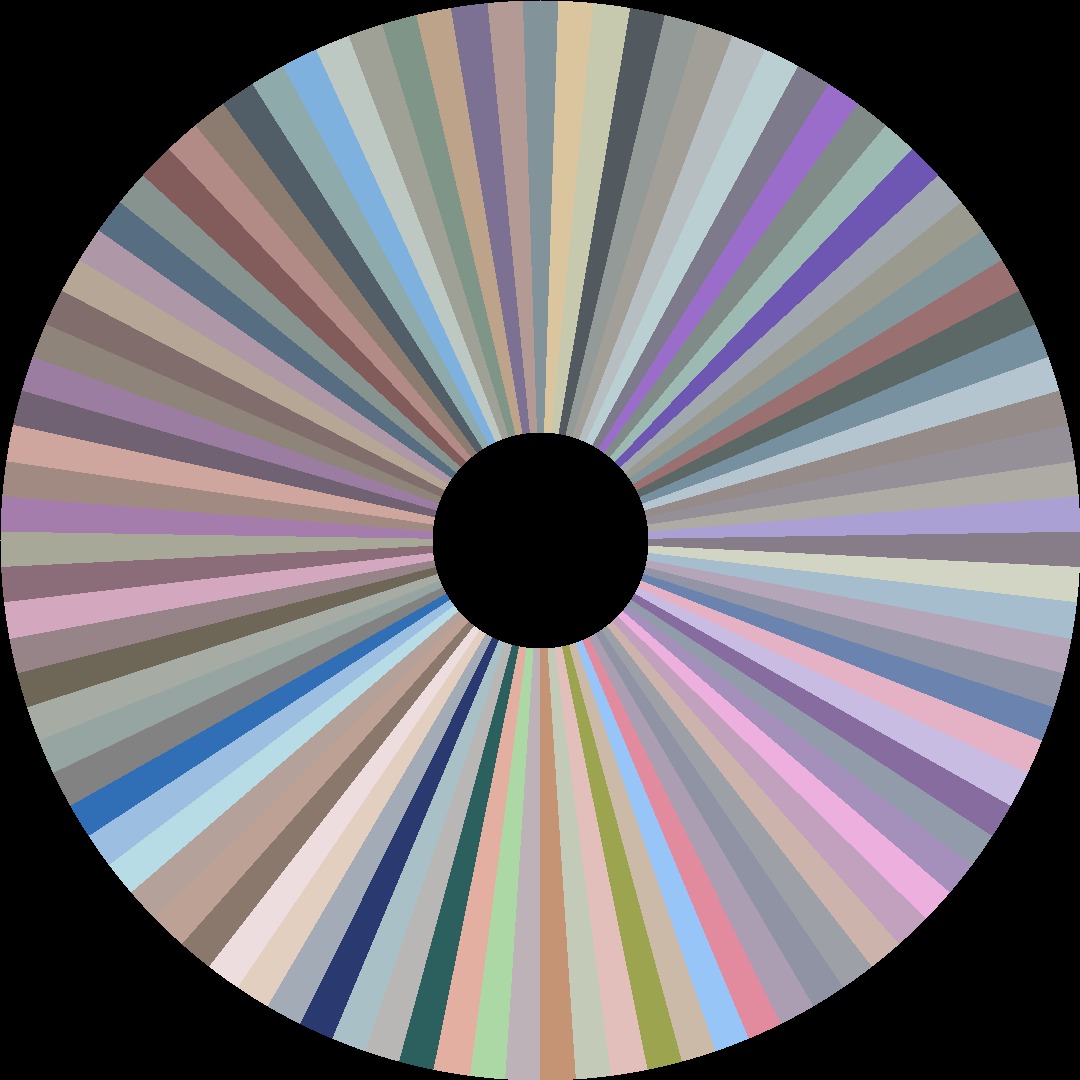
The palette of *Saiki K. 2* is a deliberate anti-statement against the usual comedy show's loud, vibrant luminance. With average saturation barely above 0.2 and a clean bright-ending arc that dips only slightly in the middle, the show's visual strategy mirrors its protagonist's psychic exasperation: a world drained of chromatic energy by an omnipotent teenager who just wants to be left alone. J.C.Staff and director Hiroaki Sakurai lean into desaturated beiges (#EDE4DD, #A0A09E) to create a comfort-blandness that makes every punchline land without flash. The red dominance (20%) is not passion but the low hum of annoyance—the color of Saiki's hair, the only ambient spike
Brightness Arc (episode progression)
Hue Distribution
Act Breakdown
Opening
0.564
Middle
0.537
Closing
0.634
Avg Brightness
0.634
Avg Saturation
0.222
Warmth
0.503
Color Palette
#EDE4DD
#A0A09E
#E4D2AF
#5F605E
#232424
#D8AA9F
#5DA09B
#5F6695
3-Act Color Story
Opening
Middle
Closing
Color Twins
Perceptually nearest palettes — measured in OKLab space, not RGB






The palette of *Saiki K. 2* is a deliberate anti-statement against the usual comedy show's loud, vibrant luminance. With average saturation barely above 0.2 and a clean bright-ending arc that dips only slightly in the middle, the show's visual strategy mirrors its protagonist's psychic exasperation: a world drained of chromatic energy by an omnipotent teenager who just wants to be left alone. J.C.Staff and director Hiroaki Sakurai lean into desaturated beiges (#EDE4DD, #A0A09E) to create a comfort-blandness that makes every punchline land without flash. The red dominance (20%) is not passion but the low hum of annoyance—the color of Saiki's hair, the only ambient spike