Edit Pace — frame-to-frame color delta (bright = fast cuts)
Color Temperature — warm (gold) vs cool (teal) per frame
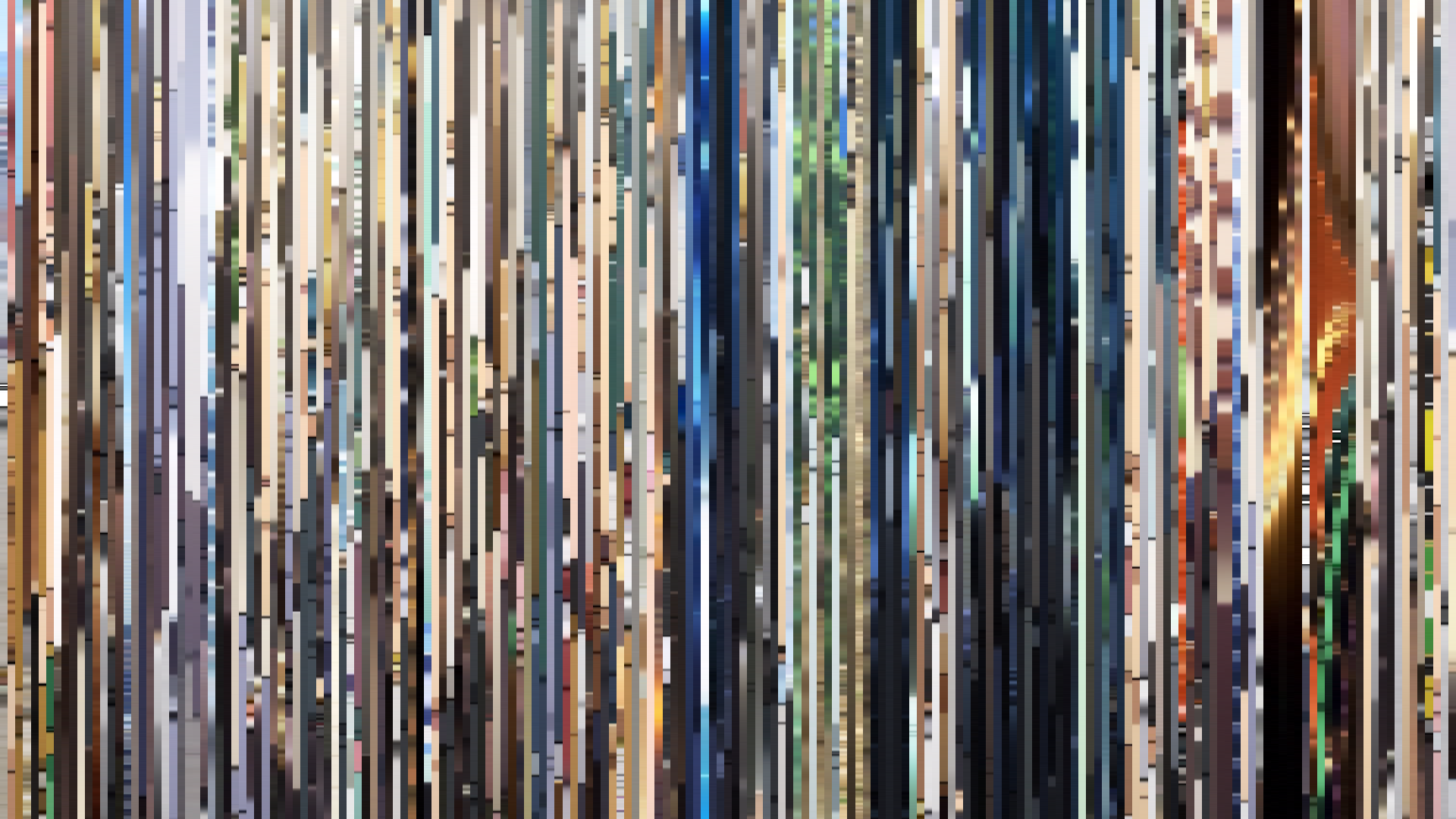
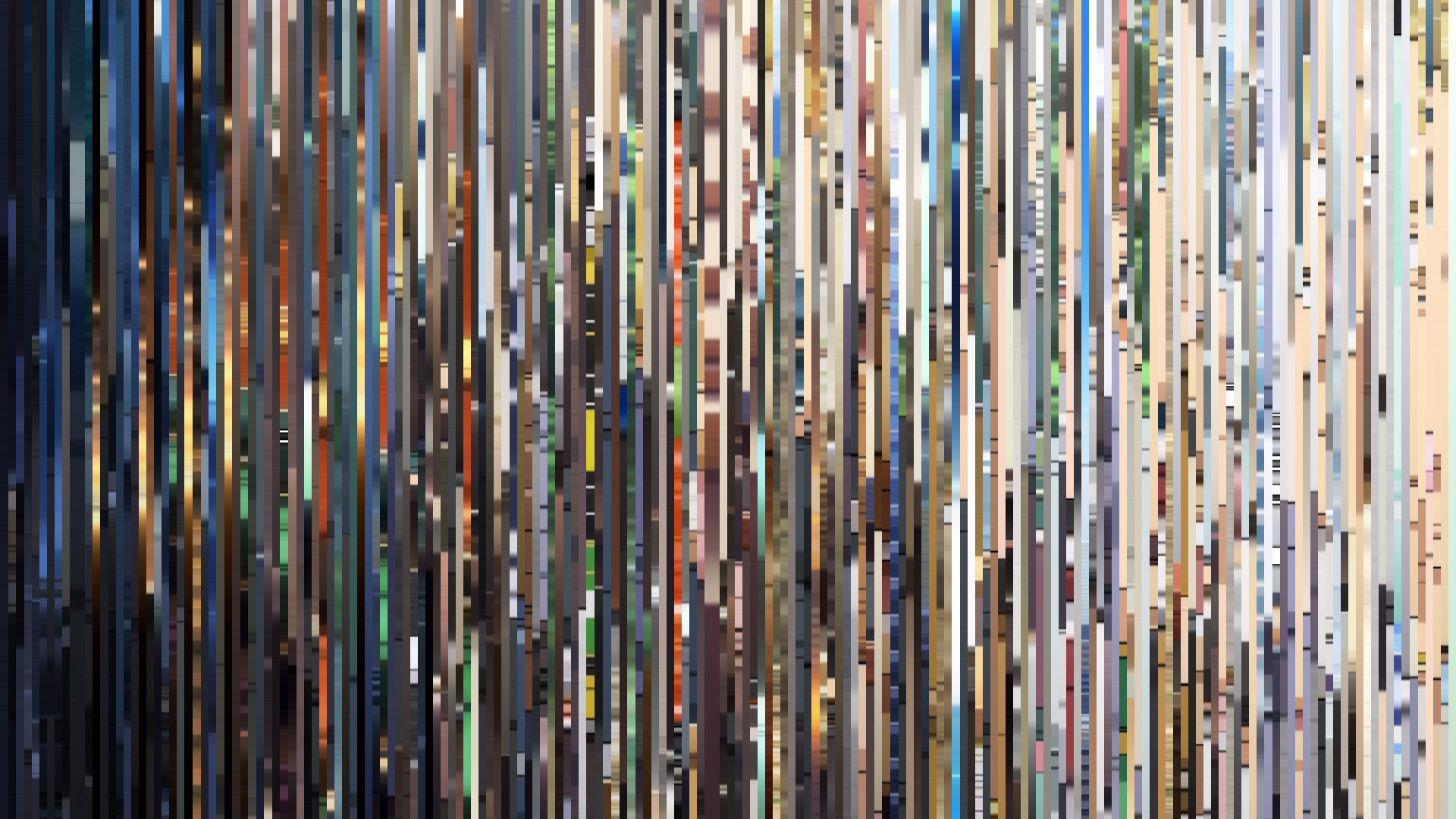
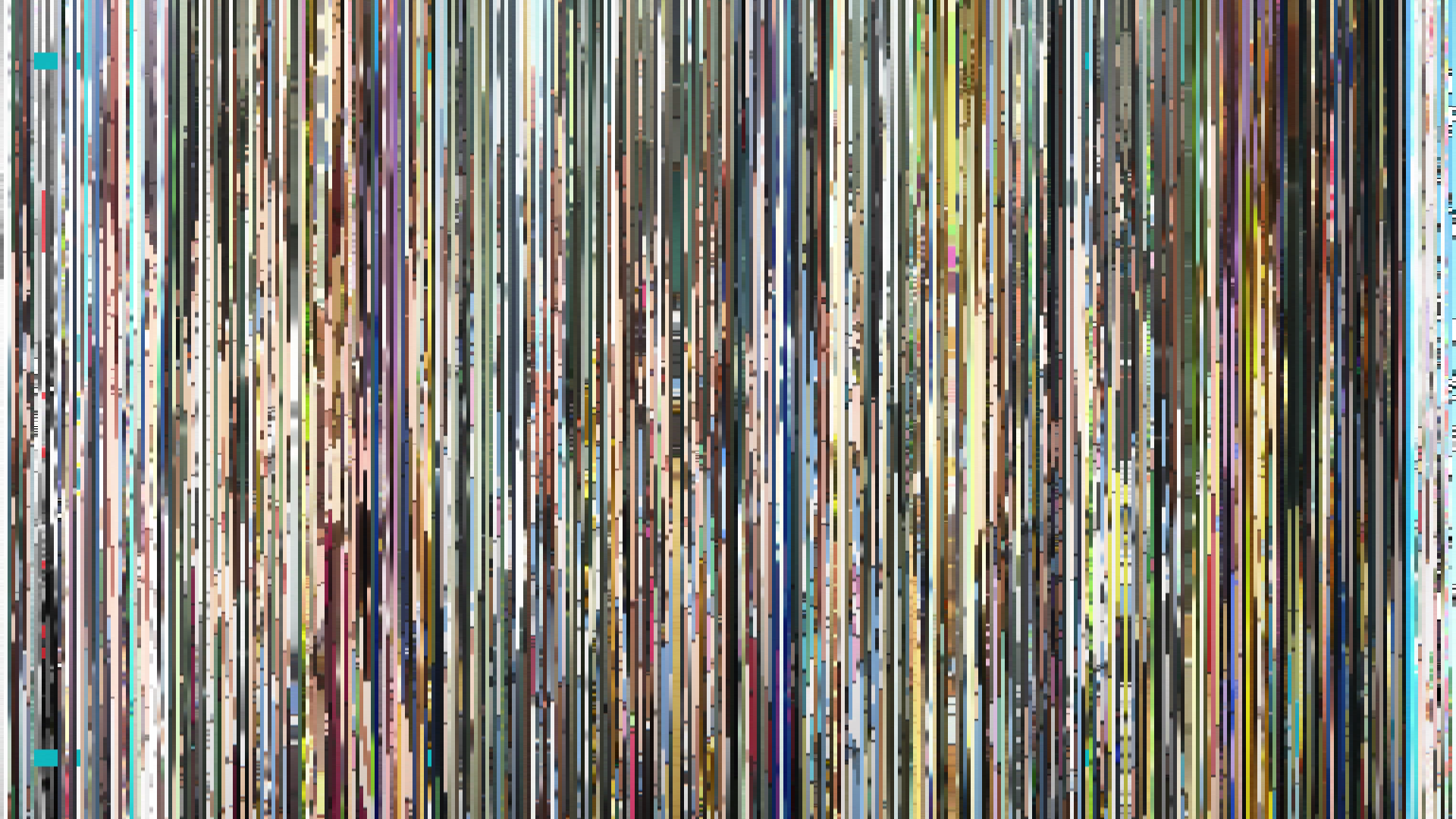
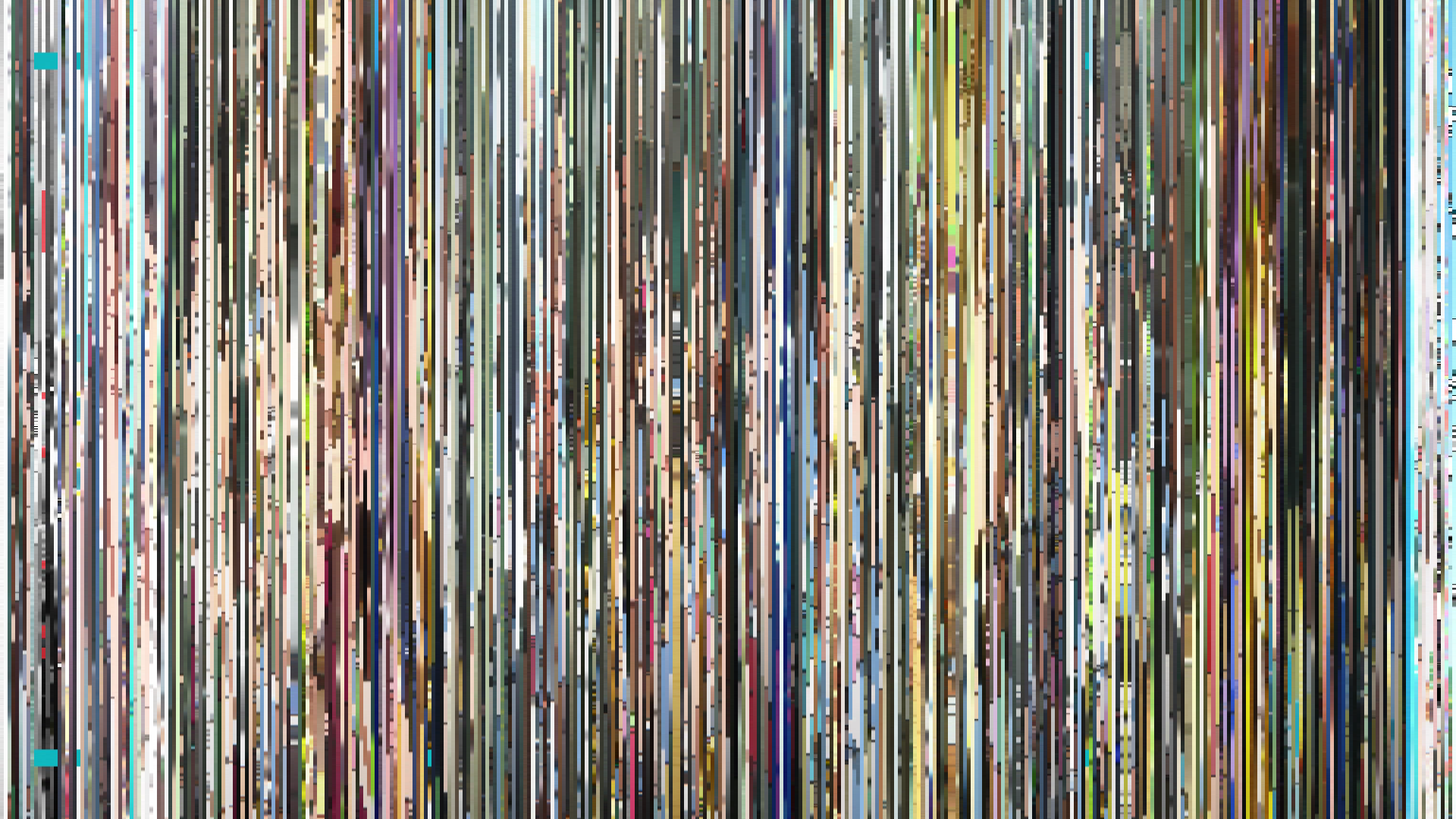
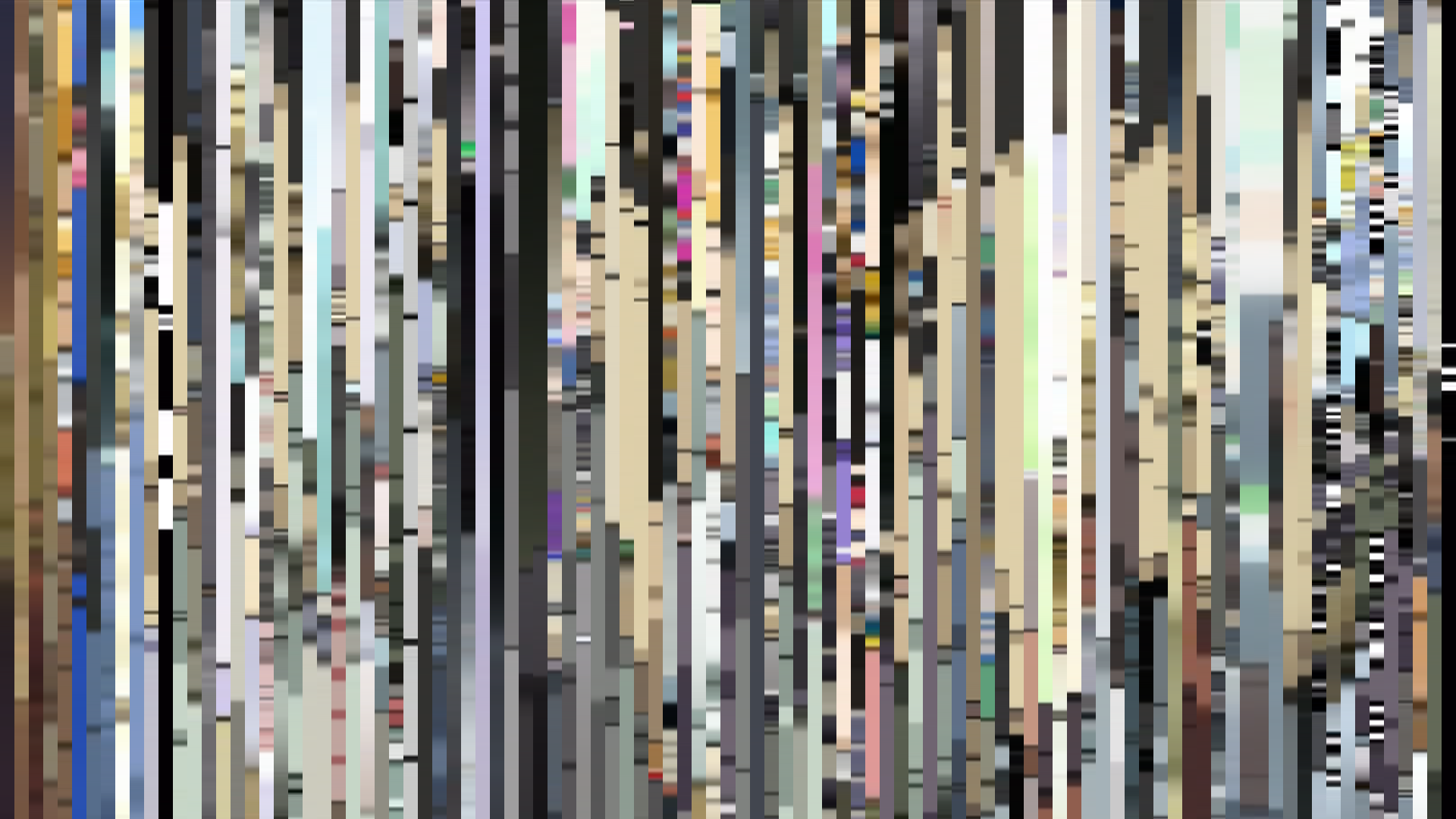
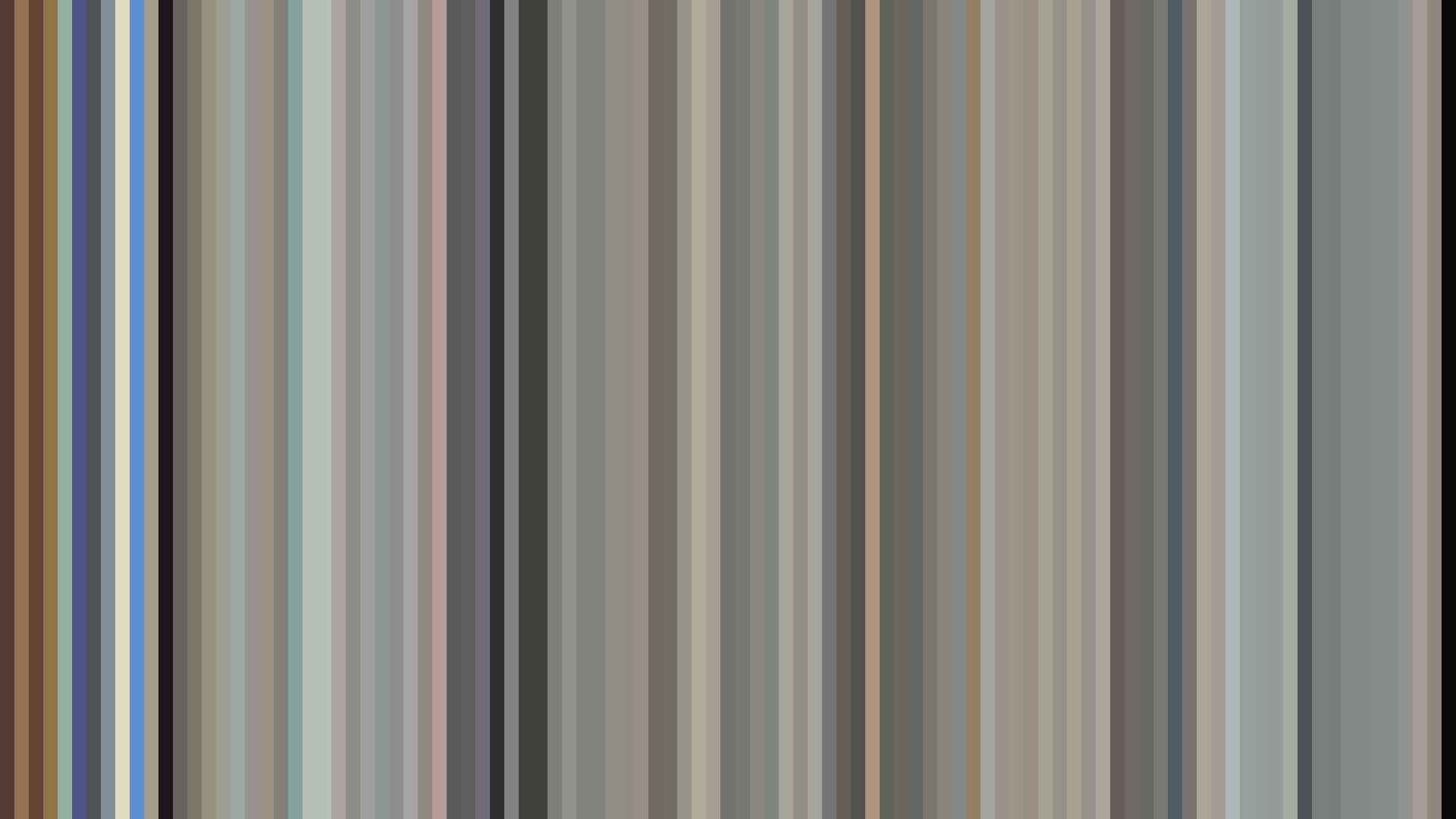
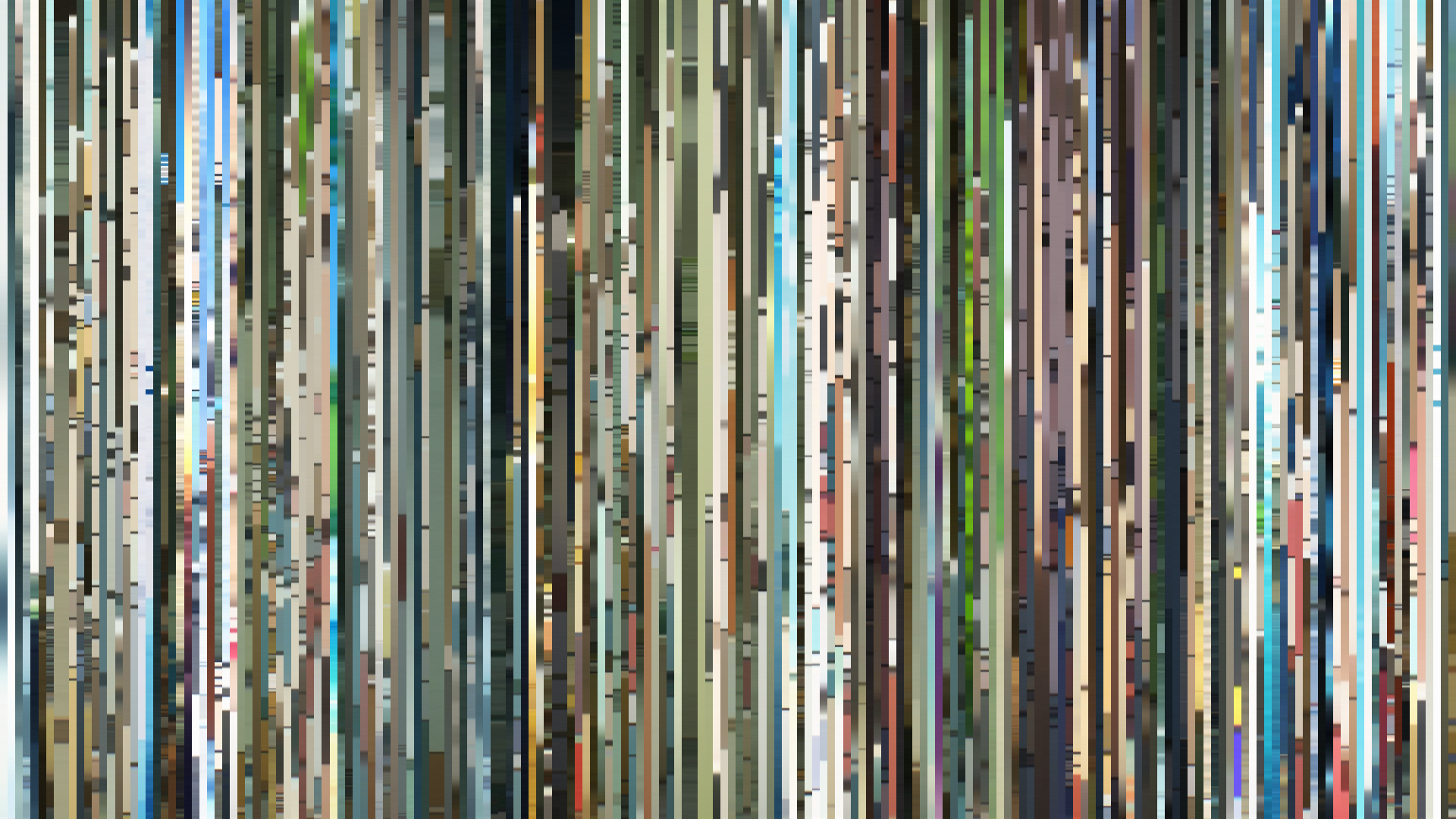
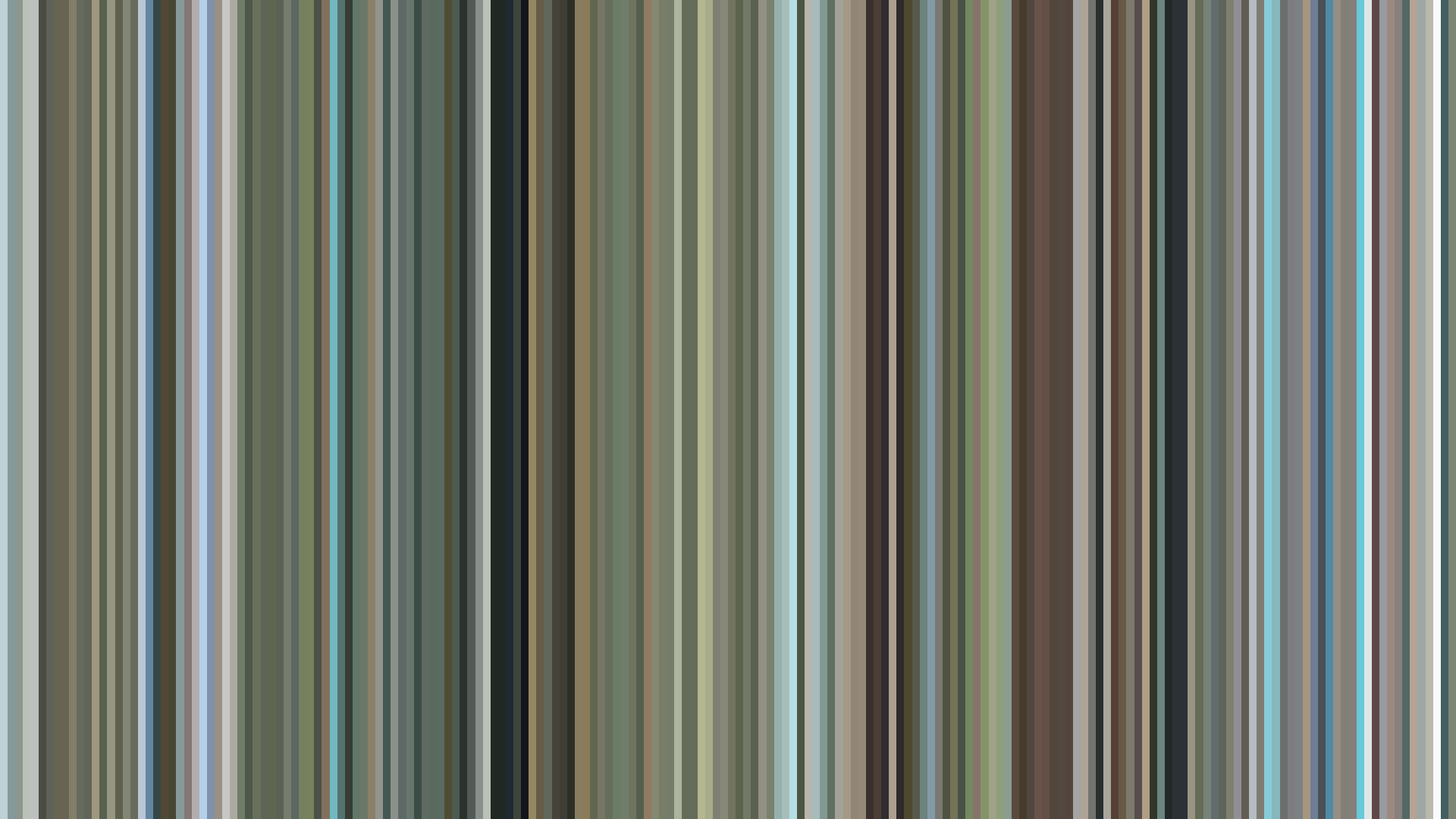
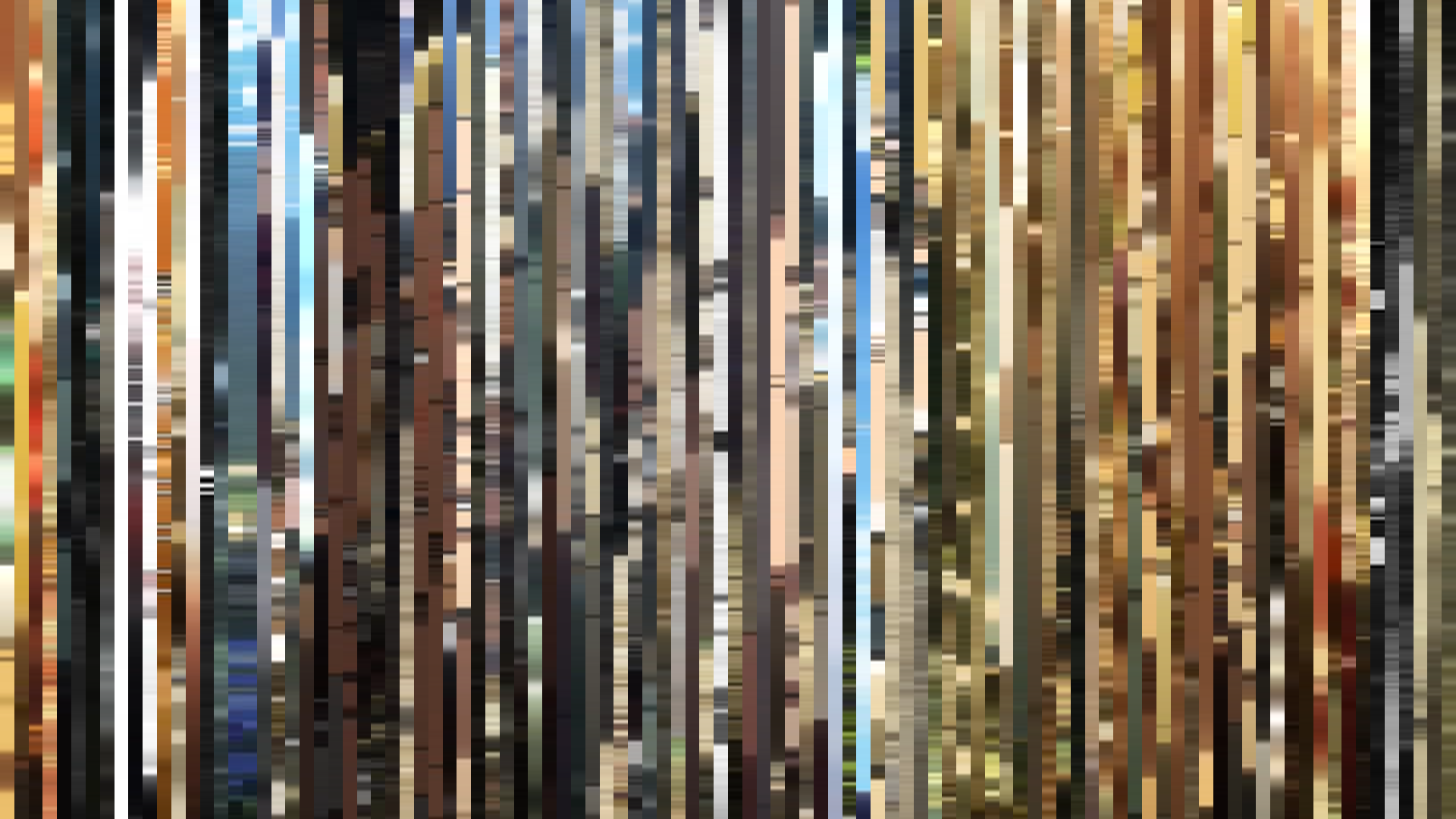
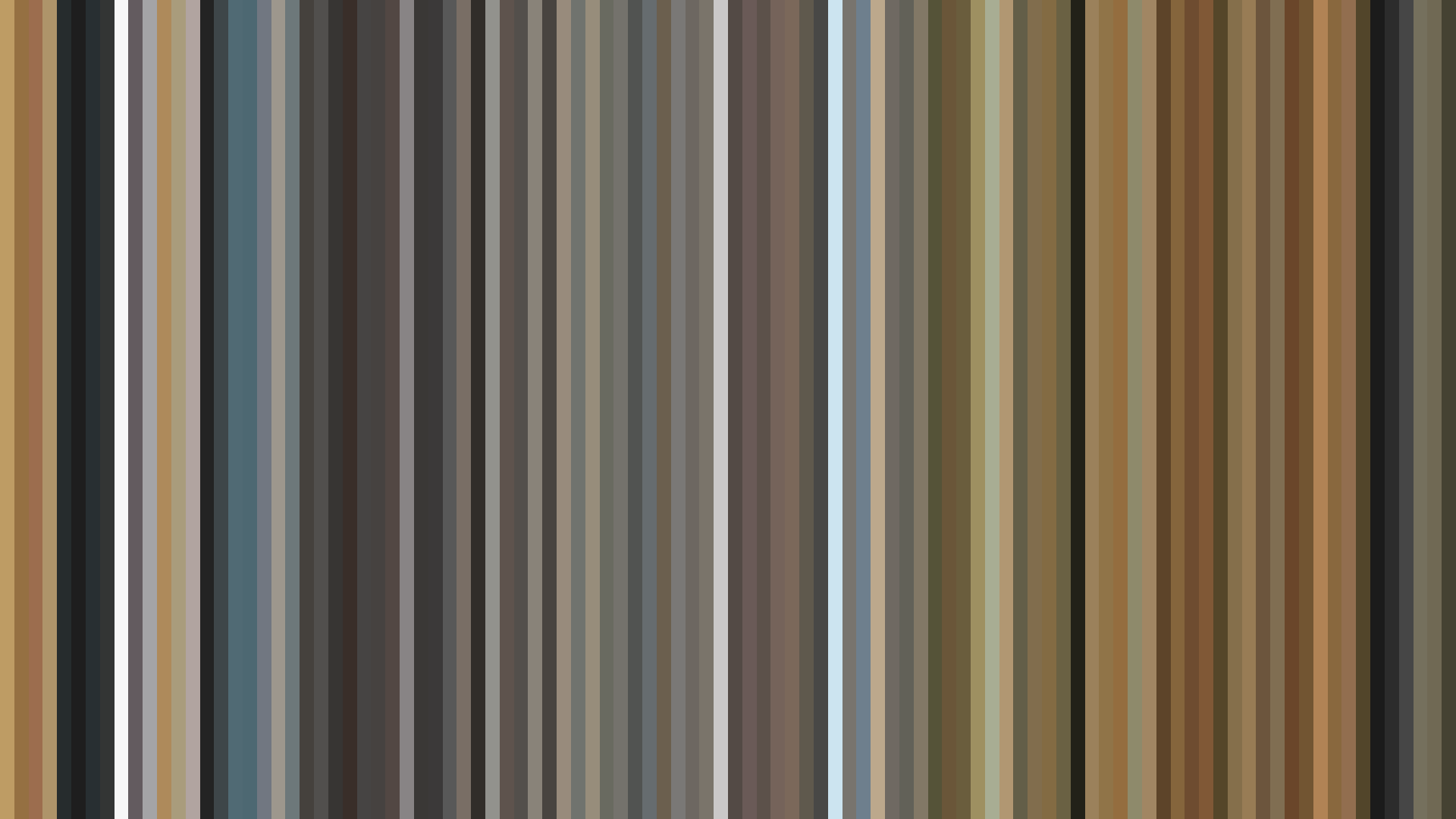
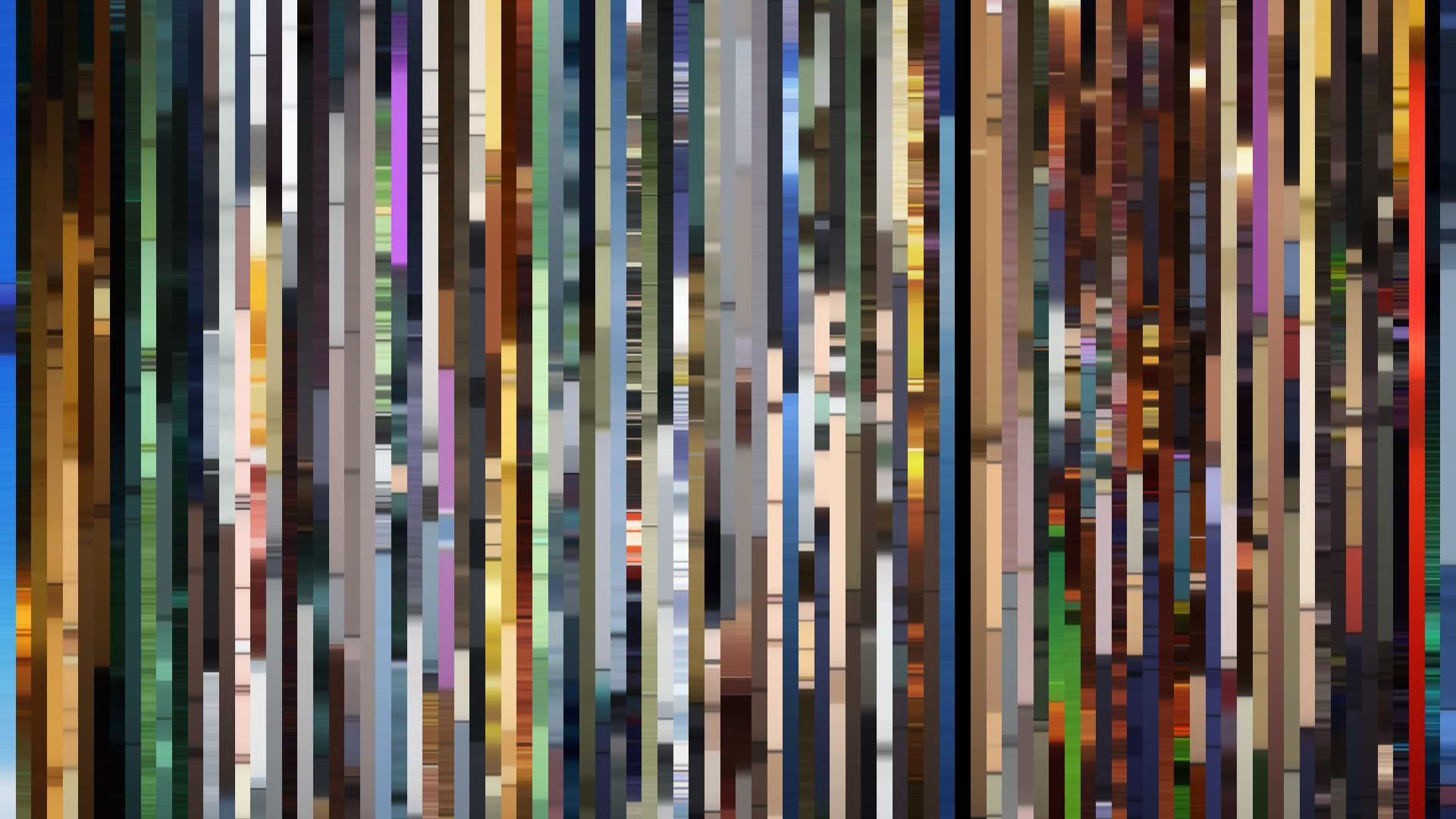
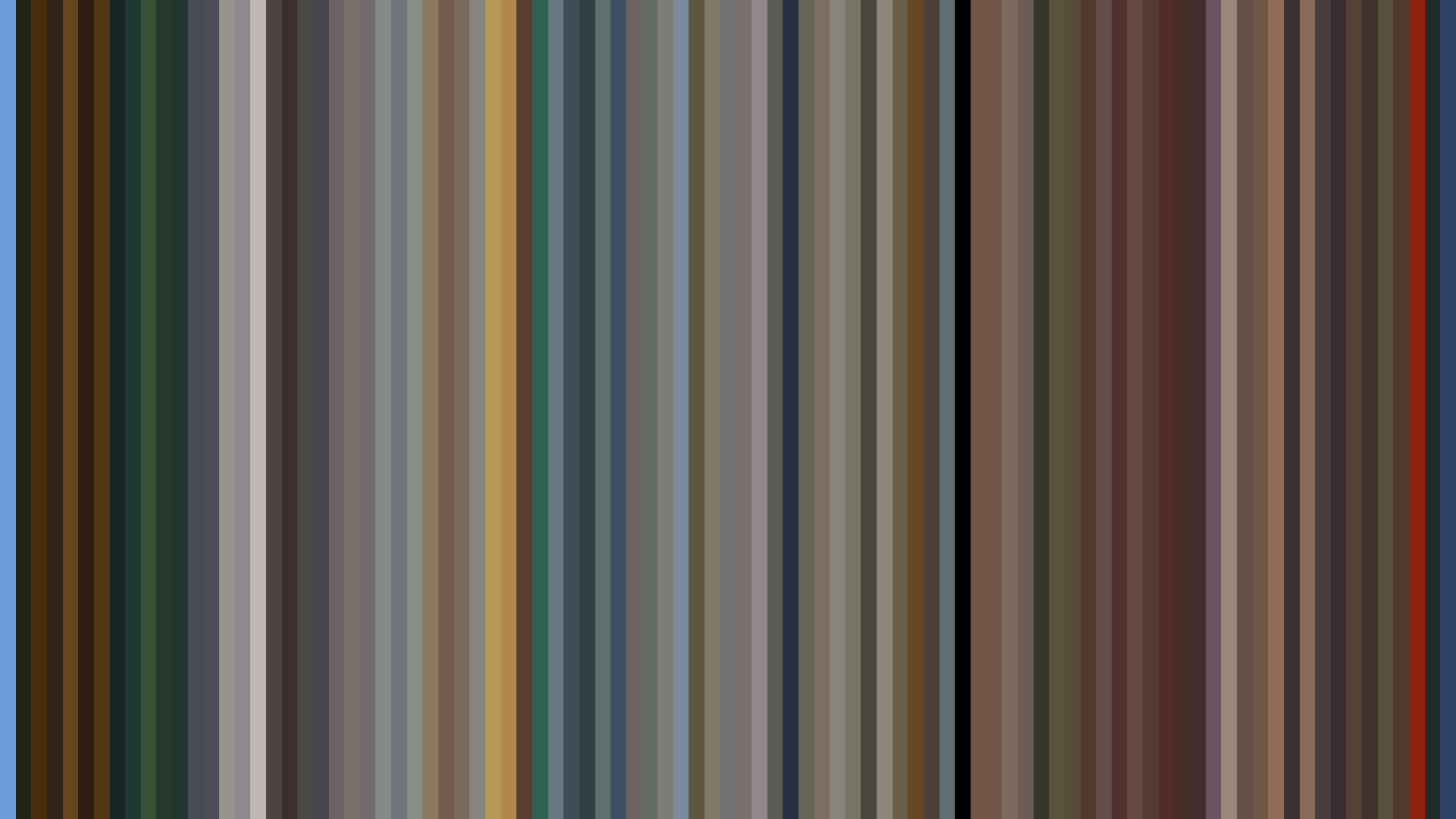
Frame Density Comparison — every 2nd vs every 4th frame
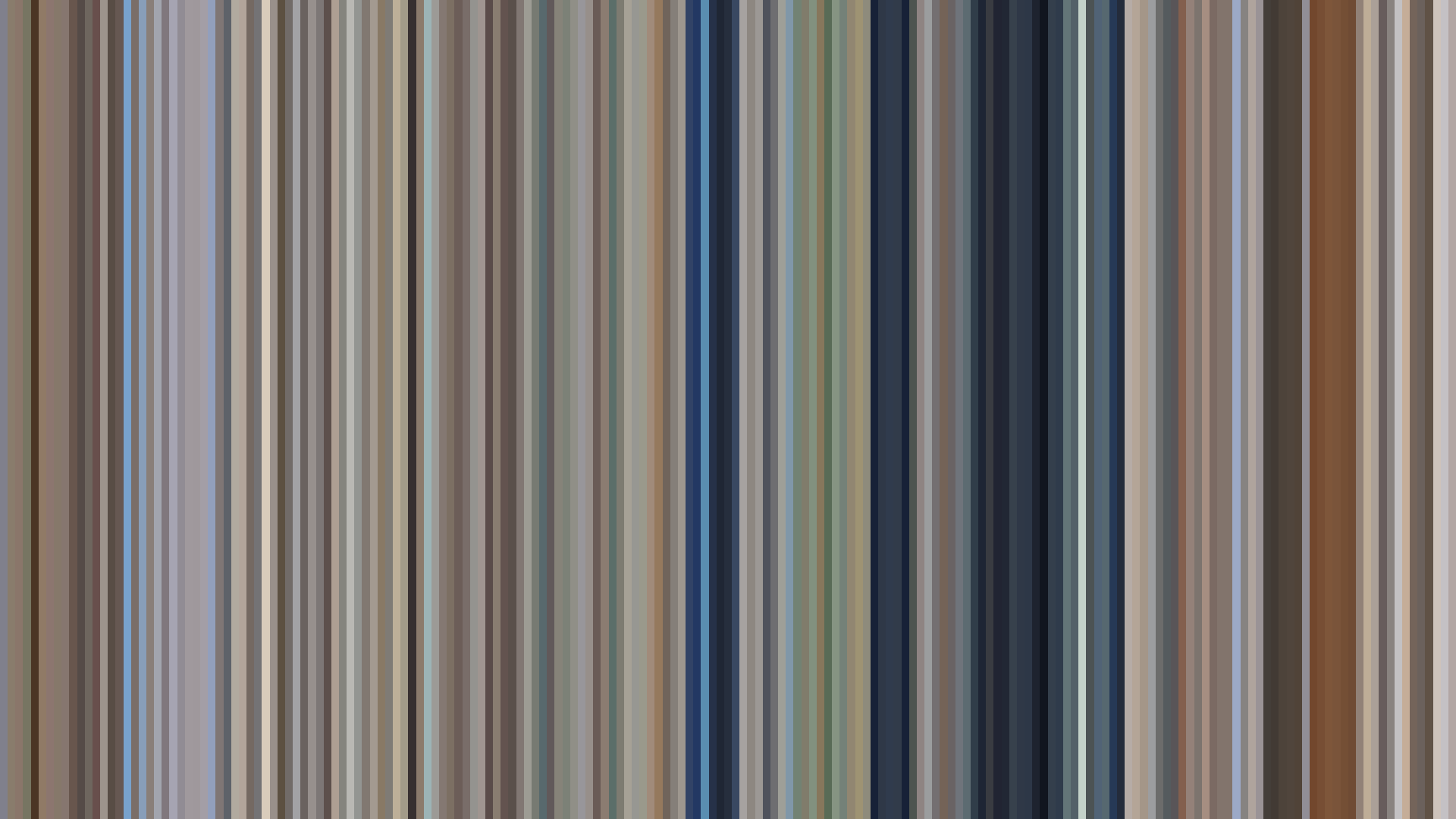
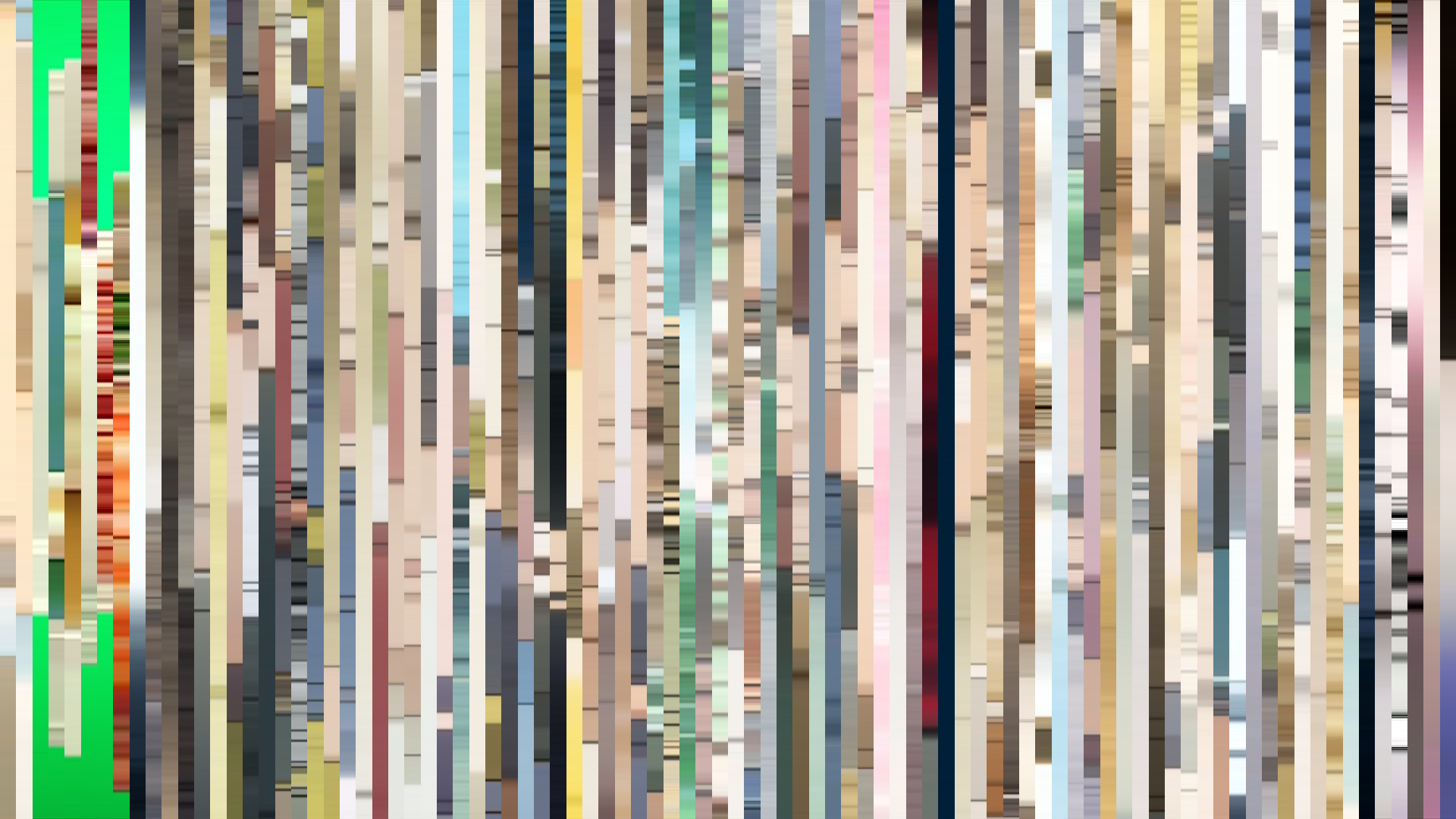
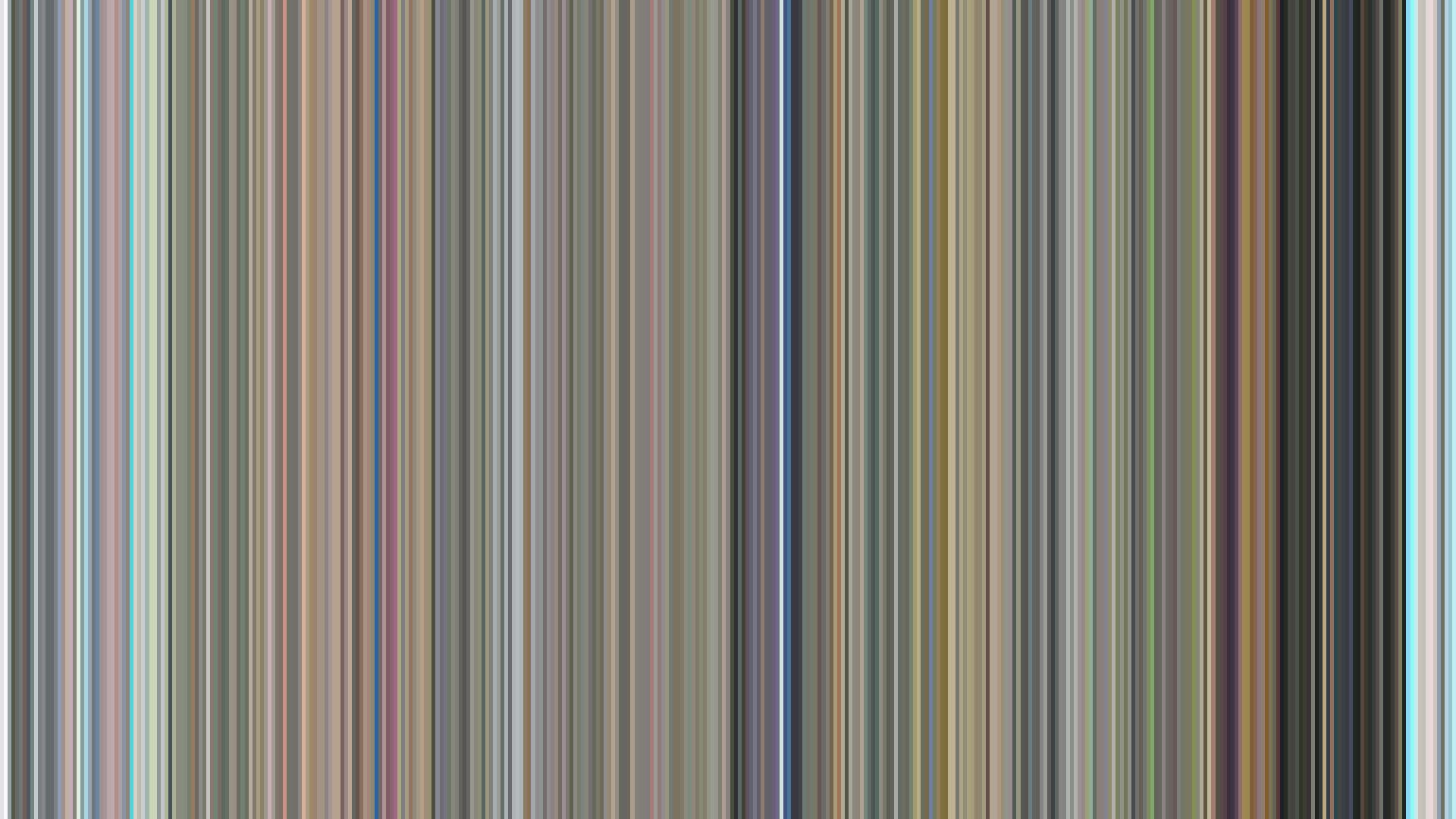
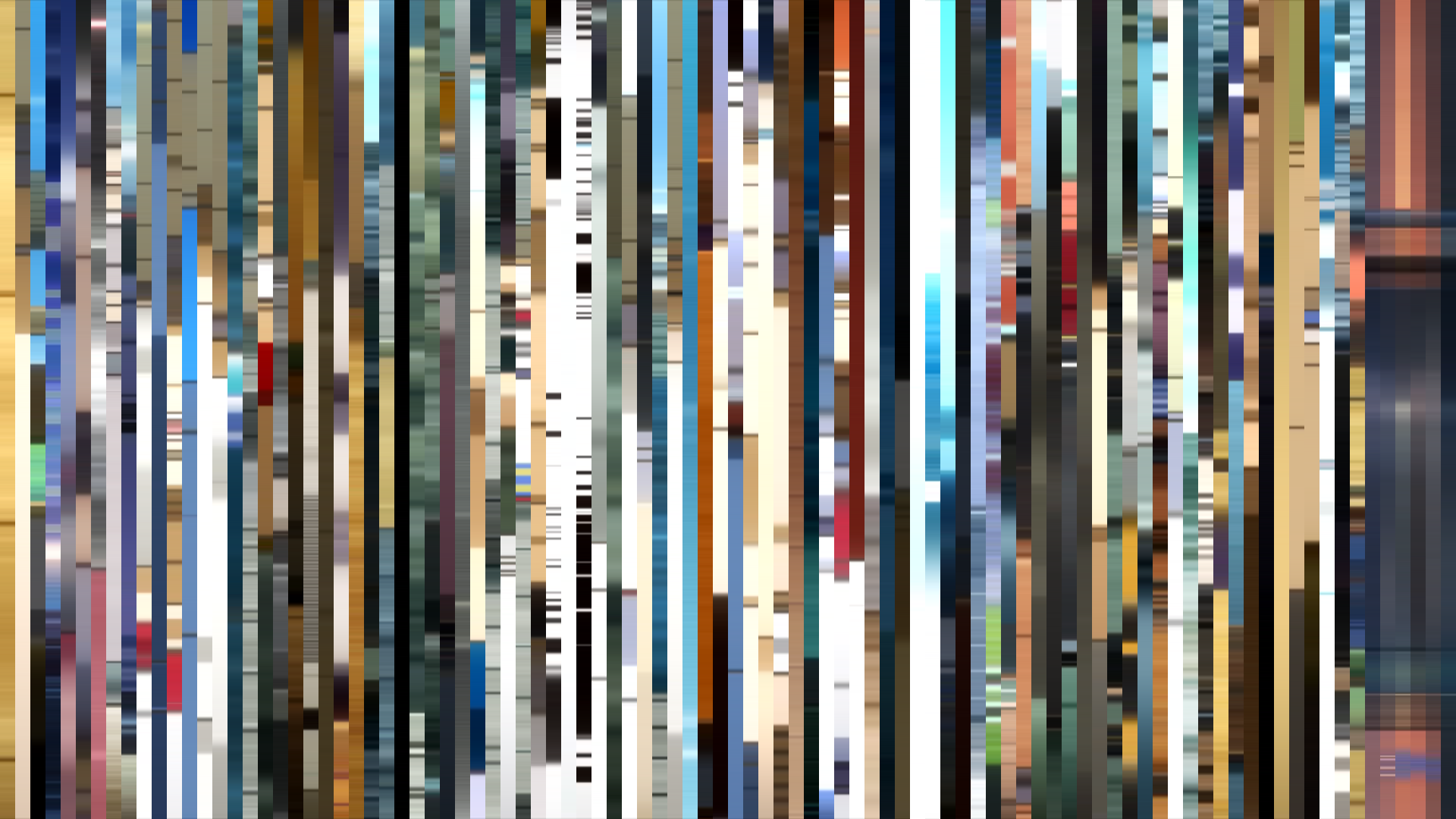
Slice · 15s
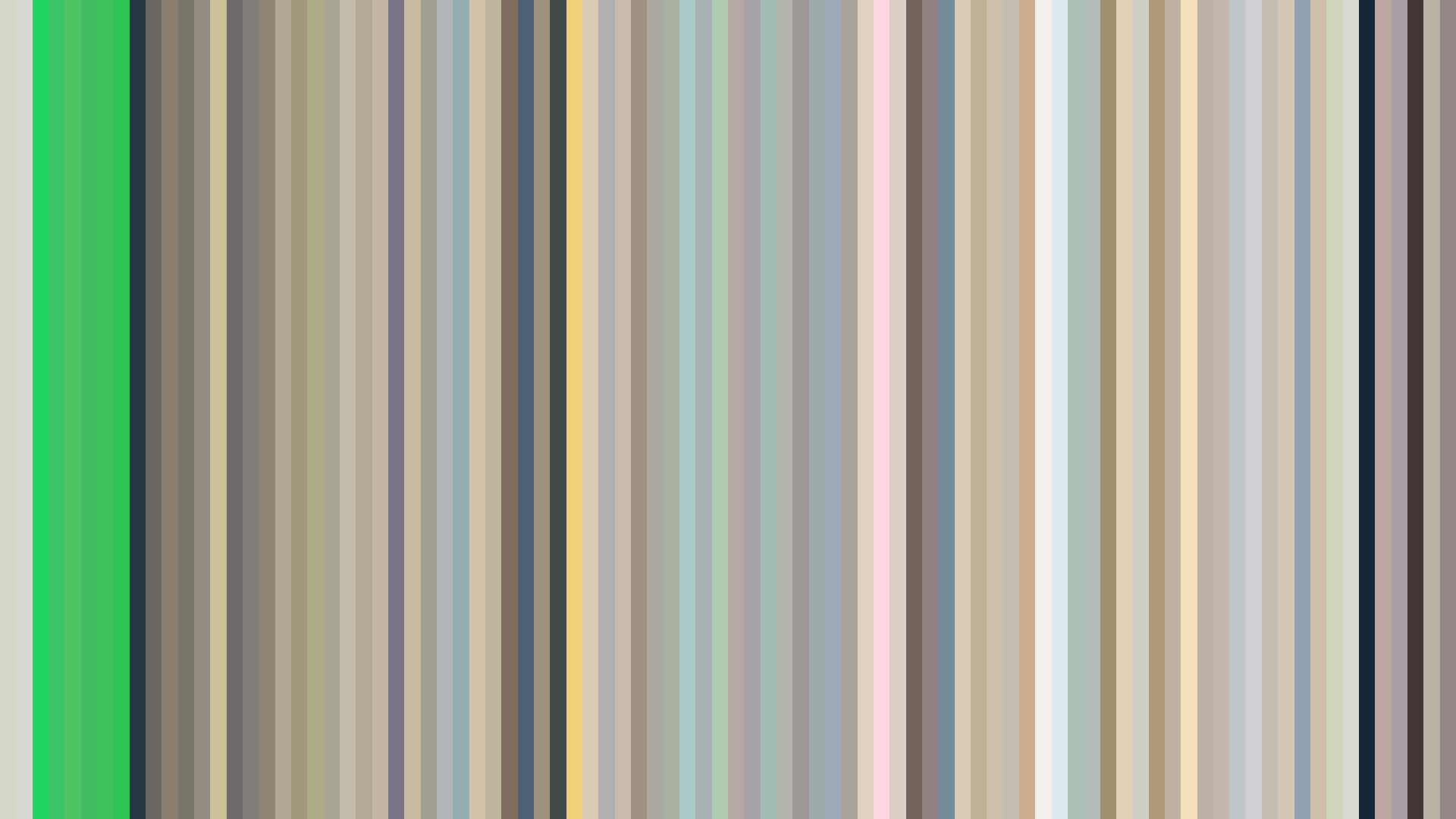
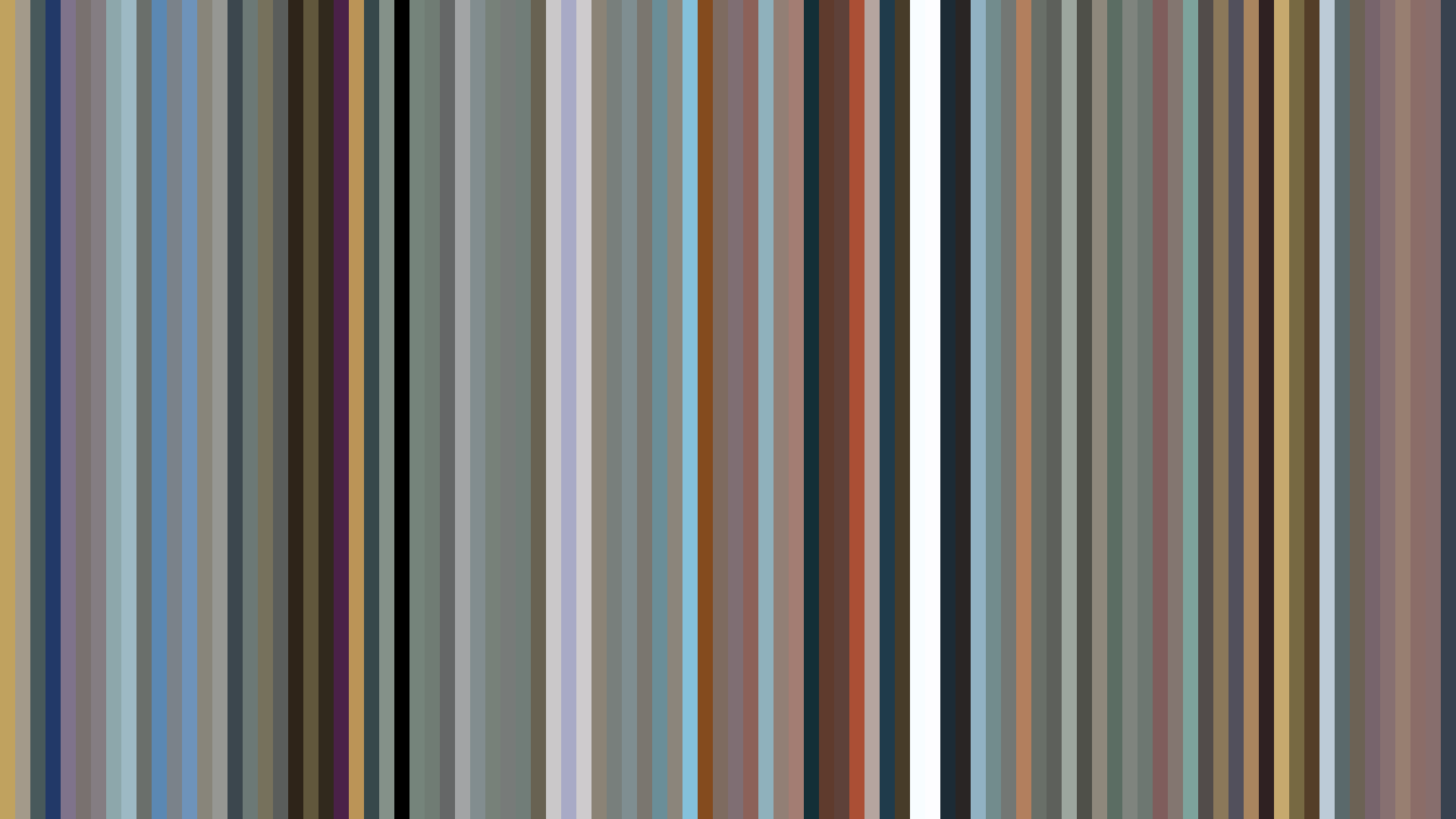
Avg · 15s
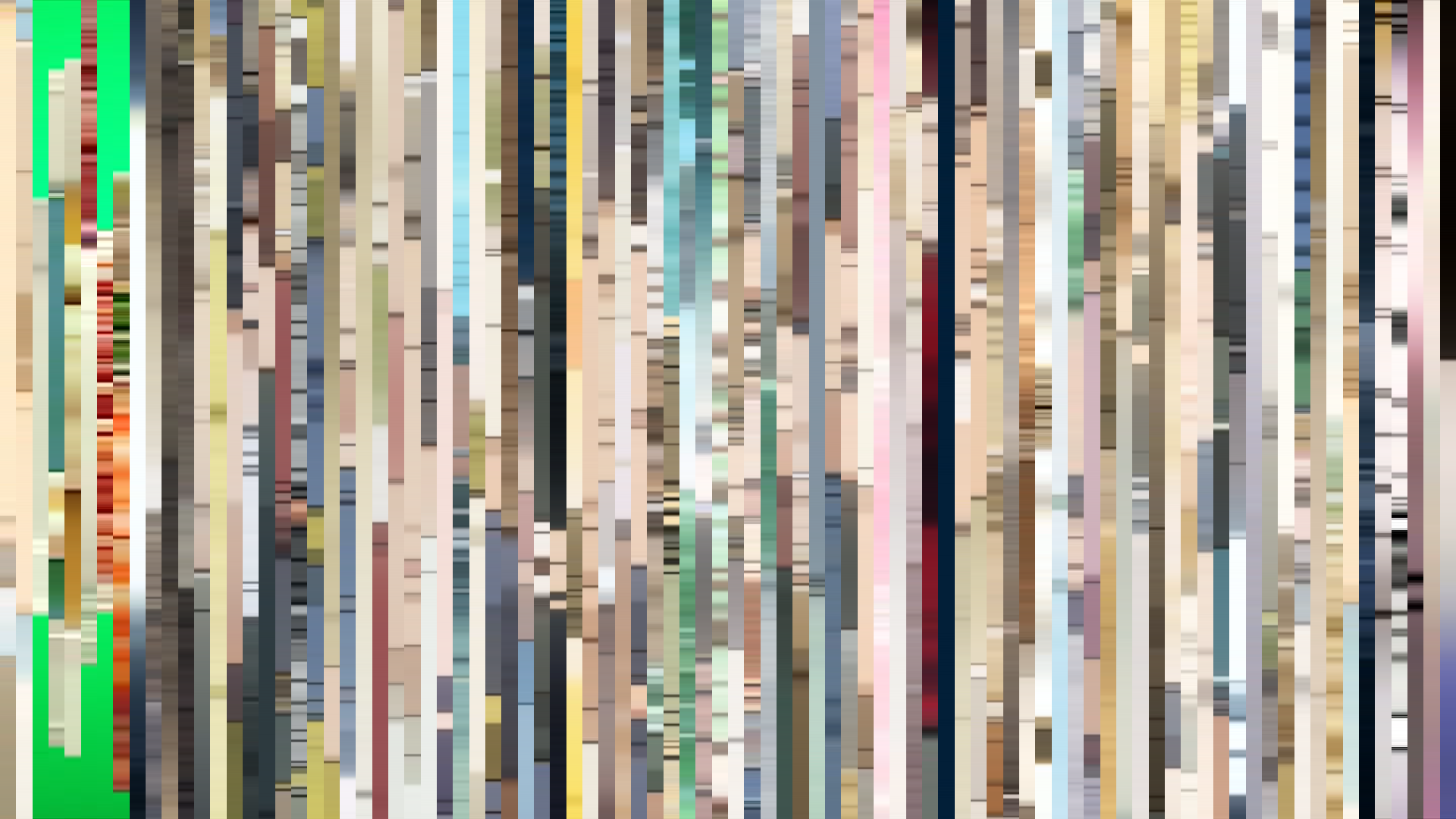
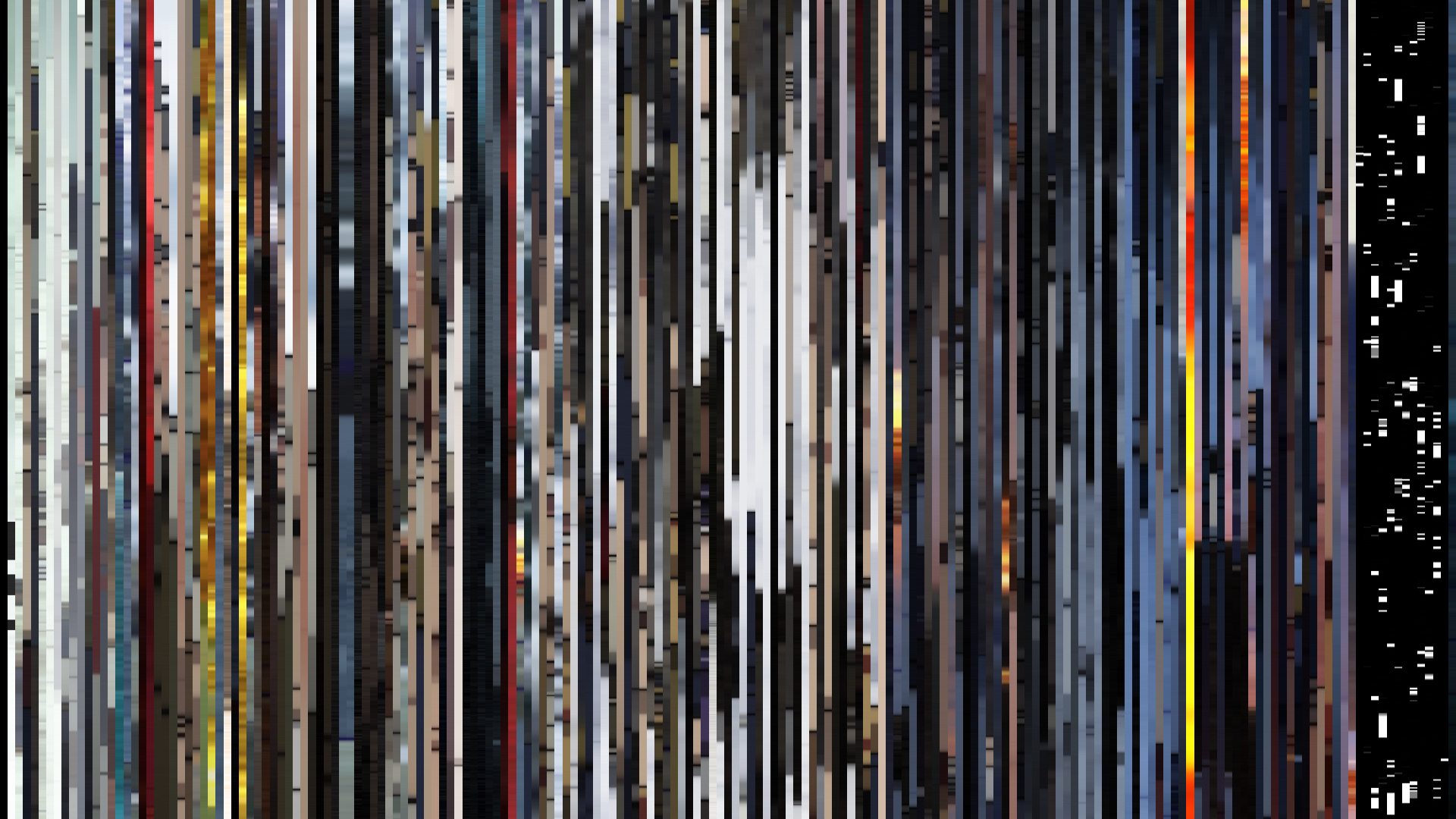
Slice · 30s
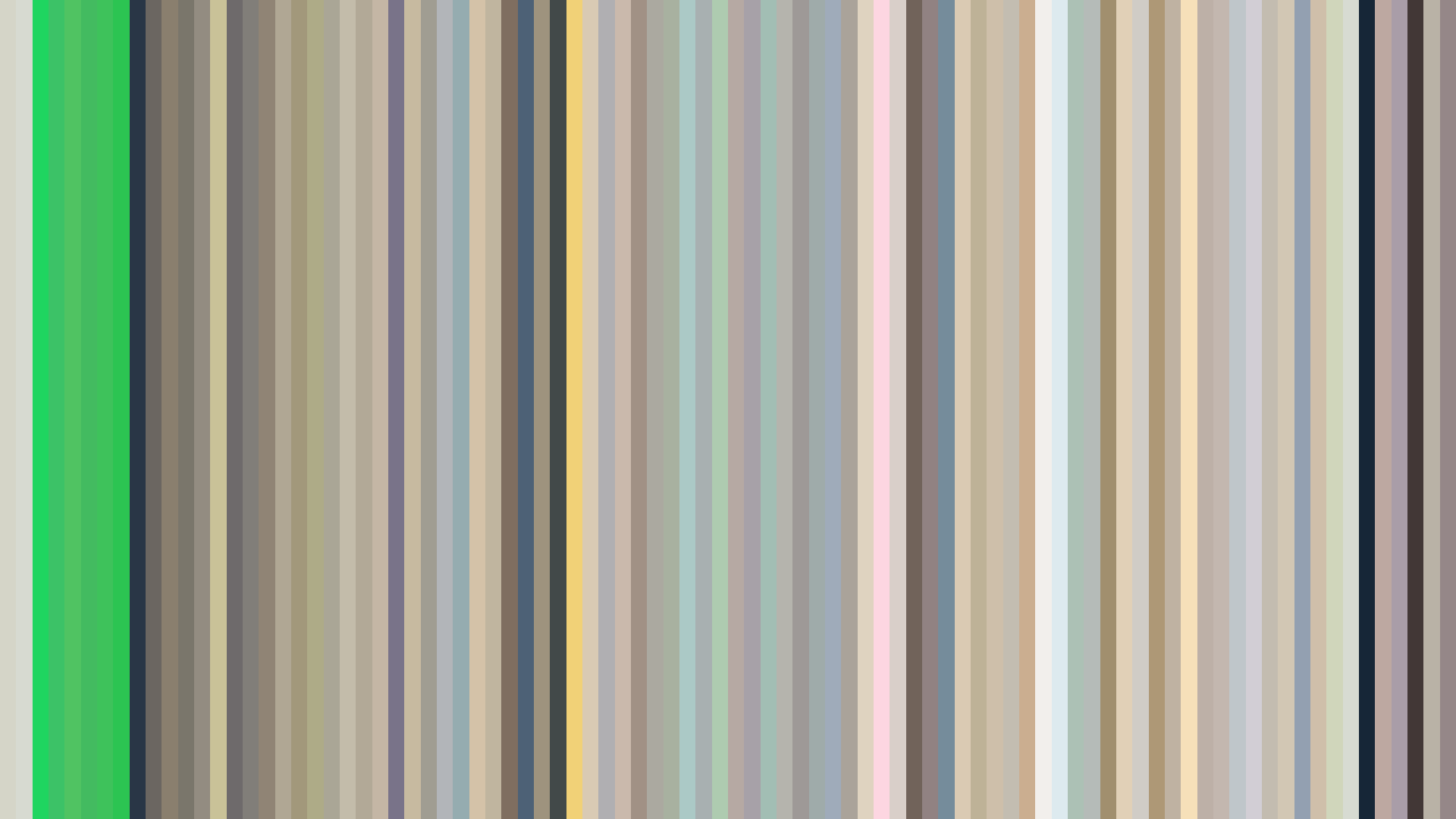
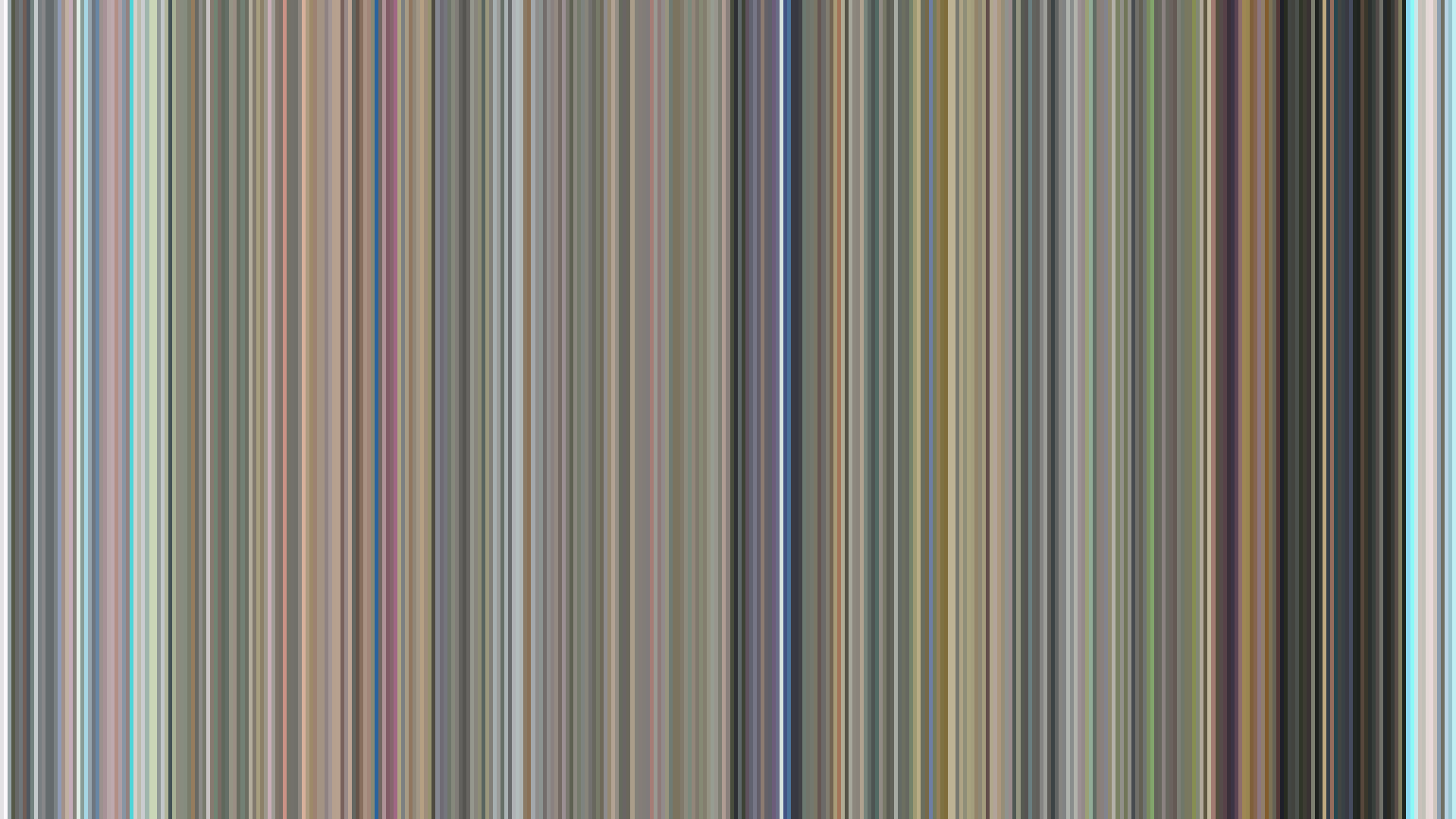
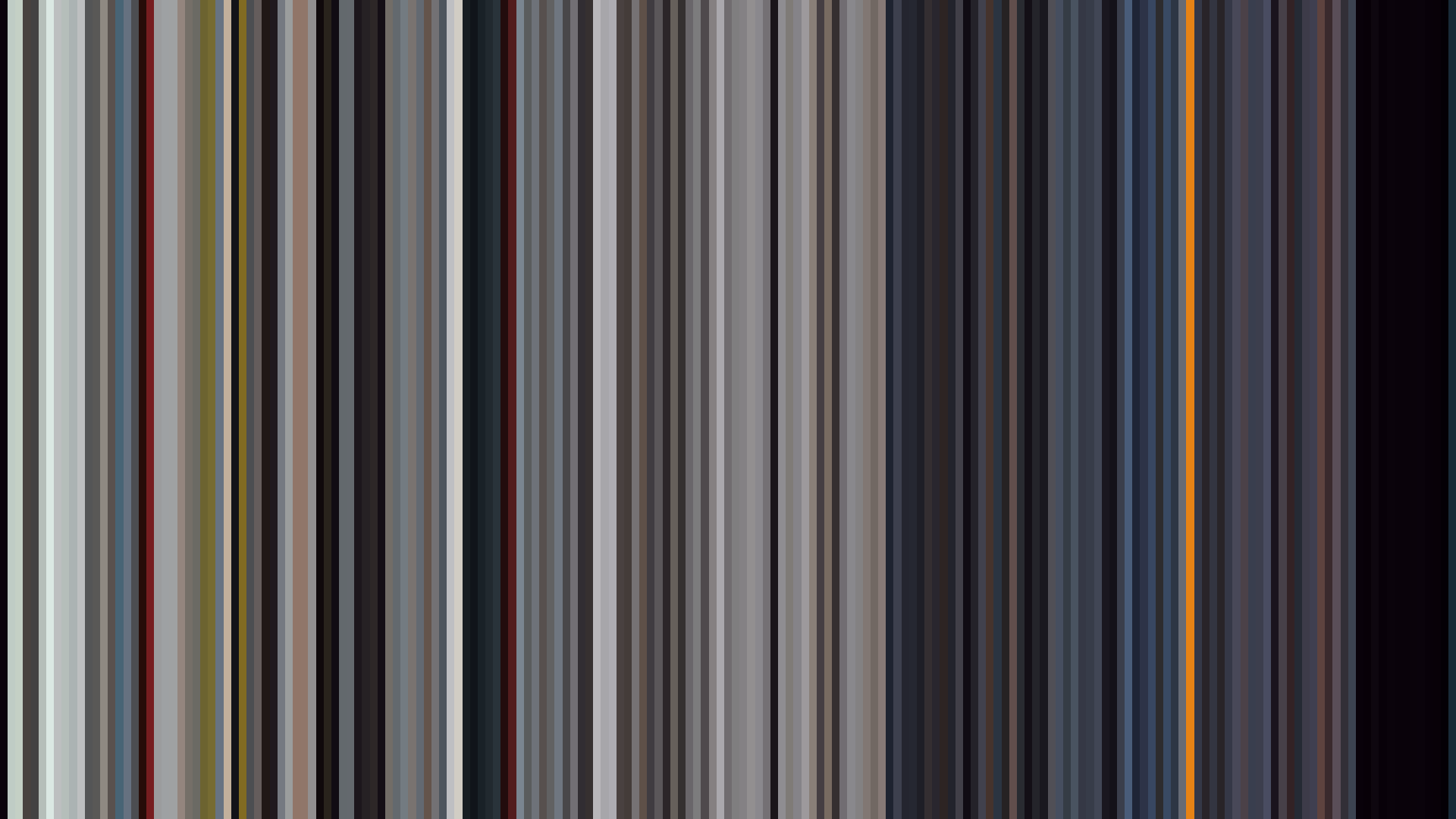
Avg · 30s
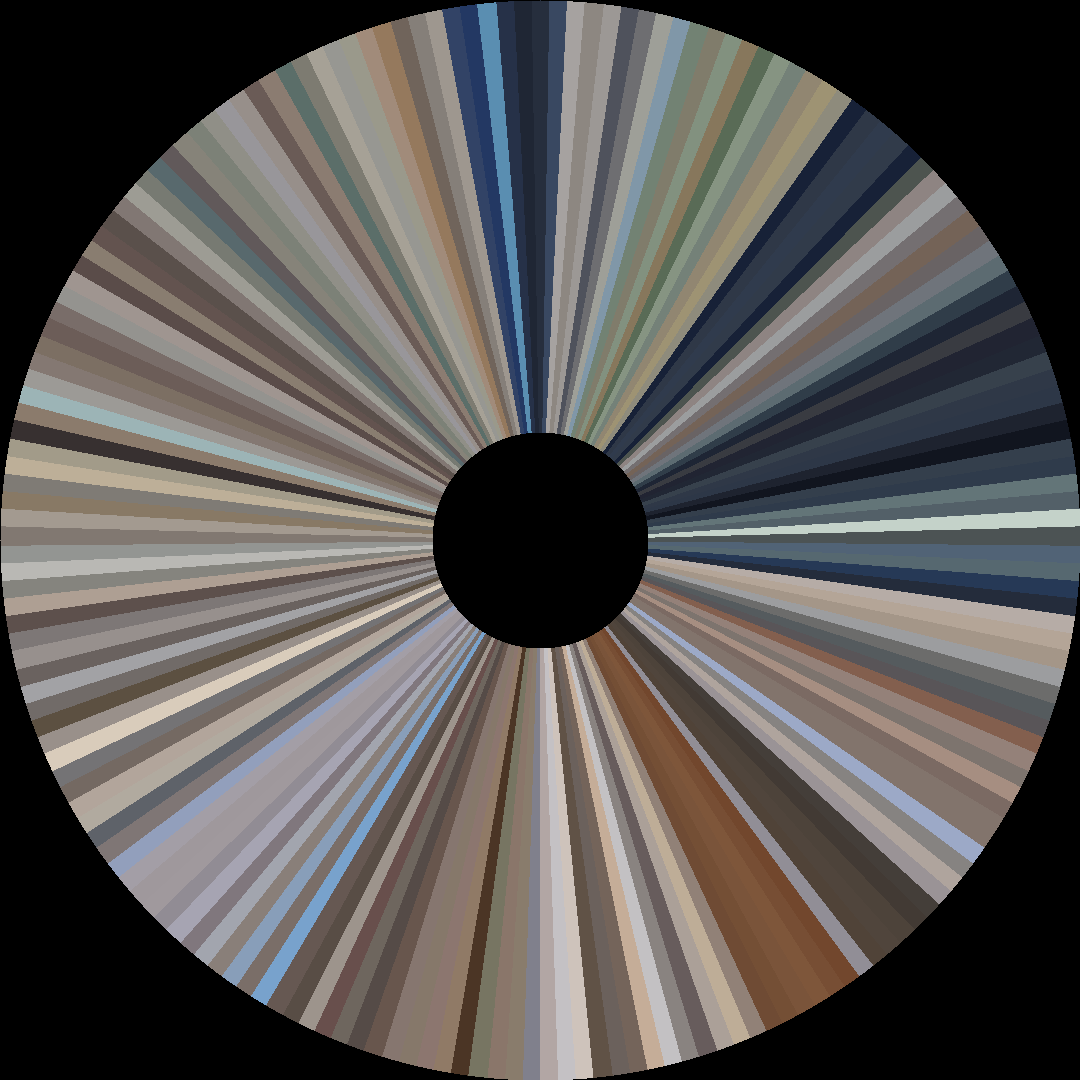
A *dark opening* in a comedy is a formal provocation. Hinamatsuri's brightness arc — opening 0.514, middle 0.447, closing 0.401 — plunges as the series progresses, the opposite of a feel-good rise. Fitting for a show that begins with a yakuza enforcer and an alien girl in his living room, then settles into mundane cruelty: the darkness isn't narrative but atmospheric, a dimming of hope that never fully extinguishes. The Red dominance (42%) is warm but desaturated — #8F7161 and #DFCCB0 are the palette's concession to a home, but the dominant #5F5C5B and #222125 are ash and charcoal. Studio feel. and director Kei Oikawa resist the cheap warmth of typical slice-of-life comedy. That 21% Blue-Green is crucial—it's the cold of streetlights, of Hina's detached psychic glare, of the deadpan pauses between jokes. The barcode doesn't brighten into catharsis; it sinks into a resigned, domestic twilight.
Brightness Arc (episode progression)
Hue Distribution
Act Breakdown
Opening
0.514
Middle
0.447
Closing
0.401
Avg Brightness
0.470
Avg Saturation
0.221
Warmth
0.550
Color Palette
#5F5C5B
#222125
#A29D99
#E0DCD7
#8F7161
#DFCCB0
#A08B71
#CBB29F
3-Act Color Story
Opening
Middle
Closing
Color Twins
Perceptually nearest palettes — measured in OKLab space, not RGB






A *dark opening* in a comedy is a formal provocation. Hinamatsuri's brightness arc — opening 0.514, middle 0.447, closing 0.401 — plunges as the series progresses, the opposite of a feel-good rise. Fitting for a show that begins with a yakuza enforcer and an alien girl in his living room, then settles into mundane cruelty: the darkness isn't narrative but atmospheric, a dimming of hope that never fully extinguishes. The Red dominance (42%) is warm but desaturated — #8F7161 and #DFCCB0 are the palette's concession to a home, but the dominant #5F5C5B and #222125 are ash and charcoal. Studio feel. and director Kei Oikawa resist the cheap warmth of typical slice-of-life comedy. That 21% Blue-Green is crucial—it's the cold of streetlights, of Hina's detached psychic glare, of the deadpan pauses between jokes. The barcode doesn't brighten into catharsis; it sinks into a resigned, domestic twilight.