Edit Pace — frame-to-frame color delta (bright = fast cuts)
Color Temperature — warm (gold) vs cool (teal) per frame
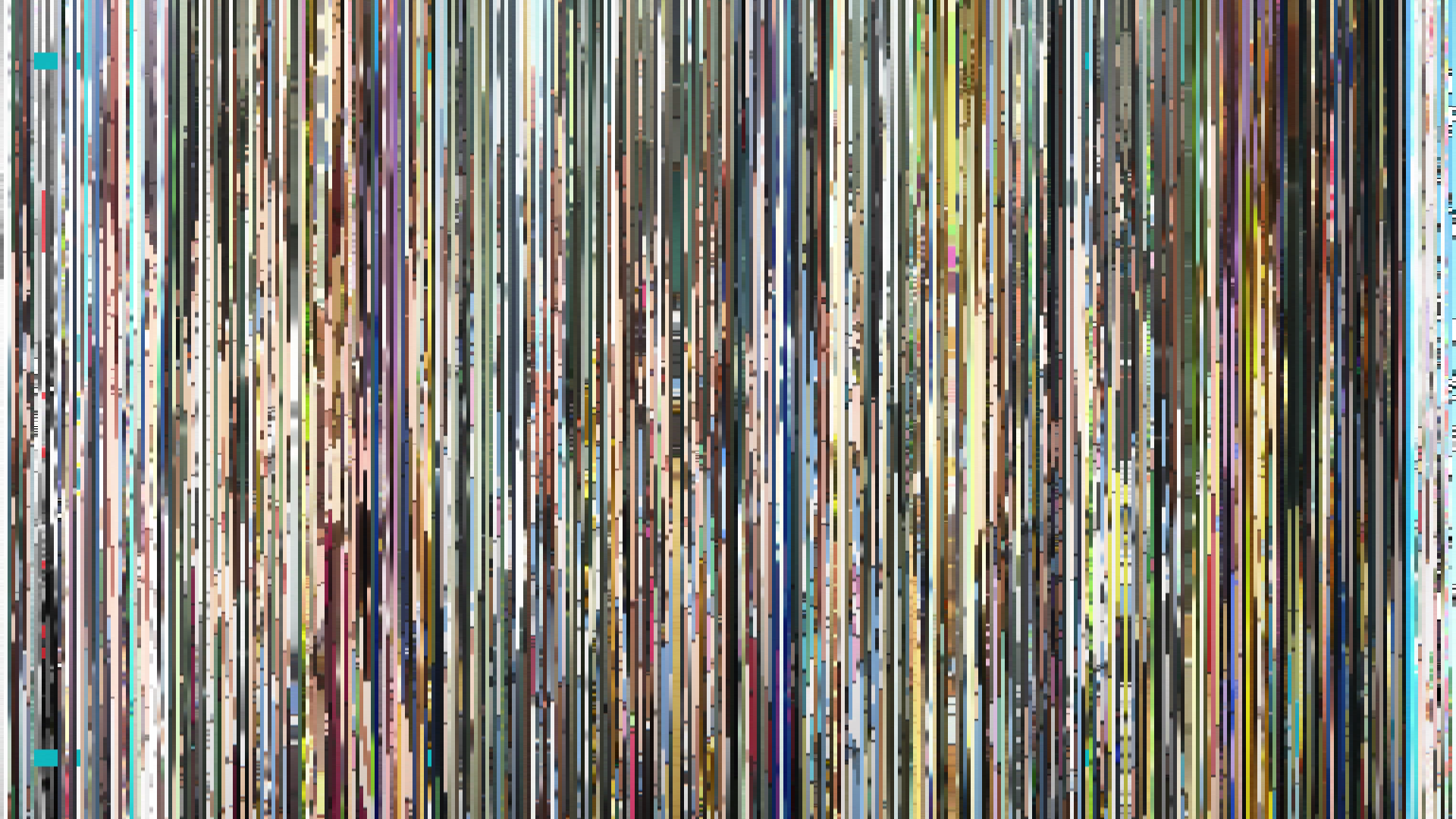
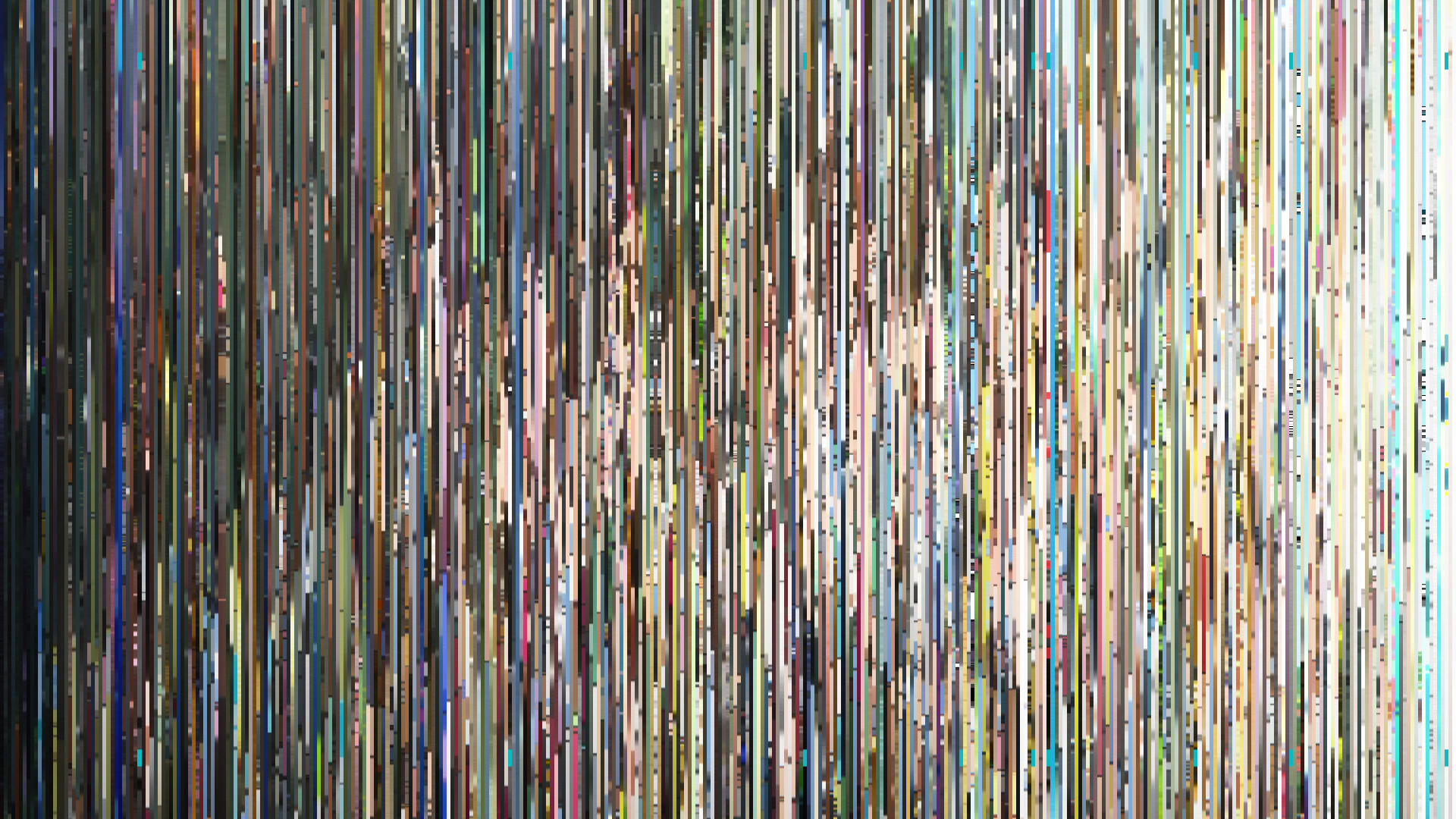
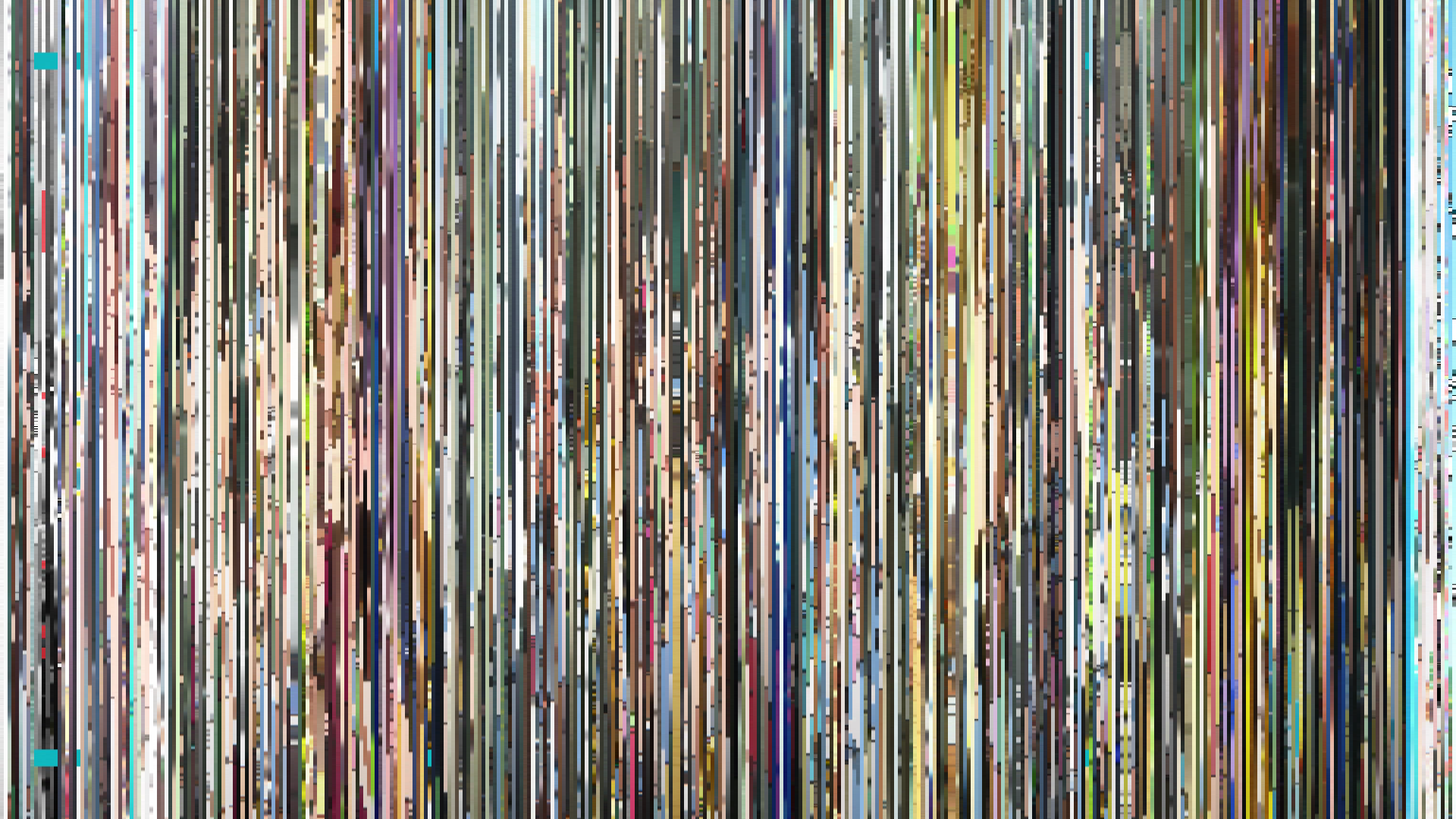
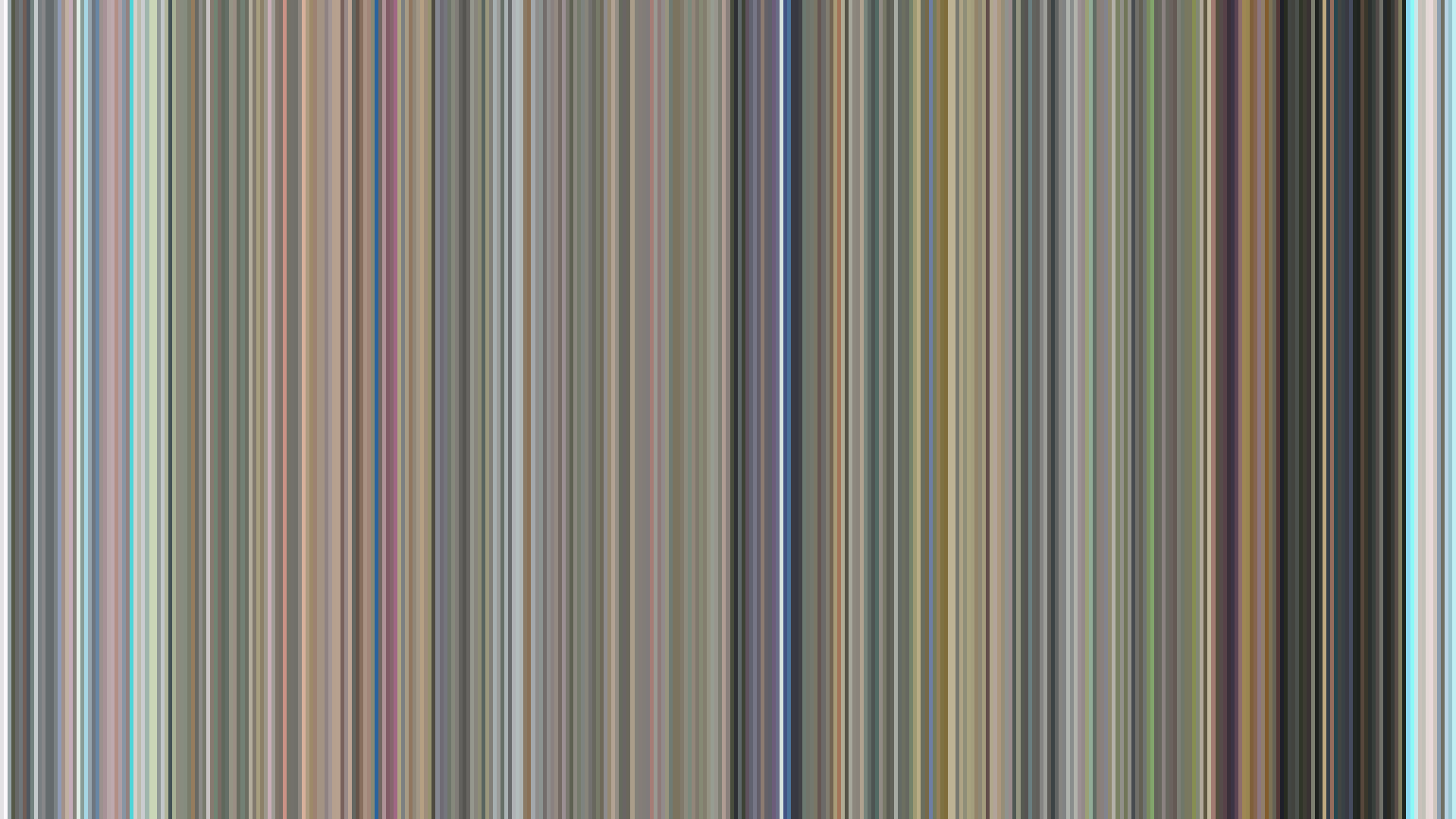
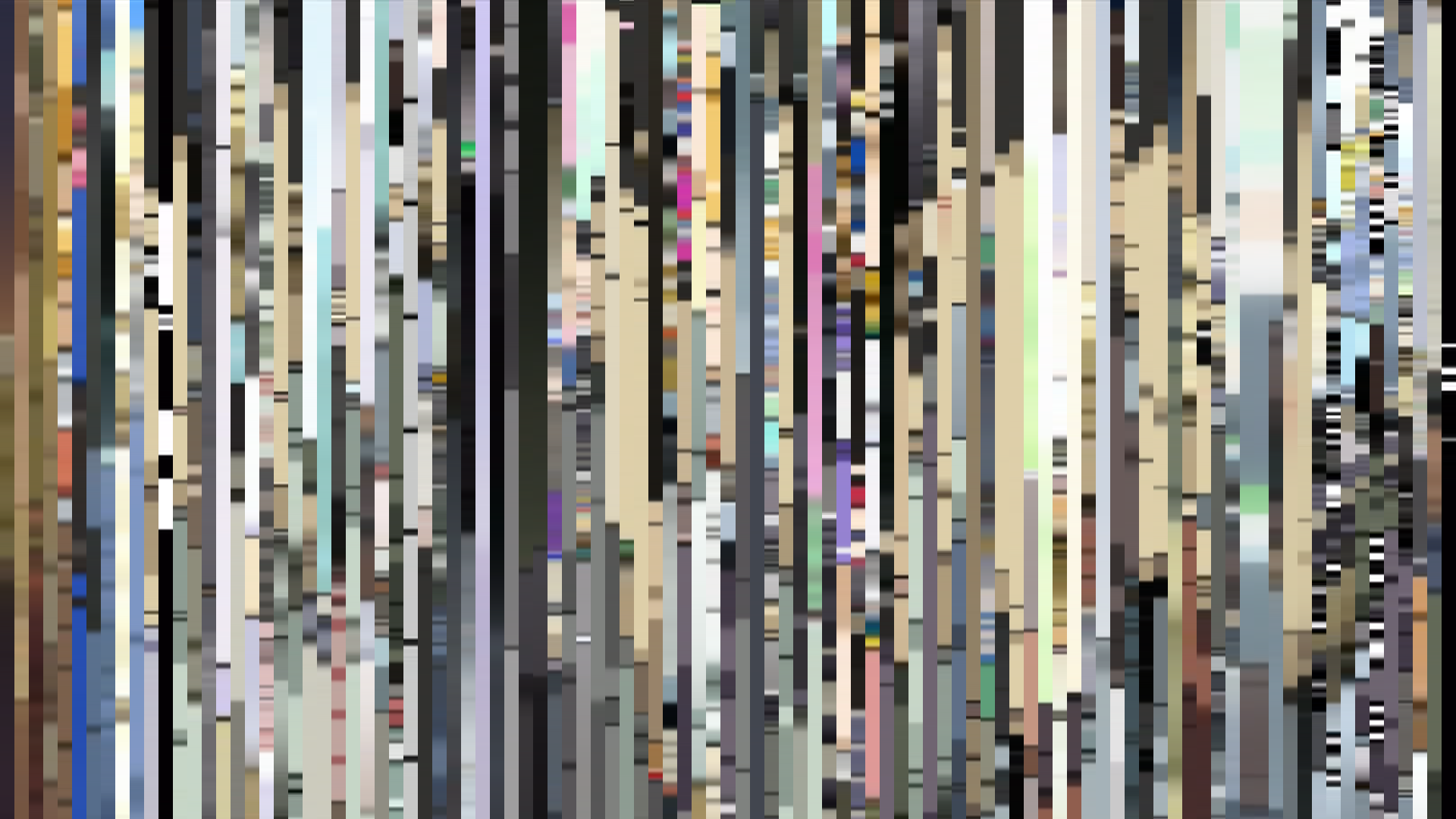
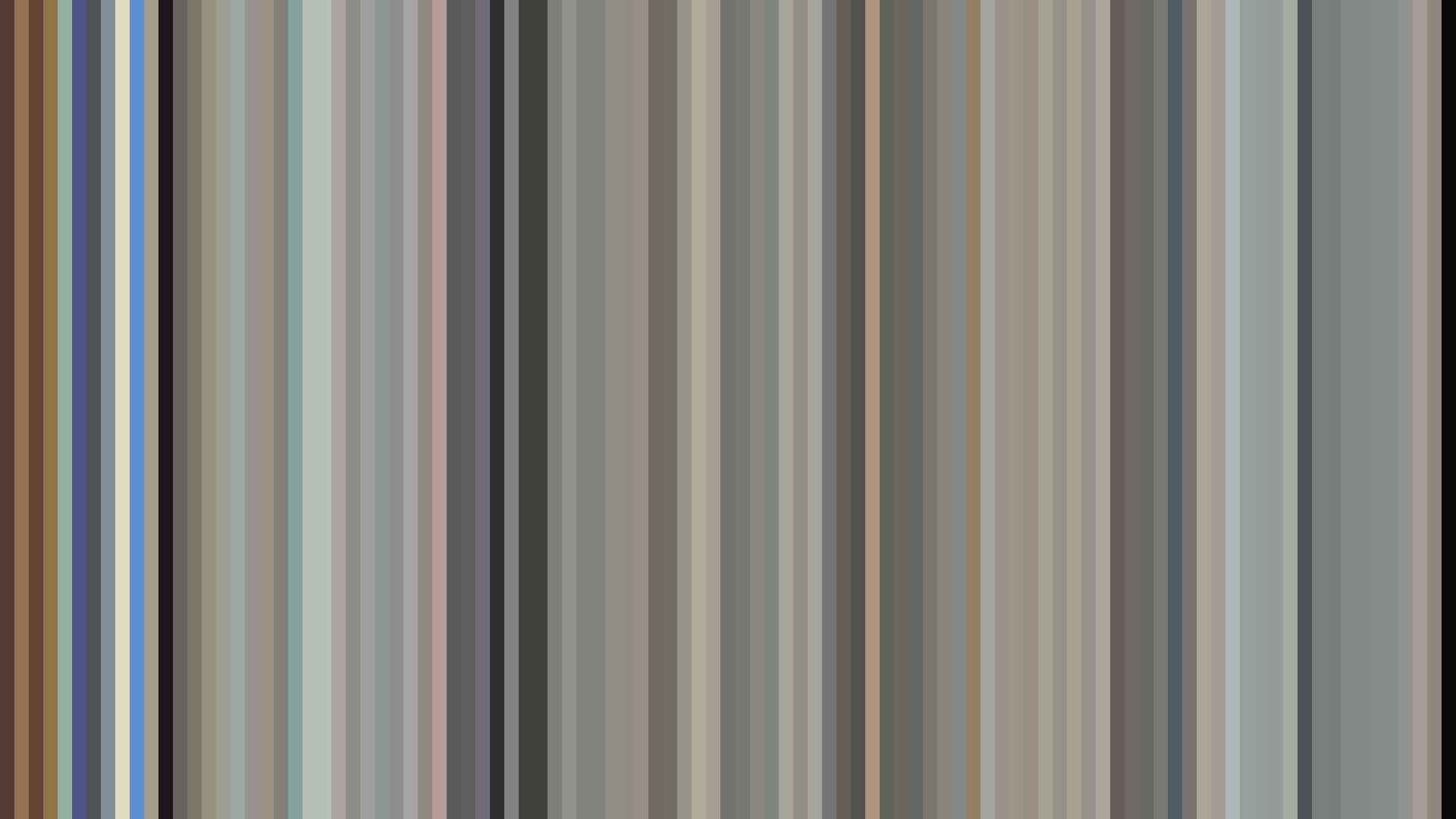
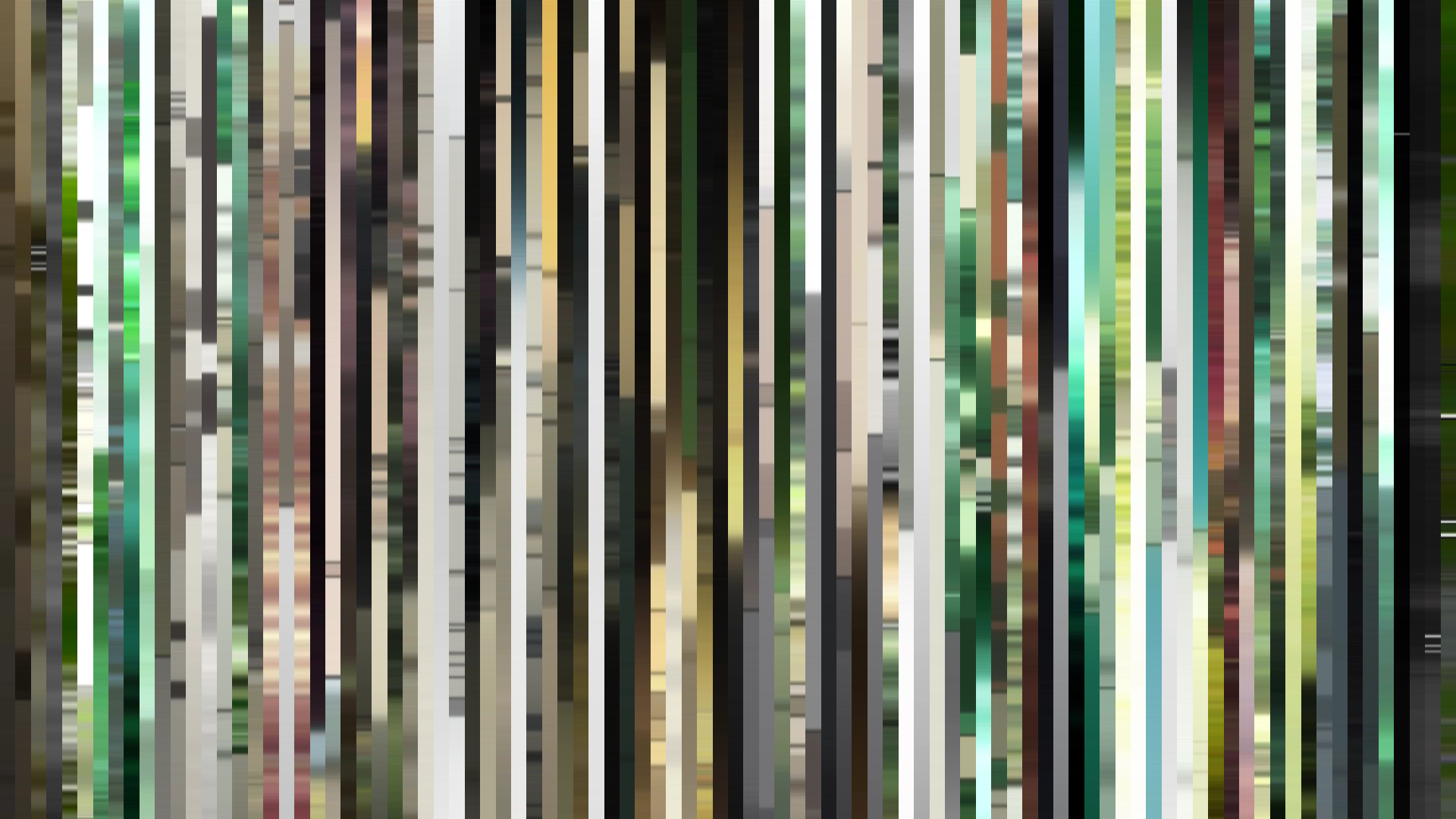
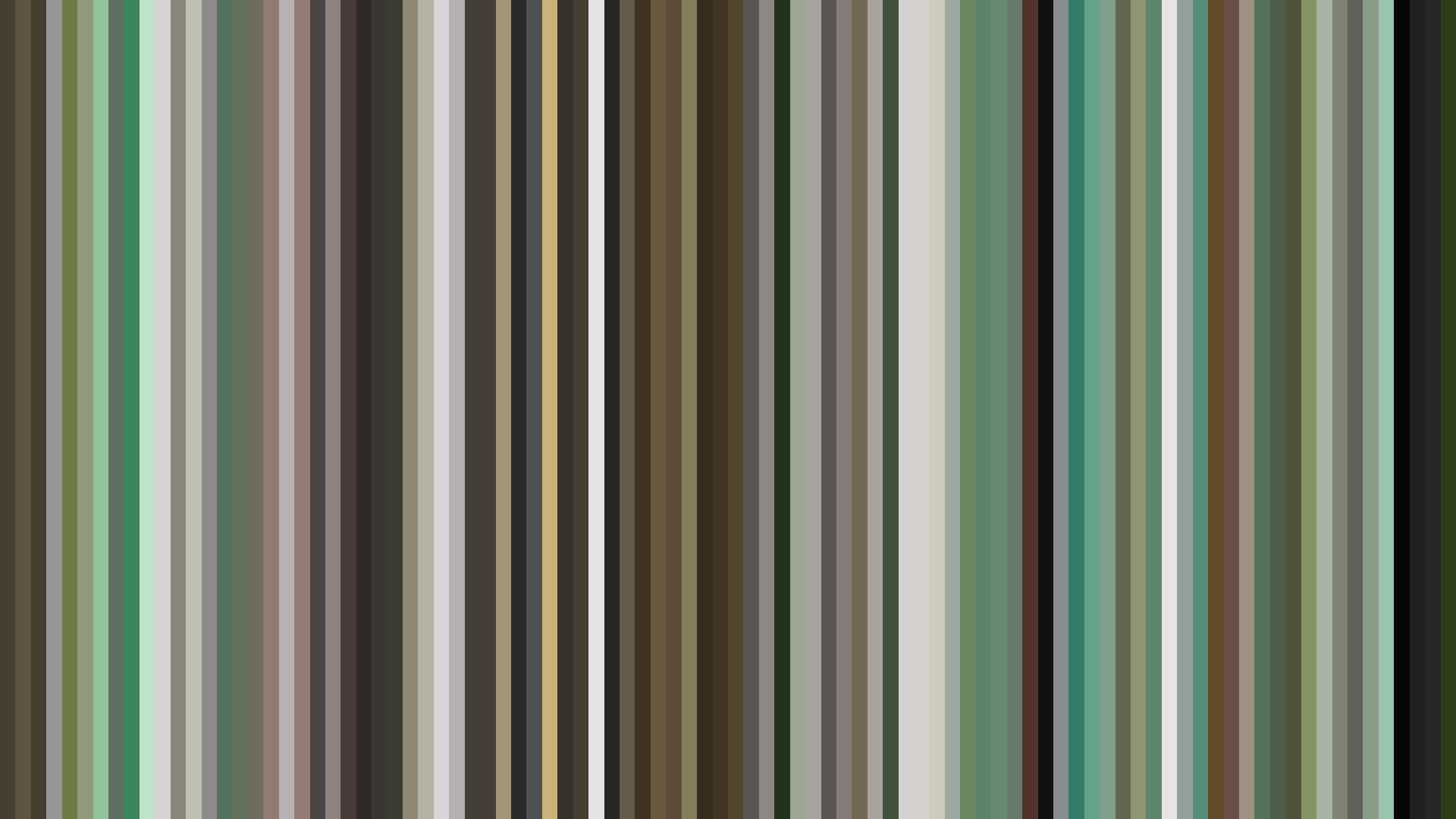
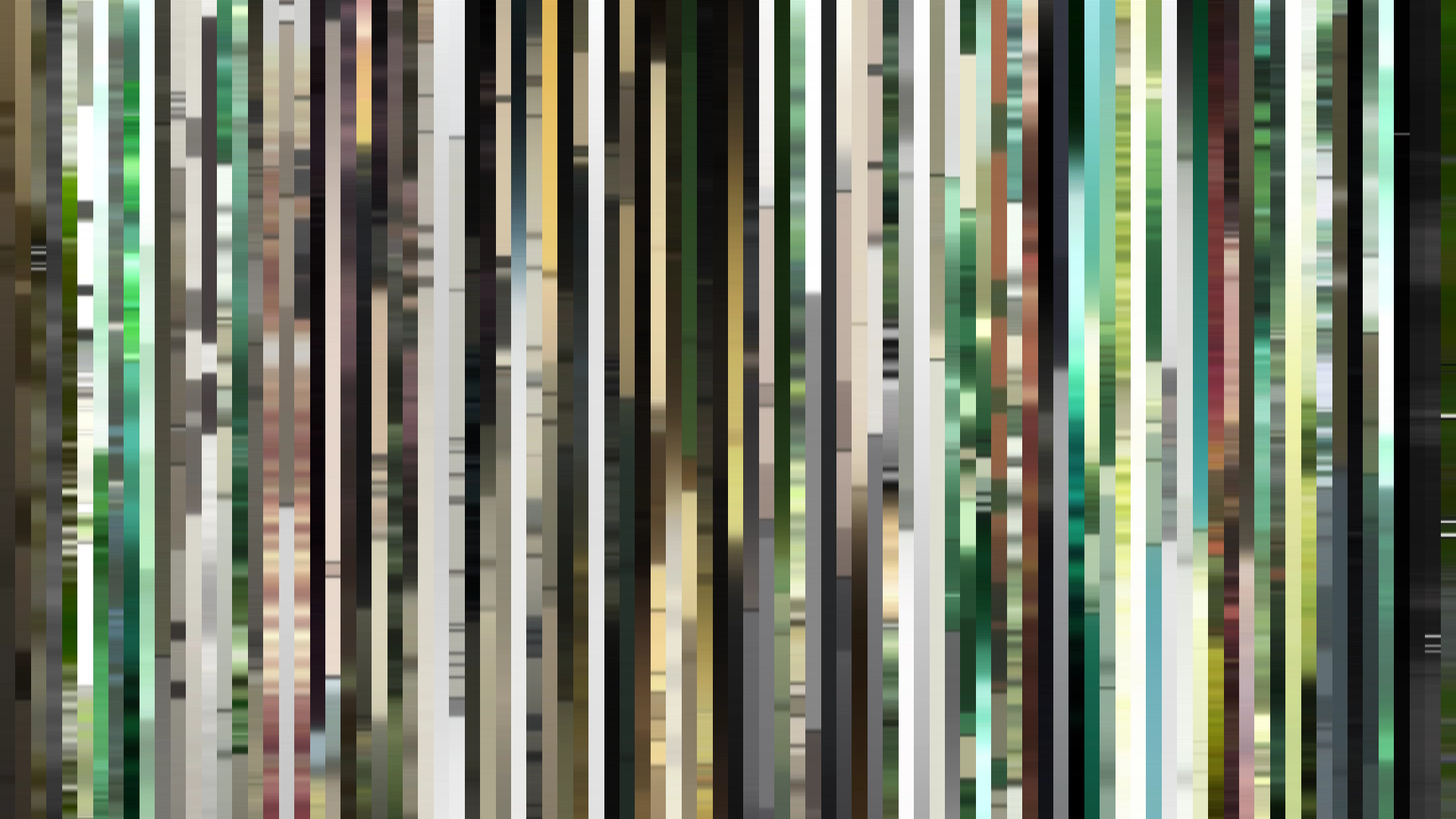
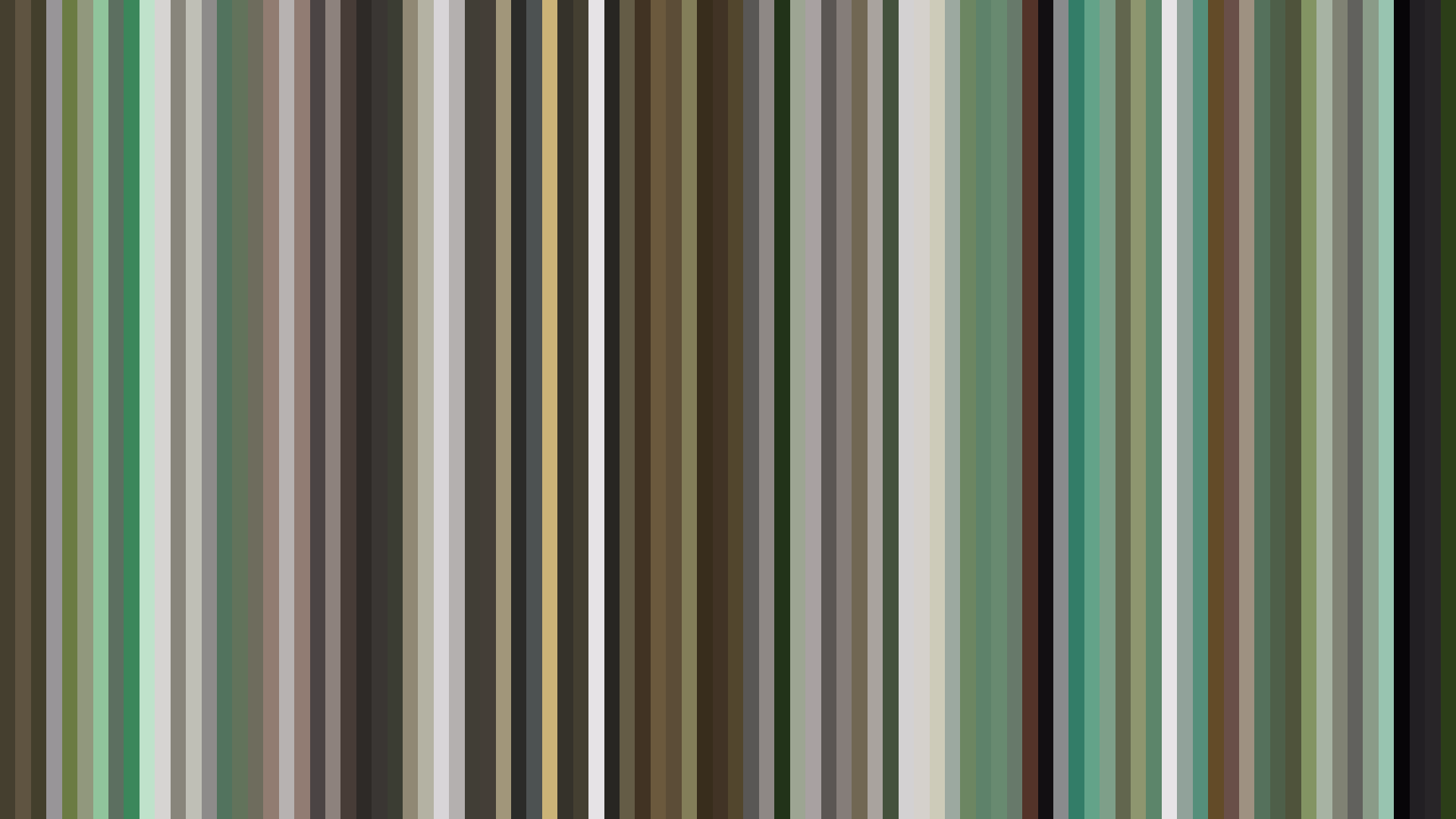
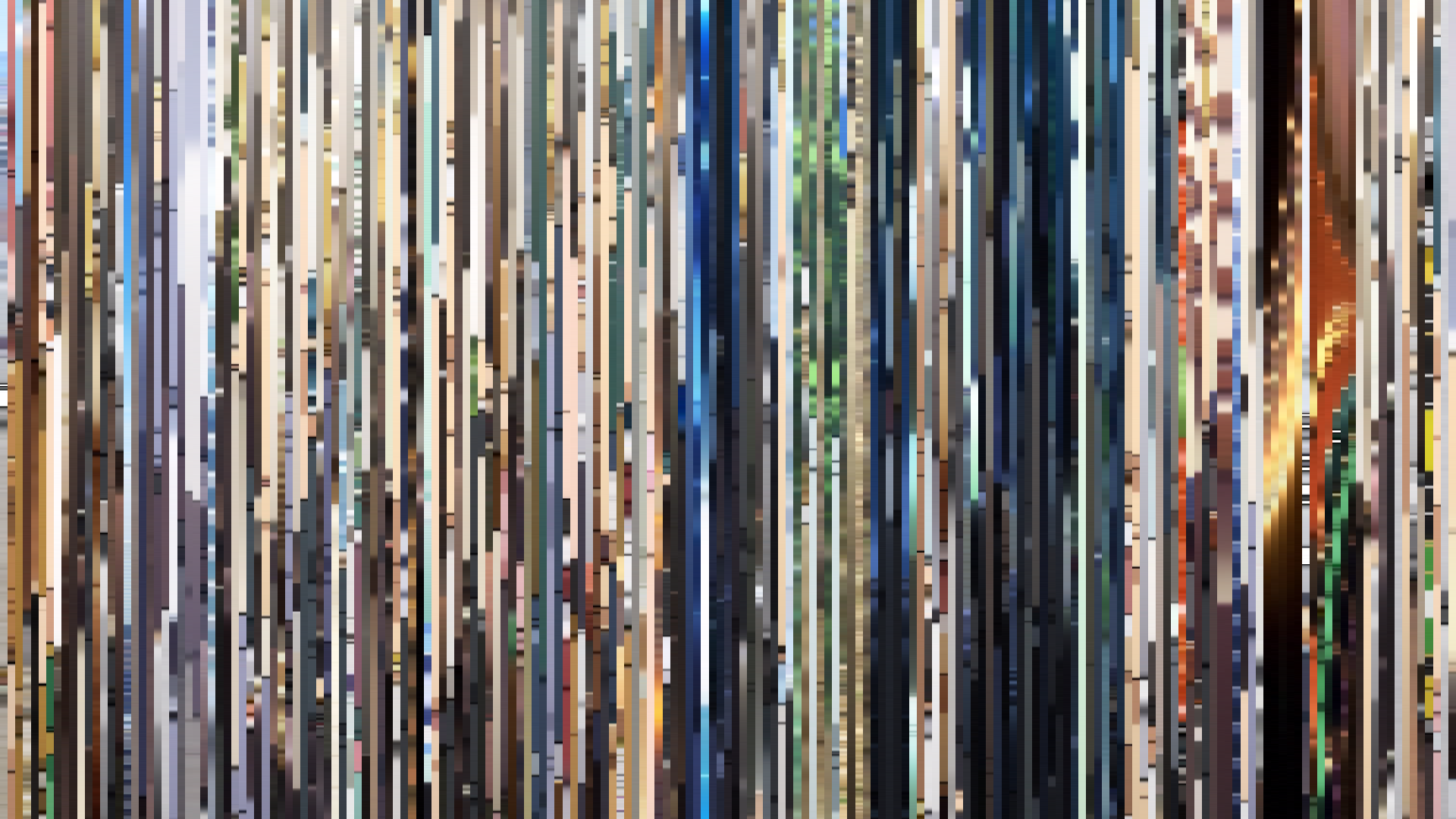
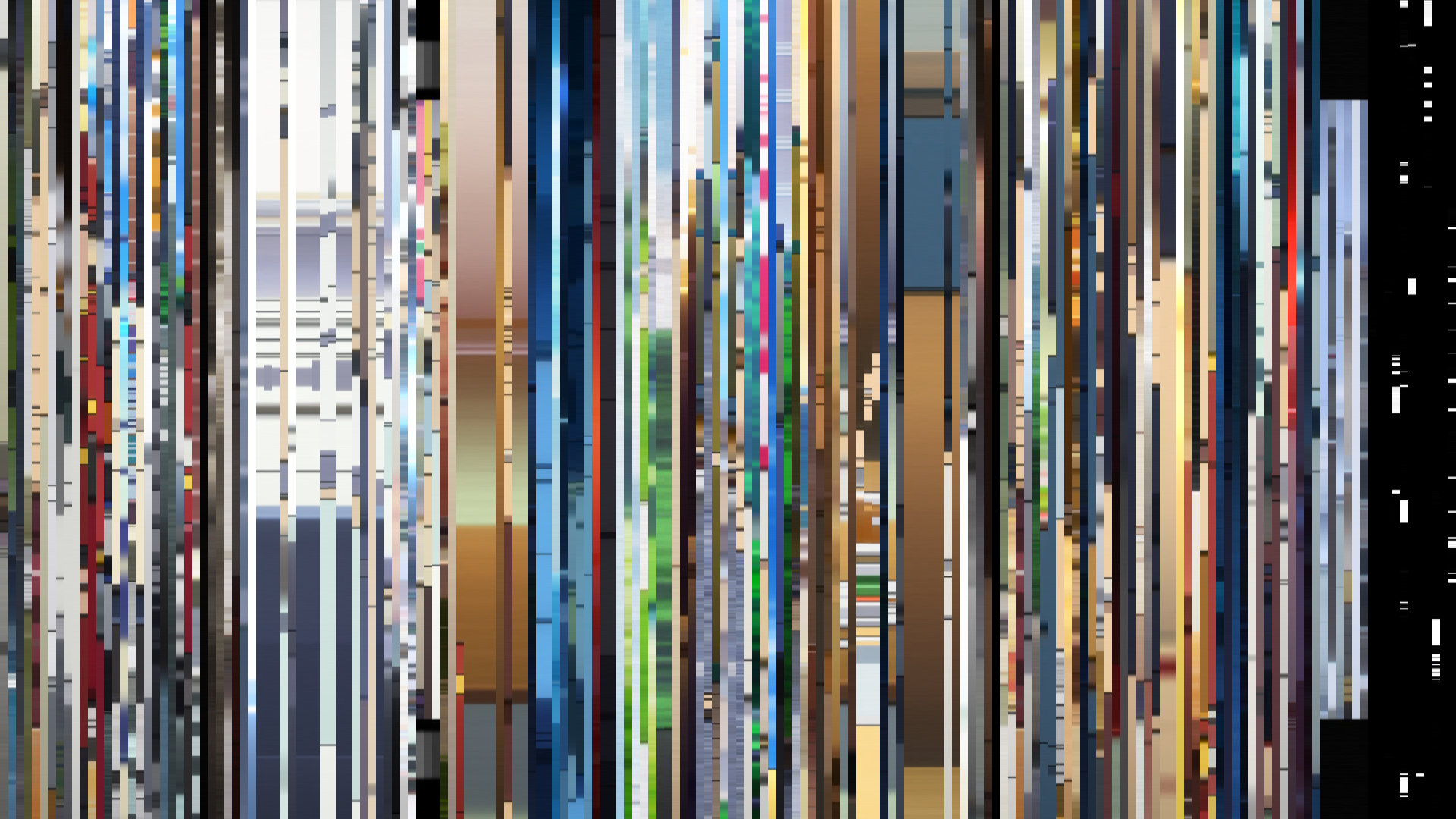
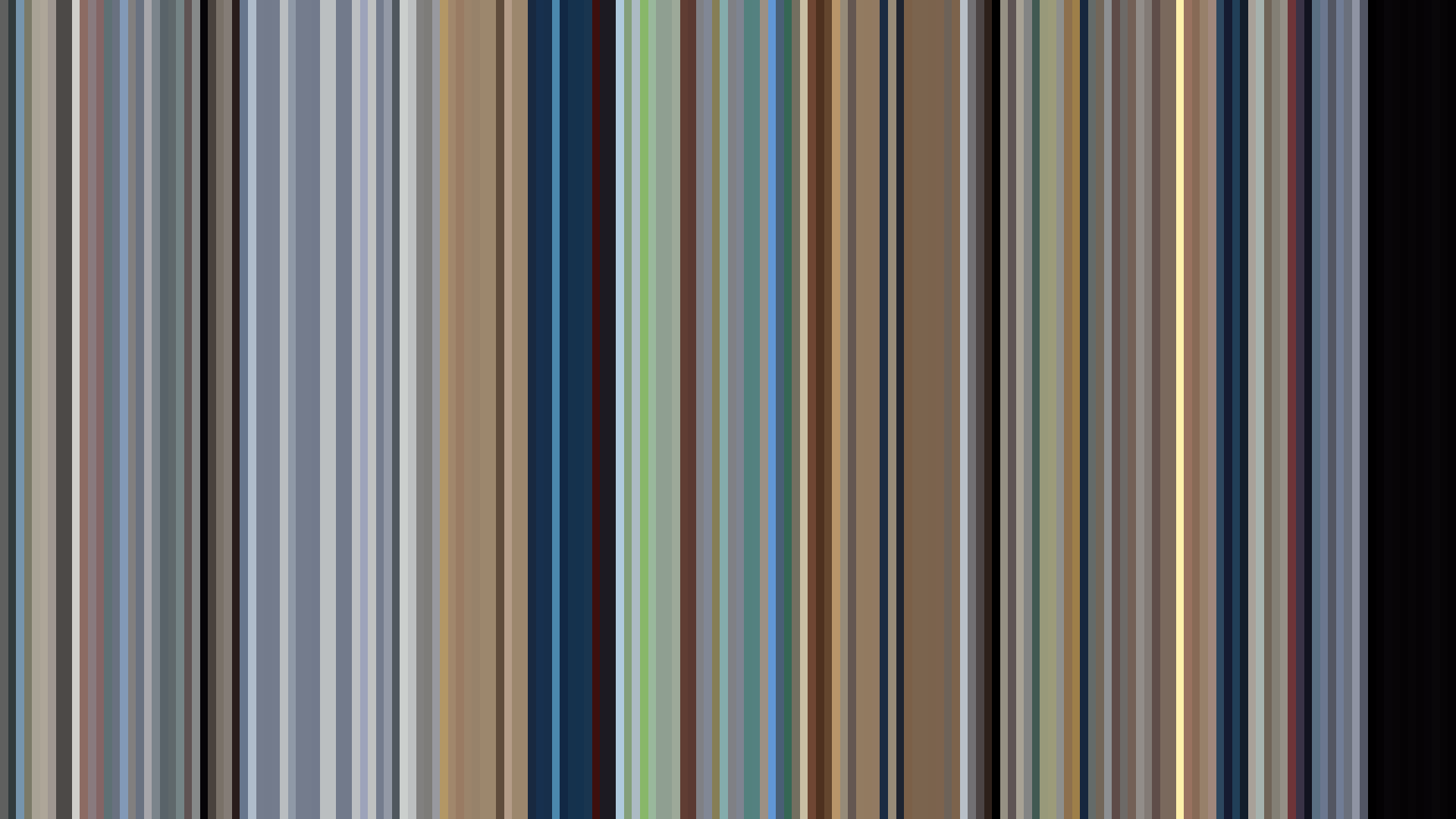
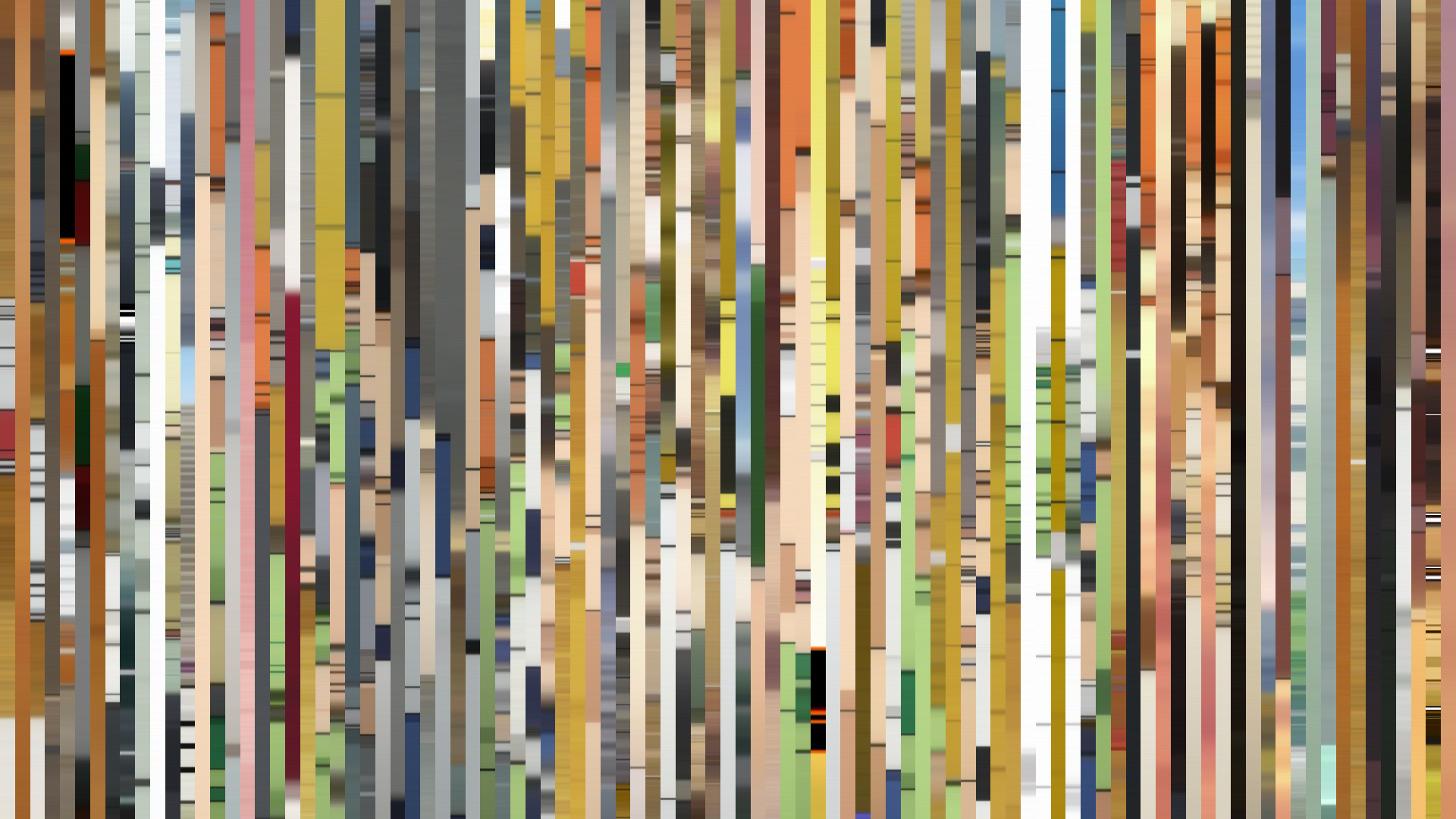
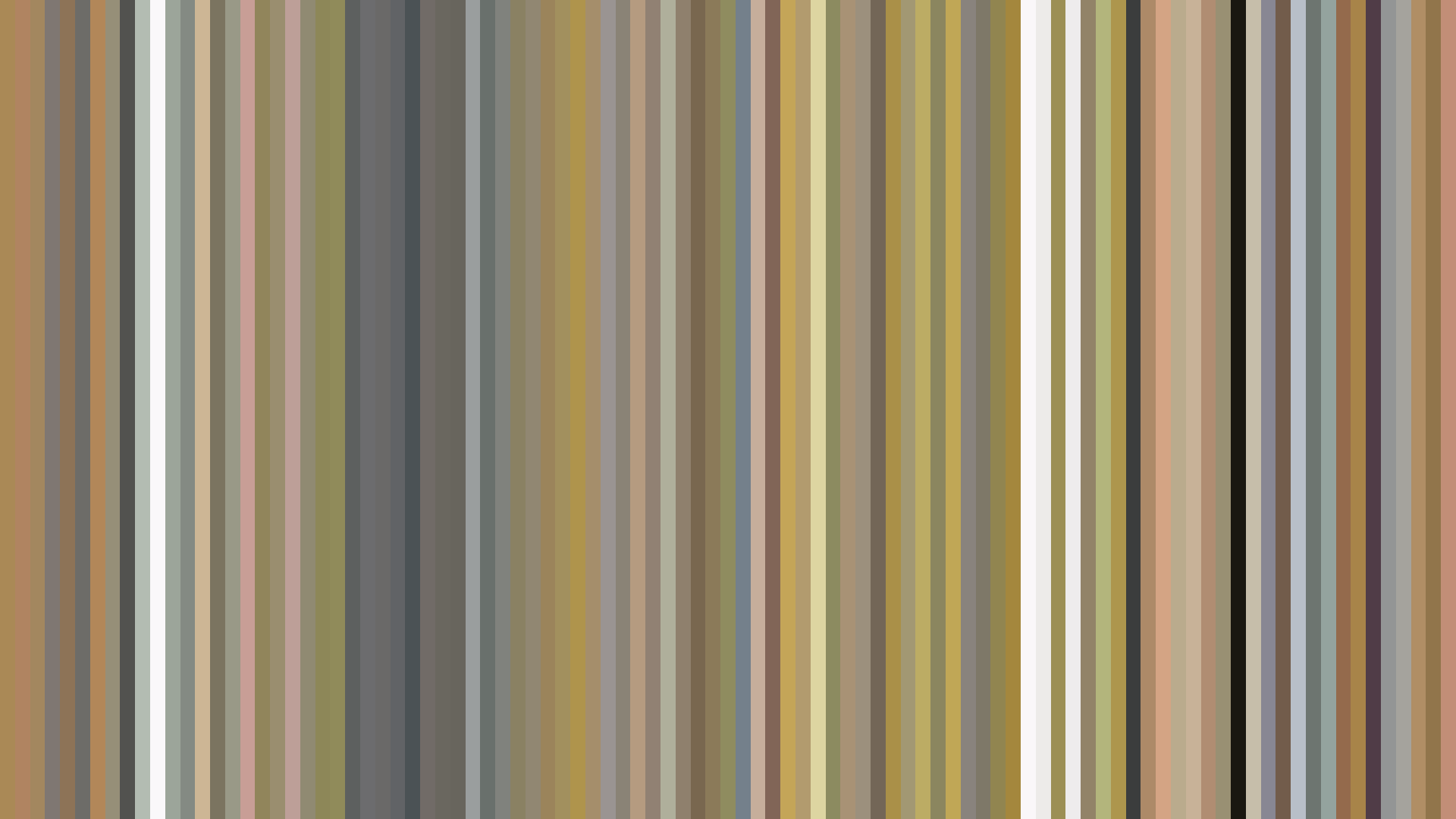
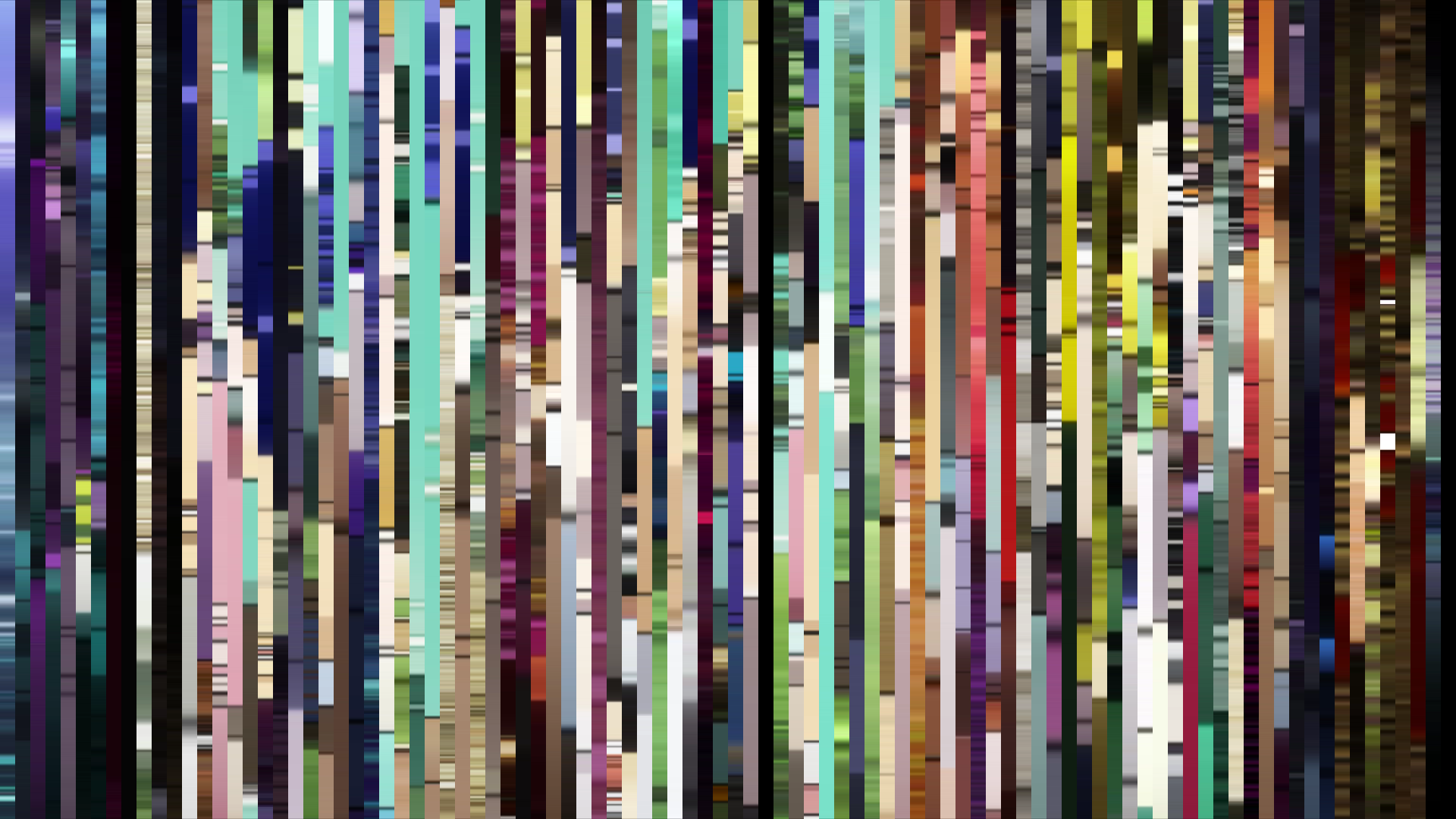
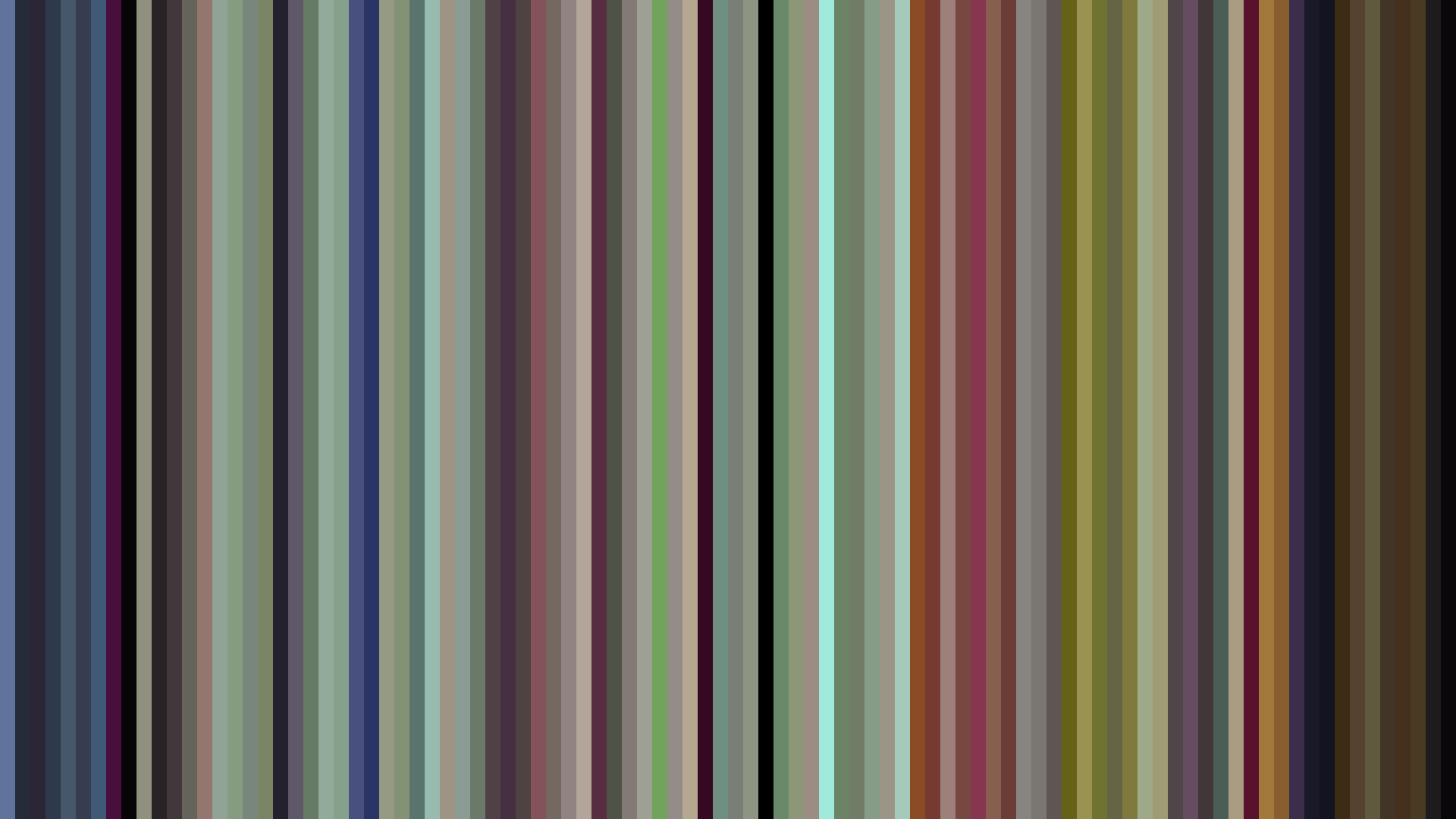
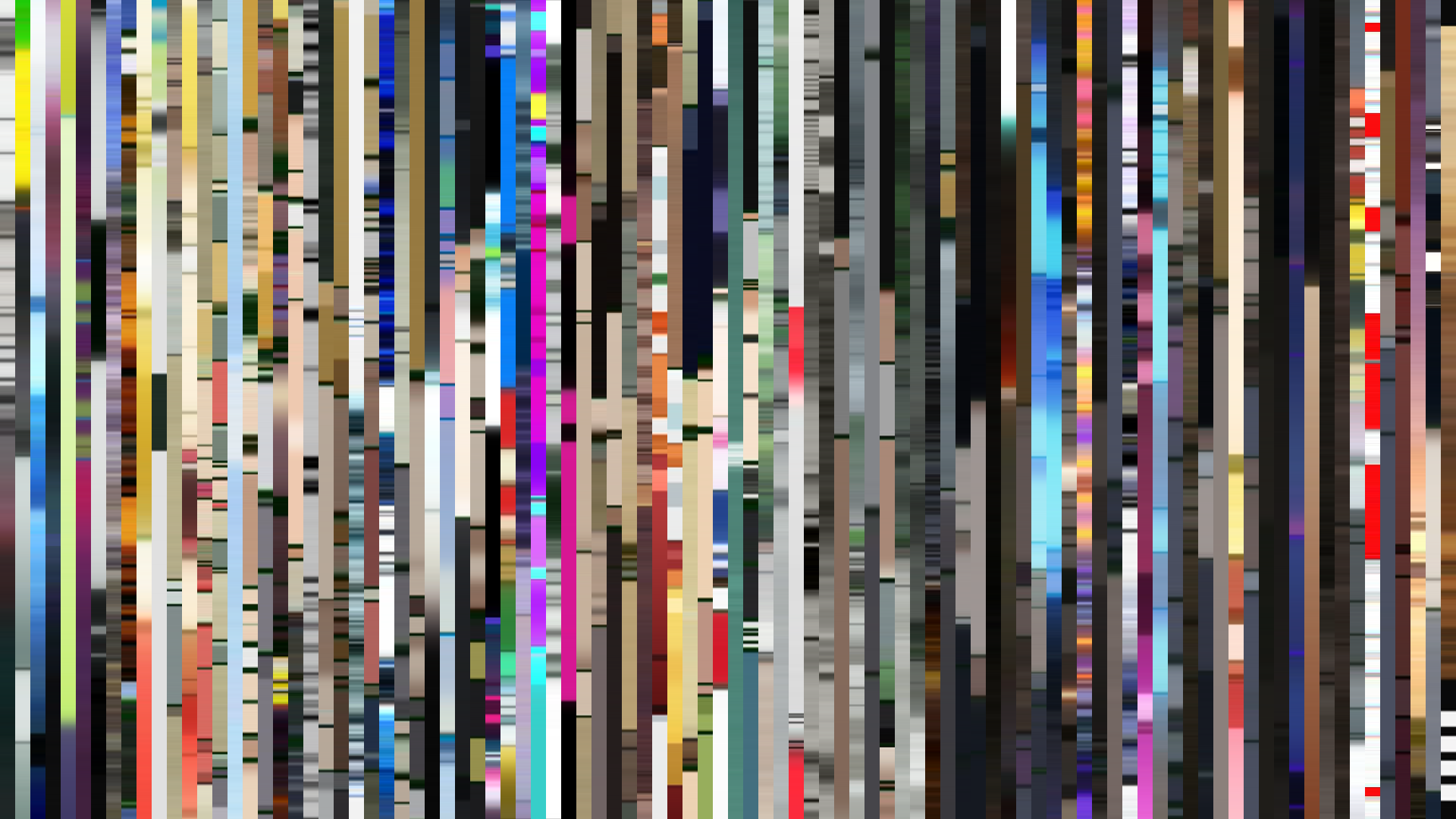
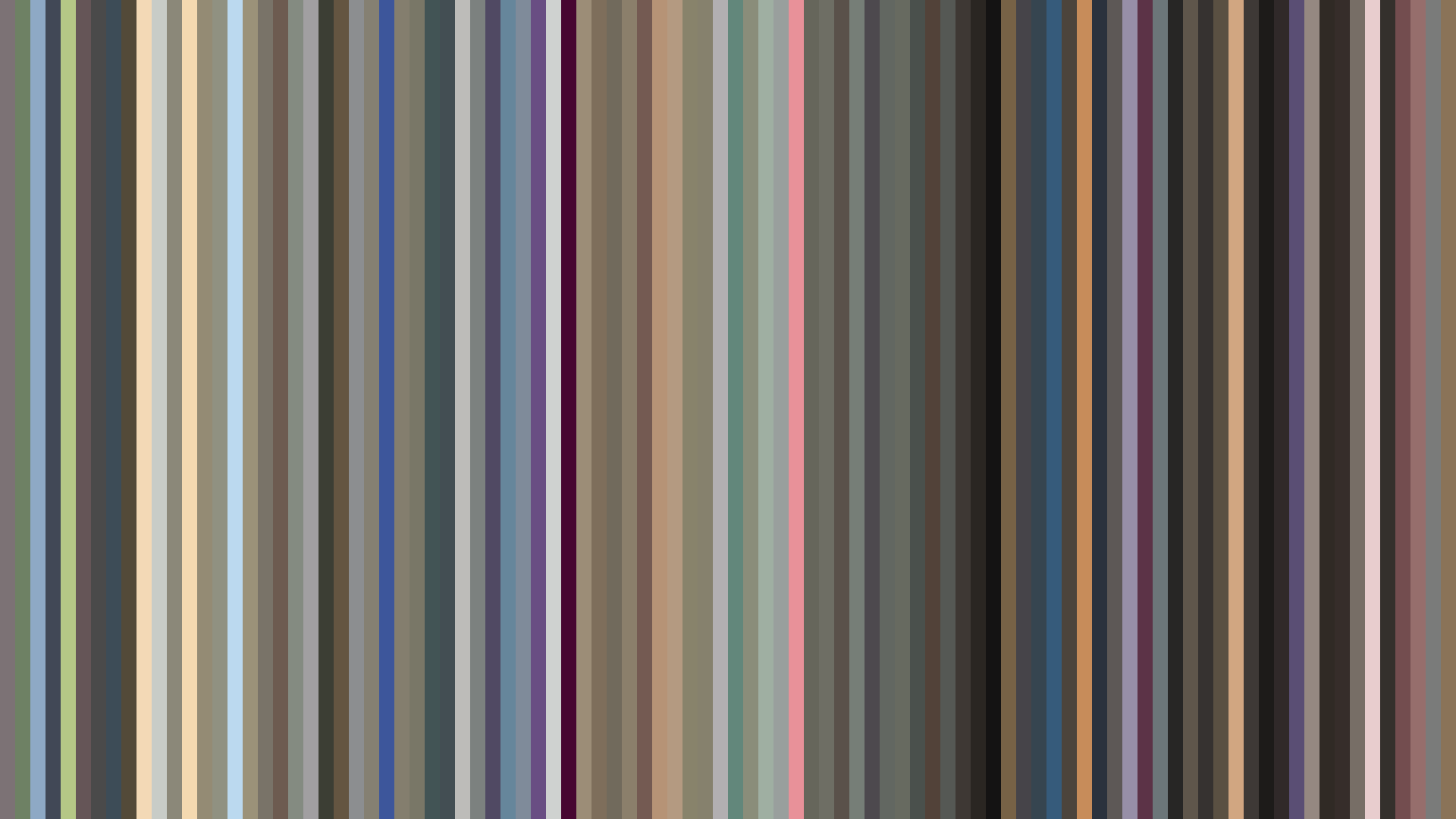
Frame Density Comparison — every 2nd vs every 4th frame
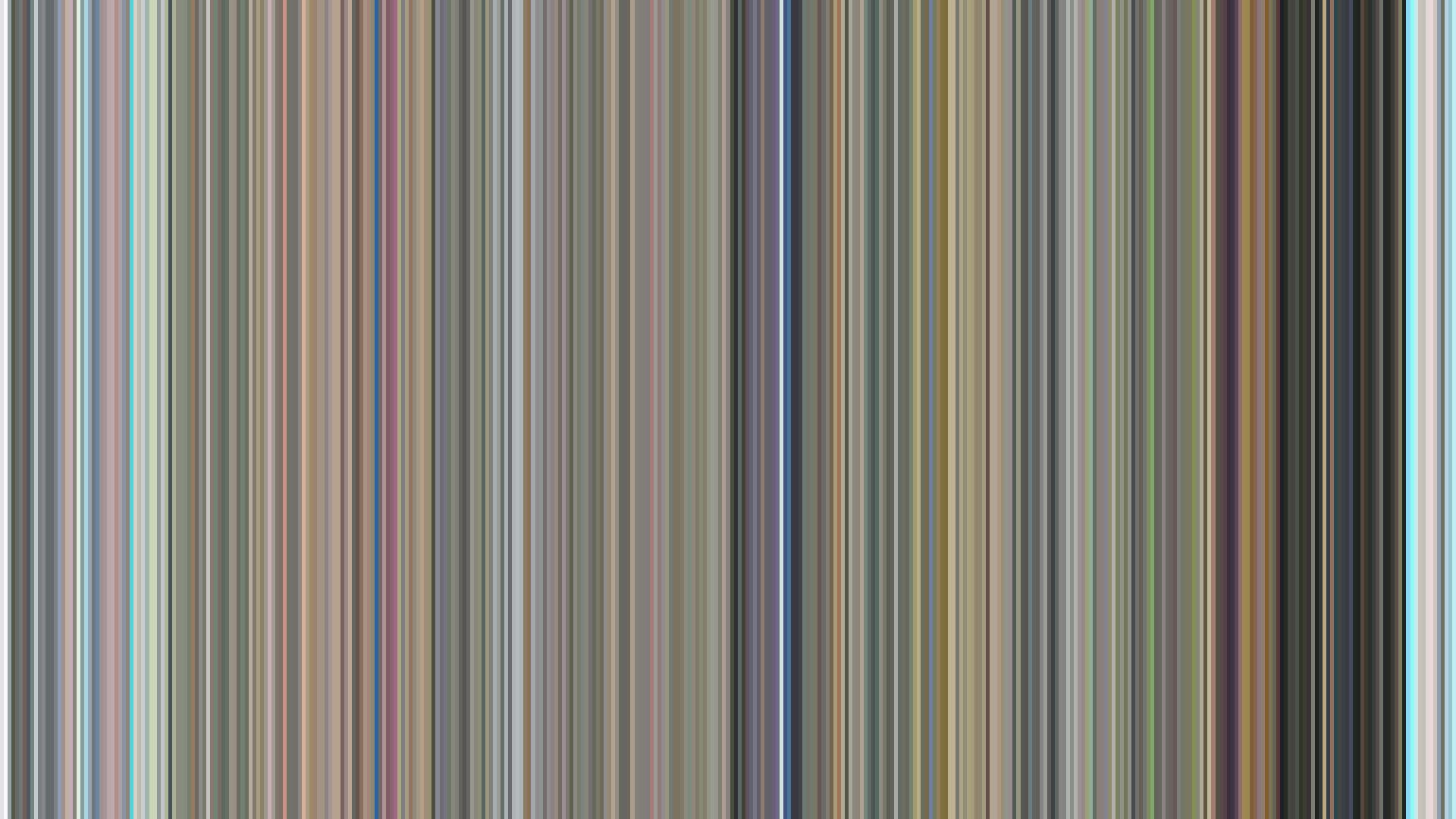
Slice · 15s
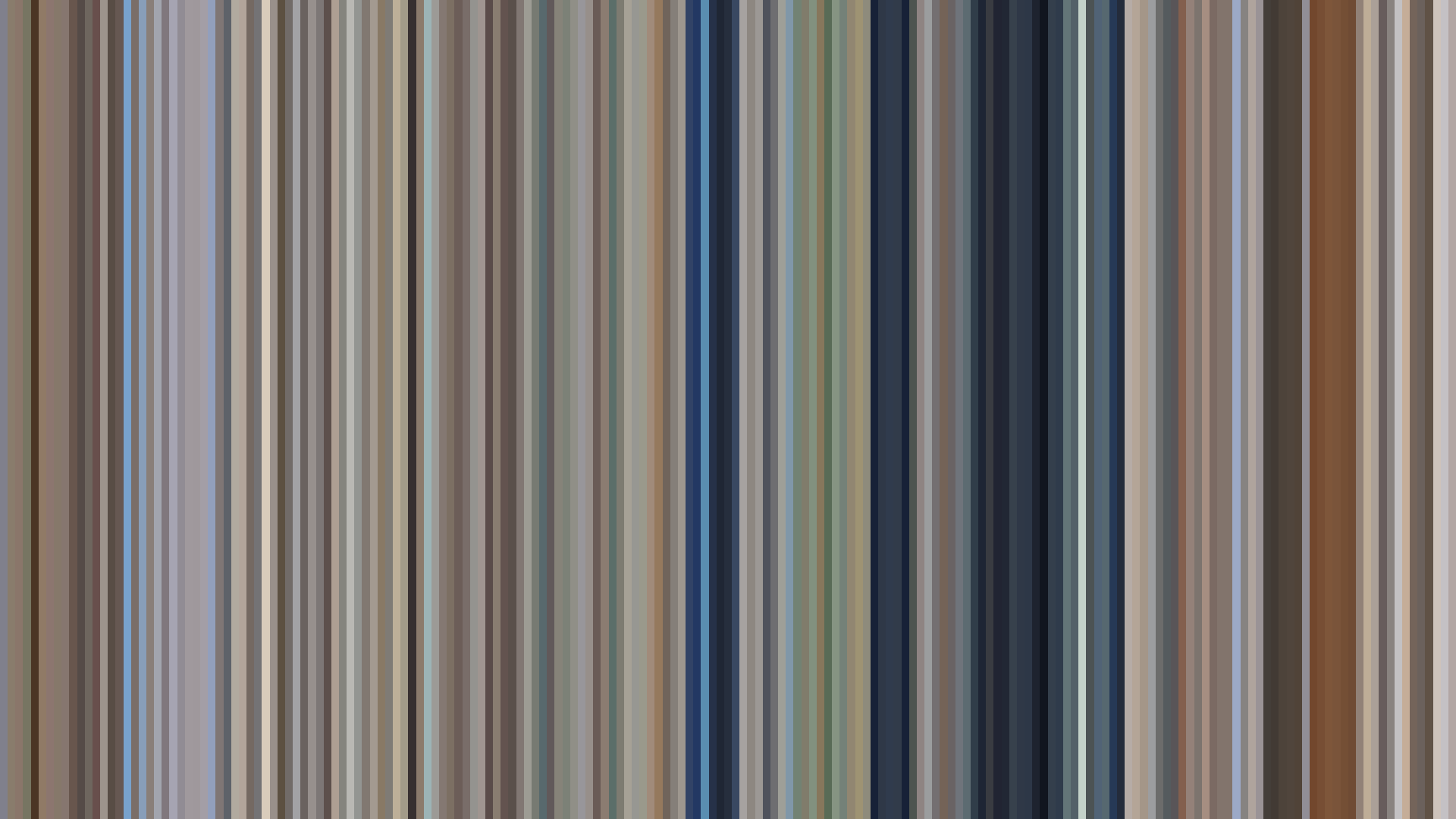
Avg · 15s
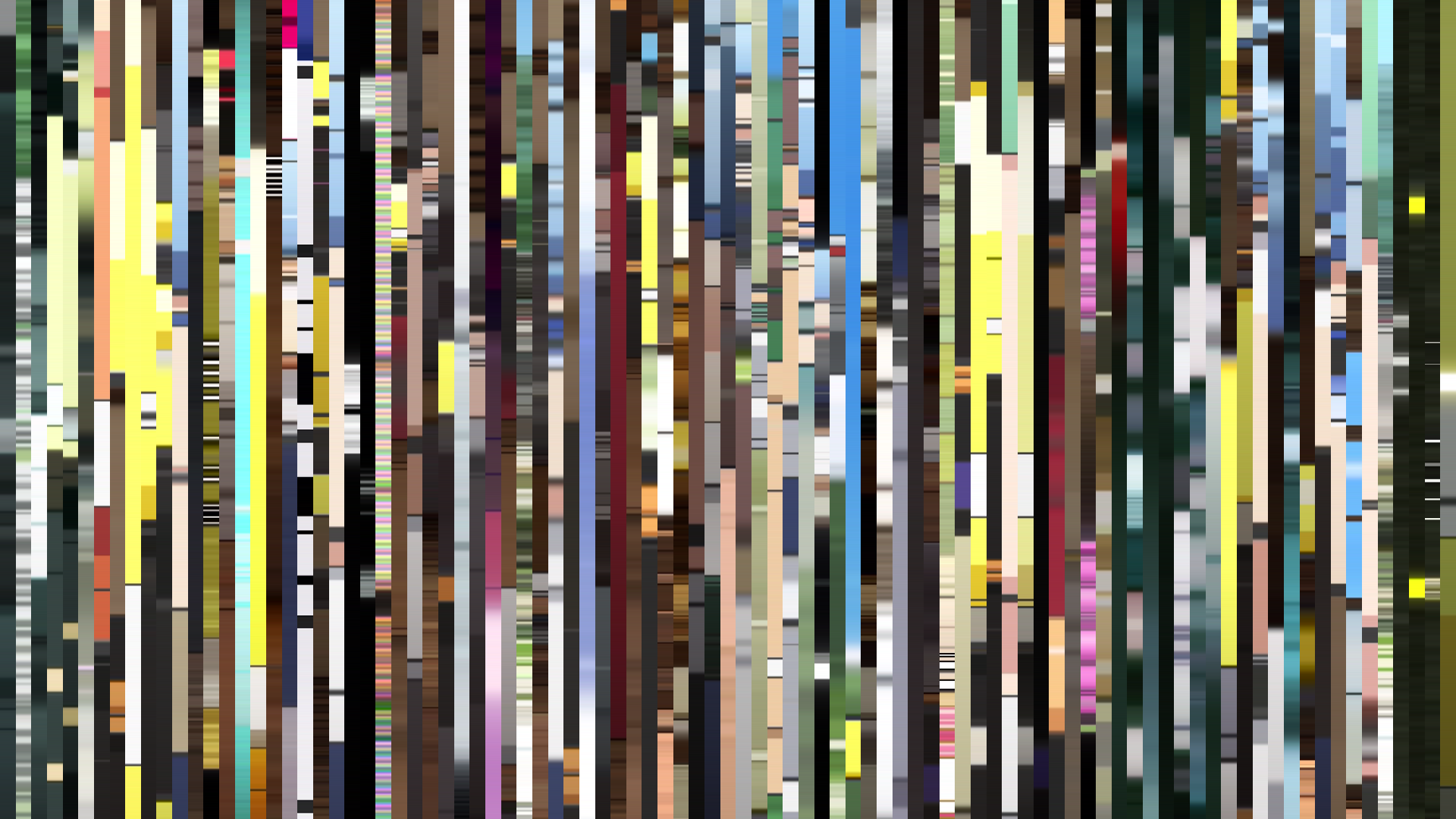
Slice · 30s
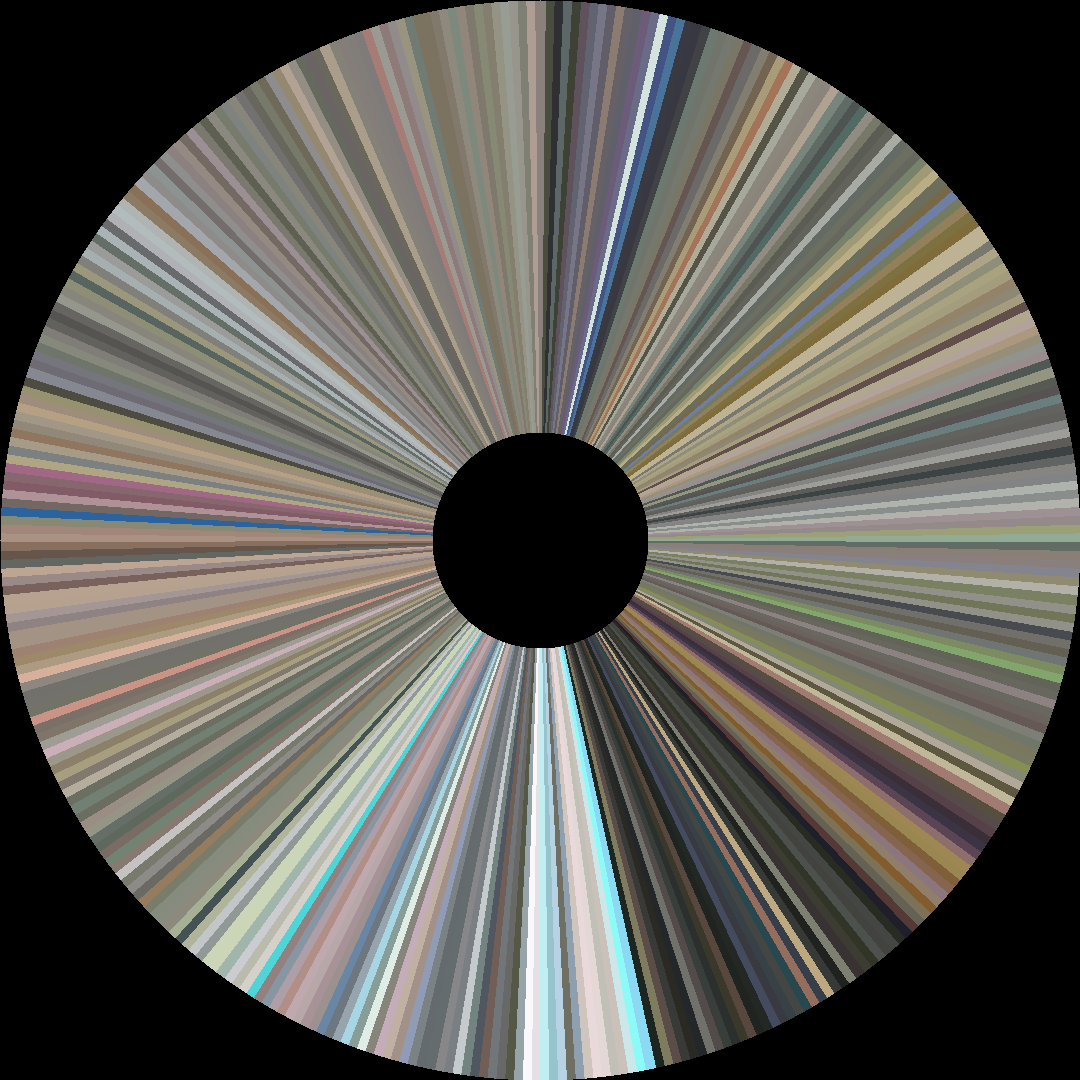
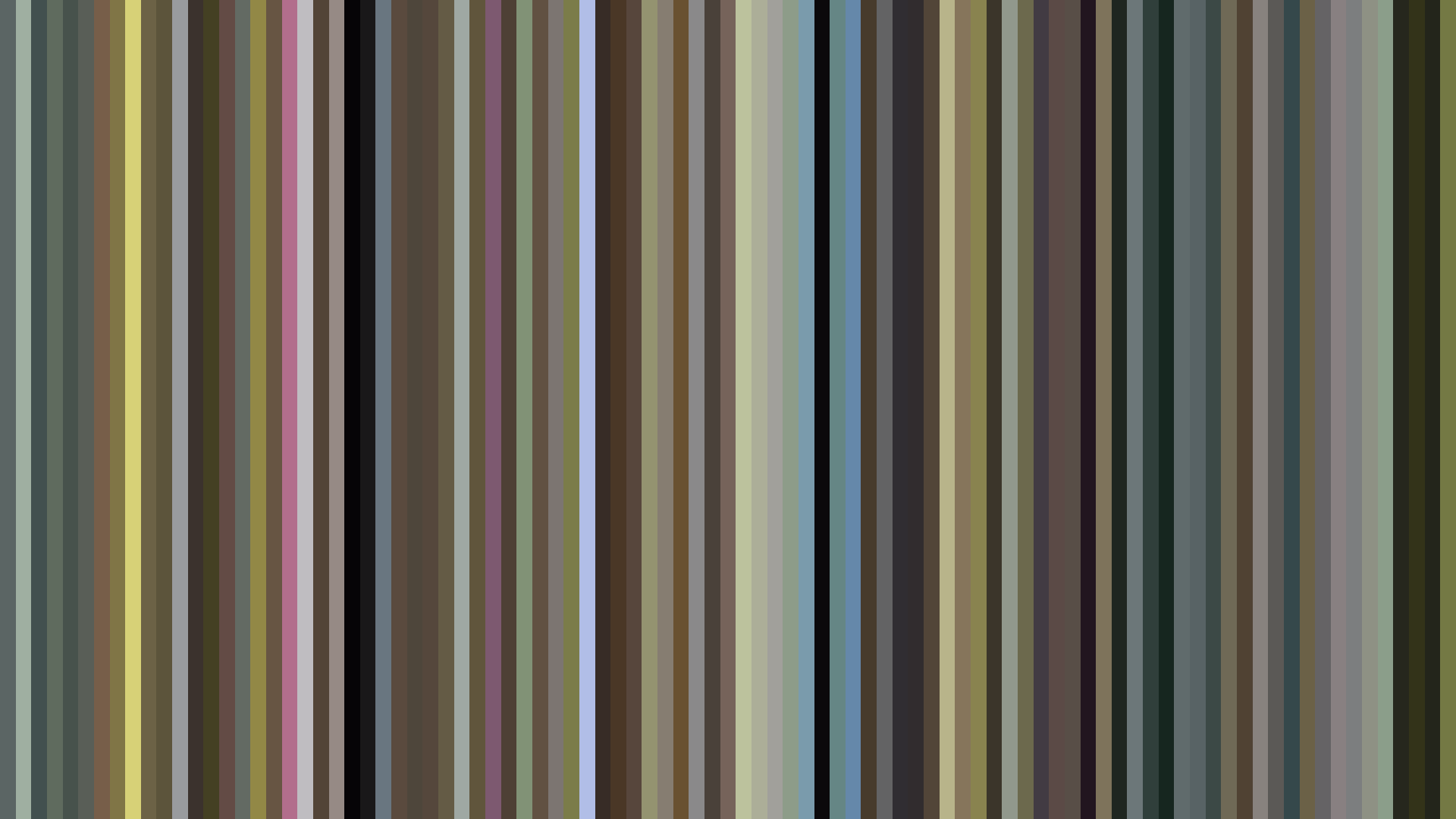
Avg · 30s
The palette is a study in muted restraint: warm earths and desaturated greys that suggest autumn, not brass. Kyoto Animation’s *Sound! Euphonium 2* begins in the dark opening of a low, overcast sky, and only sinks deeper — brightness dropping from 0.510 to a terminal 0.404 across its arc. This is not a failure of light but a deliberate withdrawal. Director Tatsuya Ishihara and color designer Kazumi Ikeda drain the saturated gold of the first season to match the emotional trajectory: the giddy discovery of performance replaced by the grind of ensemble politics, loss, and the weight of inherited tradition. The Red-Orange dominance (29%) feels less like fire than the dying warmth of a sunset, or the patina of brass instruments stored too long. Every frame carries the studio’s signature attention to texture — wood grain, lacquered floors, the soft light of a practice room — but the cumulative effect is one of quiet melancholy. This is a show about music that refuses to be bright.
Brightness Arc (episode progression)
Hue Distribution
Act Breakdown
Opening
0.510
Middle
0.453
Closing
0.404
Avg Brightness
0.511
Avg Saturation
0.183
Warmth
0.546
Color Palette
#62605A
#A09F99
#998D71
#DEDDD7
#2C2C2A
#8D7263
#CBB2A2
#D6CEAD
3-Act Color Story
Opening
Middle
Closing
Color Twins
Perceptually nearest palettes — measured in OKLab space, not RGB






The palette is a study in muted restraint: warm earths and desaturated greys that suggest autumn, not brass. Kyoto Animation’s *Sound! Euphonium 2* begins in the dark opening of a low, overcast sky, and only sinks deeper — brightness dropping from 0.510 to a terminal 0.404 across its arc. This is not a failure of light but a deliberate withdrawal. Director Tatsuya Ishihara and color designer Kazumi Ikeda drain the saturated gold of the first season to match the emotional trajectory: the giddy discovery of performance replaced by the grind of ensemble politics, loss, and the weight of inherited tradition. The Red-Orange dominance (29%) feels less like fire than the dying warmth of a sunset, or the patina of brass instruments stored too long. Every frame carries the studio’s signature attention to texture — wood grain, lacquered floors, the soft light of a practice room — but the cumulative effect is one of quiet melancholy. This is a show about music that refuses to be bright.