Edit Pace — frame-to-frame color delta (bright = fast cuts)
Color Temperature — warm (gold) vs cool (teal) per frame
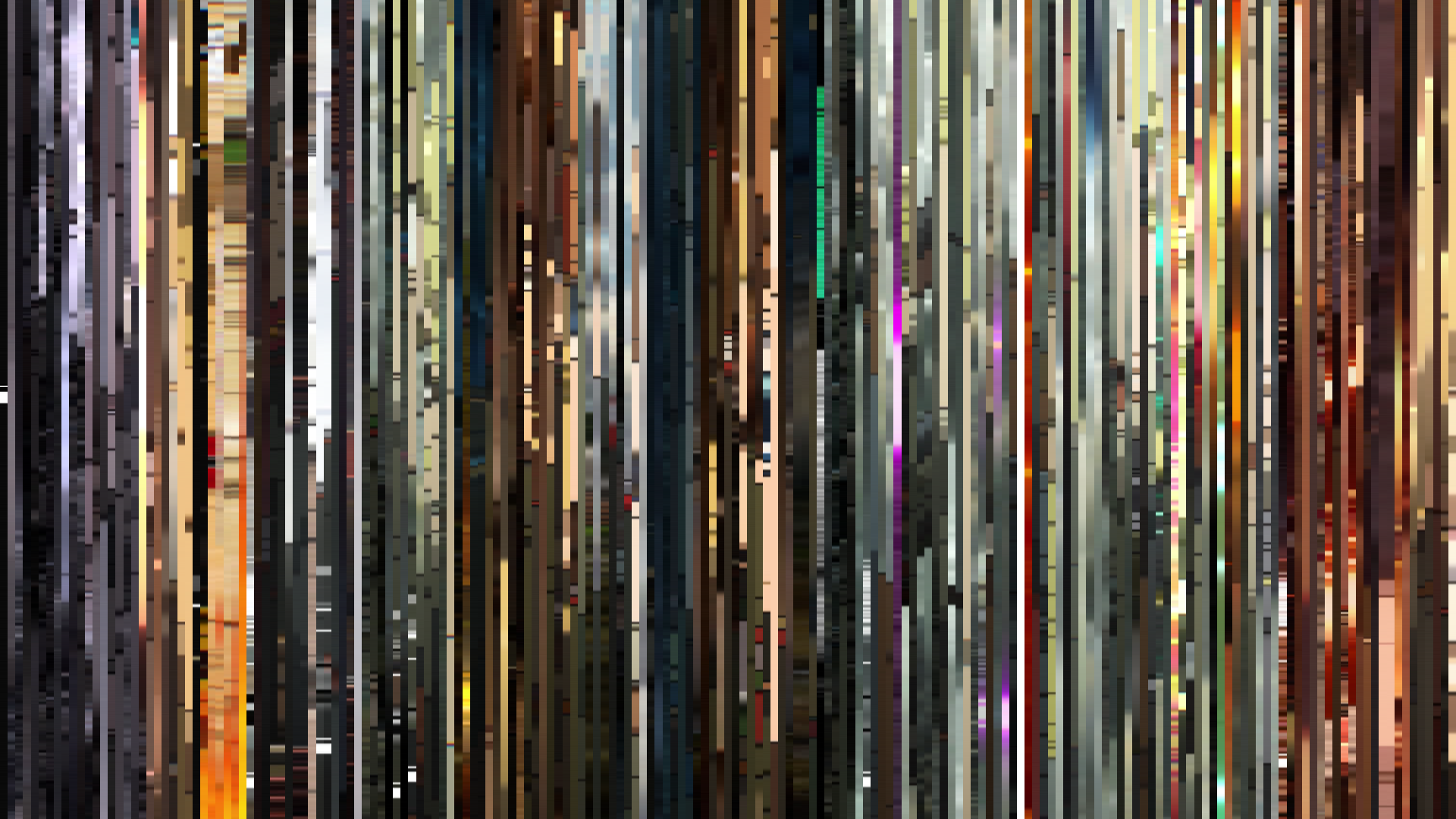
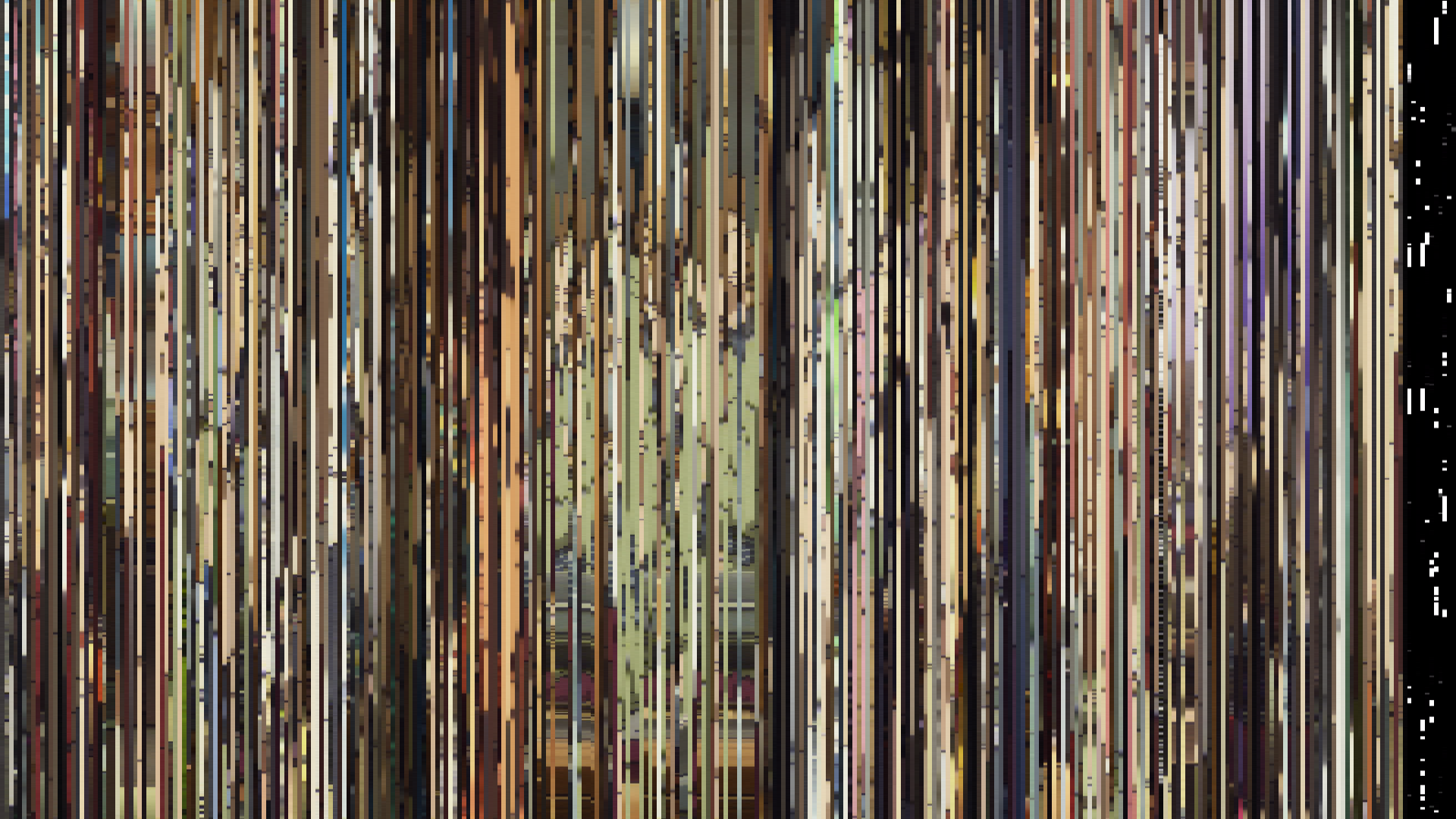
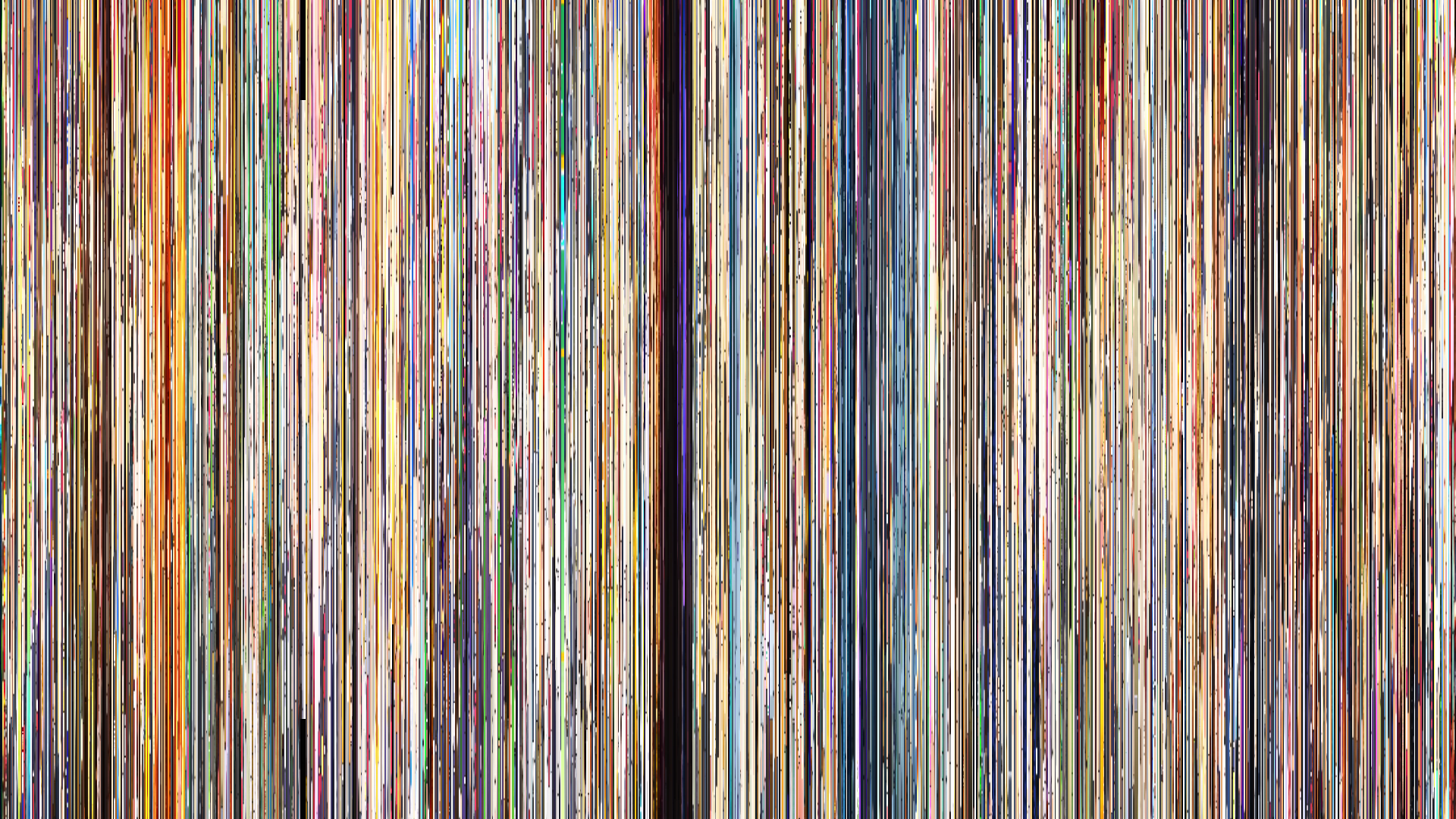
Frame Density Comparison — every 2nd vs every 4th frame
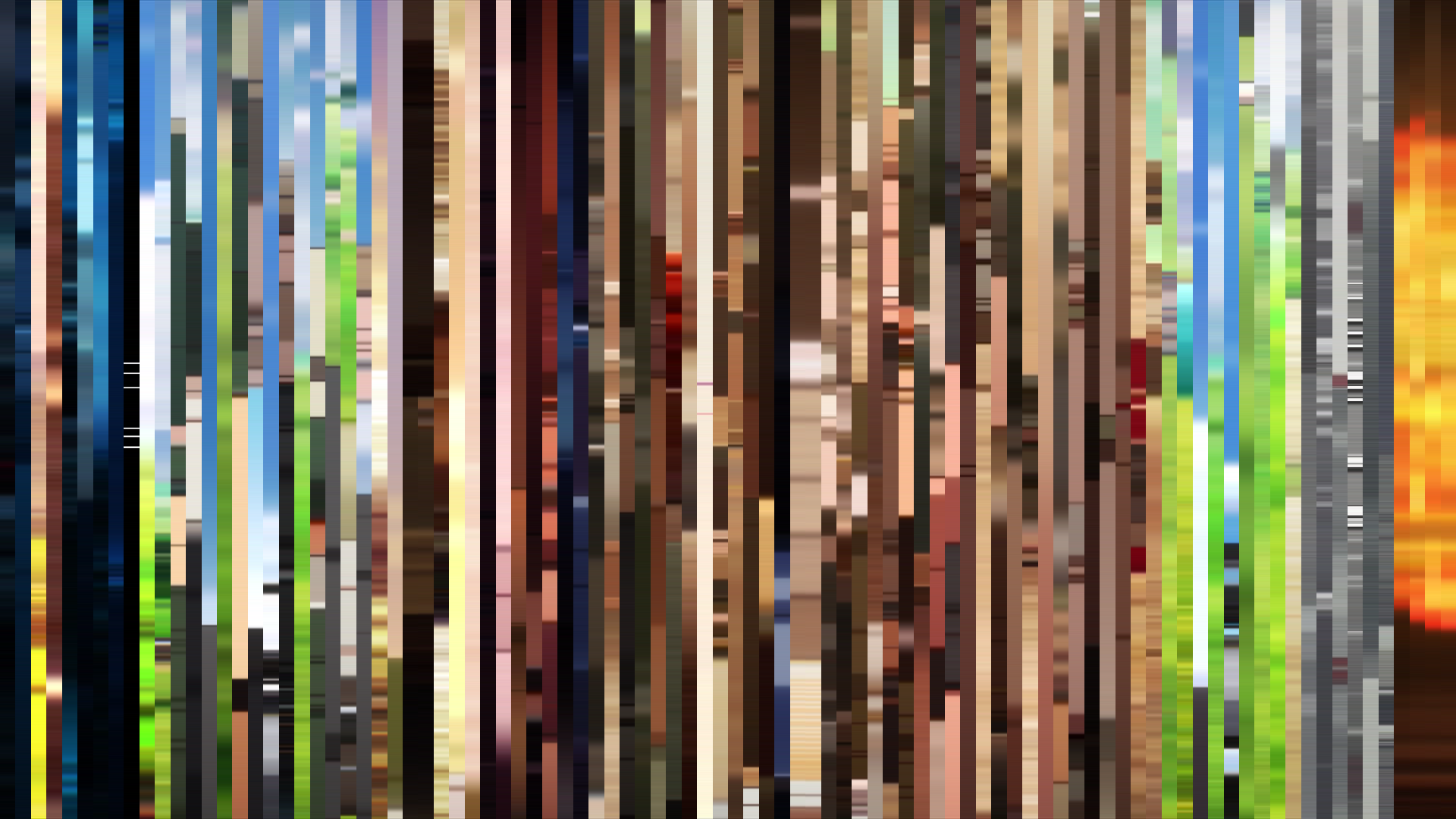
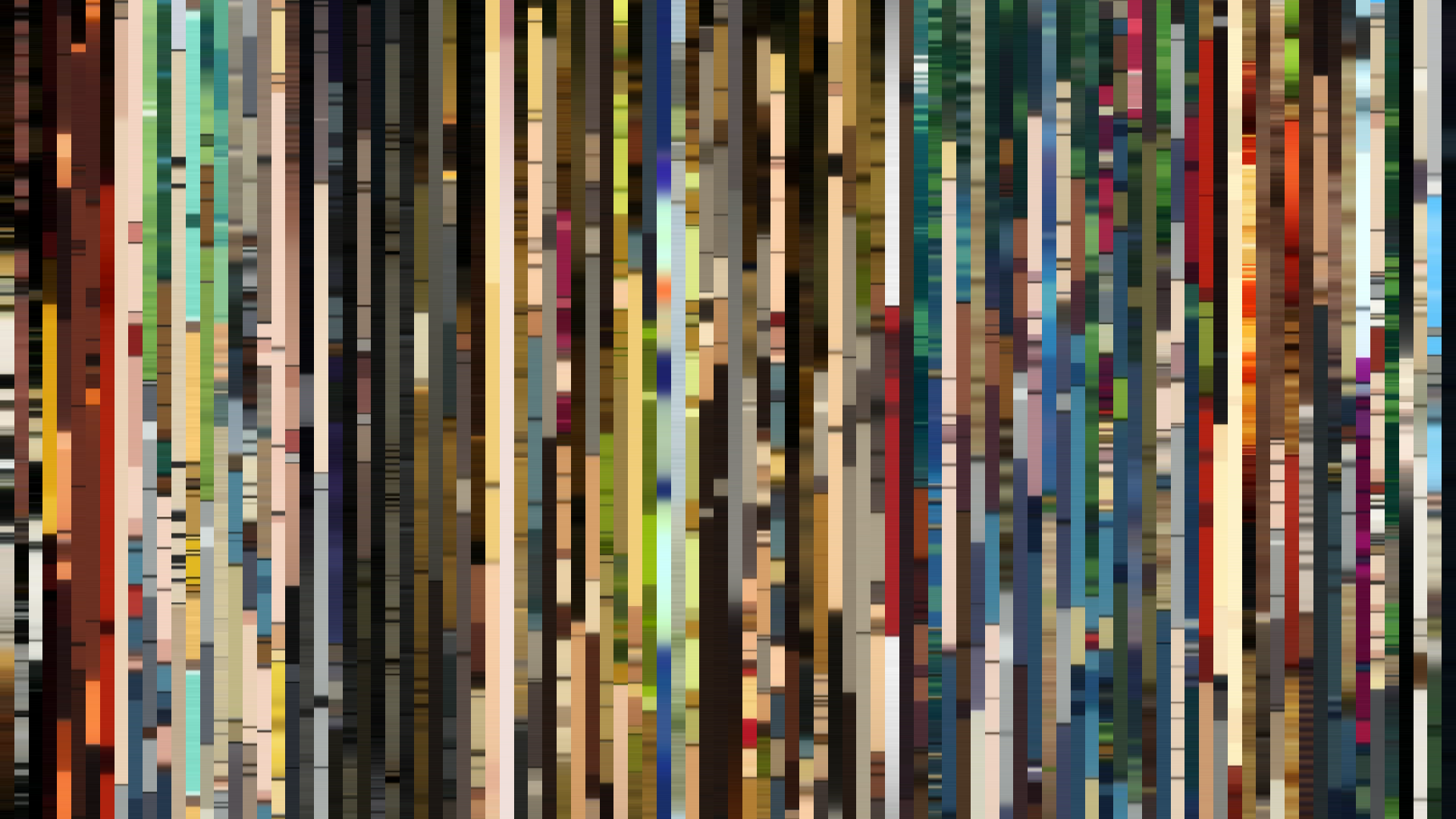
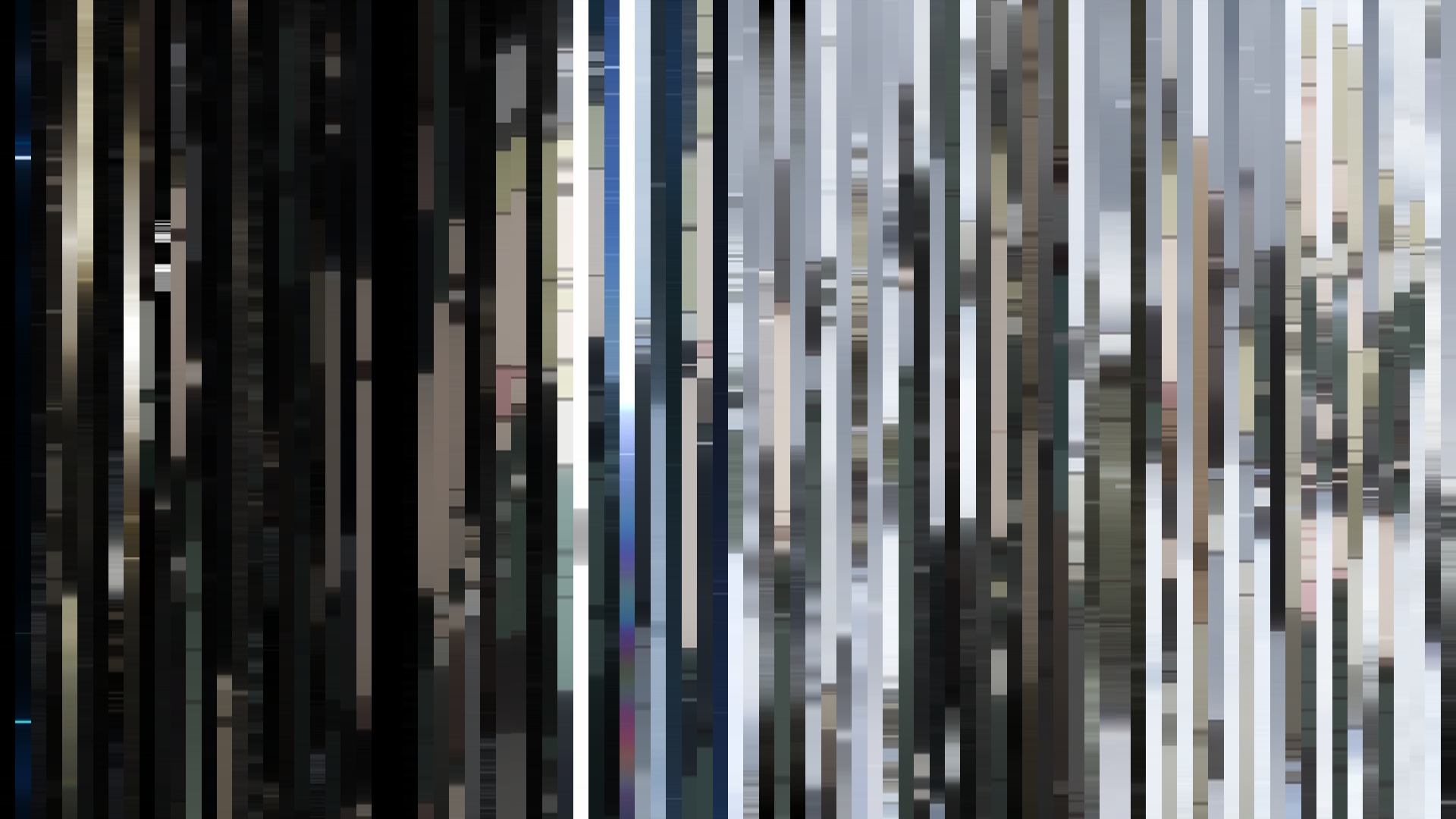
Slice · 15s
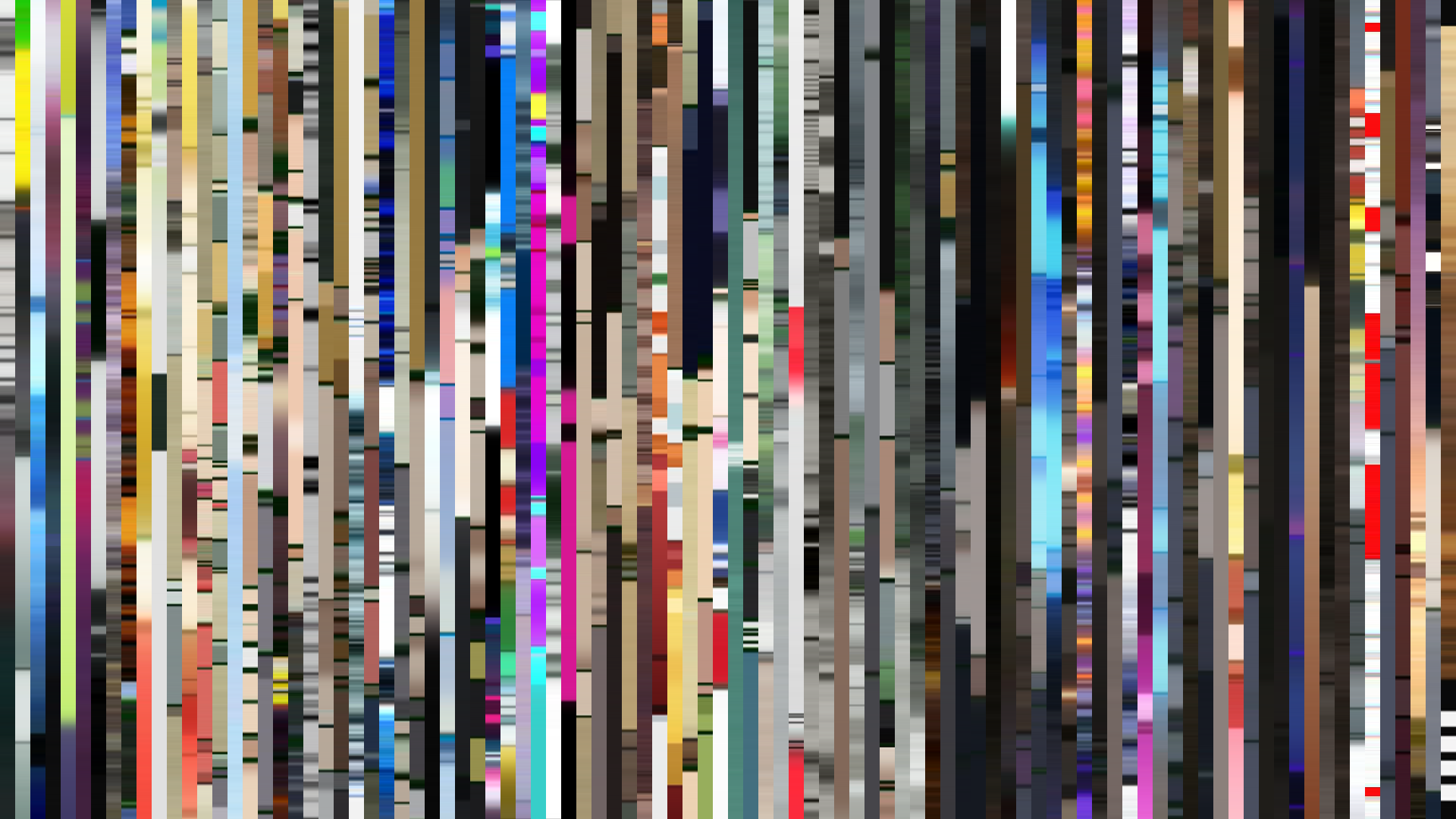
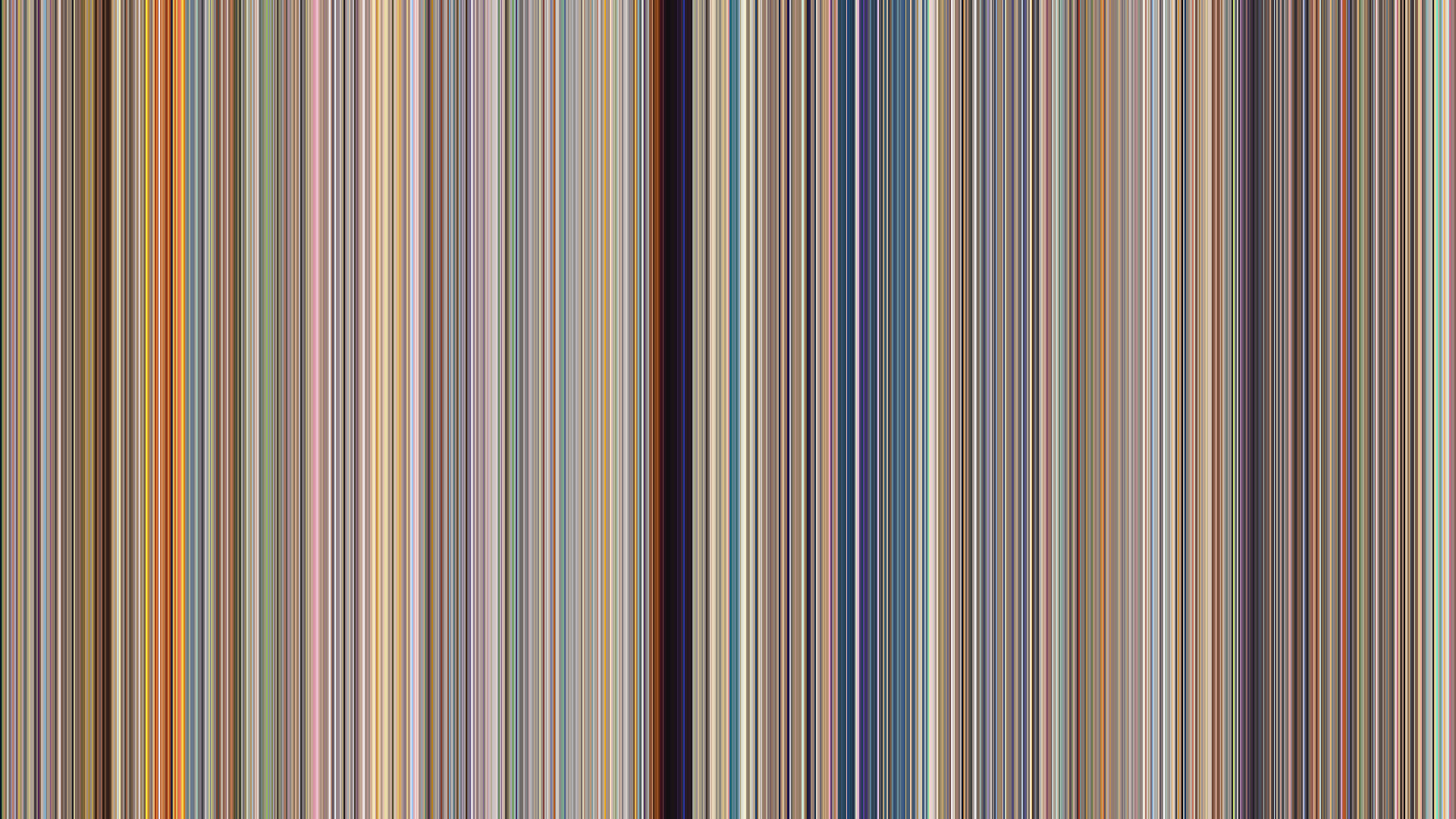
Avg · 15s
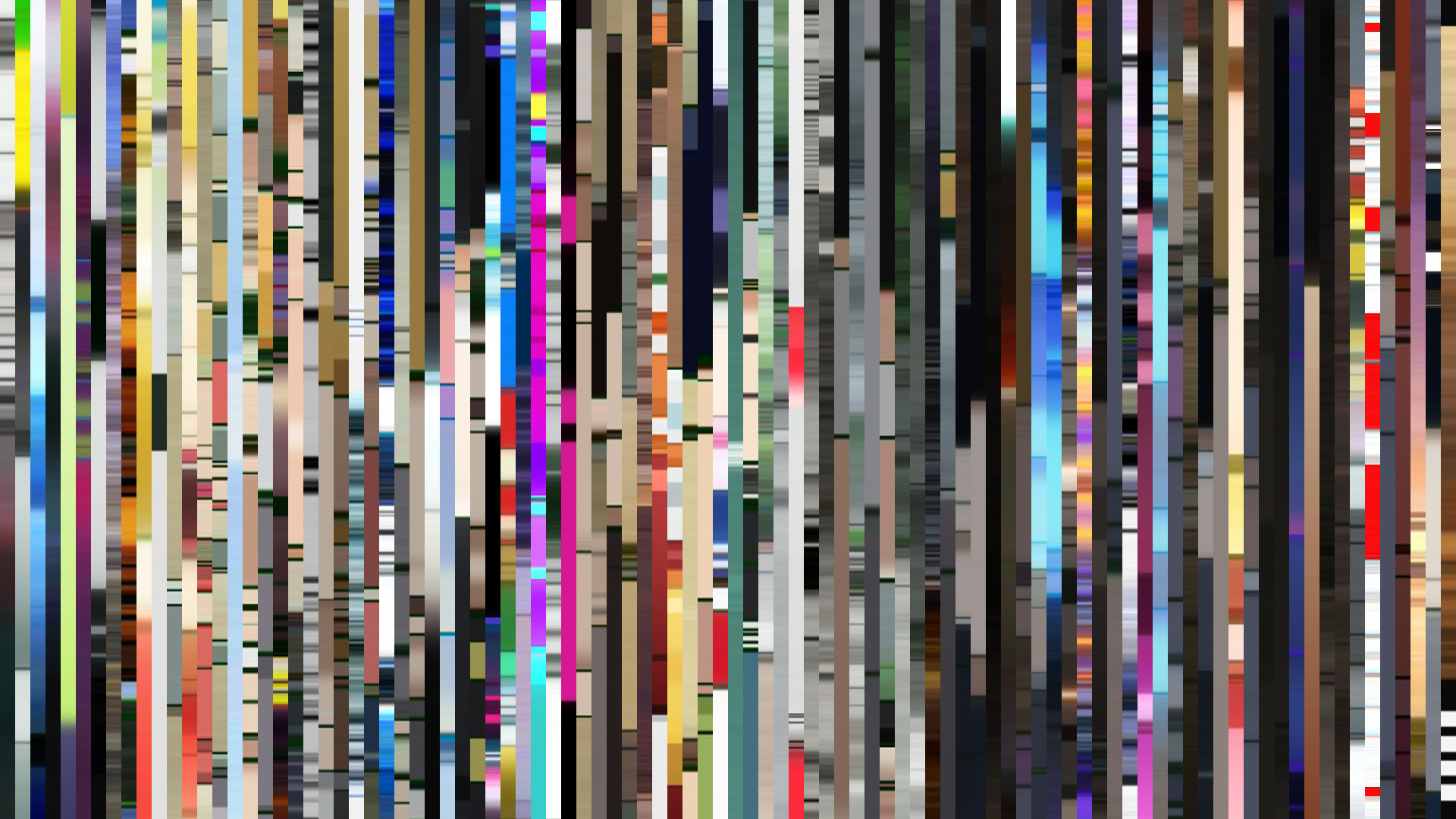
Slice · 30s
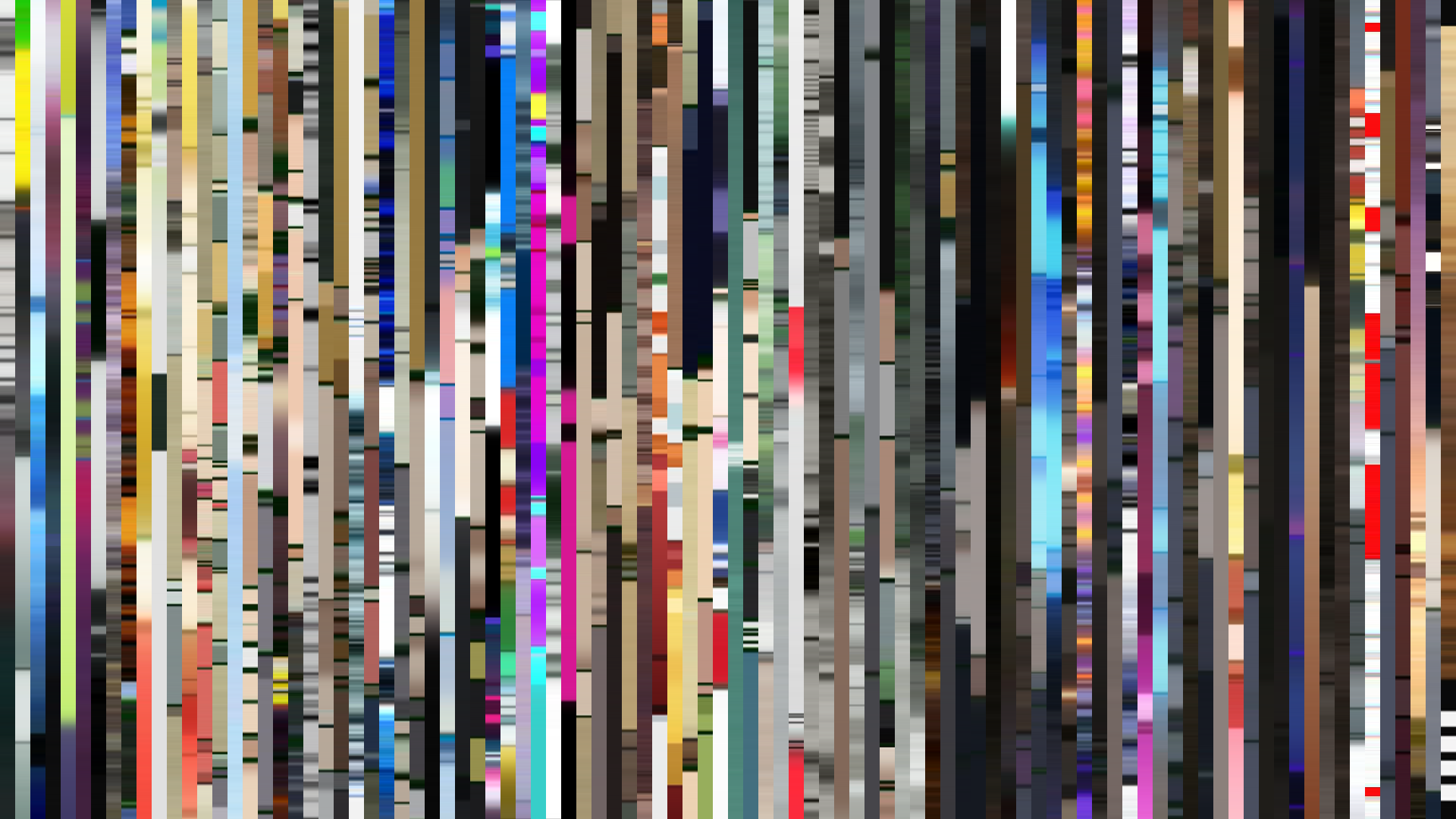
Avg · 30s
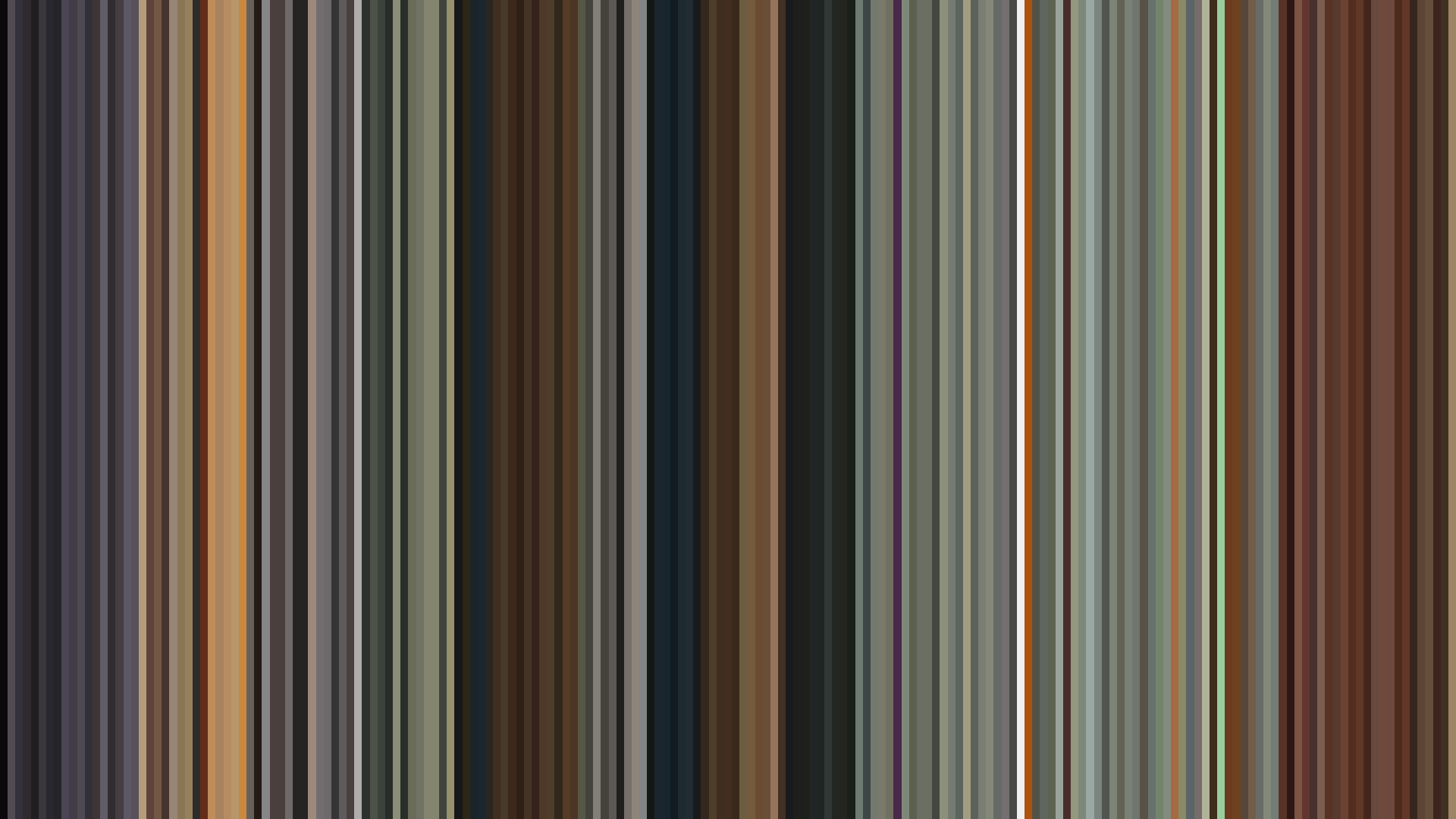
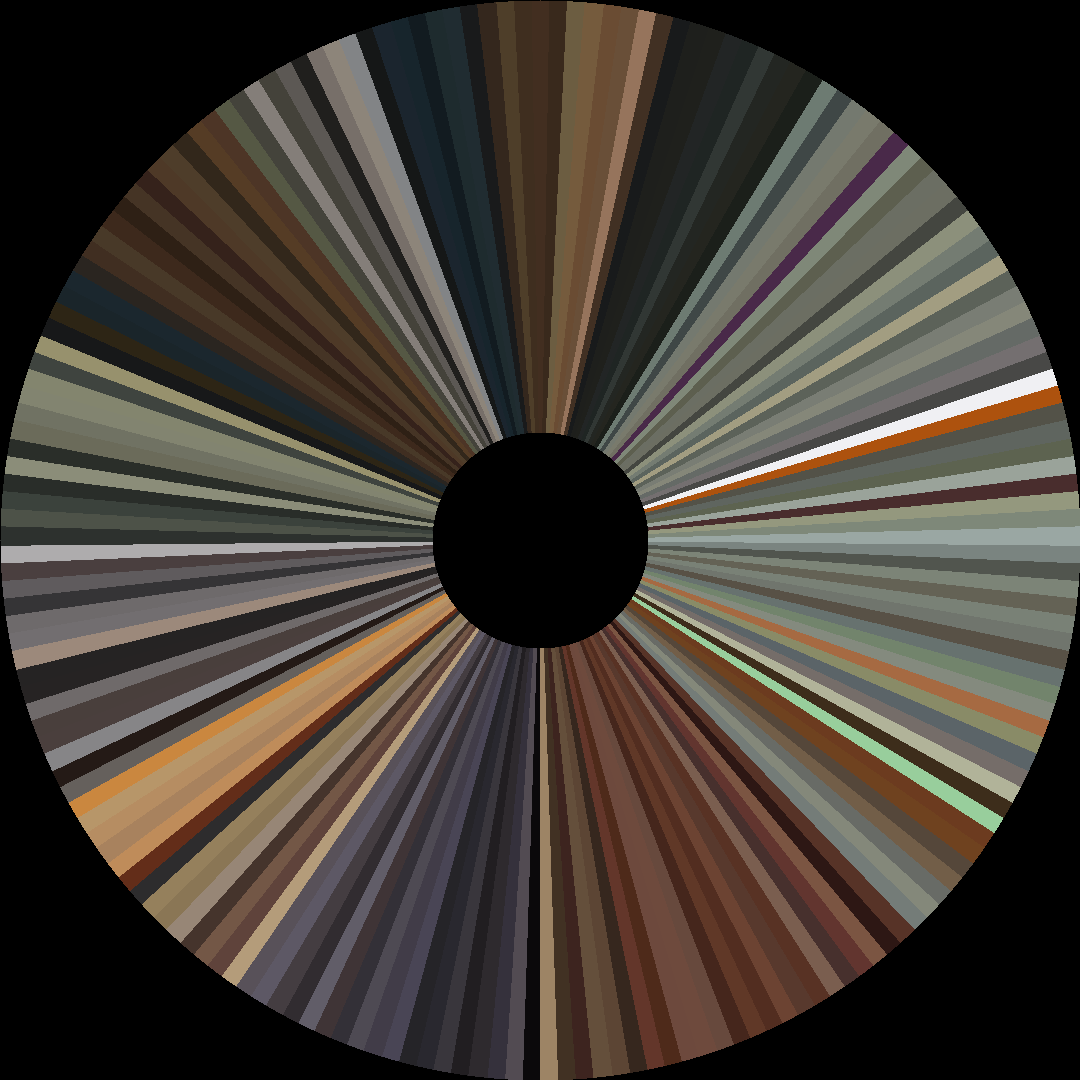
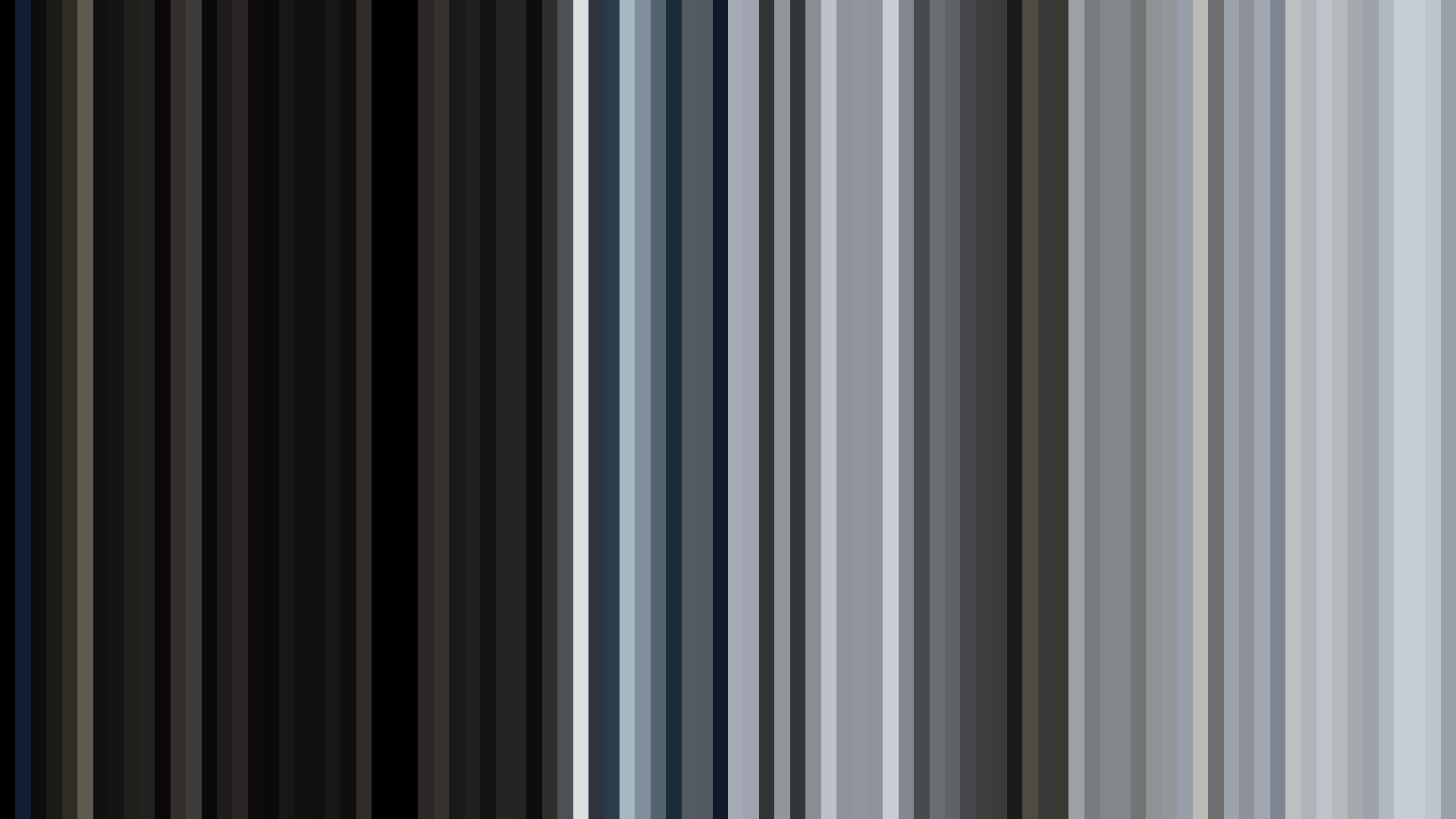
A single hex in the mid-twenties doesn’t *feel* like black, but Tanya’s palette is anchored so far to the dark earth (#23201E) that every other color reads as a smear of mud and dried blood. The 36% Red dominance is a lie of classification—these are not warm, passionate reds but the rust-brown of a field after artillery. The bright ending arc is the series’ most cynical gesture: the middle act drops to an average of 0.254 brightness, the trench-black of a world where child soldiers are logical instruments of state, then the final act flares upward to 0.374 (the “victory” of a commander who has won by dehumanizing everyone, including herself). The palette’s five warped browns and grays—#605E59, #503024, #5D4935—refuse any natural light; they are the colors of a German-style general staff office, of storm clouds over a map table. Director not credited in the data, but whoever framed these shots understood that Tanya’s world must look *ugly* to sell its moral nihilism—no heroics, just a slow ascent from mud to fire. The bright ending is not hope; it is the gleam of a fresh medal pinned over a corpse.
Brightness Arc (episode progression)
Hue Distribution
Act Breakdown
Opening
0.298
Middle
0.254
Closing
0.374
Avg Brightness
0.344
Avg Saturation
0.273
Warmth
0.568
Color Palette
#23201E
#605E59
#503024
#A1A097
#5D4935
#9E916D
#E2CFA4
#926F56
3-Act Color Story
Opening
Middle
Closing
Color Twins
Perceptually nearest palettes — measured in OKLab space, not RGB

















A single hex in the mid-twenties doesn’t *feel* like black, but Tanya’s palette is anchored so far to the dark earth (#23201E) that every other color reads as a smear of mud and dried blood. The 36% Red dominance is a lie of classification—these are not warm, passionate reds but the rust-brown of a field after artillery. The bright ending arc is the series’ most cynical gesture: the middle act drops to an average of 0.254 brightness, the trench-black of a world where child soldiers are logical instruments of state, then the final act flares upward to 0.374 (the “victory” of a commander who has won by dehumanizing everyone, including herself). The palette’s five warped browns and grays—#605E59, #503024, #5D4935—refuse any natural light; they are the colors of a German-style general staff office, of storm clouds over a map table. Director not credited in the data, but whoever framed these shots understood that Tanya’s world must look *ugly* to sell its moral nihilism—no heroics, just a slow ascent from mud to fire. The bright ending is not hope; it is the gleam of a fresh medal pinned over a corpse.