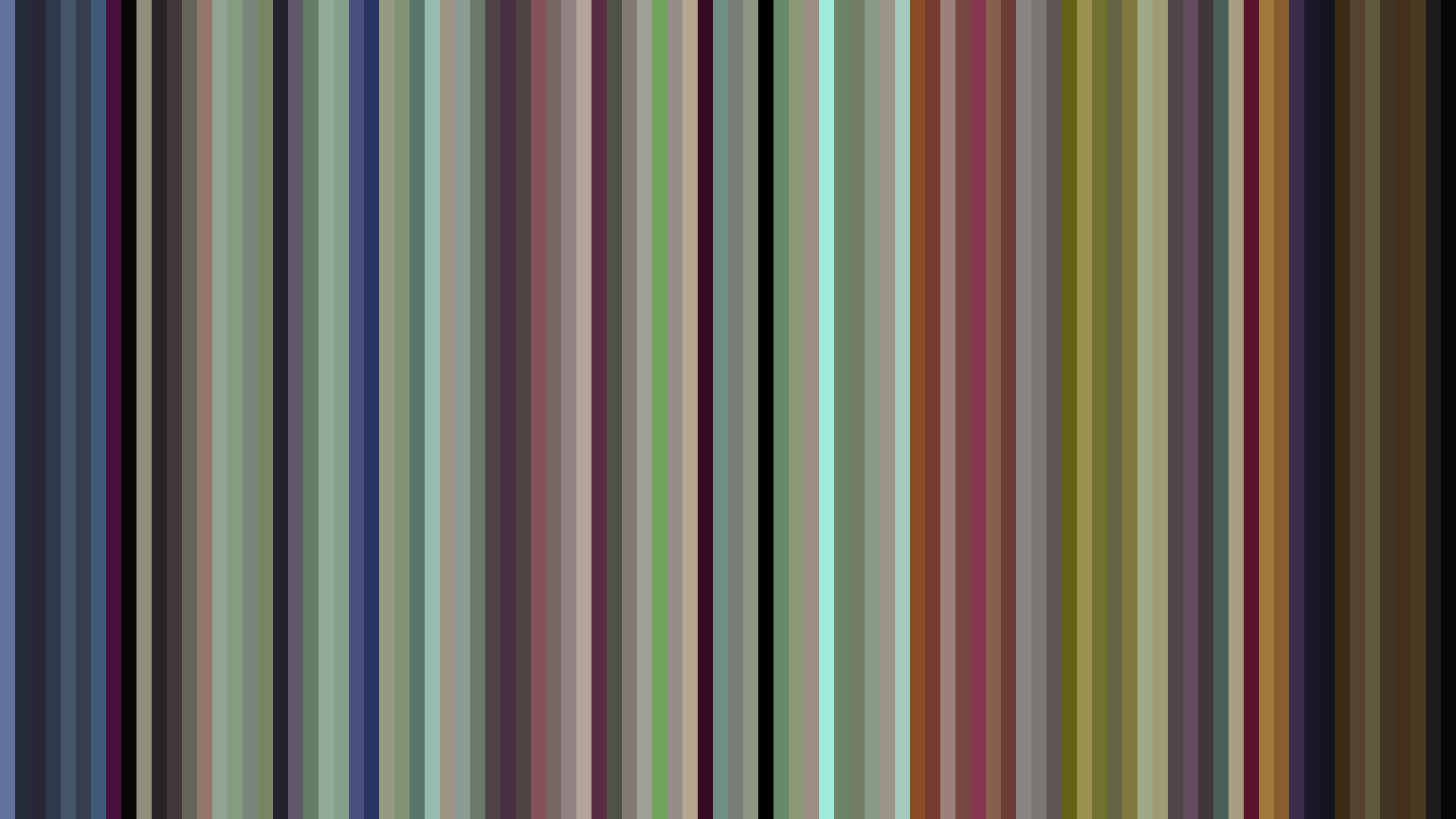
Edit Pace — frame-to-frame color delta (bright = fast cuts)
Color Temperature — warm (gold) vs cool (teal) per frame
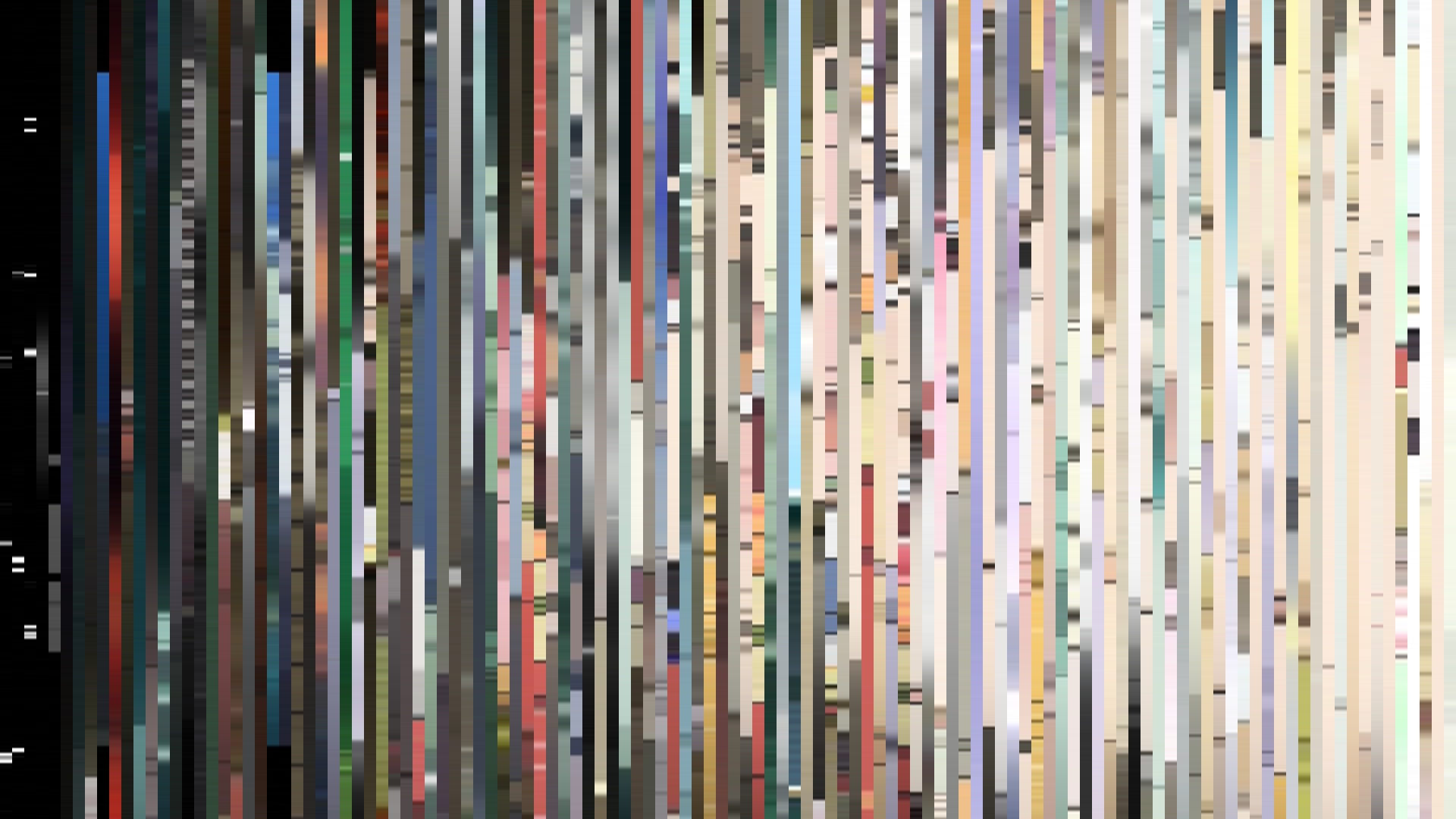
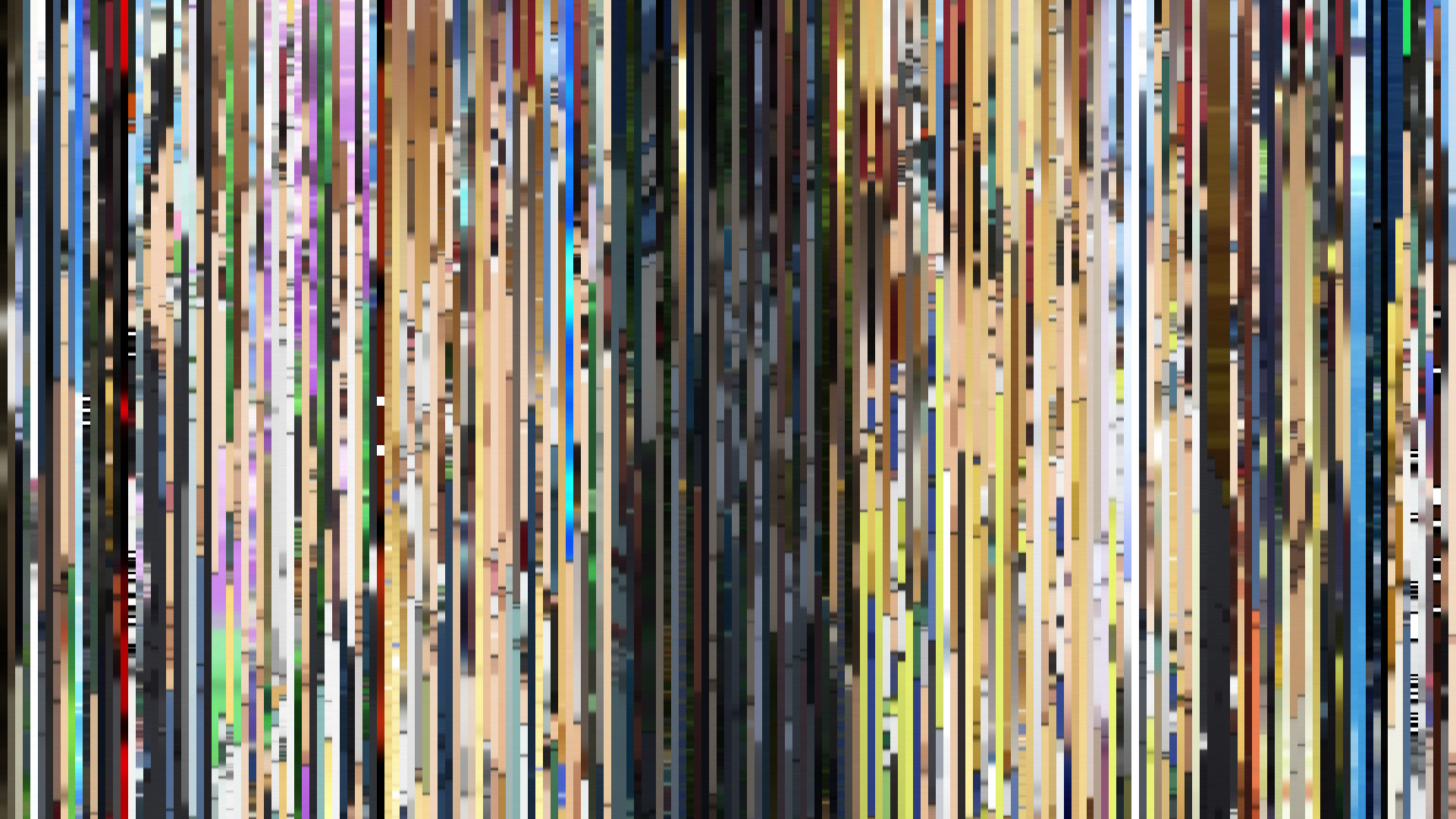
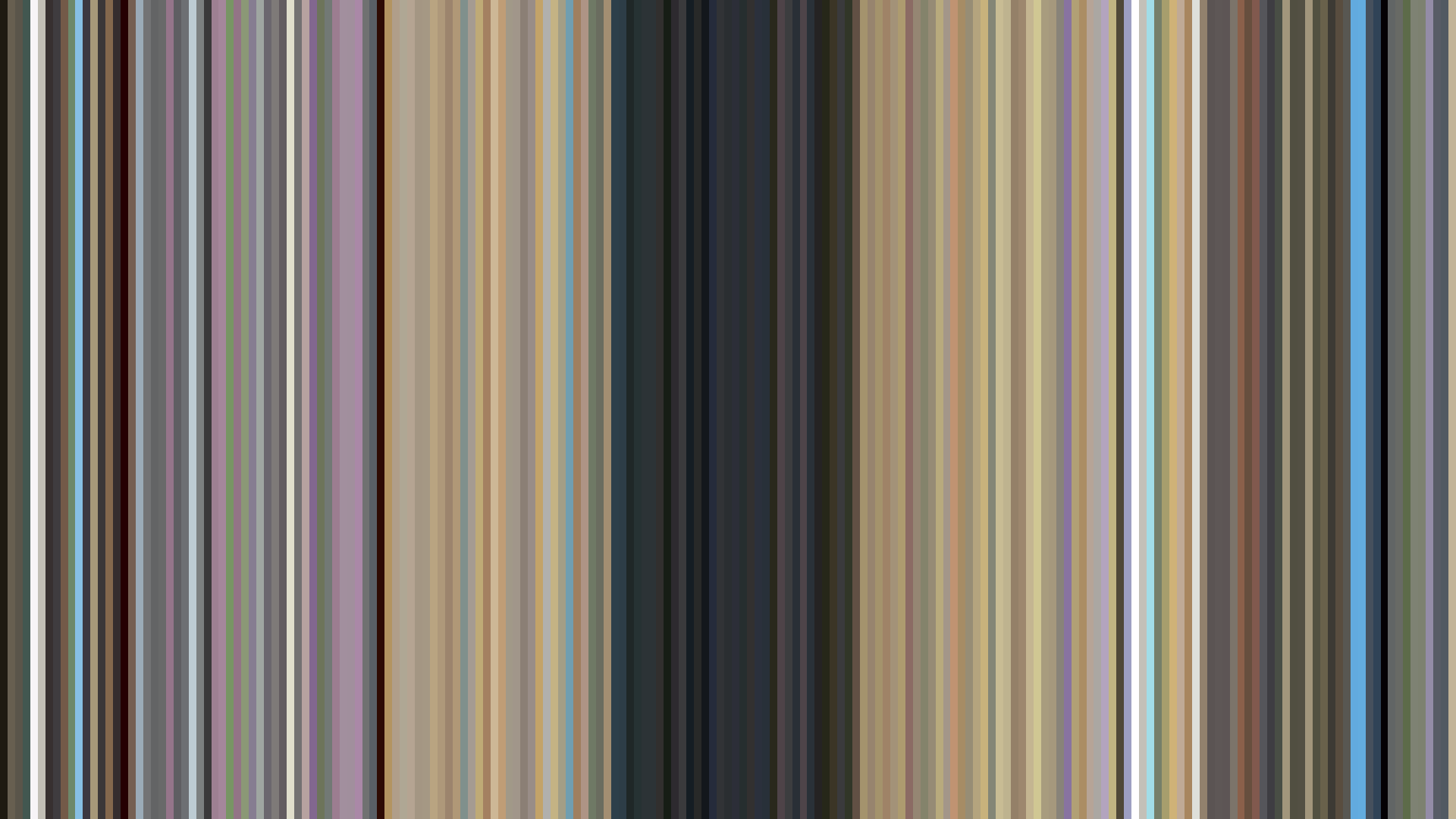
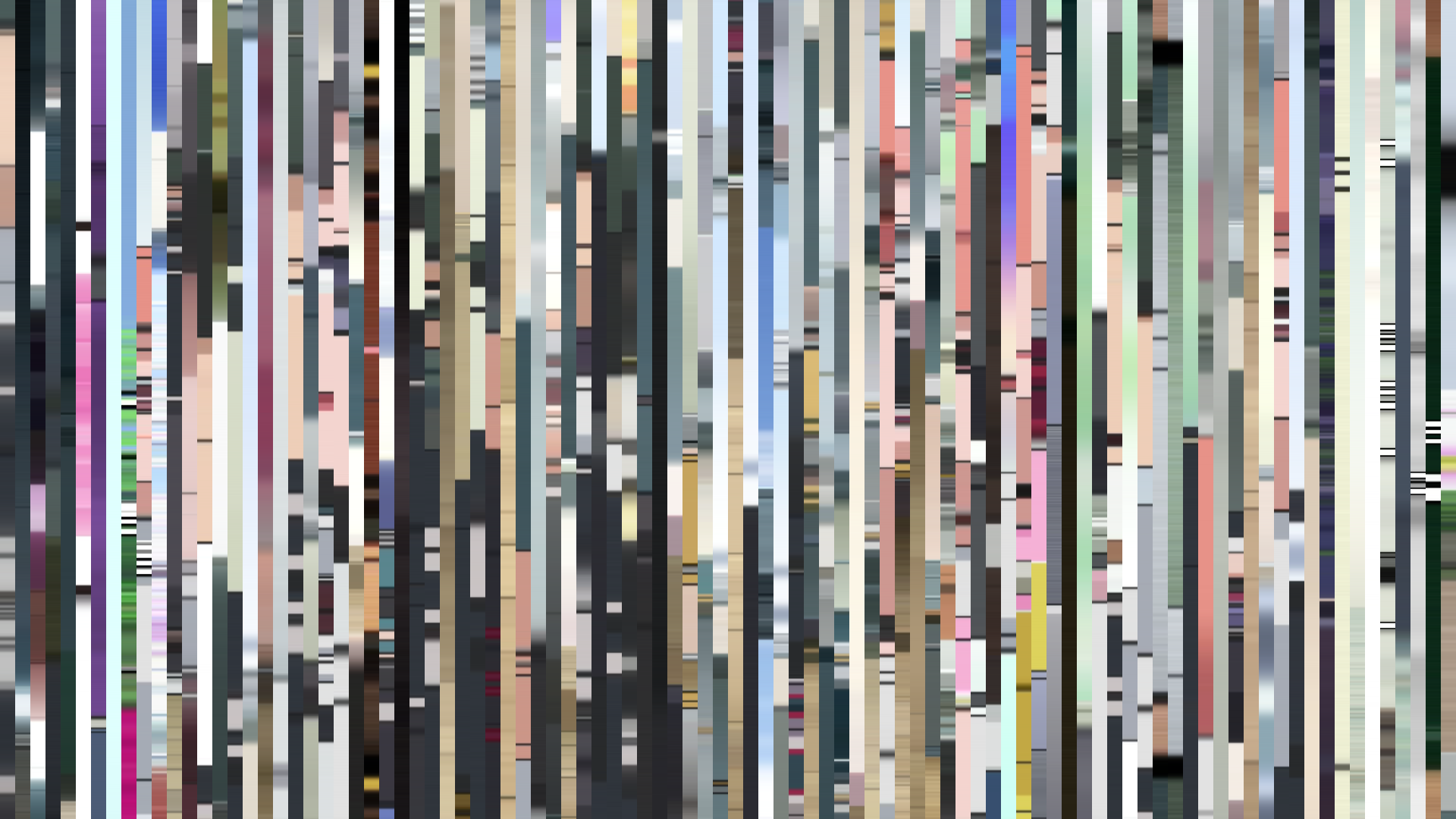
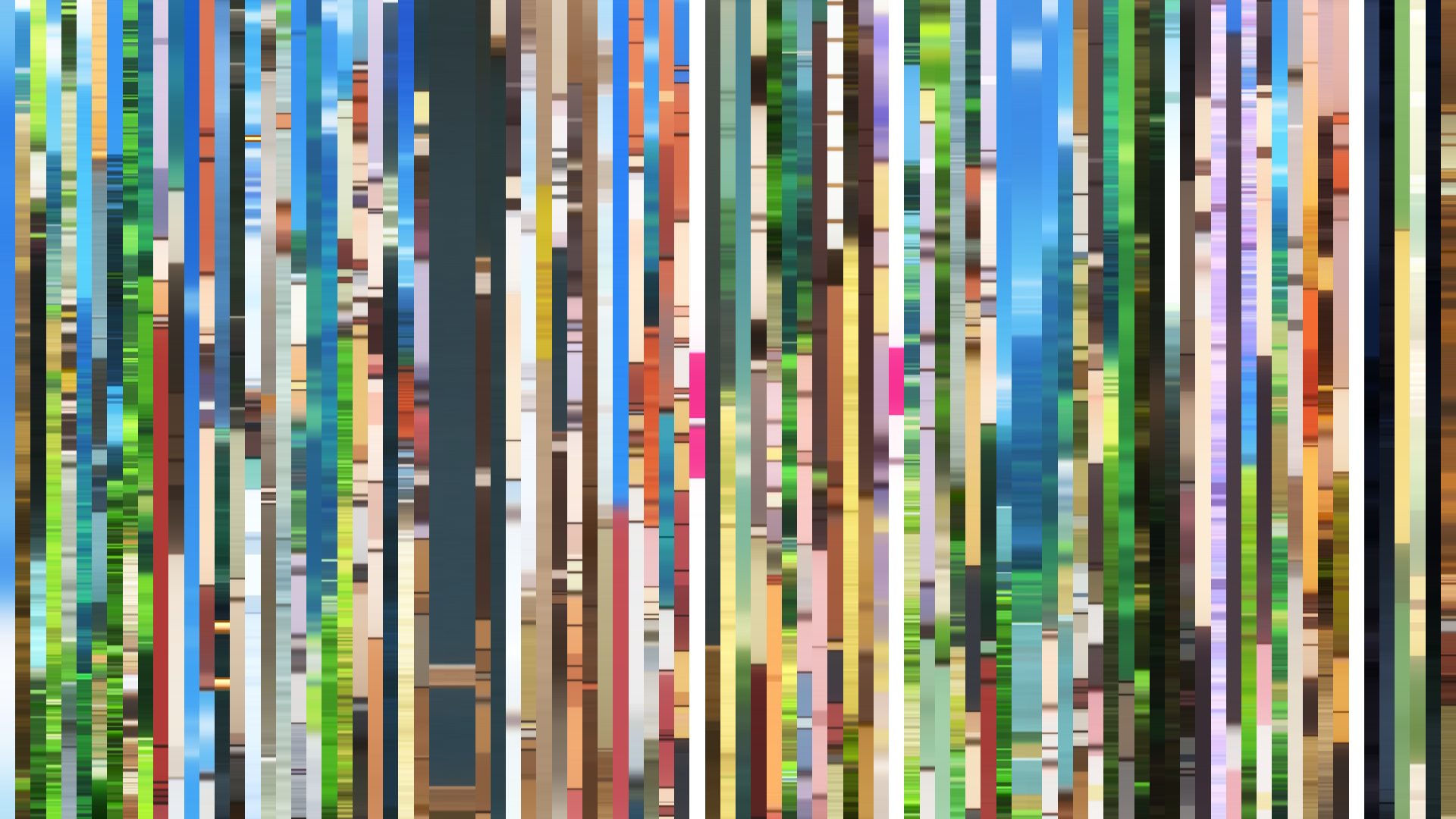
Frame Density Comparison — every 2nd vs every 4th frame
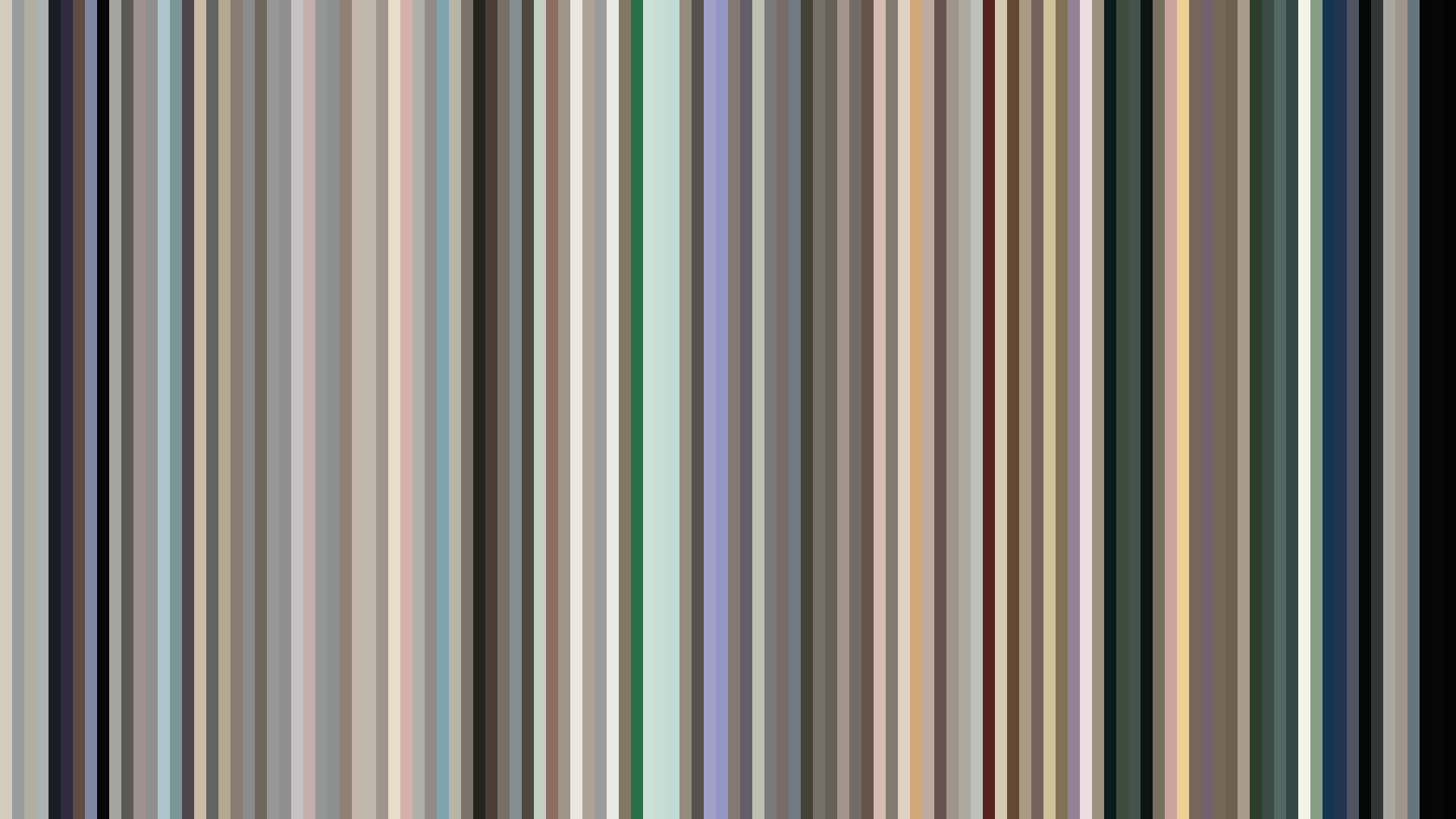
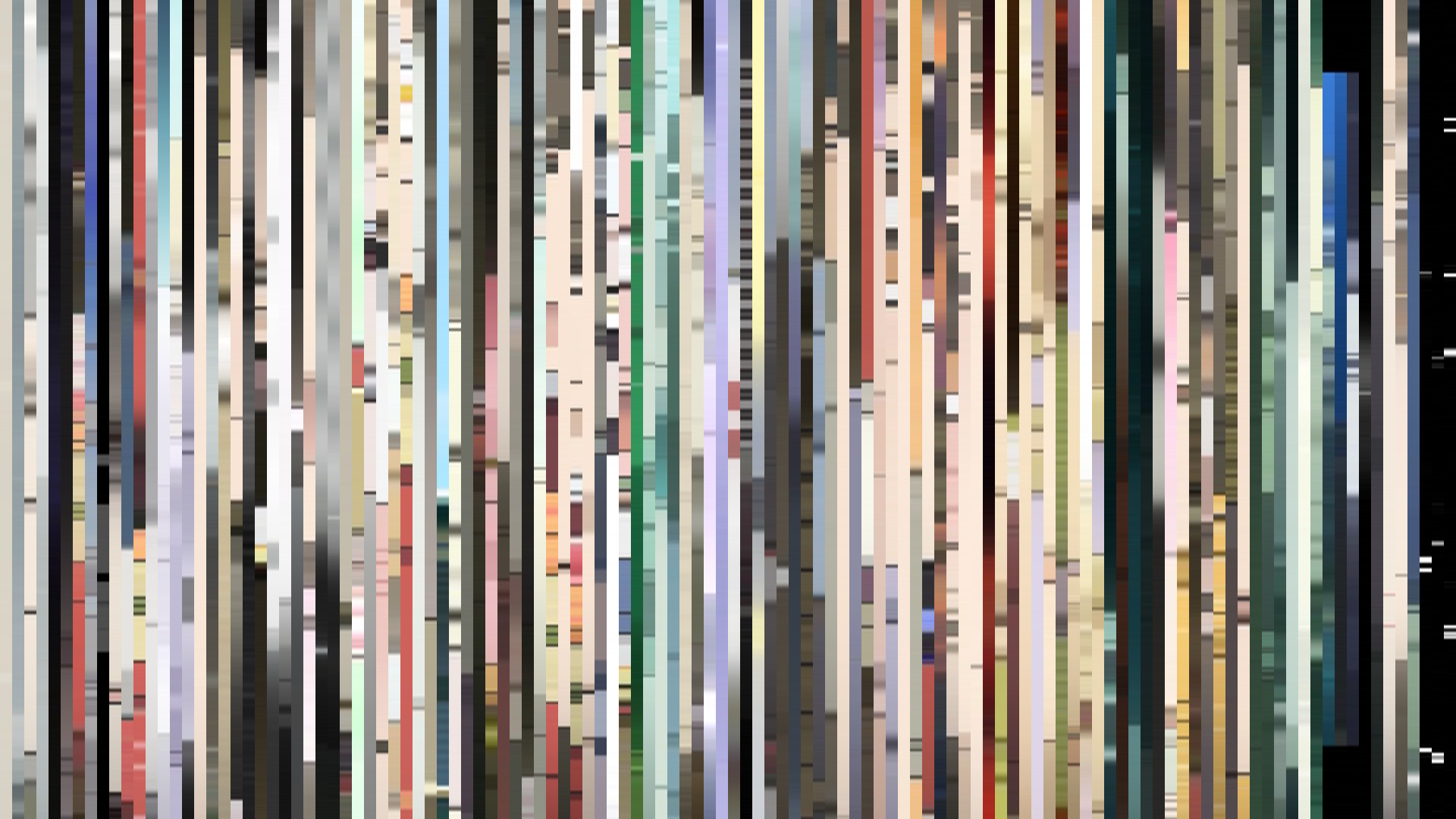
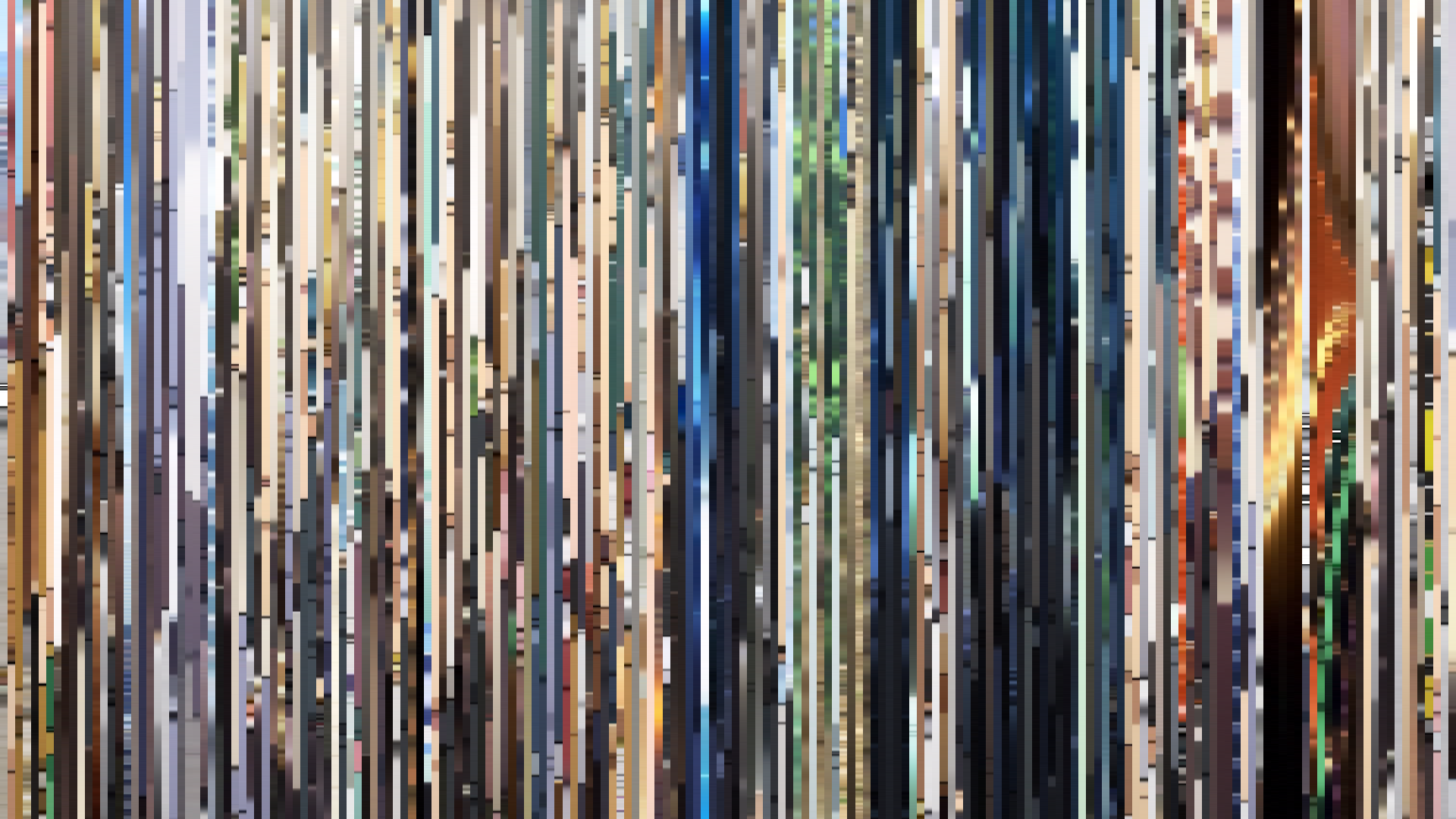
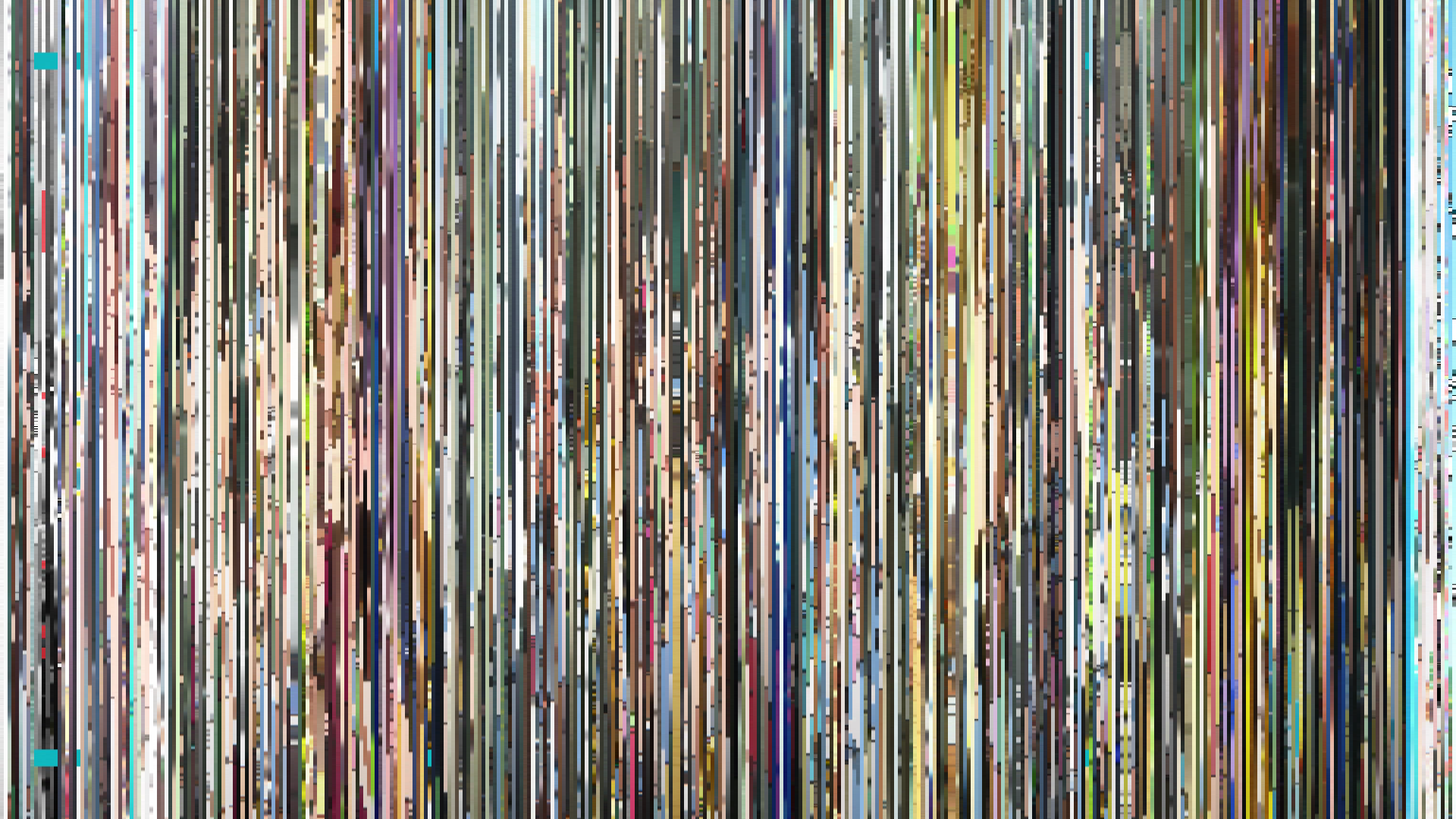
Slice · 15s
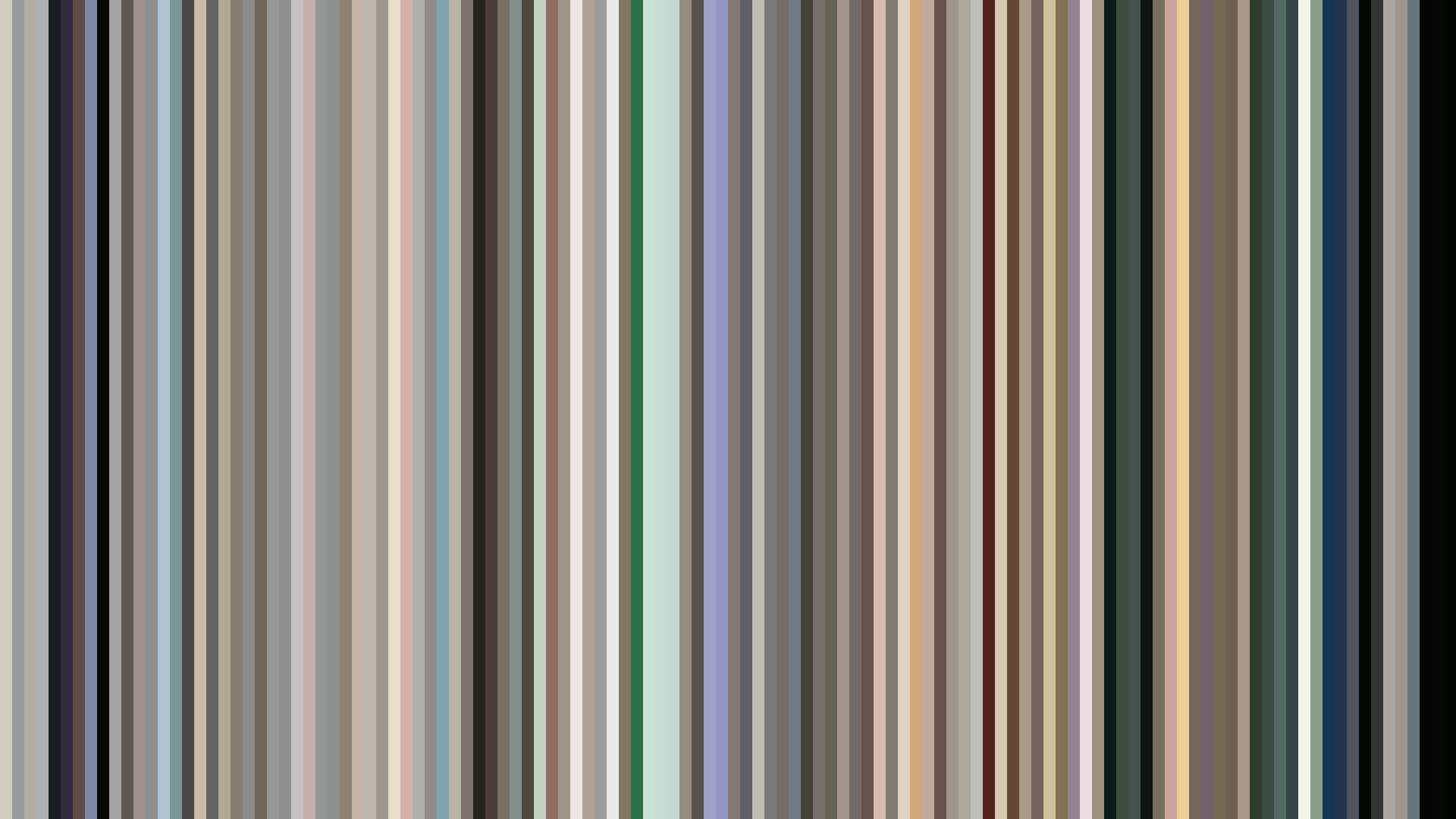
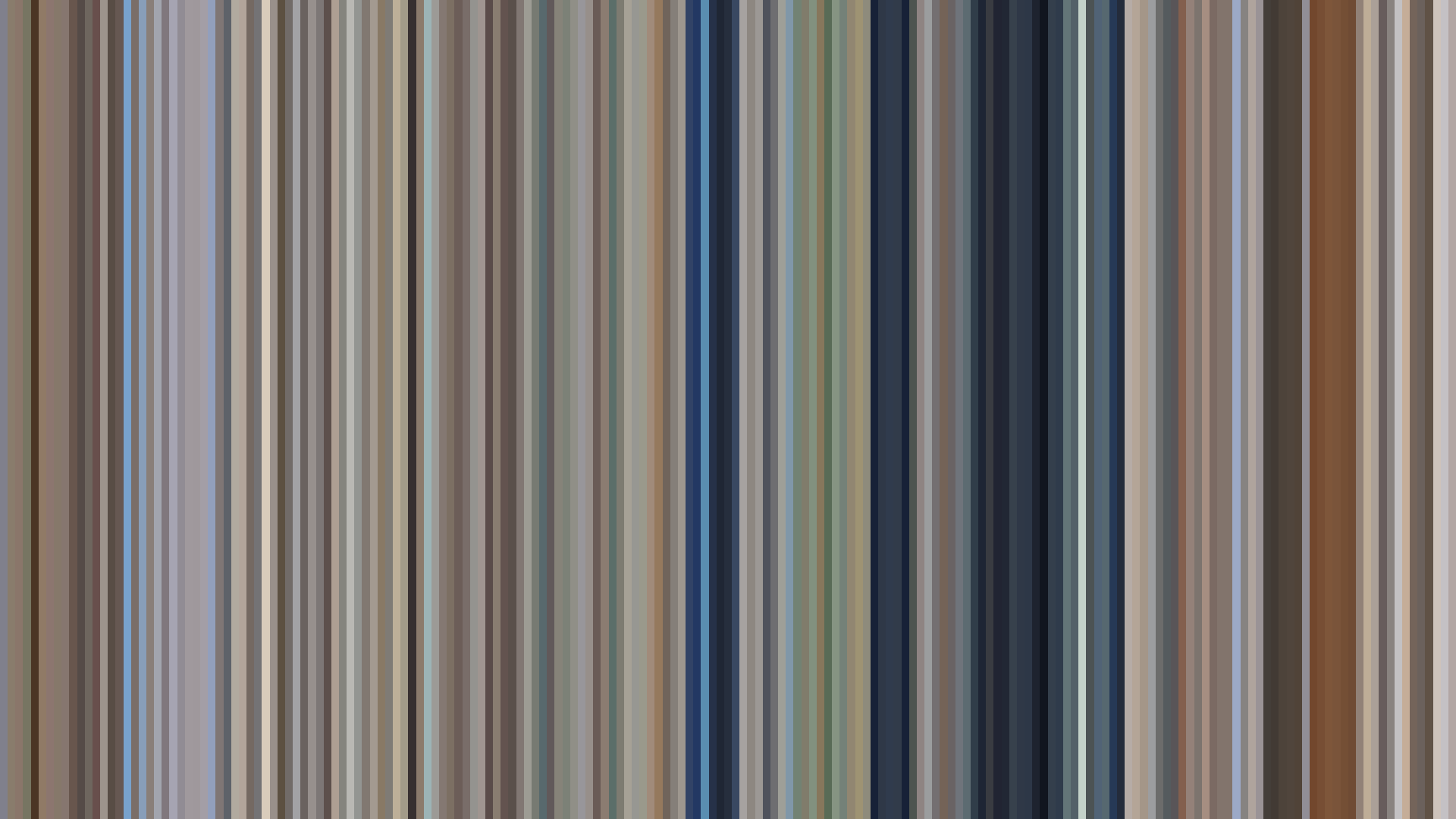
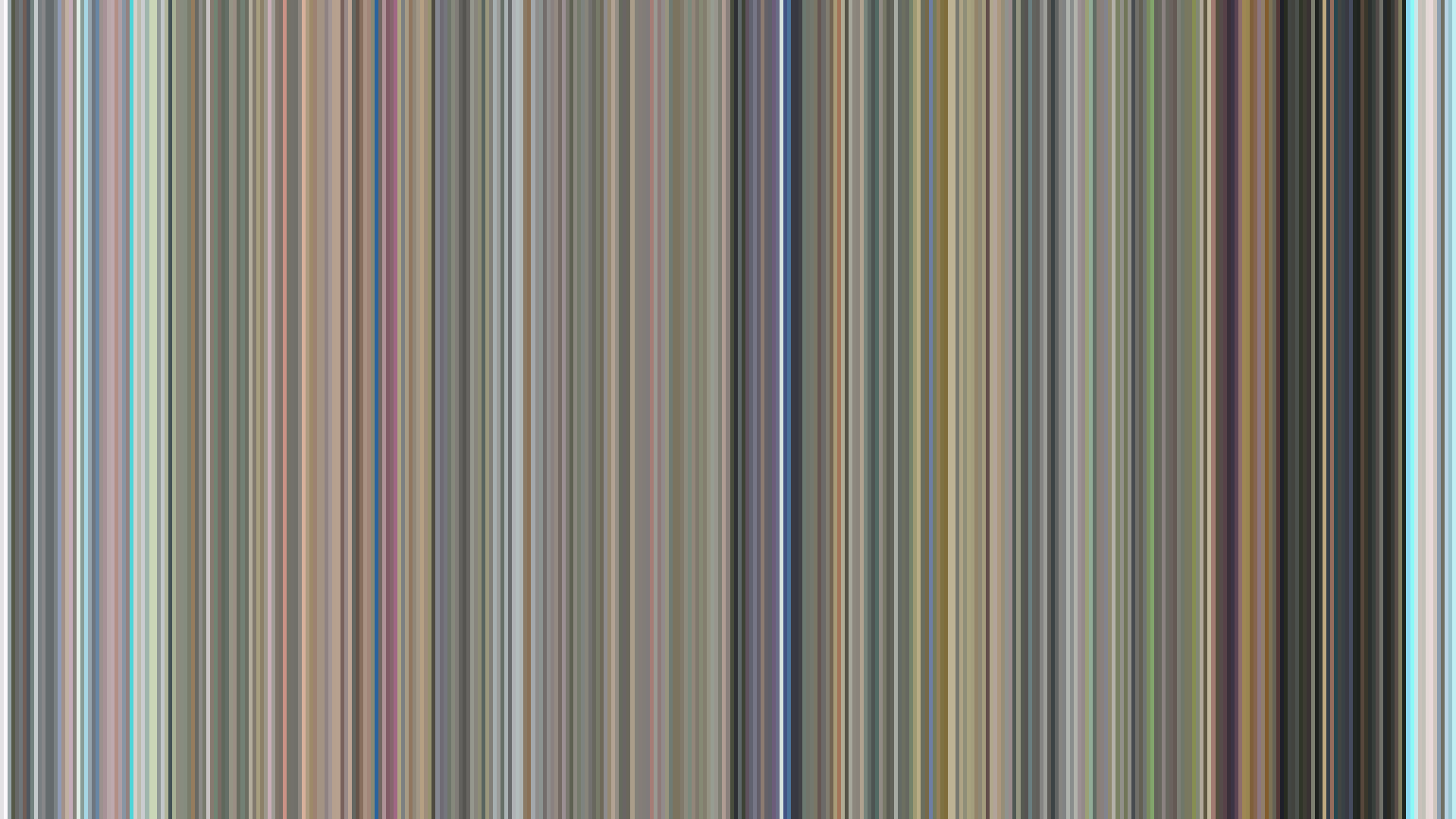
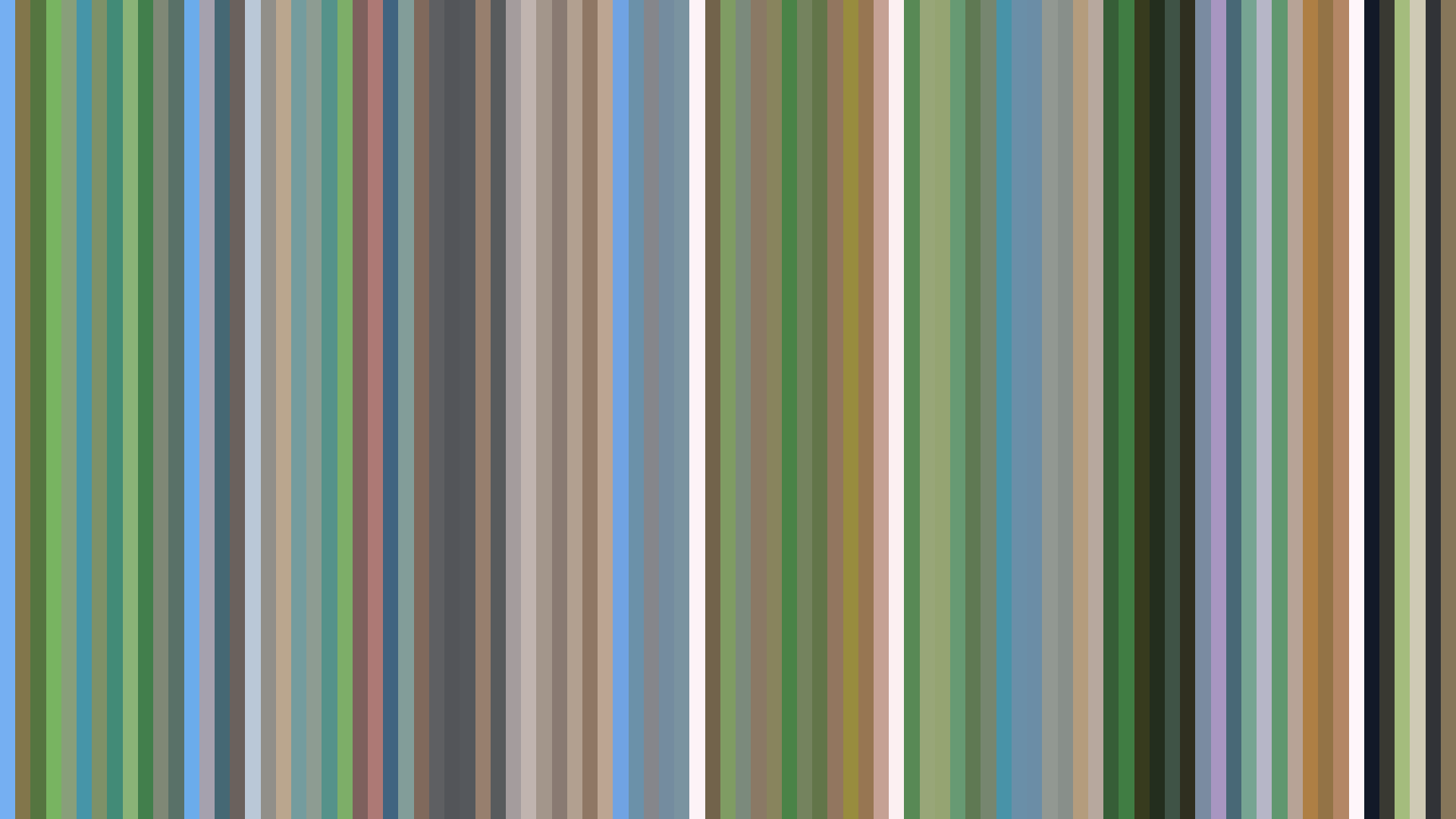
Avg · 15s
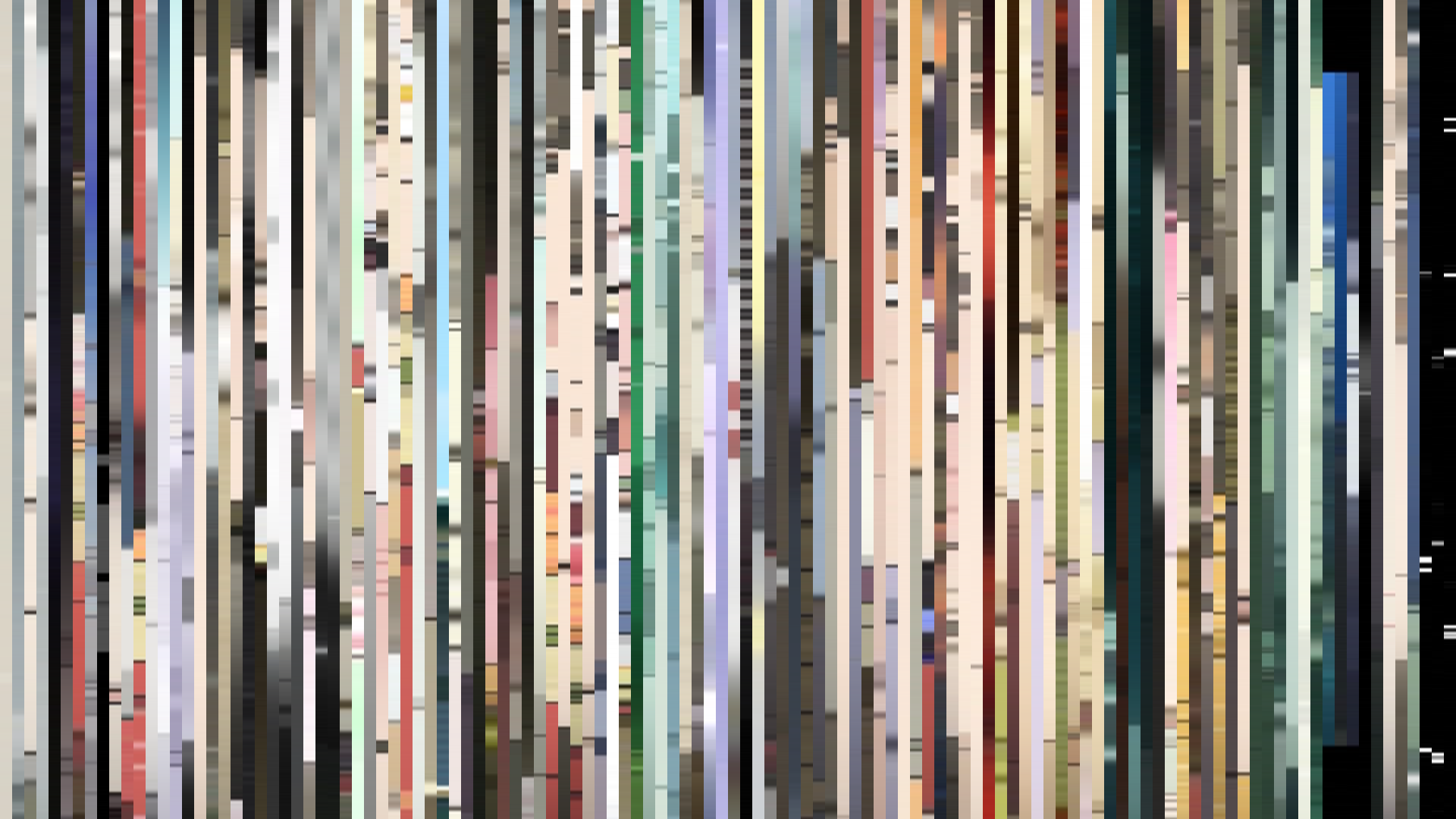
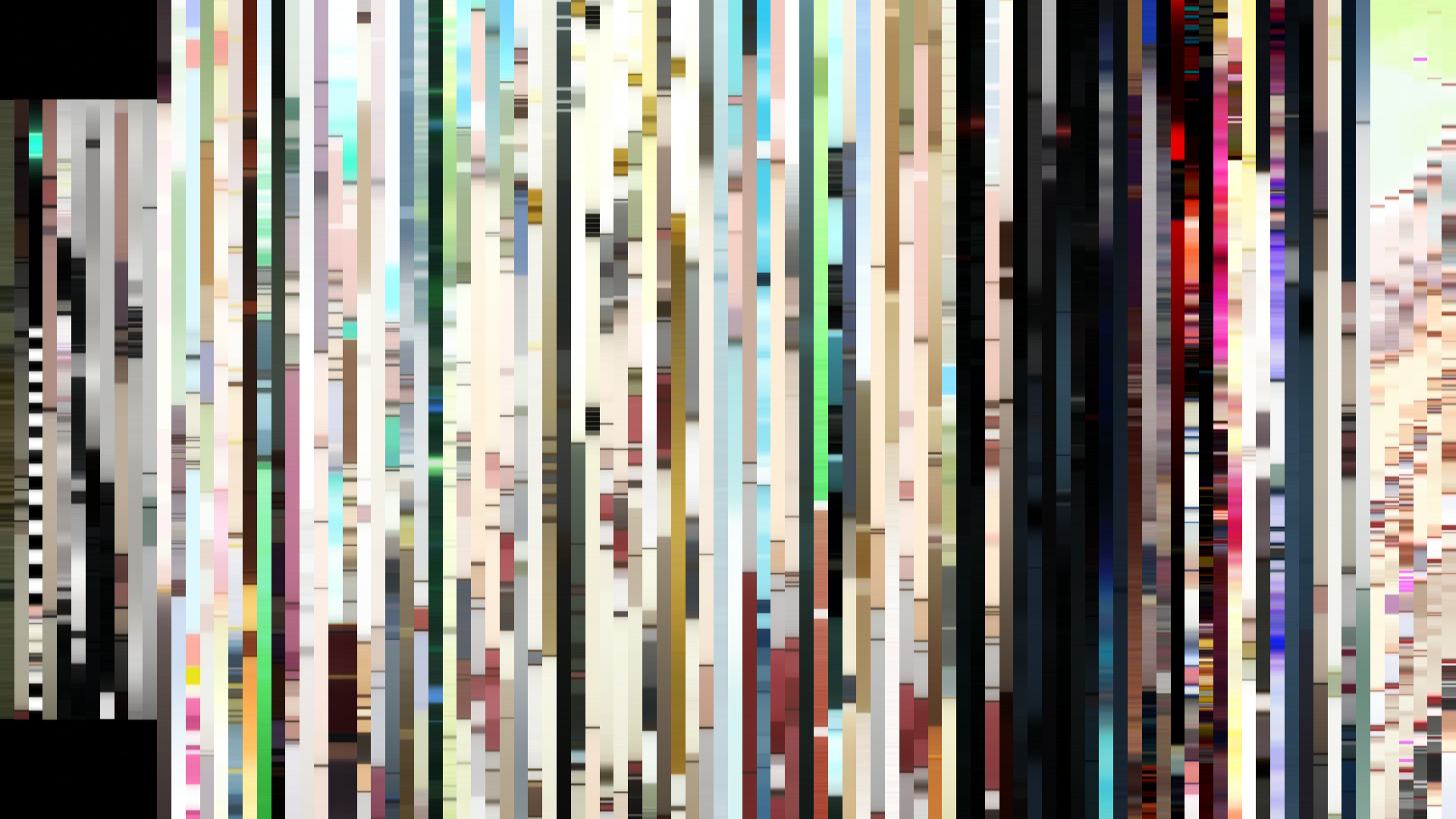
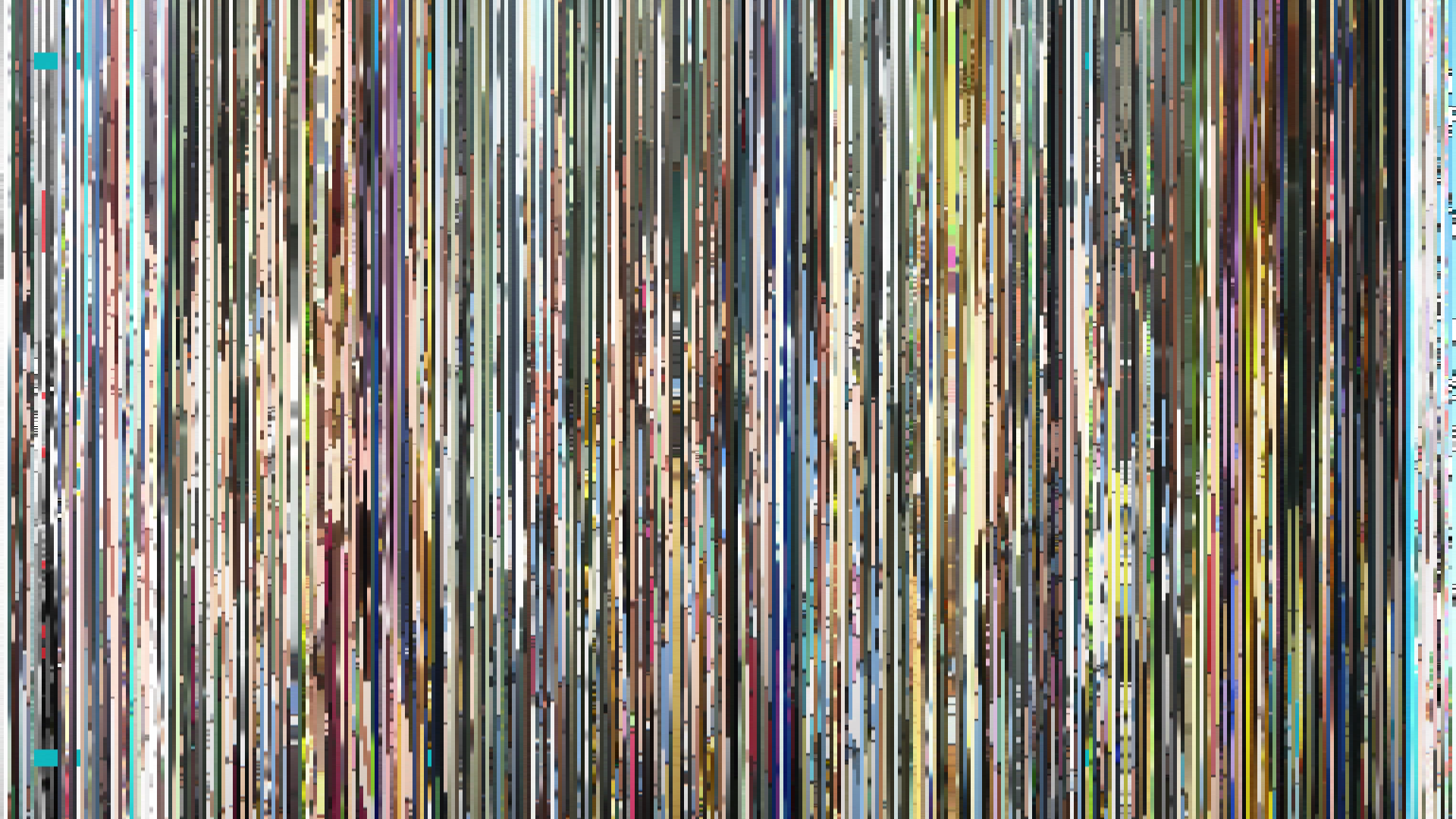
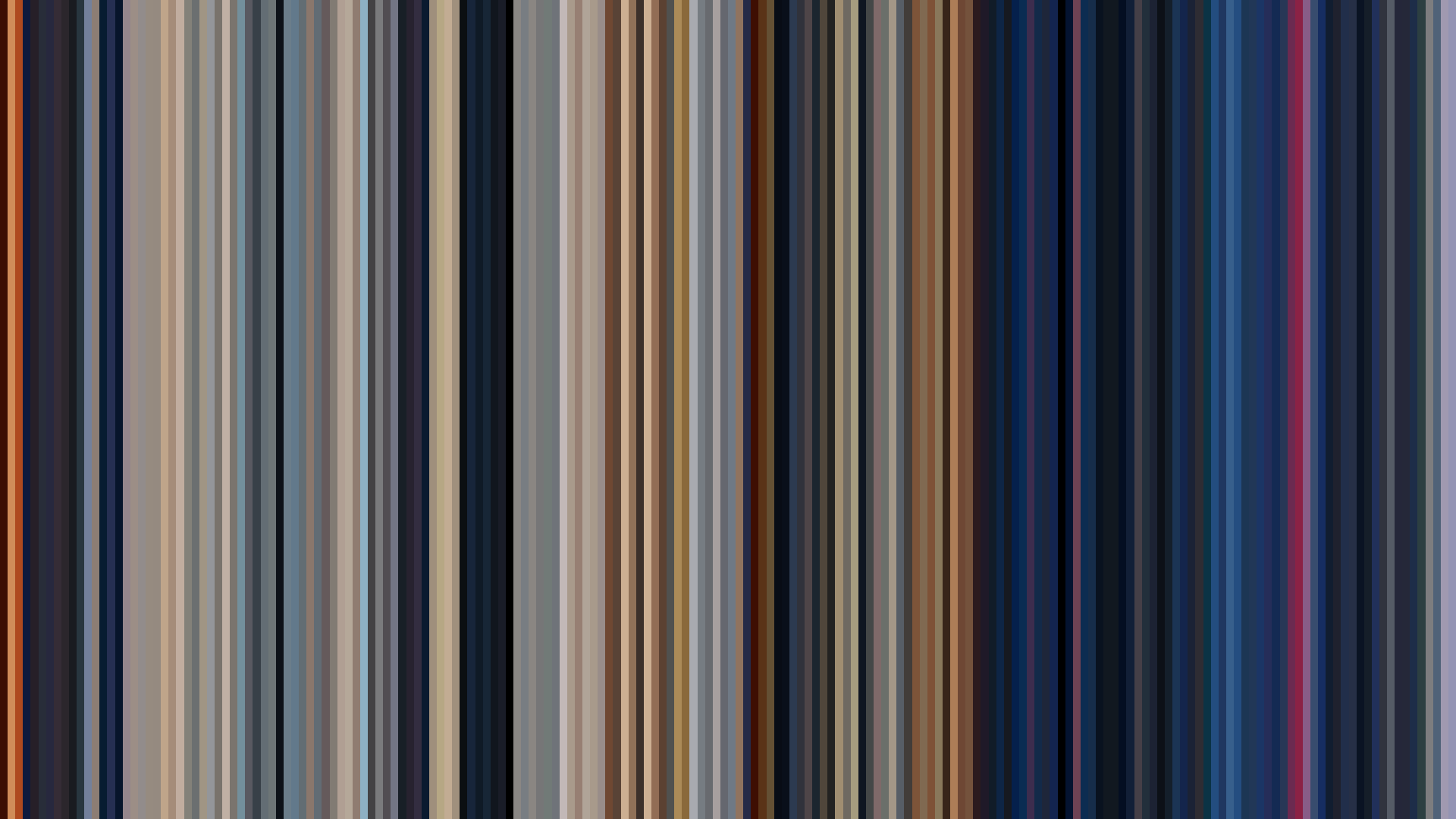
Slice · 30s
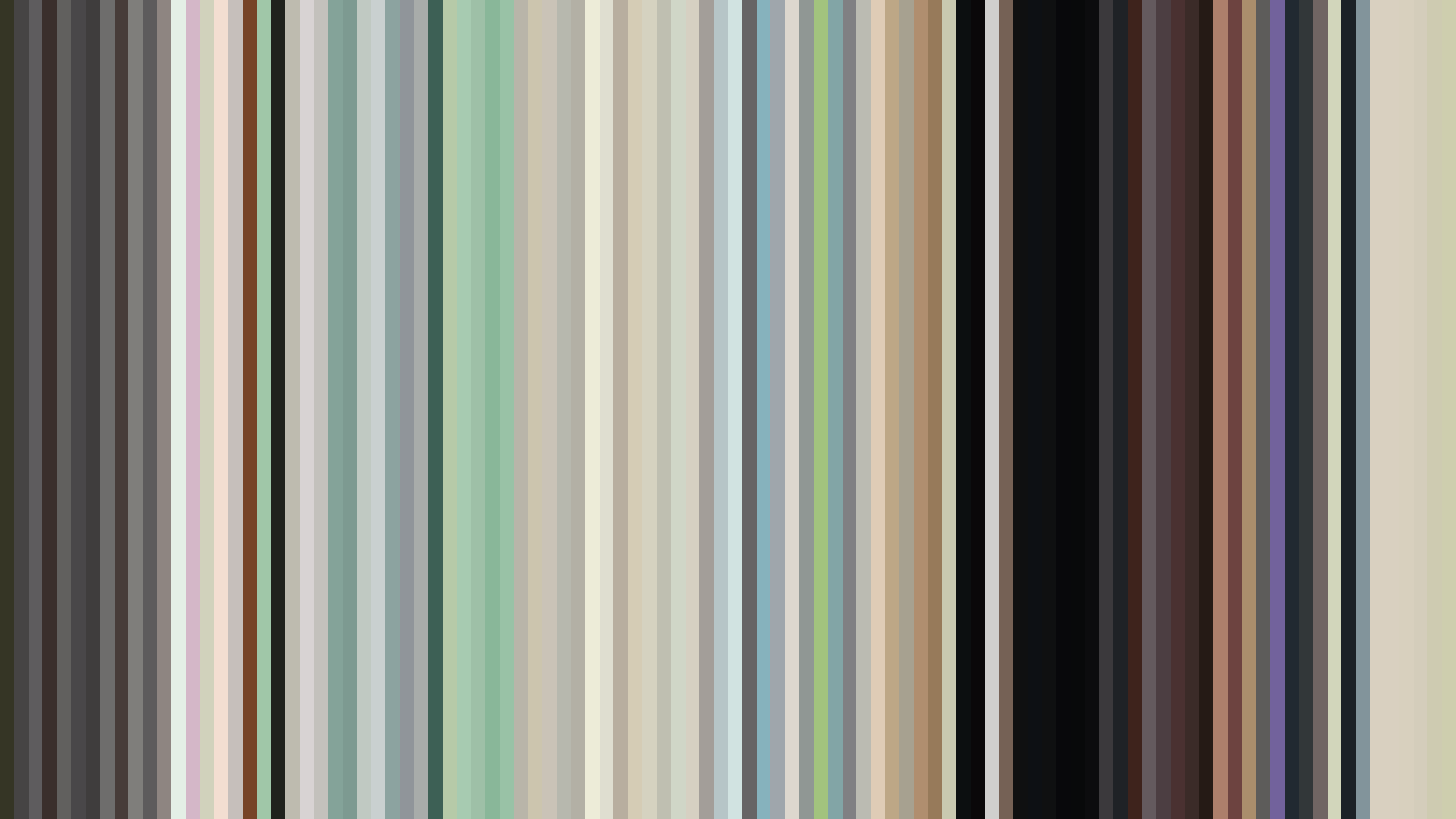
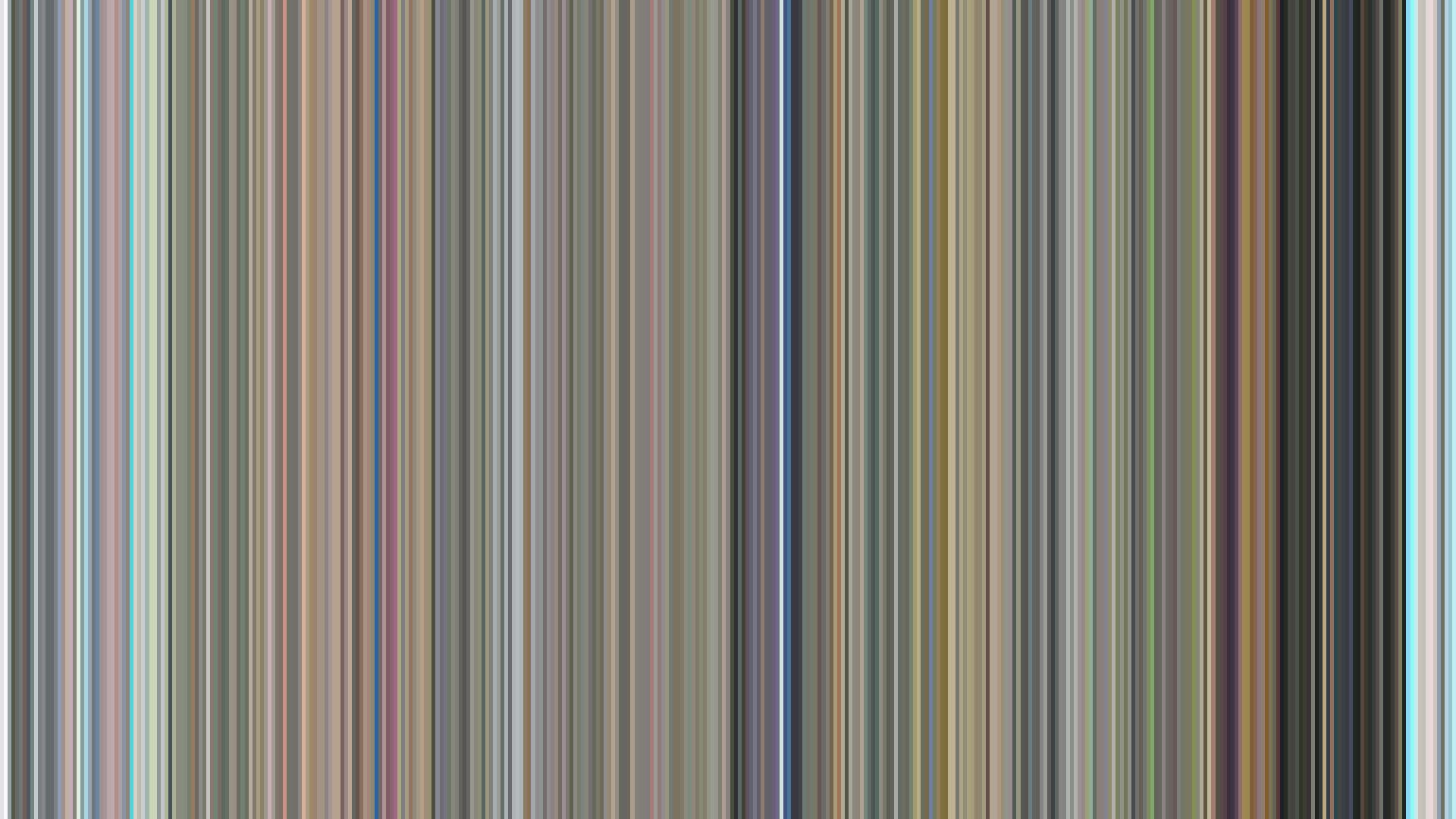
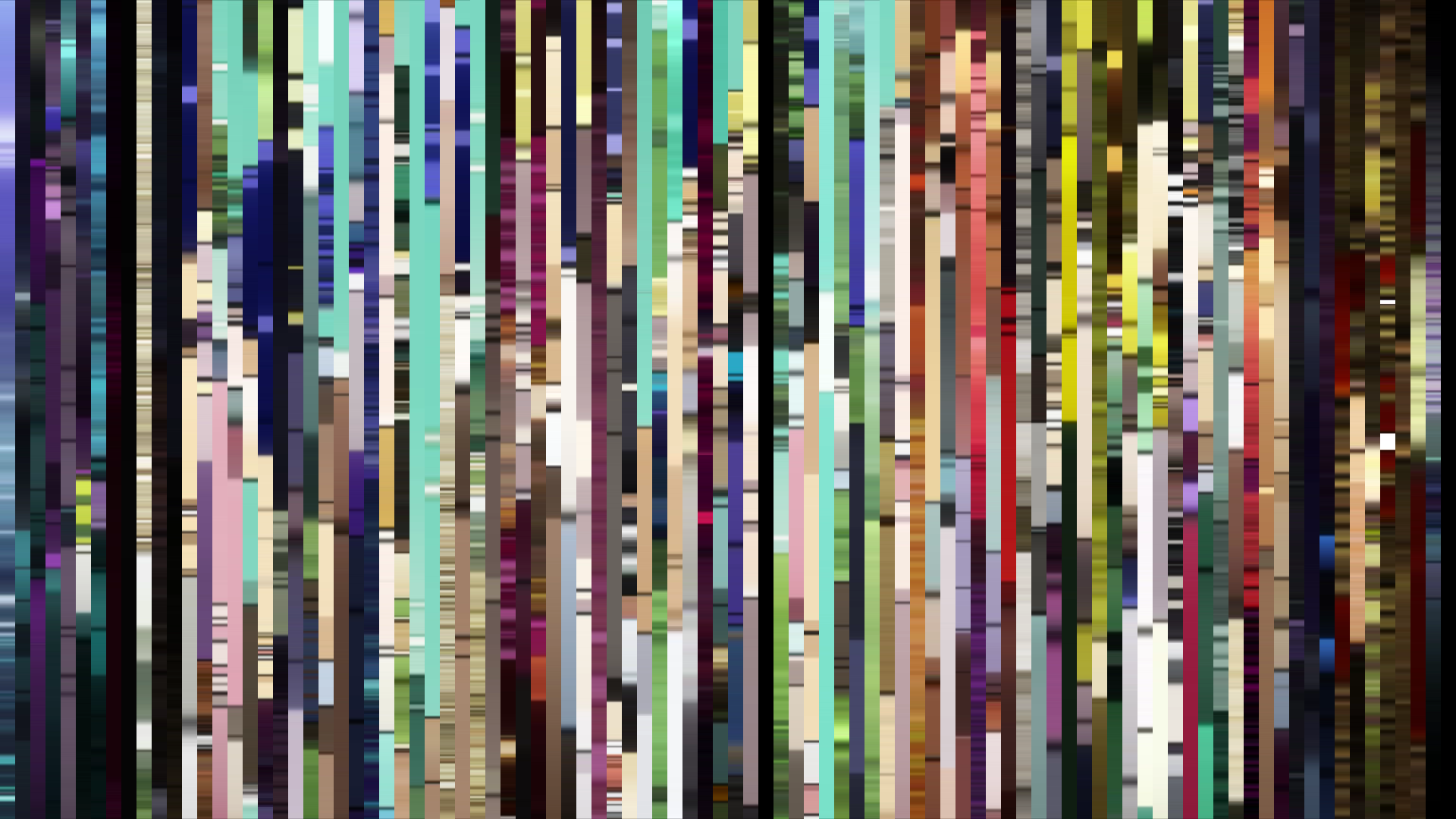
Avg · 30s
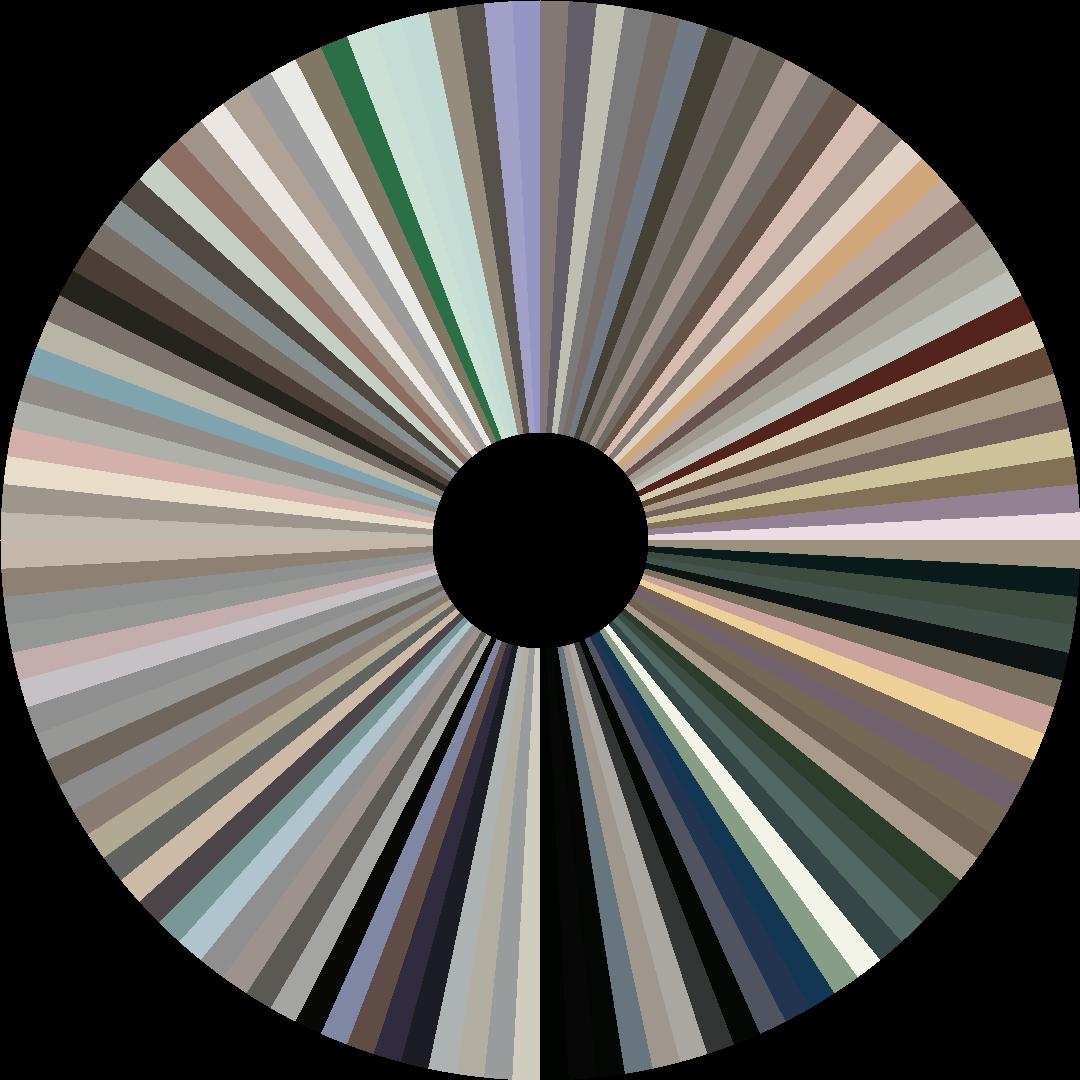
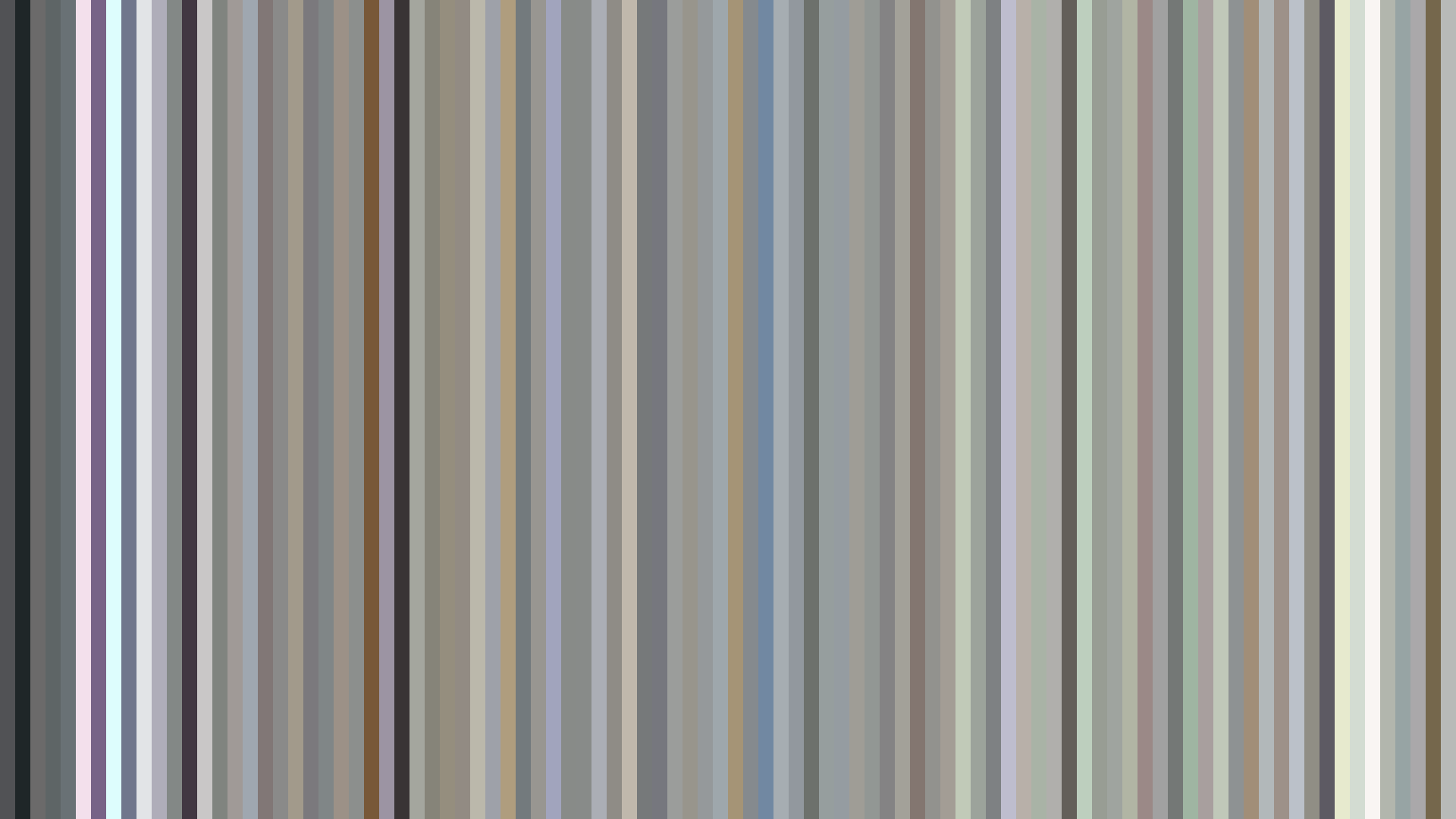
The dark-ending brightness arc of *Kamisama Kiss* Season 2 is a structural provocation that betrays the genre expectations of a romantic comedy. TMS Entertainment and the series’ art directors construct a palette steeped in low-saturation warmth—#E8E1D9 beiges and #DDCDB1 peaches overlaid with a 38% Red dominance—that reads as cozy, even nostalgic. But the data exposes a lie: the middle act, at 0.650 average brightness, is the *deceptively sunniest hour*, a lull before the third act sinks to 0.501. That drop isn’t a fade; it’s a tonal fracture. The show’s spiritual debts to *Kamisama Hajimemashita*’s original manga—its folkloric stakes and the cost of godhood—finally surface in that closing darkness. The Red-Orange glow (30%) that carries through every scene is the color of fox-fire, of Nanami’s borrowed divinity flickering as her human attachments deepen. The bright middle is narrative misdirection: a happy harem interlude that the dark ending retroactively recontextualizes as the calm before the emotional reckoning. This is not a comedy that forgets its melancholy—it’s a romance that knows warmth must recede for feeling to harden.
Brightness Arc (episode progression)
Hue Distribution
Act Breakdown
Opening
0.626
Middle
0.650
Closing
0.501
Avg Brightness
0.553
Avg Saturation
0.168
Warmth
0.549
Color Palette
#E8E1D9
#1B1C1C
#A2A29C
#605D58
#DDCDB1
#CCB3A2
#988D72
#916A5F
3-Act Color Story
Opening
Middle
Closing
Color Twins
Perceptually nearest palettes — measured in OKLab space, not RGB






![Fate/stay night [Unlimited Blade Works] Season 2](../../../barcodes/2015/fatestay-night-unlimited-blade-works-season-2/barcode_slice.png)
The dark-ending brightness arc of *Kamisama Kiss* Season 2 is a structural provocation that betrays the genre expectations of a romantic comedy. TMS Entertainment and the series’ art directors construct a palette steeped in low-saturation warmth—#E8E1D9 beiges and #DDCDB1 peaches overlaid with a 38% Red dominance—that reads as cozy, even nostalgic. But the data exposes a lie: the middle act, at 0.650 average brightness, is the *deceptively sunniest hour*, a lull before the third act sinks to 0.501. That drop isn’t a fade; it’s a tonal fracture. The show’s spiritual debts to *Kamisama Hajimemashita*’s original manga—its folkloric stakes and the cost of godhood—finally surface in that closing darkness. The Red-Orange glow (30%) that carries through every scene is the color of fox-fire, of Nanami’s borrowed divinity flickering as her human attachments deepen. The bright middle is narrative misdirection: a happy harem interlude that the dark ending retroactively recontextualizes as the calm before the emotional reckoning. This is not a comedy that forgets its melancholy—it’s a romance that knows warmth must recede for feeling to harden.