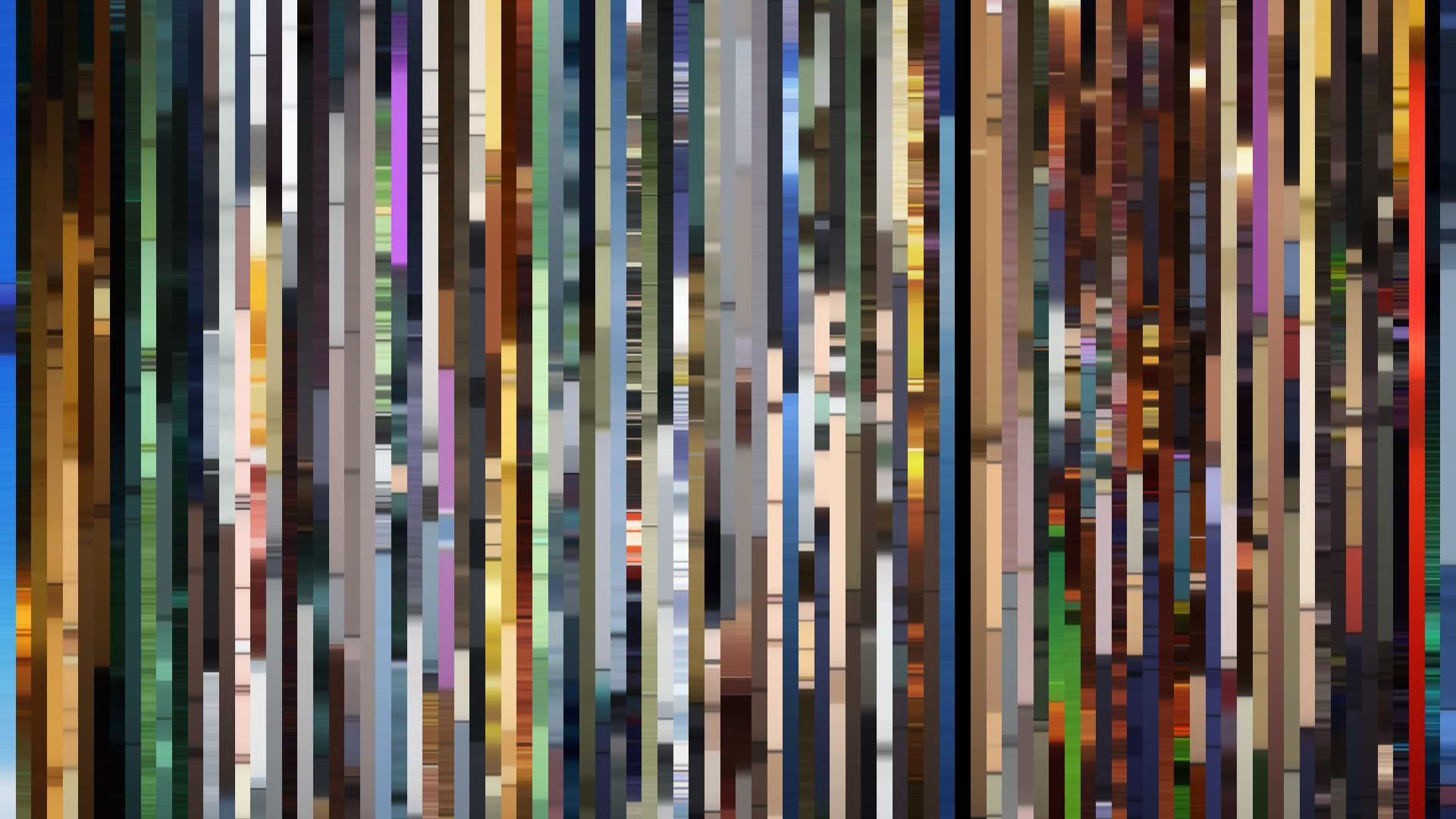
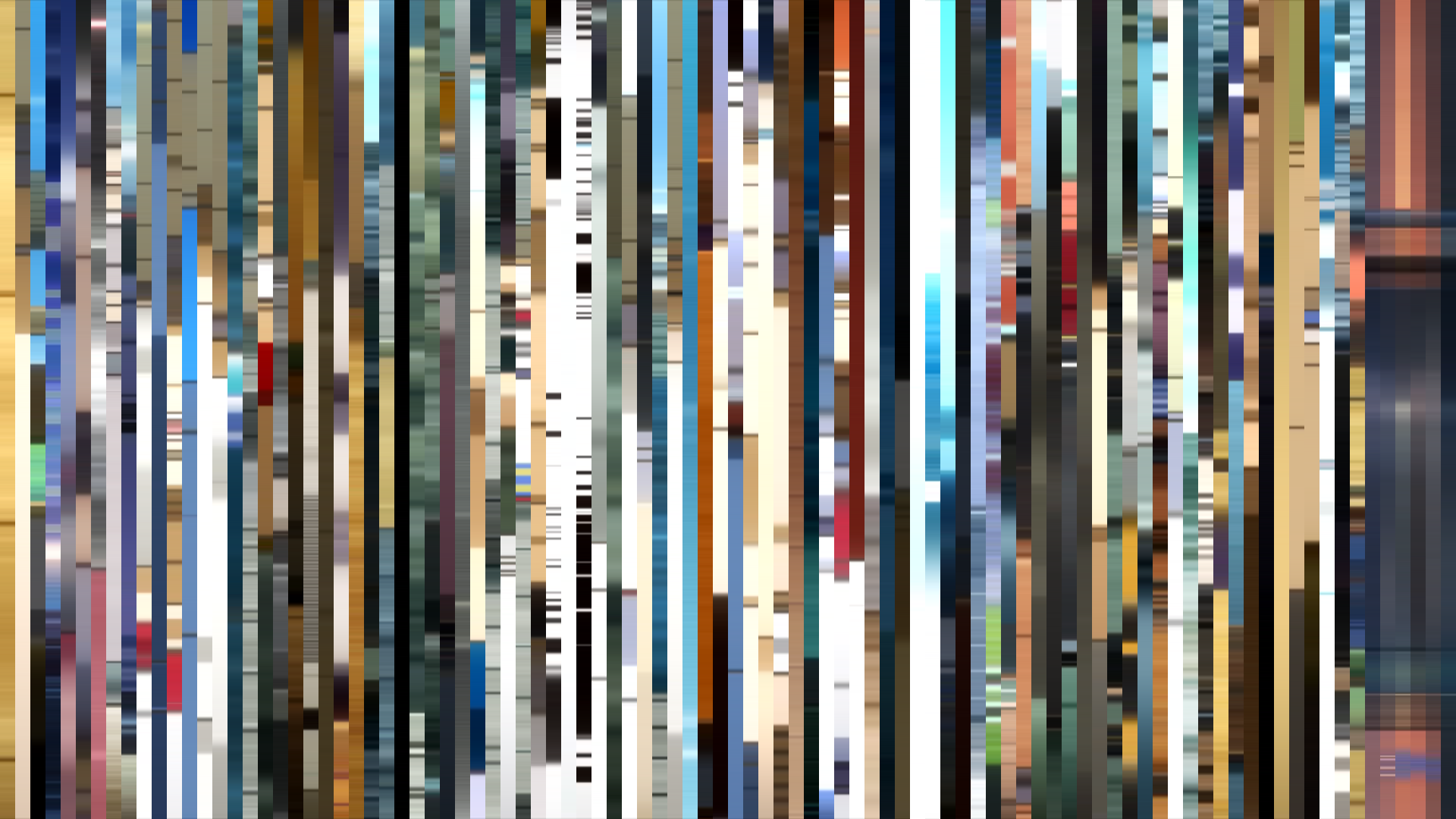
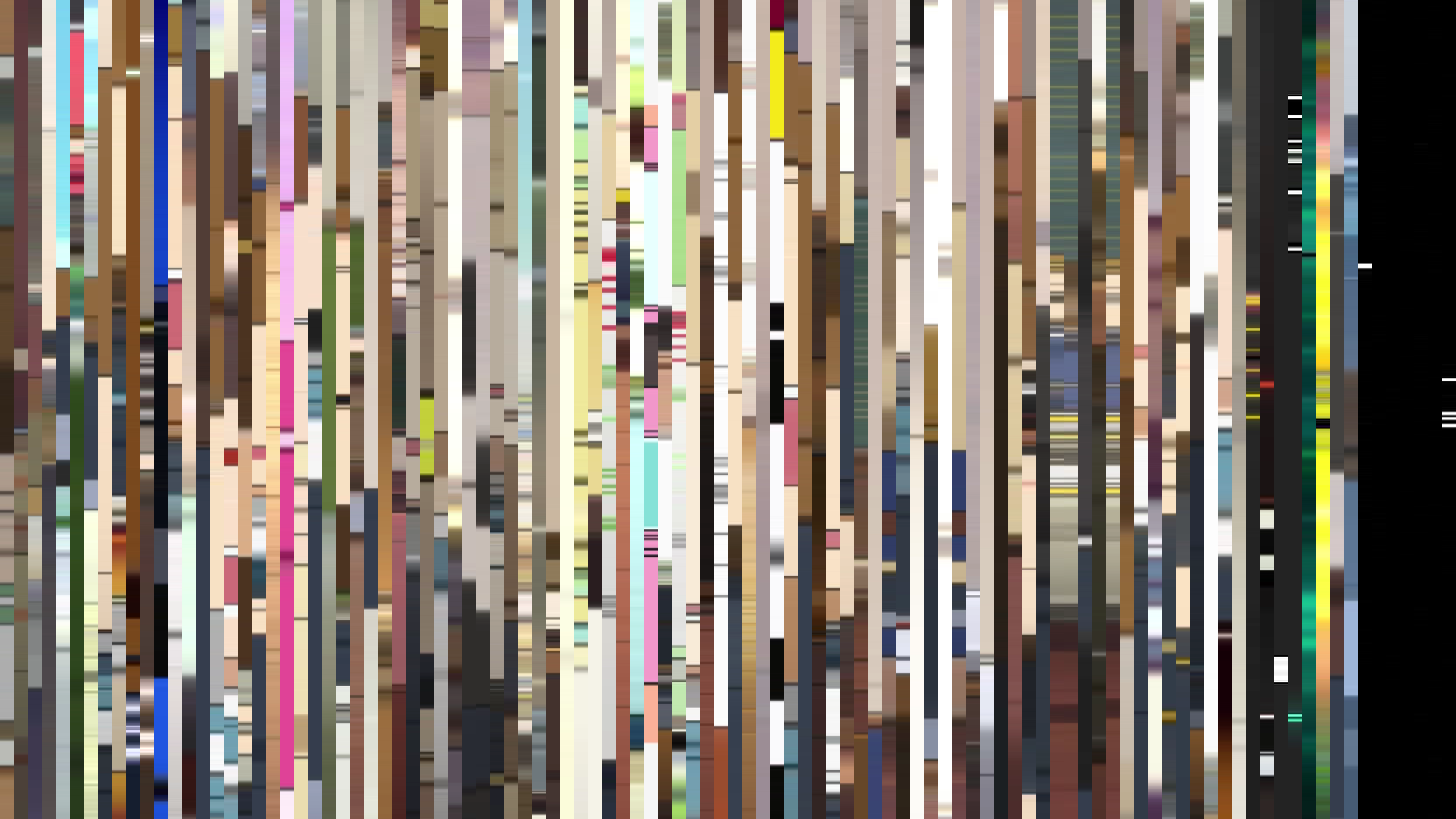
Edit Pace — frame-to-frame color delta (bright = fast cuts)
Color Temperature — warm (gold) vs cool (teal) per frame
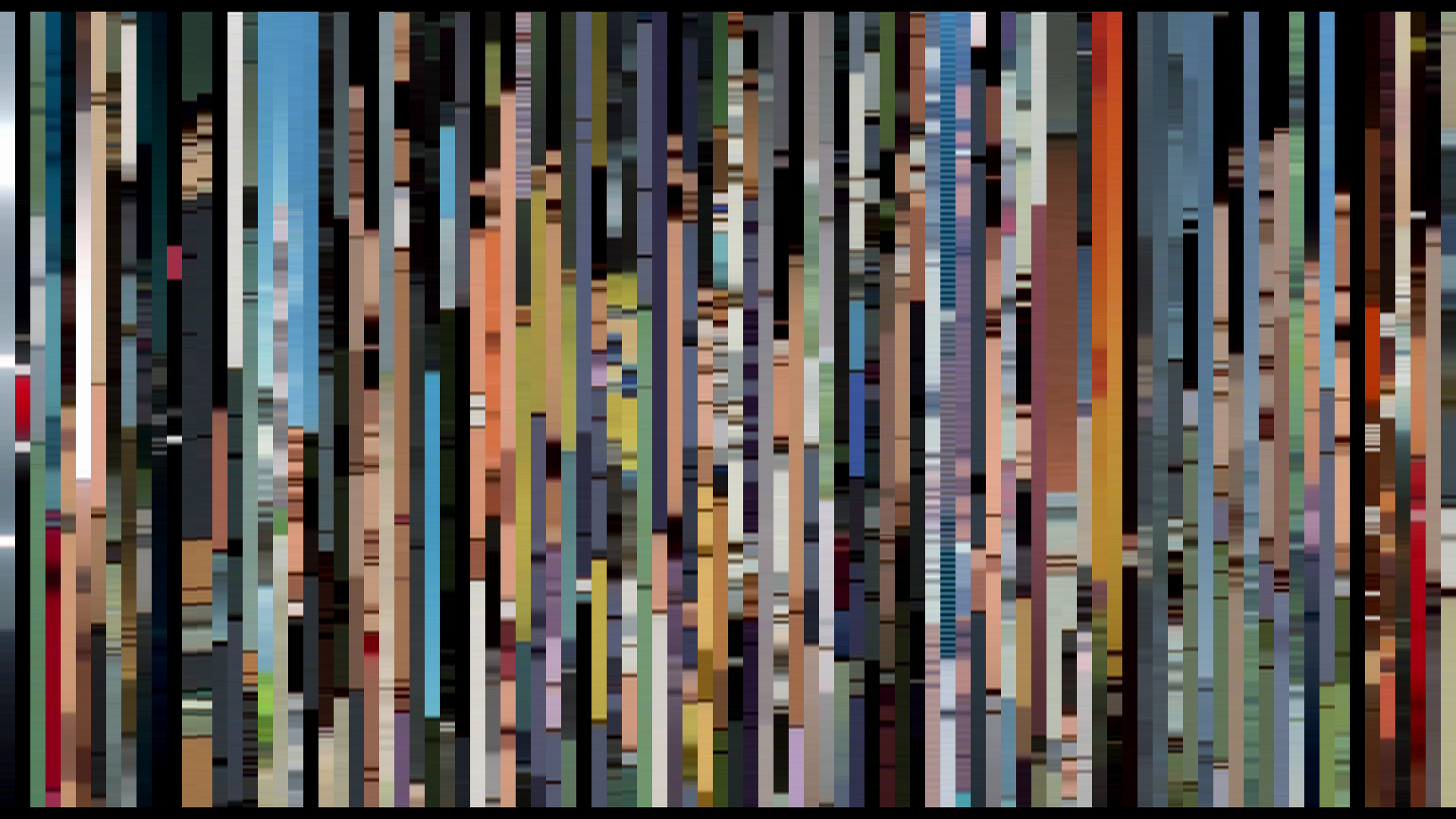
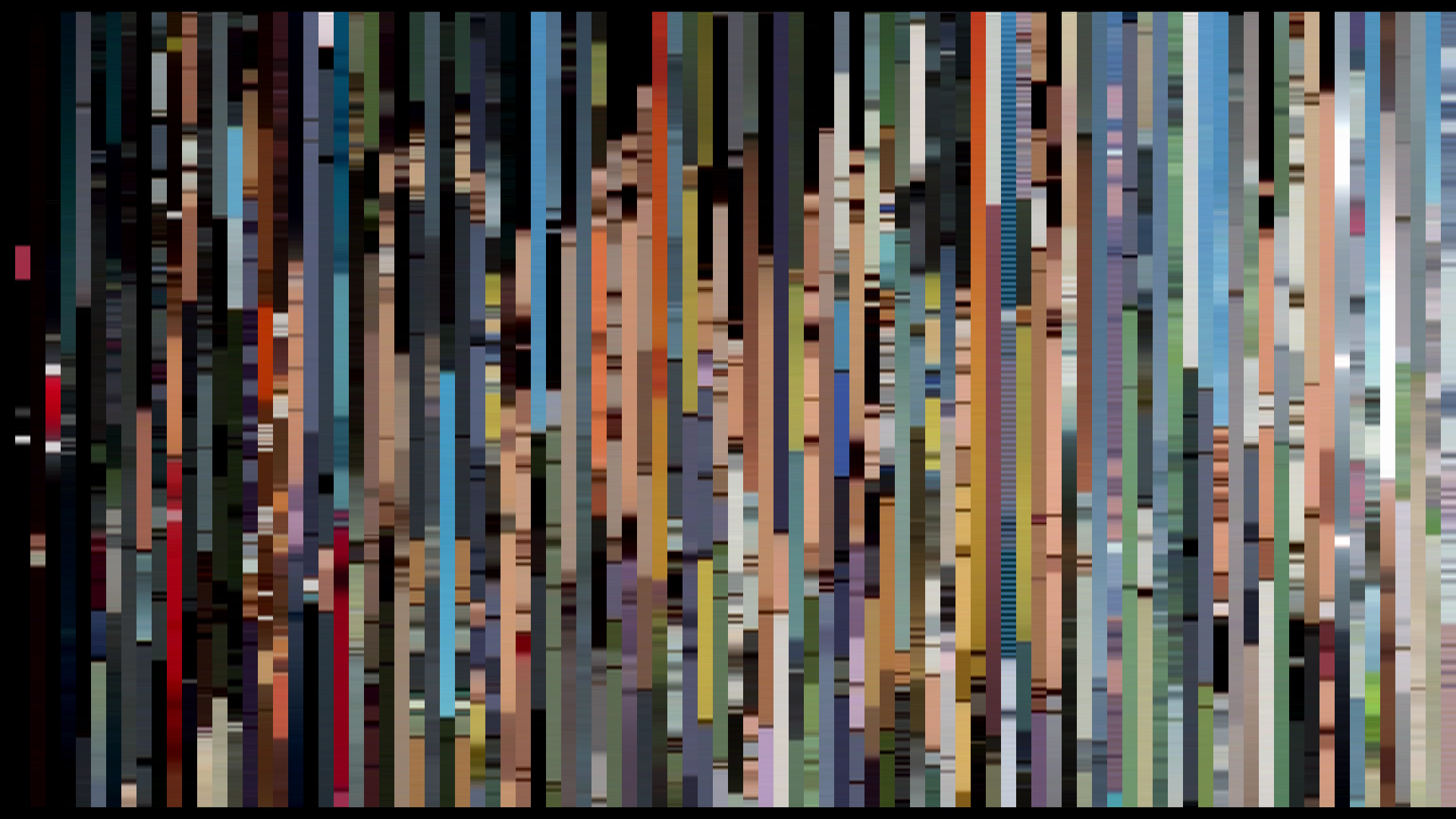
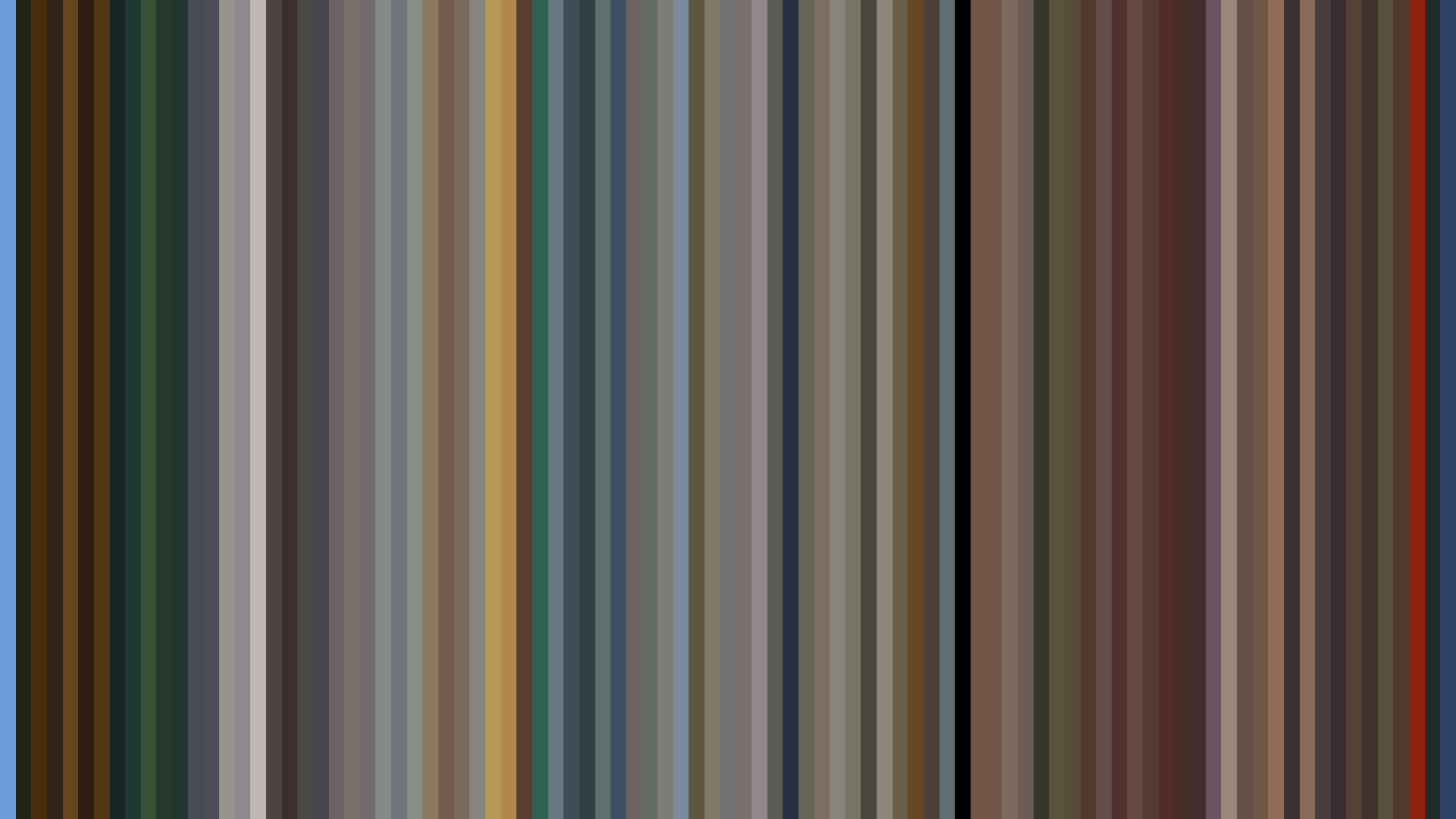
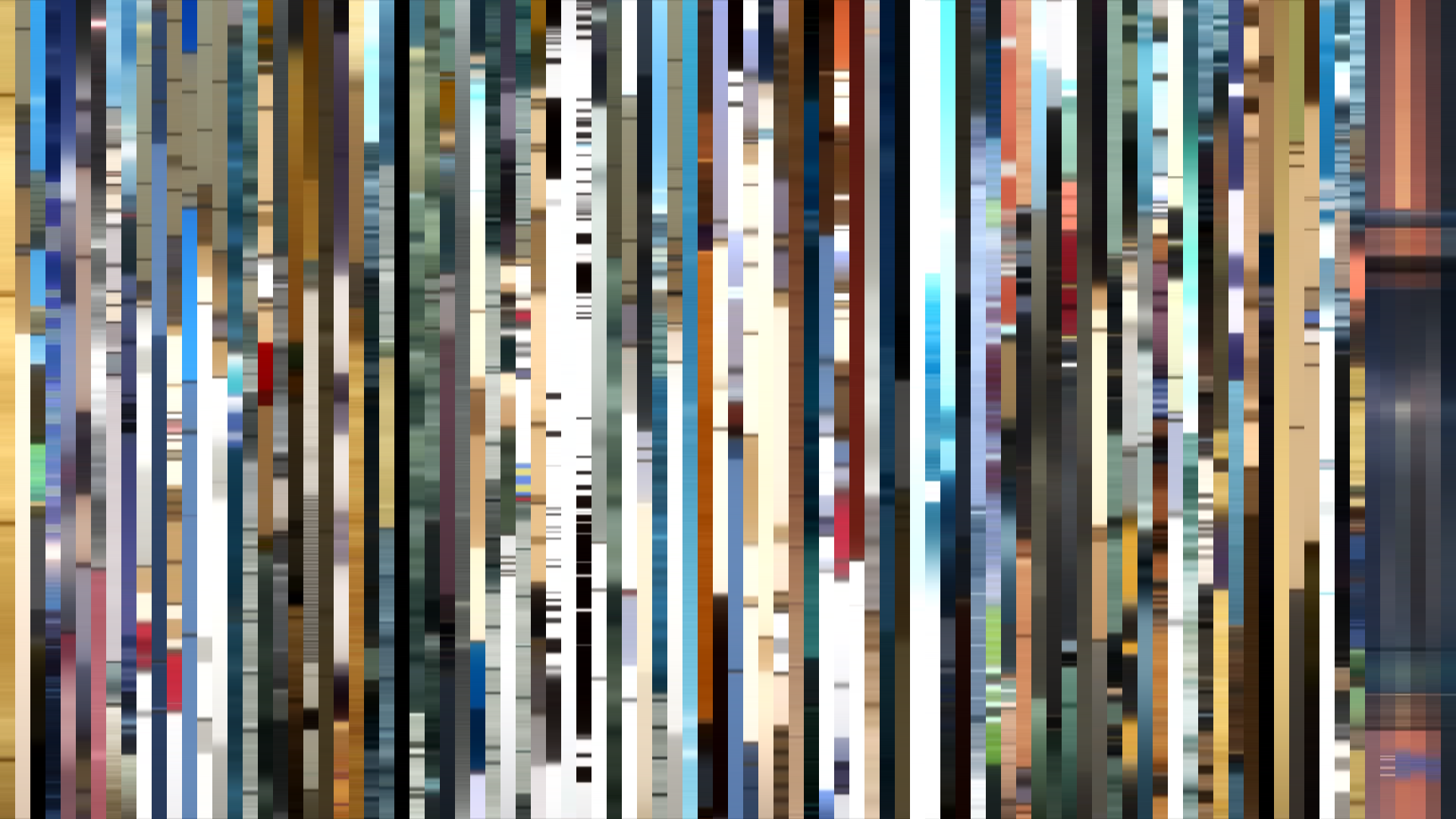
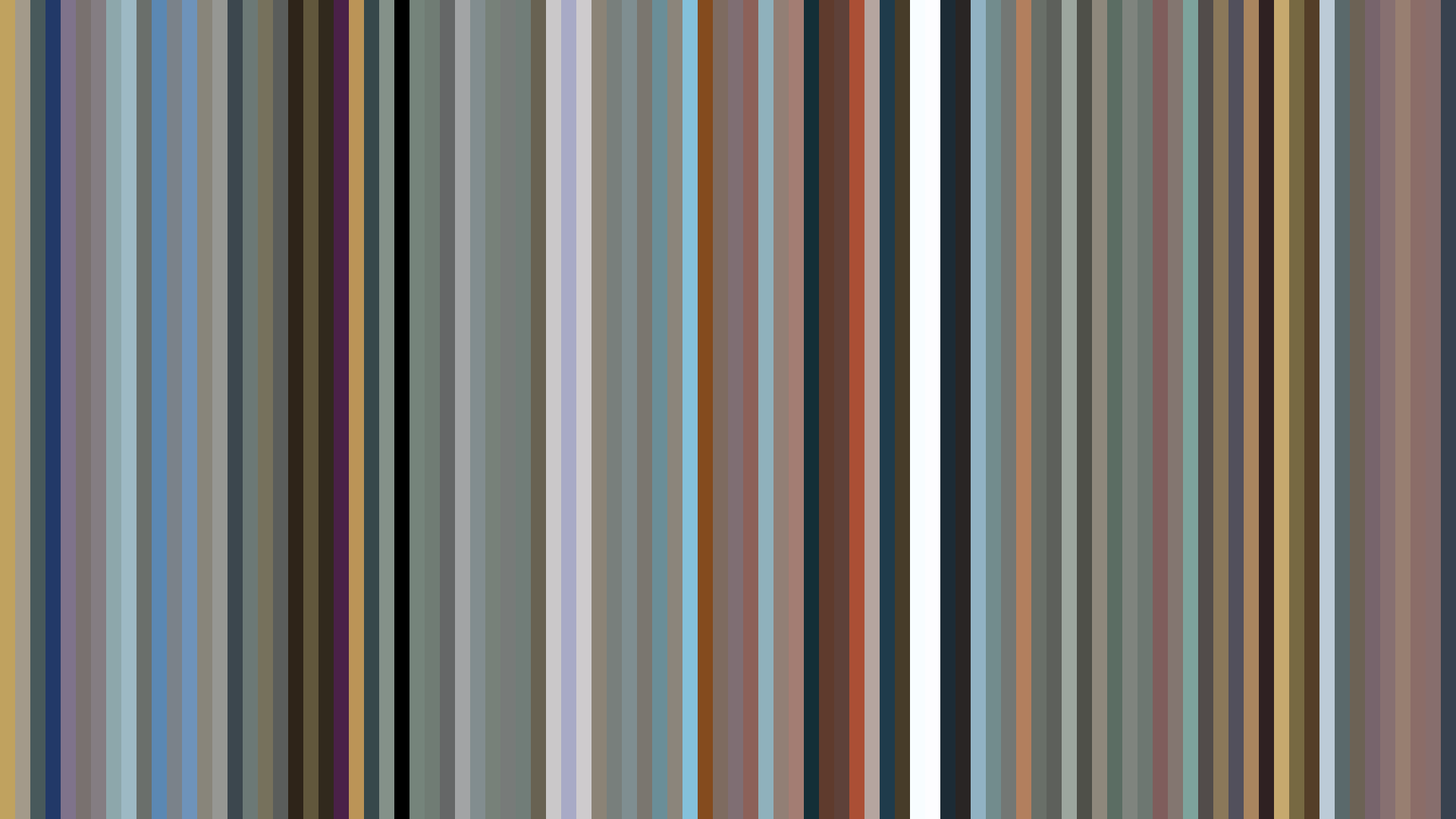
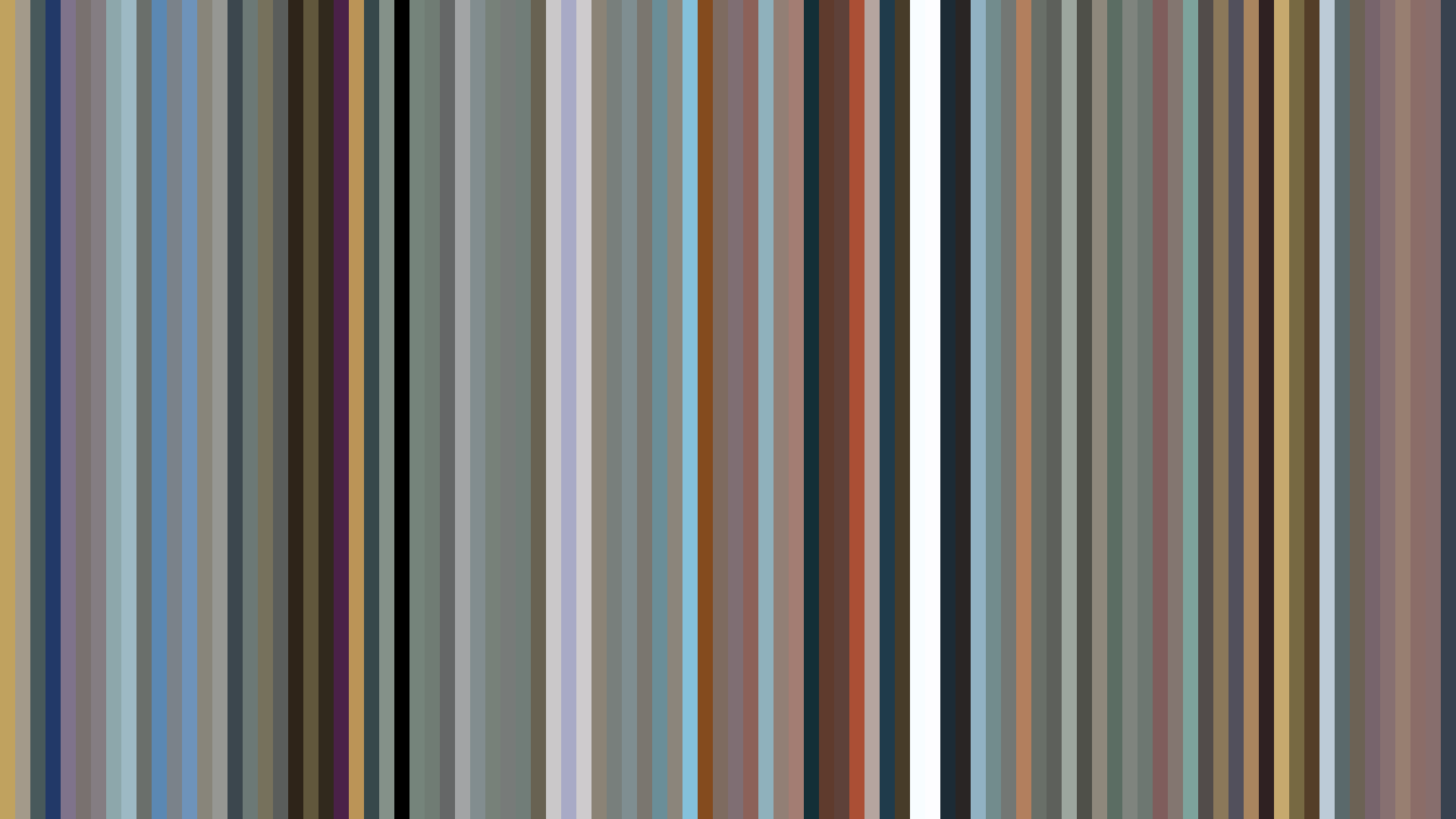
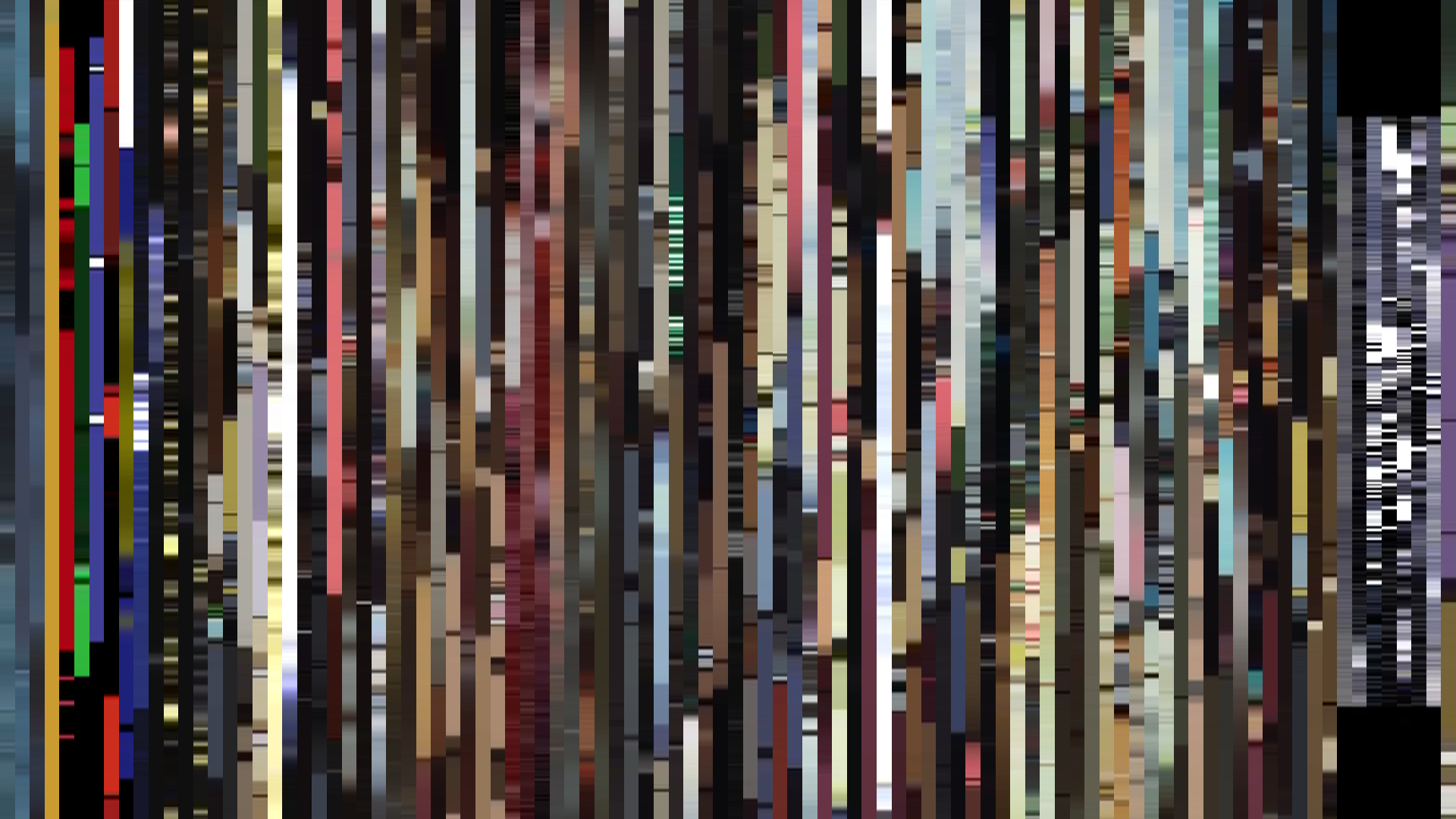
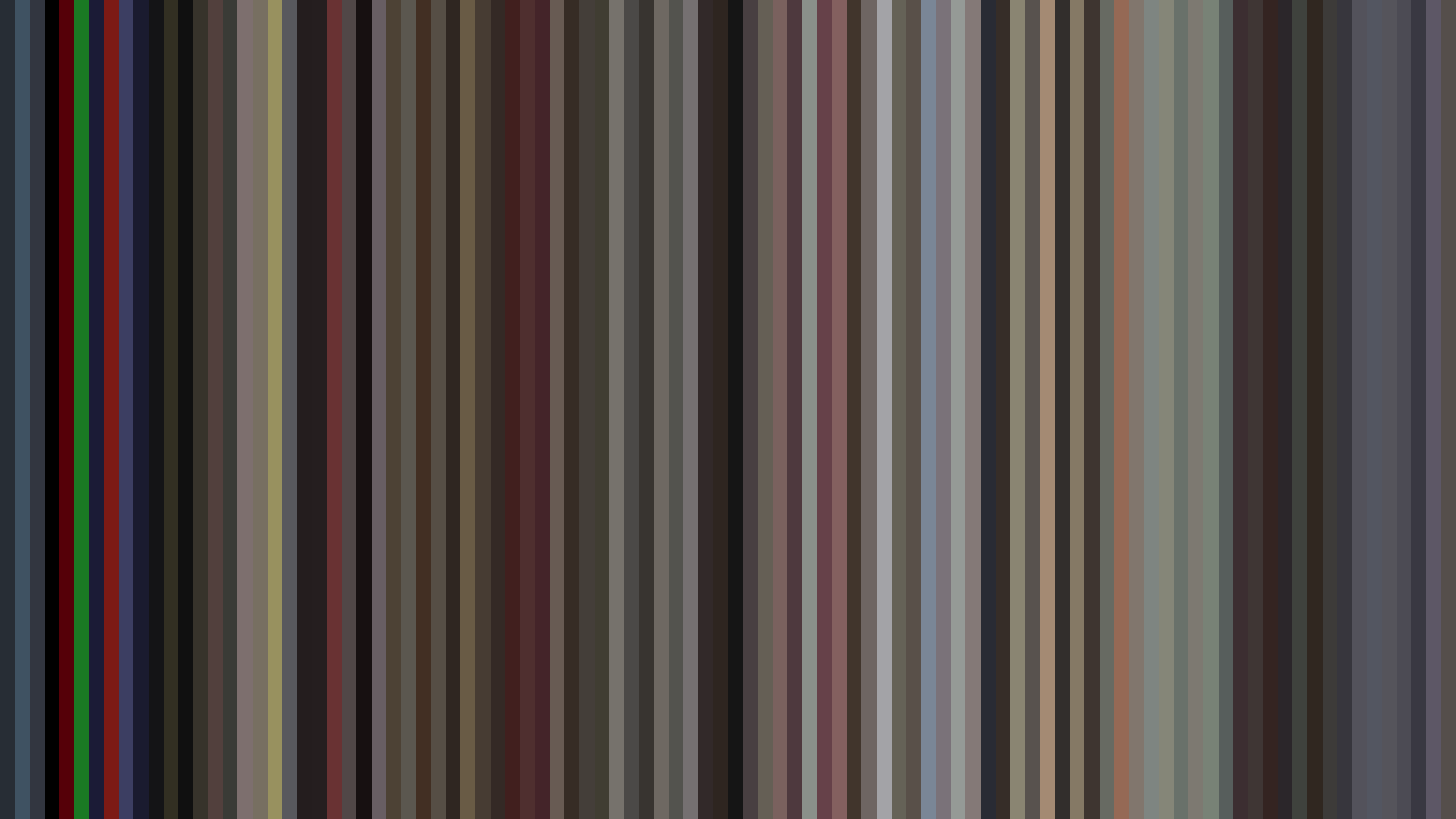
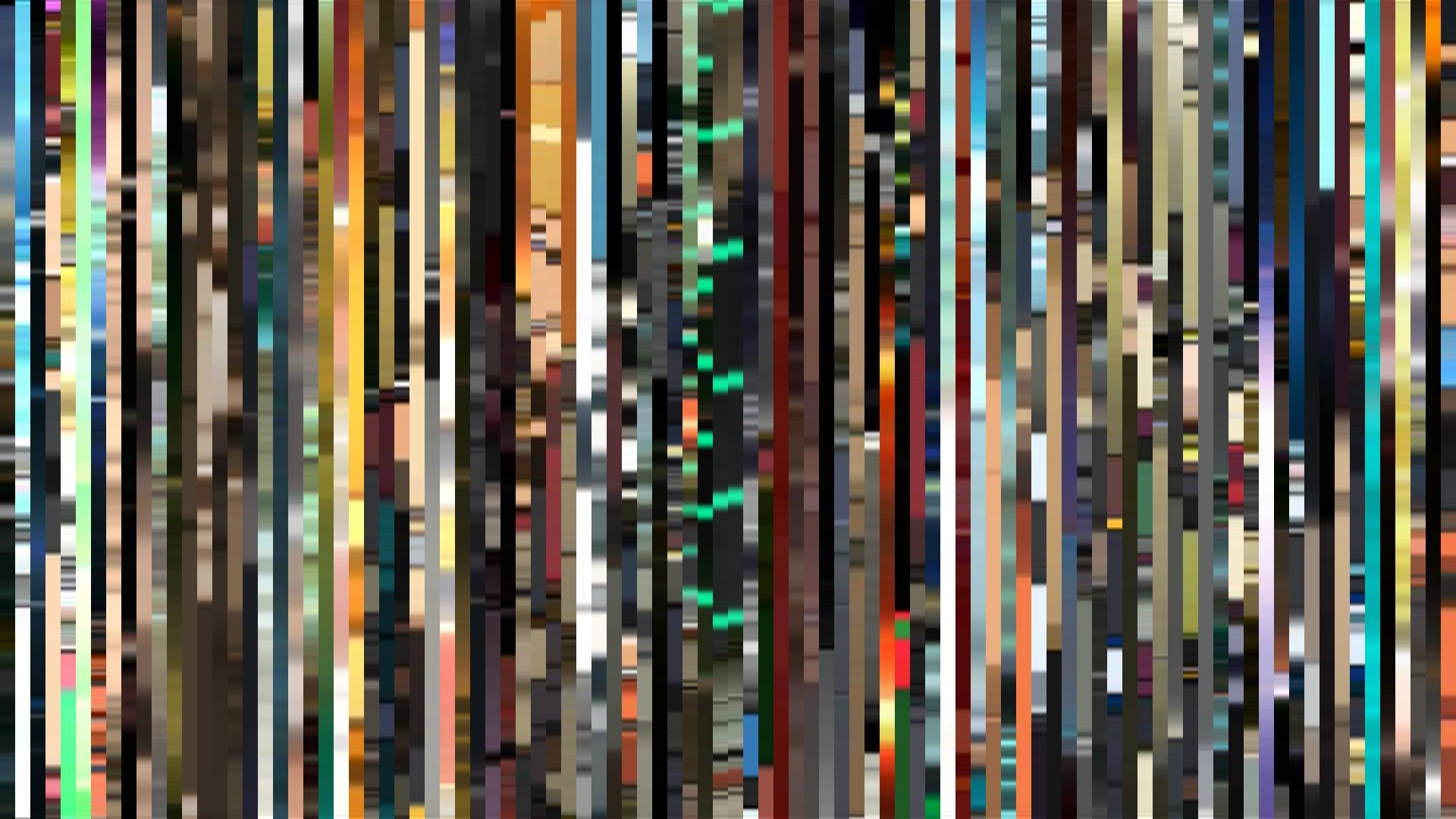
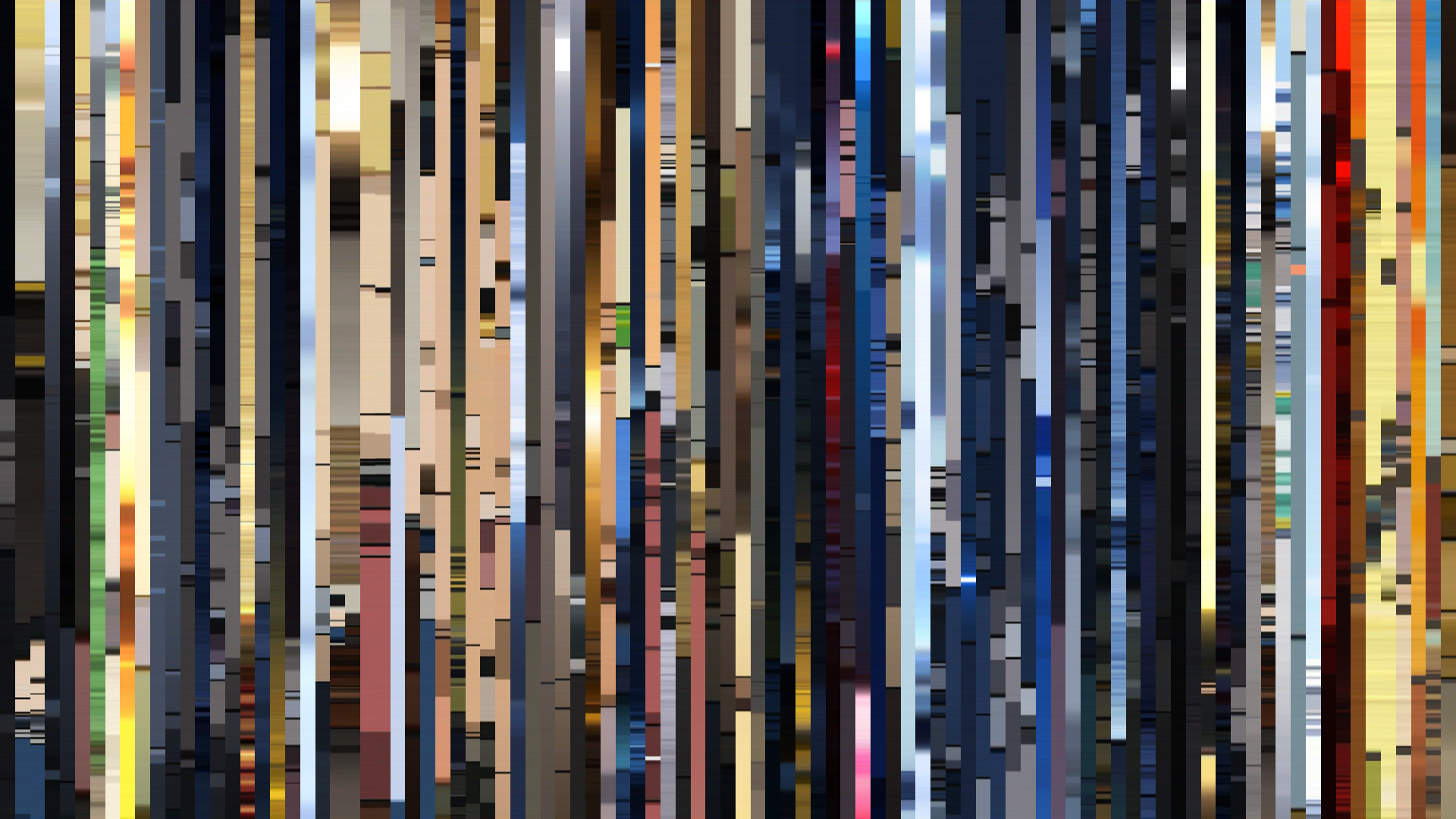
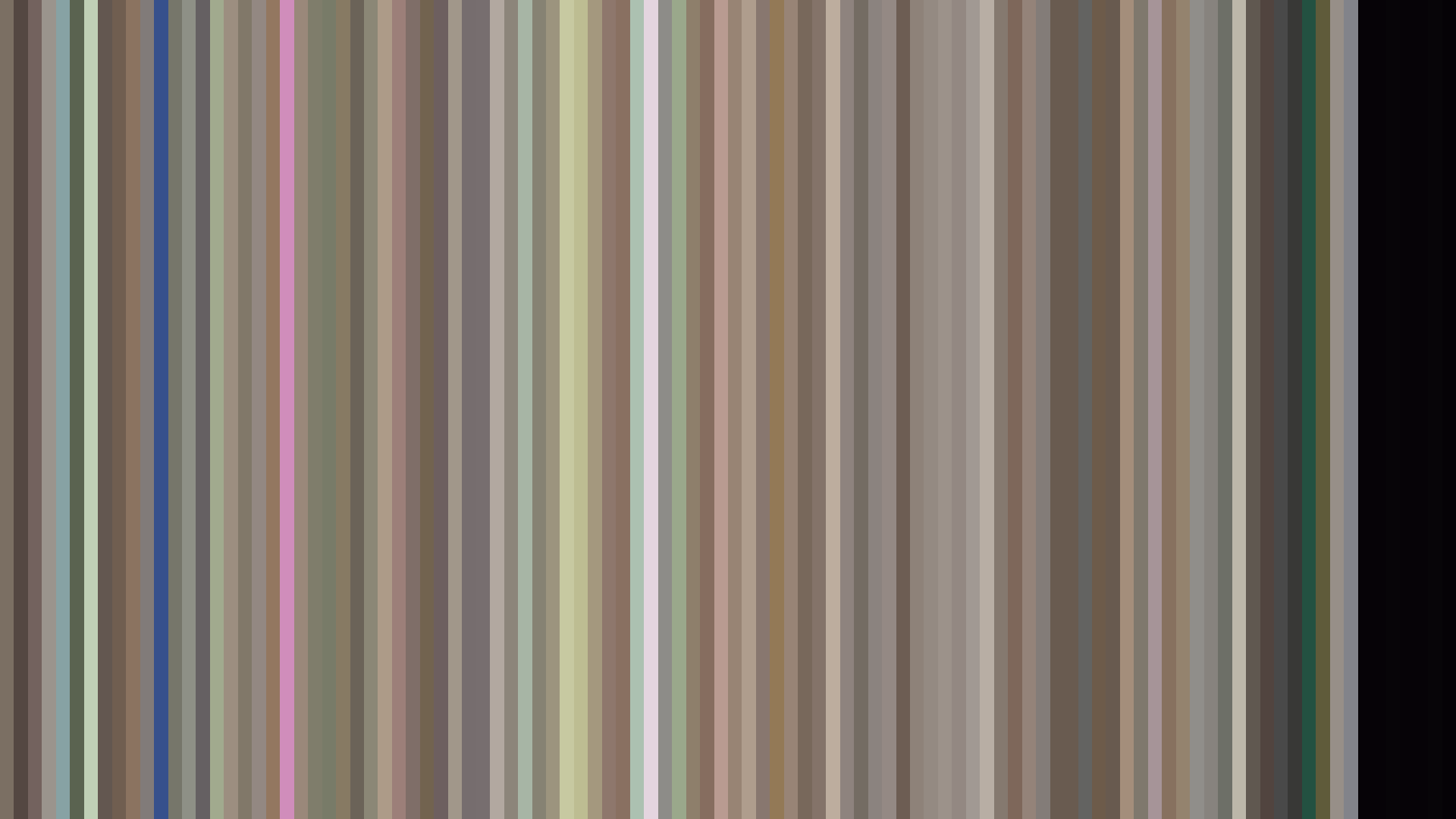
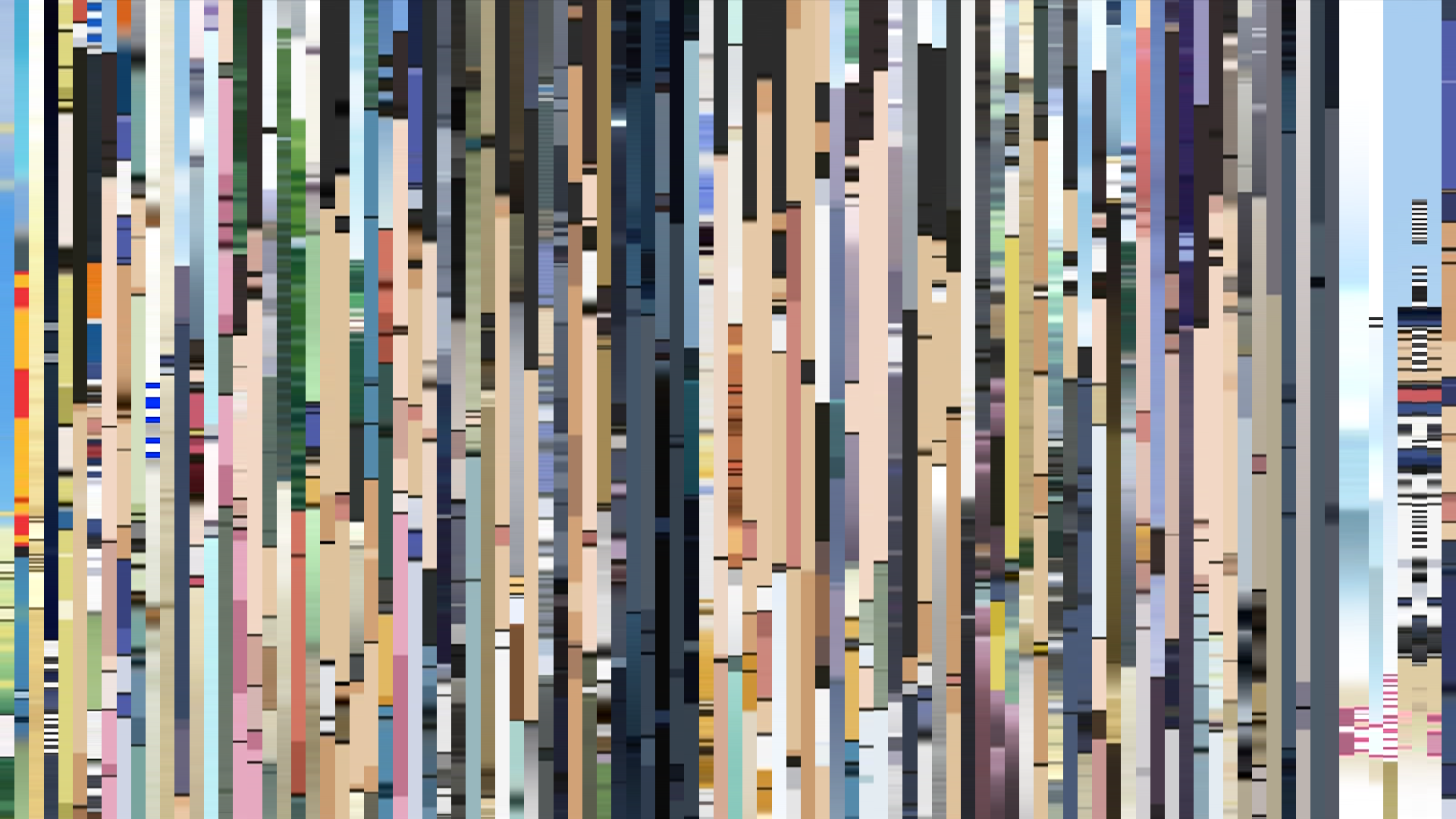
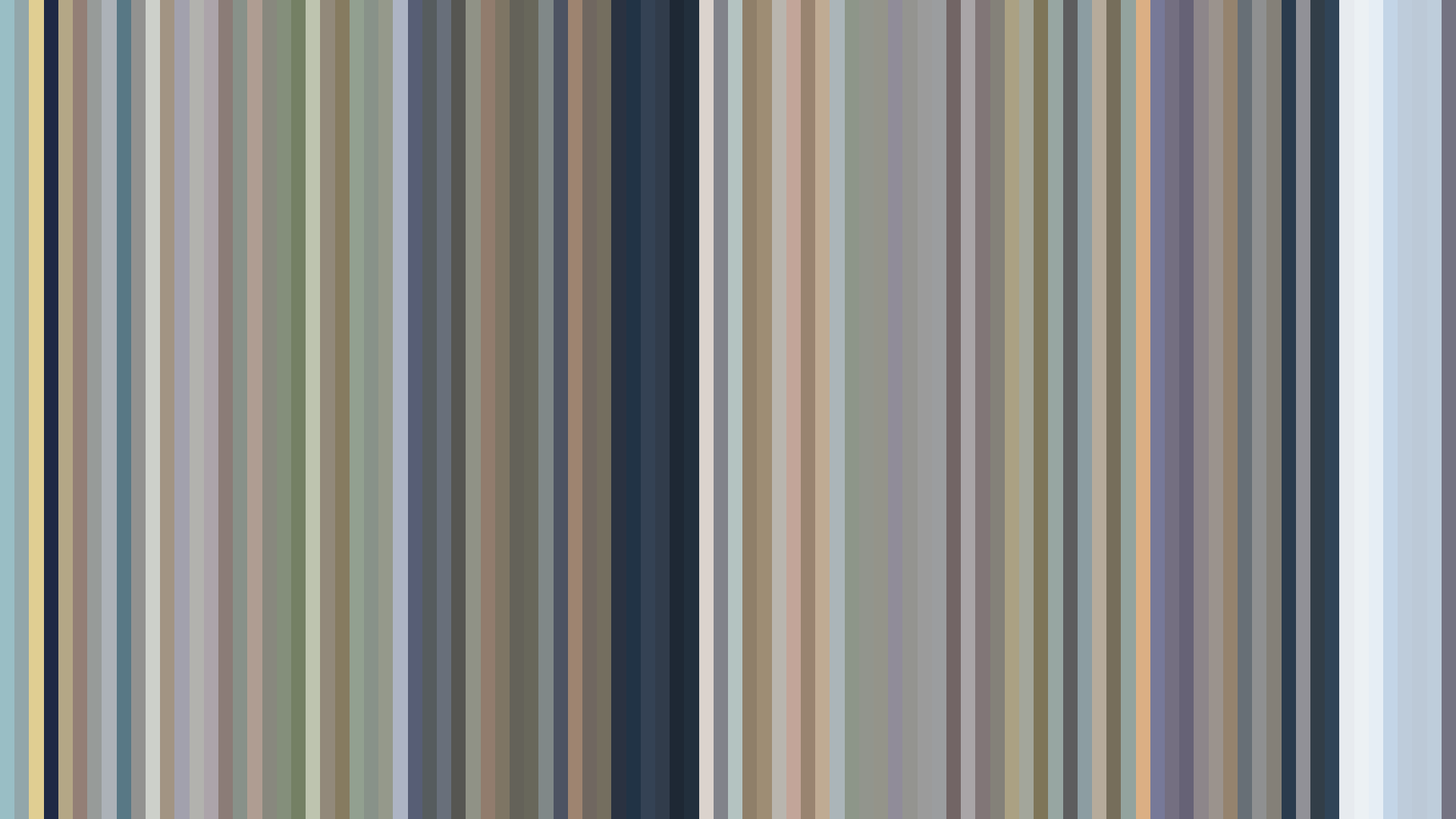
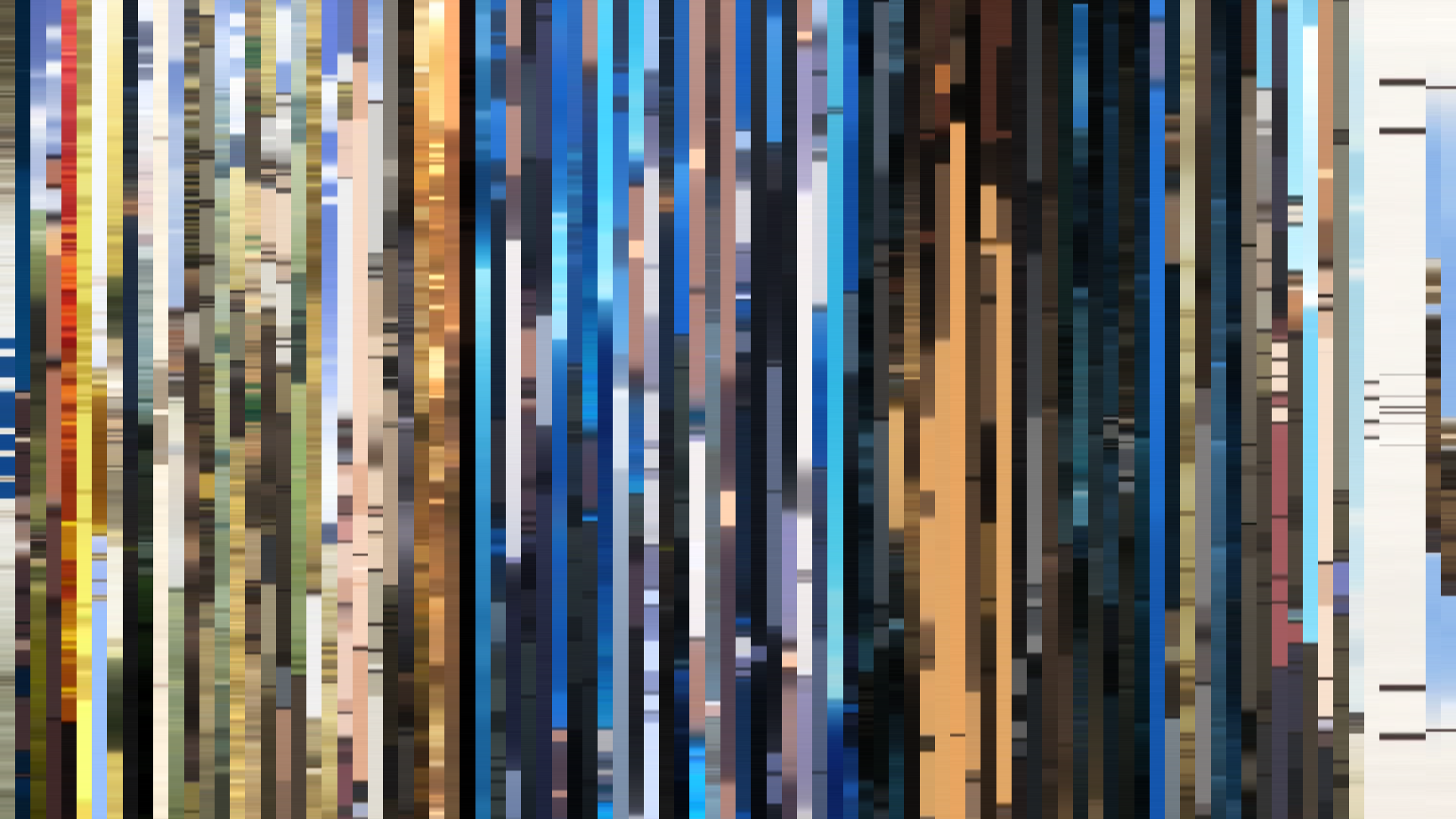
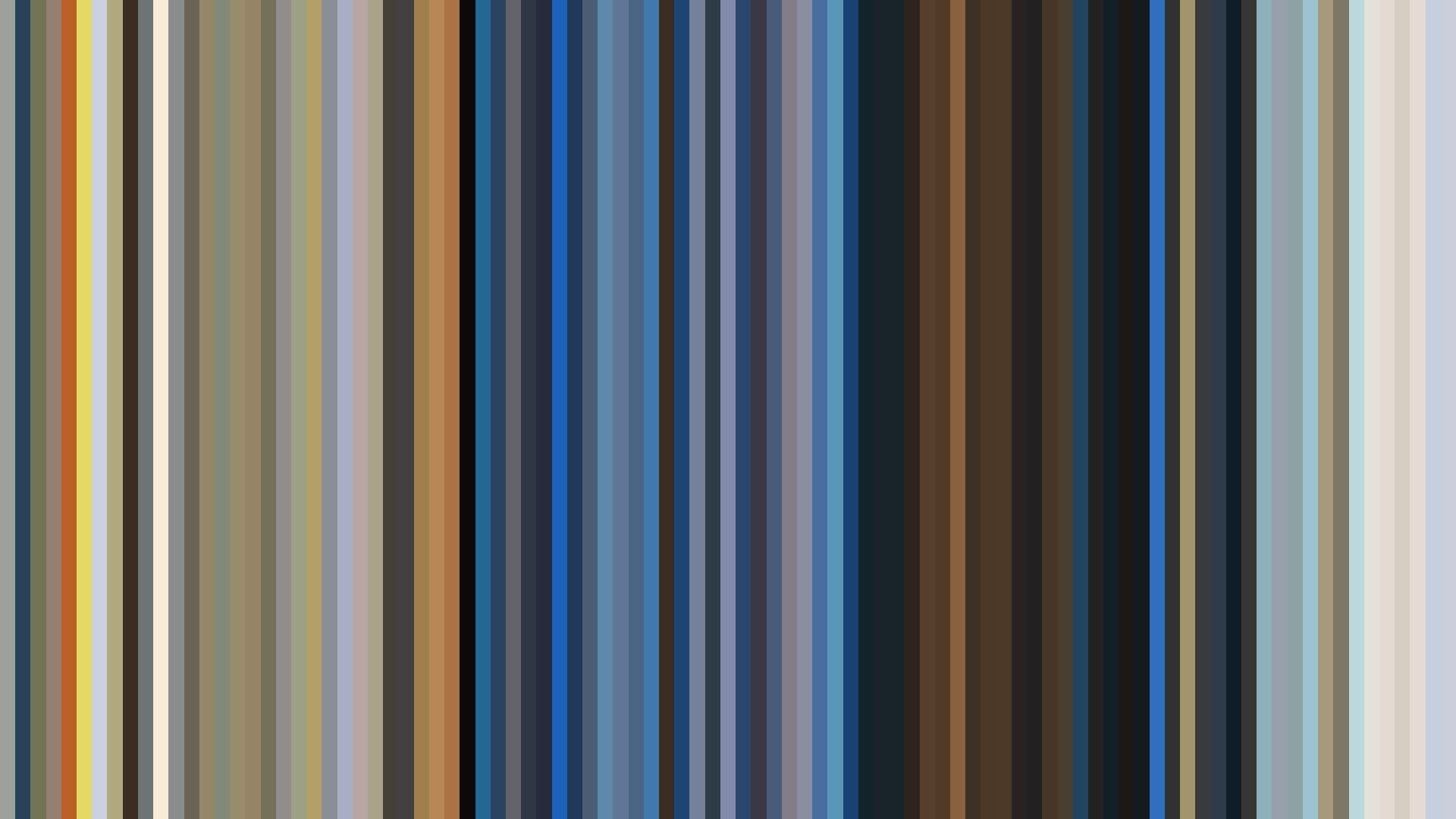
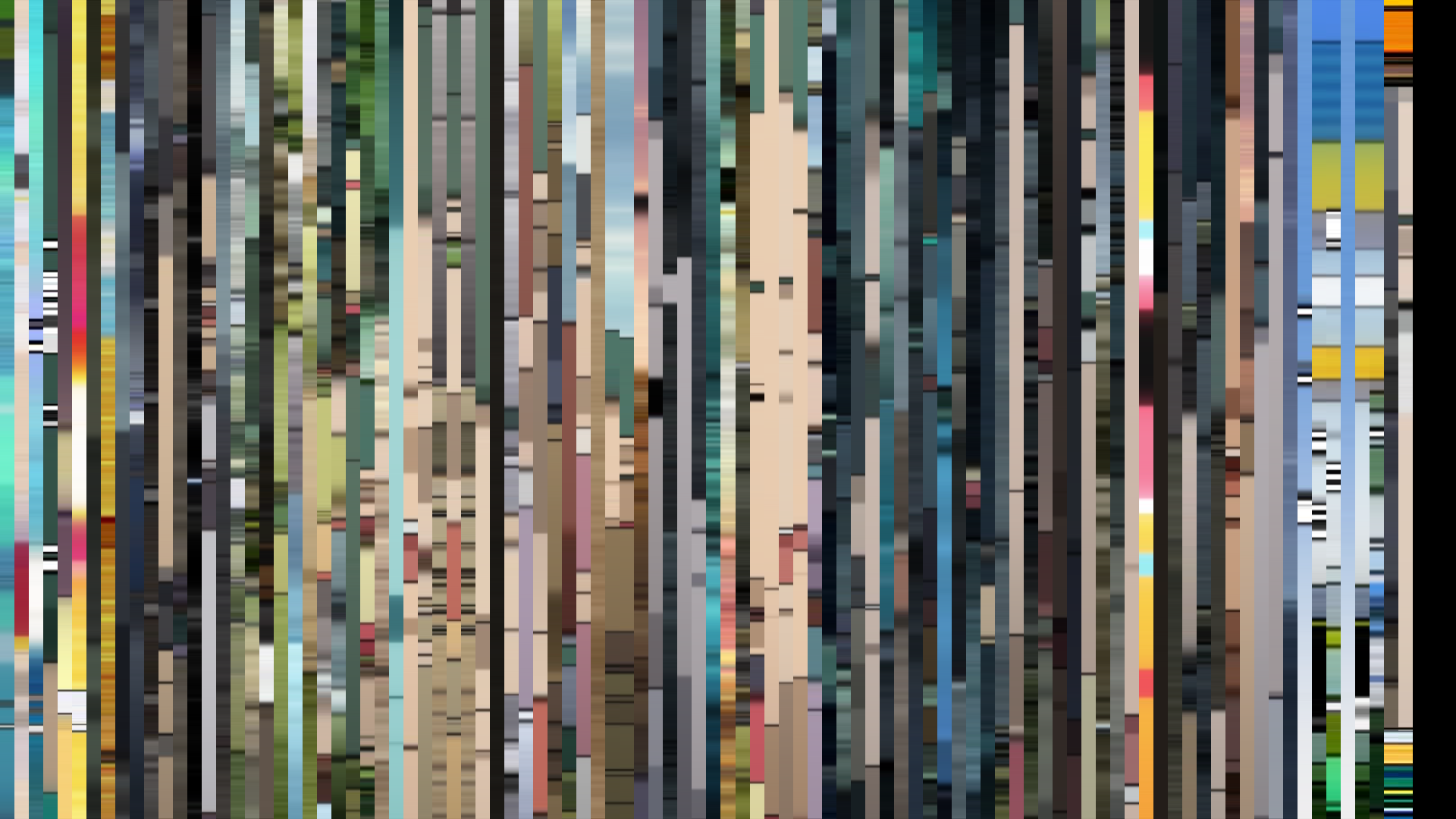
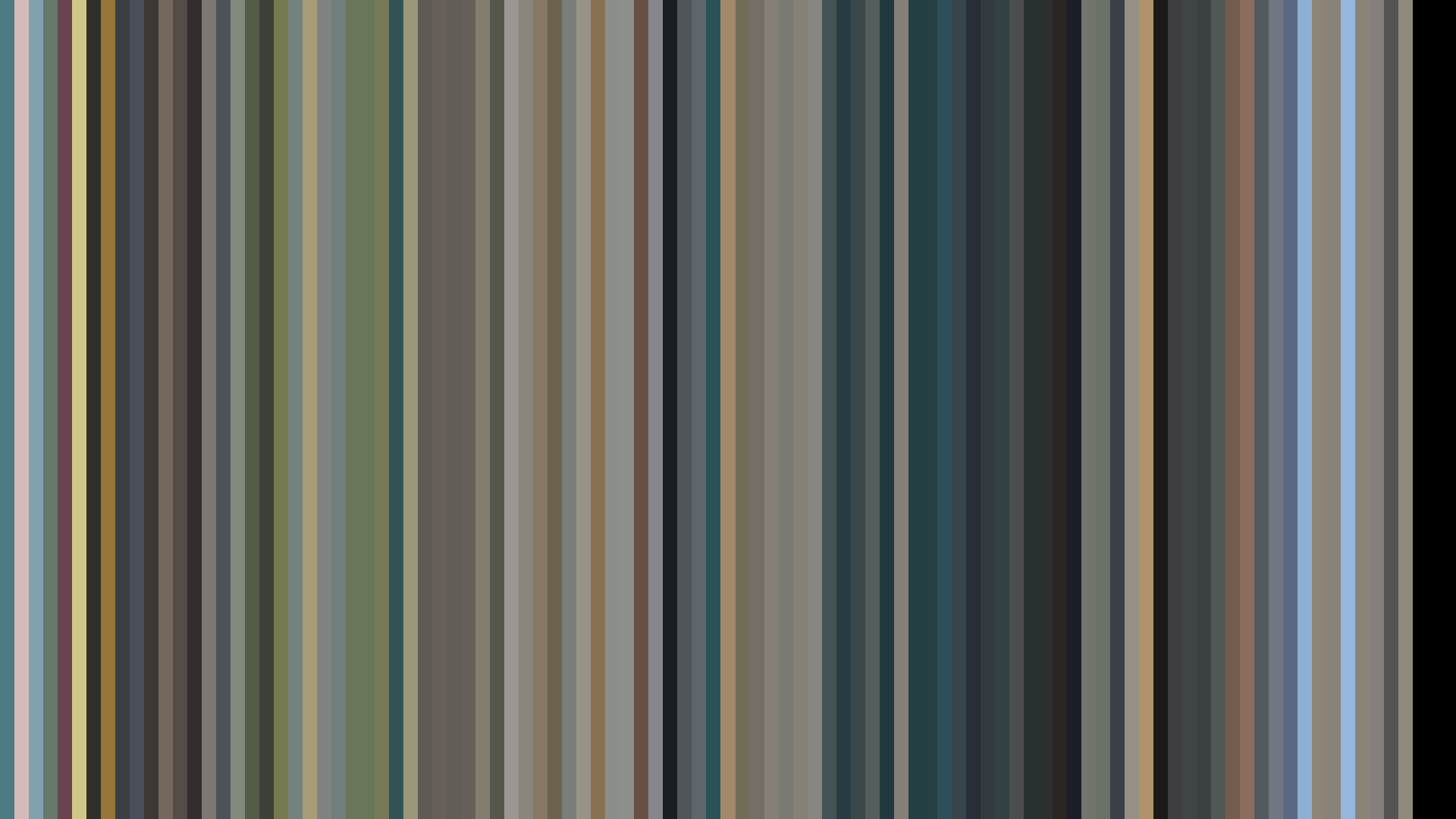
Frame Density Comparison — every 2nd vs every 4th frame
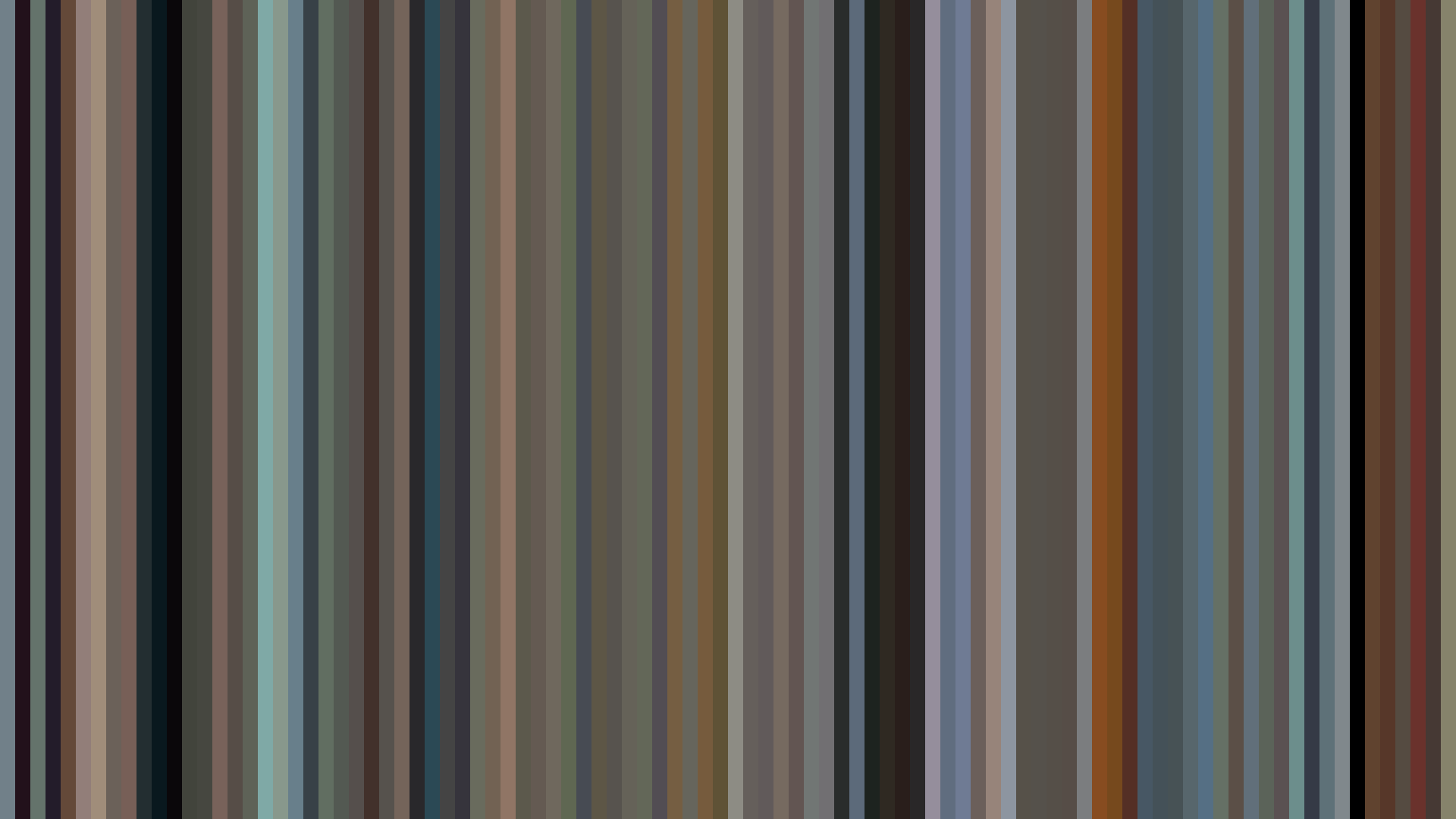
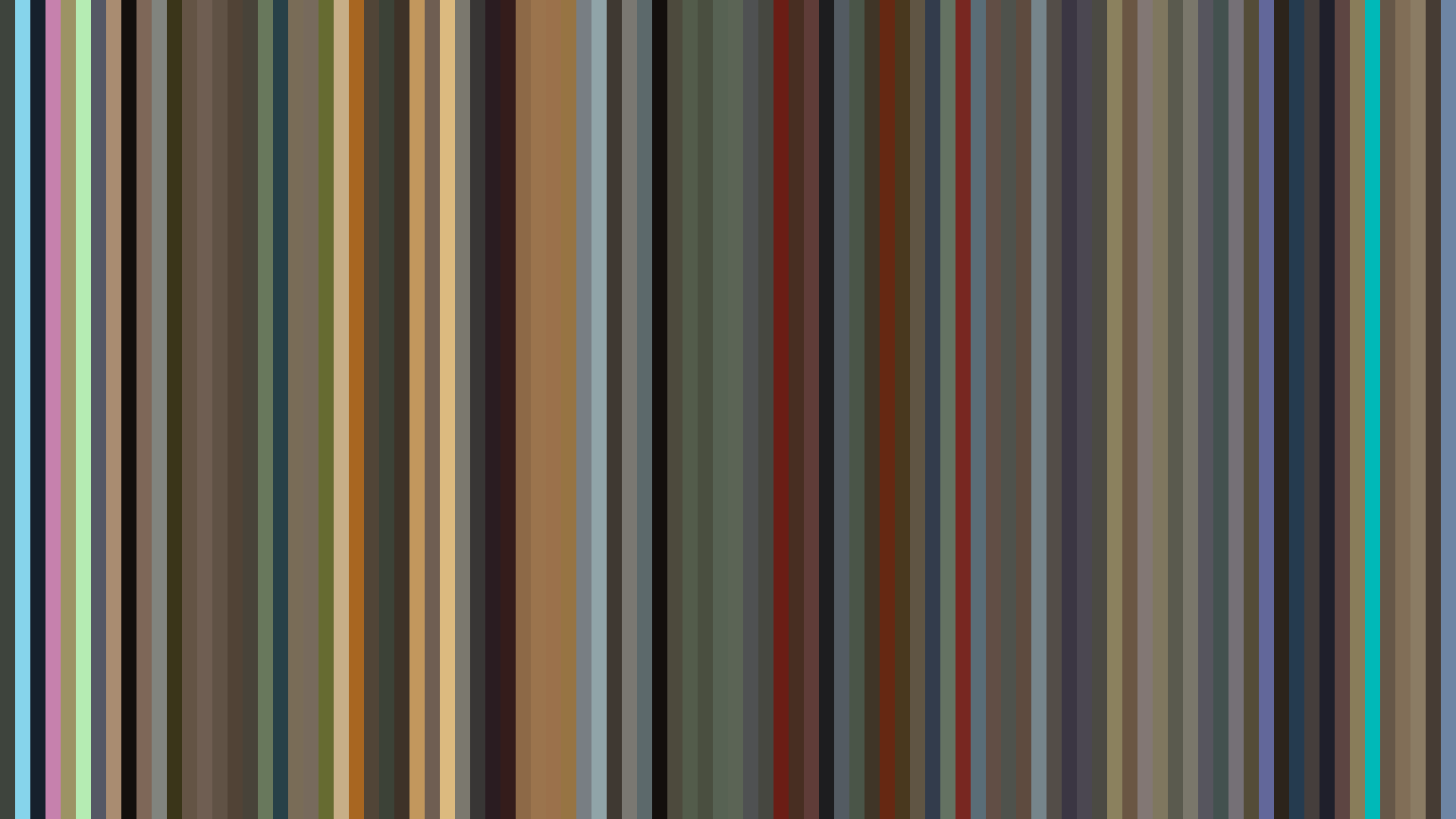
Slice · 15s
Avg · 15s
Slice · 30s
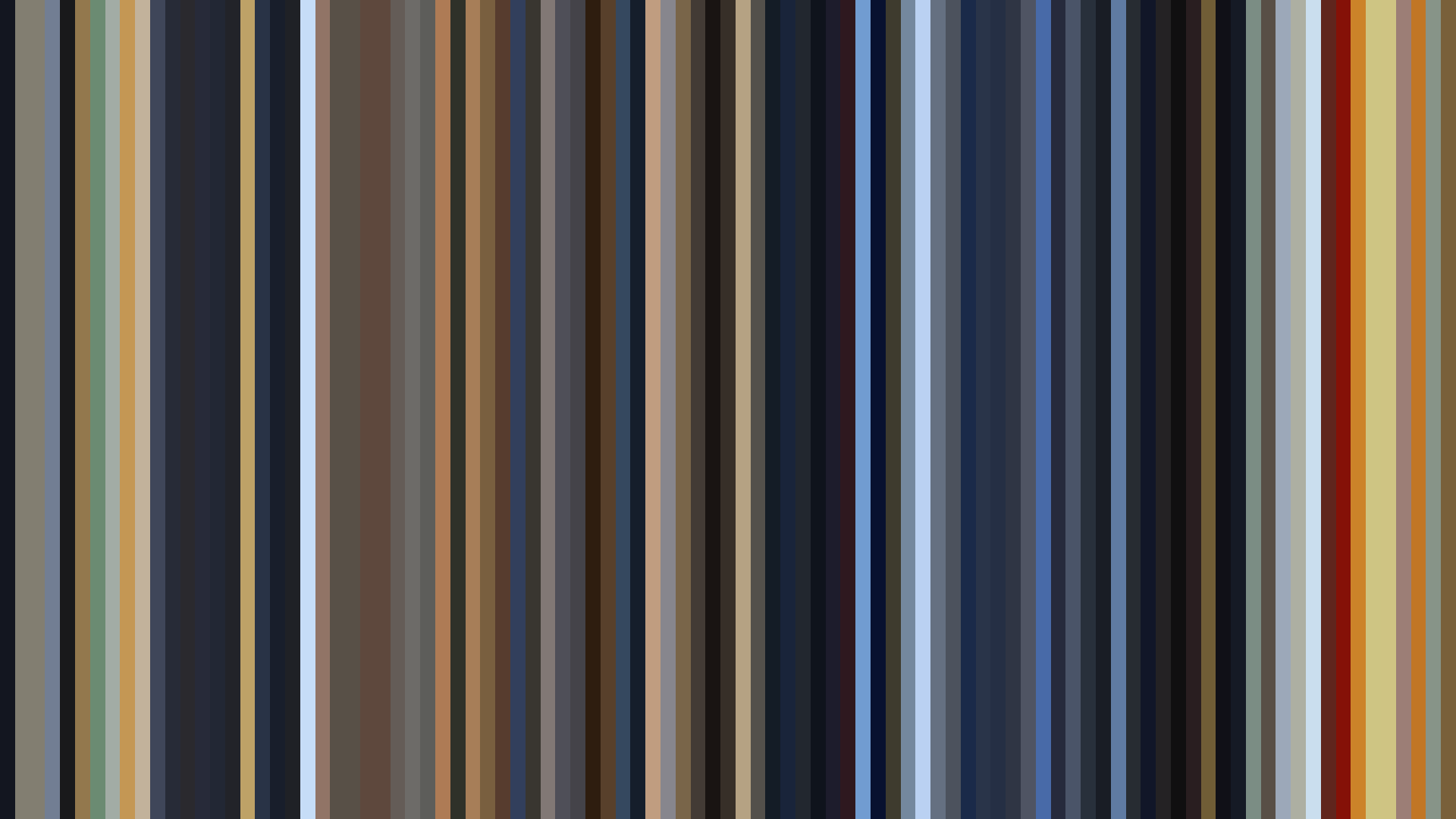
Avg · 30s
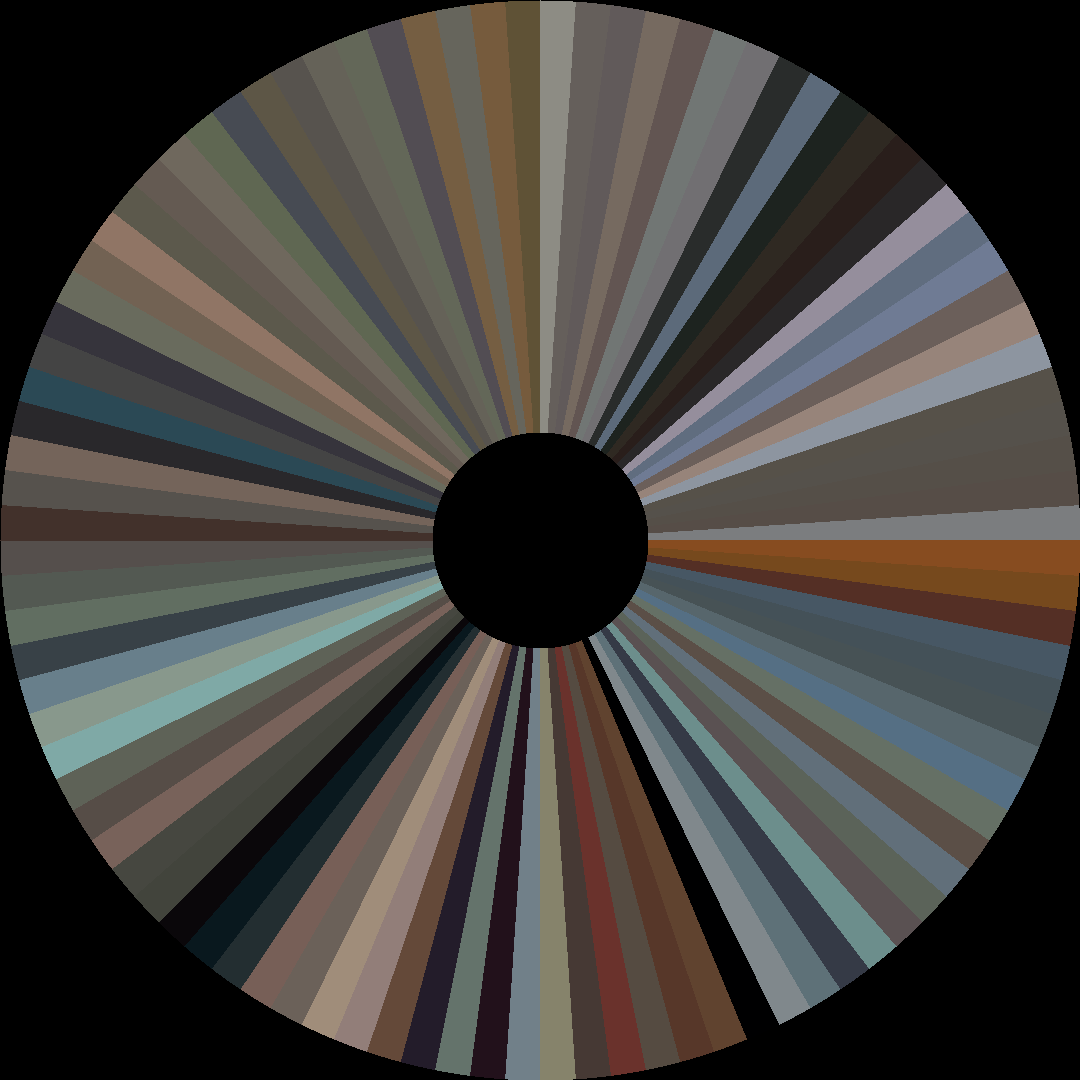
The data confirms that *New Challenger* is a study in controlled warmth. The Red dominance at 39% isn't a warning or a passion—it's the glow of the ring, the flush of exertion, the blood of a split lip. The slight brightening from opening to middle act, then a gentle fade in the closing, mirrors a fight's arc: the preliminaries, the peak of action, the aftermath. Yet the palette's dark browns and grays—#151414, #5B5D5F—anchor everything in the
Brightness Arc (episode progression)
Hue Distribution
Act Breakdown
Opening
0.531
Middle
0.596
Closing
0.551
Avg Brightness
0.344
Avg Saturation
0.263
Warmth
0.538
Color Palette
#151414
#5B5D5F
#9F9E9A
#956D59
#A28C6A
#532F23
#5F4C34
#678B9D
3-Act Color Story
Opening
Middle
Closing
Color Twins
Perceptually nearest palettes — measured in OKLab space, not RGB






The data confirms that *New Challenger* is a study in controlled warmth. The Red dominance at 39% isn't a warning or a passion—it's the glow of the ring, the flush of exertion, the blood of a split lip. The slight brightening from opening to middle act, then a gentle fade in the closing, mirrors a fight's arc: the preliminaries, the peak of action, the aftermath. Yet the palette's dark browns and grays—#151414, #5B5D5F—anchor everything in the