Edit Pace — frame-to-frame color delta (bright = fast cuts)
Color Temperature — warm (gold) vs cool (teal) per frame
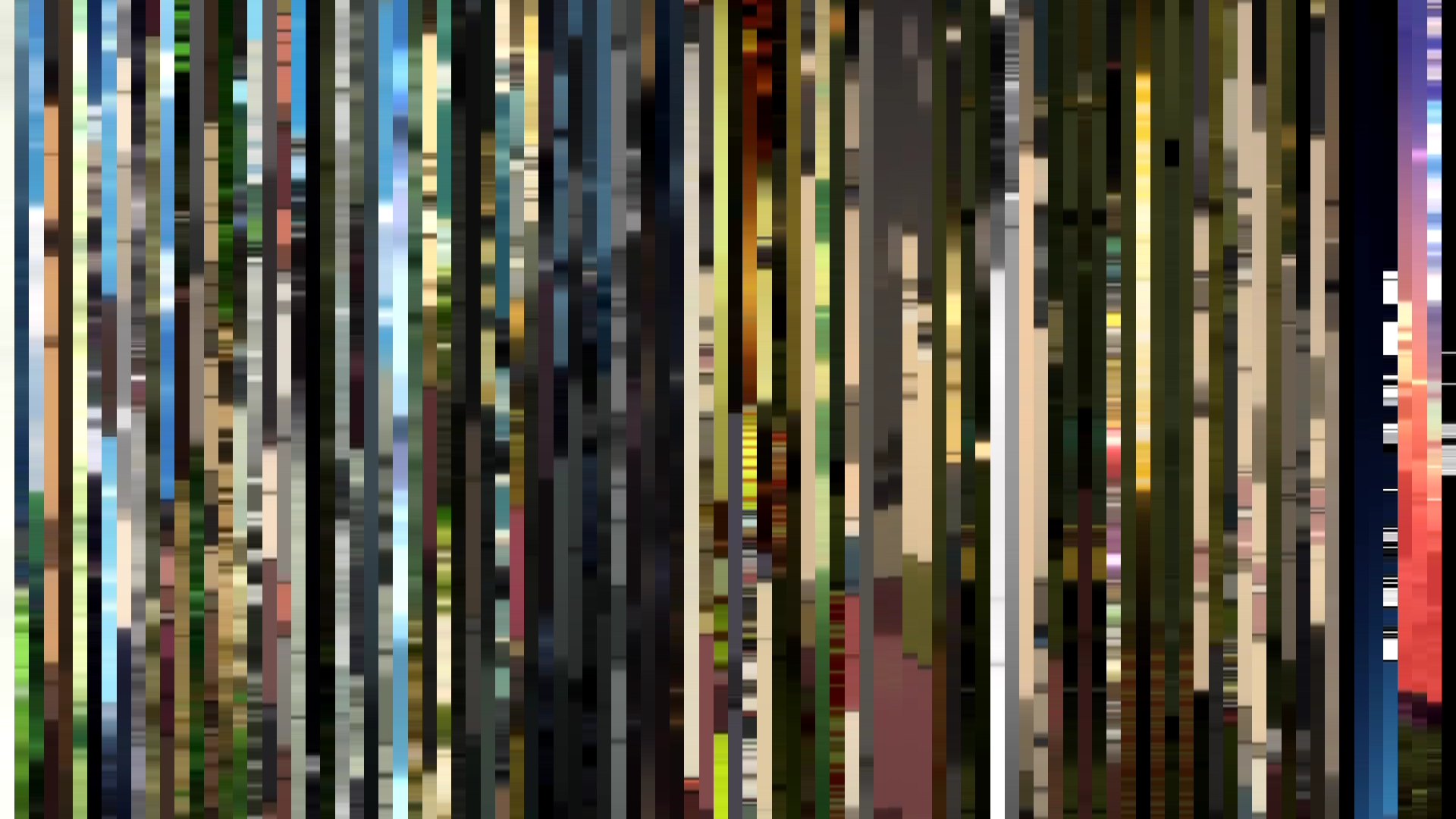
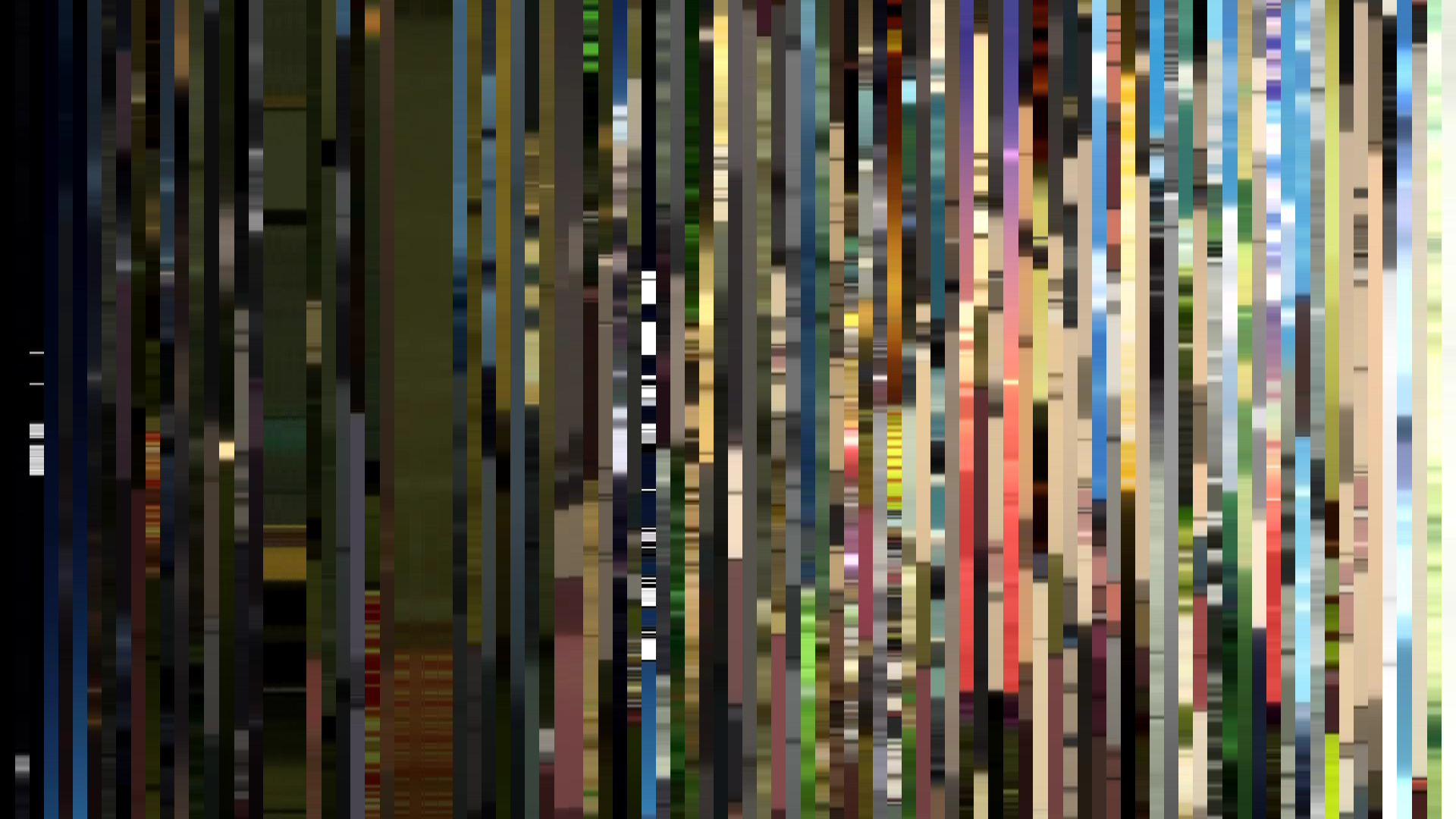
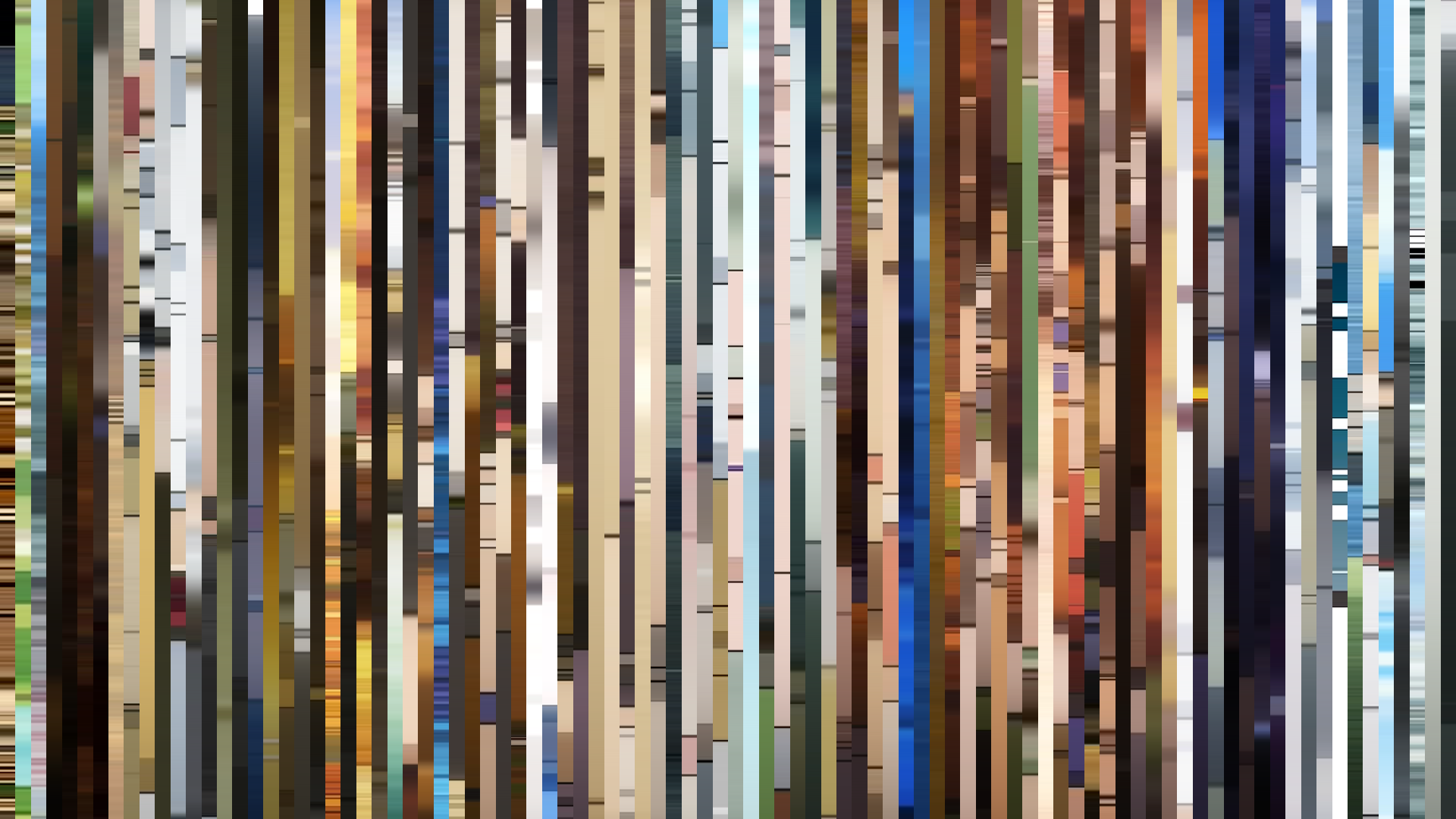
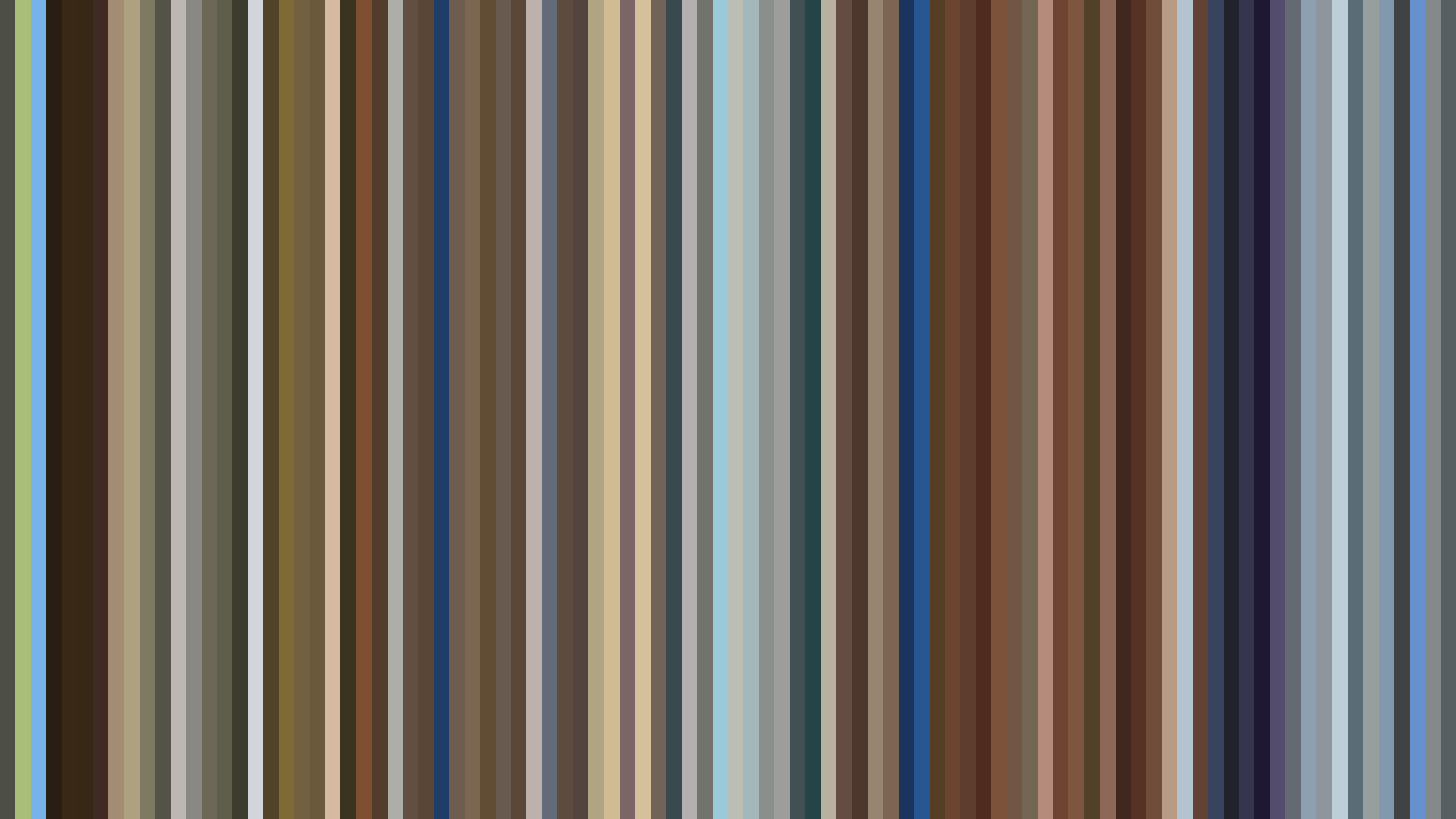
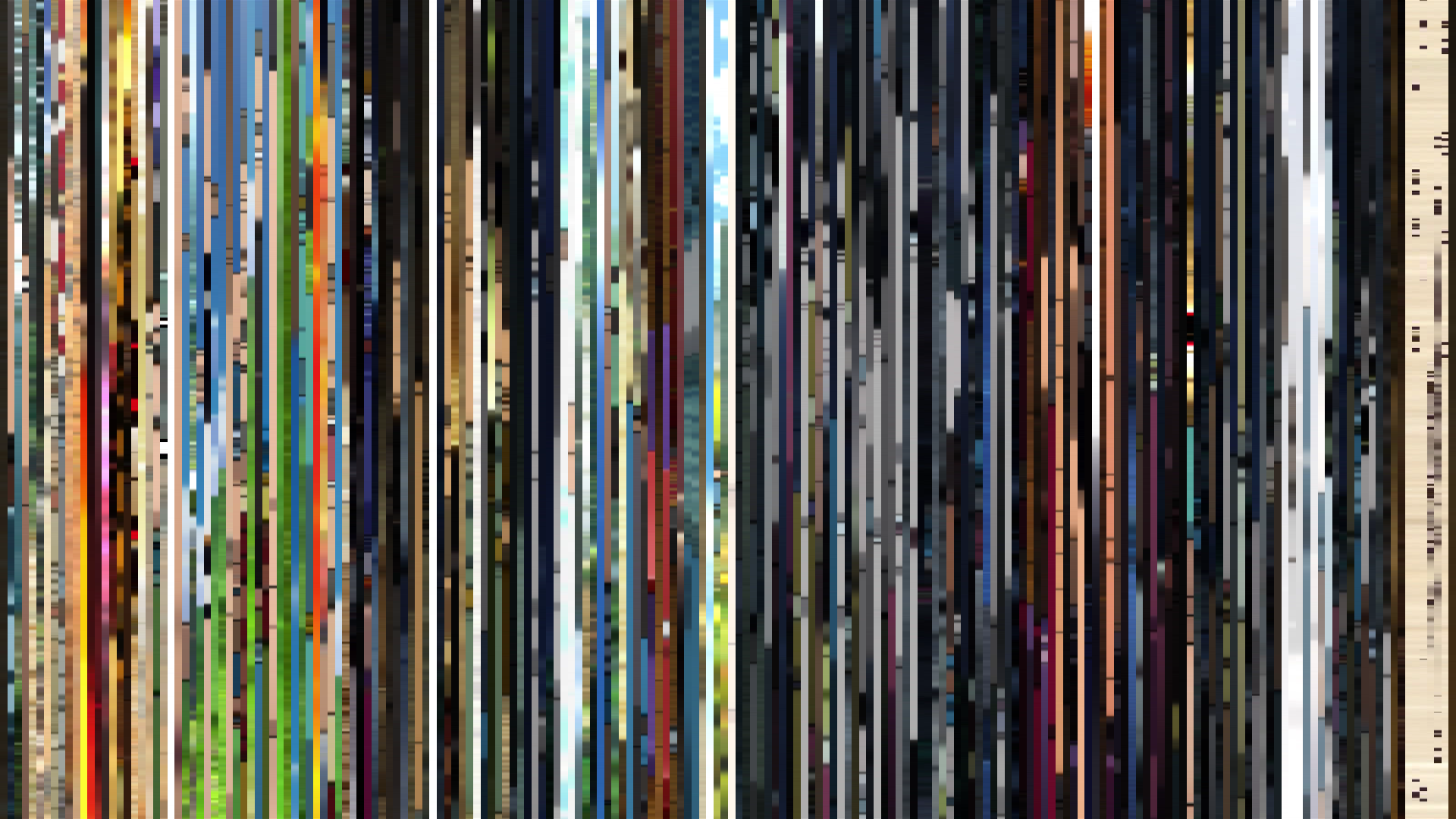
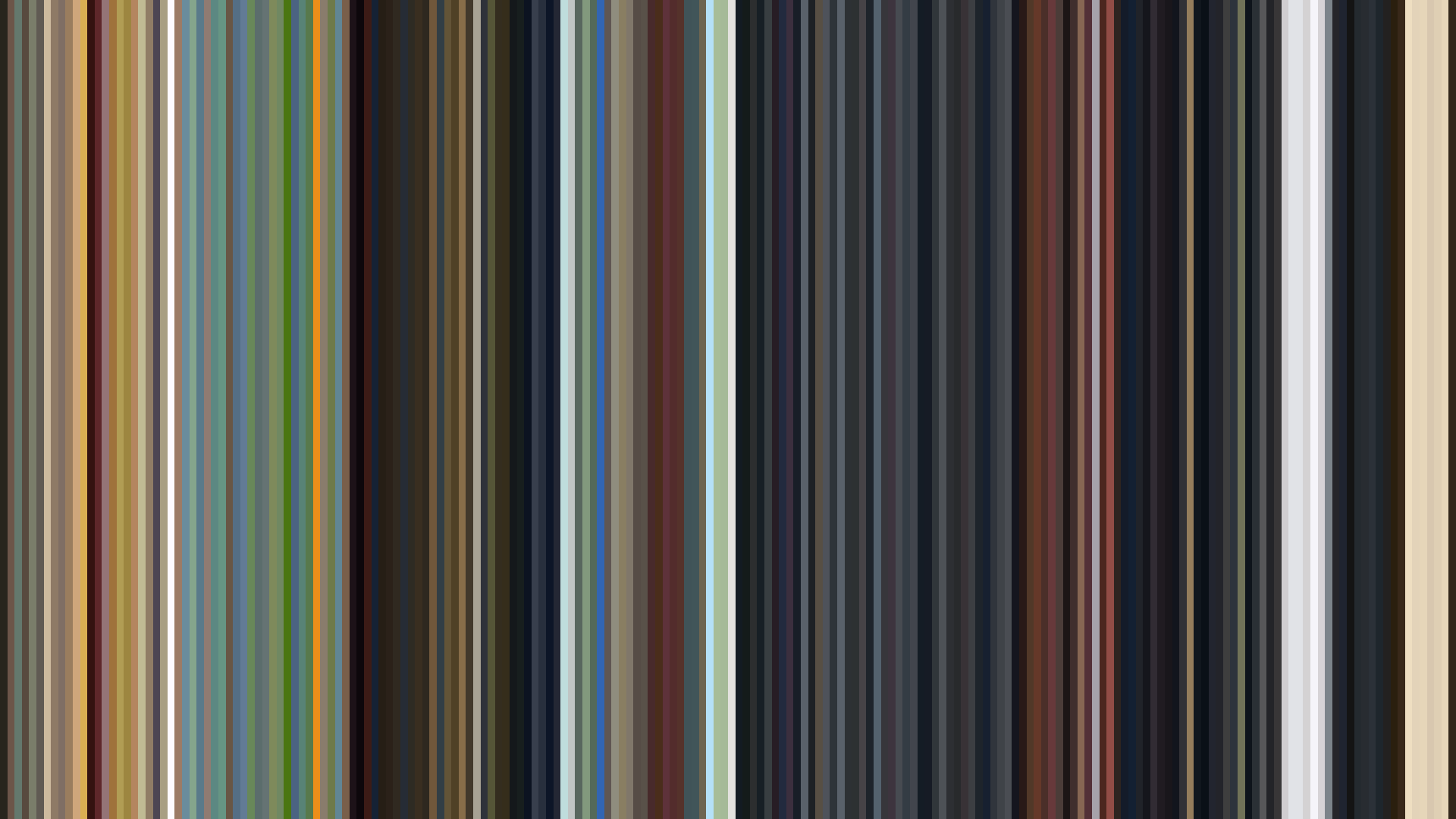
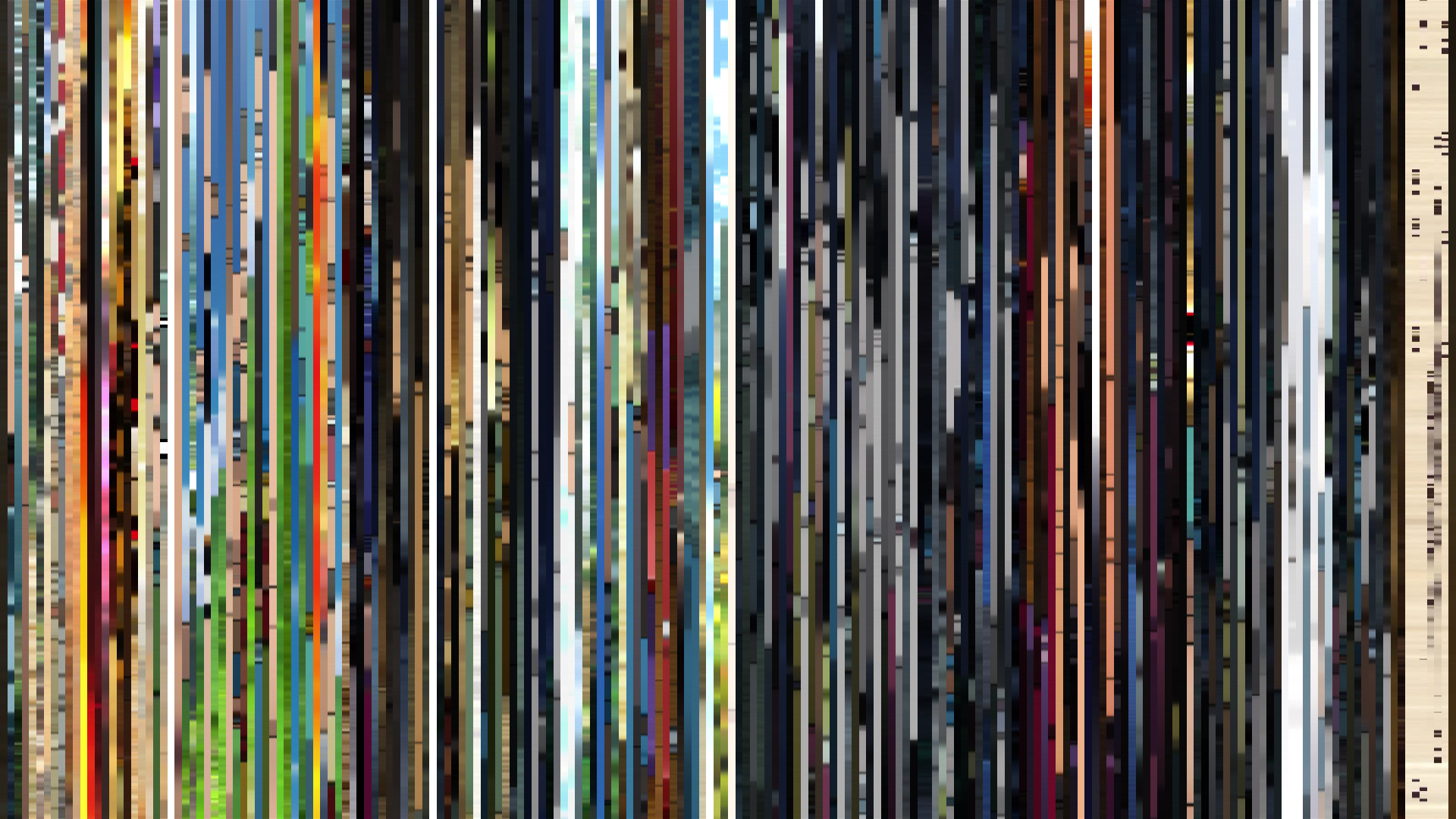
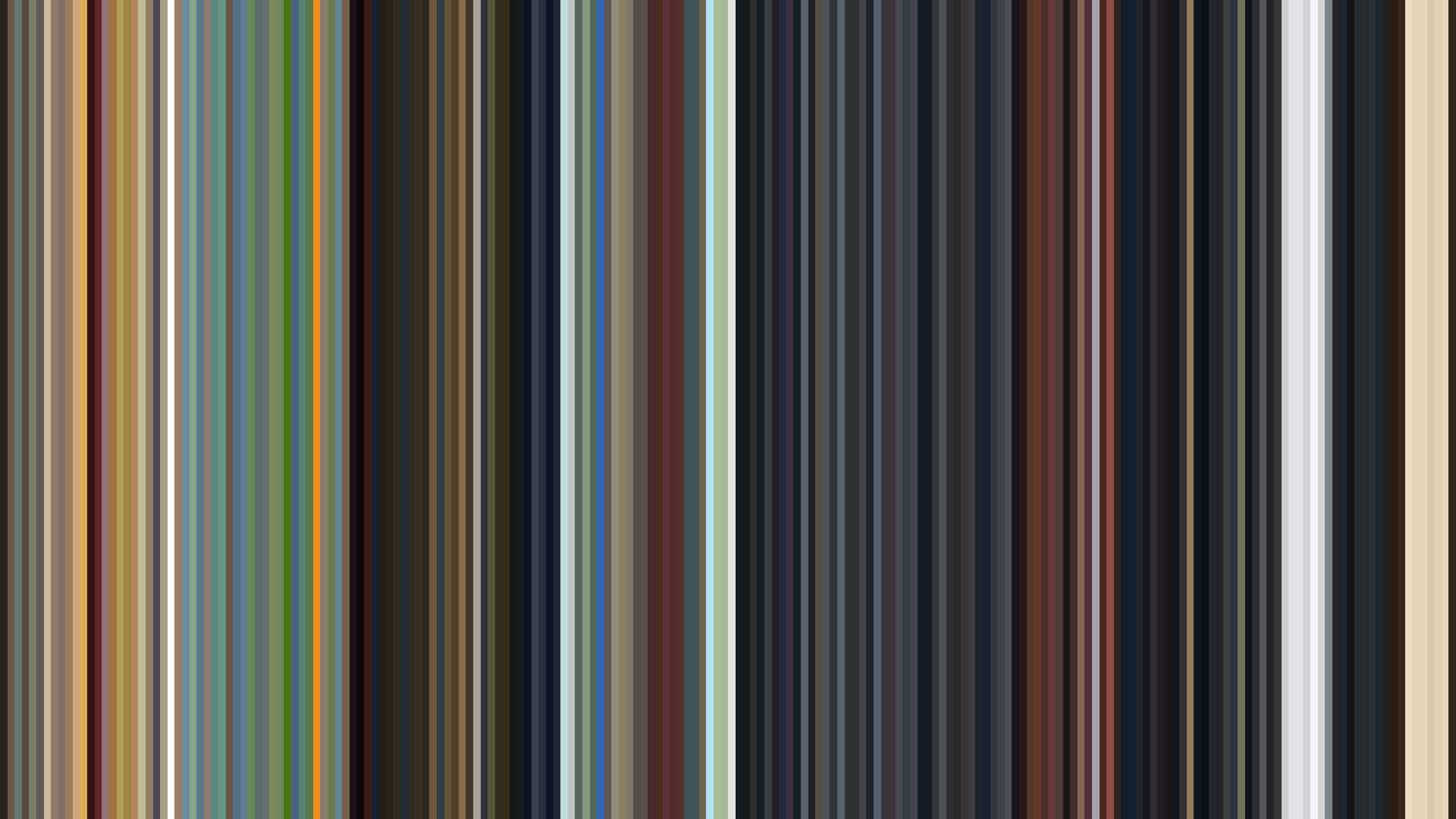
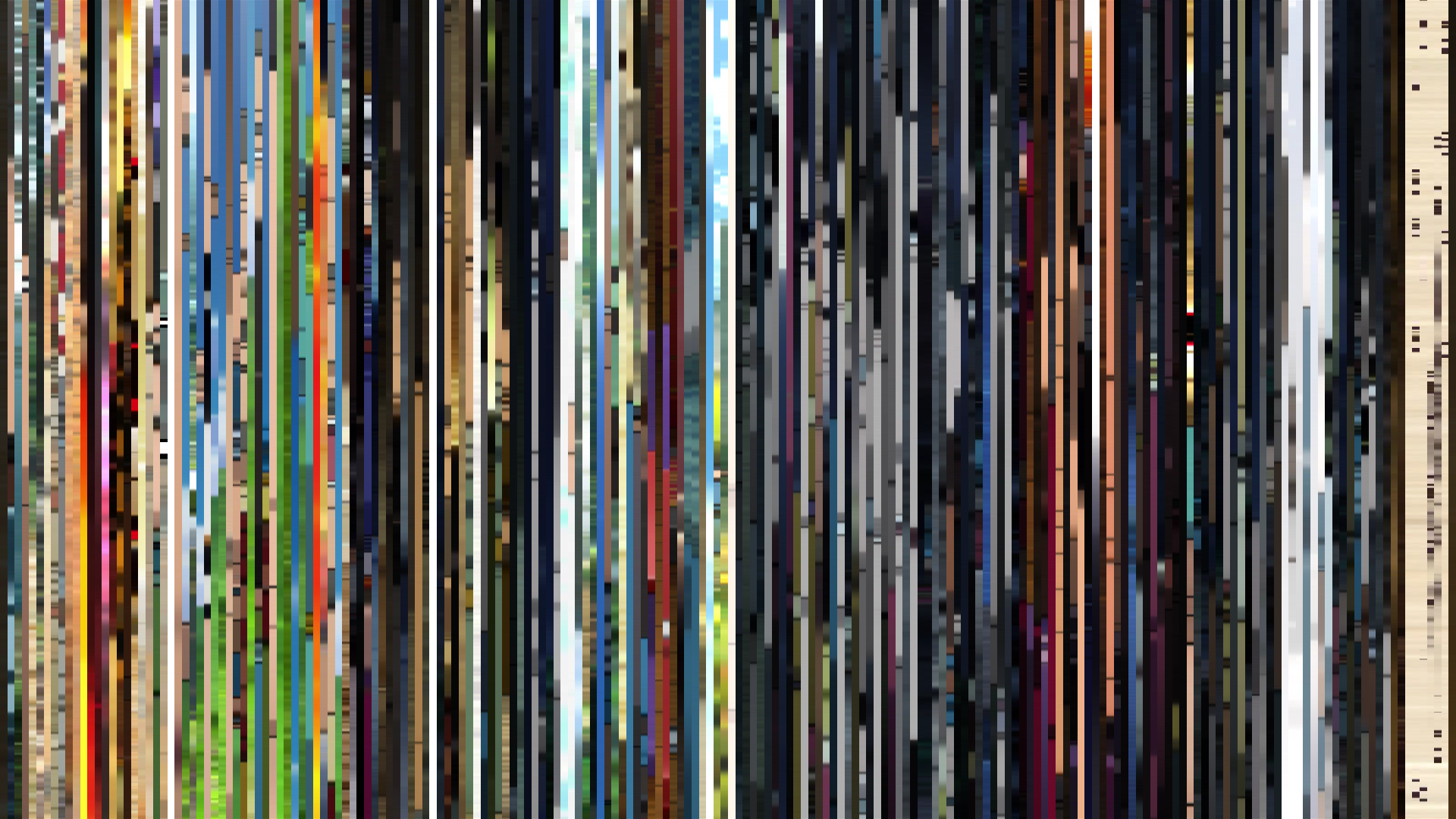
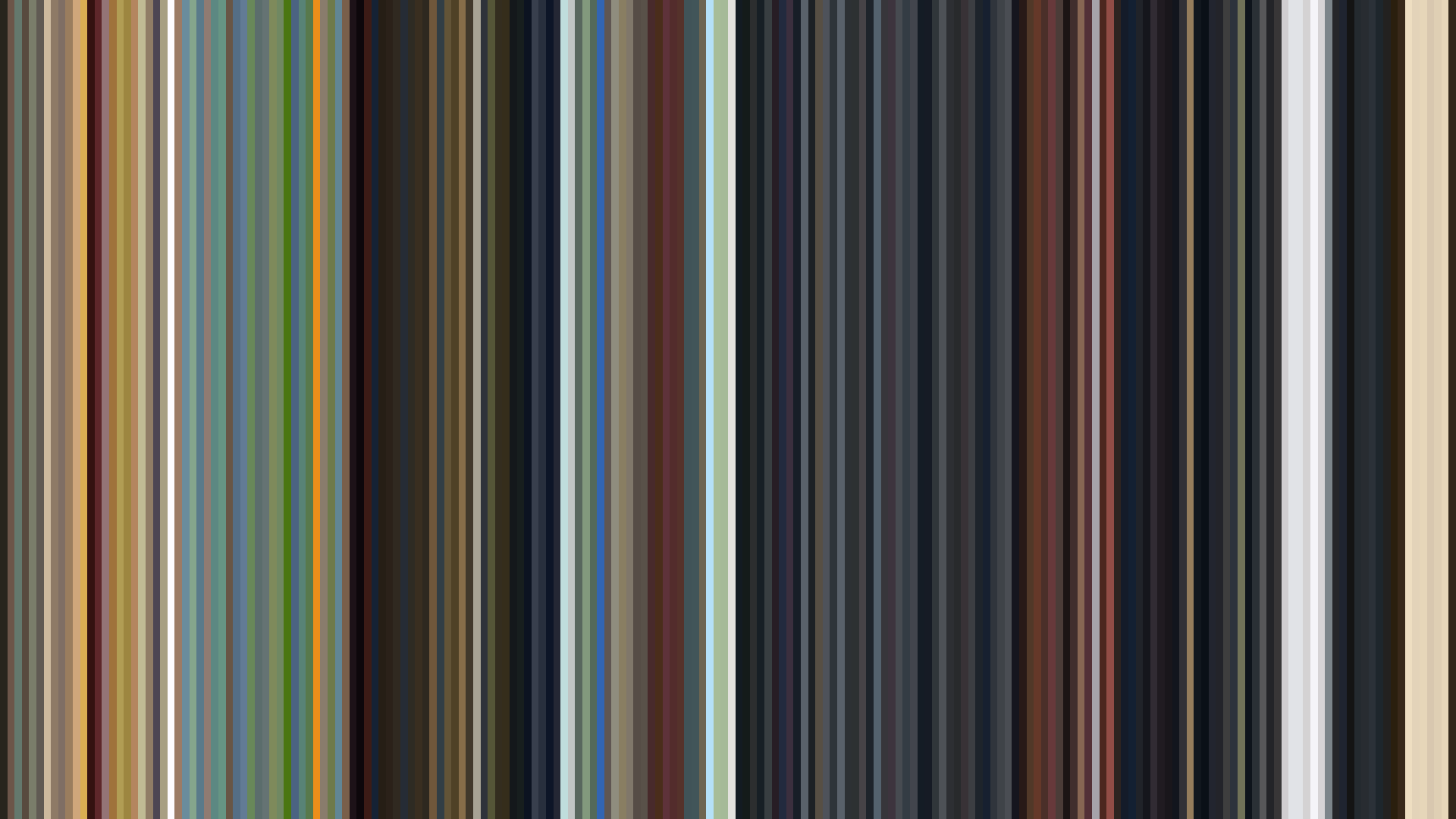
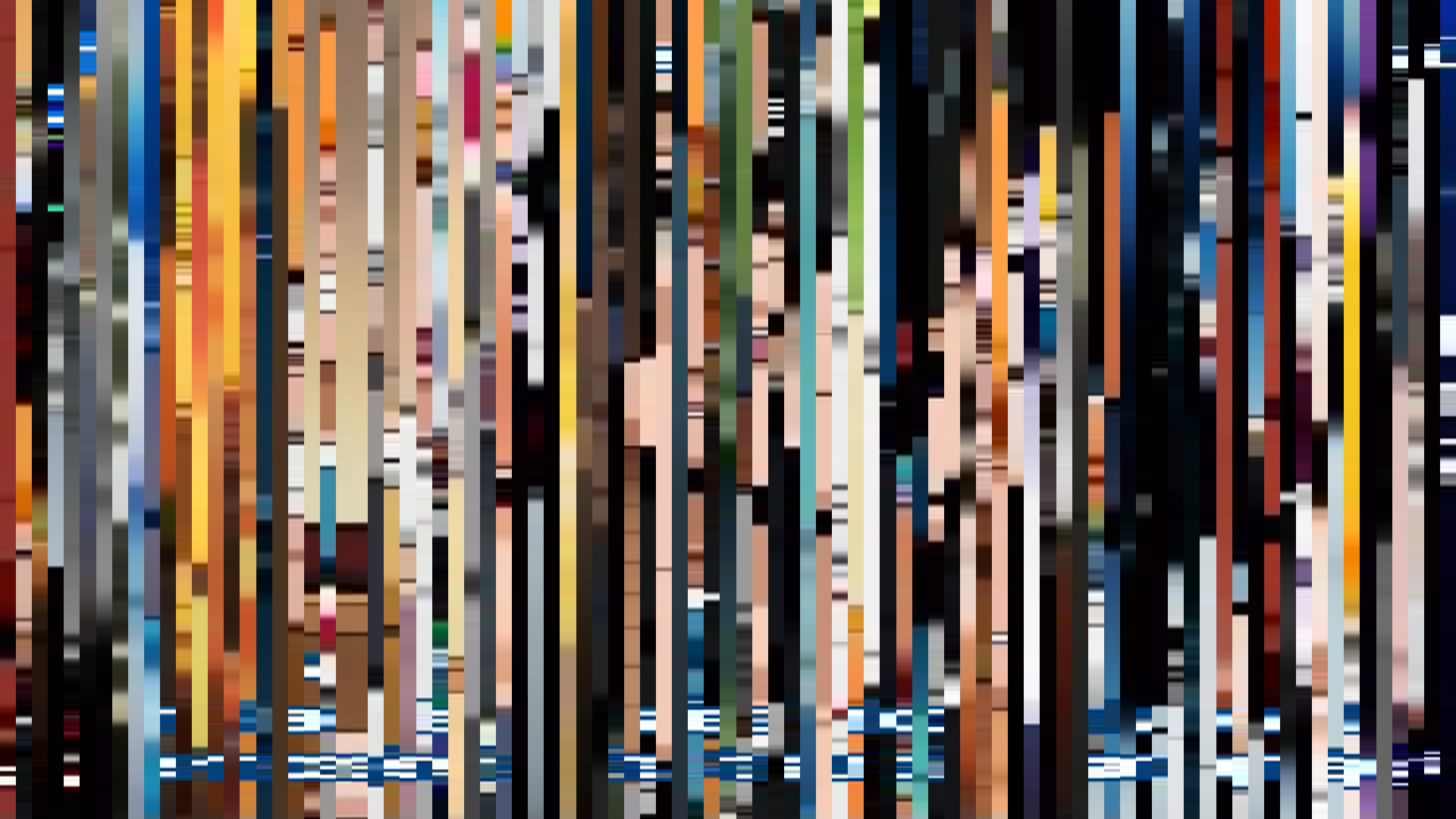
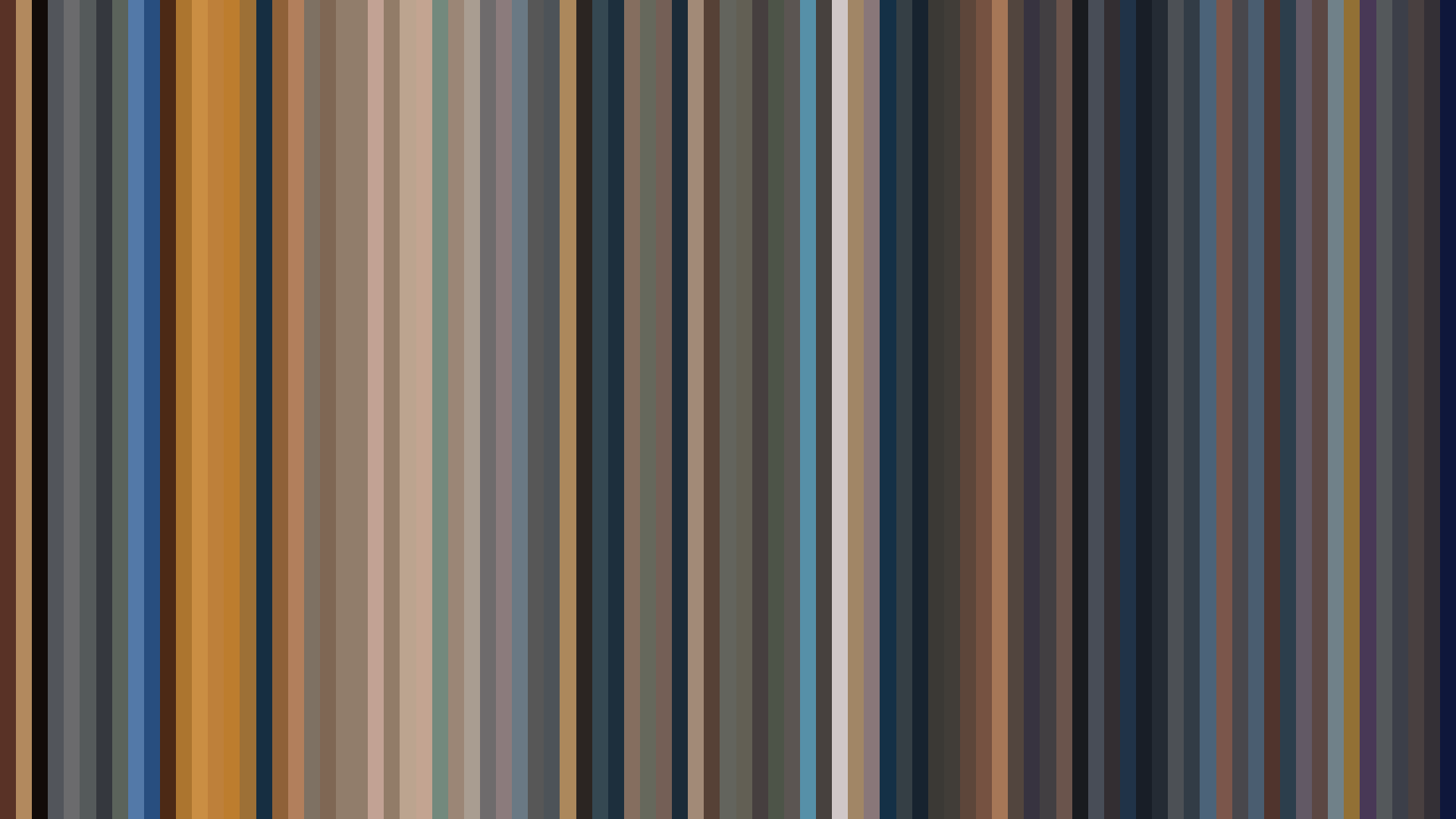
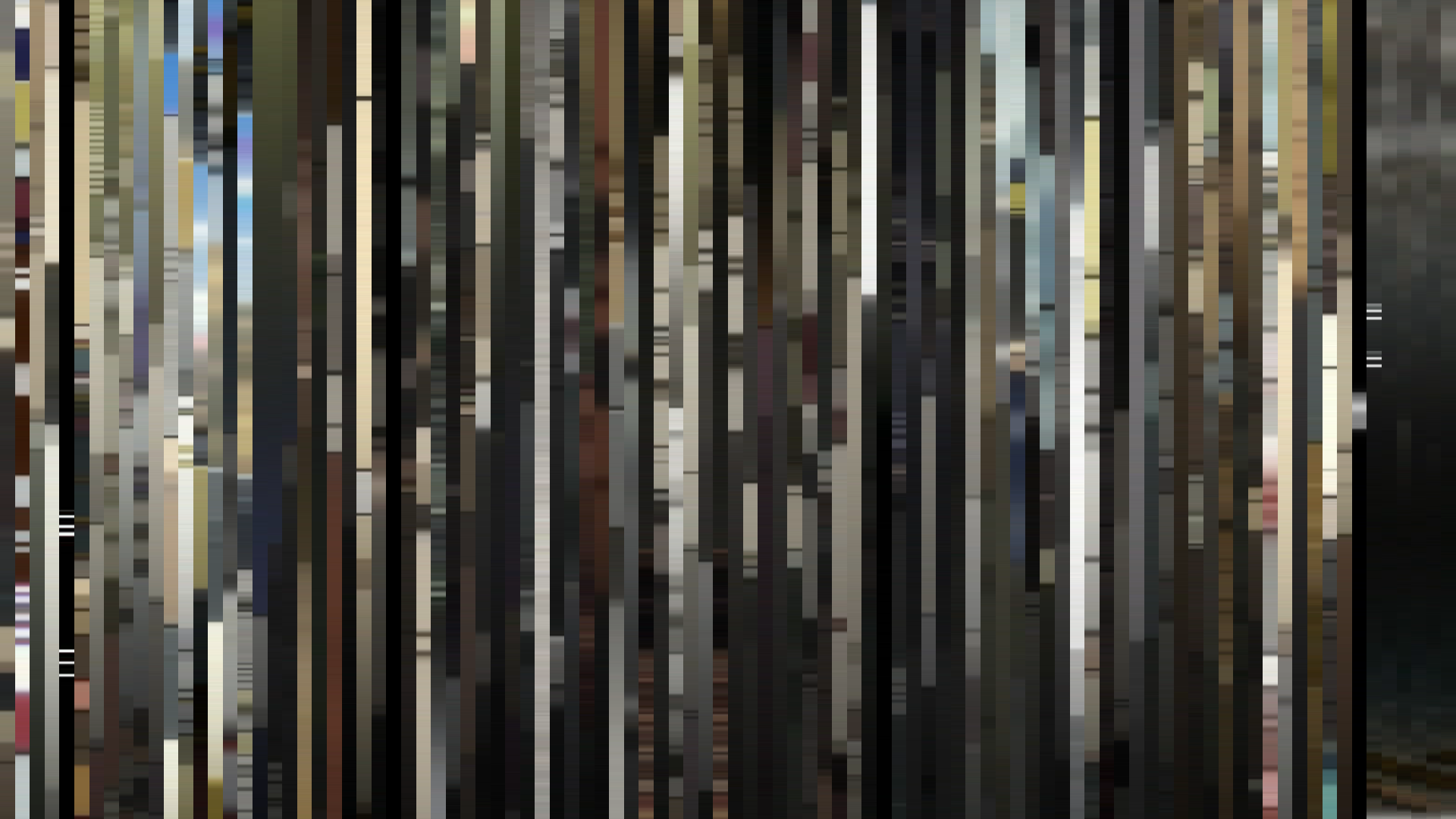
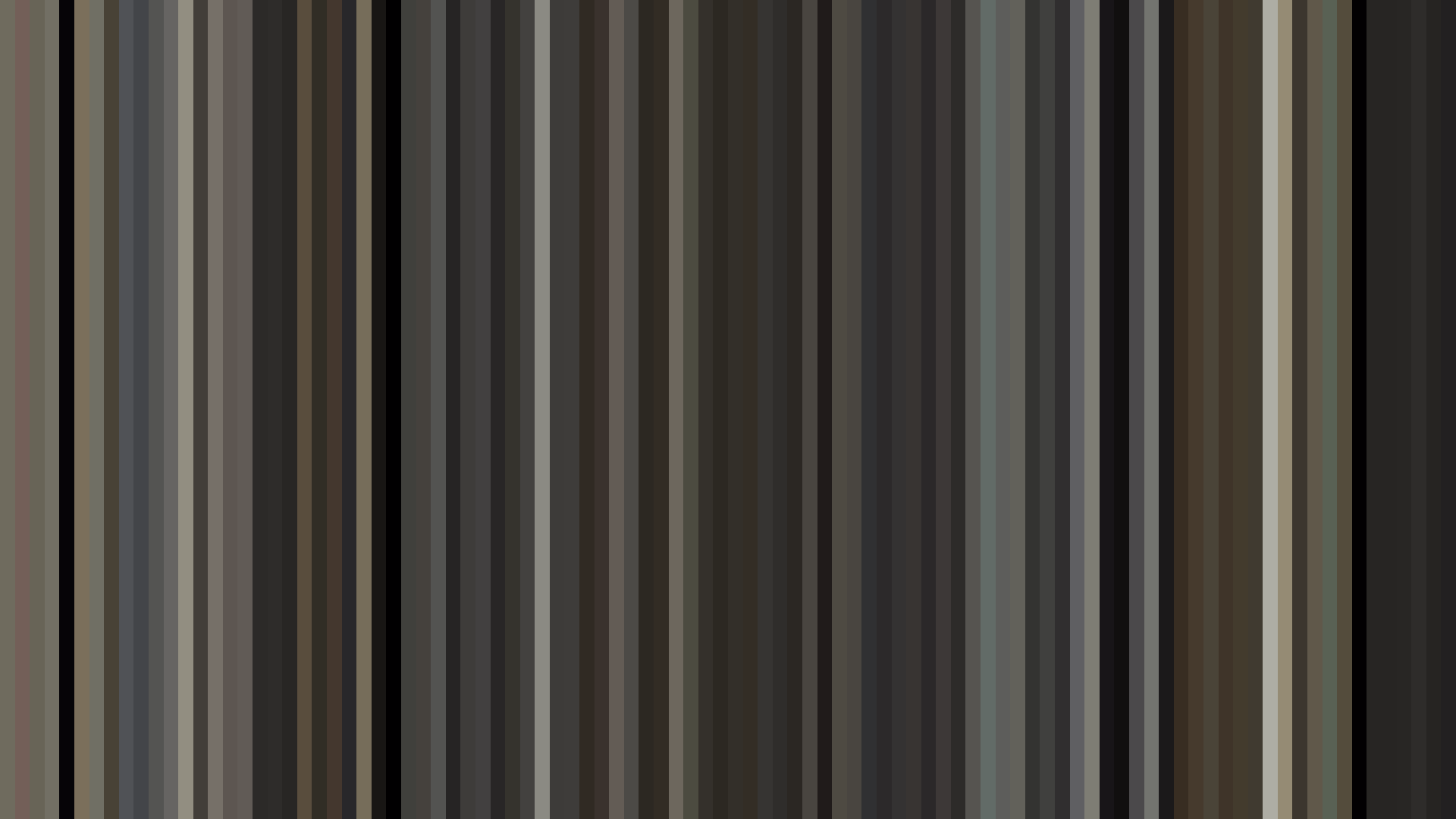
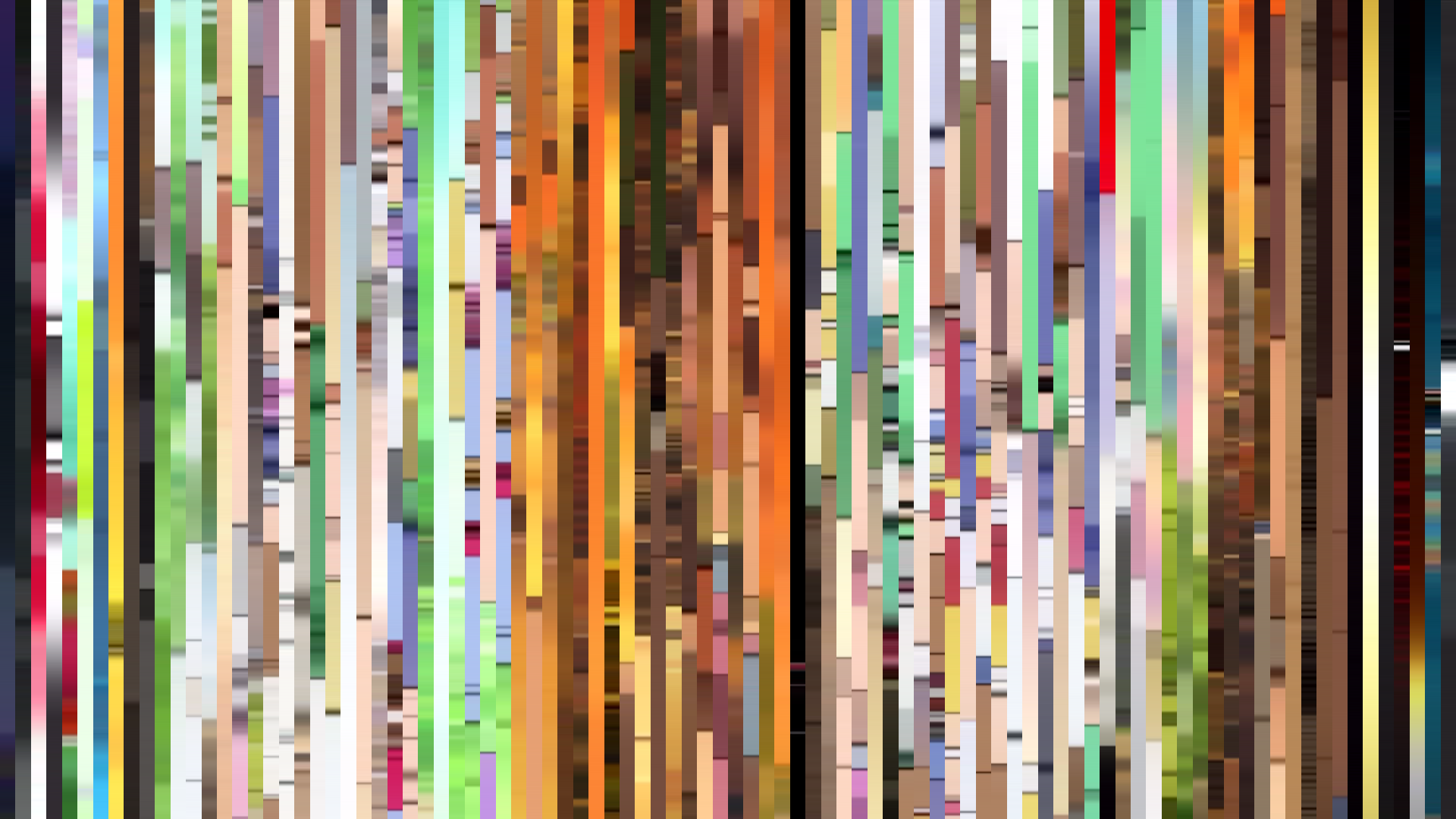
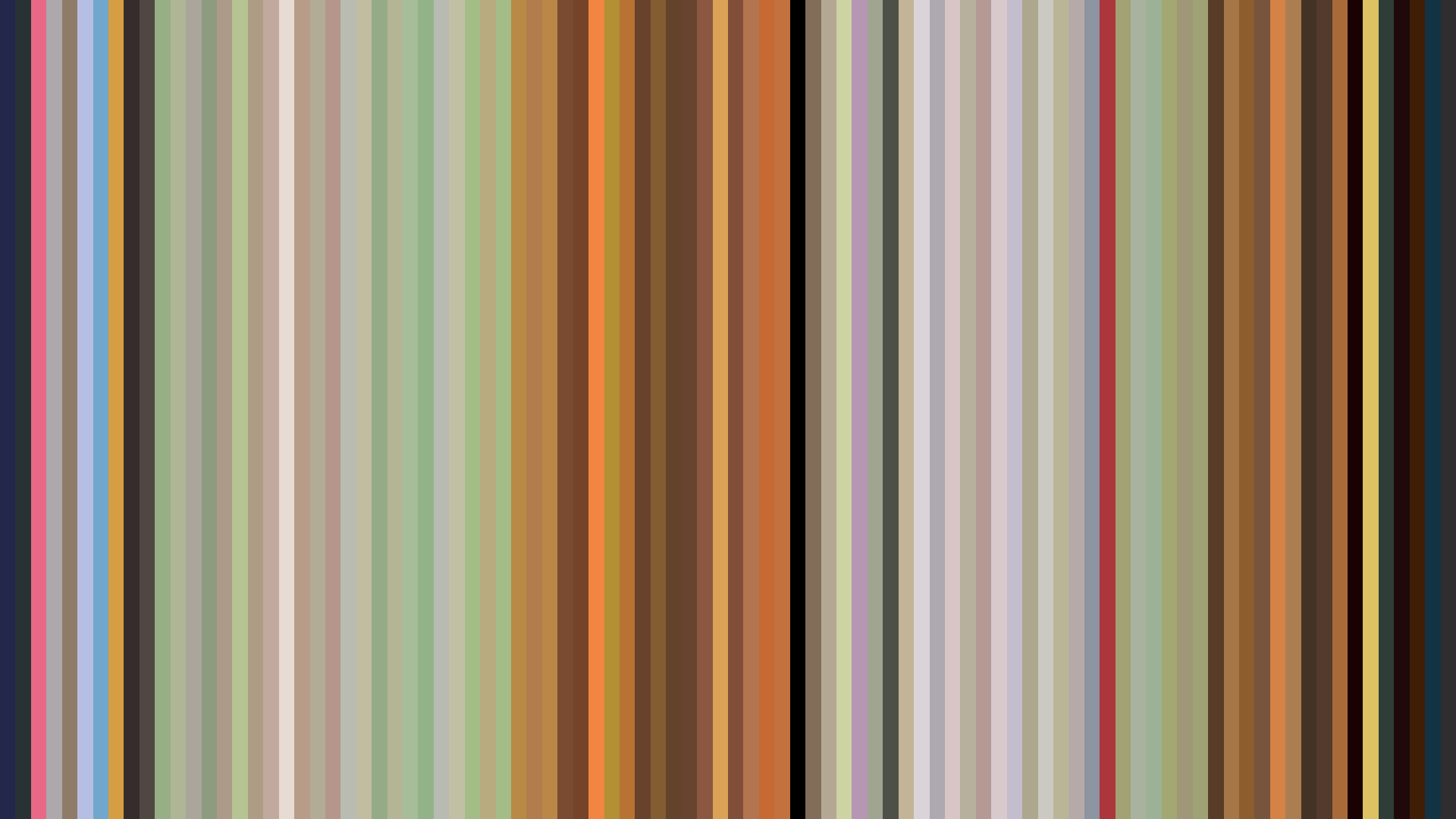
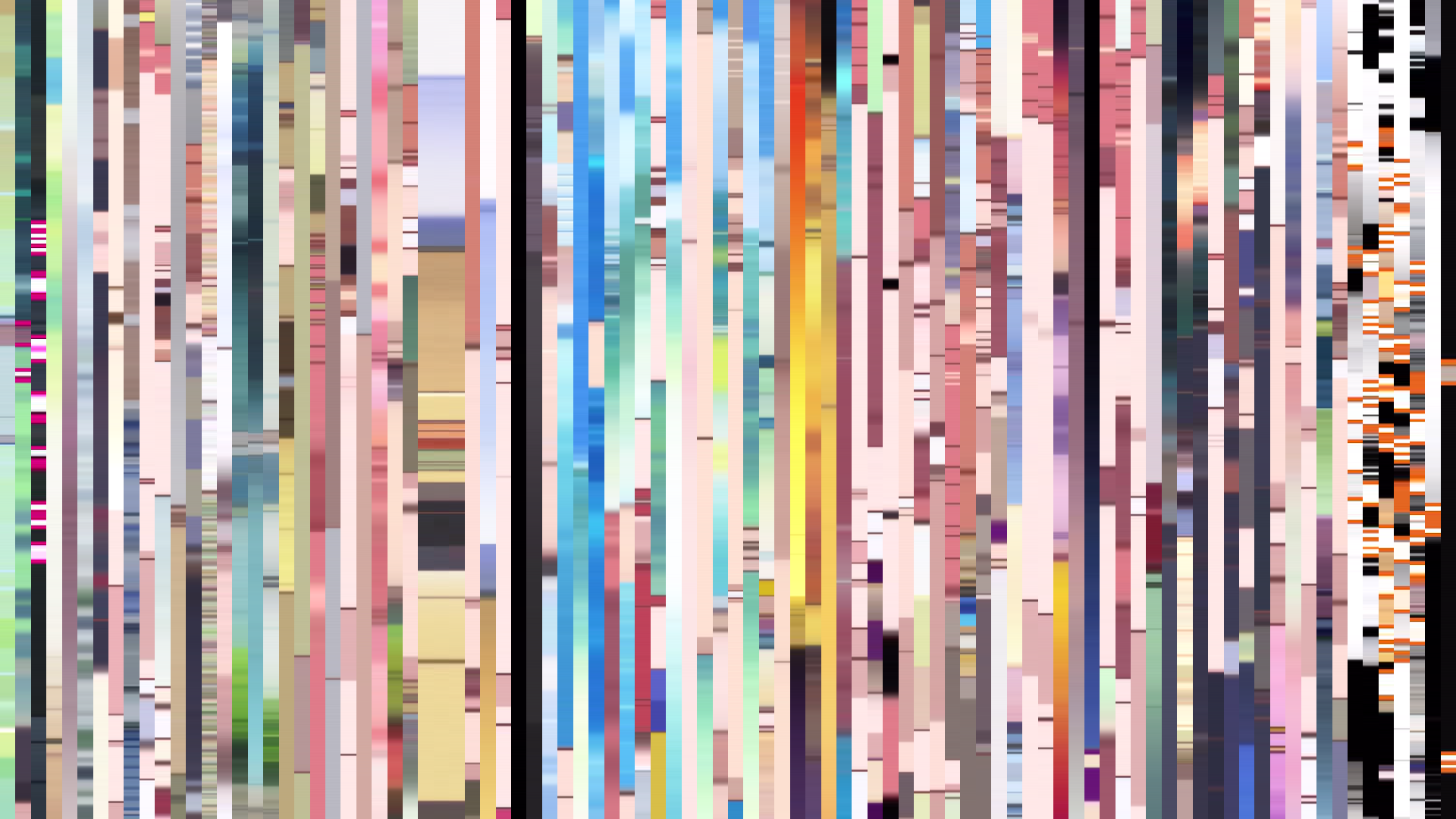
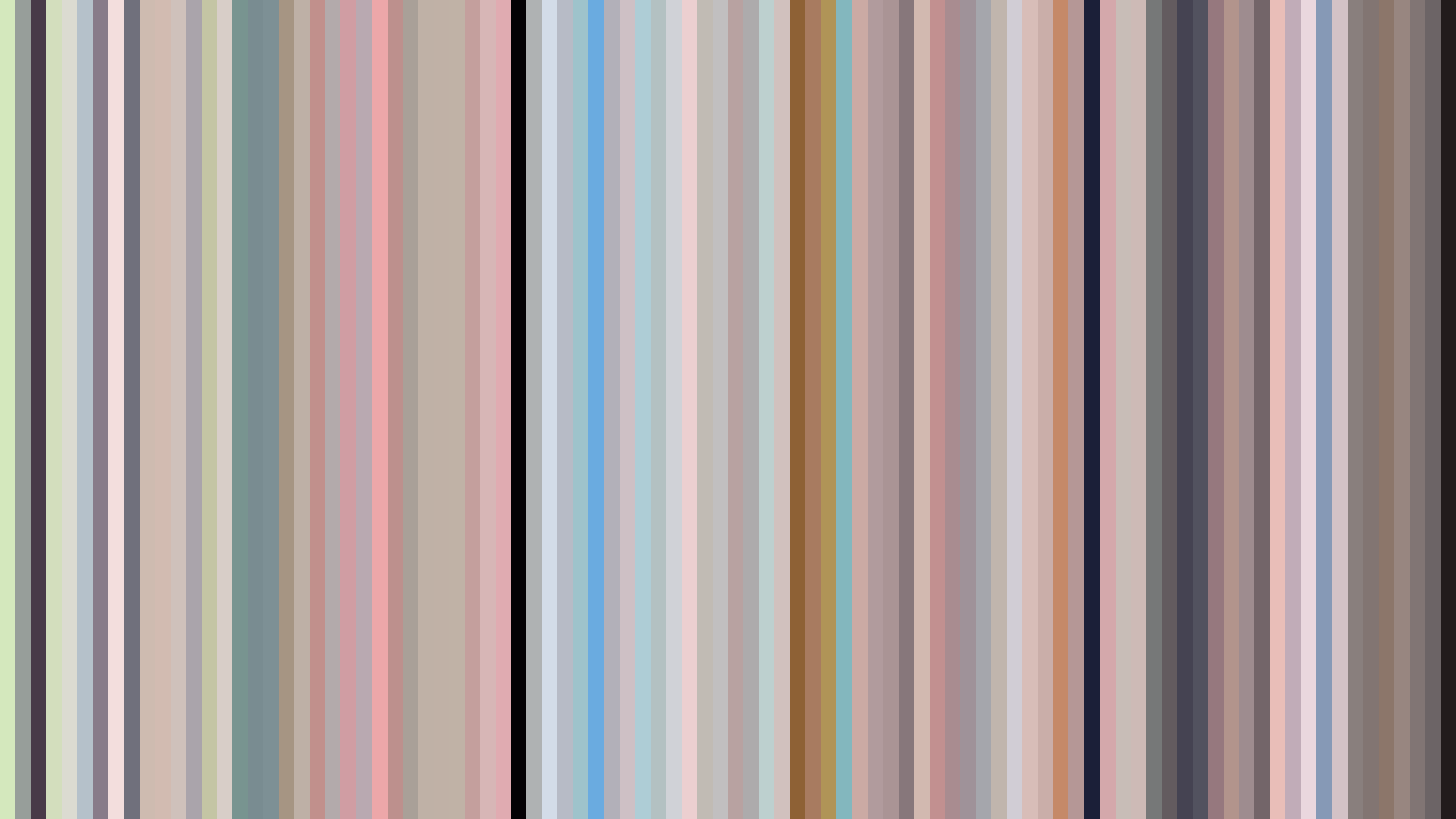
Frame Density Comparison — every 2nd vs every 4th frame
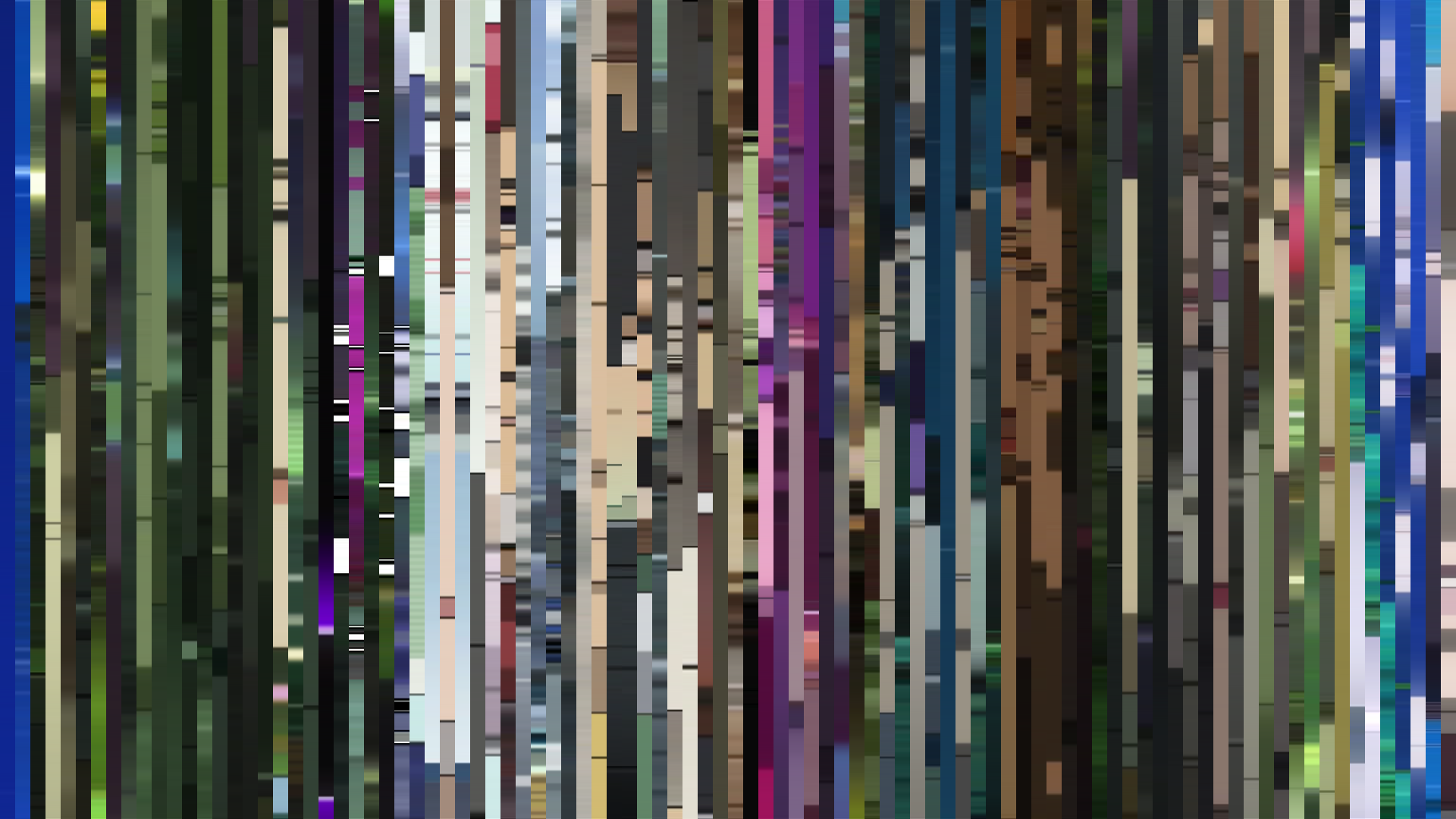
Slice · 15s
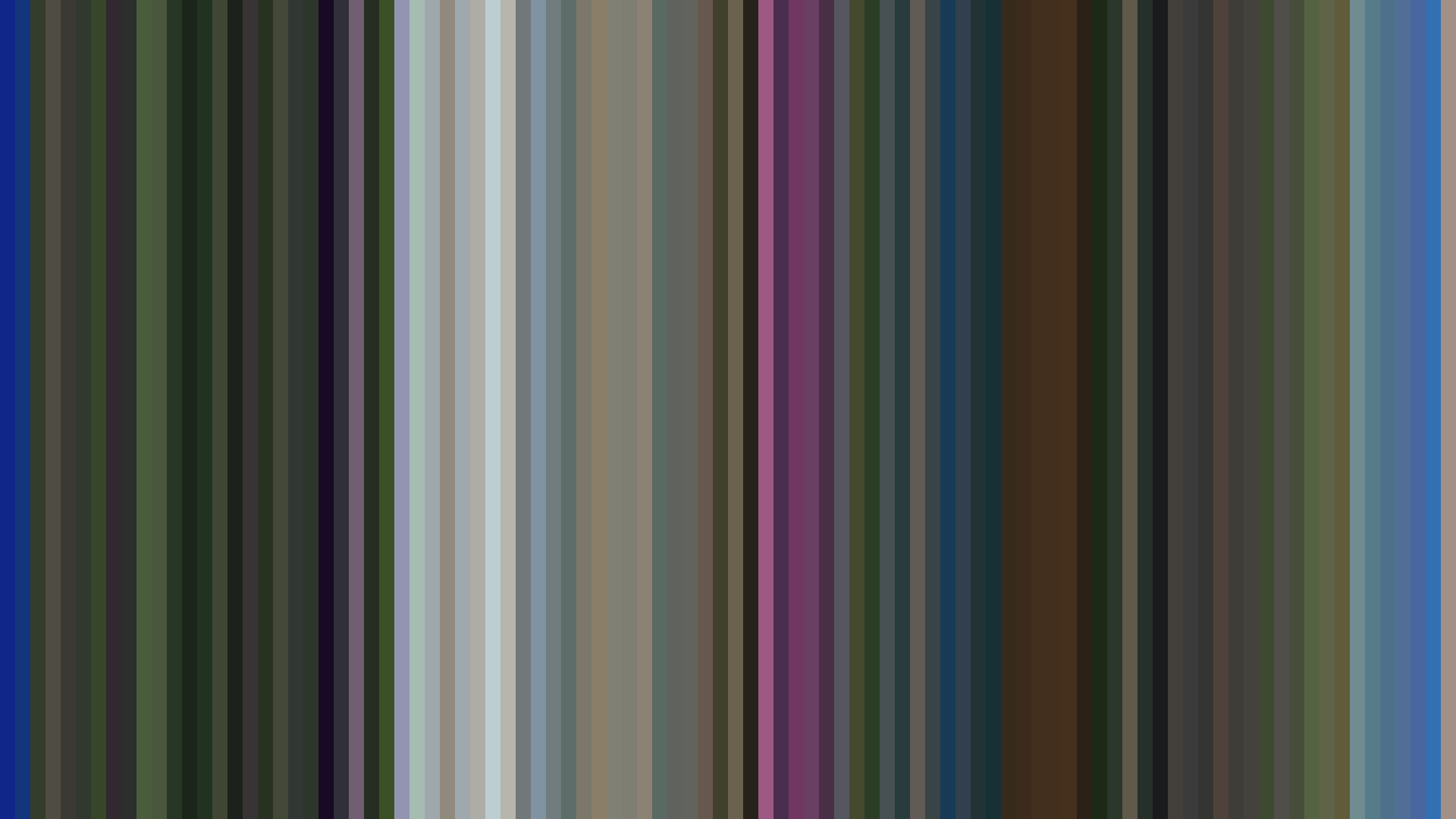
Avg · 15s
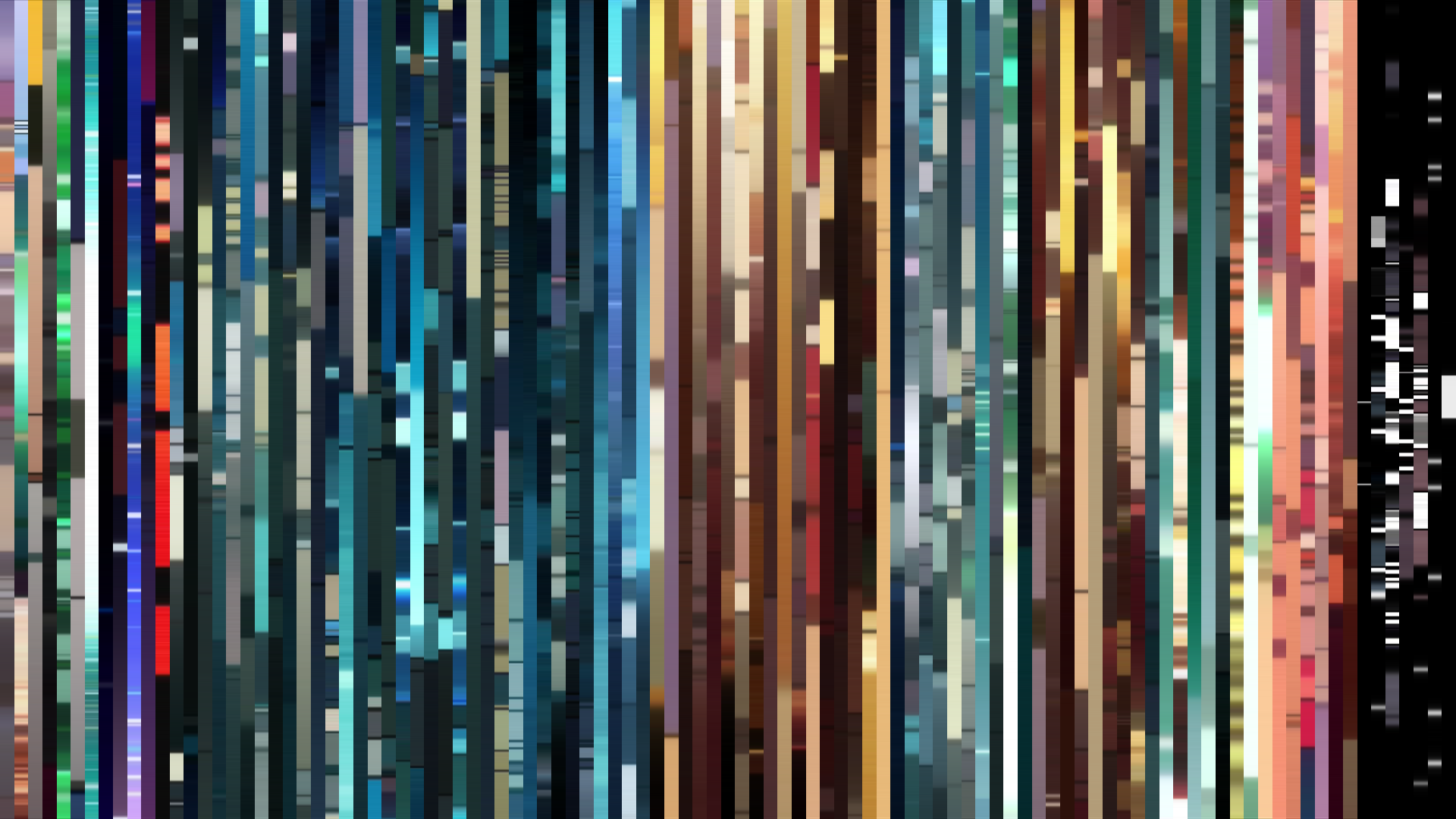
Slice · 30s
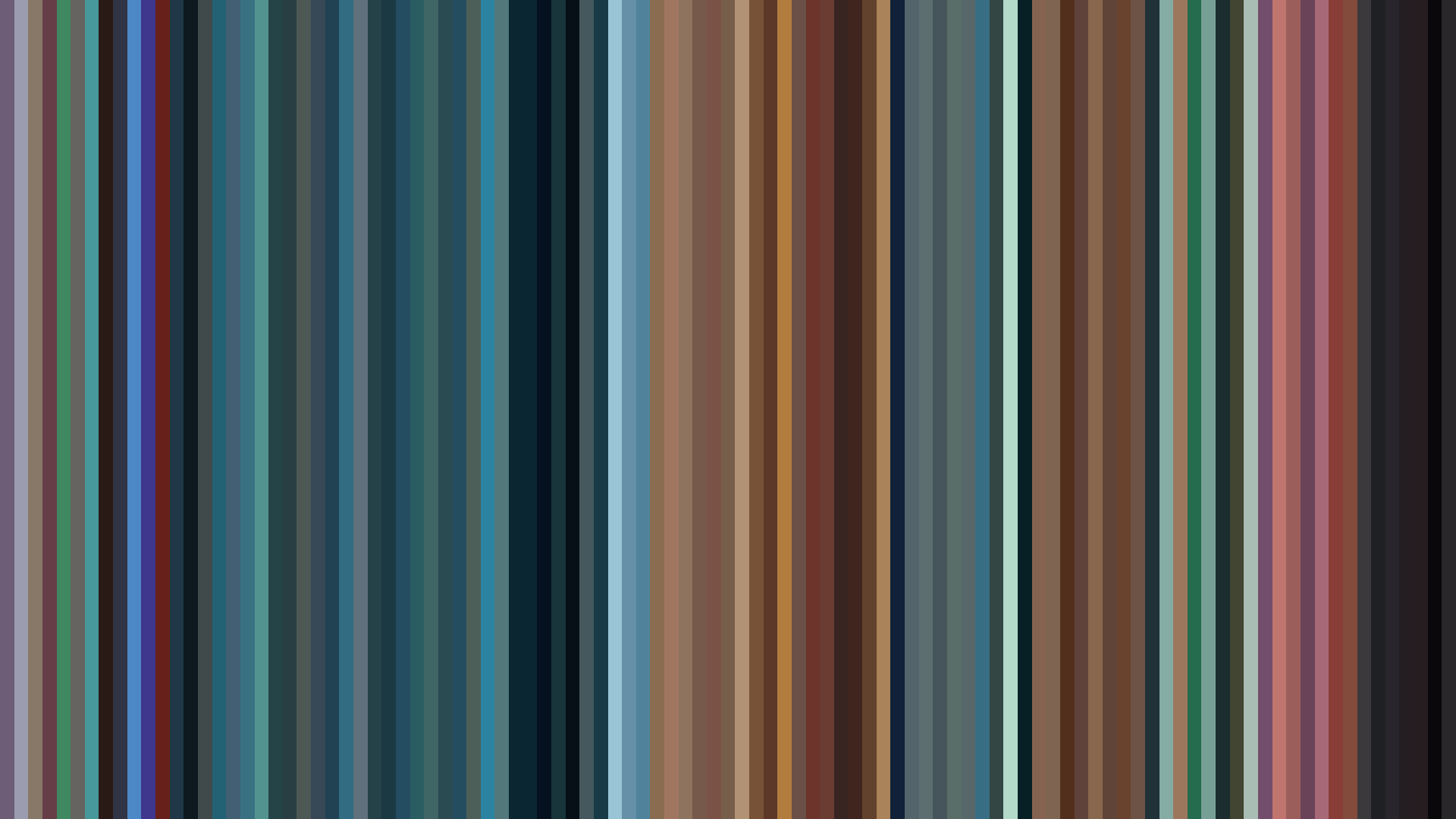
Avg · 30s
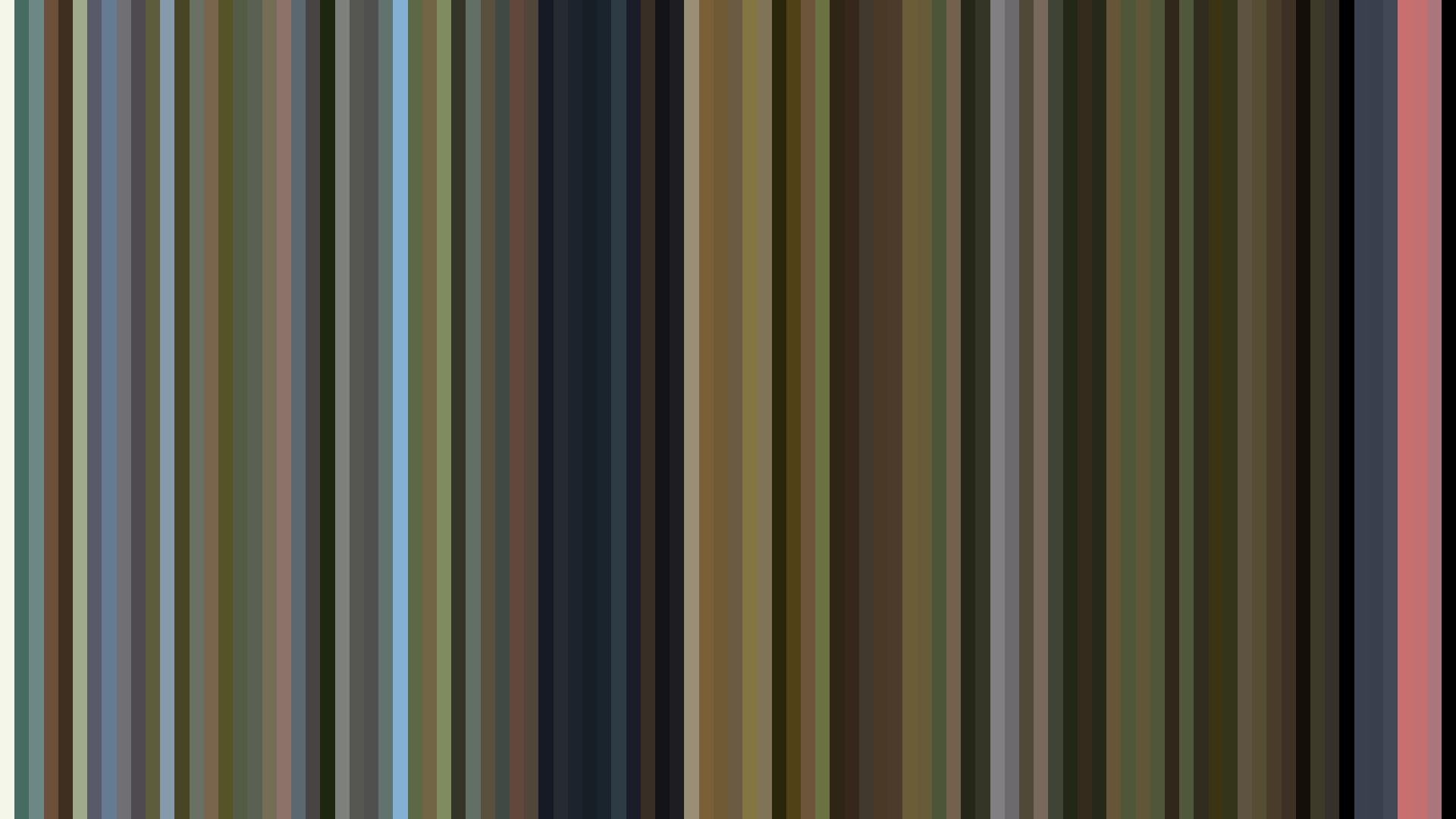
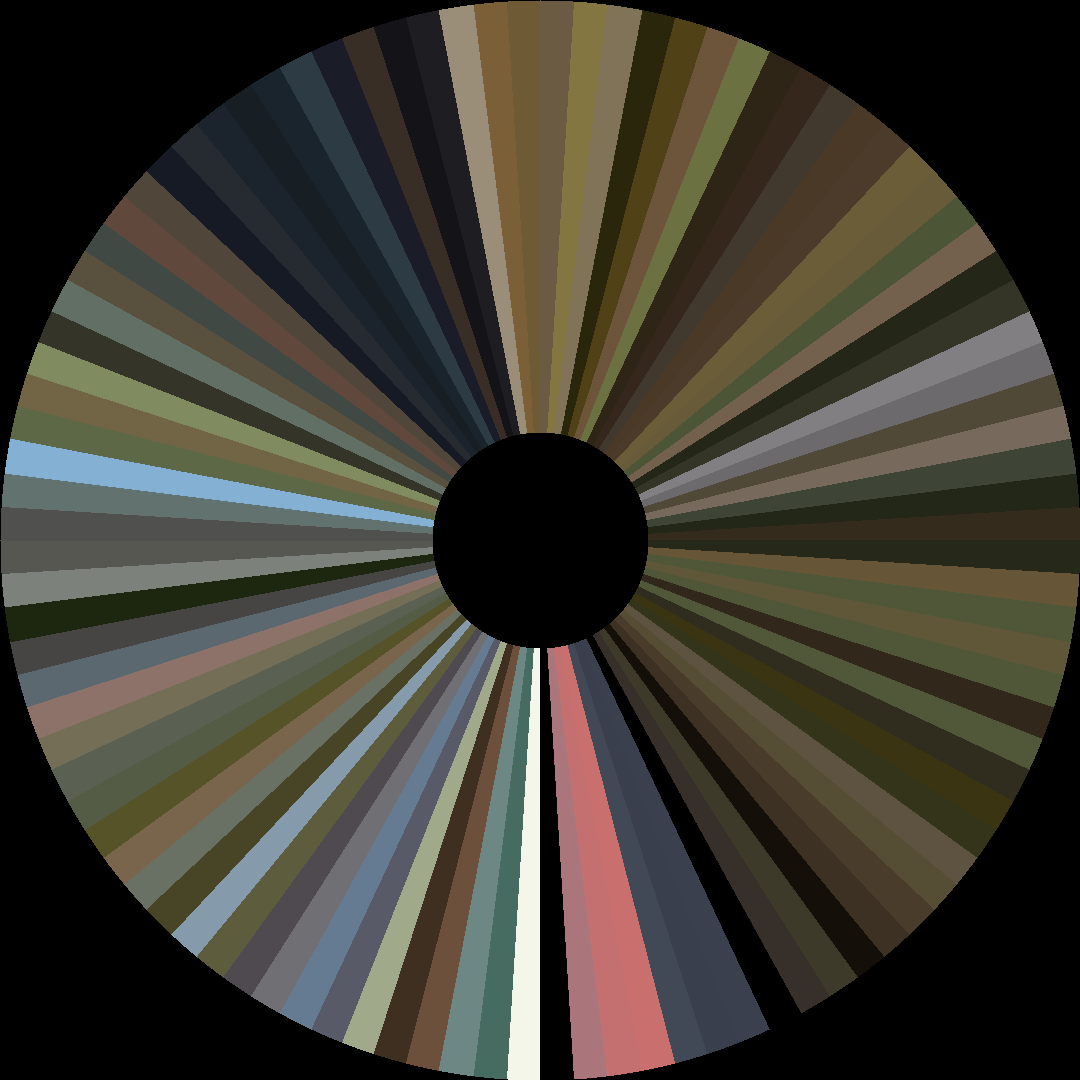
The data tells a story of deliberate gravity. *Moribito’s* palette is a study in muted earth tones—a near-monochromatic drift from #1E1D16’s pitch to #DFCFA8’s parchment—that grounds every frame in a tactile, almost dusty realism. The dark opening arc is a masterstroke, not a flaw: Production I.G and director Kenji Kamiyama refuse the typical hook of a bright, inviting first act. Instead, Balsa’s world begins in the shadow of a churning river and a bloodied past, with the brightness dropping from 0.421 to a sustained 0.305 through the middle and closing acts. That Red-Orange dominance (38%) isn’t warmth; it’s the color of clay, sunbaked skin, and dried blood on steel. Where *Utena* uses color as theatrical misdirection, *Moribito* uses it as environmental truth. The palette forgoes the saturated fantasy palettes of its era for a grounded, almost documentary-like palette, making the magic of the water spirit feel like a geological event rather than a spectacle. The show never brightens because its world requires no redemption arc—only endurance.
Brightness Arc (episode progression)
Hue Distribution
Act Breakdown
Opening
0.421
Middle
0.305
Closing
0.312
Avg Brightness
0.339
Avg Saturation
0.333
Warmth
0.557
Color Palette
#1E1D16
#605C54
#584E2B
#DFCFA8
#493223
#A09E94
#E7E9E2
#CFB294
3-Act Color Story
Opening
Middle
Closing
Color Twins
Perceptually nearest palettes — measured in OKLab space, not RGB






The data tells a story of deliberate gravity. *Moribito’s* palette is a study in muted earth tones—a near-monochromatic drift from #1E1D16’s pitch to #DFCFA8’s parchment—that grounds every frame in a tactile, almost dusty realism. The dark opening arc is a masterstroke, not a flaw: Production I.G and director Kenji Kamiyama refuse the typical hook of a bright, inviting first act. Instead, Balsa’s world begins in the shadow of a churning river and a bloodied past, with the brightness dropping from 0.421 to a sustained 0.305 through the middle and closing acts. That Red-Orange dominance (38%) isn’t warmth; it’s the color of clay, sunbaked skin, and dried blood on steel. Where *Utena* uses color as theatrical misdirection, *Moribito* uses it as environmental truth. The palette forgoes the saturated fantasy palettes of its era for a grounded, almost documentary-like palette, making the magic of the water spirit feel like a geological event rather than a spectacle. The show never brightens because its world requires no redemption arc—only endurance.