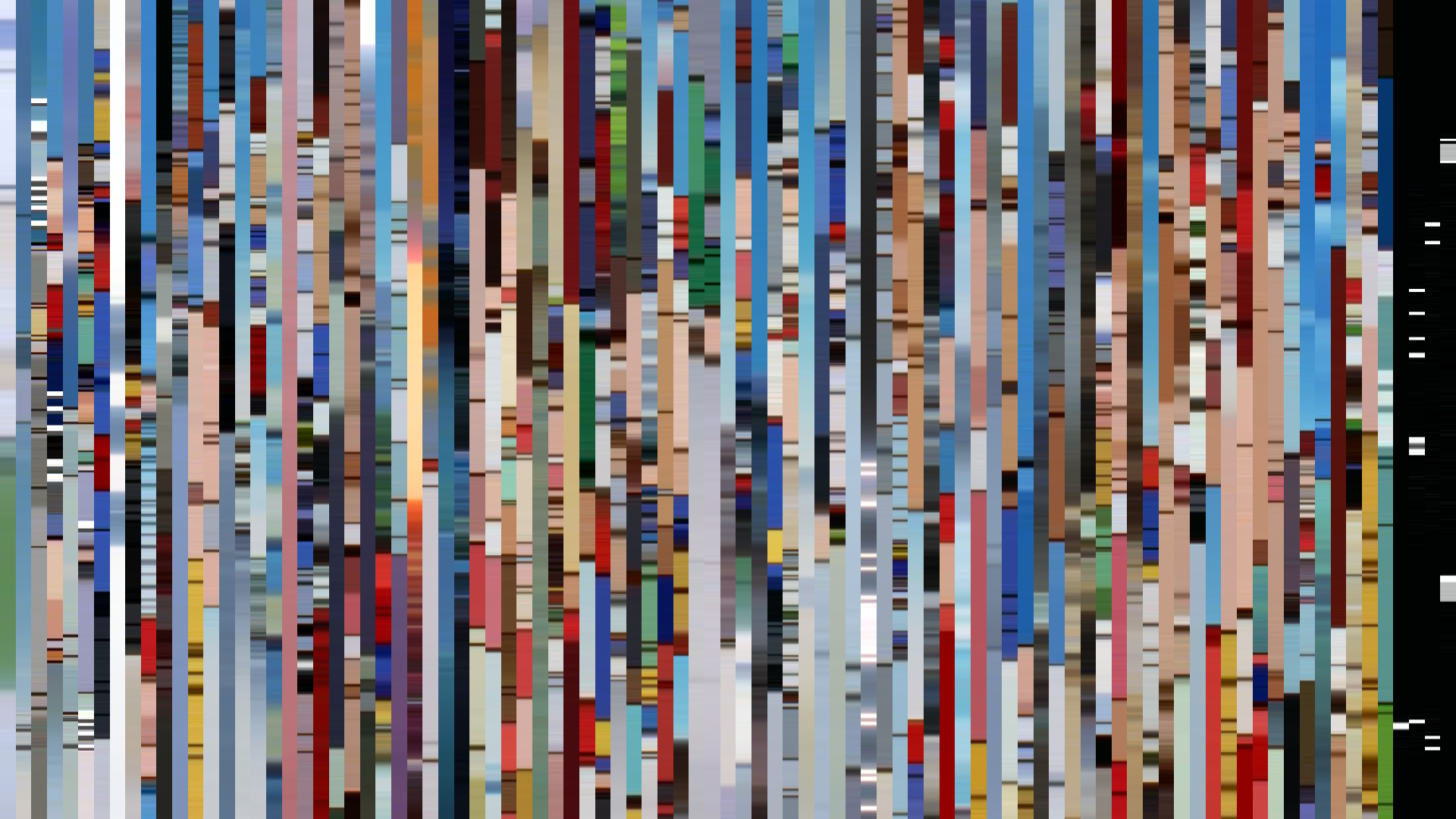
Edit Pace — frame-to-frame color delta (bright = fast cuts)
Color Temperature — warm (gold) vs cool (teal) per frame
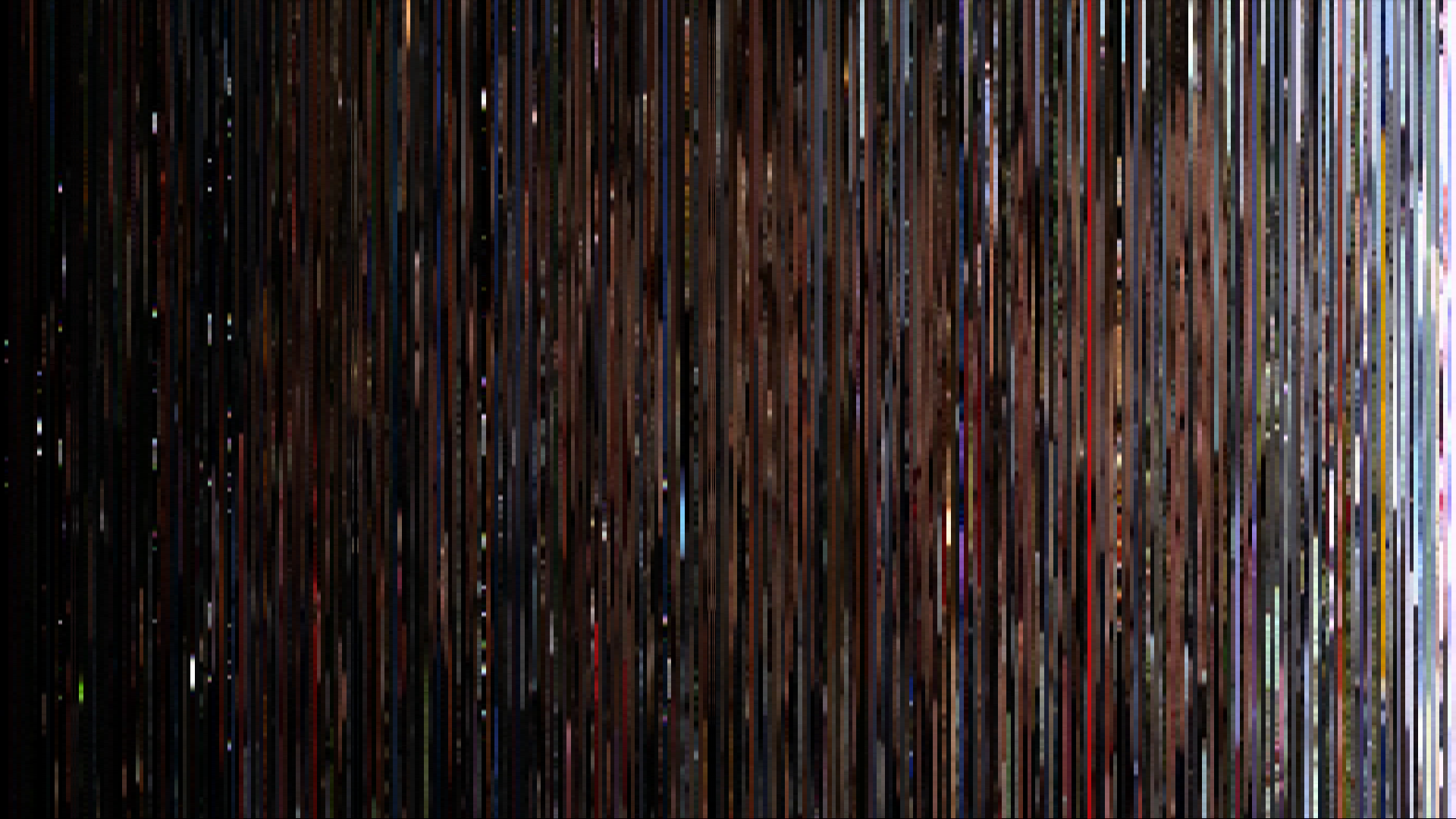
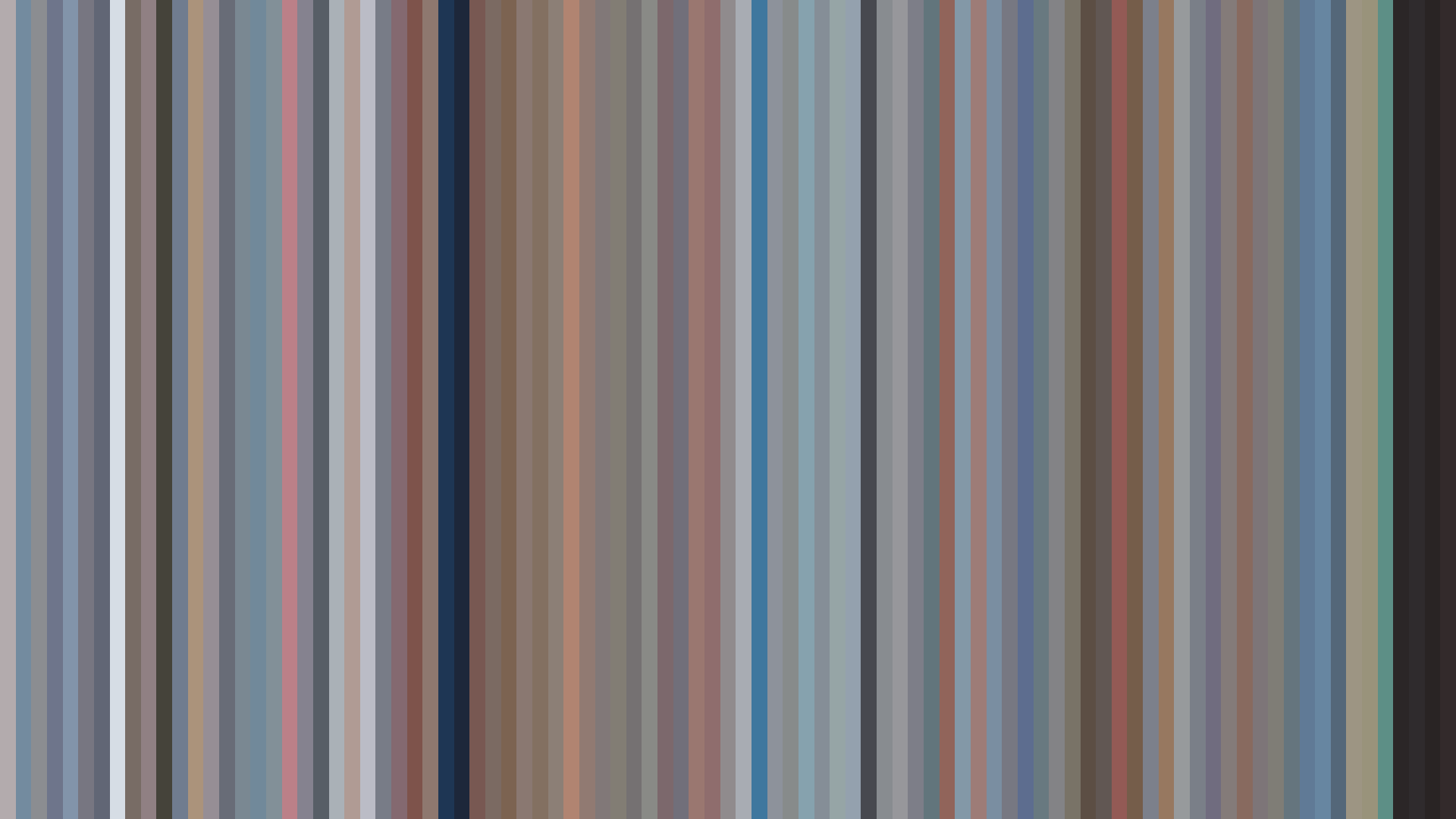
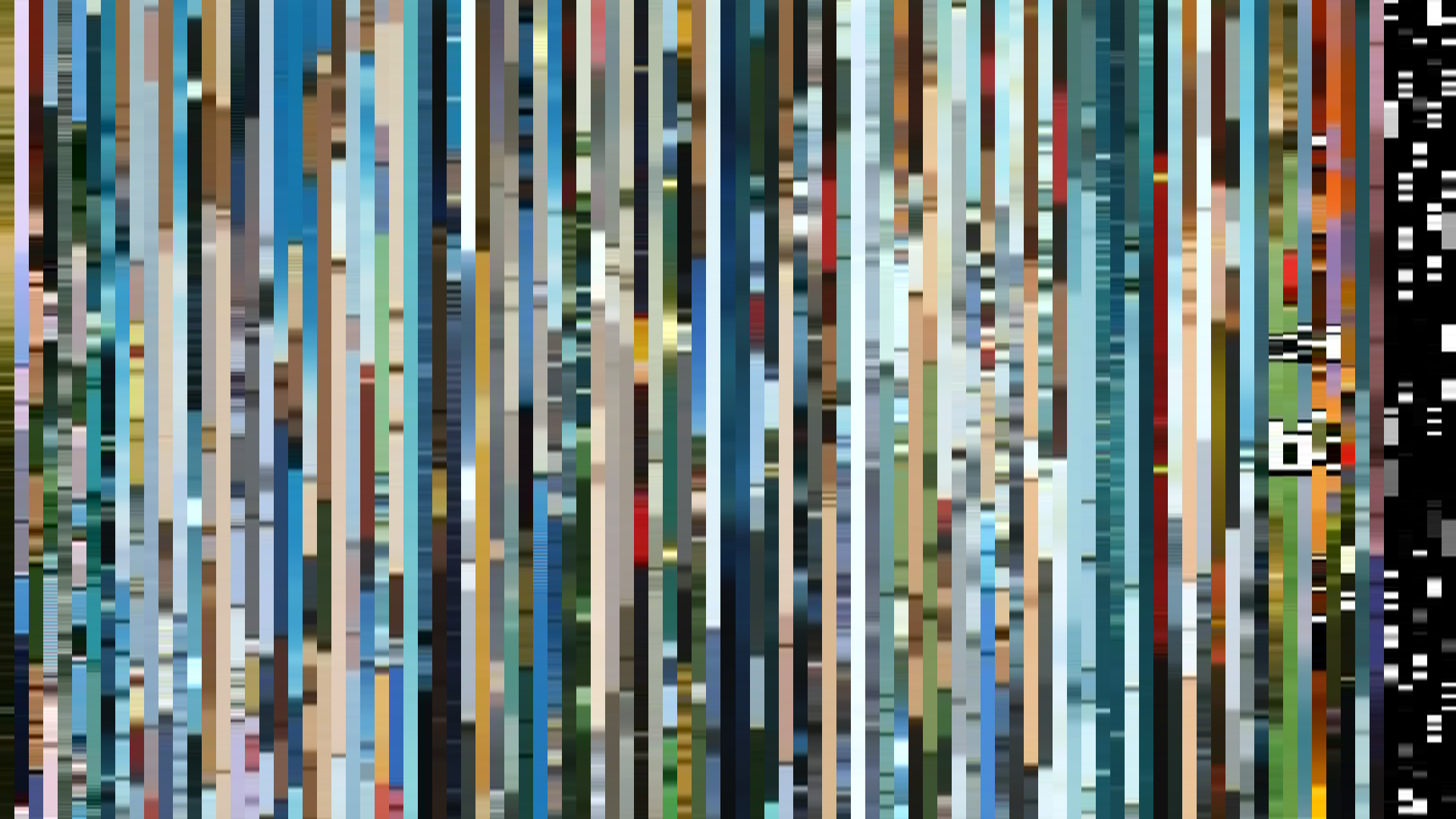
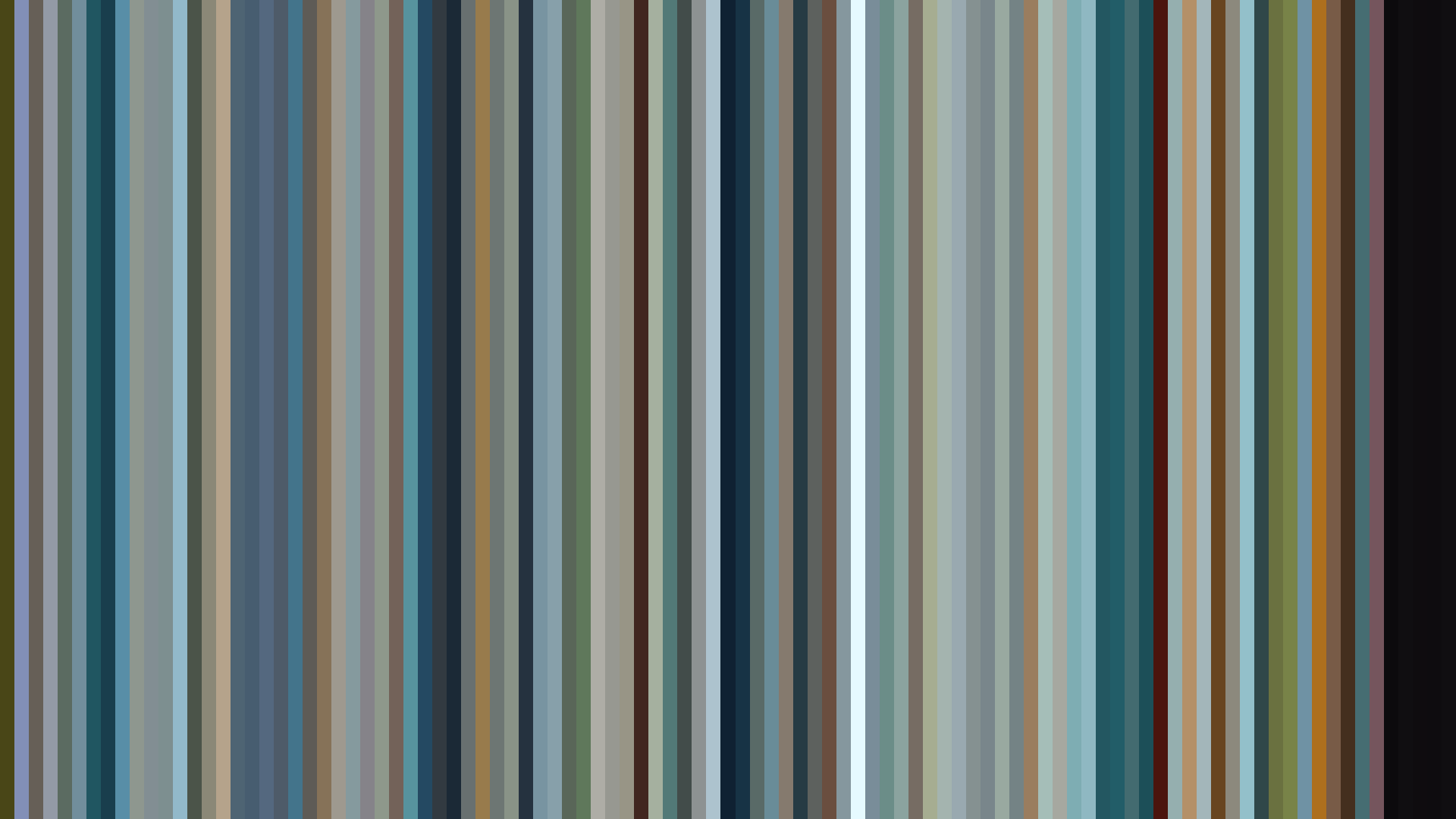
Frame Density Comparison — every 2nd vs every 4th frame
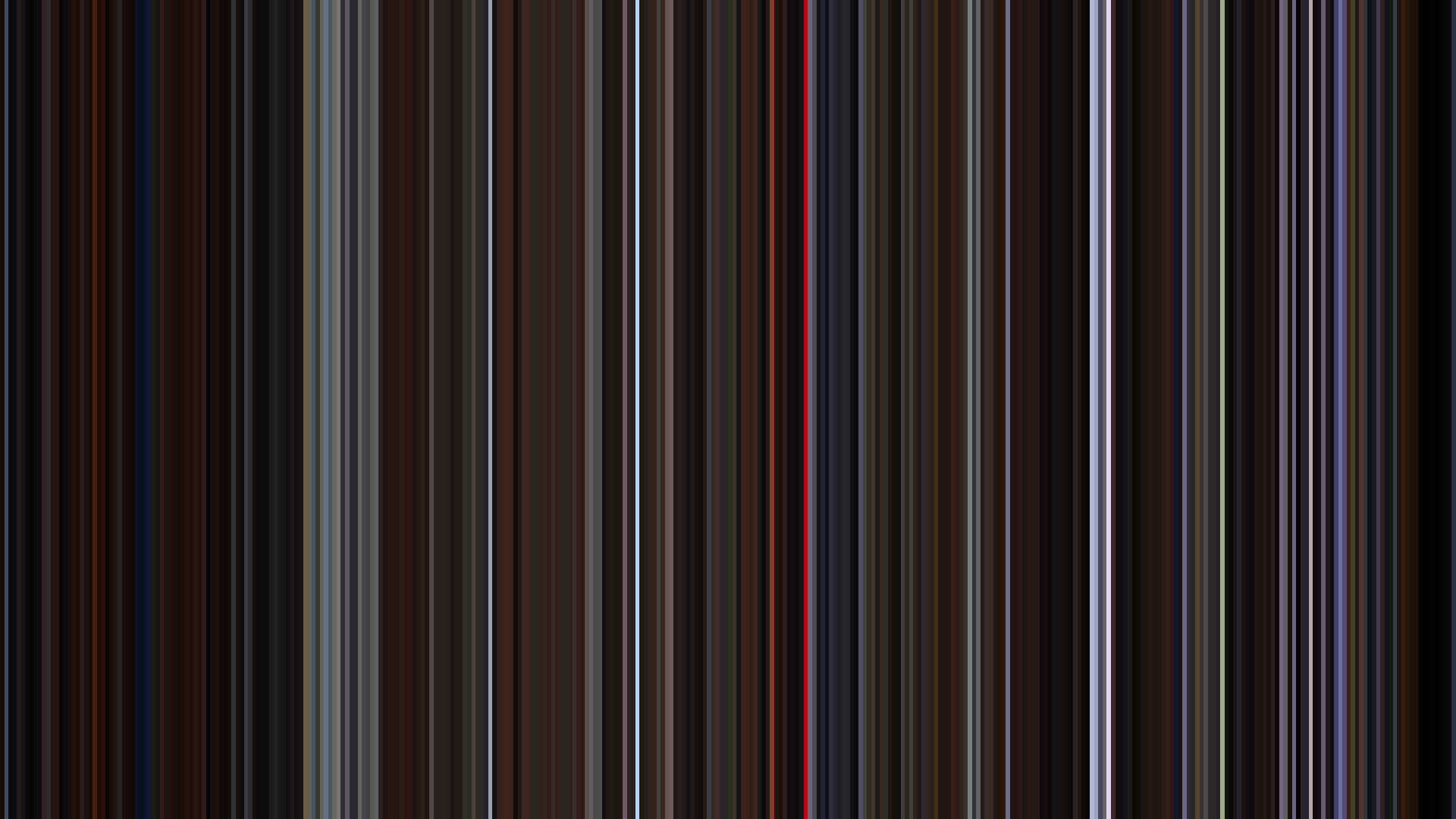
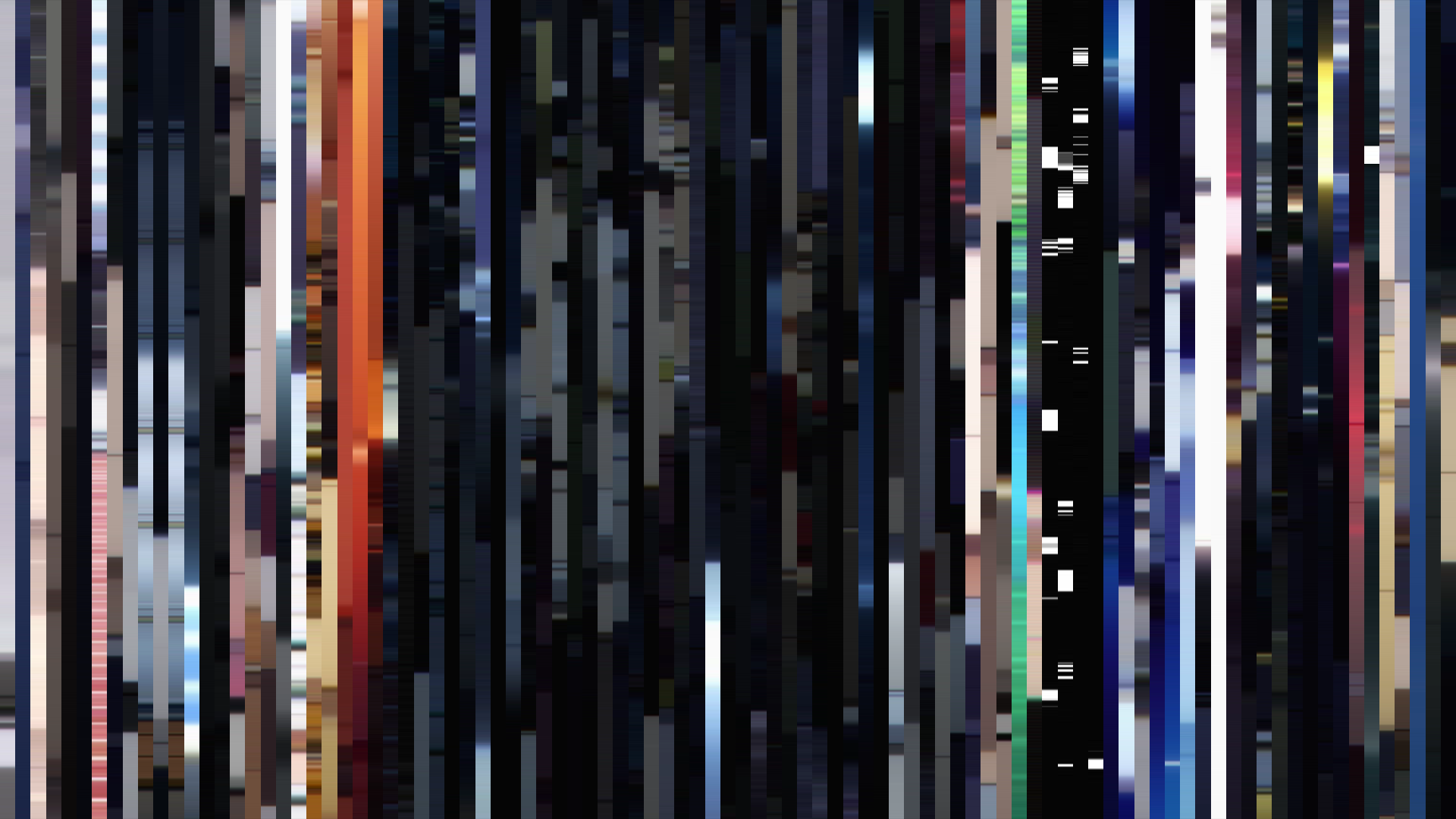
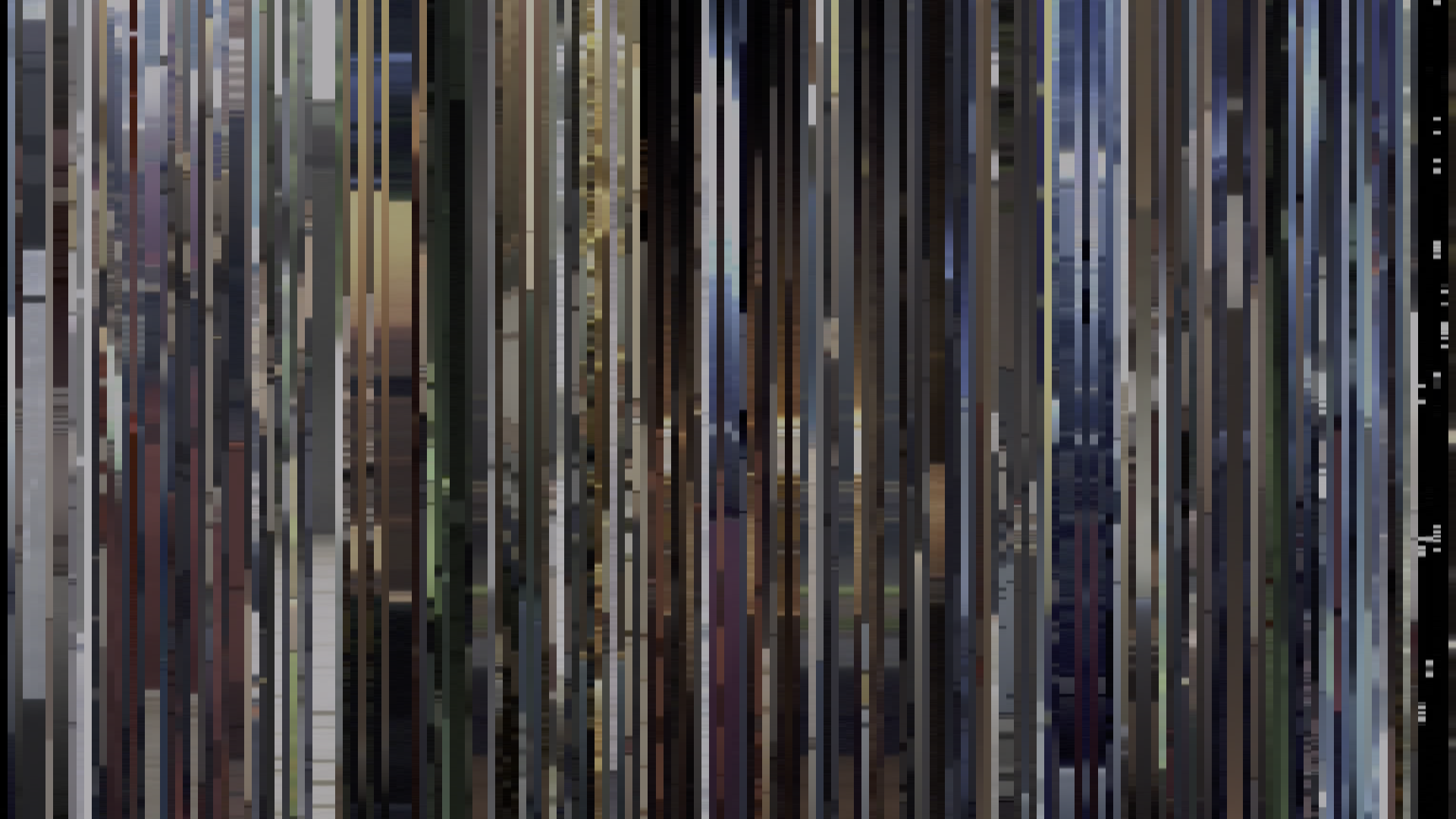
Slice · 15s
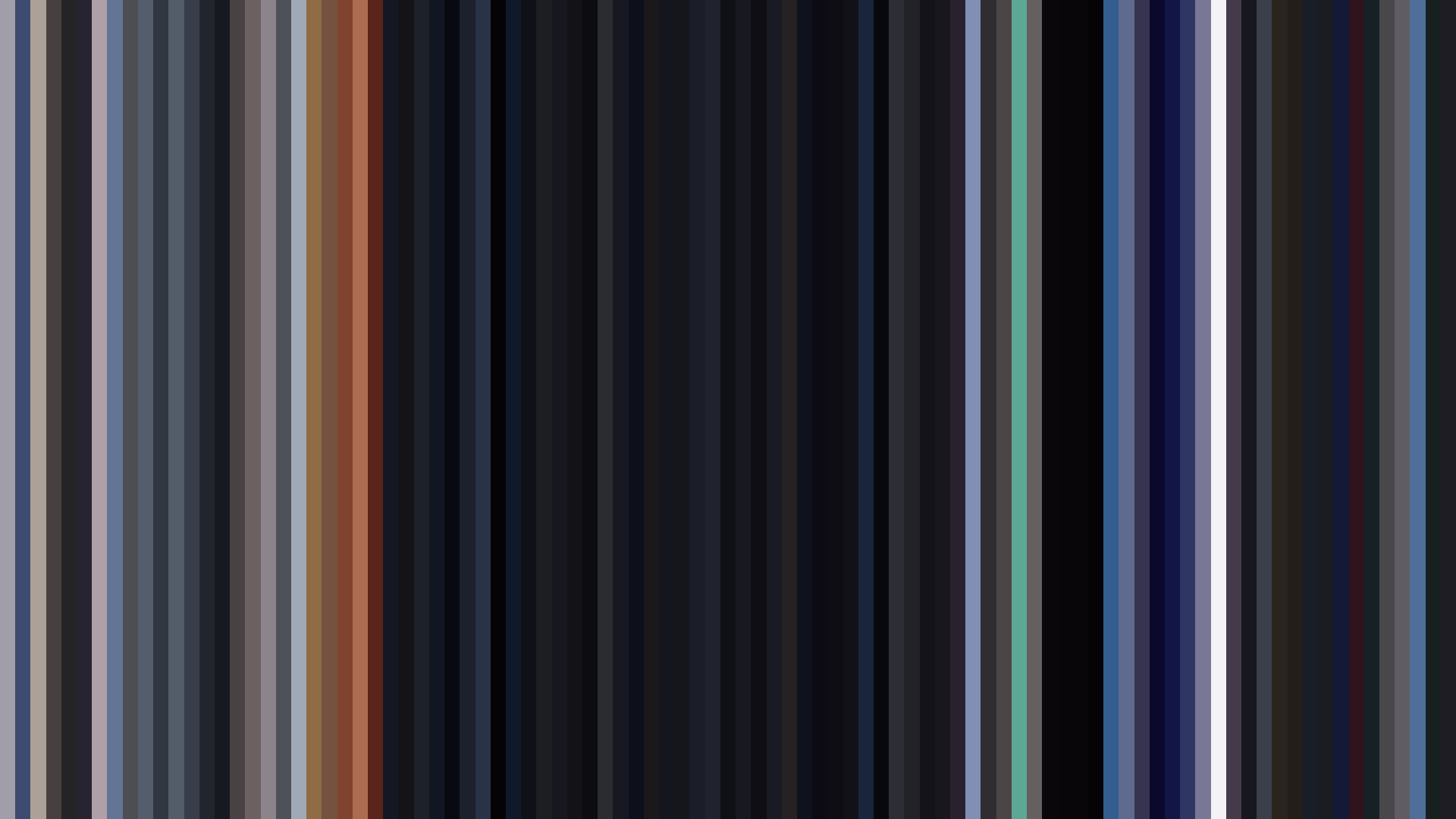
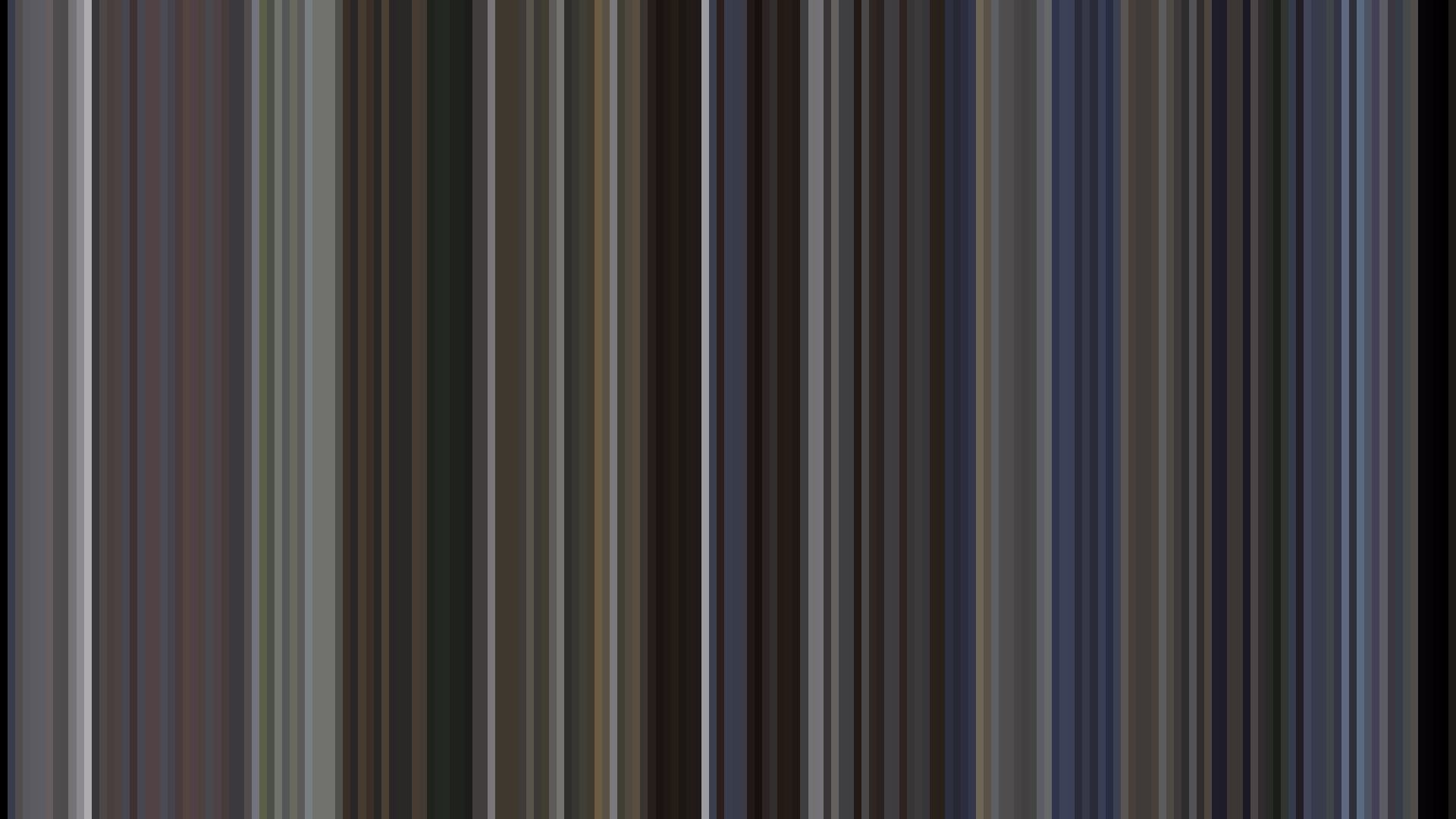
Avg · 15s
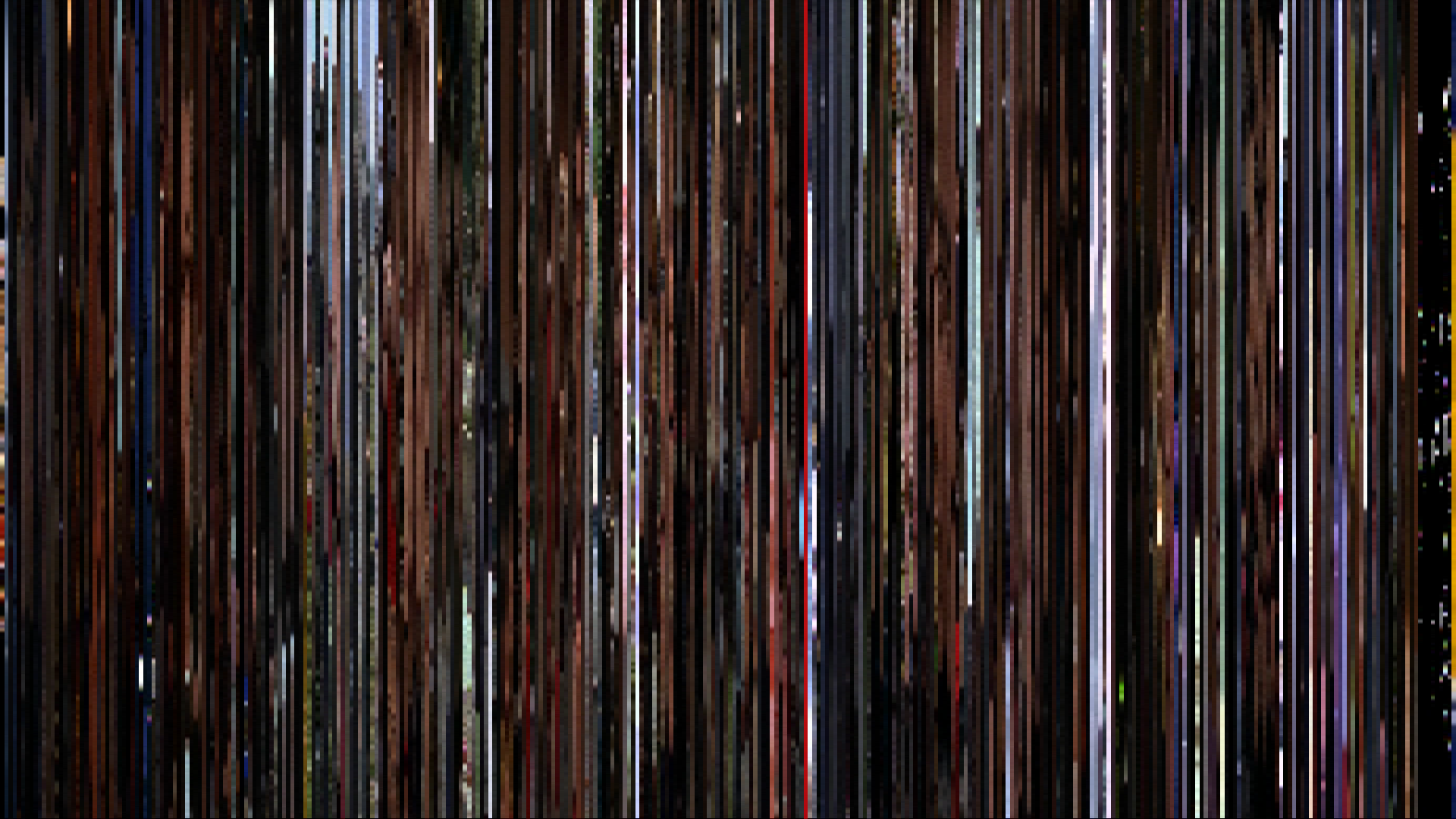
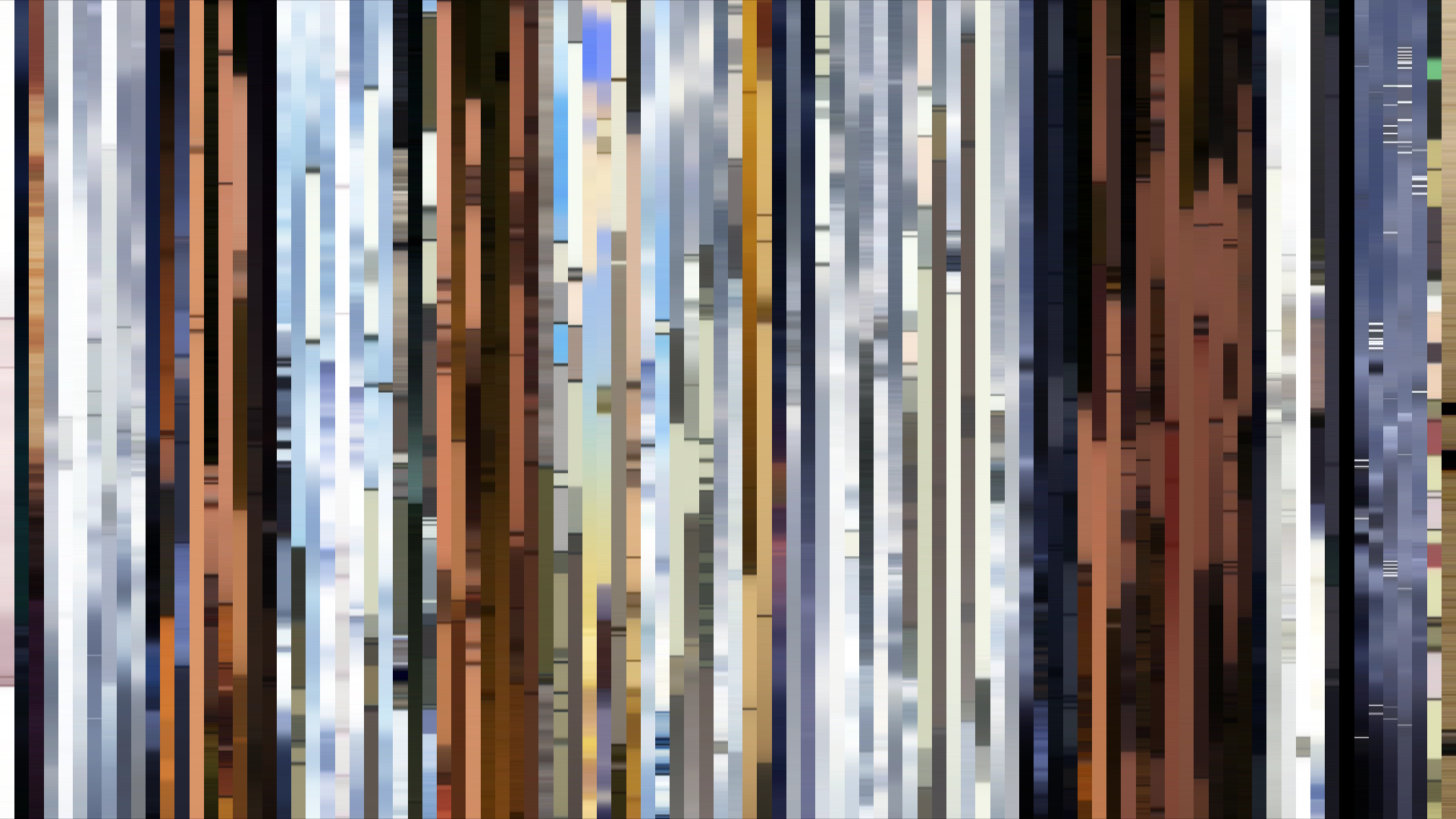
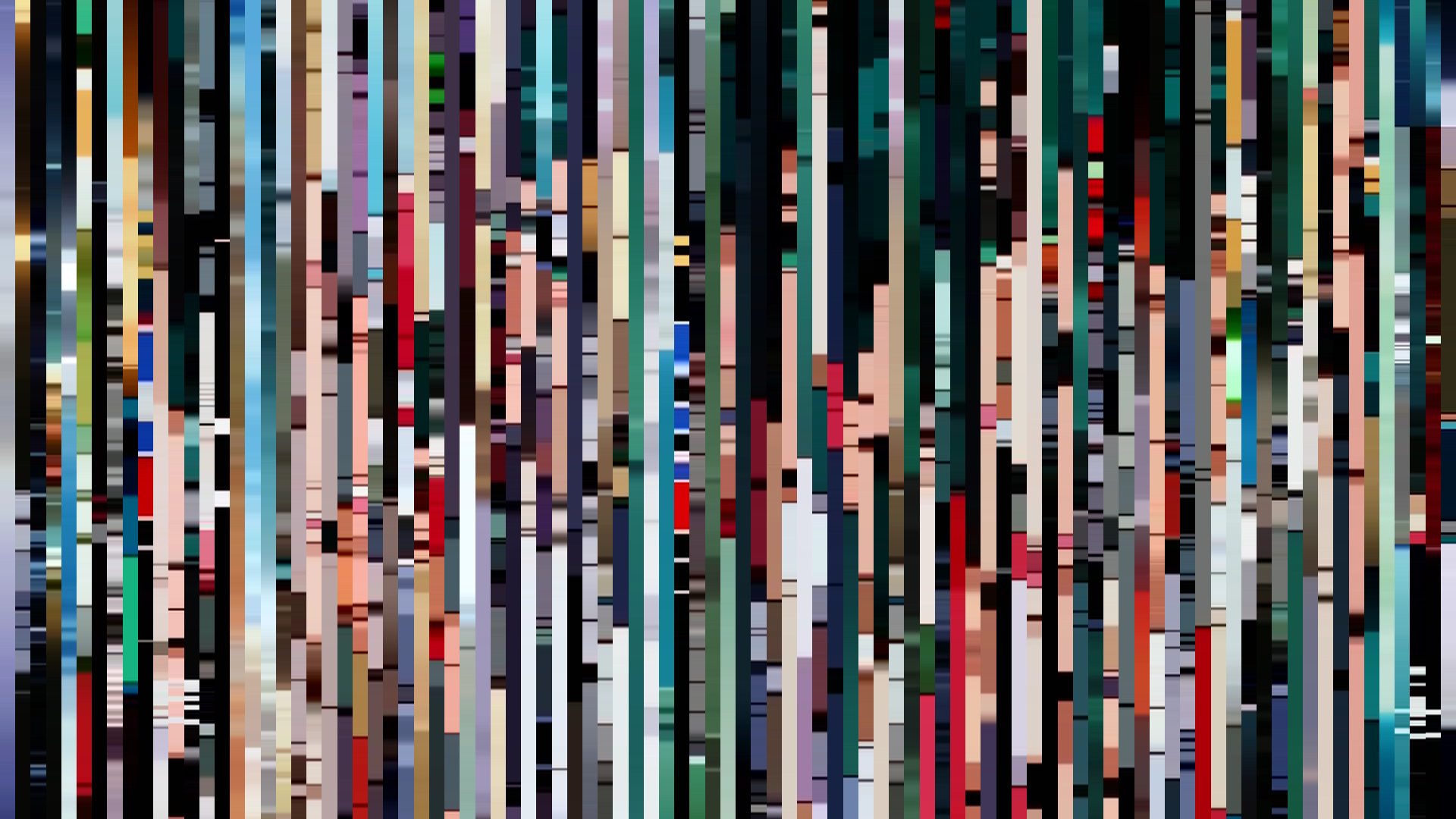
Slice · 30s
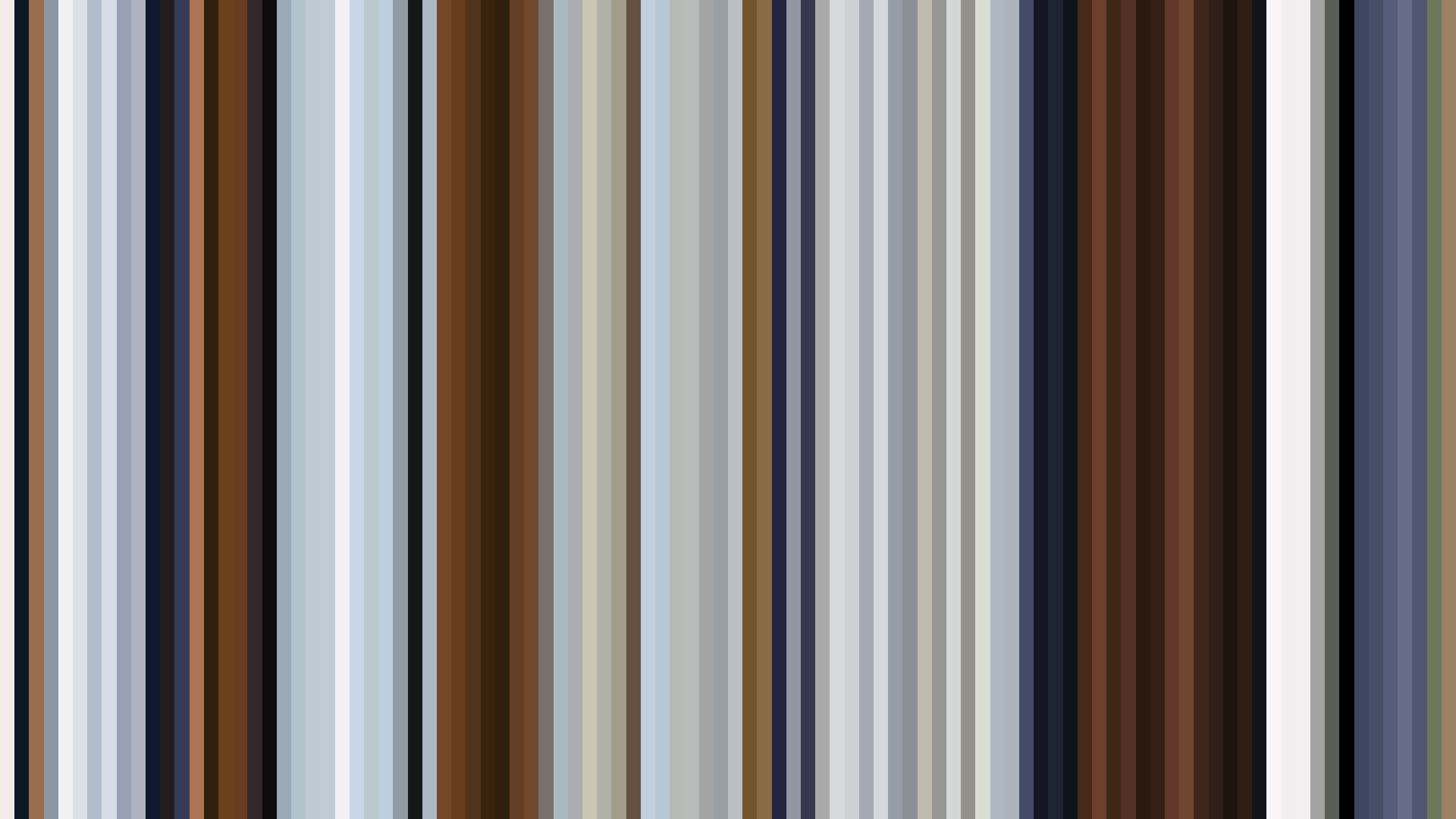
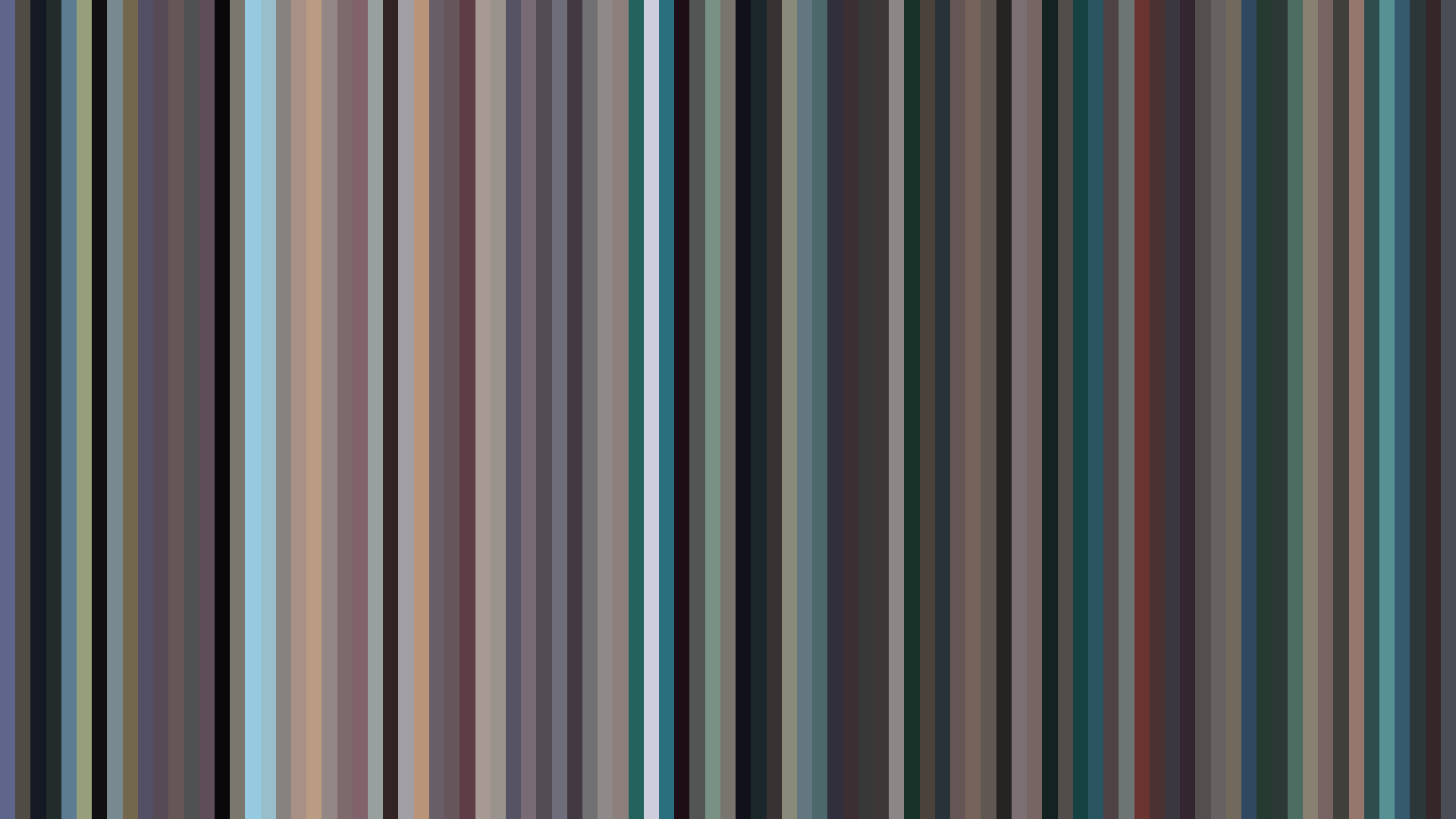
Avg · 30s
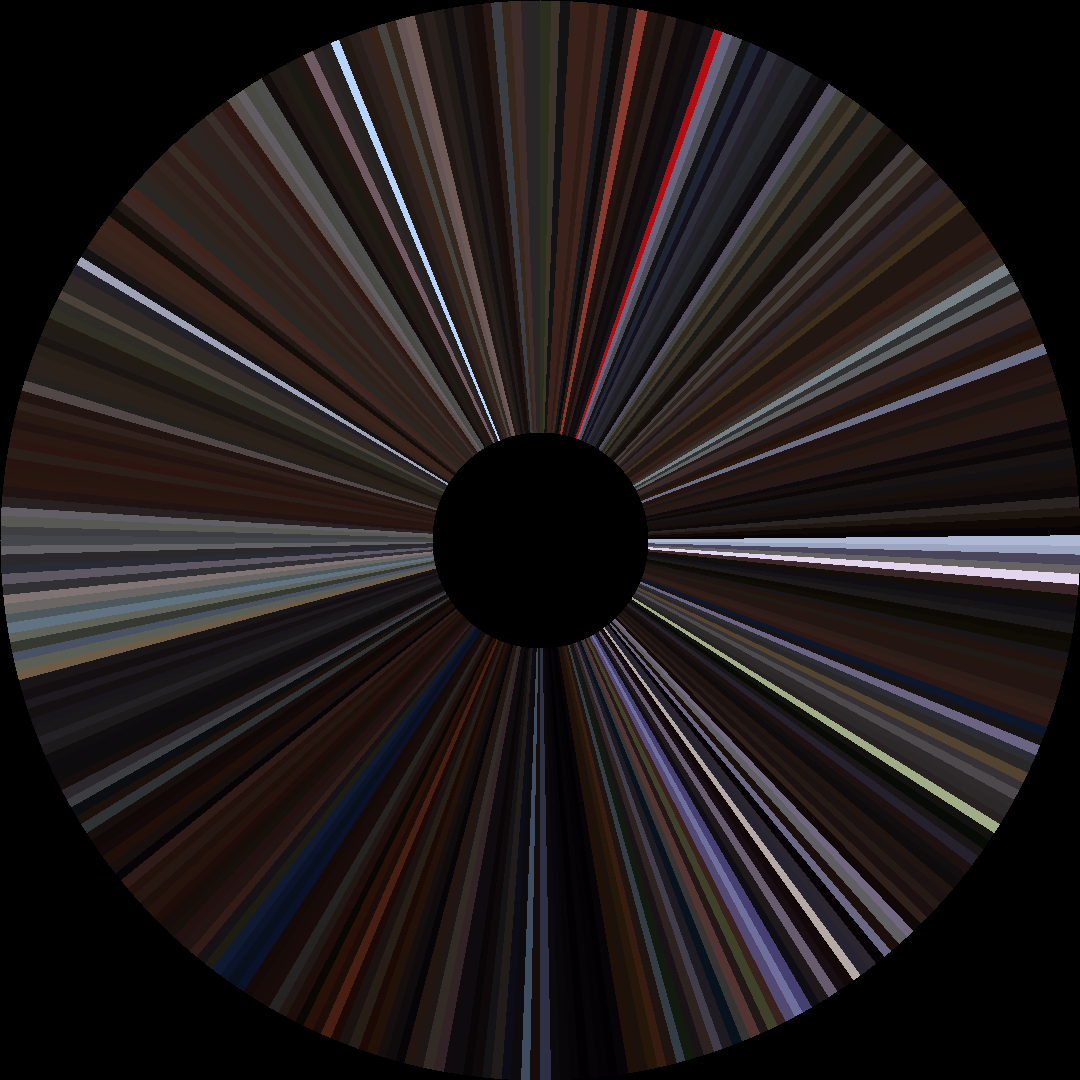
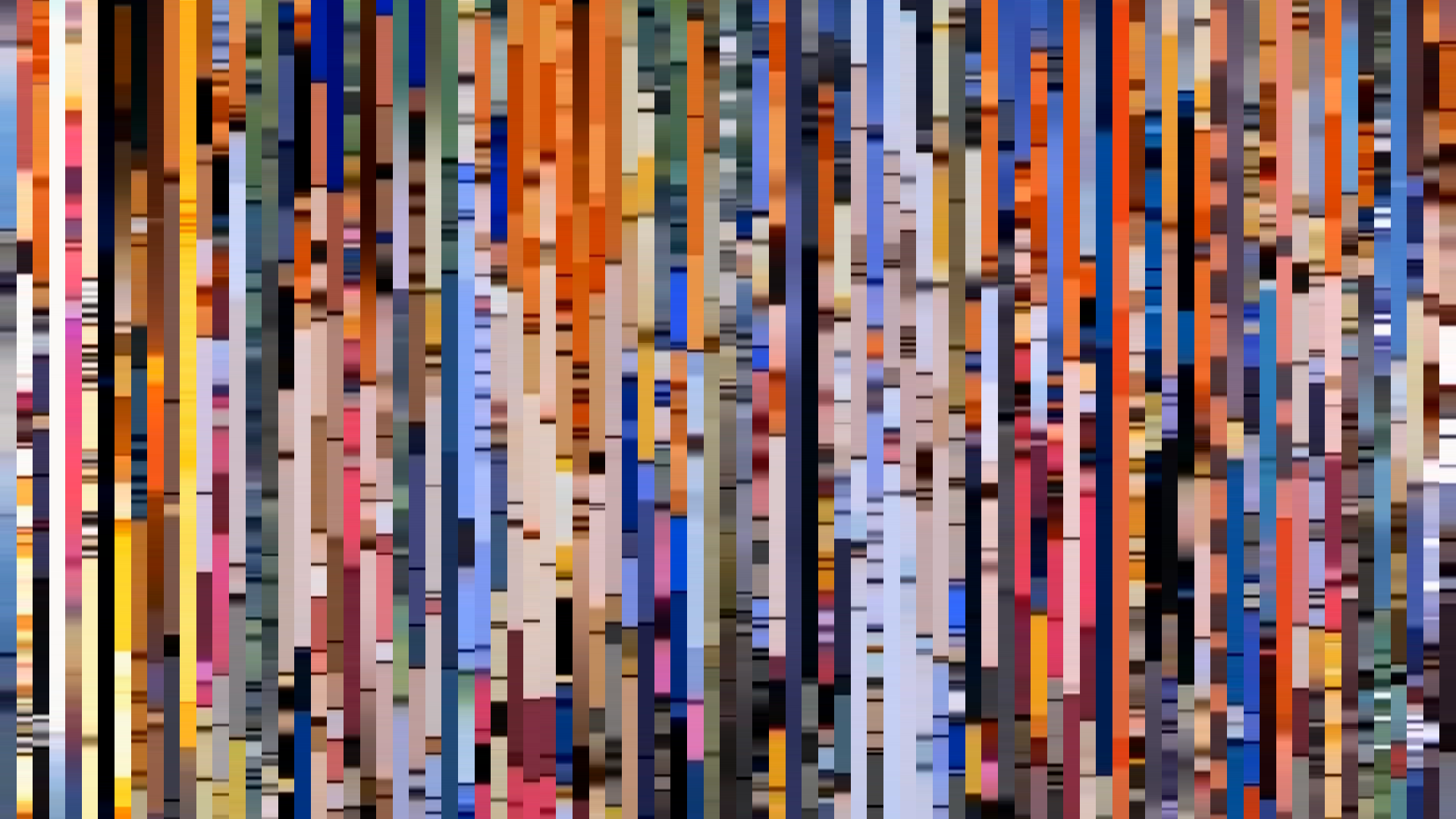
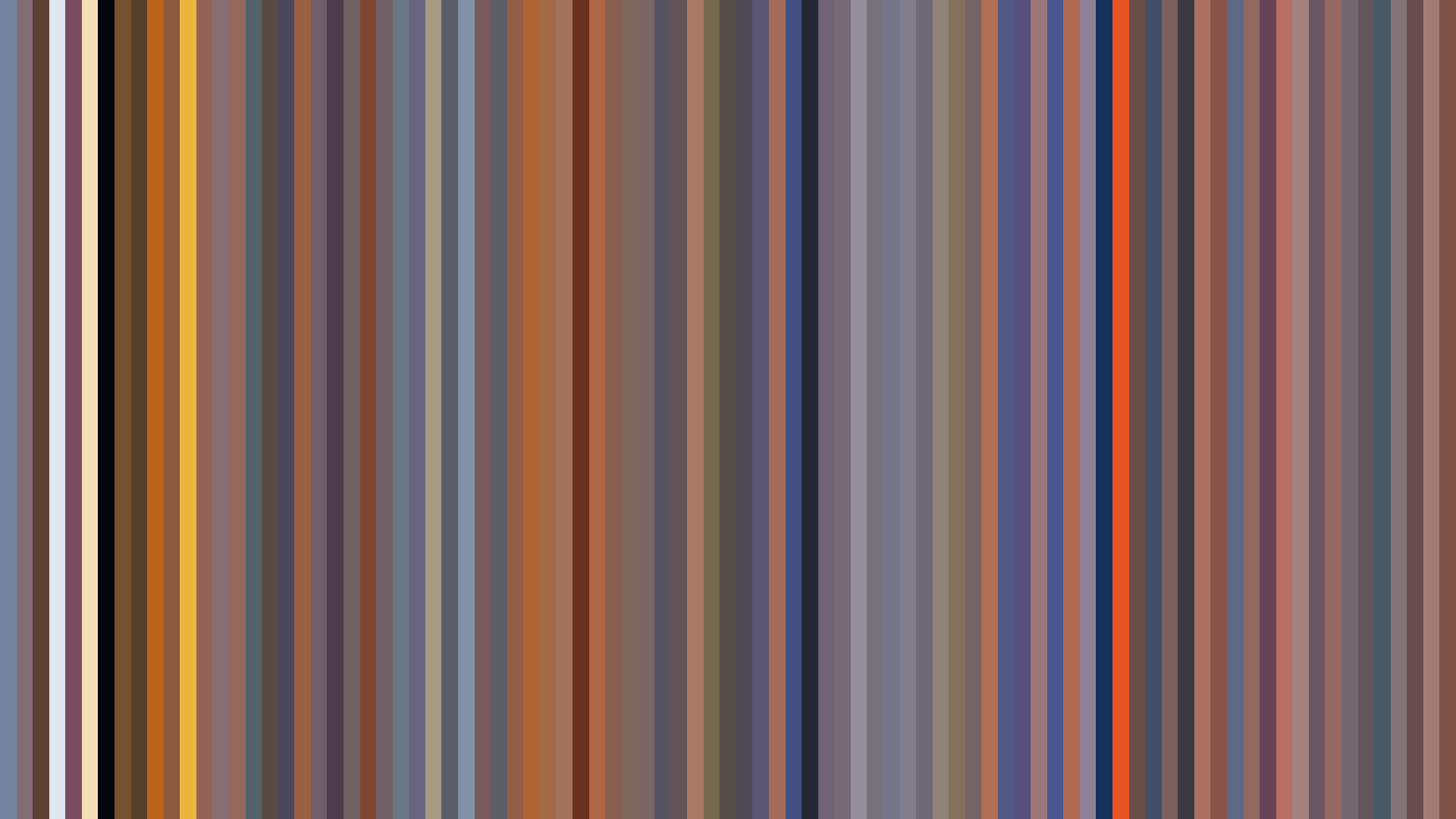
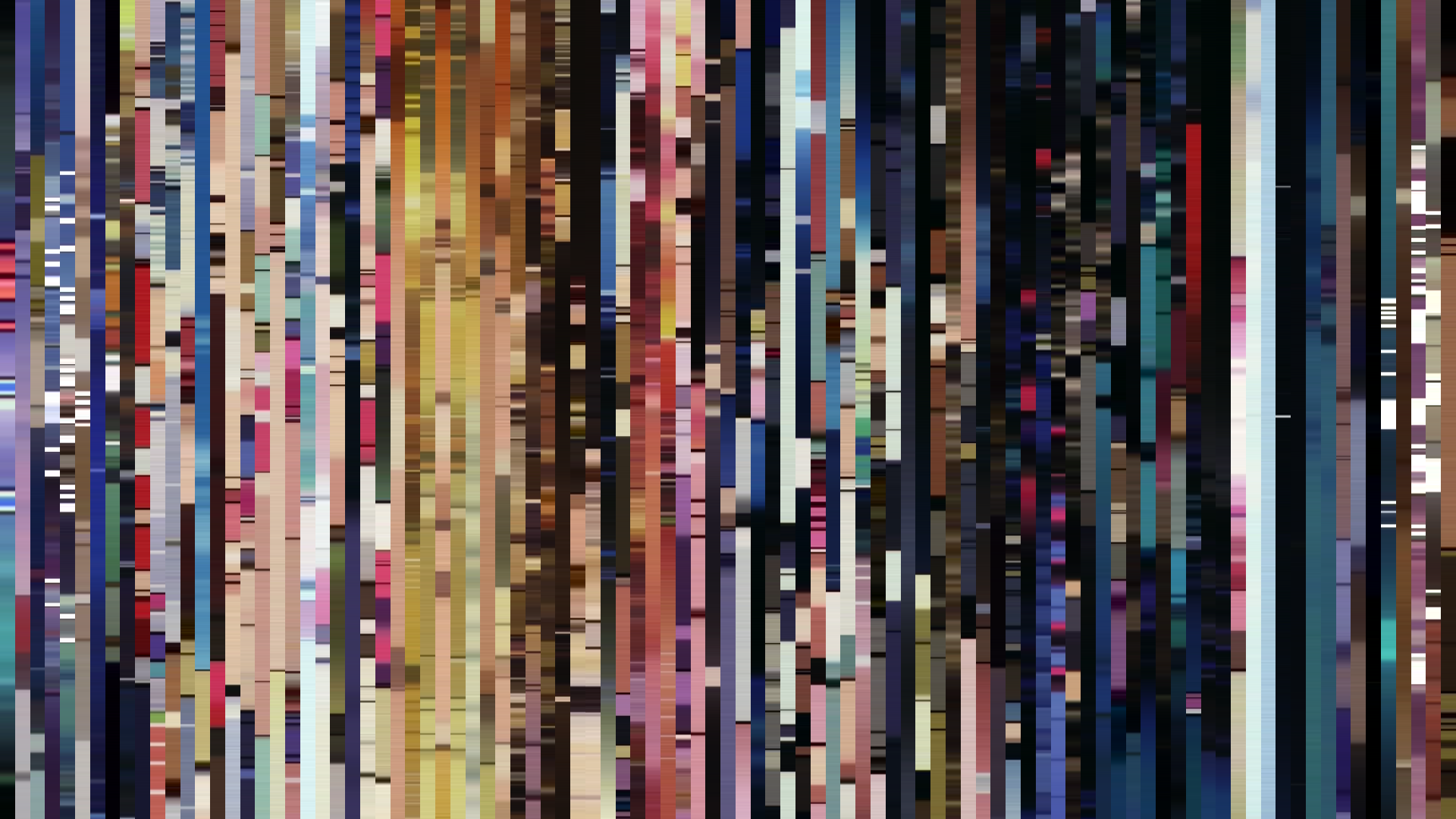
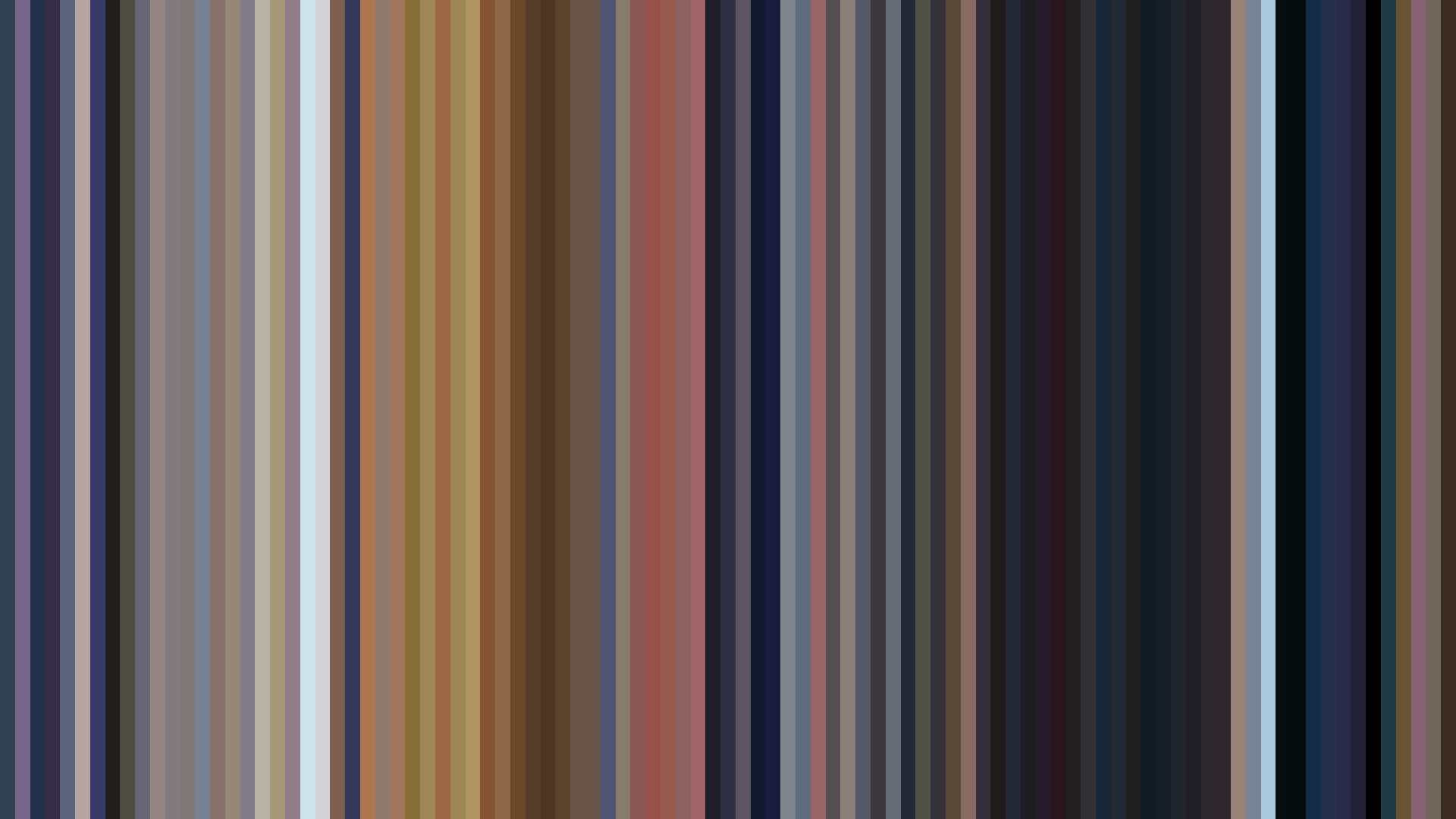
The palette reads like a dirty photograph left in a damp drawer: #1F1716, #4C3029, #5C4631—browns and blacks so close they smudge into nothing. The flat brightness arc (0.152 opening, 0.182 closing) is the dataset’s least dynamic, a visual shrug across sixty-four episodes. Production I.G inherited a series in creative freefall, and the color data tells the story better than any plot summary. The Red dominance at 66% is not the vibrant heat of dragon balls or Kamehameha; it’s the exhausted, rusted red of decay. Average saturation at 0.368 and luminance barely above black create a muddied, brown-rooted palette that never escapes the shadow. For a series ostensibly about interstellar adventure and transformation, the barcode shows nothing transforming—no bright-ending lift, no dark midpoint drama, just a horizontal line of monotone. This is the visual equivalent of a franchise running on fumes: the color confidence of the original DBZ entirely gone, replaced by a haze of drab reds and grayed blues. GT’s flatline isn’t just boring; it’s the most honest thing about the show.
Brightness Arc (episode progression)
Hue Distribution
Act Breakdown
Opening
0.152
Middle
0.182
Closing
0.187
Avg Brightness
0.164
Avg Saturation
0.368
Warmth
0.507
Color Palette
#1F1716
#4C3029
#5C5557
#95949E
#5C4631
#343548
#49384C
#6D6C8A
3-Act Color Story
Opening
Middle
Closing
Color Twins
Perceptually nearest palettes — measured in OKLab space, not RGB






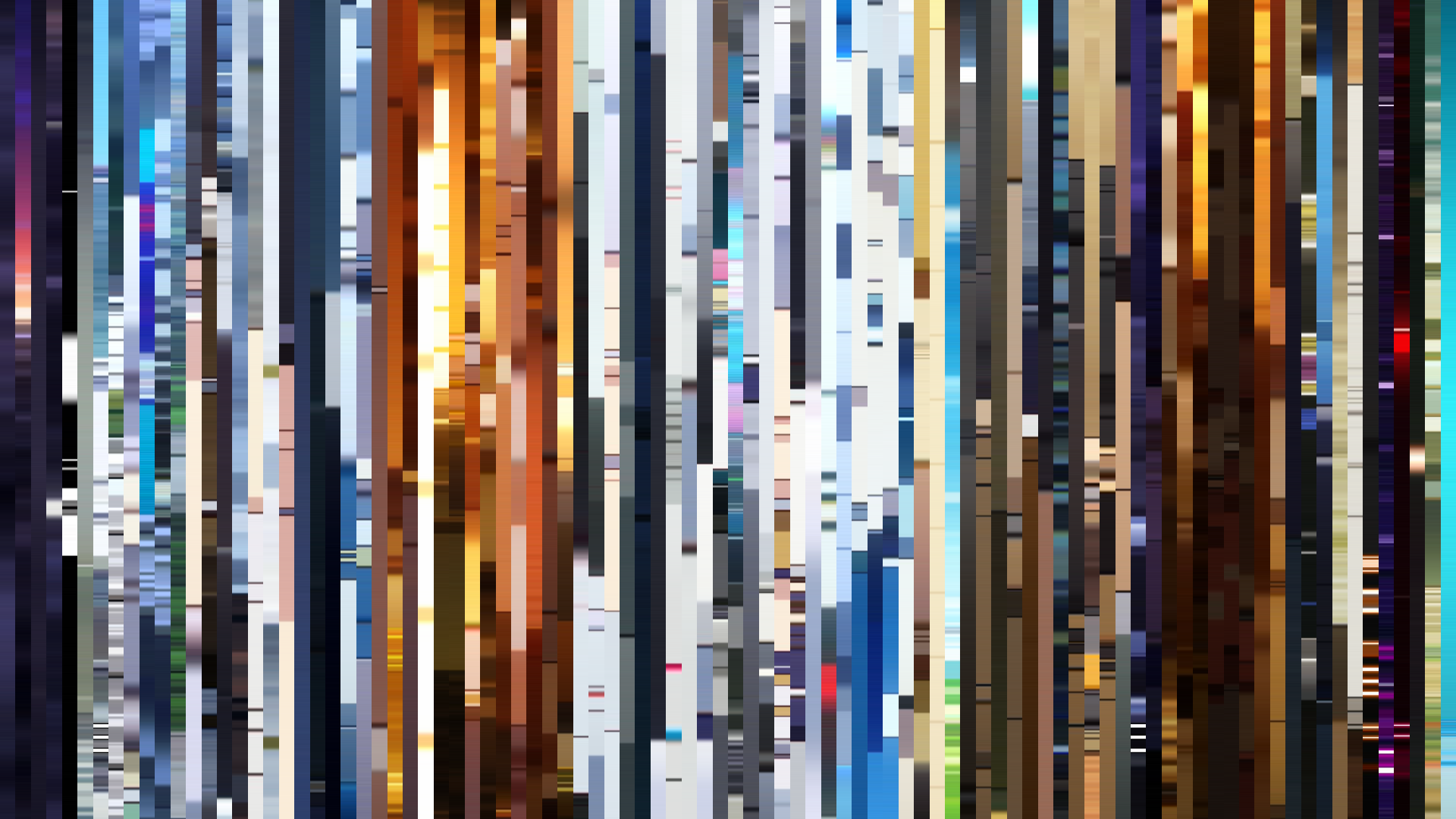
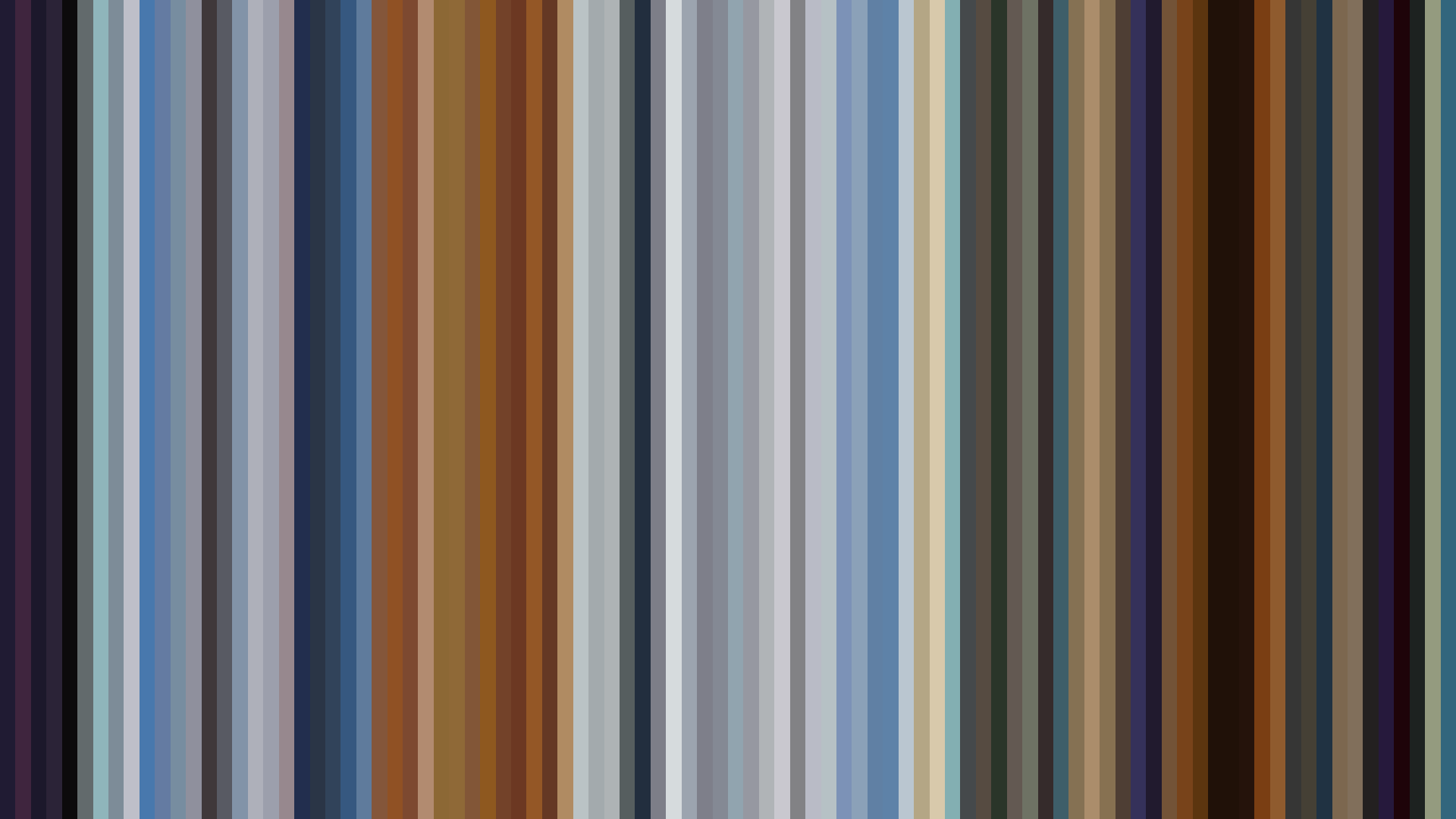
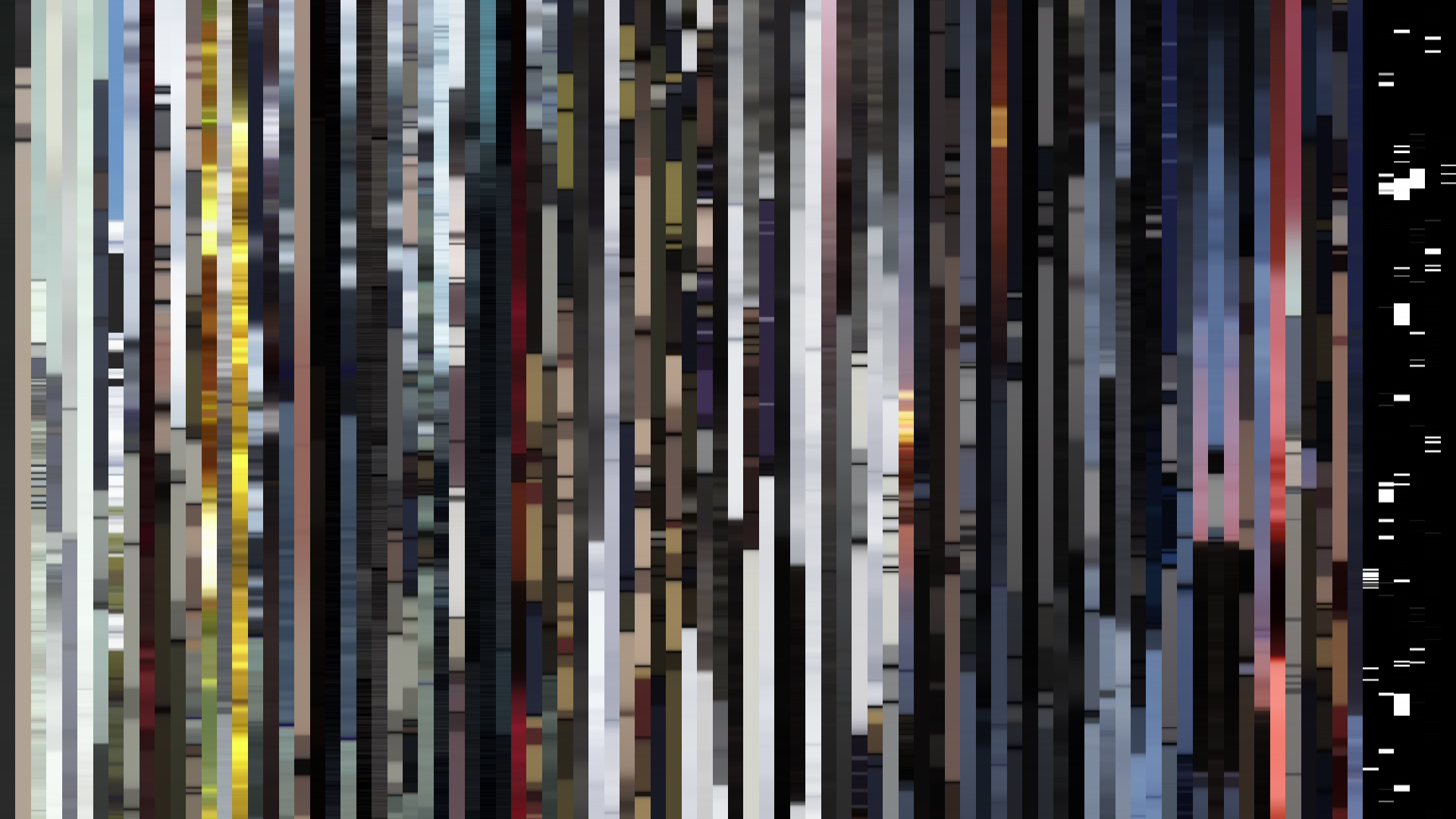
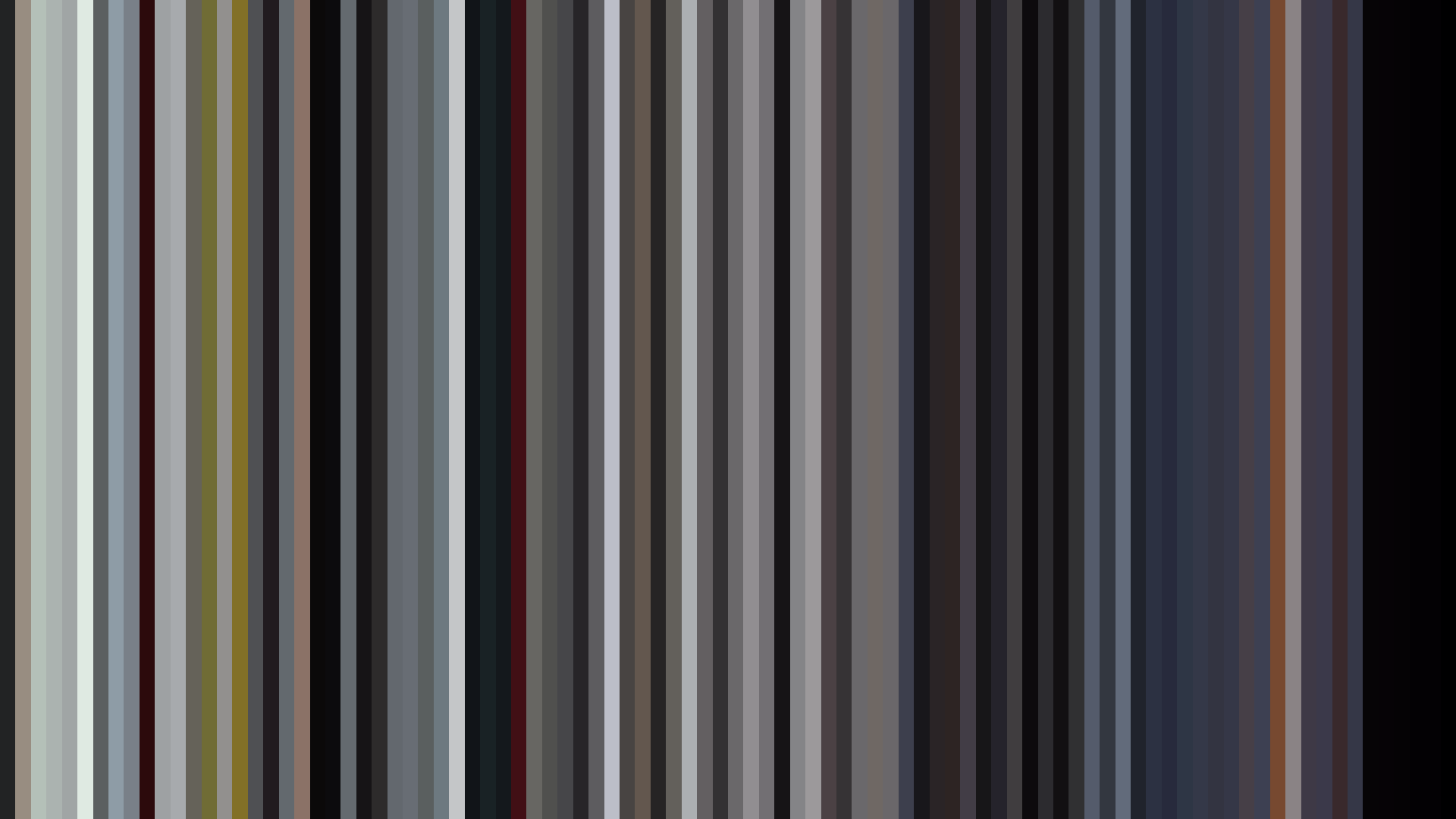
The palette reads like a dirty photograph left in a damp drawer: #1F1716, #4C3029, #5C4631—browns and blacks so close they smudge into nothing. The flat brightness arc (0.152 opening, 0.182 closing) is the dataset’s least dynamic, a visual shrug across sixty-four episodes. Production I.G inherited a series in creative freefall, and the color data tells the story better than any plot summary. The Red dominance at 66% is not the vibrant heat of dragon balls or Kamehameha; it’s the exhausted, rusted red of decay. Average saturation at 0.368 and luminance barely above black create a muddied, brown-rooted palette that never escapes the shadow. For a series ostensibly about interstellar adventure and transformation, the barcode shows nothing transforming—no bright-ending lift, no dark midpoint drama, just a horizontal line of monotone. This is the visual equivalent of a franchise running on fumes: the color confidence of the original DBZ entirely gone, replaced by a haze of drab reds and grayed blues. GT’s flatline isn’t just boring; it’s the most honest thing about the show.