Edit Pace — frame-to-frame color delta (bright = fast cuts)
Color Temperature — warm (gold) vs cool (teal) per frame
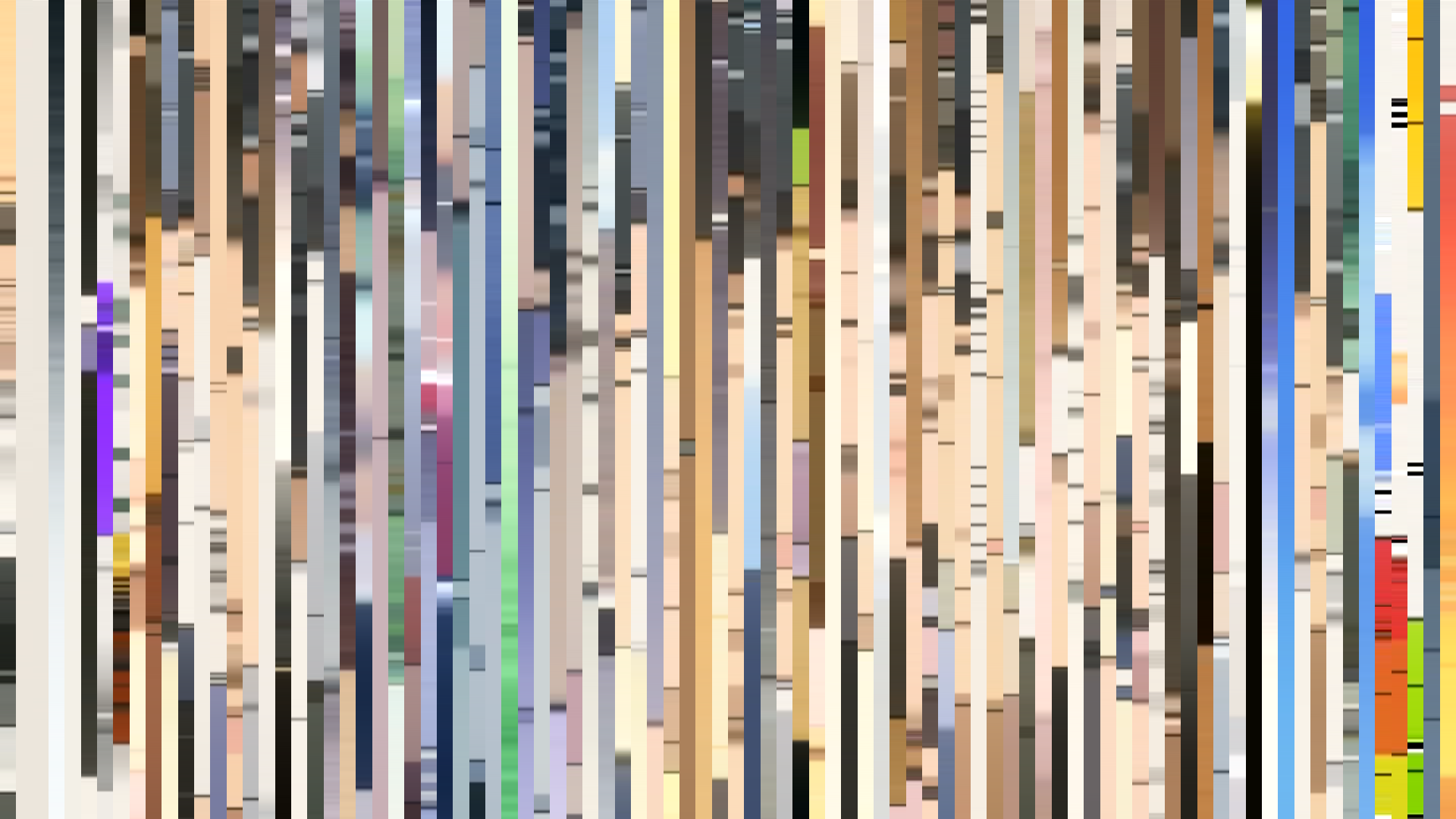
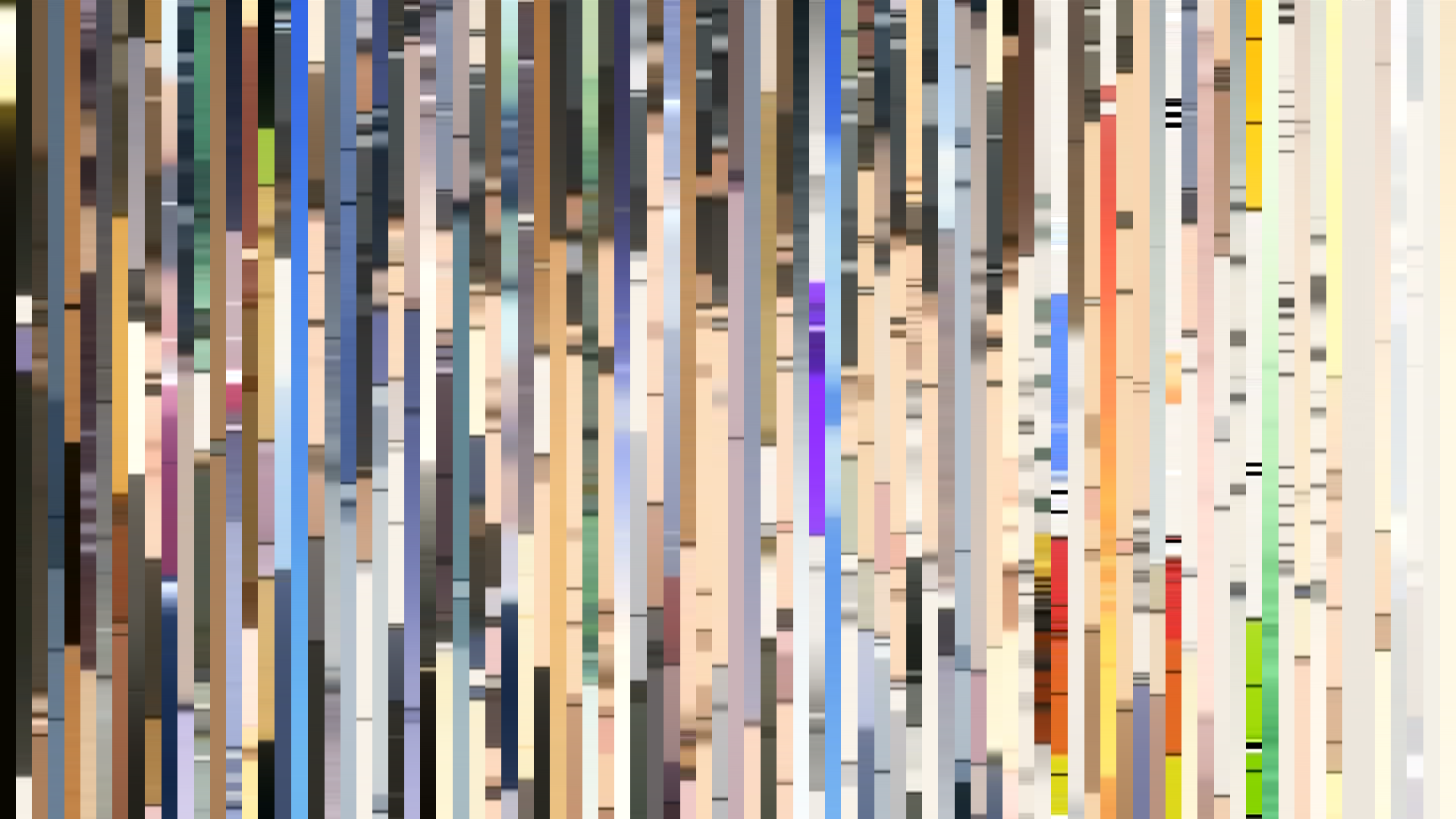
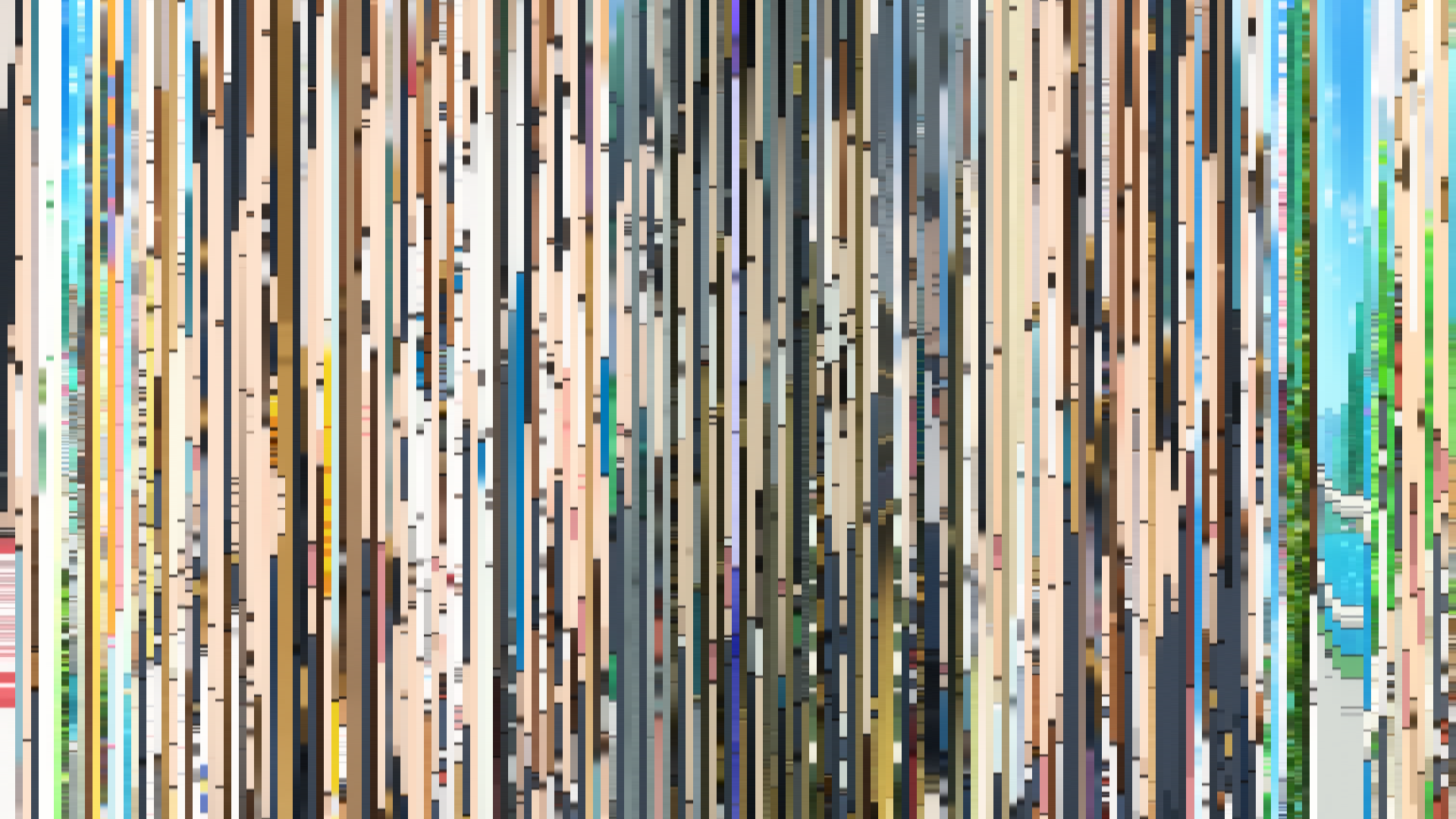
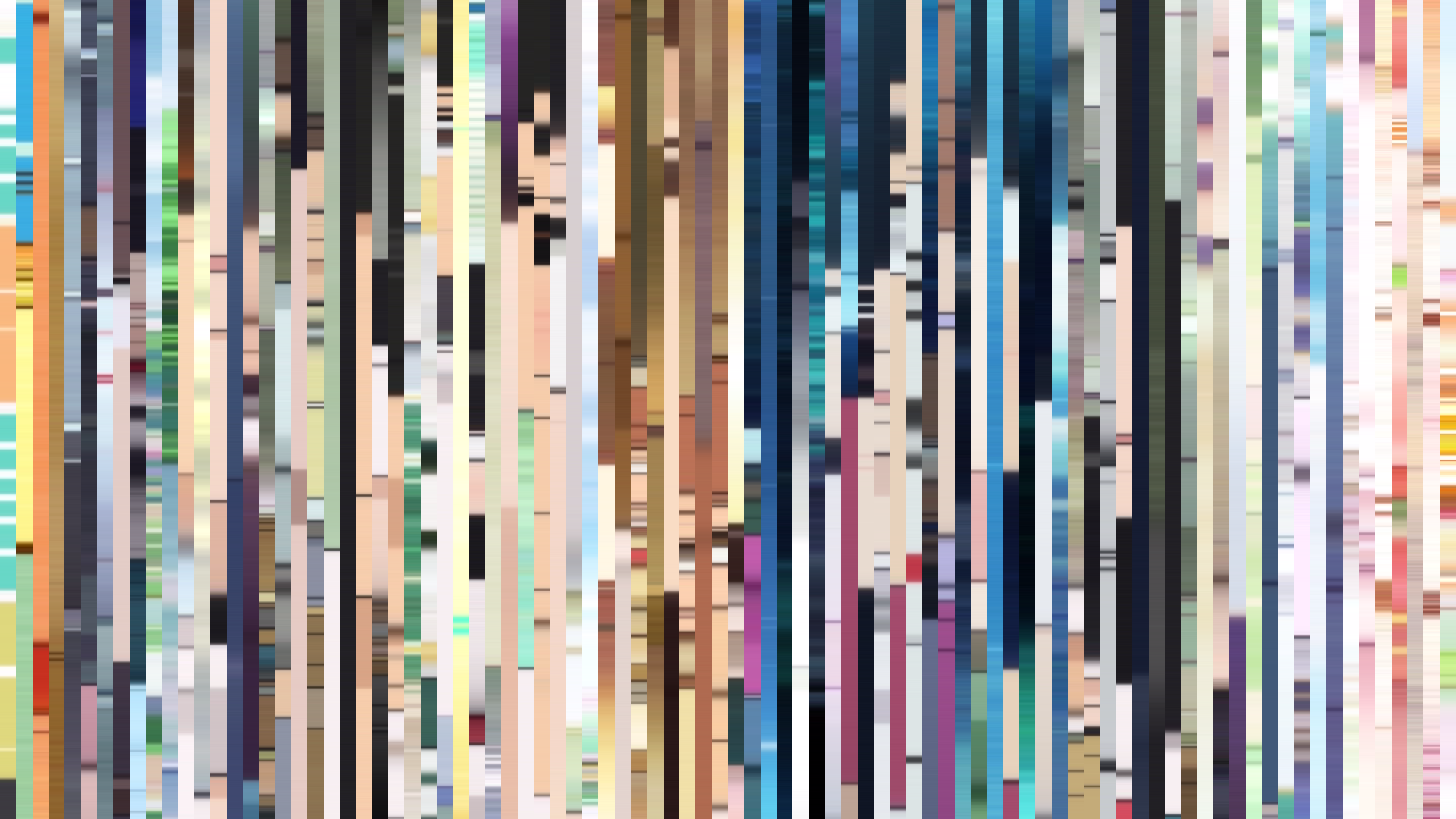
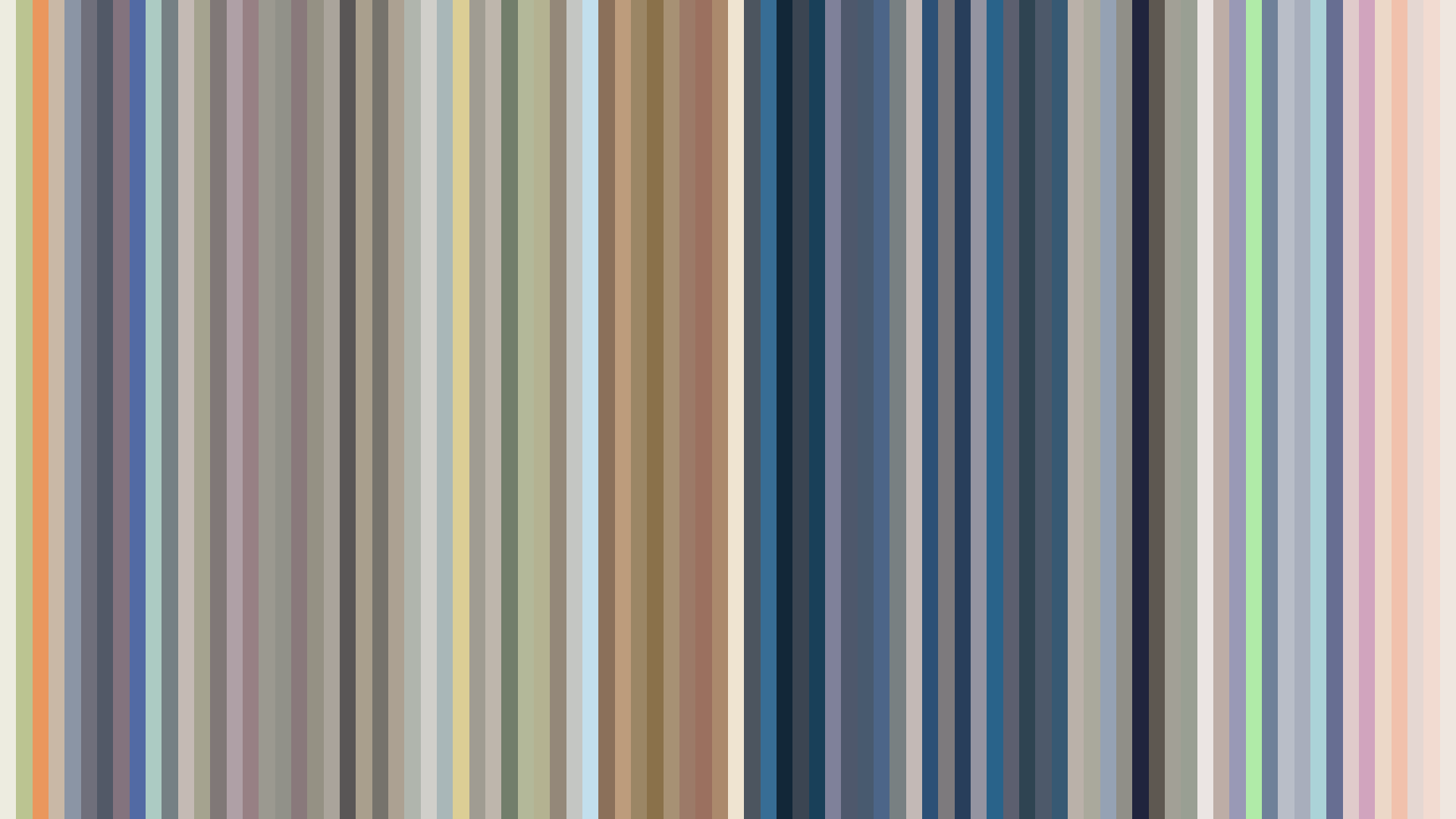
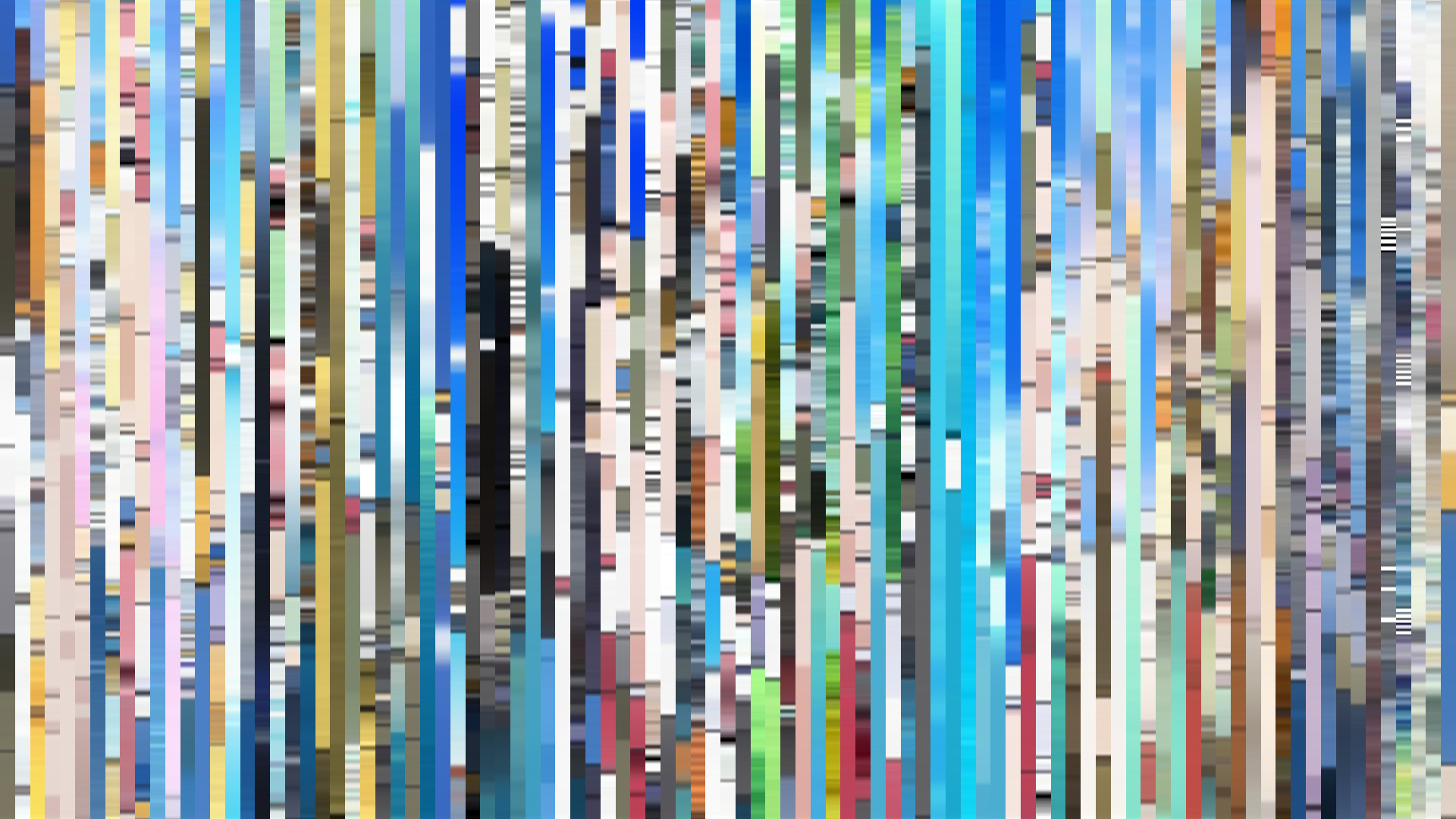
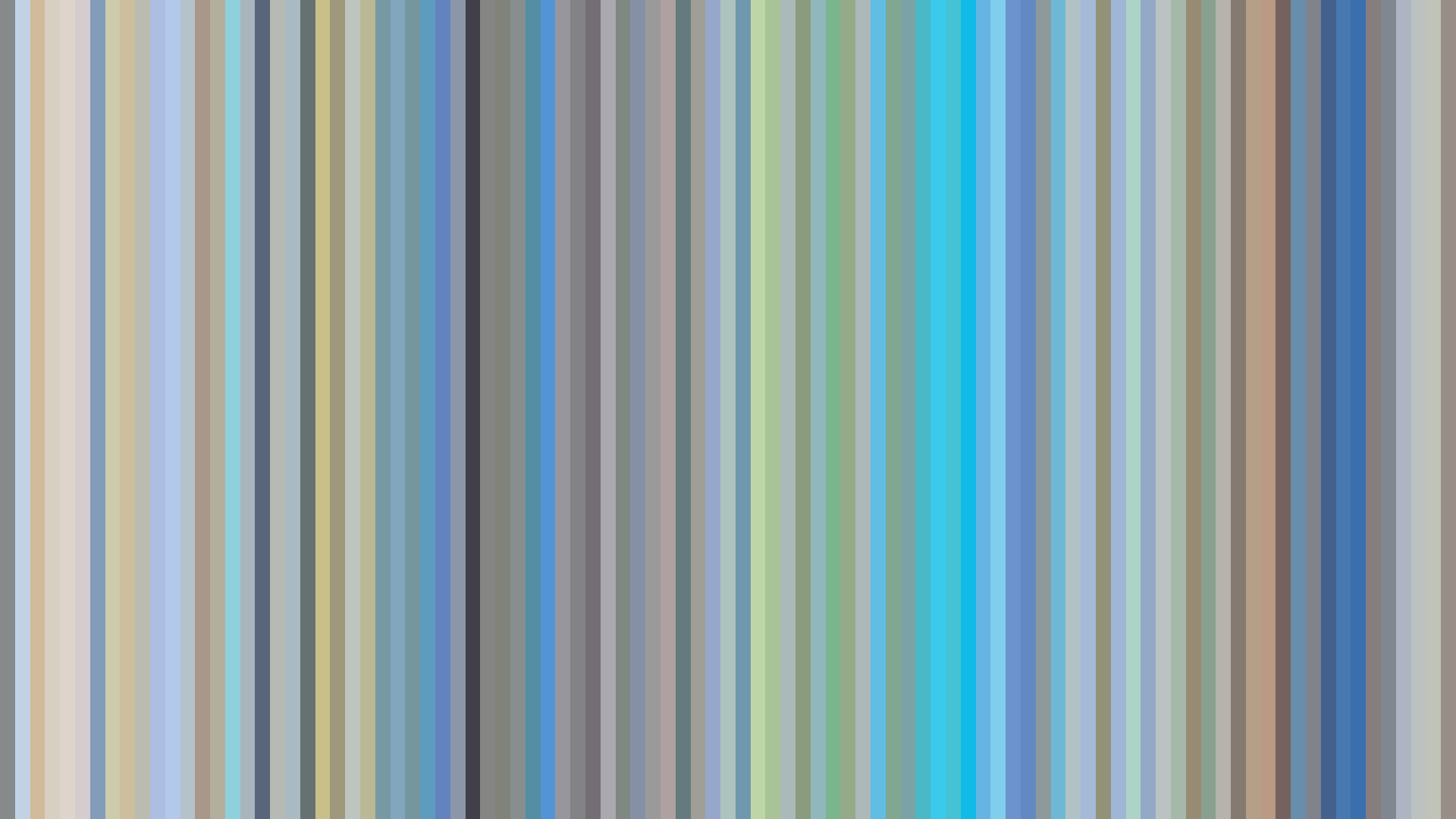
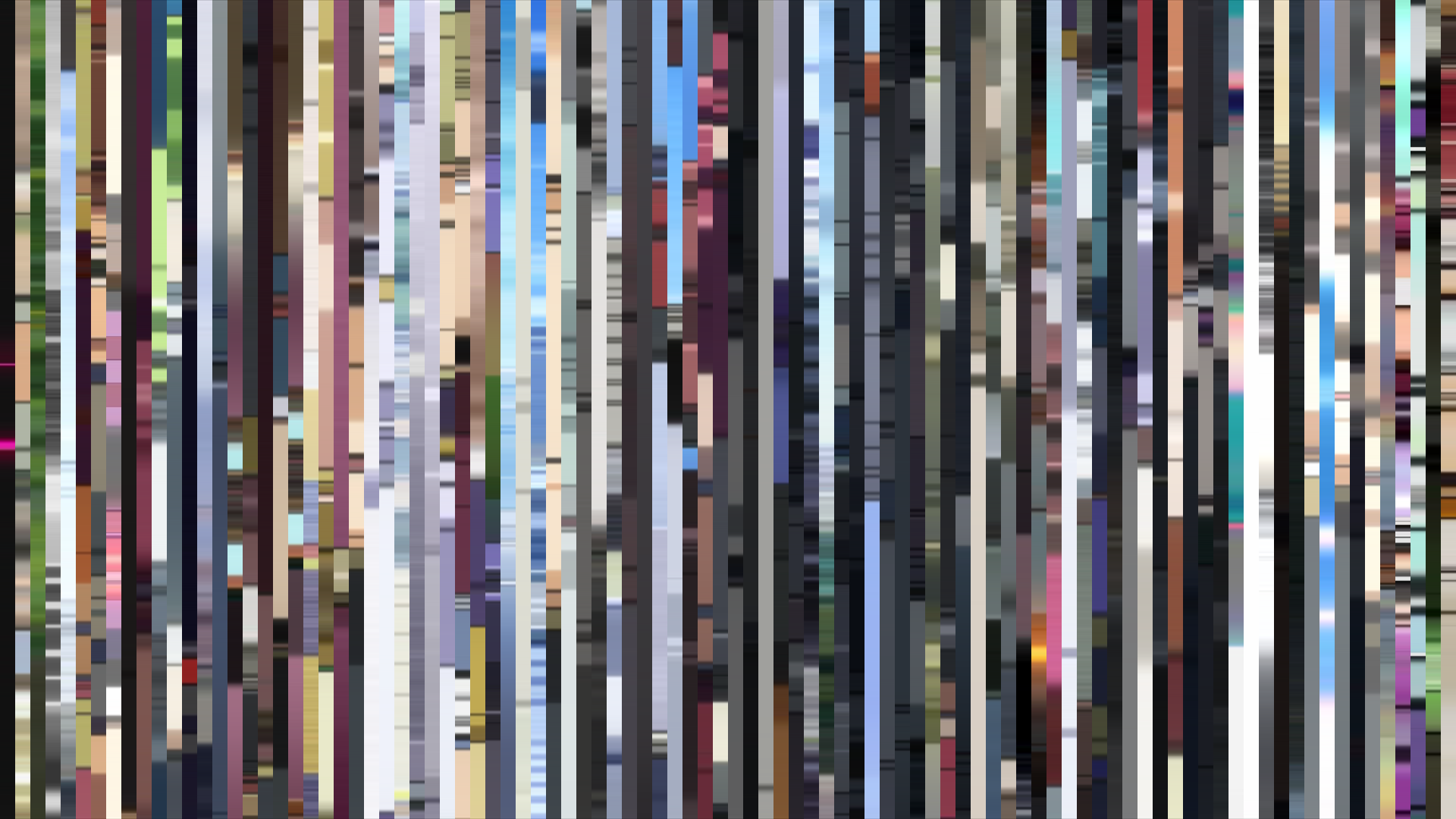
Frame Density Comparison — every 2nd vs every 4th frame
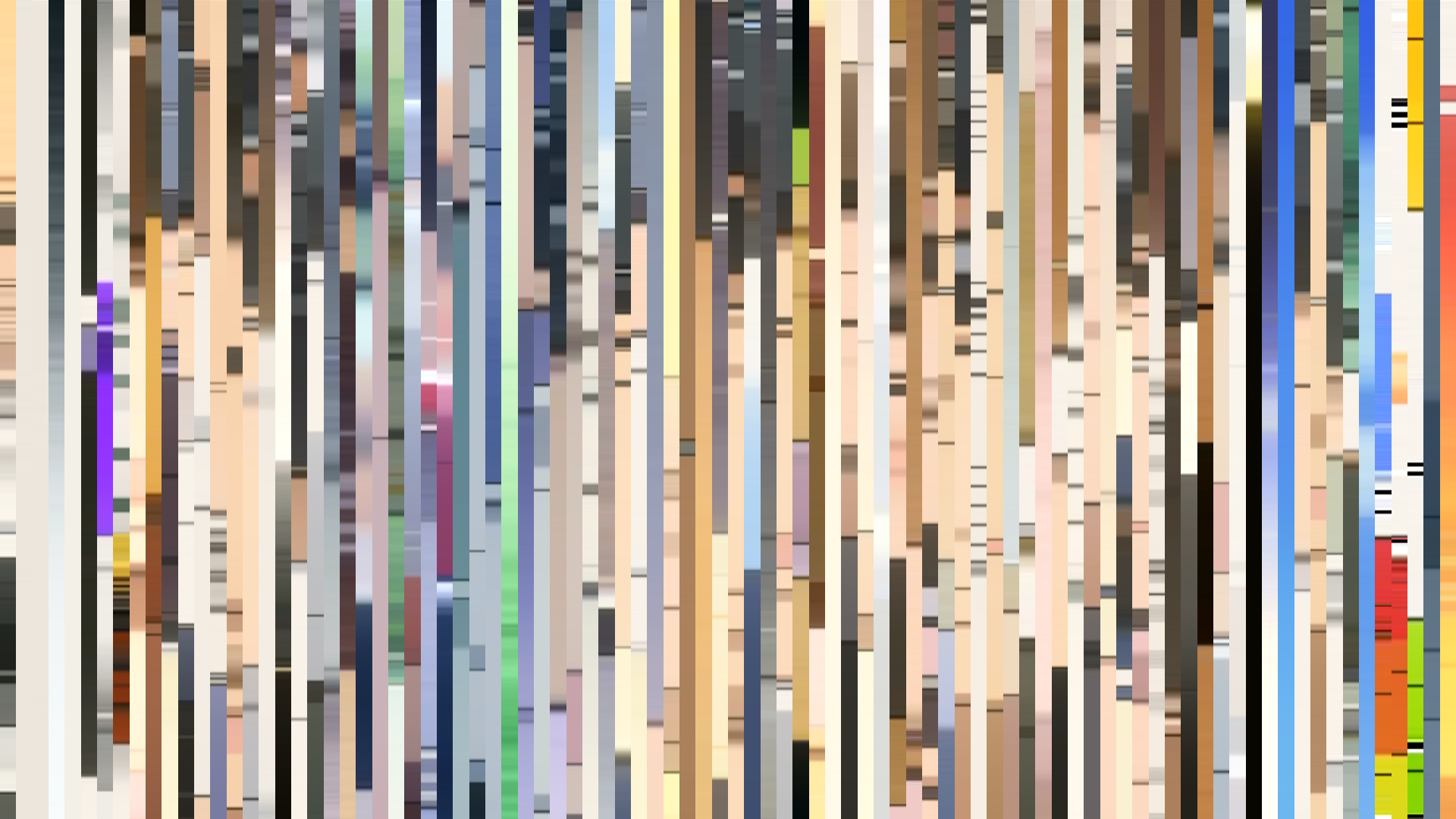
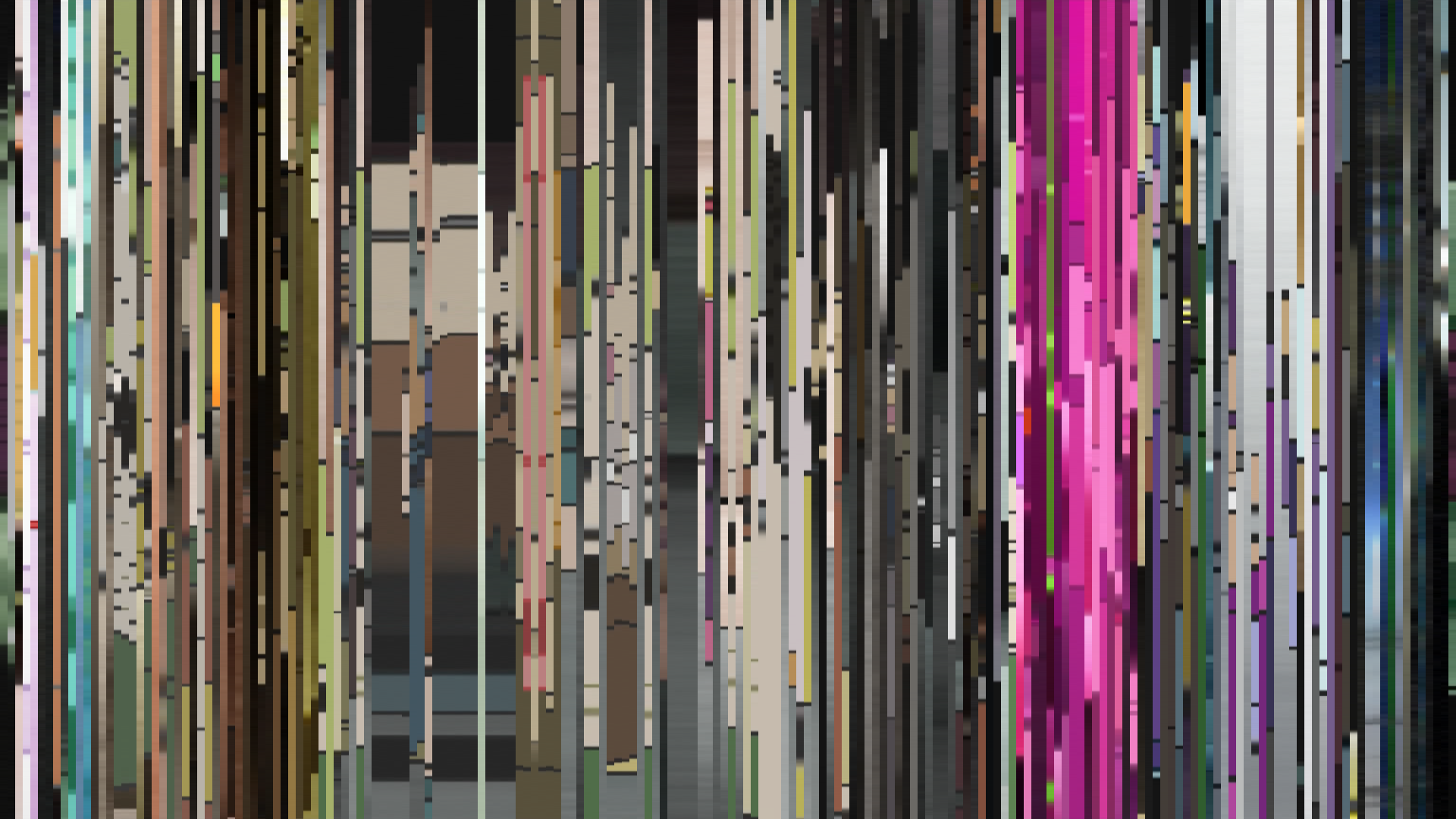
Slice · 15s
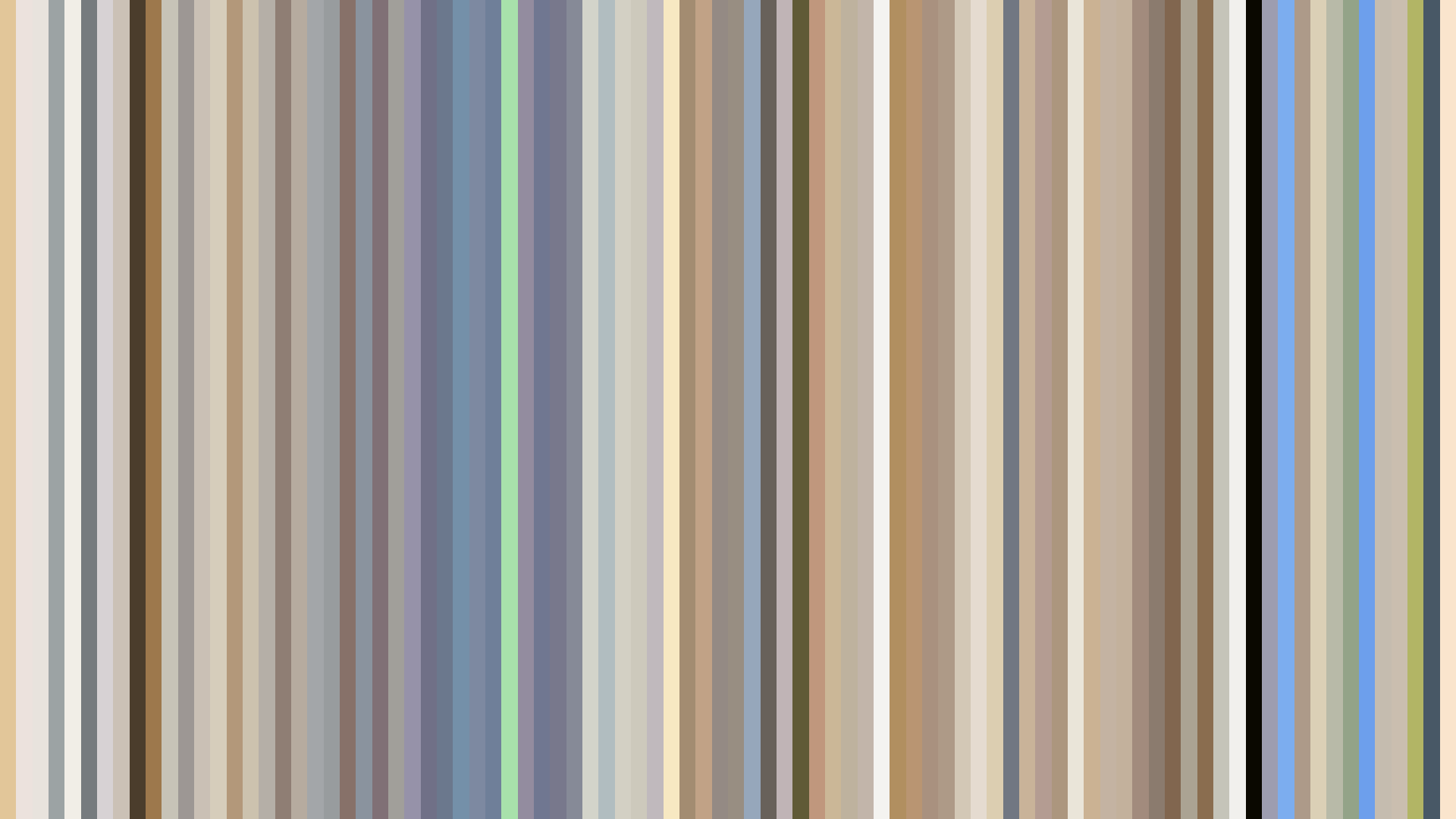
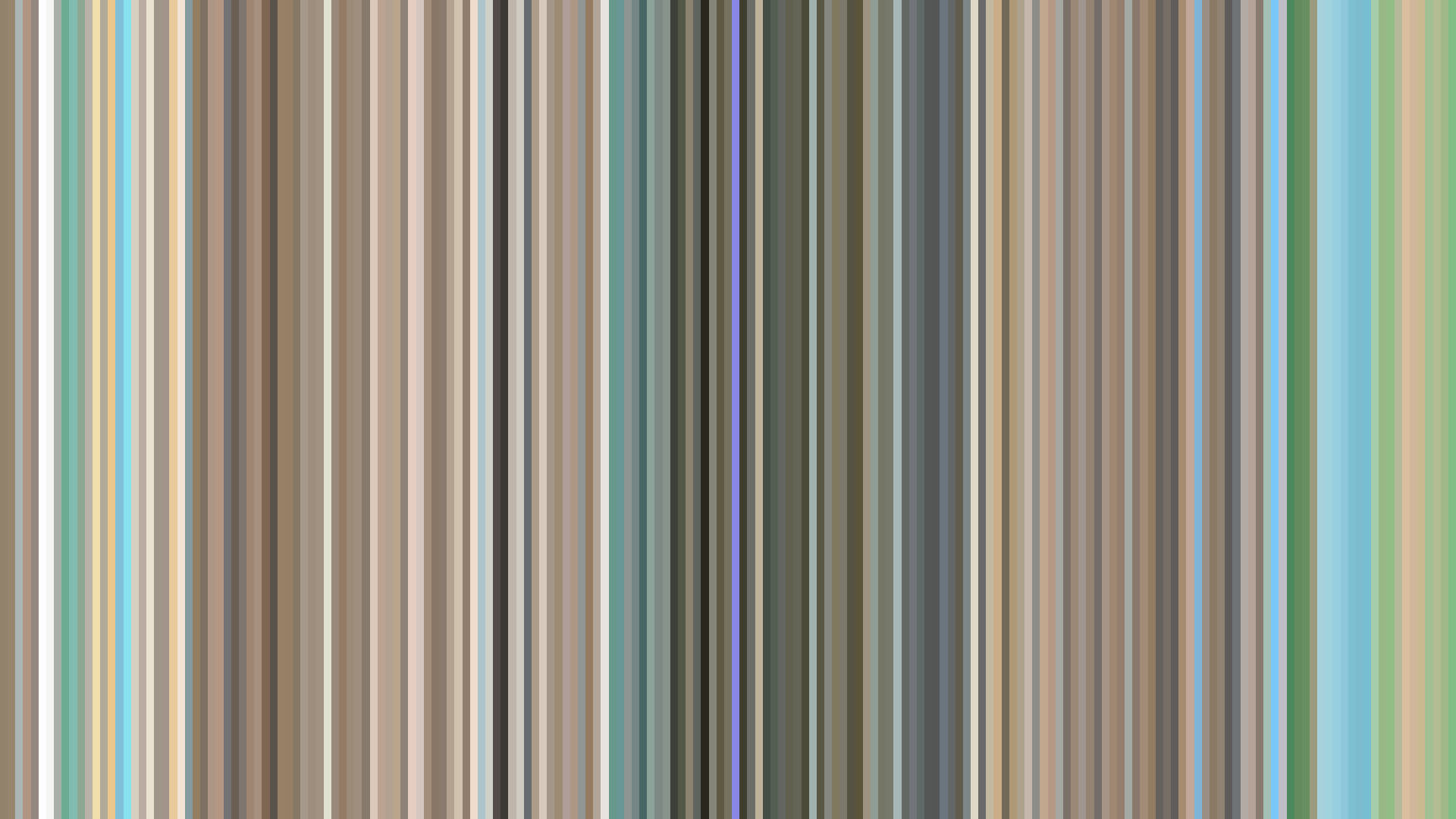
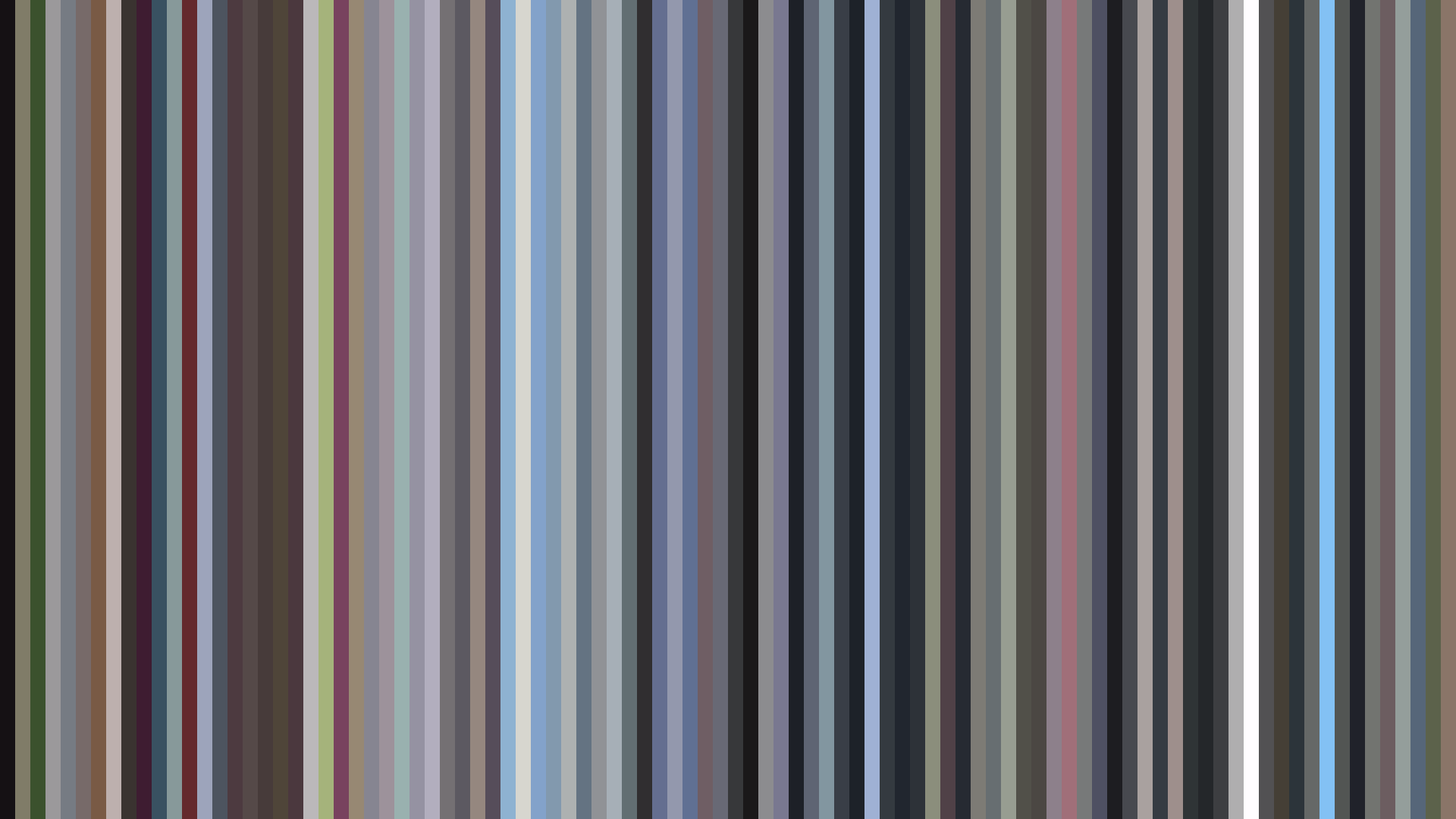
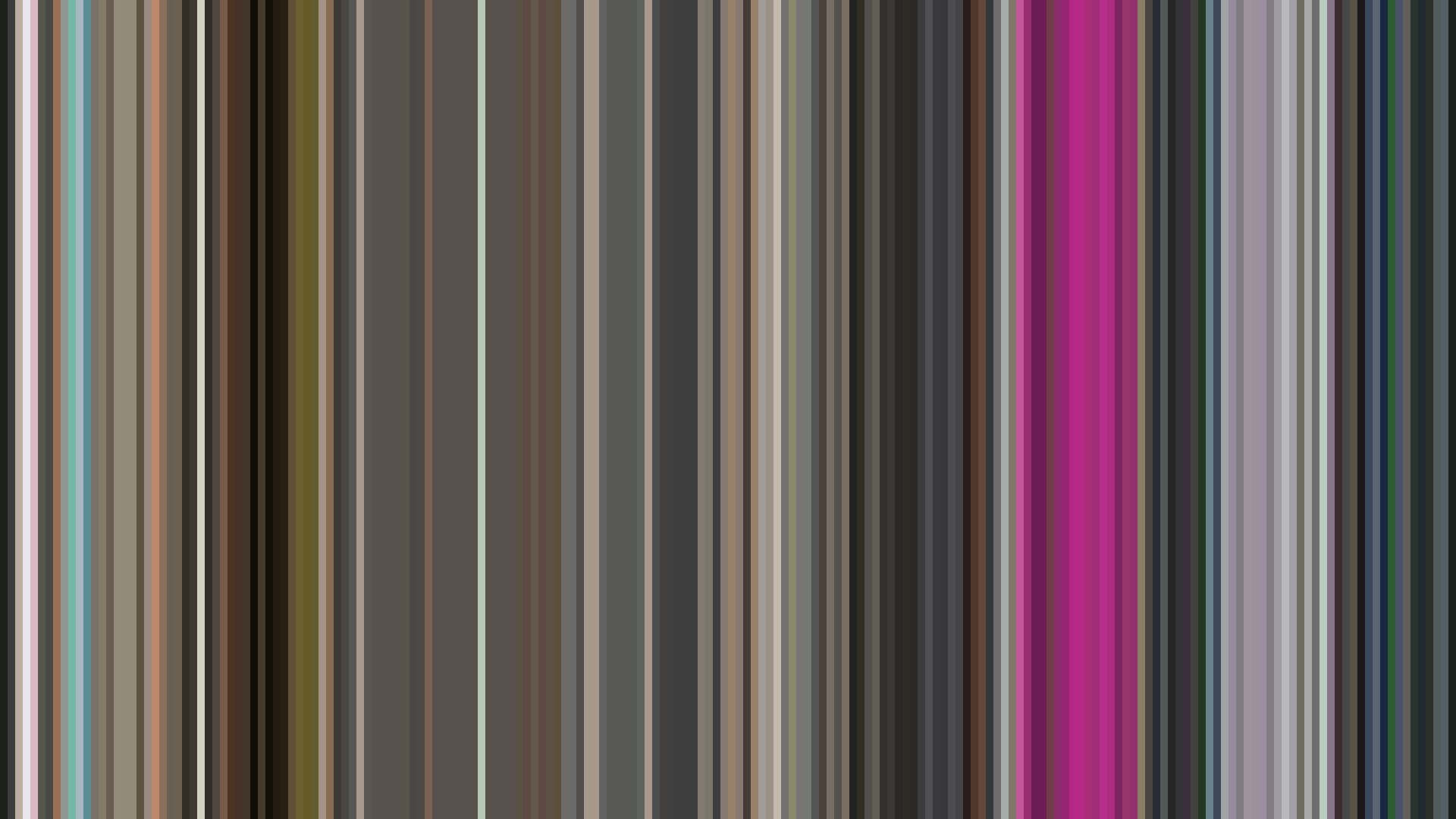
Avg · 15s
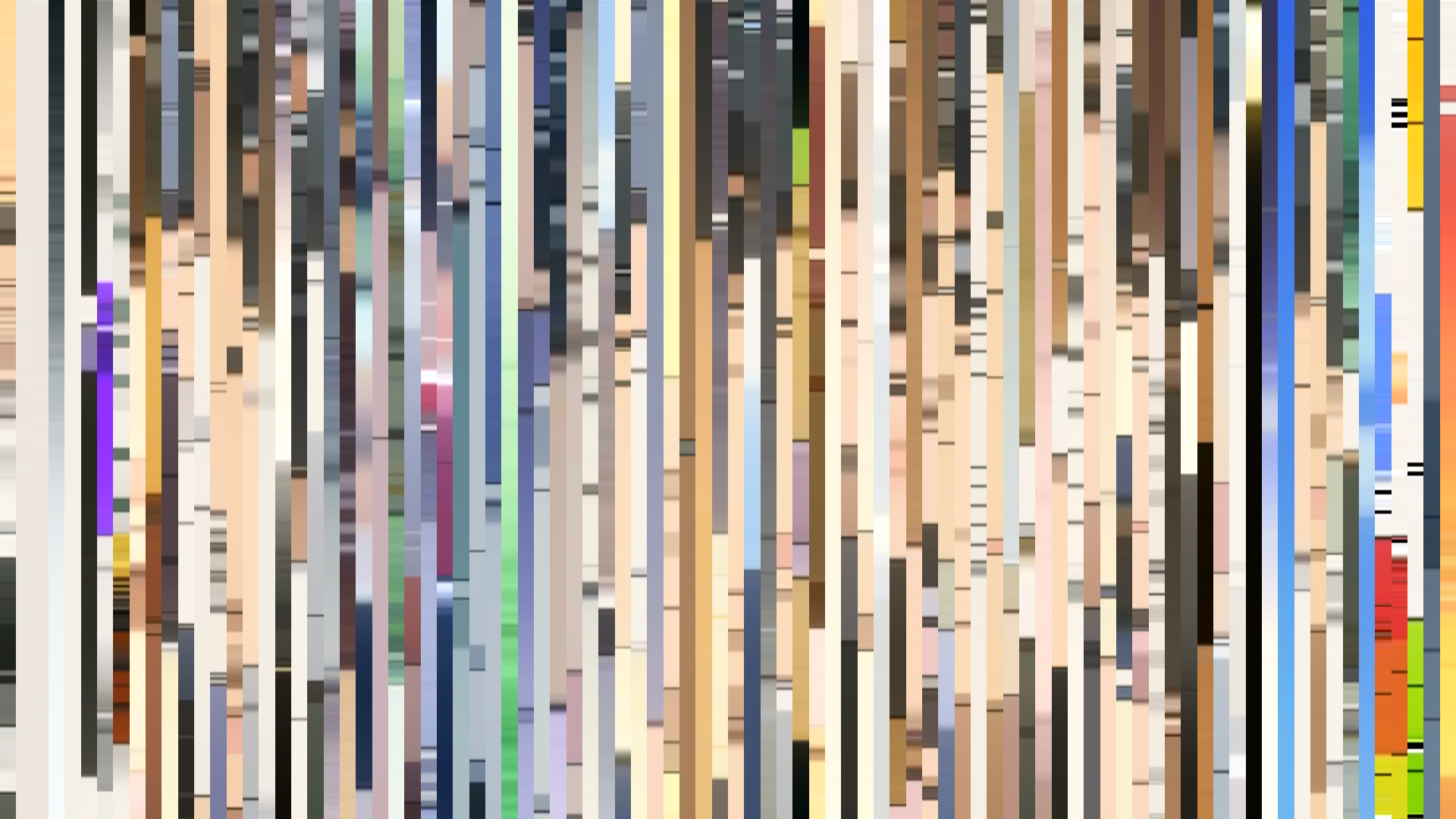
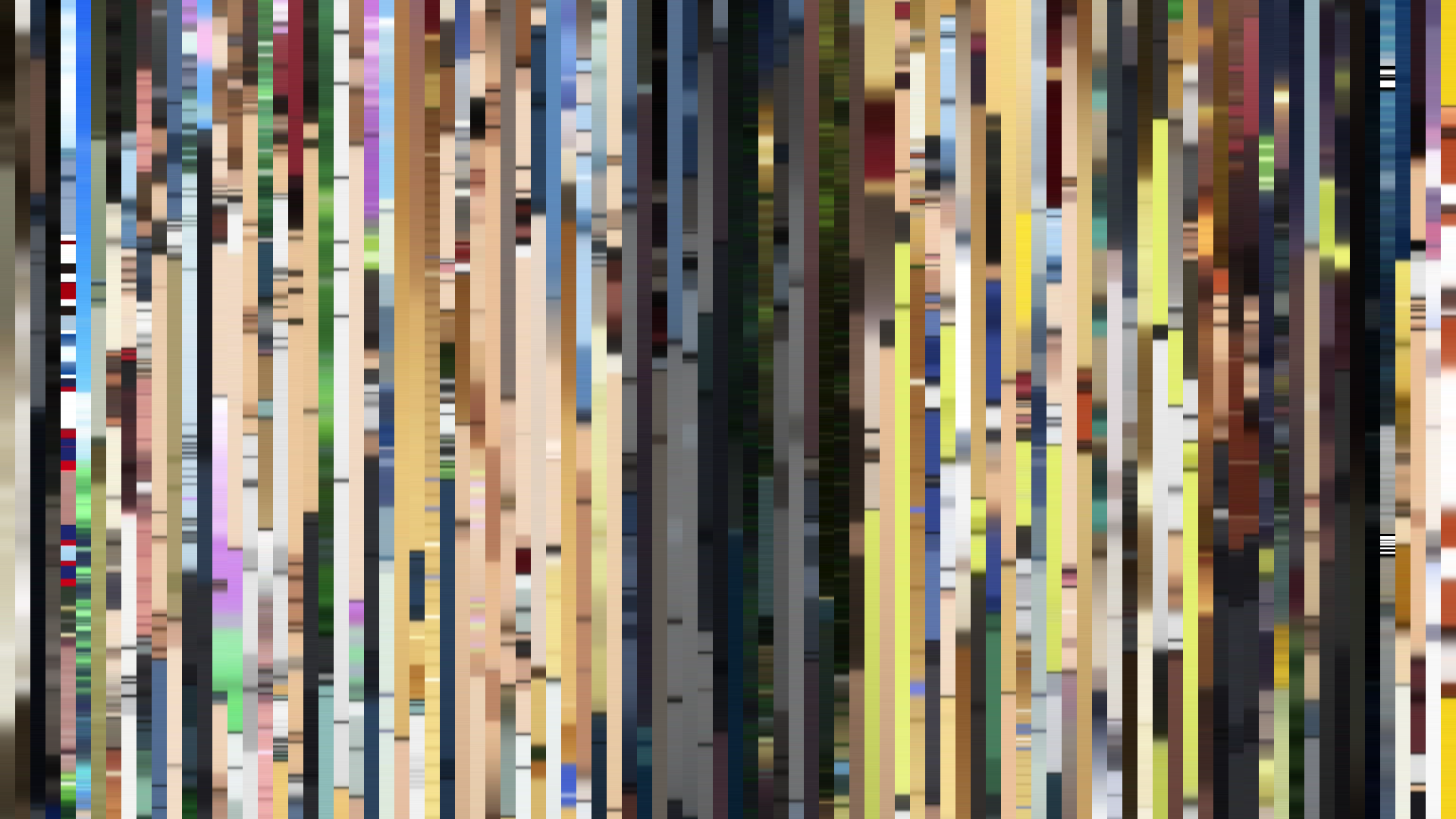
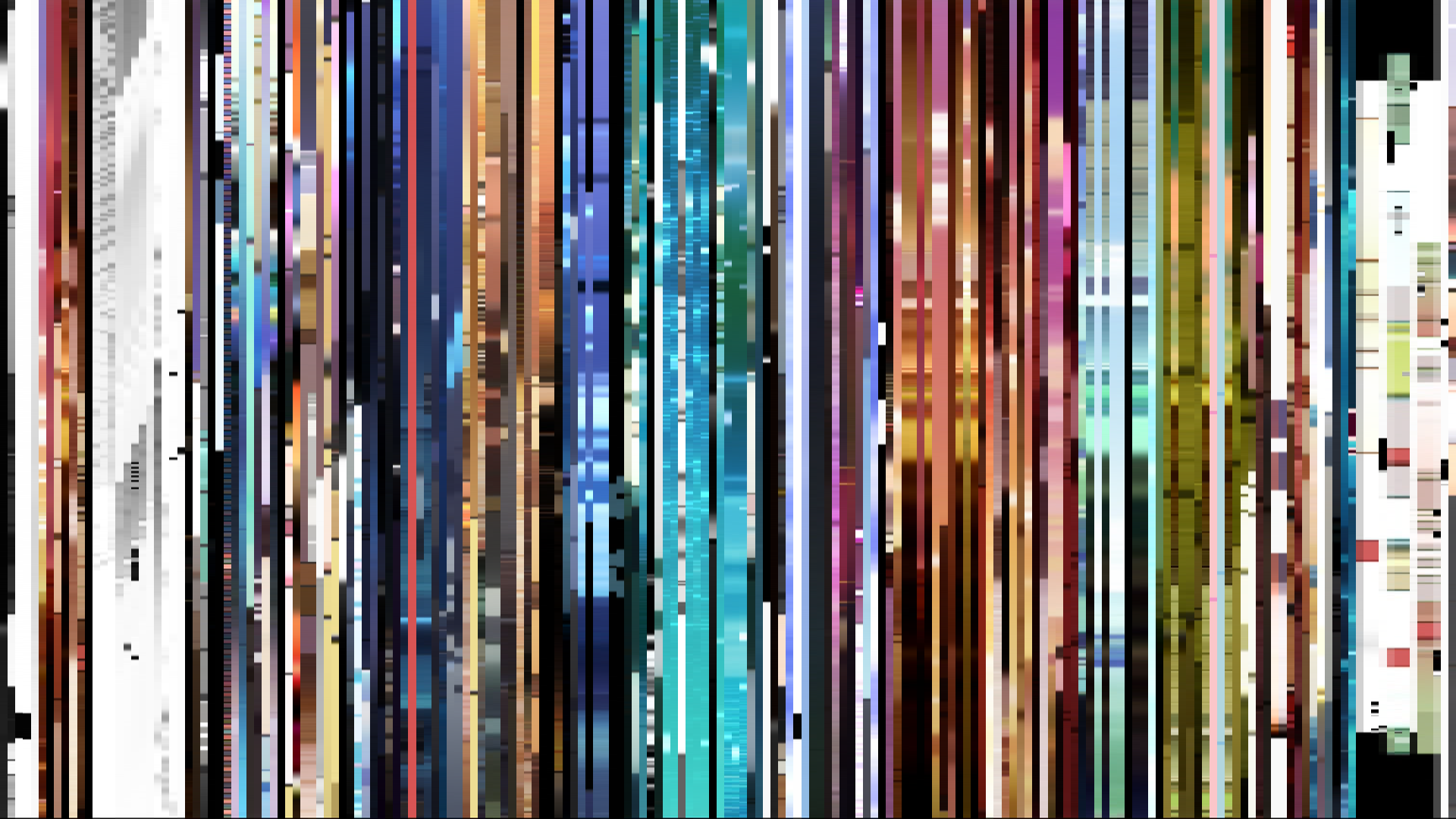
Slice · 30s
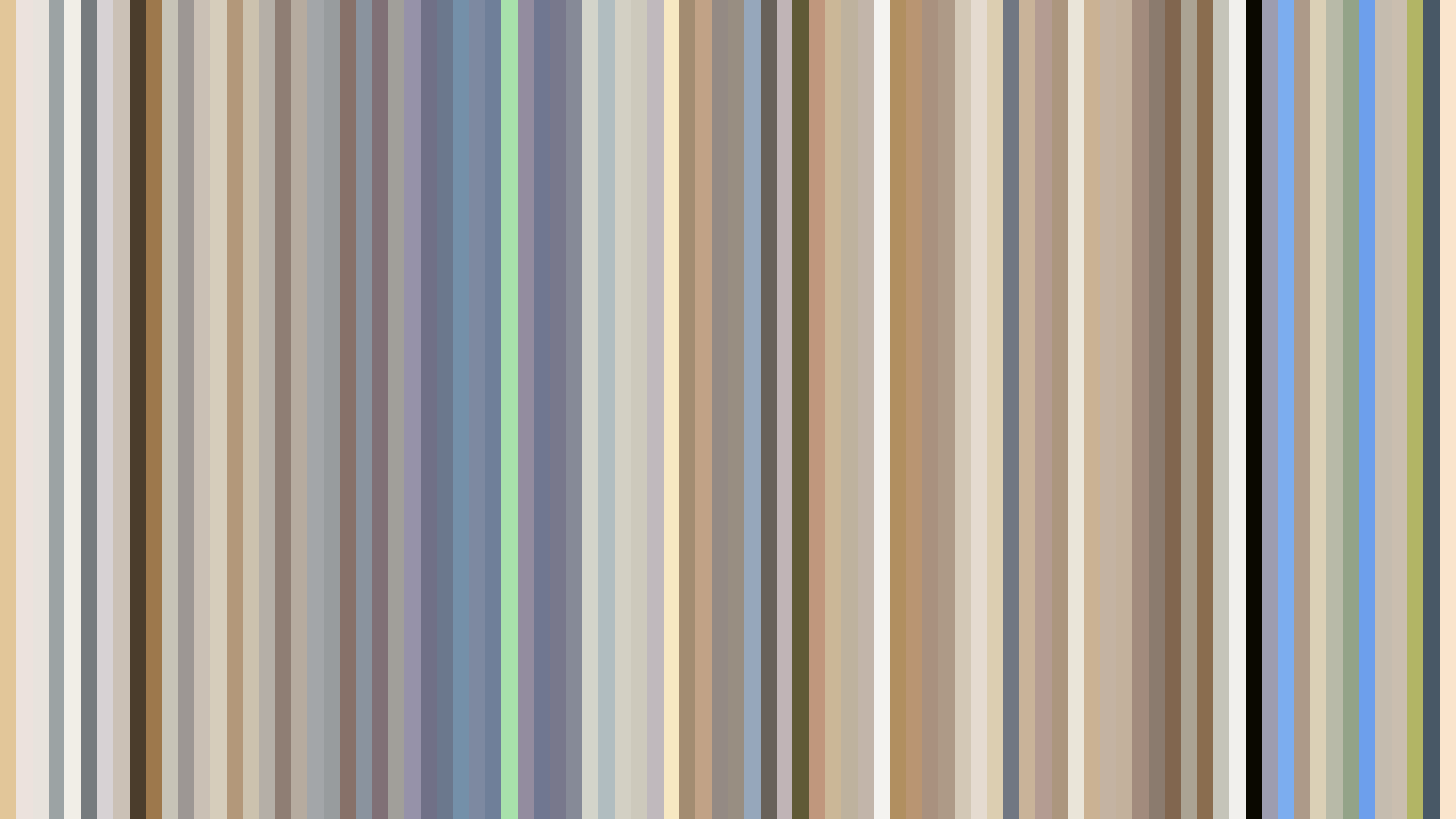
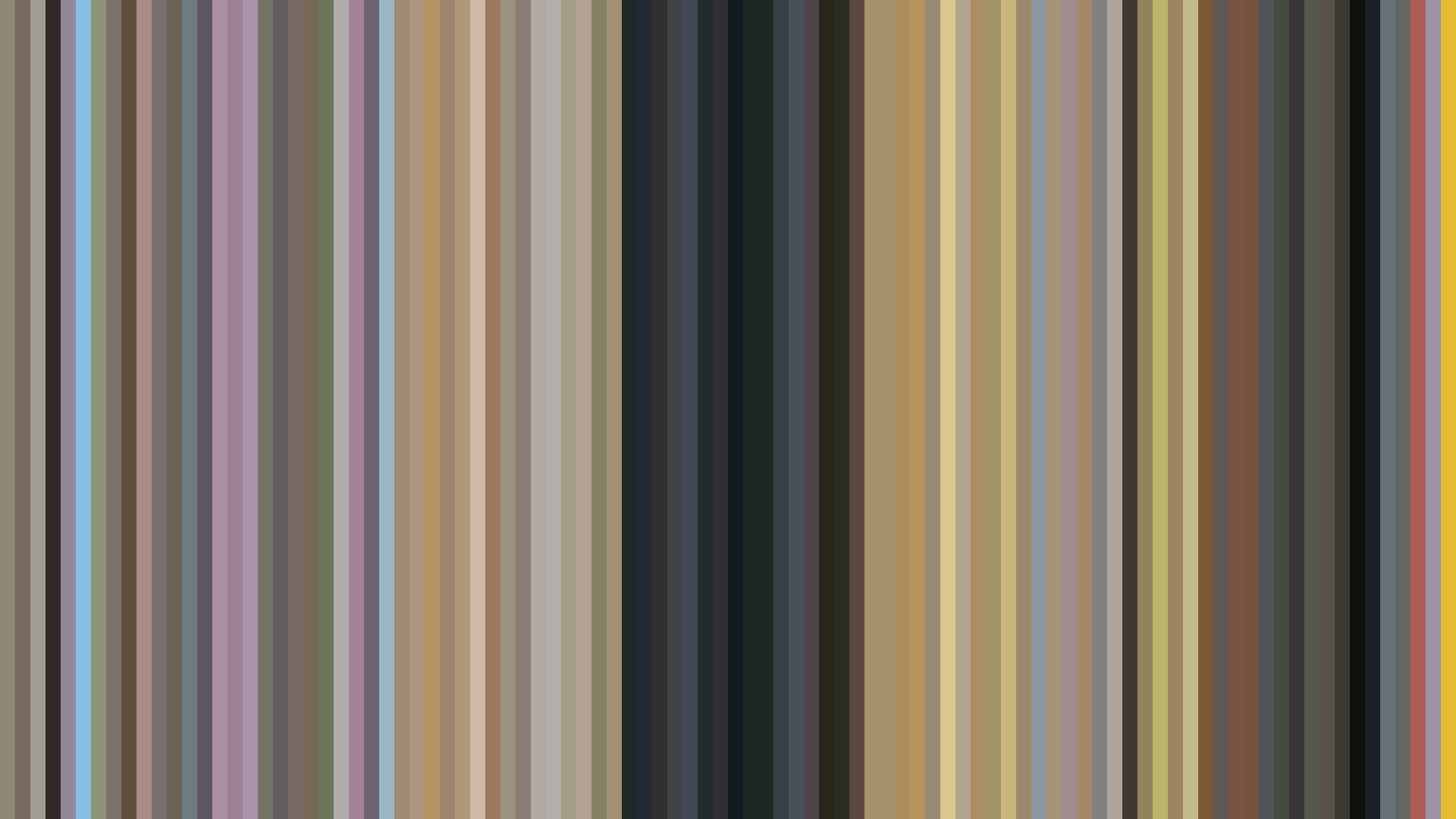
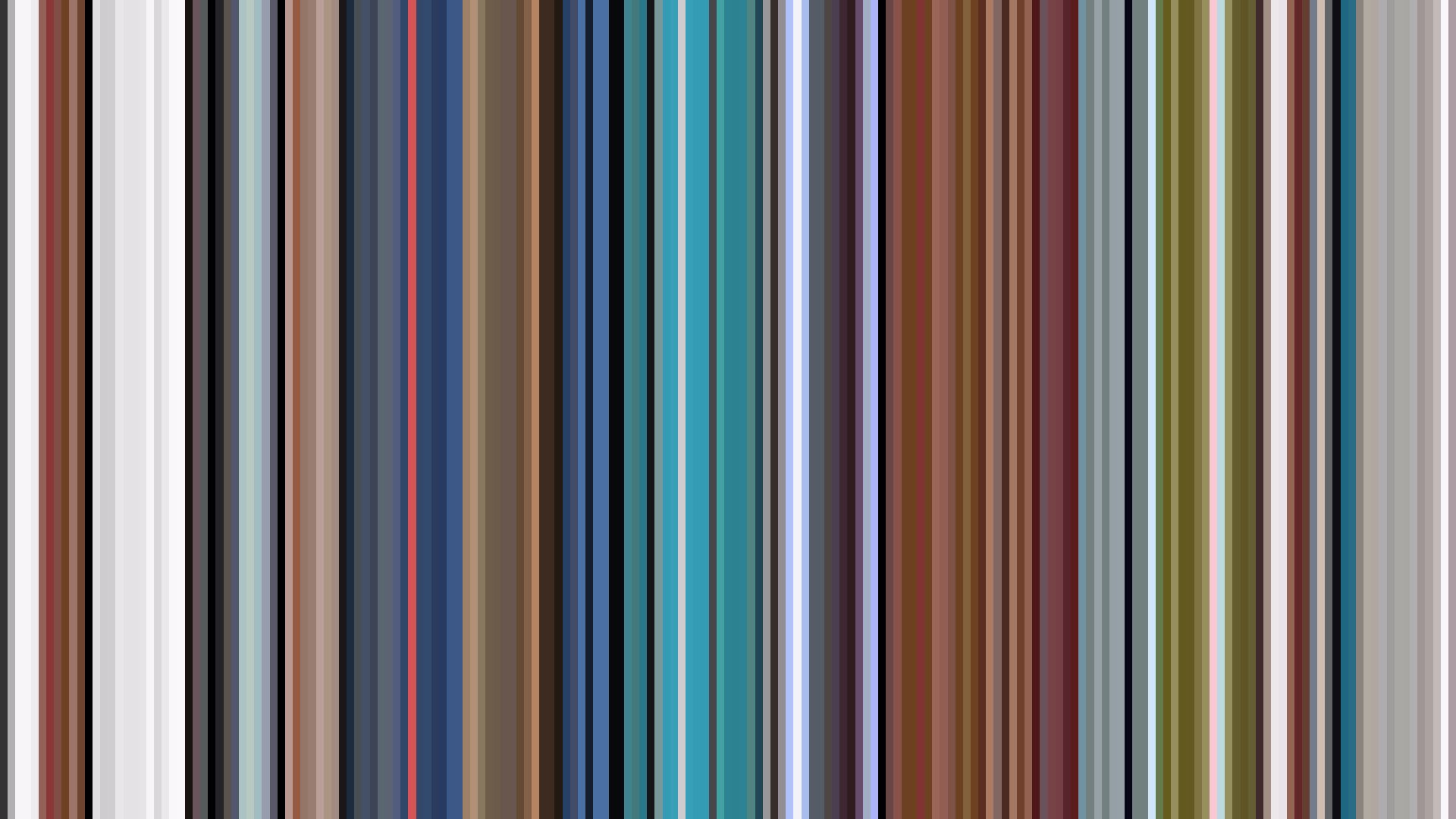
Avg · 30s
The palette reads Red-Orange—warmth, yes, but *muted and dusty*. The desaturation sits at 0.202, far below anime’s average, rendering the classical music capital in a hushed, sepia-toned realism. Director Ken’ichi Kasai and J.C.Staff resist the impulse to romanticize Paris with saturated postcards; instead, the flat brightness arc—opening 0.597, middle 0.622, closing 0.621—refuses dramatic tonal shifts. This is not a story of climactic breakthroughs but *the steady pulse of daily discipline*. The 39% Red-Orange and 32% Red conjure the amber glow of a practice room at dusk, the patina of old instruments, the warmth of shared meals. Yet the 12% Blue-Green intrudes like a stray winter wind, reminding us that Chiaki’s ambition and Nodame’s fears are never fully resolved—only absorbed into the texture of their relationship. For a romance-driven comedy, the palette is *remarkably unromantic in its consistency*: no brightening for declarations, no darkening for arguments. The barcode encodes a show that trusts its characters to stay the same—and lets the music change them instead.
Brightness Arc (episode progression)
Hue Distribution
Act Breakdown
Opening
0.597
Middle
0.622
Closing
0.621
Avg Brightness
0.650
Avg Saturation
0.202
Warmth
0.563
Color Palette
#EFE7DB
#615D59
#A1A0A1
#ECD2B2
#CFB2A1
#242420
#A98E6C
#957158
3-Act Color Story
Opening
Middle
Closing
Color Twins
Perceptually nearest palettes — measured in OKLab space, not RGB
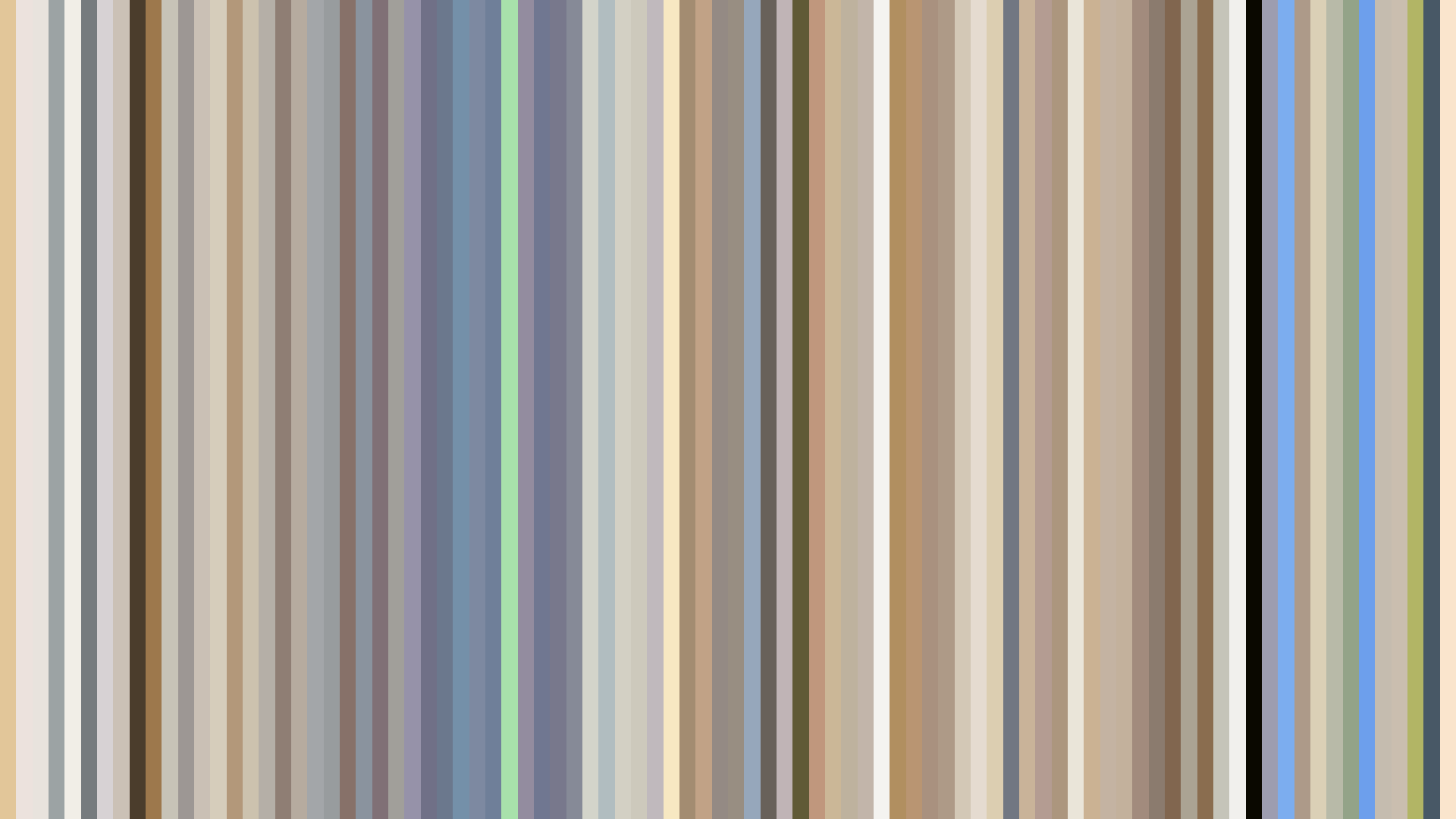
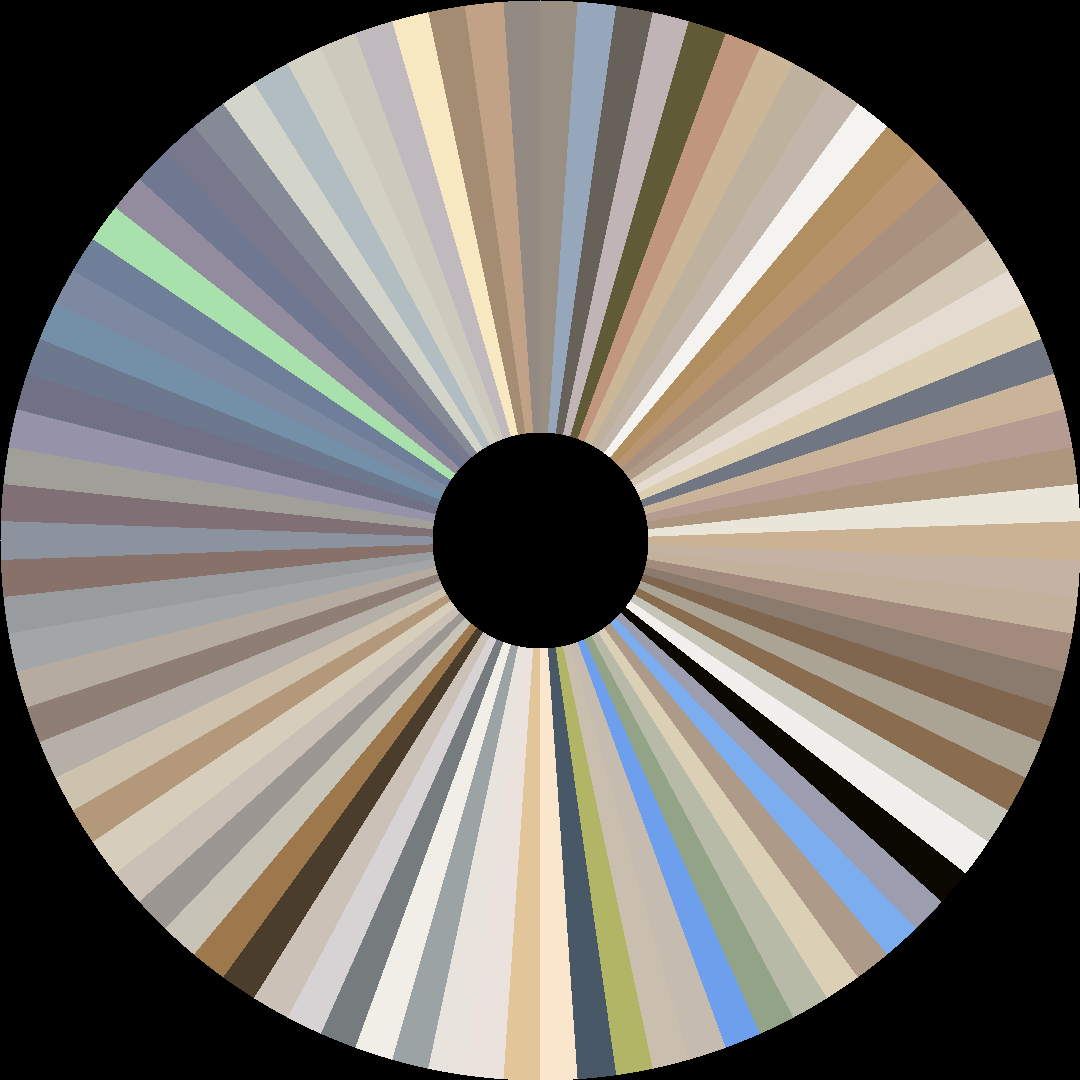






The palette reads Red-Orange—warmth, yes, but *muted and dusty*. The desaturation sits at 0.202, far below anime’s average, rendering the classical music capital in a hushed, sepia-toned realism. Director Ken’ichi Kasai and J.C.Staff resist the impulse to romanticize Paris with saturated postcards; instead, the flat brightness arc—opening 0.597, middle 0.622, closing 0.621—refuses dramatic tonal shifts. This is not a story of climactic breakthroughs but *the steady pulse of daily discipline*. The 39% Red-Orange and 32% Red conjure the amber glow of a practice room at dusk, the patina of old instruments, the warmth of shared meals. Yet the 12% Blue-Green intrudes like a stray winter wind, reminding us that Chiaki’s ambition and Nodame’s fears are never fully resolved—only absorbed into the texture of their relationship. For a romance-driven comedy, the palette is *remarkably unromantic in its consistency*: no brightening for declarations, no darkening for arguments. The barcode encodes a show that trusts its characters to stay the same—and lets the music change them instead.